
Zirconium Veneers Turkey: Procedure, Benefits, Care & Cost
What Are Zirconium Veneers?
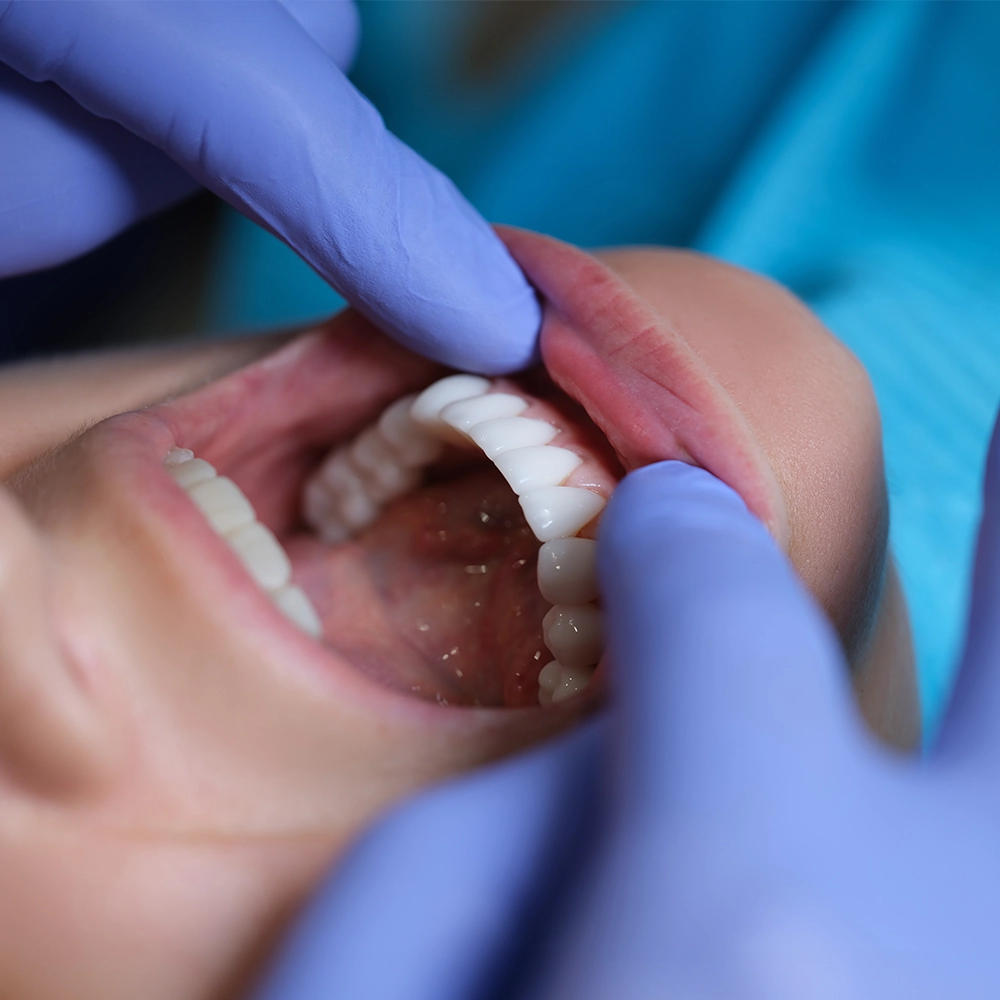
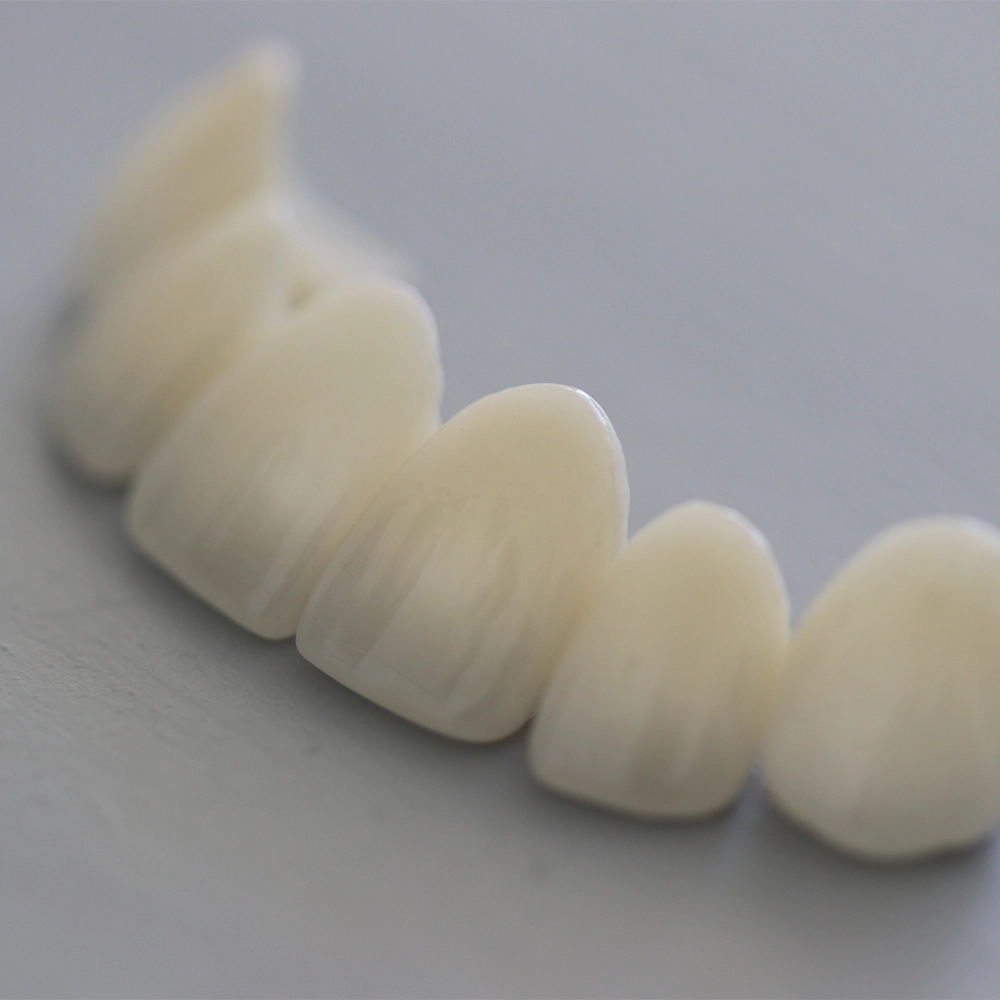
Zirconium veneers are thin shells of glass-like material that bond to the front of teeth to improve their appearance. They are made from a special type of zirconium called zirconia, which is easily shaped. Zirconium is lighter than other types of ceramic but closer to it than porcelain. It does not absorb liquids, and this helps the veneers maintain their color over time. Their surface is smooth and hard, like glass, resulting in low wear on opposing teeth. The translucency of zirconium veneers can be increased by adding lace and combining with a different type of ceramic. Zirconium veneers Turkey can also be more durable under long-term chewing than traditional porcelain ones.
Zirconium veneers are especially useful for masking dark teeth caused by root-canal treatments or when tetracyclines have darkened the dentin relapse. However, little removable tooth structure means they are difficult to re-seat if cement binding fails. An alternative is glass-ceramic veneers that anchor to the teeth and bio-chemically bond to the enamel, ensuring a lifespan many years long. Depending on the initial condition of the teeth treated, the procedure should yield successful, pleasing results in natural-looking, white, preferably bleached tooth color for years.
Key Features
Feature | Benefit |
Material | Zirconia-based ceramic |
Appearance | Natural, translucent, bright smile |
Durability | Highly resistant to chipping & fracture |
Stain Resistance | Does not absorb liquids |
Tooth Preservation | Minimal enamel removal |
Comfort | Smooth, glass-like surface |
Best For
Dark or discoloured teeth
Worn-down teeth
Shape or alignment concerns
Old restorations needing replacement
How Do Zirconium Veneers Work?
Zirconium veneers are thin restorations bonded to the front surface of teeth, offering durability and enhancing aesthetics. Their characteristics require careful consideration. Unlike porcelain-fused-to-metal or all-ceramic restorations, zirconium veneers may have poorer long-term appearance due to resin cement covering the tooth structure. However, quality work can mitigate these issues. They bond directly to enamel using modern long-term resin cement, creating a strong bond that withstands normal functional demands. The process involves etching the enamel with acid, applying primer, and cementation.
Bonding Process Includes
Gentle enamel etching
Application of bonding primer
Placement of veneer with resin cement
Light-curing for a secure hold
✔ Designed to withstand daily function
✔ Provides long-lasting results
Porcelain, Composite, Zirconium Veneers Pros and Cons
Veneer Type | Pros | Cons |
Zirconium (Zirconia) Veneers | • Extremely strong & fracture-resistant • Excellent stain resistance • Suitable for patients with strong bite forces or grinding (with protection) • Long lifespan when maintained • Natural, bright appearance | • Higher cost than other options • More opaque than porcelain in some cases • Repairs are difficult, often requires replacement • Slightly more enamel removal may be needed |
Porcelain (Ceramic) Veneers | • Best natural aesthetics & translucency • Highly stain-resistant • Long-lasting with proper care • Excellent colour stability • Ideal for cosmetic smile design | • Irreversible procedure • Higher cost than composite • Can chip or crack if misused • Repairs are usually not possible, replacement needed |
Composite Veneers | • Most affordable veneer option • Completed in 1–2 visits • Easy to repair if chipped • Minimal tooth preparation required | • Less durable than porcelain or zirconium • More prone to staining & discoloration • Shorter lifespan (3–7 years) • Can lose shine over time |
Lumineers / No-Prep Veneers | • Little to no drilling required • Often reversible • Thin & highly aesthetic • Comfortable and conservative | • Not suitable for all smiles or bite types • May not mask very dark tooth shades as well • Can look bulky if teeth are not ideal candidates • Repairs are limited |
What Is the Procedure for Getting Zirconium Veneers?
Getting zirconium veneers Turkey is a four- or five-step process, spread over two or three visits. Appropriate planning is essential, and the results depend on careful tooth preparation. The steps are as follows:

The process starts with a thorough consultation where the practitioner assesses the patient's teeth and smile for fractures and misalignments. Digital photos and shade selections provide insights. Tests may evaluate sensitivity, tooth vitality, and gum health. Findings are documented to determine functional and aesthetic enhancements. A mock-up, either digital or wax-based, visualizes improvements, focusing on corrective work and addressing potential risks of temporary solutions like whitening. Adjustments for zirconium laces and veneers are noted, leading to a clear understanding of objectives.
✔ Full dental assessment
✔ Digital photos & shade selection
✔ Gum & tooth vitality checks
✔ Smile design / mock-up
✔ Treatment planning
Trusted by Celebrities & Influencers Worldwide
Chosen by Celebrities and Leading Influencers
Procedures
How Long Does the Zirconium Veneer Procedure Take?
Most patients need two to three visits for zirconium veneers Turkey. The first consultation may take over two hours, while tooth preparation and impression last about two hours. Fitting and bonding require at least three hours. Treatments should be spaced four to six weeks apart for lab work. Phone or video consultations are available but offer less detail. Clinical exams and hygiene treatments will be postponed until the first brace-fitting.
Stage | Estimated Time |
Consultation | 1–2 hours |
Preparation & Impressions | ~2 hours |
Final Bonding | 2–3+ hours |
Overall Duration | 2–6 weeks |

What Happens During the Tooth Preparation Stage?
Tooth preparation involves minimal enamel reduction of 0.3-0.5 mm, preserving the tooth's substructure. Occasionally, veneers may touch opposing teeth at rest due to overbite, causing temporary dentin sensitivity, which typically resolves as the tooth pulp defends itself. Chewing sugar-free gum can help alleviate this discomfort, and patients should be made aware that sensitivity is common. After preparation, elastic impressions of the teeth and occlusal relationships are taken to prevent shifts. In the lab, these impressions are scanned to design porcelain-laminate veneers using CAD-CAM technology. The patient's color preferences are recorded, and shade selections occur on the wax model and in the jaw. Before final cementation, trial veneers in resin can be created to help the patient visualize the final outcome.

How Should You Choose the Right Veneer Shade for a Natural Look?
Achieving a natural look with zirconium veneers involves careful shade selection based on the original tooth color. A perfect match can create an artificial appearance. Natural teeth feature color variations instead of pure white, and these shades contribute to a lifelike quality. Translucency is essential, especially regarding the base color of dental tissue. Anterior teeth have less translucent enamel than posterior ones, where opacity aids in realism. Using a single opaque shade can make restorations look unnatural. The veneer’s brilliance, translucency, opacity, and texture are crucial for mimicking natural enamel properly.
A natural smile includes gradients & translucency, not flat opaque colour.
Shade Selection Factors
Natural tooth colour
Desired brightness
Enamel translucency
Gum tone
Lighting conditions
✔ The goal = white but still natural-looking

How Are Zirconium Veneers Bonded to the Teeth?
To bond zirconium veneers, clean teeth with pumice and use resin cement for bonding. Tooth conditioners or primers may be applied, with one-component cements being user-friendly as they combine primer and adhesive. After surface preparation and application of a bonding agent, it is light-cured. Position the veneer according to cement instructions, verifying fit and making occlusion adjustments if needed. Curing occurs with blue light for light-cured agents or self-curing for dark curing. Remove excess cement and finish with fine diamond instruments, then perform a final bite check to confirm occlusion.
Bonding Steps
Teeth cleaned & prepared
Bonding agent applied
Veneers placed with resin cement
Light-cured
Excess cleaned
Polishing & bite check

How Many Visits Are Needed for Zirconium Veneers?
Zirconium veneers Turkey typically require two to three visits. The first visit focuses on tooth preparation, shaping, and impressions or scans, along with bite registration sent to the lab for fabrication. Temporary restorations may be provided if needed. The second visit involves fitting the veneers, where the dentist checks fit, shape, and bite, allowing for adjustments. The final bonding session employs a different cementation technique. A possible third visit addresses any further adjustments in shape, bite, or color match.
Visit | Purpose |
Visit 1 | Consultation & scans |
Visit 2 | Preparation & impressions |
Visit 3 | Final fitting & bonding |
Optional | Fine-tuning adjustments |

Benefits of Zirconium Veneers
Zirconium veneers offer significant advantages in restorative dentistry, including aesthetic appeal, durability, and biocompatibility. They serve as direct enamel replacements, preserving remaining enamel and supporting natural dentine. Their natural shades and translucency allow the underlying enamel's color to show, creating a desired white smile without unnatural tones. Strong and durable, zirconium veneers resist chipping and splitting while ensuring biocompatibility.
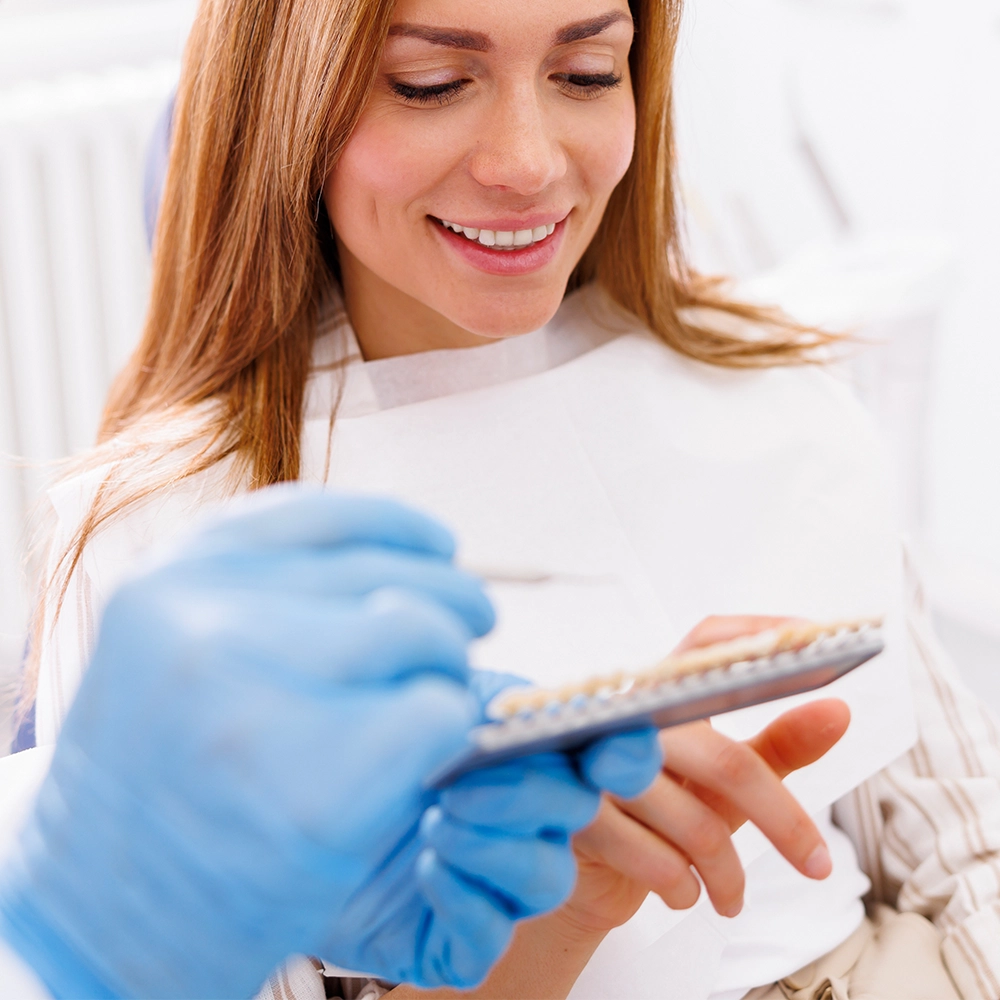
Beautiful, natural-looking results
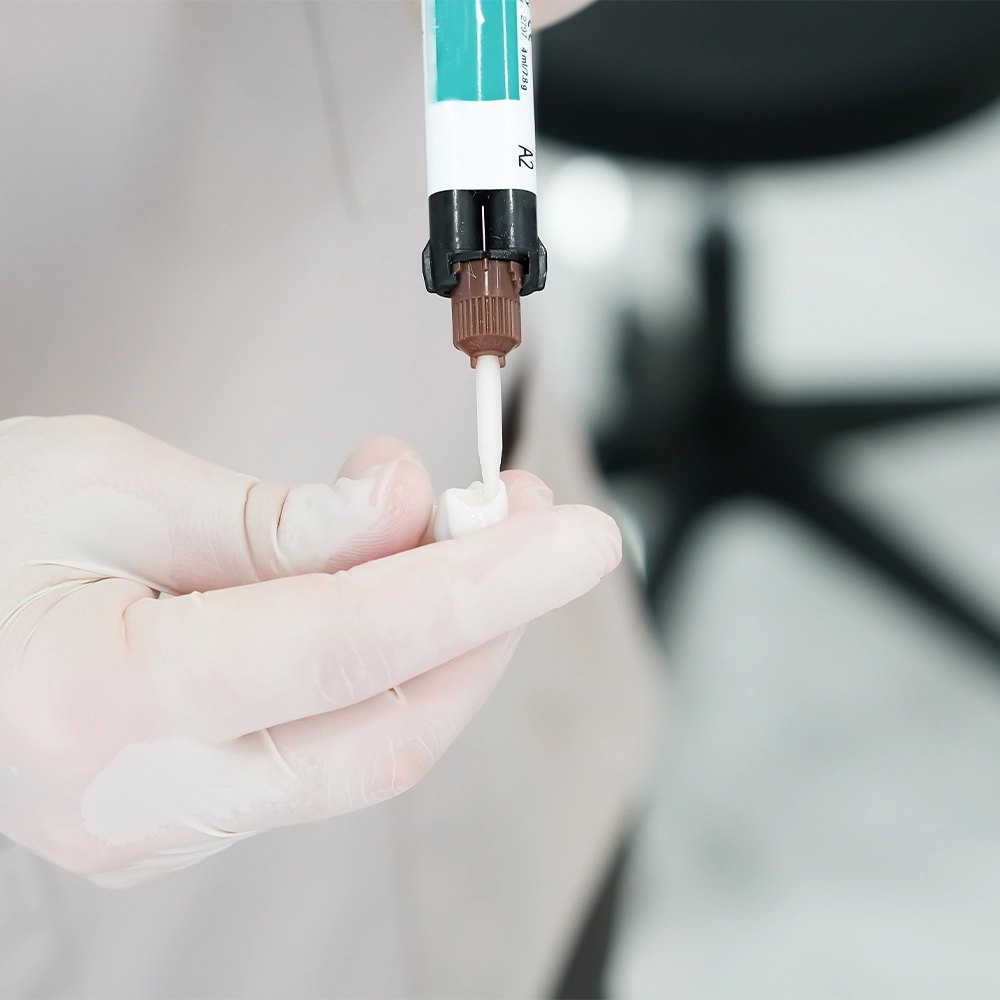
Very strong — fracture-resistant
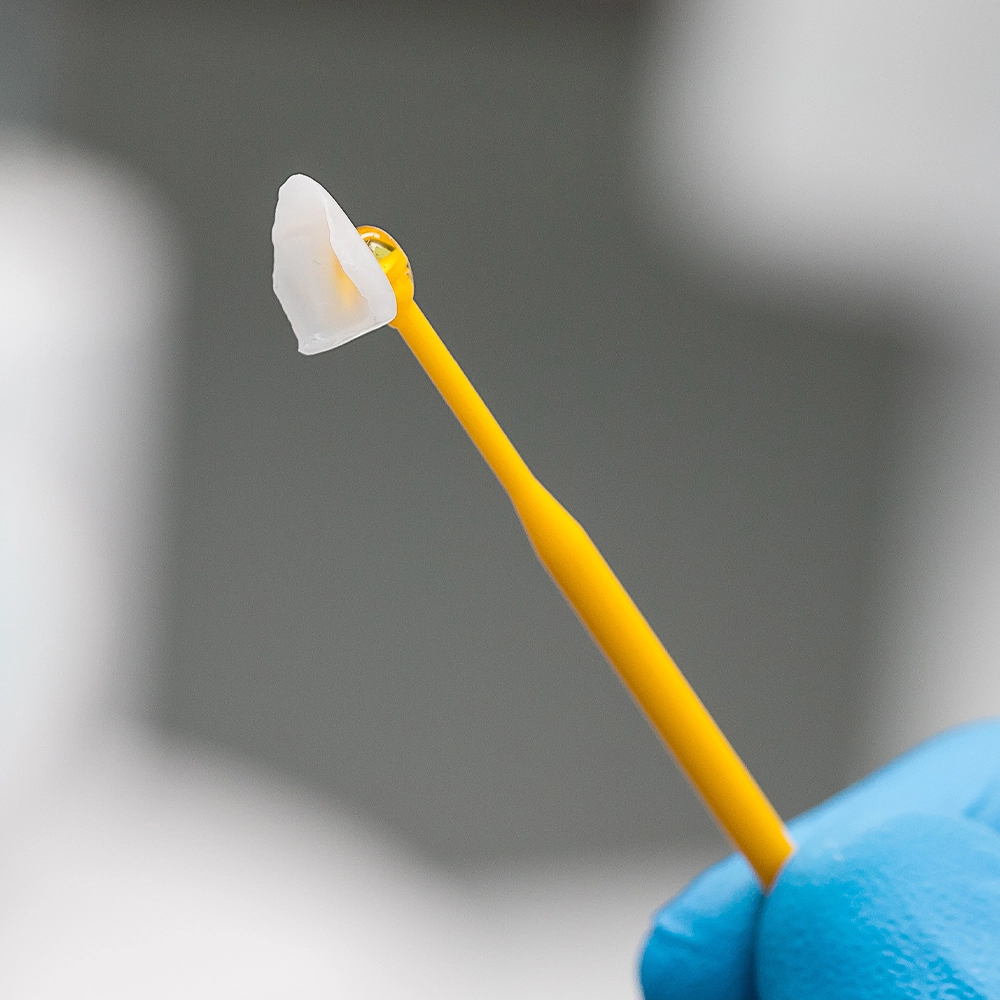
Biocompatible (safe for gums & tissues)
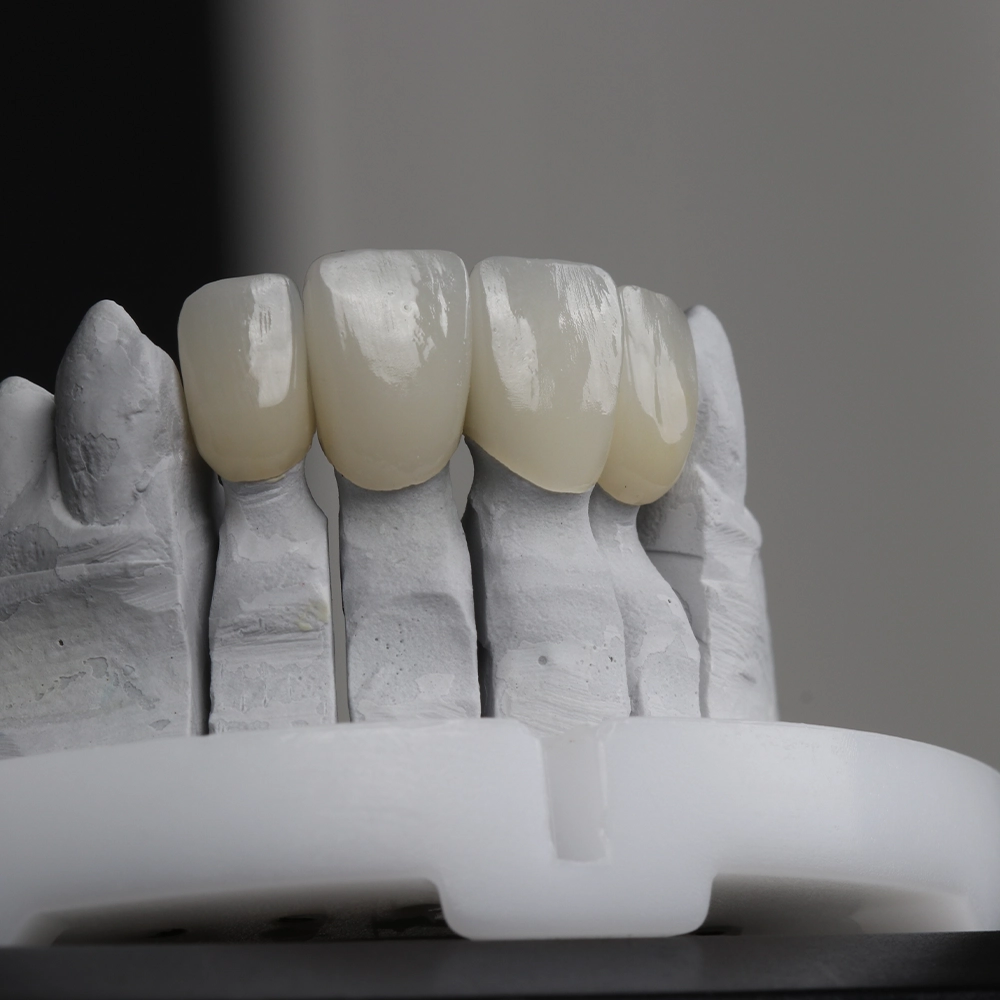
Stain-resistant
Minimal enamel removal required
Long-lasting (with proper care)

Beautiful, natural-looking results

Very strong — fracture-resistant

Biocompatible (safe for gums & tissues)

Stain-resistant

Minimal enamel removal required

Long-lasting (with proper care)
Zirconium Veneers: Key Information
| Category | Zirconium Veneers |
|---|---|
| Expected Longevity | Around 10–15+ years with proper care |
| Appearance | Highly aesthetic with a natural yet slightly opaque finish |
| Resistance to Staining | Outstanding, very difficult to discolor |
| Strength & Toughness | Extremely strong and chip-resistant |
| Price Range | Generally higher-cost treatment option |
| Ability to Repair | Repairs are limited, full replacement is often required |
| Best Suited For | Patients with strong bite pressure or back-tooth restorations |
Types of Dental Veneers: Comparison Table
| Feature | Zirconium (Zirconia) Veneers | Porcelain (Ceramic) Veneers | Composite Veneers | Lumineers / No-Prep Veneers |
|---|---|---|---|---|
| Material | Zirconia-based ceramic | Glass-ceramic / porcelain | Composite resin | Ultrafine porcelain laminate |
| Appearance | Very natural, slightly more opaque | Highly aesthetic & most natural look | Good but less lifelike than porcelain | Natural, very thin and translucent |
| Tooth Reduction Needed | Minimal to moderate | Minimal | Minimal to moderate | Little to none |
| Durability | Very strong & fracture-resistant | Strong & long-lasting | Less durable | Durable but thinner |
| Stain Resistance | Excellent | Excellent | Moderate, may stain over time | Excellent |
| Lifespan | 10–15+ years | 10–15+ years | 3–7 years | 8–12 years on average |
| Repairability | Limited, often replaced if damaged | Limited, usually replaced | Easier to repair | Limited |
| Cost Level | High | High | Lower cost | High–premium |
| Treatment Time | 2–3 visits | 2–3 visits | 1-2 visits | 2 visits |
| Reversibility | Usually not reversible | Not reversible | Partly reversible | Often reversible |
| Ideal Candidates | Patients needing strength (e.g., strong bite, back teeth) | Patients seeking premium aesthetics for front teeth | Budget-friendly cosmetic improvement | Patients wanting minimal drilling |
| Common Uses | Heavy bite, grinders (with protection), molars | Smile design, cosmetic front teeth | Small chips, gaps, minor cosmetic fixes | Cosmetic smile makeover with minimal prep |
Aftercare for Zirconium Veneers
Zirconium veneers resist staining and wear, but maintaining good oral hygiene and regular dental visits is essential. Patients should avoid very hot, cold, or sweet foods until temporary veneers are removed to prevent tooth sensitivity. Steer clear of hard foods or chewing ice after bonding. Some sensitivity may occur before and after final bonding. If severe sensitivity persists with swelling or discomfort, patients should consult their dentist for necessary adjustments.
Do
Brush twice daily
Floss daily
Use non-abrasive toothpaste
Attend regular dental checkups
Avoid
Chewing hard objects (ice, pens)
Very sticky foods
Teeth grinding (nightguard may help)
Sensitivity
Mild temporary sensitivity may occur, this is normal.
Seek dental advice if you experience:
Severe or persistent pain
Swelling
Gum irritation

Zirconium Veneers Price Turkey
Country | Zirconia Veneers |
Turkey | 250€ |
USA | 1,100€ |
UK | 850€ |
Frequently Asked Questions
Ready to smile with confidence?
Book your visit today and experience the Cinik difference. New patients receive a complimentary virtual consultation.