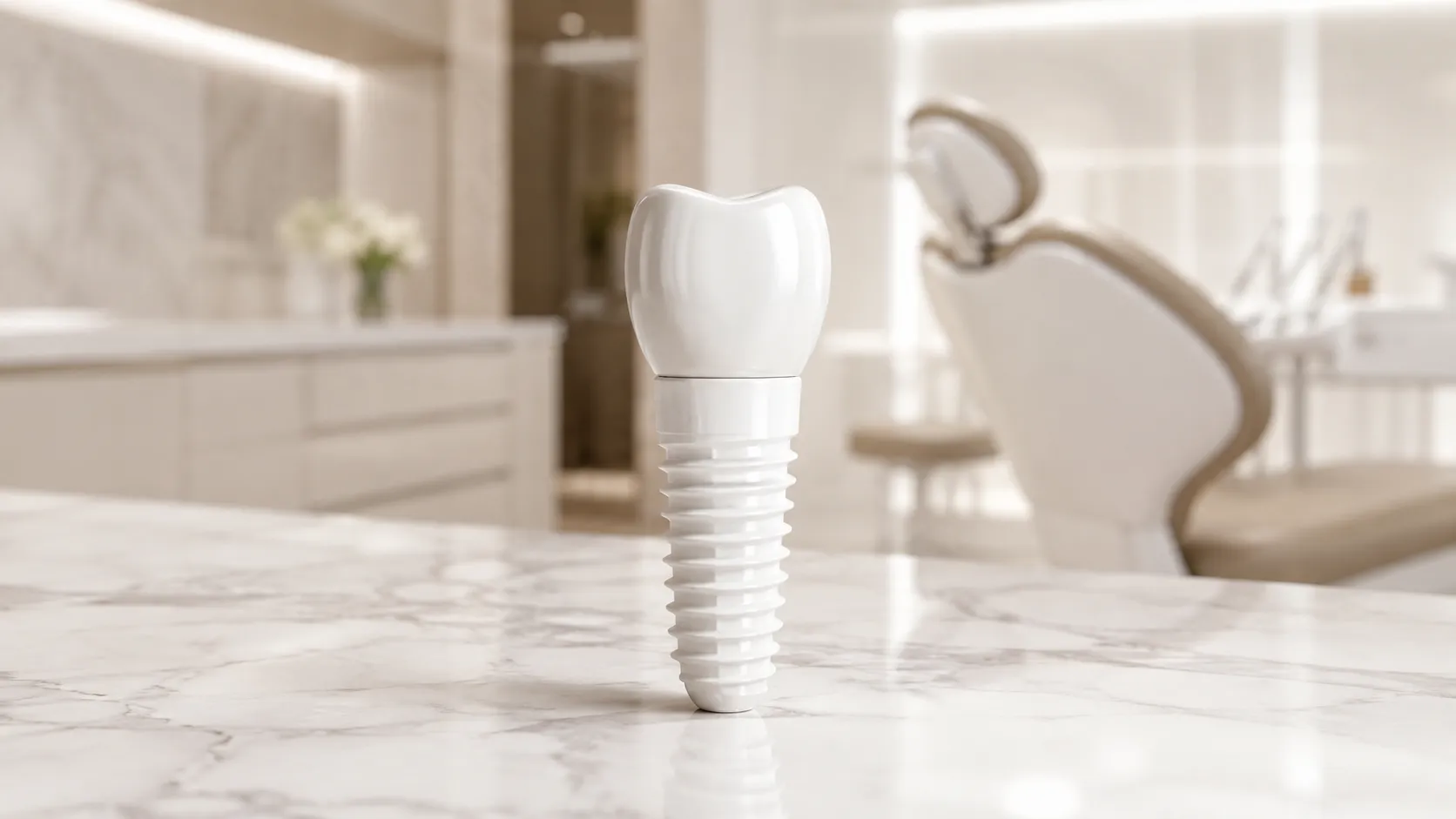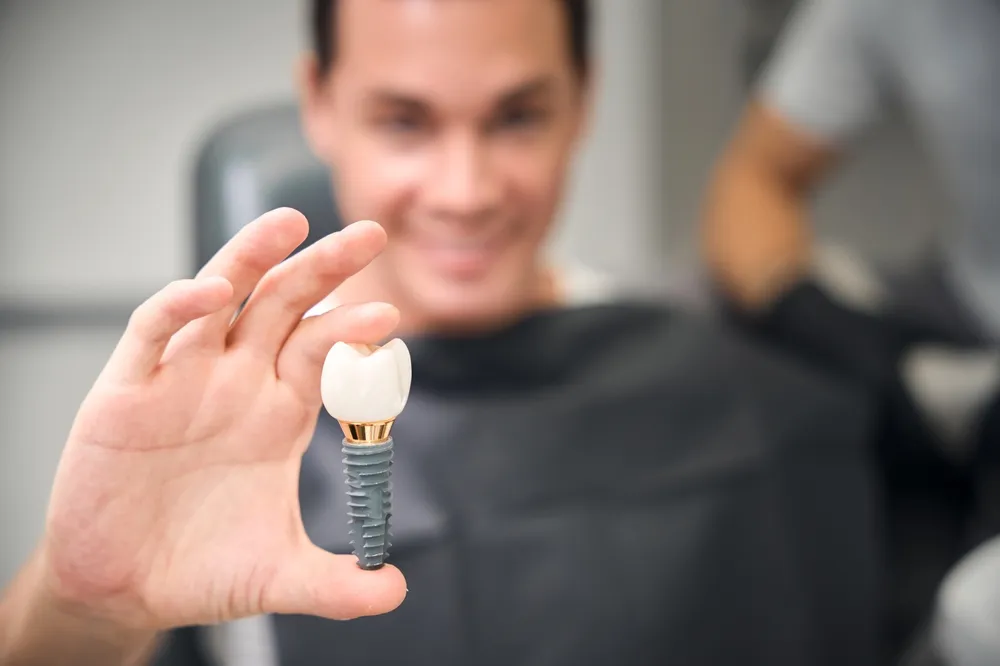
Dental implants last 20 to 30 years on average. Many patients keep their implants for life with proper care.
Dental implants provide a permanent tooth replacement option for millions of people worldwide. Patients want to know how long this investment lasts. Research shows that titanium dental implants integrate with bone and function for decades. The implant fixture itself can last a lifetime. The crown or bridge on top may need replacement after 10 to 15 years. Several factors affect dental implant lifespan. These include bone quality, oral hygiene, smoking habits, and overall health. This article explains the science behind implant longevity. It answers common questions about durability. It also shows how patients can protect their investment.
What Is the Average Lifespan of Dental Implants?
Dental implants survive 95% to 98% of the time after 10 years. The fixture often lasts 25 to 30 years or more.
Scientists have tracked dental implant success rates for decades. Adell and colleagues published a landmark 15-year study in 1981. They found that implants in the lower jaw survived over 90% of the time (Adell et al. 387). Modern titanium dental implants perform even better. Today, clinicians report 10-year survival rates above 95%. Some studies show 30-year survival rates near 90%. The implant fixture forms a direct bond with bone. This process is called osseointegration. Once osseointegration completes, the fixture acts like a natural tooth root. It can withstand daily chewing forces for decades.
How Long Does the Implant Fixture Last?
The titanium implant fixture can last a lifetime. It fuses directly with the jawbone.
The implant fixture is the screw-like post that sits inside the bone. Titanium dental implants trigger bone growth. Bone cells attach to the titanium surface. This creates a strong, permanent connection. Albrektsson and Zarb established success criteria for implants in 1986. They defined success as an implant that remains stable and functional (Albrektsson and Zarb 11). Long-term data supports this. Jemt followed patients for 15 years. He found that maxillary implants maintained high survival rates (Jemt 347). The fixture itself rarely breaks. It does not decay like natural teeth. Patients can expect the fixture to last 25 years or more. Many patients keep their fixtures for life.
How Long Do Implant Crowns, Bridges, and Dentures Last?
Implant crowns last 10 to 15 years on average. Bridges and dentures may last 5 to 10 years before needing repair.
The restoration sits on top of the fixture. This includes the crown, bridge, or denture. These parts handle direct chewing forces. They wear out faster than the fixture itself. Jung and his team reviewed studies on single crowns. They found that implant-supported crowns showed high survival rates at 5 years. However, technical problems occurred in some cases (Jung et al. 681). Pjetursson and colleagues analyzed fixed dental prostheses. They noted that complications increased over time. These included veneer fractures and screw loosening (Pjetursson et al. 22). Patients should plan for restoration replacement every 10 to 15 years. Full-arch implant prostheses may need adjustments every 5 to 10 years.
What Do Clinical Studies Show About Dental Implant Success Rates?
Clinical studies report 10-year implant survival rates between 95% and 98%. Success rates remain high even after 20 years.
Researchers define survival as the implant remaining in place. They define success as the implant functioning without pain or bone loss. Zarb and Holmes reviewed clinical data in 1990. They confirmed that well-placed implants showed excellent long-term results (Zarb and Holmes 476). Modern guided surgery and digital planning improve outcomes. Cochran and his team studied biologic width around implants. They showed that proper placement preserves gum health (Cochran et al. 186). Goodacre and colleagues tracked complications. They found that most implants survived long-term when patients followed care instructions (Goodacre et al. 121).
Time Period | Survival Rate | Key Study |
5 years | 95-98% | Jung et al. 2012 |
10 years | 93-96% | Pjetursson et al. 2012 |
15 years | 90-95% | Jemt 2005 |
20+ years | 85-90% | Adell et al. 1981 |
What Factors Affect How Long Dental Implants Last?
Bone quality, oral hygiene, smoking, bruxism, health conditions, surgical technique, and implant design all affect longevity.
Dental implants do not last the same amount of time for everyone. Several patient-related and clinical factors influence outcomes. Misch emphasized that treatment planning determines long-term success (Misch 45). Patients with strong bone and healthy gums enjoy better results. Smokers and patients with uncontrolled diabetes face higher risks. The choice of implant material and the skill of the surgeon also matter. Understanding these factors helps patients make informed decisions.
How Does Jawbone Quality Influence Implant Longevity?
Strong, dense bone allows better osseointegration. Weak bone increases the risk of implant failure.
The jawbone must hold the implant firmly. Osseointegration requires adequate bone volume and density. Buser and his team studied early implant placement. They found that contour augmentation improved bone stability (Buser et al. 176). Patients with severe bone loss may need grafting. Bone grafting builds up the jaw before placement. Without enough bone, the implant cannot achieve primary stability. This leads to early failure. Dentists use CT scans to measure bone density. They plan the exact implant position based on bone quality.
How Do Oral Hygiene Habits Impact Implant Survival?
Daily brushing and flossing prevent peri-implant diseases. Poor hygiene causes bone loss around implants.
Bacteria collect around implants just like natural teeth. Without cleaning, plaque hardens into tartar. This leads to inflammation. Heitz-Mayfield explained that peri-implant diseases develop from bacterial infection. She identified poor oral hygiene as a major risk factor (Heitz-Mayfield 292). Patients must brush twice daily. They should use interdental brushes or floss. Antimicrobial mouth rinses reduce bacteria. Professional cleanings every 3 to 6 months remove tartar. These habits prevent peri-implantitis. Peri-implantitis destroys bone and can cause implant loss.
How Does Smoking Affect Dental Implant Longevity?
Smoking doubles the risk of implant failure. Smokers heal slower and face more complications.
Tobacco restricts blood flow to the gums. This impairs healing after surgery. Thomason and colleagues reviewed smoking and implant survival. They found that smokers showed significantly lower survival rates than non-smokers (Thomason et al. 545). Nicotine reduces bone cell activity. It also increases the risk of infection. Smokers develop peri-implantitis more often. Dentists strongly advise patients to quit smoking before surgery. Even after healing, smoking continues to threaten long-term dental implant success.
How Does Bruxism Threaten Dental Implant Durability?
Grinding and clenching overload implants. Night guards protect the fixture and crown.
Bruxism generates extreme forces. These forces exceed normal chewing pressure. The implant transfers stress directly to the bone. Over time, this causes bone loss or mechanical failure. The crown may crack. The screw may loosen. Goodacre noted that excessive occlusal forces ranked among the top mechanical complications (Goodacre et al. 125). Patients with bruxism must wear a night guard. This plastic device absorbs forces. It protects both the implant and the natural teeth.
How Do Overall Health and Medical Conditions Affect Implants?
Diabetes, osteoporosis, and immune disorders reduce implant success. Medications that affect bone also create risks.
Systemic health directly impacts bone healing. Uncontrolled diabetes slows recovery. It also increases infection risk. Osteoporosis weakens bone structure. However, implants can still succeed in these patients with proper management. Derks and his team reviewed peri-implantitis risk factors. They noted that systemic conditions modify the immune response around implants (Derks et al. S155). Some medications, like bisphosphonates, affect bone turnover. Patients must disclose all health conditions and medications. The dentist adjusts the treatment plan accordingly.
Health Factor | Risk Level | Management Strategy |
Uncontrolled diabetes | High | Stabilize blood sugar first |
Osteoporosis | Moderate | Monitor bone density |
Smoking | High | Quit before surgery |
Bruxism | Moderate | Use night guard |
Poor oral hygiene | High | Professional cleaning program |
How Does Implant Placement Technique Influence Longevity?
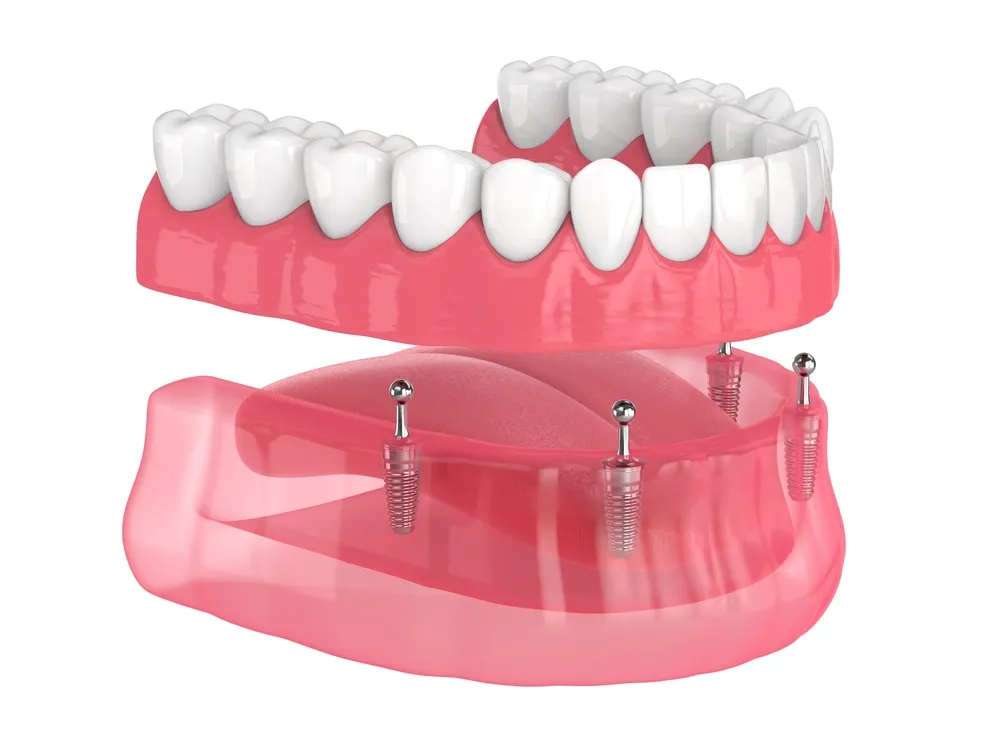
Precise surgical planning and guided surgery improve accuracy. Poor placement increases failure risk.
The surgeon must position the implant in the optimal location. Digital implant dentistry allows 3D planning. Guided surgery uses a template to direct the drill. This reduces human error. It also protects nerves and sinuses. Buser showed that careful placement and bone management improve outcomes (Buser et al. 178). Proper treatment planning includes evaluating bite forces. The implant must align with opposing teeth. Misalignment causes uneven loads. This leads to mechanical problems later.
How Do Implant Material and Design Affect Durability?
Titanium implants dominate the market. Zirconia offers a metal-free alternative. Surface treatments improve bone bonding.
Most dental implants use titanium. This metal resists corrosion. It also bonds well with bone. Smeets and his team reviewed zirconia dental implants. They found that zirconia showed promising biocompatibility. However, long-term data remains limited compared to titanium (Smeets et al. 1059). Manufacturers now use sandblasted and acid-etched surfaces. These rough surfaces increase bone contact. They speed up osseointegration. The connection design between the implant and abutment also matters. Internal hex connections resist loosening better than external designs.
Feature | Titanium Implants | Zirconia Implants |
Long-term data | 40+ years | 10+ years |
Osseointegration | Excellent | Good |
Fracture risk | Very low | Low |
Aesthetics | Metal color | Tooth color |
Allergy risk | Rare | Very rare |
Can Dental Implants Last a Lifetime?
Yes, many patients keep their implants for life. Excellent care and regular checkups make this possible.
Lifetime dental implants are not a myth. Thousands of patients have had their implants for 30 years or more. Adell's original patients from the 1970s kept their implants for decades (Adell et al. 390). The key lies in prevention. Patients who maintain stable gum and bone health protect their investment. Regular monitoring catches problems early. This prevents the progression of peri-implantitis.
What Conditions Are Required for Lifetime Success?
Excellent oral hygiene, regular dental visits, healthy habits, and stable bone support implants for life.
Lifetime success requires commitment. Patients must brush and floss daily. They must attend professional cleanings every 3 to 6 months. Smoking cessation dramatically improves outcomes. A balanced diet supports bone health. Patients must also manage systemic conditions like diabetes. Lindhe emphasized that maintenance programs determine long-term stability (Lindhe et al. 890). The dentist must monitor bone levels with X-rays. Early intervention saves implants.
Why Do Some Patients Keep Their Implants for Decades?
These patients follow strict maintenance routines. They also started with strong bone and skilled surgery.
Long-term clinical cases share common traits. The patients had adequate bone at the start. Experienced surgeons placed the implants. The patients never smoked. They visited their dentist regularly. Albrektsson noted that strict success criteria help identify the factors behind exceptional longevity (Albrektsson and Zarb 15). These cases prove that dental implants can function for 40 years or more. They set the standard for what patients can achieve.
What Causes Dental Implant Failure?
Early failure stems from poor healing. Late failure results from bone loss and infection.
Dental implant failure is rare but real. It occurs in about 2% to 5% of cases. Failure falls into two categories. Early failure happens before the bone fully bonds with the implant. Late failure occurs after years of function. Goodacre classified complications into biologic and mechanical groups (Goodacre et al. 122). Understanding these causes helps patients avoid them.
What Causes Early Implant Failure?
Infection, poor stability, and surgical errors cause early failure. The bone never bonds with the implant.
Early failure occurs within the first few months. The implant may not achieve primary stability. This means it moves in the bone. Movement prevents osseointegration. Infection during healing also destroys the bond. Surgical complications include nerve damage or sinus perforation. These problems compromise the site. Esposito and colleagues reviewed implant types in Cochrane. They found that surface characteristics influenced early integration (Esposito et al.). Patients with poor bone quality face higher early failure risk.
What Causes Late Implant Failure?
Peri-implantitis and excessive force cause late failure. Bone loss progresses slowly.
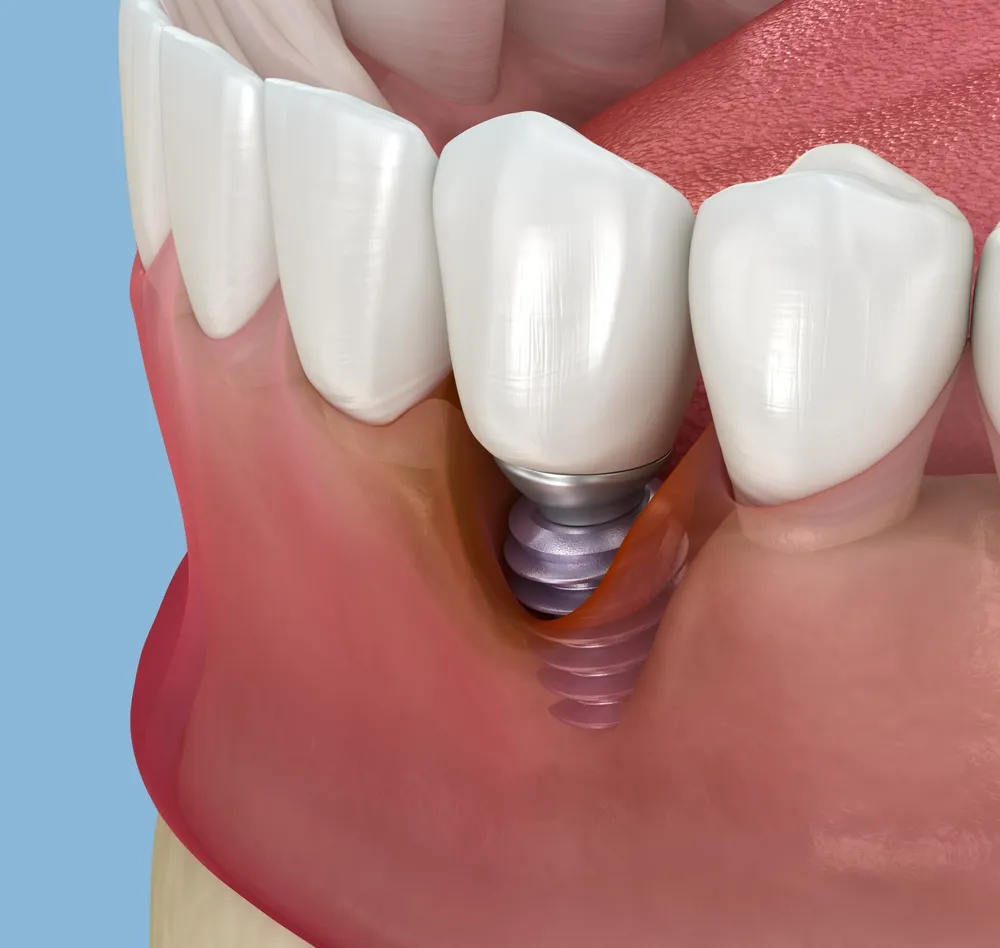
Late failure develops years after placement. Peri-implantitis is the main culprit. This inflammatory disease destroys bone around the implant. Derks defined peri-implantitis as progressive bone loss with inflammation (Derks et al. S152). Without treatment, the implant loosens. Mechanical complications also contribute. Screw fractures, abutment wear, and broken crowns expose the implant. Excessive occlusal forces from bruxism accelerate damage.
What Are the Warning Signs of Implant Problems?
Pain, swelling, bleeding, and loose implants signal trouble. Patients must seek immediate care.
Healthy implants feel like natural teeth. They cause no pain. Warning signs include gum inflammation around the implant. Patients may notice bleeding when brushing. A bad taste or odor suggests infection. The implant may feel loose. Difficulty chewing indicates mechanical problems. Heitz-Mayfield identified these symptoms as early indicators of peri-implant diseases (Heitz-Mayfield 296). Patients should call their dentist immediately. Early treatment saves the implant.
How Can You Make Dental Implants Last Longer?
Proper hygiene, regular checkups, force protection, and healthy living extend implant life.
Implant aftercare is simple but essential. Patients must treat implants like natural teeth. They must also take extra steps. Professional monitoring detects issues before they become serious. Lifestyle choices directly impact implant survival rate. Misch stressed that patient education improves long-term outcomes (Misch 112).
How Should You Maintain Oral Hygiene Around Implants?
Brush twice daily with a soft brush. Use interdental cleaners and antimicrobial rinses.
Plaque removal prevents peri-implantitis. Patients should use a soft-bristled toothbrush. Electric brushes work well. They must clean the area where the crown meets the gum. Interdental brushes reach under the bridge. Water flossers flush debris from hard-to-reach areas. Antimicrobial mouth rinses reduce bacterial load. Patients should avoid abrasive toothpaste. Scratches on the crown collect bacteria.
How Often Should You Attend Dental Checkups?
Visit the dentist every 3 to 6 months. The dentist will check bone levels and gum health.
Professional monitoring is critical. The dentist measures gum pockets around the implant. Deep pockets signal disease. Radiographs show bone levels. They reveal bone loss around implants before patients feel pain. The dentist also checks the bite. They adjust the crown if forces are uneven. These visits take minutes but add years to implant lifespan.
How Can You Protect Implants from Excessive Force?
Wear a night guard if you grind. Avoid chewing ice and hard candies.
Mechanical protection preserves the restoration. Bruxism patients must wear a custom night guard. This distributes forces evenly. Patients should avoid chewing ice, pens, or hard candy. These habits crack crowns. They also loosen screws. Dentists check the bite at every visit. They ensure that implants share load with natural teeth.
How Does a Healthy Lifestyle Support Implant Longevity?
Quit smoking, eat well, and control chronic diseases. These habits keep bone strong.
General health supports oral health. Smoking cessation improves blood flow to the gums. A diet rich in calcium and vitamin D strengthens bone. Exercise improves circulation. Patients with diabetes must monitor blood sugar. Stable glucose levels reduce infection risk. These lifestyle factors create the best environment for lifetime dental implants.
How Do Dental Implants Compare to Other Tooth Replacement Options?
Implants outlast bridges and dentures. They also preserve bone and do not damage adjacent teeth.
Patients choose between implants, bridges, and dentures. Each option has pros and cons. However, implants offer superior longevity. They also provide better function. This section compares the three options directly.
How Do Dental Implants Compare to Dental Bridges?
Implants last longer than bridges. Bridges require cutting adjacent teeth. Implants do not.
Traditional bridges last 5 to 15 years. Dentists must grind down healthy teeth to support the bridge. This weakens those teeth over time. Implants stand alone. They do not rely on neighboring teeth. Pjetursson found that implant-supported prostheses showed better survival rates than conventional bridges over 10 years (Pjetursson et al. 25). Implants also prevent bone loss under the missing tooth. Bridges cannot do this.
Feature | Dental Implants | Dental Bridges |
Lifespan | 20-30+ years | 5-15 years |
Adjacent teeth | Not affected | Must be ground down |
Bone preservation | Yes | No |
Maintenance | Regular cleaning | Replace every 5-15 years |
Cost over time | Lower long-term | Higher due to replacements |
How Do Dental Implants Compare to Dentures?
Implants stay fixed in place. Dentures slip and cause bone loss. Implants last decades longer.
Removable dentures last 5 to 8 years. They sit on the gum ridge. This pressure accelerates bone loss. Dentures become loose as the bone shrinks. Patients need relining or remaking. Implant-supported dentures attach to fixtures in the bone. They do not slip. They transfer chewing forces to the bone. This stimulation preserves bone volume. Patients with full-arch implant prostheses enjoy better speech and chewing. They also avoid the sore spots that dentures cause.
Which Option Offers the Best Cost-Effectiveness Over Time?
Implants cost more upfront but save money long-term. They need fewer replacements.
Implants cost more upfront. However, bridges and dentures require repeated replacement. A patient may need two or three bridges over 30 years. Each replacement costs money and time. Implants rarely need replacement. Patients may need to replace the crown on top after 15 years. This costs less than a full bridge replacement. Over a lifetime, implants provide the best value.
Are Some Dental Implant Systems More Durable Than Others?
Premium brands with long track records show better survival. Component quality also matters.
Hundreds of implant companies exist. However, not all systems have long-term data. Established brands invest in research. They publish 10-year and 20-year survival studies. Generic implants may cost less. They often lack peer-reviewed evidence.
Which Premium Implant Brands Show the Best Long-Term Performance?
Brands like Straumann, Nobel Biocare, and Zimmer Biomet publish extensive research. Their survival rates exceed 95%.
Leading manufacturers use grade 4 or grade 5 titanium. They apply advanced surface treatments. These include SLA (sandblasted, large-grit, acid-etched) and SLActive surfaces. Studies link these surfaces to faster healing and higher survival. Jung's review included multiple brands. He found that system design influenced complication rates (Jung et al. 685). Patients should ask their dentist which system they use. They should verify that the brand has published long-term data.
How Do Prosthetic Components Affect Overall Durability?
Abutments, screws, and crowns must match the implant system. Mismatched parts cause failure.
The implant is only one part. The abutment connects the fixture to the crown. The screw holds them together. Original manufacturer parts fit precisely. Third-party parts may not. Poor fit creates micro-movement. This leads to screw loosening or fracture. Pjetursson noted that technical complications often involved prosthetic components rather than the implant itself (Pjetursson et al. 28). The connection design also matters. Platform-switching designs reduce bone loss. They improve soft tissue seal.
What Are the Most Common Questions About Dental Implant Longevity?
Patients ask about average lifespan, crown replacement, gum disease, and age limits. This section answers the top questions.
Dental implant lifespan concerns every patient. These questions cover the most common worries. The answers come from peer-reviewed research and clinical guidelines.
How Long Do Dental Implants Last on Average?
Implants last 20 to 30 years on average. Many function for 40 years or more.
The average dental implant lifespan exceeds two decades. Adell's patients from the 1970s still had their implants in the 1990s (Adell et al. 390). Modern implants use better materials and planning. This pushes the average even higher.
Can Dental Implants Last 30 Years or More?
Yes. Long-term studies confirm 30-year survival rates above 85%.
Researchers have collected thirty-year data from the original Brånemark system. These early implants proved that titanium could bond with bone permanently. Today's implants benefit from 40 years of refinement. Patients who start with good bone and maintain excellent care can expect 30-year success.
Do Implant Crowns Need Replacement?
Yes, crowns wear out after 10 to 15 years. The implant fixture underneath remains intact.
The crown is the visible part. It handles chewing forces. Porcelain can chip. The cement layer may wash out. Jung found that technical complications affected crowns more than fixtures (Jung et al. 683). Replacing a crown is simple. It does not require surgery.
Can Gum Disease Shorten Implant Lifespan?
Yes. Peri-implantitis destroys bone and can cause implant loss.
Dentists call gum disease around implants peri-implantitis. It starts as inflammation. It progresses to bone loss. Derks showed that this condition affects 5% to 10% of patients (Derks et al. S154). Early treatment stops the damage. Without treatment, the implant fails.
What Is the Most Common Reason Implants Fail?
Peri-implantitis is the leading cause of late failure. Poor healing causes most early failures.
Early failure usually stems from infection or poor stability. Late failure almost always involves peri-implantitis. Heitz-Mayfield identified bacterial plaque as the primary trigger (Heitz-Mayfield 294). Good oral hygiene prevents this.
Are Dental Implants Permanent?
The fixture is permanent. The crown may need replacement. Nothing is truly permanent, but implants come closest.
Dentists call implants a permanent tooth replacement. The titanium post bonds with bone. It does not come out unless disease destroys the bone. Patients can replace the restoration on top. This makes implants the most permanent option available.
Does Age Affect How Long Dental Implants Last?
Age alone does not limit implant success. Health matters more than age.
Older patients often worry that age reduces implant survival. Research shows this is not true. Healthy 70-year-olds succeed just as often as healthy 30-year-olds. Bone quality and general health matter more than birth year. Elderly patients with osteoporosis need careful planning. But they can still enjoy decades of function.
How Often Should Implant Patients See a Dentist?
Every 3 to 6 months. Some high-risk patients need monthly visits at first.
Dentists typically recall patients every 6 months. However, implant patients benefit from 3-month intervals. This is especially true during the first year. The dentist monitors osseointegration. They check for early signs of peri-implantitis. Lindhe recommended tailored recall programs based on risk level (Lindhe et al. 900).
Conclusion
Well-maintained dental implants last 20 to 30 years and often function for life.
Dental implants offer the best long-term solution for missing teeth. The titanium fixture can last a lifetime. Patients may need to replace the crown after 10 to 15 years. Success depends on patient care and professional monitoring. Patients must brush, floss, and attend regular checkups. They must quit smoking and manage health conditions. Surgeons must use proven systems and precise techniques. Research from the past 40 years proves that implants work. Adell and his colleagues started this journey in the 1970s. Today's patients benefit from decades of science. If you care for your implants, they will care for you. They will provide reliable function for decades. They may even last your entire life.
References
Adell, R., et al. "A 15-Year Study of Osseointegrated Implants in the Treatment of the Edentulous Jaw." International Journal of Oral Surgery, vol. 10, no. 6, 1981, pp. 387-416.
Albrektsson, Tomas, and George A. Zarb. "The Long-Term Efficacy of Currently Used Dental Implants: A Review and Proposed Criteria of Success." International Journal of Oral & Maxillofacial Implants, vol. 1, no. 1, 1986, pp. 11-25.
Buser, Daniel, et al. "Long-Term Stability of Early Implant Placement with Contour Augmentation." Journal of Clinical Periodontology, vol. 40, no. 2, 2013, pp. 176-182.
Cochran, David L., et al. "Biologic Width Around Titanium Implants: A Histometric Analysis." Journal of Periodontology, vol. 68, no. 2, 1997, pp. 186-198.
Derks, Jan, et al. "Peri-Implantitis: A Critical Review of the Current Understanding." Journal of Clinical Periodontology, vol. 45, suppl. 20, 2018, pp. S150-S167.
Esposito, Marco, et al. "Interventions for Replacing Missing Teeth: Different Types of Dental Implants." Cochrane Database of Systematic Reviews, no. 4, 2014.
Goodacre, Charles J., et al. "Clinical Complications with Implants and Implant Prostheses." Journal of Prosthetic Dentistry, vol. 90, no. 2, 2003, pp. 121-132.
Heitz-Mayfield, Lisa J. A. "Peri-Implant Diseases: Diagnosis and Risk Indicators." Journal of Clinical Periodontology, vol. 35, no. 8, 2008, pp. 292-304.
Jemt, Torsten. "Implant Treatment in the Edentulous Maxilla: A 15-Year Follow-Up Report." International Journal of Prosthodontics, vol. 18, no. 4, 2005, pp. 347-353.
Jung, Ronald E., et al. "A Systematic Review of the 5-Year Survival and Complication Rates of Implant-Supported Single Crowns." Clinical Oral Implants Research, vol. 23, no. 6, 2012, pp. 681-690.
Lindhe, Jan, et al. "Clinical Periodontology and Implant Dentistry." 6th ed., Wiley-Blackwell, 2015.
Misch, Carl E. "Contemporary Implant Dentistry." 3rd ed., Mosby, 2008.
Pjetursson, Bjarni E., et al. "A Systematic Review of the Survival and Complication Rates of Implant-Supported Fixed Dental Prostheses after an Observation Period of at Least 5 Years." Clinical Oral Implants Research, vol. 23, no. 3, 2012, pp. 22-38.
Smeets, Ralf, et al. "Zirconia Dental Implants: A Review." International Journal of Oral & Maxillofacial Implants, vol. 32, no. 5, 2017, pp. 1059-1074.
Thomason, J. Mark, et al. "The Effect of Smoking on the Survival of Dental Implants: A Systematic Review." Journal of Clinical Periodontology, vol. 38, no. 6, 2011, pp. 545-553.
Zarb, George A., and Aaron Holmes. "The Clinical Efficacy of Dental Implants: A Review." Journal of Prosthetic Dentistry, vol. 63, no. 4, 1990, pp. 476-482.