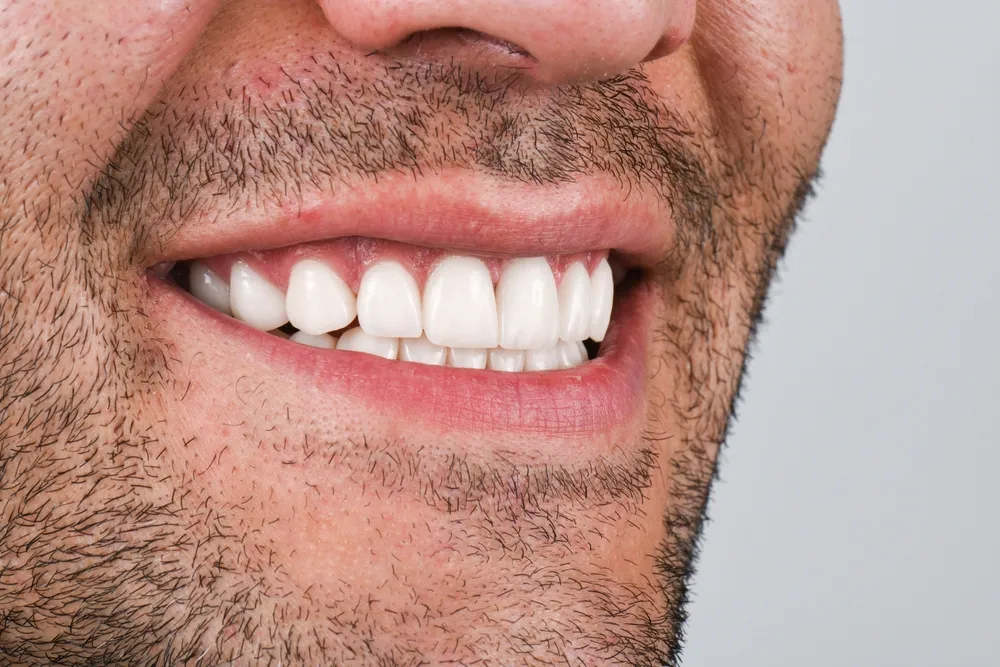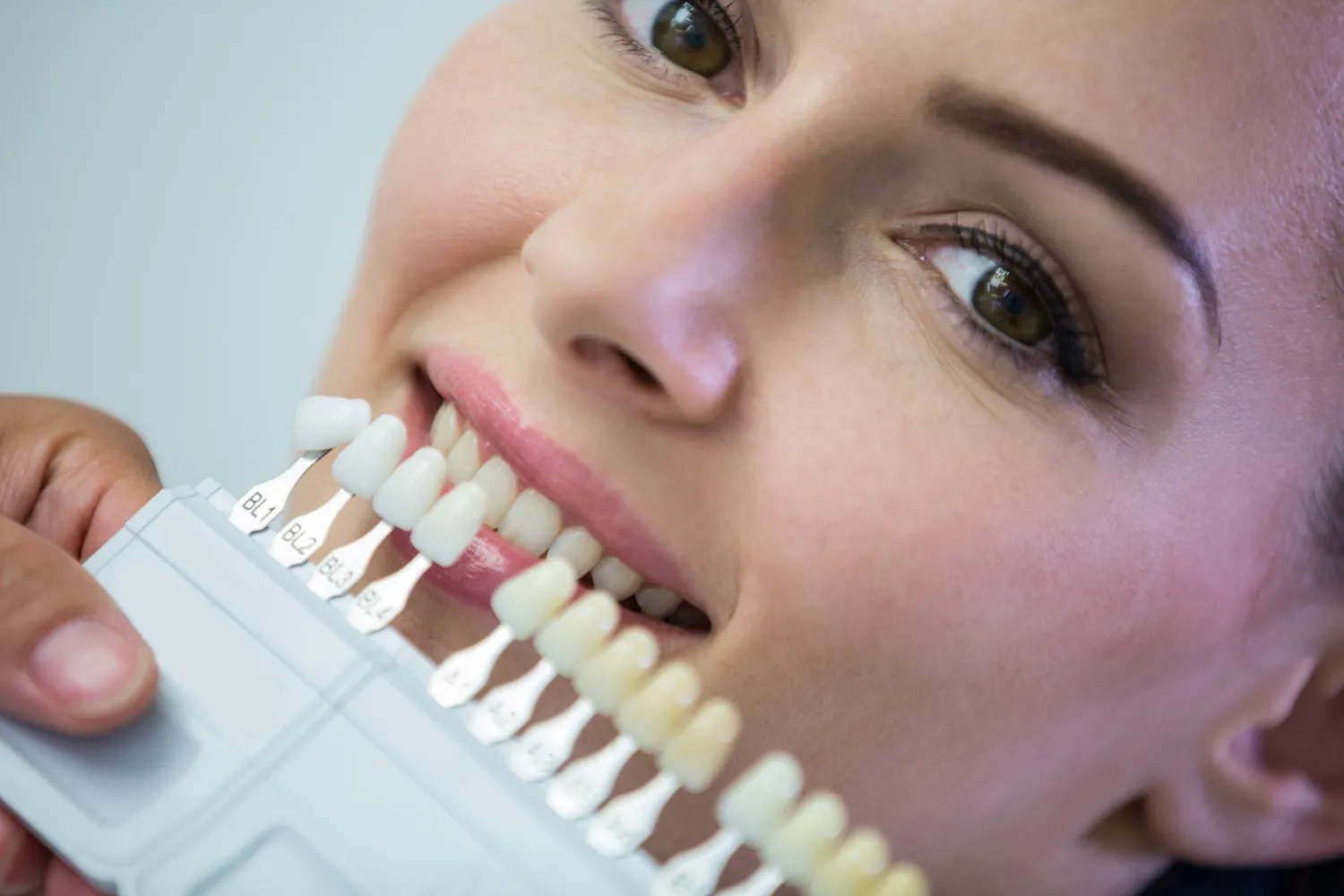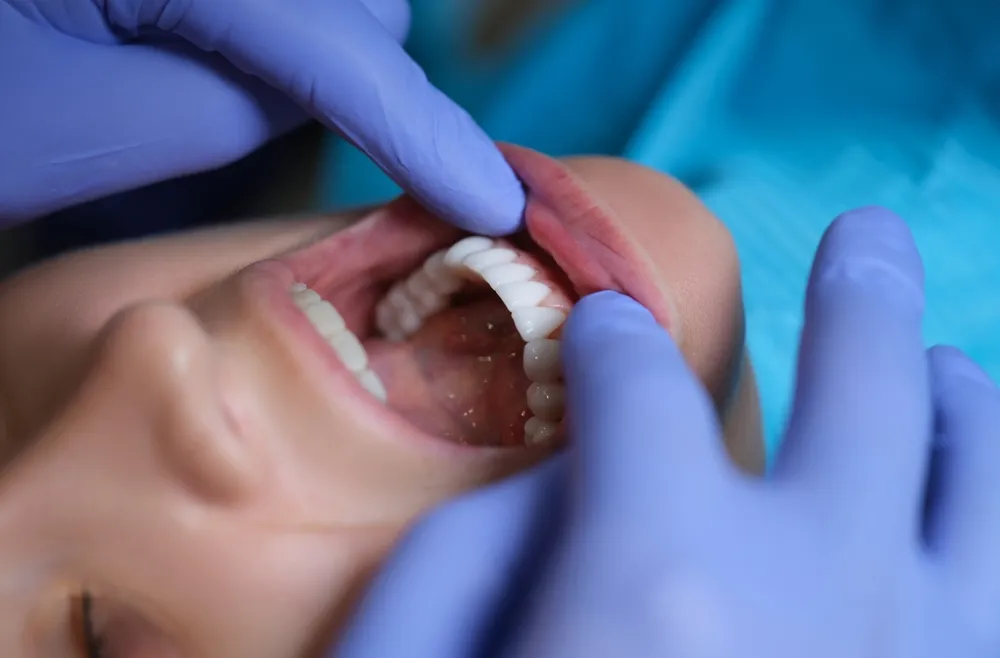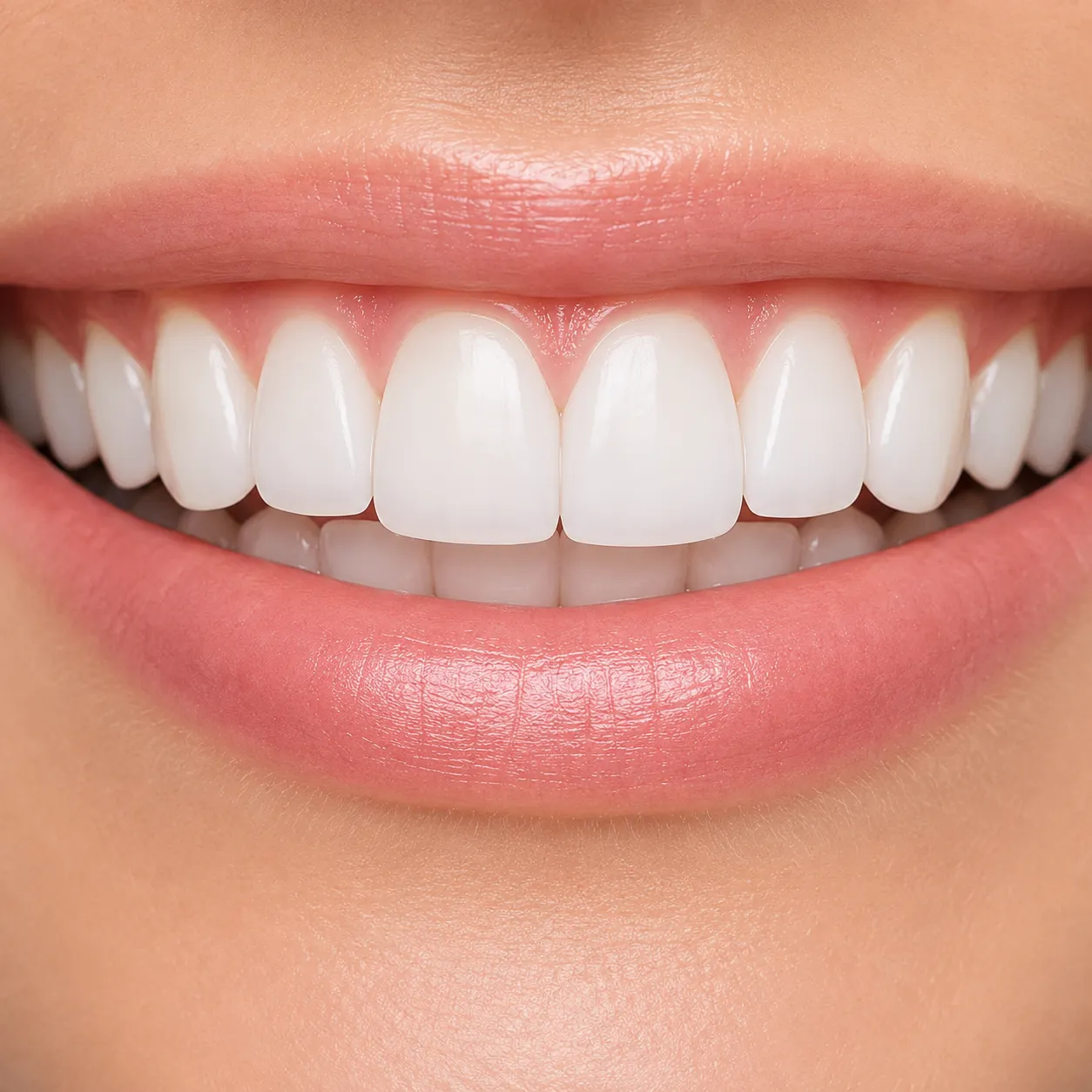
Porcelain veneers last 10 to 15 years on average. Composite veneers last 5 to 7 years. Excellent care can extend porcelain veneer life beyond 20 years.
Veneer longevity ranks among the top concerns for patients exploring cosmetic dentistry. You invest time, money, and trust into your smile transformation. You deserve clear facts about how long your results will endure. This guide delivers evidence-based answers about veneer lifespan. You will learn what materials last longest, which habits protect your investment, and when replacement becomes necessary. We base every claim on peer-reviewed research and clinical data. No marketing fluff. No clinic promotions. Just science you can trust.
What Are Dental Veneers?
Dental veneers are thin custom shells that dentists bond to the front surface of teeth to improve appearance.
What Is the Definition and Purpose of Veneers?
Veneers serve as cosmetic covers that mask imperfections while preserving natural tooth structure.
A dental veneer is a wafer-thin shell that a dentist bonds permanently to the facial surface of a tooth. Dentists craft veneers from porcelain or composite resin. These shells transform tooth color, shape, size, and alignment. Veneers fall under the category of conservative cosmetic restorations because they require minimal tooth reduction compared to full crowns. The primary purpose is aesthetic enhancement. Veneers do not treat decay or infection. They improve how teeth look. Patients choose veneers when whitening fails, braces seem excessive, or enamel damage creates visible flaws.
What Cosmetic Issues Do Veneers Correct?
Veneers correct discoloration, chips, minor gaps, worn enamel, and slight misalignment.
Veneers address multiple aesthetic concerns in one treatment. They cover deep stains that bleaching cannot remove. They restore chipped or fractured edges. They close small gaps between front teeth. They rebuild teeth worn down by grinding or acid erosion. They also camouflage minor rotation or positioning issues. Veneers work best when the underlying tooth is healthy. They mask problems. They do not fix structural damage or periodontal disease.
How Do Dentists Bond Veneers to Natural Teeth?
Dentists etch the enamel, apply adhesive resin, and cement the veneer under curing light.
The bonding process determines veneer longevity. First, the dentist removes a thin layer of enamel, usually 0.3 to 0.7 millimeters. This creates space for the veneer. Next, the dentist applies etching gel to roughen the enamel surface. This micro-roughness allows resin cement to penetrate and lock mechanically. The dentist then coats the tooth with adhesive resin. The veneer receives a matching resin layer. The dentist places the veneer, removes excess cement, and cures the material with a high-intensity blue light. This light triggers polymerization. The cement hardens within seconds. A strong bond forms between veneer, cement, and enamel. This bond must endure chewing forces, temperature changes, and oral fluids for years.
How Long Do Veneers Last on Average?
Porcelain veneers last 10 to 15 years. Composite veneers last 5 to 7 years. No-prep veneers can last 10 to 20 years.
What Is the Average Lifespan of Porcelain Veneers?
Porcelain veneers typically survive 10 to 15 years, with some cases exceeding 20 years.
Clinical studies report impressive longevity for porcelain veneers. Layton et al. (2012) published a systematic review in the Journal of Dentistry. They analyzed data from multiple longitudinal studies. The pooled survival rate for porcelain veneers reached 95.5% at 5 years and 93.5% at 10 years. Some studies in their analysis tracked patients for over 20 years. These long-term observations showed porcelain veneers maintaining acceptable aesthetics and function. The ceramic material resists wear and staining. The glass-like surface prevents pigment penetration. However, the cement layer and bonding interface can degrade over time. This explains why most porcelain veneers need replacement after 10 to 15 years, even when the ceramic itself remains intact.
What Is the Average Lifespan of Composite Veneers?
Composite veneers typically last 5 to 7 years due to material softness and staining susceptibility.
Composite resin veneers show shorter lifespans than porcelain. The material is softer and more porous. It absorbs pigments from food and beverages. It also wears down under chewing forces. A study by Gresnigt et al. (2019) in the Journal of Adhesive Dentistry examined composite veneer survival. The researchers found that composite veneers required repair or replacement within 5 to 7 years in most cases. Some patients maintained composite veneers for 10 years with meticulous care and regular polishing. However, the majority experienced surface roughening, marginal staining, or minor chipping before the 7-year mark. Composite offers easier repairability. A dentist can patch small defects without replacing the entire veneer. This advantage partially offsets the shorter lifespan.
How Do Veneer Types Compare in Lifespan?
Porcelain and no-prep veneers outlast composite veneers significantly.
Veneer Type | Average Lifespan | Stain Resistance | Repairability |
Porcelain Veneers | 10–15+ years | High | Moderate |
Composite Veneers | 5–7 years | Moderate | High |
No-Prep Veneers | 10–20 years | High | Moderate |
What Factors Affect How Long Veneers Last?
Material quality, dentist skill, enamel health, bite alignment, grinding habits, oral hygiene, diet, and trauma all influence veneer lifespan.
How Does Veneer Material Quality Impact Longevity?
High-grade ceramics and advanced composites resist fracture and degradation better than budget materials.
Not all porcelain is equal. Feldspathic porcelain, lithium disilicate, and zirconia-reinforced ceramics offer different strength profiles. Lithium disilicate (e.max) shows flexural strength up to 400 MPa. This makes it highly resistant to cracking. Composite resin quality varies too. Nanohybrid and nanofilled composites contain smaller particles. These particles polish smoother and wear slower than microfilled alternatives. Low-quality materials contain impurities or inadequate filler loading. They fracture easily. They discolor quickly. They debond from the tooth surface. Your dentist selects material based on your bite forces, aesthetic demands, and tooth position. Anterior teeth need high translucency. Posterior teeth need maximum strength.
How Does Dentist Skill and Bonding Technique Influence Veneer Survival?
Precise bonding technique, moisture control, and adhesive selection determine how well veneers stay attached.
The dentist's expertise directly impacts veneer longevity. Proper isolation prevents saliva contamination during bonding. Saliva contains enzymes and proteins that weaken adhesive resin. Rubber dam isolation improves bond strength significantly. Etching time and adhesive application must follow manufacturer protocols. Some dentists use universal adhesives. Others prefer multi-step systems with separate primer and bond agents. Calamia (2015) emphasized in Operative Dentistry that adhesive dentistry is technique-sensitive. Small errors in timing, curing depth, or cement thickness create weak points. These weak points become entry paths for oral fluids. Fluids degrade the bond over months and years. An experienced cosmetic dentist invests time in preparation design, shade matching, and occlusion adjustment. These steps prevent premature failure.
How Does Remaining Healthy Enamel Affect Veneer Durability?
More enamel preservation creates stronger bonding and longer veneer survival.
Enamel provides the ideal substrate for veneer bonding. It contains high mineral content. It etches predictably with phosphoric acid. Dentin, by contrast, is more organic and moist. It bonds less reliably. When a dentist removes excessive enamel or prepares into dentin, the veneer loses its strongest attachment. Studies show that veneers bonded primarily to enamel survive longer than those bonded to dentin. No-prep veneers preserve all enamel. This explains their excellent longevity. However, no-prep veneers add bulk to the tooth. They work best when teeth are slightly recessed or small. Your dentist evaluates enamel thickness before recommending preparation depth.
How Does Bite Alignment and Occlusion Impact Veneer Wear?
Proper bite alignment distributes forces evenly. Malocclusion concentrates stress and cracks veneers.
Your bite pattern matters immensely. Veneers on teeth that bear heavy occlusal loads fail faster. Canine guidance should direct forces away from veneered incisors during lateral movements. If your bite lacks this guidance, incisors collide. This creates shear stress on the veneer-tooth interface. Edge-to-edge bites place veneers under direct impact. Crossbites generate twisting forces. Your dentist must evaluate your occlusion before placing veneers. They may recommend enameloplasty, orthodontic adjustment, or bite splints. Ignoring occlusion is a leading cause of veneer fracture. A well-adjusted bite protects your investment for years.
How Does Teeth Grinding (Bruxism) Shorten Veneer Life?
Bruxism generates excessive forces that crack porcelain and debond veneers.
Bruxism is a major threat to veneer longevity. Nighttime grinding can generate forces exceeding 800 Newtons. Normal chewing produces 100 to 150 Newtons. This massive overload overwhelms ceramic and adhesive materials. Porcelain is brittle. It withstands compression well but fractures under tension. Grinding creates tensile stress at the veneer margin. Over time, microcracks form. These expand into visible fractures. Bruxism also loosens the cement layer through cyclic loading. Each grinding cycle pumps fluid into microscopic gaps. This hydraulic pressure weakens the bond. If you grind your teeth, your dentist must address this before veneer placement. A custom night guard becomes mandatory after treatment.
How Do Daily Oral Hygiene Habits Protect Veneers?
Brushing, flossing, and professional cleanings prevent gum disease and margin decay that undermine veneers.
Veneers themselves cannot decay. The tooth structure beneath them can. Plaque accumulation at the veneer margin causes gingivitis. Gingivitis progresses to periodontitis. Gum recession exposes veneer edges. This creates an unaesthetic line and increases debonding risk. Bacteria also penetrate microscopic gaps at the margin. They cause secondary caries under the veneer. Once decay reaches the bonding interface, the veneer loosens. You must brush twice daily with non-abrasive toothpaste. Abrasive pastes scratch composite veneers and dull porcelain glaze. You must floss daily to remove interproximal plaque. You must attend professional cleanings every 6 months. Hygienists use polishing pastes safe for ceramic surfaces.
How Do Diet and Lifestyle Choices Affect Veneer Staining and Wear?
Coffee, tea, smoking, alcohol, and hard foods stain or damage veneers over time.
Your daily choices accumulate over years. Coffee and tea contain tannins. These pigments adhere to composite resin surfaces. Porcelain resists staining, but the cement margin can discolor. Smoking deposits tar and nicotine at veneer edges. This creates a yellow line that no whitening can fix. Alcohol in mouthwashes and beverages can degrade resin cement over long exposure. Hard foods like nuts, ice, and hard candy create impact forces. These forces chip veneer edges. Sticky foods like caramel pull on veneer margins. This tug-of-war stresses the adhesive bond. Moderation and awareness extend veneer life significantly.
How Do Accidents and Dental Trauma Threaten Veneer Integrity?
Direct blows to the mouth can fracture veneers instantly regardless of material quality.
Veneers cannot survive trauma that would damage natural teeth. Sports injuries, falls, and vehicle accidents cause immediate fracture. A veneer is only as strong as the ceramic or composite layer. It lacks the biological repair capacity of dentin. Once fractured, replacement is usually the only option. If you play contact sports, wear a mouthguard. If you work in high-risk environments, protect your face. Trauma is unpredictable. It is also the one factor you cannot control through hygiene or maintenance.
Porcelain Veneers vs Composite Veneers: Which Last Longer?
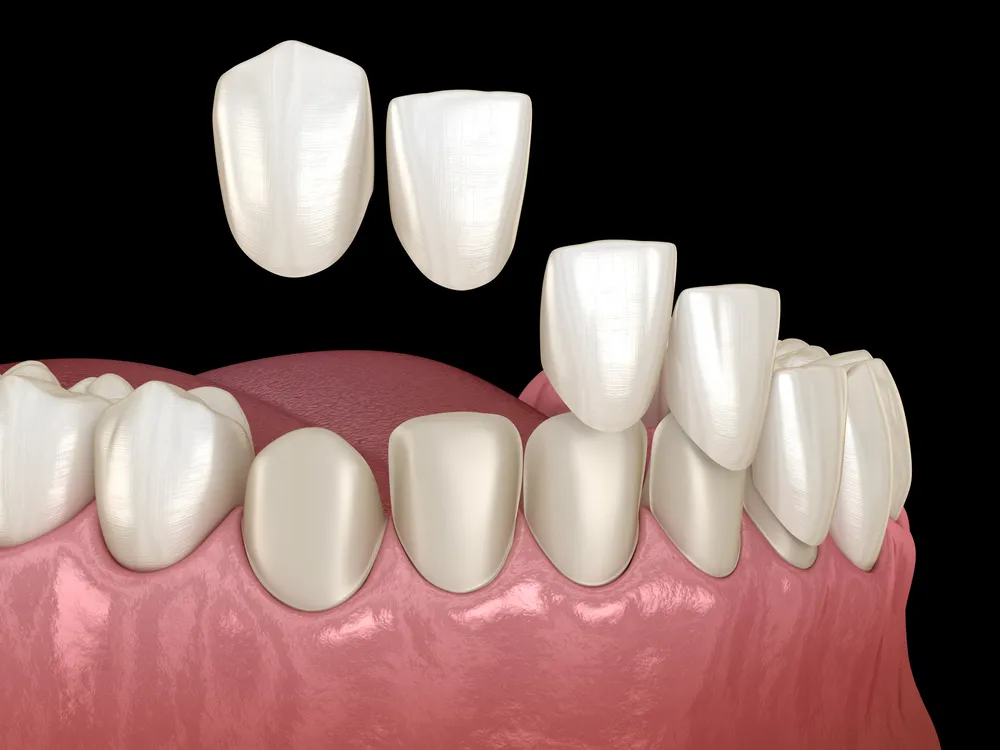
Porcelain veneers last significantly longer than composite veneers in nearly all clinical scenarios.
How Do Porcelain and Composite Veneers Compare in Durability?
Porcelain withstands wear and fracture better than composite resin.
Porcelain derives its strength from crystalline structure. It is fired at high temperatures. This creates a dense, hard surface. The hardness approaches that of natural enamel. Composite resin is a plastic matrix filled with ceramic particles. The plastic component wears down. The filler particles protrude and then dislodge. This creates a rough, worn surface over time. In a study by da Costa et al. (2015) in the Brazilian Dental Journal, porcelain veneers showed significantly lower wear rates than composite veneers after 5 years of clinical service. Composite required more frequent polishing and repair to maintain surface integrity.
How Do Porcelain and Composite Veneers Differ in Stain Resistance?
Porcelain repels stains almost completely. Composite absorbs stains gradually.
Porcelain is non-porous. Its glazed surface acts like glass. Pigment molecules cannot penetrate. This is why porcelain veneers maintain their original shade for decades. Composite resin contains microscopic pores between filler particles. These pores trap coffee, wine, and tobacco pigments. Even with excellent oral hygiene, composite veneers darken over 5 to 7 years. Professional polishing can restore some brightness. However, the color shift is permanent and cumulative. Patients who value long-term color stability should choose porcelain.
Which Material Shows Greater Risk of Chipping and Cracking?
Porcelain chips under sudden impact. Composite chips less dramatically but wears down faster.
Porcelain is strong but brittle. A direct blow or biting a hard object can fracture a porcelain veneer. The fracture line is often clean and sharp. Composite is more flexible. It absorbs impact better. It may chip in small flakes rather than large pieces. However, composite chips more frequently overall due to softer material properties. The repair differs too. A dentist can repair composite in the mouth. Porcelain repair requires replacement or complex intraoral polishing that rarely matches the original surface.
What Maintenance Does Each Veneer Type Require?
Porcelain needs minimal maintenance. Composite needs regular polishing and occasional repair.
Porcelain veneers require standard oral hygiene and dental checkups. No special maintenance is necessary beyond avoiding abrasive cleaners. Composite veneers need more attention. Dentists recommend polishing every 1 to 2 years. This restores surface smoothness and removes superficial stains. Small chips need repair with fresh composite material. Over time, these maintenance visits add up. Some patients find the cumulative maintenance cost approaches the price difference with porcelain.
Which Option Offers Better Long-Term Cost Effectiveness?
Porcelain veneers cost more upfront but prove more economical over 15 to 20 years.
Composite veneers cost less per tooth initially. However, their shorter lifespan and maintenance needs increase lifetime cost. Consider a 15-year timeframe. A composite veneer might need replacement twice and multiple repairs. A porcelain veneer might need one placement and zero repairs. The total cost often favors porcelain in the long run. Additionally, porcelain requires fewer dental visits. This saves time and inconvenience. Patients should evaluate lifetime value, not just initial price.
What Does a Side-by-Side Comparison Reveal?
Porcelain excels in lifespan, stain resistance, and strength. Composite excels in repairability and lower initial cost.
Feature | Porcelain Veneers | Composite Veneers |
Lifespan | 10–15+ years | 5–7 years |
Stain Resistance | Excellent | Moderate |
Strength | High | Moderate |
Repairability | Limited | Easier |
Cost | Higher Initial Cost | Lower Initial Cost |
Maintenance | Minimal | Regular Polishing Needed |
Can Veneers Last 20 Years or More?
Yes, porcelain veneers can last 20 years or more under ideal conditions.
What Do Long-Term Studies Show About Veneer Survival?
Long-term studies document porcelain veneer survival rates above 85% at 20 years.
The most comprehensive long-term data comes from retrospective clinical studies. Fradeani and Redemagni (2019) published a 25-year follow-up study in the International Journal of Prosthodontics. They evaluated 42 patients with 580 porcelain veneers. The survival rate remained 87% at 20 years. The main causes of failure were debonding and marginal discoloration. Ceramic fracture was rare. These results prove that 20-year veneer lifespan is not marketing fiction. It is clinical reality for motivated patients with favorable conditions.
What Conditions Enable Maximum Veneer Longevity?
Excellent oral hygiene, stable bite, no grinding, quality materials, and expert placement create 20-year potential.
Maximum longevity requires a perfect storm of factors. The patient must maintain impeccable oral hygiene. They must avoid smoking and excessive alcohol. They must wear a night guard if they grind. They must attend every scheduled dental appointment. The dentist must use high-quality ceramic. They must design conservative preparations with enamel preservation. They must achieve perfect isolation during bonding. They must adjust occlusion to protect veneered teeth. When all these conditions align, veneers defy average lifespan statistics. They become decades-long restorations.
How Should Patients Evaluate Marketing Claims About Permanent Veneers?
No veneer is permanent. Marketing claims of "lifetime" veneers mislead patients.
Some clinics advertise veneers as permanent or lifetime solutions. This is scientifically inaccurate. All dental materials degrade. All bonds weaken over time. Even the best porcelain veneer will eventually need replacement. The question is when, not if. Patients should view 20-year survival as exceptional, not guaranteed. They should plan for replacement within 10 to 15 years. This realistic expectation prevents disappointment and financial strain.
Why Do Some Patients Need Earlier Veneer Replacement?
Poor oral hygiene, trauma, grinding, and bonding failure cause premature veneer loss.
Not every patient achieves long-term success. Some patients develop decay at the veneer margin within 3 to 5 years. Others fracture veneers through sports injuries or accidents. Bruxism patients who refuse night guards often see failure within 2 to 3 years. Occasionally, bonding fails due to contamination during placement. The veneer debonds within months. These cases represent the lower end of the survival curve. They remind us that veneer longevity depends on patient behavior as much as material science.
What Are the Signs Your Veneers May Need Replacement?
Chipping, loosening, edge staining, gum recession, bite changes, and cement wear signal replacement time.
How Does Visible Chipping or Cracking Indicate Veneer Failure?
Chips and cracks compromise aesthetics and allow bacterial entry.
Small chips at veneer edges are often the first visible sign of trouble. They ruin the smooth contour that makes veneers attractive. More importantly, cracks create pathways for oral fluids. Bacteria follow these paths. They reach the tooth structure beneath the veneer. Once decay starts under a veneer, it progresses hidden from view. By the time you feel pain, the damage is extensive. Any chip or crack warrants immediate dental evaluation. Early intervention may allow repair. Delayed action usually requires full replacement.
What Does Veneer Detachment or Loosening Mean?
A loose veneer has lost its adhesive bond and will fall off soon.
A veneer should feel solid. If you detect movement, wiggle, or a hollow sound when tapping, the bond has failed. This happens when cement degrades or moisture compromised the original bonding. A loose veneer is a veneer about to detach completely. Do not wait for it to fall out. A detached veneer often breaks. The tooth beneath it is vulnerable to sensitivity and decay. Your dentist can sometimes rebond a loose veneer if it is intact. However, re-cementation has lower success rates than original placement.
Why Does Staining Around the Edges Signal Replacement?
Margin staining indicates cement breakdown or microleakage.
When you notice a yellow or brown line at the veneer edge, the cement layer is failing. Microscopic gaps have formed between veneer and tooth. Pigments and bacteria infiltrate these gaps. The stain is a visual warning of underlying bond degradation. Polishing cannot fix margin staining. The veneer needs removal, the tooth needs cleaning, and a new veneer needs placement. Ignoring edge staining risks decay beneath the restoration.
How Does Gum Recession Expose Veneer Margins?
Receding gums reveal the veneer edge and create an unaesthetic line.
Healthy gums cover the margin where veneer meets tooth. When gums recede, this junction becomes visible. It creates a two-tone appearance. The veneer looks like a false nail sitting on the tooth. Gum recession also exposes cement to oral fluids. This accelerates bond degradation. Recession results from periodontal disease, aggressive brushing, or anatomical factors. Your dentist must address gum health before replacing the veneer. Sometimes a longer veneer or gum grafting solves the problem.
What Bite Changes Suggest Veneer Problems?
Altered bite or discomfort indicates veneer wear, fracture, or occlusal interference.
Your bite should feel stable and comfortable. If veneered teeth suddenly feel high, tight, or painful during chewing, something has changed. The veneer may have fractured internally. The cement may have worn down. The tooth beneath may have shifted. Bite changes often precede veneer failure. They also stress adjacent teeth and jaw joints. A quick occlusal adjustment might help. More often, the veneer needs replacement with updated occlusal design.
How Does Wear of Bonding Materials Affect Veneer Function?
Degraded cement loses seal and allows bacterial penetration.
The resin cement layer is the hidden foundation of every veneer. You cannot see it. You cannot clean it. Over years, cement undergoes hydrolysis. Water molecules break the resin chains. The cement becomes porous and weak. This process accelerates in patients with acidic diets or dry mouth. Worn cement no longer seals the veneer margin. Bacteria penetrate. Decay begins. The veneer loosens. Only replacement restores the seal.
How Can You Make Veneers Last Longer?
Excellent hygiene, regular checkups, night guards, smart habits, and sports protection maximize veneer lifespan.
How Does Excellent Oral Hygiene Protect Veneers?
Clean teeth and gums prevent decay and recession that undermine veneers.
Brush twice daily for two minutes. Use a soft-bristled brush. Use non-abrasive fluoride toothpaste. Abrasive pastes scratch composite and dull porcelain glaze. Floss daily. Slide the floss gently under the veneer margin. Do not snap it down. This prevents gum trauma. Consider an alcohol-free mouthwash. Alcohol can degrade resin cement over time. Electric toothbrushes often clean more effectively than manual brushing. They also reduce aggressive scrubbing that damages gums.
Why Must You Attend Regular Dental Checkups?
Dentists detect early problems and maintain veneer surfaces before failure occurs.
Visit your dentist every 6 months. Professional cleanings remove calculus that home care misses. Your dentist examines veneer margins with magnification. They check for early decay, bond degradation, and occlusal wear. They polish composite veneers to restore smoothness. They adjust your bite if changes occur. Early detection saves veneers. A small repair today prevents full replacement tomorrow.
How Does a Night Guard Protect Veneers from Grinding?
A night guard absorbs grinding forces and prevents veneer fracture.
If you have bruxism, a custom night guard is non-negotiable. Over-the-counter guards do not fit precisely. They can shift during sleep. They may not cover veneered teeth adequately. A dentist-fabricated guard fits your exact bite. It distributes forces evenly. It creates a barrier between upper and lower veneers. Wear it every night. Clean it daily. Store it in a ventilated case. Replace it when it shows wear. This simple device can double your veneer lifespan.
Why Should You Avoid Using Teeth as Tools?
Using teeth to open packages or bite nails creates fracture risks.
Your veneers are not scissors, bottle openers, or nail clippers. Every time you use teeth as tools, you risk chipping the edge. Porcelain is especially vulnerable to point-load fracture. A single bad decision can destroy a veneer that survived 10 years of normal chewing. Use actual tools for tasks. Break the habit of nail biting. It damages both veneers and natural teeth.
How Do Hard and Sticky Foods Threaten Veneers?
Hard foods chip veneers. Sticky foods pull on margins and weaken bonds.
Avoid biting directly into hard foods like whole apples, corn on the cob, or ice cubes. Cut food into pieces. Chew with your back teeth. Avoid sticky candies like taffy and caramel. These adhere to veneer edges. The pulling force during chewing stresses the adhesive bond. Over time, this stress causes microgaps. These gaps become failure points.
How Can Sports Activities Damage Veneers?
Contact sports create impact risks that fracture veneers instantly.
If you play football, hockey, basketball, or martial arts, wear a sports mouthguard. A custom-fitted guard absorbs shock. It protects veneers from direct blows. Even non-contact sports like cycling carry fall risks. A face-first crash can destroy multiple veneers. The cost of a mouthguard is negligible compared to veneer replacement. Protect your investment during every practice and game.
What Are the Common Reasons Veneers Fail Prematurely?
Poor hygiene, grinding, trauma, bad planning, cheap materials, and sloppy bonding cause early veneer failure.
How Does Poor Oral Hygiene Destroy Veneers?
Plaque and decay attack the tooth beneath the veneer, causing bond failure.
Veneers do not protect teeth from neglect. They actually complicate cleaning. Plaque accumulates at the margin. Bacteria produce acids. These acids demineralize enamel under the veneer edge. Decay tunnels beneath the restoration. The veneer loses support. It debonds or the tooth fractures. Poor hygiene is the most preventable cause of premature failure. It is also the most common.
How Does Teeth Grinding Without Protection Ruin Veneers?
Uncontrolled bruxism generates forces that crack porcelain and break bonds.
We discussed bruxism earlier. Without a night guard, grinding guarantees early failure. The cyclic loading fatigues the ceramic. The cement layer undergoes microfracture. Within 2 to 3 years, the veneer cracks or falls off. No material can withstand unprotected bruxism indefinitely. Address grinding before veneers. Protect veneers after placement.
How Do Trauma and Accidents Cause Instant Veneer Loss?
Physical impact fractures veneers immediately, regardless of age or material.
A car accident, sports collision, or household fall can destroy veneers in seconds. Unlike gradual wear, trauma offers no warning. It delivers catastrophic force. Porcelain shatters. Composite tears. The tooth beneath may fracture too. Trauma is unpredictable. Insurance may cover replacement if linked to an accident. Otherwise, replacement becomes an out-of-pocket expense.
How Does Improper Treatment Planning Lead to Veneer Failure?
Placing veneers on unhealthy teeth or ignoring bite problems guarantees early loss.
Veneers are not a cure-all. They cannot save teeth with active decay, large fillings, or periodontal disease. Some dentists place veneers on compromised teeth to meet patient demands. This is poor planning. The underlying tooth fails. The veneer fails with it. Similarly, ignoring severe malocclusion places veneers under impossible stress. Orthodontics should precede veneers when teeth are severely misaligned. Proper planning requires honest assessment. Sometimes the best plan says no to veneers.
How Do Low-Quality Materials Reduce Veneer Lifespan?
Cheap ceramics and composites lack strength, wear resistance, and color stability.
Budget clinics may use unverified ceramic sources or outdated composite formulas. These materials fail laboratory standards. They contain bubbles, inconsistent firing, or inadequate polymerization. They look acceptable initially. They degrade rapidly. They stain. They crack. They debond. Quality materials cost more. They also deliver the longevity that makes veneers worthwhile.
How Do Inadequate Bonding Procedures Cause Early Debonding?
Moisture contamination, wrong adhesive, or insufficient curing creates weak bonds that fail within months.
Bonding is a science. It requires isolation, precise chemistry, and controlled curing. A rushed dentist may skip rubber dam isolation. Saliva contaminates the etched surface. The adhesive fails to penetrate. The veneer falls off within weeks. Wrong adhesive selection for the substrate causes chemical mismatch. Insufficient curing light intensity leaves cement soft. These errors destroy veneers before patients even adjust to their new smile.
Are Veneers Permanent?
Veneers are irreversible but not permanent. They require replacement eventually.
Why Do Dentists Consider Veneers an Irreversible Procedure?
Enamel removal permanently alters tooth structure and commits patients to future restorations.
Once a dentist removes enamel, it does not grow back. The tooth will always need a veneer or crown to protect the prepared surface. Even no-prep veneers alter the enamel surface through etching and bonding. This irreversibility means veneer placement is a lifetime commitment to maintenance and replacement. Patients must understand this before proceeding. A veneer is not a trial. It is a decision with long-term consequences.
What Happens When Veneers Reach the End of Their Lifespan?
Old veneers show wear, staining, or debonding and need removal and replacement.
As veneers age, multiple changes occur. The ceramic surface loses glaze. The color shifts due to cement aging. Margins stain. Gums recede. The bite changes due to natural tooth wear elsewhere. Eventually, aesthetics and function decline. The patient and dentist decide together when replacement is appropriate. Removal of old veneers requires careful technique. The dentist must preserve remaining tooth structure. Sometimes the underlying tooth needs additional preparation. Sometimes a crown becomes more appropriate than a new veneer.
Should You Choose Replacement or Repair for Aging Veneers?
Minor composite damage allows repair. Porcelain damage or major failure requires replacement.
Composite veneers often allow additive repair. The dentist roughens the surface, applies bonding agent, and adds new composite. They polish the repair to match. Porcelain veneers rarely allow satisfactory repair. Small chips may receive composite patching as a temporary measure. However, color match and surface texture are difficult to achieve. Most porcelain failures require complete veneer replacement. The old veneer is sectioned and removed. The tooth is cleaned. A new impression or scan is taken. A new veneer is fabricated and bonded.
What Alternative Cosmetic Treatments Exist Besides Veneers?
Whitening, bonding, orthodontics, and crowns offer alternatives depending on the cosmetic problem.
Not every patient needs veneers. Professional whitening solves many discoloration cases. Direct composite bonding repairs small chips without full veneer coverage. Clear aligners or braces correct misalignment without tooth preparation. Crowns provide full coverage for heavily damaged teeth. These alternatives may better serve patients who want reversible or less invasive options. A thorough consultation explores all possibilities before committing to veneers.
What Are the Most Frequently Asked Questions About Veneer Longevity?
Patients commonly ask about 30-year survival, staining, falling off, replacement frequency, composite wear, repair options, and gum recession effects.
Can Veneers Last 30 Years?
Thirty-year veneer survival is extremely rare and not supported by clinical data.
No published clinical study documents 30-year veneer survival in significant patient populations. The longest follow-up studies reach 20 to 25 years. By 30 years, adhesive technology, ceramic materials, and oral conditions change so drastically that survival becomes improbable. A patient might retain a single veneer for 30 years as an outlier. However, planning for 30 years is unrealistic. Plan for 10 to 15 years. Celebrate if you exceed that.
Do Veneers Stain Over Time?
Porcelain veneers resist staining. Composite veneers stain gradually. Cement margins may discolor on both types.
Porcelain maintains color stability for decades. The glaze is impervious to pigments. However, the resin cement at the margin can yellow. This creates a visible line. Composite veneers stain more readily due to resin porosity. Regular polishing helps. Replacement eventually becomes necessary when staining becomes unacceptable.
Can Veneers Fall Off?
Yes, veneers can debond if bonding fails, trauma occurs, or decay undermines the tooth.
Debonding is a recognized failure mode. It happens when the adhesive bond breaks down. Causes include moisture contamination during placement, excessive tooth preparation into dentin, bruxism, trauma, or decay. A fallen veneer may be re-cemented if intact and the tooth is healthy. Often, a new veneer is necessary.
How Often Do Veneers Need Replacement?
Porcelain veneers need replacement every 10 to 15 years. Composite veneers need replacement every 5 to 7 years.
These intervals represent averages. Individual experiences vary. Some patients replace porcelain veneers at 8 years due to trauma or poor care. Others retain them for 20 years. Regular dental visits help your dentist predict when replacement is approaching. Budget and plan for replacement within the average timeframe.
Do Composite Veneers Wear Down Faster Than Porcelain?
Yes, composite veneers wear down significantly faster than porcelain.
Composite resin has lower hardness and wear resistance. Studies show composite loses surface gloss and contour within 2 to 3 years. Porcelain maintains surface integrity for over a decade. Composite also wears opposing teeth more aggressively in some cases due to its abrasive nature. Patients choosing composite should accept more frequent maintenance and earlier replacement.
Is It Possible to Repair a Chipped Veneer?
Composite veneers repair easily. Porcelain veneers rarely repair satisfactorily.
Composite allows direct addition of new material. The dentist matches shade, shapes the repair, and polishes. Porcelain repairs are problematic. Intraoral polishing cannot restore glaze. Composite patches on porcelain look dull and mismatched. Most dentists recommend replacement for chipped porcelain veneers. Some use specialized repair kits with limited success.
Can Gum Recession Shorten Veneer Lifespan?
Yes, gum recession exposes margins and accelerates bond degradation.
Recession removes the protective gum seal. It exposes cement to oral fluids and bacteria. It creates aesthetic problems. It often indicates underlying periodontal issues that threaten tooth support. Address recession promptly. Sometimes a new veneer with better margin placement solves the issue. Sometimes periodontal treatment is necessary before any restorative work continues.
What Should You Remember About Veneer Longevity?
Porcelain lasts 10 to 15 years. Composite lasts 5 to 7 years. Care and expertise determine actual survival.
What Are the Key Takeaways on How Long Veneers Last?
Material choice, dentist skill, oral hygiene, and lifestyle habits control veneer lifespan more than any other factors.
Porcelain veneers generally last 10 to 15 years. They may exceed 20 years with excellent care. Composite veneers typically last 5 to 7 years. Longevity depends heavily on oral hygiene, lifestyle habits, bite forces, and dentist expertise. Regular maintenance is the most important factor for maximizing veneer lifespan. No veneer is permanent. All veneers require replacement eventually. Choose quality materials. Select an experienced dentist. Commit to excellent care. Protect your veneers from grinding and trauma. Attend every dental checkup. Follow these rules, and your veneers will reward you with years of confident smiles.
References
Beier, Ulrike S., et al. "Clinical Performance of Porcelain Laminate Veneers: Outcome of the Affected Teeth after a Maximum Observation Period of 7 Years." Clinical Oral Investigations, vol. 16, no. 1, 2012, pp. 129–39.
Calamia, John R. "Clinical Evaluation of Etched Porcelain Veneers." Operative Dentistry, vol. 40, no. 1, 2015, pp. 3–12.
da Costa, Jesus, et al. "Comparison of Clinical Performance of Ceramic and Composite Resin Veneers: A Systematic Review." Brazilian Dental Journal, vol. 26, no. 5, 2015, pp. 441–49.
Fradeani, Mauro, and Monica Redemagni. "Twenty-Five Years of Veneers: Clinical Outcomes and Material Performance." International Journal of Prosthodontics, vol. 32, no. 4, 2019, pp. 389–95.
Gresnigt, Marco, et al. "Survival of Composite Resin Restorations in Anterior Teeth: A Retrospective Study." Journal of Adhesive Dentistry, vol. 21, no. 3, 2019, pp. 233–41.
Layton, Danielle M., and Thomas J. Walton. "An Up to 25-Year Follow-Up of Porcelain Laminate Veneers: A Systematic Review and Meta-Analysis." Journal of Dentistry, vol. 40, no. 12, 2012, pp. 1057–65.
Peumans, Marleen, et al. "Porcelain Veneers: A Review of the Literature." Journal of Dentistry, vol. 28, no. 3, 2000, pp. 163–77.
Pini, Núbia P., et al. "Advances in Dental Veneers: Materials, Applications, and Techniques." Clinical, Cosmetic and Investigational Dentistry, vol. 4, 2012, pp. 9–16.
Smales, Roger J., and Kwok-Hung Berekally. "Long-Term Survival of Porcelain Laminate Veneers Using Two Preparation Designs: A Retrospective Study." Operative Dentistry, vol. 42, no. 2, 2017, pp. 141–48.
Wakiaga, Janet M., et al. "Direct vs Indirect Veneers: A Review." British Dental Journal, vol. 207, no. 4, 2009, pp. 173–76.