Composite Resin Veneers Explained
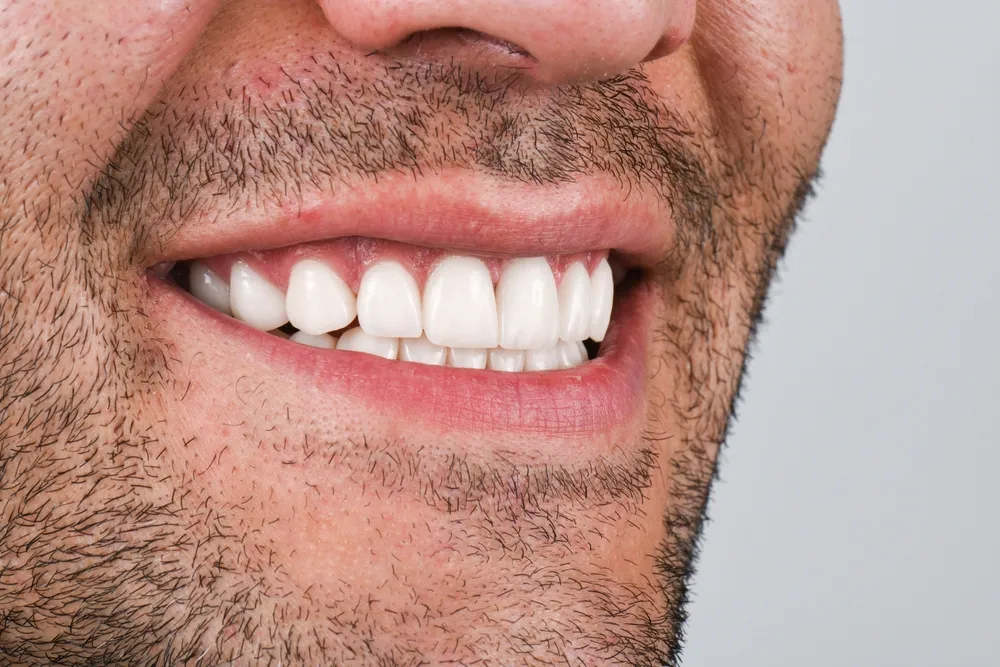
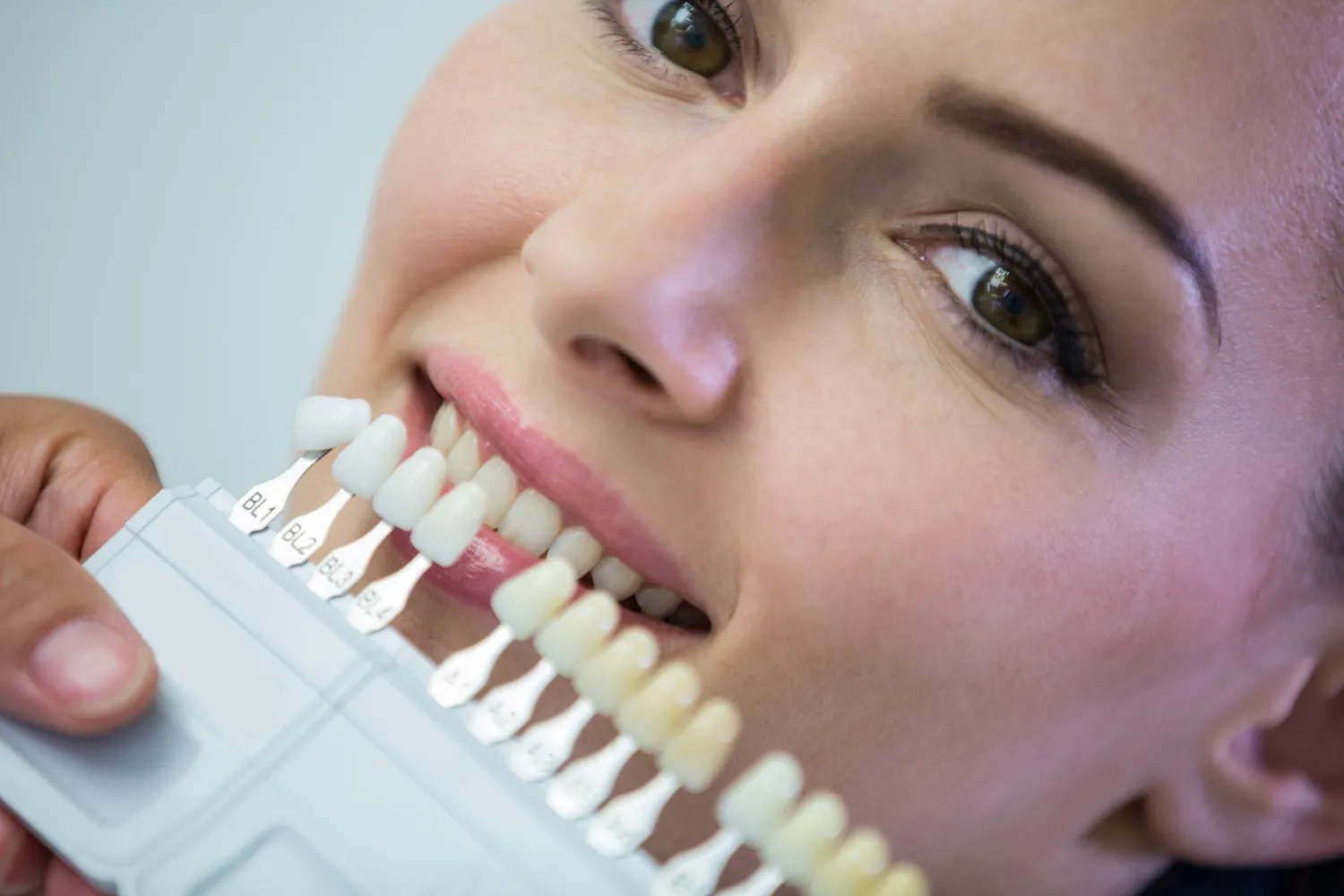
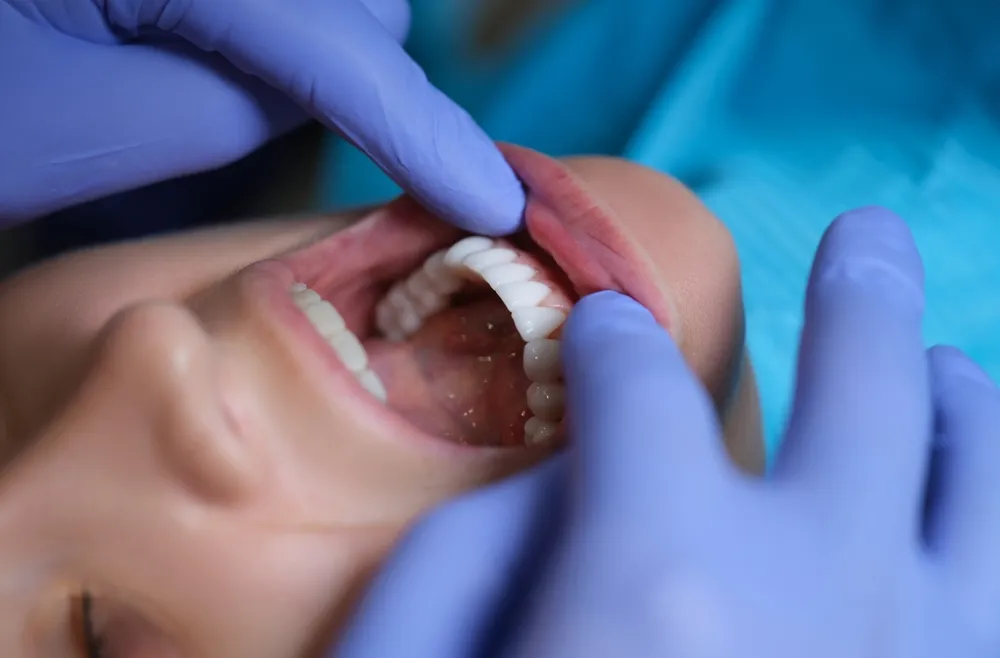
Let’s start with the basics. What are composite veneers? Simply put, they are thin, tooth-colored shells made from a special resin material that’s bonded to the front of your teeth. The material is the same one used for dental fillings, but when used for veneers, it’s all about aesthetics. Think of them like high-quality ‘nail polish’ for your teeth, except they last way longer and don’t chip as easily. Unlike their fancier cousin, porcelain veneers, composite veneers are applied directly to your teeth in layers and then shaped and polished for a natural look. They’re a great option for fixing minor imperfections like chips, gaps, stains, or slightly crooked teeth without need for major dental work. The process involves:- Cleaning & prepping your teeth (sometimes a tiny bit of enamel is removed).
- Applying the resin in layers.
- Shaping & polishing, to make your teeth look natural.
Composite Veneers vs Porcelain Veneers: The Showdown
Ah, that age-old debate: composite veneers vs porcelain veneers. Which one wins? Well, it depends on what you’re looking for.| Feature | Composite Veneers | Porcelain Veneers |
|---|---|---|
| Material | Resin (plastic-based) | Porcelain (ceramic) |
| Durability | 4-8 years | 10-15 years |
| Cost | $250-$1,500 per tooth | $800-$2,500 per tooth |
| Application | Usually done in one visit | Requires multiple visits |
| Stain Resistance | Can stain over time | Highly stain-resistant |
| Appearance | Good, but look less natural than porcelain | Extremely natural-looking |
Are Composite Veneers Worth It?
Now, the million-dollar question (or, more accurately, the few-thousand-dollar question): Are composite veneers worth it? Pros: ✔ Affordable: Much cheaper than porcelain ones. ✔ Quick application: Often done in a single visit. ✔ Minimal tooth prep: Little to no shaving of natural teeth. ✔ Reversible: Unlike porcelain veneers, composite ones can be removed or adjusted pretty easily. Cons: ✖ Less durable: They don’t last as long as porcelain. ✖ Can stain: Coffee, wine, and smoking may discolor them over time. ✖ Require maintenance: May need occasional polishing or repairs. In a nutshell, if you want a fast, non-permanent smile makeover without breaking the bank, then yes, they’re absolutely worth it!Types of Veneers
Before making the choice, it’s good to know all the options. Here’s a quick rundown of the types of veneers for teeth that have sustained plenty of wear and tear:- Composite Veneers: Affordable, quick, reversible.
- Porcelain Veneers: Durable, ultra-natural, expensive.
- Lumineers: Made of ultra-thin porcelain, less tooth prep needed.
- Temporary Veneers: Used as a trial before permanent ones.
- Removable Veneers: Snap-on "instant" veneers (not as reliable as others, though).
Composite Veneers Cost: Breaking It Down
Let’s talk numbers. How much do composite veneers cost? Quite predictably, the composite veneers cost varies depending on where the clinic is located and how many teeth you’re fixing. The average prices are the following:- Per tooth: $250–$1,500 (way cheaper than porcelain!).
- Full set (upper/lower): $4,000–$15,000 (still more affordable than porcelain).
Pros and Cons of Composite Veneers
Before you take the plunge, let’s weigh the pros and cons of composite veneers: ✅ Pros:- Less invasive: Minimal tooth shaving required.
- Budget-friendly: A fraction of porcelain costs.
- Same-day results: No waiting weeks for lab-made veneers.
- Reversible: You can remove them if you change your mind.
- Shorter lifespan: Last 4-8 years vs. porcelain’s 10-15.
- Staining risk: Need to avoid excessive coffee/wine.
- Less durable: Can chip or wear down faster.
Who Is a Candidate for Composite Veneers?
Not everyone is an ideal match. So, who is a candidate for composite veneers? ✔ People with minor cosmetic issues (chips, gaps, stains). ✔ Those who want a quick, reversible fix. ✔ Patients with healthy teeth and gums (no untreated cavities or gum disease). ✔ Anyone looking for a more affordable alternative to porcelain. If your teeth are severely damaged, you might need crowns instead, but that’s a story for another day.How Long Do Composite Veneers Last?
Good question! On average, they will serve you for 4–8 years with proper care. Compare that to porcelain veneers (10–15 years), and you’ll see why some people opt for the upgrade later.Can Composite Veneers Stain?
Yes, unfortunately. They do lose their nice white color, especially if you’re a coffee addict or red wine lover. The resin material is porous, meaning it can absorb pigments over time. But don’t panic! Regular dental cleanings and being careful with staining foods/drinks can help keep your veneers bright. By the way, sipping some water or rinsing with water after a cup of coffee or a glass of wine will help you slow staining down.Reversible Veneers: Options for Those Who’s Likely to Change Their Mind
One of the biggest perks of composite veneers is that they are reversible. If you change your mind, your dentist can remove them without damaging your natural teeth (unlike porcelain veneers, which requires permanent enamel removal).Temporary Veneers vs Permanent
Which ones to choose? It depends on whether you’re ready for a long-term commitment. One of the biggest perks of composite veneers is that they’re one of the few reversible veneers options out there. Unlike porcelain veneers, which require permanently shaving down your natural teeth, composite veneers can often be applied with little to no enamel removal. If you ever decide they’re not for you, your dentist can safely remove them, leaving your natural teeth intact (though they might need a quick polish to smooth things out). This makes them a fantastic "try before you commit" option. Not sure if you’ll love the shape, length, or shade? Composite veneers let you test-drive a new smile without the lifelong pledge. They’re also easier (and cheaper) to adjust or replace if your preferences change down the road. It makes them a perfect choice for indecisive folks or anyone who likes to keep their dental options open.How Composite Veneers Are Applied
Curious about the process? Here’s how composite veneers are applied:- Consultation: Your dentist checks if you’re a good candidate.
- Tooth prep: Minimal enamel removal (if any).
- Bonding: Resin is applied in layers.
- Shaping & polishing: Your dentist sculpts them for a natural look.
- The final touch: Adjustments for bite and comfort.
Composite Veneers Aftercare
To keep them looking fresh, follow these composite veneers aftercare tips: ✔ Brush & floss your teeth regularly. Use a non-abrasive toothpaste. ✔Avoid smoking (it yellows them). ✔ Avoid biting hard objects (nuts, ice, etc.). ✔ Limit staining foods/drinks. ✔ Visit your dentist for regular check-ups Wear a nightguard if you grind your teeth. If you don’t forget about maintaining composite veneers, they’ll last longer and look better.Composite vs Porcelain Veneers: A Tough Choice
Are you still unsure about choosing between composite and porcelain veneers?- Choose composite if you opt for affordability, speed, and reversibility.
- Choose porcelain if you’d rather choose a durable, stain-resistant, and long-term solution.
Other Options to Choose From
Composite Veneers vs Crowns
Here’s the key distinction between these two: Veneers are designed for cosmetic enhancements. They cover only the front surface of your teeth, making them look better. Crowns, on the other hand, are restorative: they encase the entire tooth to repair damage, strengthen weak teeth, or protect after a root canal treatment. Think of veneers as a “facelift” for your smile, while crowns are like a full “rebuild” for compromised teeth.Composite Bonding vs Composite Veneers
The difference between composite bonding and composite veneers comes down to the extent of correction needed. Composite bonding is ideal for minor fixes, like repairing a small chip, filling a gap, or reshaping a single tooth. Veneers, however, provide a more comprehensive solution: they cover the entire visible surface of the tooth for a complete aesthetic transformation. Bonding is quicker and cheaper, while veneers offer a more polished, uniform look.Emax vs Composite Veneer
For those considering premium options, the Emax vs composite veneer debate boils down to material and longevity.- Emax Veneers: Made from ultra-thin, high-strength porcelain, these offer a natural translucency and exceptional durability (10+ years). They’re stain-resistant and ideal for a long-term investment.
- Composite Veneers: More budget-friendly and applied in a single visit, but they’re less resistant to staining and wear (lasting 4-8 years).
Final Thoughts
Composite veneers are a fantastic way to get a red-carpet smile without the red-carpet price tag. They’re quick, reversible, and deliver stunning results, which is perfect for anyone wanting a confidence boost without permanent changes. So, if you’re ready to flash those pearly whites with pride, maybe it’s time to book a consultation. Your dream smile might be just one dental visit away!FAQ: Composite Veneers – Your Top Questions Answered
Q: Do composite veneers require shaving teeth?
A: Usually, NO, but, in some cases, just a little bit of enamel could be removed.Q: Are composite veneers permanent?
A: No! That’s one of their biggest advantages. Unlike porcelain veneers, which require permanent enamel removal, composite veneers are reversible. If you change your mind later, your dentist can remove them with minimal impact on your natural teeth.Q: What’s the difference between composite bonding and veneers?
A: Composite bonding fixes small imperfections (like a single chip), while composite veneers cover the entire front surface of a tooth for a full smile makeover.Q: Who shouldn’t get composite veneers?
A: They’re not ideal for you, if you:- Grind your teeth (unless you wear a nightguard).
- Have severe tooth decay or gum disease (fix those first!).
- Want a decades-long solution (porcelain may be better).