More UK patients now explore zirconia dental implants as an alternative to traditional titanium. They want metal-free solutions. They want natural-looking smiles. They also want safe, biocompatible options for missing teeth. This complete guide to zirconia dental implants for UK patients explains everything you need to know. It covers the science, the benefits, the risks, the costs, and the procedure. It uses real research. It answers common questions. It helps patients make informed decisions about their oral health and restorative dentistry options.
What Are Zirconia Dental Implants?
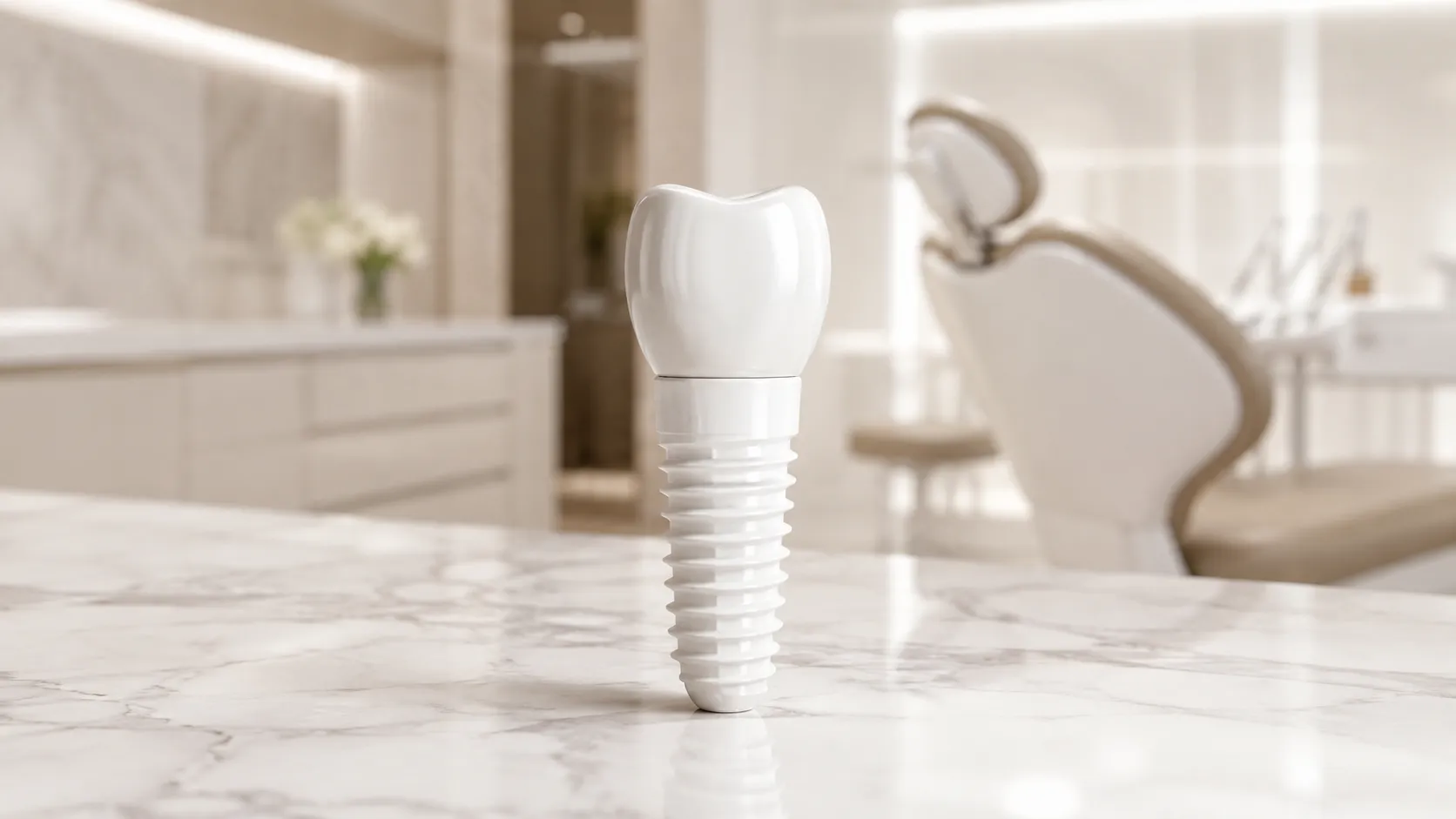
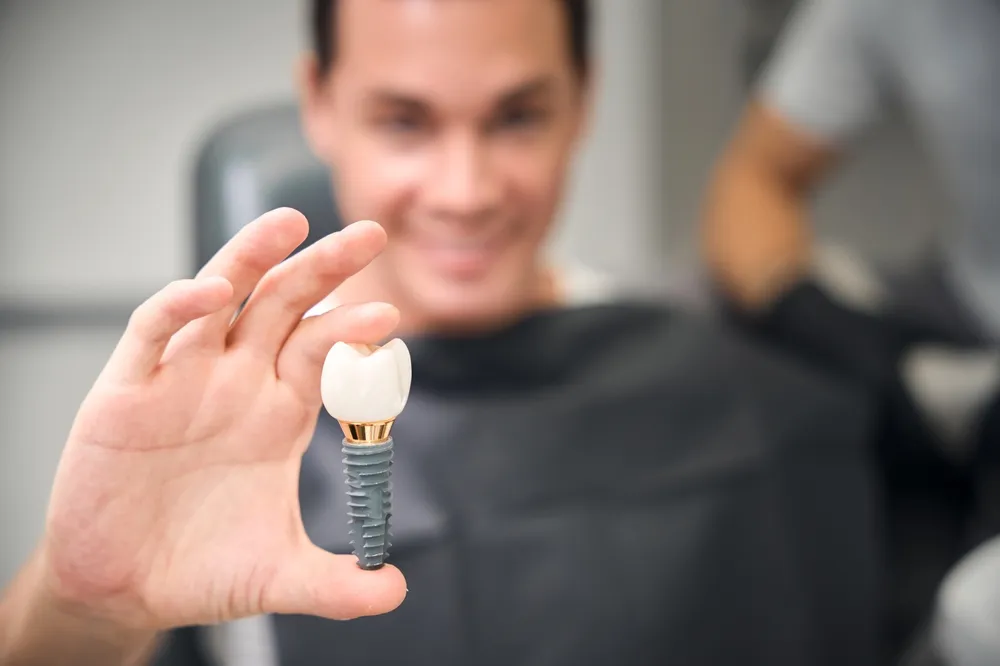
Zirconia dental implants are ceramic implants. They replace missing teeth. They offer a metal-free alternative to titanium implants.
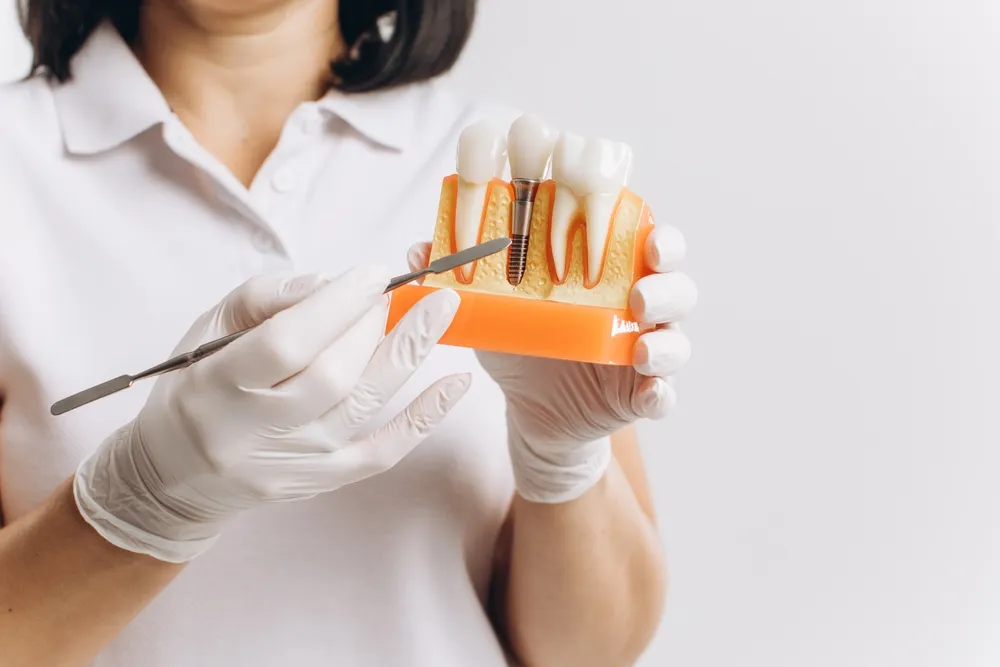
Dental implants serve as artificial tooth roots. Surgeons place them into the jawbone. They support crowns, bridges, or dentures. Most implants use titanium. However, zirconia implants use zirconium dioxide. This material belongs to the ceramic family. It looks white. It matches natural teeth. It appeals to patients who want cosmetic dentistry solutions without metal.
Understanding Zirconia as a Dental Material?
Zirconia is zirconium dioxide. It is a ceramic material. It offers high strength and natural color.
Manufacturers create zirconia implants from yttria-stabilized tetragonal zirconia polycrystals. This form provides fracture resistance. It also provides compression strength. Research shows zirconia resists wear and corrosion. It does not conduct electricity. It creates a bioinert environment for surrounding tissues. Aldhuwayhi (2025) notes that zirconia demonstrates high fracture resistance and esthetic superiority. It also shows low bacterial affinity. These traits make it suitable for implant dentistry.
What Types of Zirconia Dental Implants Exist?
Two main types exist. One-piece implants combine the implant and abutment. Two-piece implants separate these components.
One-piece zirconia implants offer simplicity. They reduce the risk of screw loosening. They suit patients who want straightforward restorative dentistry. Two-piece zirconia implants allow more flexible crown placement. They also enable better angulation correction. However, two-piece designs face higher fracture risks at the connection point. Bethke et al. (2020) found that one-piece zirconia implants generally resist fractures better than two-piece designs.
How Do Zirconia Implants Work?
Zirconia implants fuse with the jawbone. This process is osseointegration. It creates a stable foundation for artificial teeth.
After a surgeon places the implant, bone cells attach to the zirconia surface. This attachment takes several months. It forms a solid bond. The implant then supports a dental crown or bridge. Zirconia implants bond with bone-like apatite. Aldhuwayhi (2025) confirms that zirconia integrates with bone through osseointegration comparable to titanium implants. This integration ensures long-term function and support for missing teeth.
Why Are Zirconia Dental Implants Becoming Popular in the UK?
UK patients increasingly choose zirconia implants. They want metal-free dentistry. They want better aesthetics. They also want holistic care.
The demand for ceramic dental implants grows each year. Patients learn about biocompatibility. They also learn about the limitations of metal restorations. This awareness drives interest in zirconia dental implants UK.
What Is Driving the Rise of Metal-Free Dentistry?
Patients worry about metal in their bodies. They want alternatives. Zirconia meets this demand.
Some patients report sensitivities to metals. Others simply prefer ceramic materials. Metal-free dental implants eliminate concerns about galvanic reactions. They also eliminate metallic tastes. Zirconia provides a biologically inert option. This option aligns with holistic dental philosophies. Patients feel safer choosing materials that do not contain metal alloys.
Why Do Patients Demand Natural-Looking Smiles?
Zirconia implants look white. They match natural teeth. They prevent grey shadows.
Titanium implants can show a grey line at the gum margin. This happens especially with thin gingival biotypes. Zirconia implants avoid this problem. They maintain a natural appearance in the smile zone. Alqahtani et al. (2025) report that zirconium implants perform better in terms of aesthetics. They achieve higher pink aesthetic scores and white aesthetic scores than titanium. This advantage matters greatly for front teeth.
What Is Fueling Interest in Holistic and Biocompatible Dentistry?
Patients want materials that work with their bodies. Zirconia offers excellent biocompatibility.
Zirconia triggers minimal inflammatory response. Soft tissue heals well around it. Research shows zirconia promotes healthy gum tissue. It reduces the risk of peri-implant diseases. Patients who value overall wellness prefer this approach. They see zirconia implants as part of a broader commitment to oral health.
What Benefits Do Zirconia Dental Implants Offer?
Zirconia implants provide several advantages. They look better. They biologically integrate well. They also resist plaque.
These benefits make them attractive for cosmetic dentistry and restorative dentistry. Patients with high aesthetic demands especially appreciate them.
How Do Zirconia Implants Deliver Superior Aesthetics?
Zirconia implants look like natural teeth. They eliminate grey gum shadowing. They suit thin gum tissue.
The white color of zirconia blends with the natural tooth structure. It reflects light similarly to enamel. Patients with thin gingival biotypes see particular benefits. Titanium can show a dark line through thin gums. Zirconia avoids this completely. Alqahtani et al. (2025) confirm that zirconia achieves superior color perception. The distinction becomes noticeable in thinner soft tissue biotypes.
Why Does Zirconia Show Excellent Biocompatibility?
Zirconia works well with human tissue. It causes little inflammation. It supports soft tissue health.
The material does not trigger immune reactions. It does not release ions into surrounding tissue. Studies show fibroblasts and osteoblasts adhere well to zirconia surfaces. This adhesion promotes healing. It also reduces the risk of implant rejection. Patients with sensitivities benefit most from this biocompatibility.
How Does Zirconia Reduce Plaque Accumulation?
Zirconia surfaces resist bacteria. They accumulate less plaque than titanium.
The smooth surface and low surface energy of zirconia limit bacterial adhesion. Roehling et al. (2017) found that zirconia surfaces show statistically significant reductions in biofilm thickness compared to titanium. Zirconia also demonstrates lower counts of pathogenic bacteria. This resistance supports long-term oral health. It reduces the risk of peri-implantitis.
Why Do Patients Choose Metal-Free Solutions?
Metal-free dental implants suit patients with allergies. They also suit patients with aesthetic concerns.
Some patients experience reactions to titanium alloys. Others want to avoid any metal in their bodies. Zirconia provides a completely ceramic alternative. It contains no metal. It offers peace of mind. It also meets the growing demand for natural materials in dental care.
How Does Zirconia Resist Corrosion and Oxidation?
Zirconia does not corrode. It remains stable in the oral environment.
Metal implants can oxidize over time. This oxidation may affect surrounding tissue. Zirconia implants resist this process. They maintain their structure for years. This stability ensures long-term durability. It also prevents chemical reactions with saliva or food.
Zirconia vs Titanium Dental Implants: Which Is Better?
Both materials replace missing teeth effectively. However, they differ in key ways. Patients must understand these differences before choosing.
This comparison covers material properties, aesthetics, success rates, bone integration, strength, and maintenance.
How Do These Materials Compare?
Zirconia is ceramic. Titanium is metal. They have different structures.
Zirconia offers a tooth-colored alternative. Titanium provides a darker metallic option. Zirconia has high bending strength. Titanium has higher fracture toughness. Lin et al. (2021) note that yttria-stabilized tetragonal zirconia has better fracture toughness than traditional ceramics. However, titanium still surpasses zirconia in this area.
Which Material Offers Better Aesthetic Performance?
Zirconia wins in aesthetics. Titanium shows limitations in the smile zone.
Zirconia implants maintain white color at the gum line. Titanium may create a grey shadow. This shadow becomes visible with gum recession or thin tissue. For front teeth, zirconia provides clear advantages. Patients who prioritize cosmetic dentistry often prefer zirconia for this reason.
What Do Clinical Success Rates Reveal?
Titanium shows slightly higher survival rates. Zirconia rates remain acceptable.
Research indicates that titanium implants achieve survival rates around 96.4% over ten years. Zirconia implants show rates between 87% and 100%. Morena et al. (2024) found that titanium implants had better survival rates after one year compared to zirconia. However, the difference is small. Both materials provide reliable outcomes for most patients.
How Does Osseointegration Differ Between Zirconia and Titanium?
Both materials integrate with bone. Titanium may show slightly less marginal bone loss.
Osseointegration occurs with both zirconia and titanium. However, studies show minor differences. Alqahtani et al. (2025) report that some reviews found zirconia implants showed greater marginal bone loss than titanium. Other reviews found no significant difference. Morena et al. (2024) also reported less marginal bone loss with titanium after twelve months. These differences are small but measurable.
Which Material Shows Greater Mechanical Strength?
Titanium has higher fracture toughness. Zirconia has adequate bending strength.
Titanium resists fracture better than zirconia. This matters in high-bite-force areas. However, zirconia still provides sufficient strength for most applications. Bethke et al. (2020) confirmed that alumina-toughened zirconia offers improved fracture resistance. Manufacturers continue improving zirconia designs to address this limitation.
What Does Maintenance and Long-Term Care Look Like?
Both implants require similar care. Patients must brush, floss, and attend check-ups.
Neither material demands special maintenance. However, zirconia may offer slight advantages in plaque control. Patients should clean both types daily. They should also visit their dentist regularly. Professional cleanings help prevent peri-implantitis.
Comparative Table: Zirconia vs Titanium Implants
Feature | Zirconia Implants | Titanium Implants |
Material | Ceramic (Zirconium Dioxide) | Metal (Titanium Alloy) |
Color | White, tooth-colored | Grey, metallic |
Aesthetics | Excellent, no grey shadow | Good, possible grey line |
Biocompatibility | Excellent, bioinert | Excellent, well-documented |
Plaque Accumulation | Lower | Higher |
Fracture Toughness | Lower | Higher |
Survival Rate (5-year) | 87-97% | 95-98% |
Marginal Bone Loss | Slightly higher | Slightly lower |
Cost | Higher | Lower |
Best For | Front teeth, thin gums, metal allergies | Back teeth, high bite force |
What Does Scientific Research Say About Zirconia Implants?
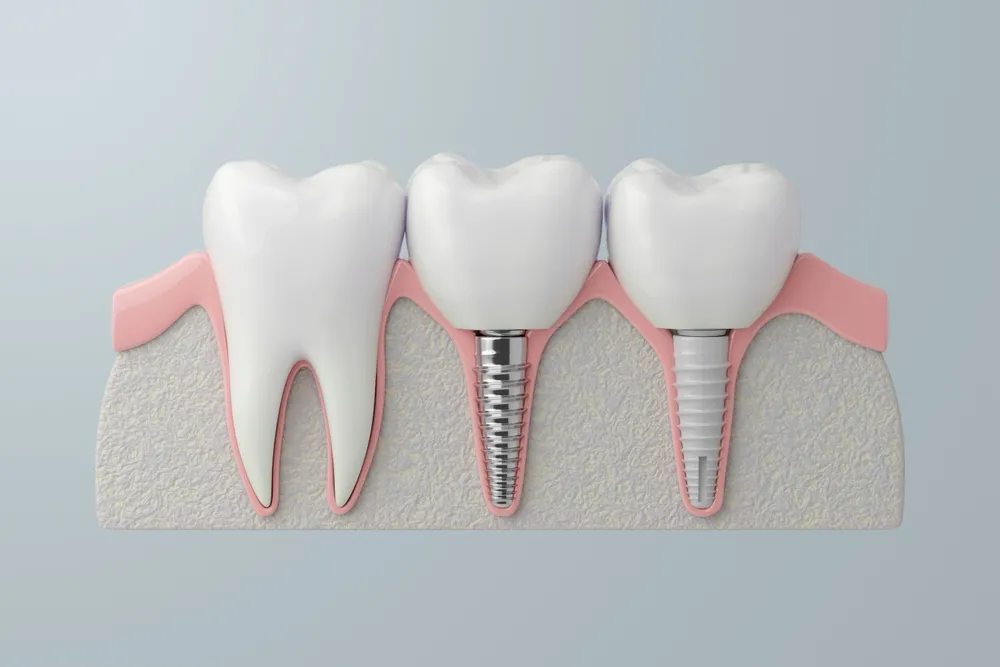
Scientists have studied zirconia implants extensively. They have examined survival rates, bone loss, and soft tissue health.
The evidence supports zirconia as a viable option. However, researchers call for more long-term studies.
What Are the Implant Survival Rates?
Survival rates range from 87% to 100%. Short-term outcomes look promising.
Systematic reviews show varied results. Some studies report survival rates above 90%. Others show lower figures. Duan et al. (2023) found that zirconium implants may have a significantly lower success rate than titanium. The relative risk was 0.87. However, differences in survival rates were not always statistically significant. Alqahtani et al. (2025) conclude that zirconia implants offer comparable clinical performance in the anterior region.
How Much Marginal Bone Loss Occurs Around Zirconia Implants?
Bone loss remains minimal. It slightly exceeds titanium levels.
Most zirconia implants show marginal bone loss under 1 mm. This falls within acceptable clinical limits. Alqahtani et al. (2025) report that some reviews found zirconia implants showed greater marginal bone loss than titanium. Other reviews found no conclusive proof of difference. These variations depend on surgical technique, bone quality, and prosthetic design.
How Does Zirconia Affect Soft Tissue and Gum Health?
Zirconia promotes healthy gums. It reduces inflammation.
Studies show low bleeding on probing around zirconia implants. Alqahtani et al. (2025) found that zirconia implants show less plaque accumulation and less inflammation around peri-implant mucosa. They also display lower probing depths. These factors support better soft tissue health. Patients with thin gingival biotypes see particular benefits.
What Are the Current Limitations of the Evidence?
Long-term data remains limited. Most studies cover fewer than ten years.
Titanium implants have decades of research. Zirconia implants have less historical data. Sales et al. (2023) note that the small number of studies and uncertain risk of bias raise doubts. Morena et al. (2024) call for future studies with improved design. Patients should understand that zirconia evidence continues to grow. Current data supports use but requires cautious interpretation.
Who Is a Good Candidate for Zirconia Dental Implants?
Many patients qualify for zirconia implants. However, certain factors affect suitability.
Dentists evaluate oral health, bone structure, and aesthetic needs. They also consider medical history.
Can Patients Missing One or More Teeth Get Zirconia Implants?
Yes. Zirconia implants replace single teeth, multiple teeth, or full arches.
Patients with one missing tooth can receive a single zirconia implant. Patients with several missing teeth can use implant-supported bridges. Even full-mouth reconstruction is possible. The implant dentist assesses bone volume and spacing before proceeding.
Should Patients Seeking Metal-Free Restorations Choose Zirconia?
Yes. Zirconia provides a completely metal-free option.
Patients with metal sensitivities or allergies benefit most. Others simply prefer ceramic materials for personal or holistic reasons. Zirconia implants contain no metal alloys. They eliminate concerns about titanium reactions.
Are Patients Concerned About Smile Aesthetics Good Candidates?
Yes. Zirconia suits patients who want the best possible appearance.
Front teeth restorations especially benefit from zirconia. The white color prevents grey shadows. It also matches natural enamel. Patients with high smile lines or thin gums see the greatest aesthetic advantages.
Do Patients Need Healthy Bone Structure for Zirconia Implants?
Yes. Adequate bone supports the implant.
Patients need sufficient jawbone volume and density. The bone must surround the implant securely. Patients with bone loss may need bone grafting first. This procedure rebuilds the jawbone. It creates a stable foundation for implant placement.
Which Cases Require Additional Assessment?
Smokers, patients with gum disease, and those with systemic conditions need extra evaluation.
Smoking reduces healing capacity. It increases failure risk. Alfadda (2018) confirms that smoking negatively affects dental implant outcomes. Patients with uncontrolled diabetes or autoimmune disorders also need careful assessment. Dentists may recommend alternative treatments or additional preparation steps.
What Happens During the Zirconia Dental Implant Procedure?
The procedure involves several stages. Each stage ensures safety and precision.
Patients should understand the timeline. They should also know what to expect at each visit.
What Occurs During the Initial Consultation and Diagnostics?
The dentist examines the mouth. They also take digital images.
The consultation includes a full oral examination. The dentist checks gum health and remaining teeth. They also assess bone structure using CBCT scans. These 3D images reveal bone volume and nerve positions. The dentist uses this data to plan implant placement accurately.
How Do Surgeons Create a Personalized Treatment Plan?
They use digital imaging and surgical guides.
The treatment plan addresses each patient's unique anatomy. It determines implant size, position, and angle. Surgical guides may assist with precise placement. The plan also considers aesthetic goals. It ensures the final crown matches surrounding teeth.
When Does Tooth Extraction Take Place?
Extraction happens before implant placement. Sometimes it occurs immediately.
If the damaged tooth remains, the dentist removes it first. In some cases, they place the implant immediately after extraction. This approach reduces total treatment time. However, it requires healthy bone and infection-free sockets. The dentist decides based on individual circumstances.
What Happens During Implant Placement Surgery?
The surgeon places the implant into the jawbone. They use local anesthesia.
The surgery takes one to two hours per implant. The dentist makes a small incision in the gum. They drill a precise channel into the bone. They insert the zirconia implant. They then close the gum with sutures. Patients receive detailed aftercare instructions.
How Long Does Healing and Osseointegration Take?
Healing takes three to six months. Bone integration requires time.
During this period, the jawbone fuses with the implant surface. Patients must avoid chewing hard foods on the implant site. They must also maintain excellent oral hygiene. The dentist monitors progress through follow-up visits. Successful osseointegration ensures long-term stability.
How Do Dentists Place the Abutment and Crown?
They attach the abutment after healing. Then they fit the crown.
The abutment connects the implant to the crown. For one-piece implants, this step may not apply. For two-piece implants, the dentist exposes the implant. They attach the abutment. They then take impressions. The dental lab fabricates a custom zirconia crown. The dentist cements or screws this crown into place.
What Does the Final Smile Restoration Involve?
The dentist checks the bite and appearance. They make final adjustments.
The patient sees the completed restoration. The dentist ensures the crown fits perfectly. They verify color match and bite alignment. They also provide care instructions. The patient leaves with a fully functional, aesthetic tooth replacement.
What Does Recovery After Zirconia Implant Surgery Look Like?
Recovery follows a predictable pattern. Most patients resume normal activities within days.
Understanding the healing timeline helps patients prepare. It also reduces anxiety.
What Should Patients Expect During the First Week?
Mild swelling and discomfort occur. These effects subside quickly.
Patients may experience bruising and slight bleeding. Pain medication manages discomfort. Ice packs reduce swelling. Patients should rest for the first twenty-four hours. They should also avoid strenuous activity for several days.
What Is the Typical Healing Timeline?
Soft tissue heals in two weeks. Bone integration takes three to six months.
Gums close within seven to fourteen days. Patients can return to normal eating gradually. However, full bone fusion requires months. The dentist tracks this process with x-rays. They confirm integration before loading the final crown.
How Can Patients Manage Discomfort and Swelling?
They use prescribed pain relievers. They also apply cold compresses.
Over-the-counter medications often suffice. Patients should take them as directed. Cold compresses applied to the cheek reduce swelling. Patients should sleep with their head elevated. These simple measures speed recovery.
What Dietary Recommendations Support Healing?
Soft foods work best initially. Patients should avoid hard or hot items.
For the first week, patients eat soups, yogurt, and mashed vegetables. They avoid crunchy foods that disturb the implant site. They also avoid very hot drinks. Good nutrition supports immune function. It also promotes faster tissue repair.
Why Are Follow-Up Appointments Essential?
They monitor healing. They catch problems early.
The dentist checks for infection. They also verify osseointegration progress. Regular visits allow early intervention if complications arise. Patients should attend all scheduled appointments. This commitment protects their investment.
What Risks and Complications Can Zirconia Implants Present?
All surgeries carry risks. Zirconia implants share general implant risks. They also have specific considerations.
Patients should know these risks before treatment. This knowledge supports informed consent.
What General Implant Risks Should Patients Know?
Infection, implant failure, and delayed healing can occur.
Bacteria may enter the surgical site. This causes infection. Poor osseointegration leads to implant failure. Some patients heal slowly due to health conditions. These risks apply to all implant types, including titanium and ceramic dental implants.
What Zirconia-Specific Considerations Exist?
Fracture risk and prosthetic limitations matter.
Zirconia is brittle compared to titanium. Implant body fracture remains a concern. Bethke et al. (2020) highlight this risk in their systematic review. Two-piece designs face particular challenges at the connection. Prosthetic options may also be more limited than with titanium systems.
Which Factors Affect Success?
Smoking, poor oral hygiene, and systemic health play major roles.
Smokers face higher failure rates. Alfadda (2018) documents worse outcomes for smokers. Patients who neglect brushing and flossing risk peri-implantitis. Uncontrolled diabetes also threatens success. Addressing these factors before surgery improves results.
What Success Rates Do Zirconia Dental Implants Achieve?
Success rates vary by timeframe. Short-term and medium-term data look promising.
Patients should understand that success depends on multiple factors. These include bone quality, surgical skill, and aftercare.
What Do Short-Term Clinical Outcomes Show?
One-year survival rates reach 90% or higher.
Most zirconia implants survive the first year. Morena et al. (2024) reported one-year data showing titanium at 77.6% and zirconia at 70.3%. However, other studies show higher zirconia rates. Variations reflect different study designs and patient populations.
What Does Medium-Term Survival Data Reveal?
Three to five-year data remains encouraging.
Several studies track zirconia implants beyond three years. Koller et al. (2020) compared two-piece zirconia and titanium implants after eighty months. They found acceptable clinical outcomes for both. Hosseini et al. (2022) conducted a five-year randomized trial. They found zirconia-based restorations performed similarly to metal-based ones.
What Do Five-Year and Ten-Year Findings Indicate?
Five-year success rates reach 95% to 97%. Ten-year data remains limited.
Pjetursson et al. (2012) established benchmarks for implant-supported prostheses. Zirconia-specific long-term studies continue to accumulate. Current evidence suggests zirconia implants maintain function for five years or more. However, titanium still holds a larger evidence base for decade-long performance.
Which Factors Influence Implant Longevity?
Bone quality, surgical expertise, and prosthetic design matter most.
Strong, dense bone supports implants better. Experienced surgeons achieve more precise placement. Proper prosthetic design distributes bite forces evenly. Patients who maintain excellent oral hygiene also see better longevity. These factors apply equally to zirconia and titanium implants.
How Much Do Zirconia Dental Implants Cost in the UK?
Costs vary widely. Zirconia implants generally cost more than titanium.
UK patients should budget carefully. They should also understand what drives pricing.
What Is the Average Cost of Zirconia Implants in the UK?
A single zirconia implant costs between £2,500 and £4,500.
This price includes the implant, abutment, and crown. It also covers surgery and follow-up care. Titanium implants typically range from £1,500 to £3,000. The higher zirconia price reflects material costs and manufacturing complexity.
Which Factors Affect Treatment Costs?
Implant system, number of implants, bone grafting, and location all matter.
Premium zirconia systems cost more. Multiple implants increase total fees. Patients needing bone grafting pay extra for that procedure. London clinics often charge more than regional practices. These variables create wide price ranges across the UK.
How Do Zirconia and Titanium Costs Compare?
Zirconia costs roughly 30% to 50% more than titanium.
The price gap stems from material properties and production methods. Zirconia requires CAD/CAM manufacturing. It also demands specialized handling. Titanium benefits from mass production and decades of optimization. Patients must weigh these costs against aesthetic and biological benefits.
Are Zirconia Implants Worth the Investment?
For many patients, yes. The aesthetic and biological advantages justify the cost.
Patients with thin gums or metal sensitivities gain clear value. Front tooth restorations also benefit from zirconia's natural appearance. However, patients with budget constraints may prefer titanium. Both materials provide reliable tooth replacement. The choice depends on individual priorities.
Why Do Some UK Patients Travel Abroad for Zirconia Implants?
Dental tourism grows each year. Patients seek lower costs and experienced clinics.
Traveling for dental care requires careful planning. It also involves weighing risks and benefits.
How Much Can Patients Save Compared with UK Prices?
Savings range from 40% to 70%.
Countries like Turkey, Hungary, and Spain offer lower prices. A zirconia implant abroad may cost £1,000 to £2,000. This includes the same quality materials. Patients must factor in travel and accommodation costs. Even then, total expenses often remain below UK prices.
Can Patients Access Experienced Implant Clinics Abroad?
Yes. Many international clinics specialize in implant dentistry.
Some overseas centers perform thousands of implant procedures annually. They use the same zirconia systems available in the UK. They also employ dentists trained in Europe or the UK. Patients should verify credentials. They should also check clinic reviews and accreditation.
Do Combined Treatment and Travel Opportunities Exist?
Yes. Patients often combine dental work with holidays.
This approach appeals to patients needing extensive treatment. They schedule procedures at the start of a vacation. They recover while enjoying their destination. However, they must plan for follow-up care. Remote consultations may not replace in-person check-ups.
What Factors Should Patients Evaluate Before Choosing a Clinic?
They should check accreditation, surgeon qualifications, and aftercare protocols.
International clinics should hold recognized certifications. Surgeons should belong to professional implant organizations. Patients must also understand warranty terms. They need clear plans for emergency care back in the UK. Dental tourism offers savings. However, it requires thorough research.
How Should Patients Care for Zirconia Dental Implants?
Proper care extends implant life. It also prevents complications.
Zirconia implants need the same attention as natural teeth. Patients should establish consistent routines.
What Daily Oral Hygiene Routine Works Best?
Patients should brush twice daily. They should also floss around the implant.
Brushing removes plaque from the crown surface. Flossing cleans between teeth and around the implant neck. Patients should use a soft-bristled brush. They should avoid abrasive toothpaste. These habits protect both the implant and surrounding gums.
Which Cleaning Tools Should Patients Use?
Interdental brushes and water flossers help.
Interdental brushes reach spaces between implants and adjacent teeth. Water flossers flush debris from gum pockets. These tools complement regular brushing. They reduce plaque buildup. They also lower the risk of peri-implantitis.
How Often Do Patients Need Professional Maintenance?
They should visit every six months.
Dental hygienists clean hard-to-reach areas. They also check for early signs of inflammation. Professional cleanings remove calculus. These visits catch problems before they threaten implant stability. Patients with a history of gum disease may need quarterly visits.
How Can Patients Prevent Peri-Implant Diseases?
They must control plaque. They should also avoid smoking.
Peri-implantitis destroys bone around implants. It leads to failure. Regular cleaning prevents this condition. Patients should also manage systemic health. Diabetes control matters. So does cardiovascular health. These measures protect the implant investment.
What Are the Most Frequently Asked Questions About Zirconia Implants?
Patients ask many questions before choosing implants. Here are the most common ones.
Are Zirconia Implants Safe?
Yes. Research supports their safety.
Zirconia has served in dentistry for decades. It appears in crowns, bridges, and now implants. Studies show it integrates with bone safely. It also supports soft tissue health. Cionca et al. (2017) confirm that zirconia dental implants represent a viable treatment option.
How Long Do Zirconia Implants Last?
They can last ten years or more.
Current data shows five-year success rates above 90%. Ten-year data continues to accumulate. Proper care extends longevity. Patients should expect durable performance. However, they must attend regular check-ups.
Do Zirconia Implants Feel Like Natural Teeth?
Yes. They function similarly to natural teeth.
After osseointegration, patients cannot distinguish implants from real teeth. They chew normally. They speak clearly. The crown shape and color match natural dentition. Most patients forget they have an implant.
Can Zirconia Implants Replace All Missing Teeth?
Yes. They support single crowns, bridges, and full arches.
Implant dentists use multiple zirconia implants to support full dentures. They also use them for partial bridges. The number of implants depends on bone availability and bite forces. A full arch may need four to six implants.
Are Zirconia Implants Better Than Titanium?
Not necessarily. Each material suits different needs.
Zirconia offers better aesthetics and lower plaque accumulation. Titanium offers higher fracture toughness and lower cost. Alqahtani et al. (2025) state that decision-making should consider individual requirements and clinical scenarios. Neither material dominates in all categories.
Are Zirconia Implants Available on the NHS?
Rarely. The NHS typically covers titanium implants.
NHS dental services prioritize function over aesthetics. They usually provide standard titanium implants when medically necessary. Patients wanting zirconia for aesthetic reasons must seek private treatment. They should check local NHS policies for exceptions.
Can Smokers Get Zirconia Dental Implants?
They can, but success rates drop.
Smoking impairs blood flow to the gums. It slows healing. It also increases infection risk. Alfadda (2018) documents worse implant outcomes for smokers. Dentists strongly recommend quitting before surgery. Some clinics refuse to treat active smokers.
How Painful Is the Procedure?
Most patients report minimal pain.
Local anesthesia numbs the surgical site. Patients feel pressure but not sharp pain. After surgery, over-the-counter medications manage discomfort. Pain typically lasts two to three days. It rarely exceeds this timeframe.
What Should UK Patients Know Before Choosing Zirconia Implants?
Zirconia dental implants offer a compelling option for UK patients. They provide metal-free, aesthetic tooth replacement. They integrate with bone effectively. They also support healthy gum tissue.
However, patients must weigh benefits against limitations. Zirconia costs more than titanium. It also carries a slightly higher fracture risk. The evidence base, while growing, remains smaller than titanium's.
Patients should consult experienced implant dentists. They should discuss aesthetic goals, bone health, and budget. They should also review scientific evidence. Personalized treatment planning ensures the best outcome.
Evidence-based dentistry guides implant selection. UK patients now have more choices than ever. Zirconia implants serve those who prioritize aesthetics and biocompatibility. Titanium implants serve those who prioritize cost and mechanical strength. Understanding these differences leads to better decisions. It also leads to healthier, more confident smiles.
References
Alfadda, S. A. "Current Evidence on Dental Implants Outcomes in Smokers and Nonsmokers: A Systematic Review and Meta-Analysis." Journal of Oral Implantology, vol. 44, no. 2, 2018, pp. 121-30.
Alqahtani, S. M., et al. "Clinical Effectiveness of Zirconia versus Titanium Dental Implants in the Anterior Region: An Overview of Systematic Reviews." European Journal of Medical Research, vol. 30, no. 1, 2025, pp. 1-15.
Aldhuwayhi, S. "Zirconia in Dental Implantology: A Review of the Literature with Recent Updates." Cureus, vol. 17, no. 5, 2025, pp. 1-12.
Bethke, A., et al. "Fracture Resistance of Zirconia Oral Implants in Vitro: A Systematic Review and Meta-Analysis." Materials, vol. 13, no. 3, 2020, pp. 1-15.
Cionca, N., et al. "Zirconia Dental Implants: Where Are We Now, and Where Are We Heading?" Periodontology 2000, vol. 73, no. 1, 2017, pp. 241-58.
Duan, C., et al. "Clinical Performance of Zirconium Implants Compared to Titanium Implants: A Systematic Review and Meta-Analysis of Randomized Controlled Trials." PeerJ, vol. 11, 2023, pp. 1-18.
Fernandes, et al. "Clinical Outcomes of Zirconia, Titanium-Zirconium, and Titanium Dental Implants: A Systematic Review." Journal of Dentistry, 2021, pp. 1-12.
Hosseini, M., et al. "A 5-Year Randomized Controlled Trial Comparing Zirconia-Based versus Metal-Based Implant-Supported Single-Tooth Restorations in the Premolar Region." Clinical Oral Implant Research, vol. 33, no. 4, 2022, pp. 389-400.
Koller, M., et al. "Two-Piece Zirconia versus Titanium Implants after 80 Months: Clinical Outcomes from a Prospective Randomized Pilot Trial." Clinical Oral Implants Research, vol. 31, no. 6, 2020, pp. 567-75.
Lin, H., et al. "Zirconia Based Dental Biomaterials: Structure, Mechanical Properties, Biocompatibility, Surface Modification, and Applications as Implant." Frontiers in Dental Medicine, vol. 2, 2021, pp. 1-15.
Morena, D., et al. "Comparative Clinical Behavior of Zirconia versus Titanium Dental Implants: A Systematic Review and Meta-Analysis of Randomized Controlled Trials." Journal of Clinical Medicine, vol. 13, no. 16, 2024, pp. 4488.
Pjetursson, B. E., et al. "A Systematic Review of the Survival and Complication Rates of Implant-Supported Fixed Dental Prostheses after a Mean Observation Period of at Least 5 Years." Clinical Oral Implant Research, vol. 23, 2012, pp. 22-38.
Roehling, S., et al. "In Vitro Biofilm Formation on Titanium and Zirconia Implant Surfaces." Journal of Periodontology, vol. 88, no. 3, 2017, pp. 298-307.
Sales, P. H. da Hora, et al. "Do Zirconia Dental Implants Present Better Clinical Results Than Titanium Dental Implants? A Systematic Review and Meta-Analysis." Journal of Stomatology, Oral and Maxillofacial Surgery, vol. 124, no. 1, 2023, pp. 1-10.
Siddiqi, A., et al. "Soft and Hard Tissue Response to Zirconia versus Titanium One-Piece Implants Placed in Alveolar and Palatal Sites: A Randomized Control Trial." Clinical Implant Dentistry and Related Research, vol. 17, no. 3, 2015, pp. 1-10.