
How to Choose the Best Dental Implants Brand
Quick Answer: Premium brands like Straumann and Nobel Biocare suit complex cases, while Zimmer Biomet, BioHorizons, and BEGO offer reliable, lower-cost alternatives the best choice depends on clinical needs and budget.
Premium implant brands such as Straumann and Nobel Biocare are known for their advanced surface technologies, very high long-term success rates, and reliability in complex or immediate-loading cases, making them the gold standard in implant dentistry.
Mid-tier systems like Zimmer Biomet, BioHorizons, and BEGO offer excellent clinical outcomes at more accessible price points, combining proven engineering with practical design features. The best implant choice ultimately depends on bone quality, treatment complexity, esthetic needs, and budget when matched correctly, all of these systems deliver predictable, long-term results.
1. Introduction to dental implants
Since 1965, when Branemark implemented the first endosseous implants, oral rehabilitation through dental implants has shown worldwide success. Dentistry has become interested in the osseointegrated implants that address edentulous spaces. These implants need careful consideration of the type of implant and the factors required for success (Zaheer Kola et al., 2015).
Dental implants have been used for many years, but interest in osseointegrated implants has increased since the mid-20th century. Pioneering work by Branemark, who developed endosseous implants that integrate with bone, made it possible for dentistry to rehabilitate patients. The scientific literature and studies of dental implants after many years of clinical experience confirm their validity. Today, they are an effective solution for restoring missing teeth. Nevertheless, implants are not a simple tool. Close collaboration between the prosthodontist and the surgeon is critical. Detailed treatment planning establishes indications, contraindications, and expectations of implantology. The decision on type, size, and shape of the implants to be used is fundamental, because implant failure may occur, and longevity is associated with the correct choice. Special guides and templates ensure scientific selections, in balance with the soft and hard tissues (Sandhu and Kaur Pannu, 2018).
2. Which are the key brands to consider?
Quick Answer: Straumann, Nobel Biocare, BEGO, Zimmer Biomet, and BioHorizons.
| Implant Brand | Country of Origin | Materials & Surface Technology | Key Features & Benefits | 10-Year Success Rate | Cost Range (Fixture Only) | Best For |
| Straumann | Switzerland | Grade 4 titanium, Roxolid® (Ti-Zr alloy), SLActive® surface | • Pioneer of SLA surface technology • Bone-level & tissue-level options • Roxolid is ~50% stronger than pure titanium • SLActive accelerates osseointegration |
98.8% | US: $1,000– $1,400 UK: £400–£600 |
Complex cases, immediate loading, compromised bone density |
| Nobel Biocare | Switzerland / Sweden | Commercially pure titanium, TiUnite® oxidized surface | • Creator of All-on-4® concept • TiUnite enhances bone integration • NobelActive variable thread for high primary stability • Extensive prosthetic options |
97.5% | US: $900–$1,300UK: £380–£550 | Immediate loading, full-arch restorations, anterior esthetics |
| BEGO | Germany | Grade 4 titanium, TiPure® Plus (grit-blasted & acid-etched) | • Internal hex connection • Self-tapping, progressive thread design • Color-coded system• RS & Semados lines • Simple, clinician-friendly workflow |
96–98% (5–10 yrs) | EU: €200– €350 Intl: $400–$650 Turkey: ₺8,000– ₺15,000 |
Cost-effective European quality, straightforward cases |
| Zimmer Biomet | USA | Titanium alloy, MTX® surface | • Platform switching for crestal bone preservation • Trabecular Metal™ for poor bone quality • Strong prosthetic versatility |
97.2% | US: $700–$1,000UK: £320–£480 | Compromised bone sites, prosthetic flexibility |
| BioHorizons | USA | Grade 23 titanium alloy, Laser-Lok® microchannels | • Laser-Lok promotes soft tissue attachment • Progressive thread design • Color-coded components • Biological seal around implant neck |
96.9% | US: $600–$800UK: £300–£450 | Esthetic zone cases, soft-tissue stability, value-focused practices |
3. What to watch for beyond price
Quick Answer: Beyond price, the key factor is choosing an implant system that fits the patient’s anatomy and clinical needs, as connection design, implant shape, length, and diameter vary by brand and affect surgical handling and outcomes.
After price, compatibility with patient needs is crucial (Tchinda et al., 2023). Each implant brand system features a proprietary connection and body shape, affecting a dentist’s comfort and experience during installation. An implant’s length and diameter also vary across brands and systems. Proper consideration of these specifications is essential to aligning patient requirements with the most suitable implant matches.
4. How to compare brands for your case
Quick Answer: Compare a few leading brands; Straumann, Nobel Biocare, BEGO, Zimmer Biomet, and BioHorizons, by implant design and precision, as these differences affect handling and outcomes.
A direct comparison of a small number of brands is straightforward. Consider five leading dental implant companies: Straumann, Nobel Biocare, Bego, Zimmer Biomet, and BioHorizons. They lead the field with solid documentation and a wealth of materials and guides. You may find decisions easier if you compare the selected brands according to physical attributes and processing instructions (Fatani et al., 2022). A few years ago, a study of 13 best dental implants brands bought through industrial channels found substantial differences in dimensional precision among brands and even within some brands (Tchinda et al., 2023). The differences affected the ease of management in single and multi-unit situations (Henrique Salviano et al., 2023).
5. How to make a choice with your dentist
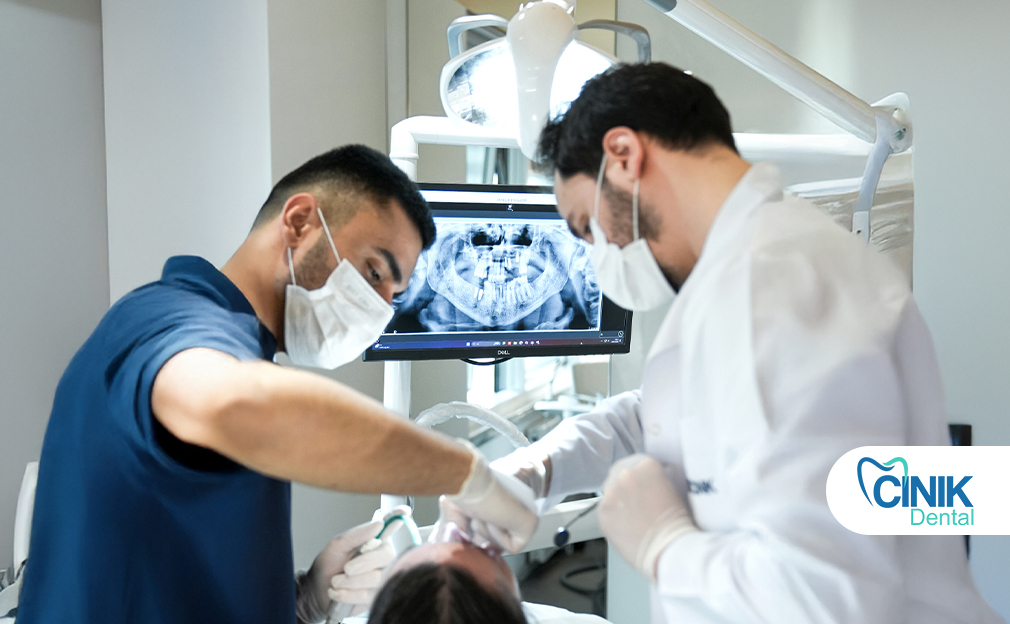
Quick Answer: Your dentist will choose a brand by weighing cost, ease of use, clinical reliability, and long-term restoration options to ensure predictable results and manageable future care.
A dentist may recommend one brand or another depending on various parameters. First, the dentist must look at the overall cost. Brands with an impressive marketing presence sometimes command a significantly higher retail price, even though estimates suggest they are only 2% to 10% superior in many properties. A guided process like Osseointegration requires 100% compliance with the guidelines, and best dental implants brands that provide straightforward procedures may become favored for less-experienced providers. The clinical history associated with a brand in regard to complex situations may weigh heavily on final decisions, such as when bone loss occurs adjacent to a tooth whose root remains vital. Lab overhead can shift focus to lower-priced options, though poorer outcomes may lead to higher costs at a subsequent stage. Some faculty actively share laboratory costs, and an open account or credit line can affect selection, as can the availability of starter kits with matching support to ease less-experienced implant users into more affordable but proven options.
Second, there may be a concern that postprocedure visits could be largely covered but further restorations or follow-up visits would not be covered. Careful brand comparison before the operation could therefore be advisable. Not all manufacturers permit a designated brand for additional restorations; products may become obsolete and implants from brand X become available through generic distribution by manufacturer Y with assurance. The frequency of trauma or pathologies in private or group cases could also determine which brand best suits long-term needs. Reconstructable custom assemblies are relatively easy to fabricate or design with many brands that also offer Zr and or Ti abutments when all benefits need to be considered. (Fatani et al., 2022)
6. Conclusion
Choosing the best dental implants brand is essential for successful treatments. Meanwhile, the decision is complicated. The number of implant brands and models is growing each year. New products emerge constantly, and standards are introduced to establish regulations in implants. Every dentist has their preferred brands. The best brand still depends on several parameters, which makes discussions subjective. This report analyzes five best dental implants brands: Straumann, Nobel Biocare, Bego, Zimmer Biomet, and BioHorizons. The goal is to determine the parameters for comparing brands.
During the observation and analysis of the own implant collection, additional aspects beyond price were selected for consideration. Each brand has its own signature surface, healing abutments, etc. The styles are not only aesthetic. Every brand has its own considerations regarding clinical workflows, conditions, and needs for the components involved and future plans related to the implants. After reviewing the collection of the five aforementioned brands, implant design is analysed in addition to the model, which although recommended, does not have to be kept. The best brand also depends on the patient’s specific conditions along the treatment. Finally, the discussion is brought to a close by reinforcing that the choice should always be done together with the dentist.
References:
Zaheer Kola, M., H Shah, A., S Khalil, H., Mahmoud Rabah, A., Mohammed H Harby, N., Ali Sabra, S., and Raghav, D. “Surgical Templates for Dental Implant Positioning; Current Knowledge and Clinical Perspectives.” 2015. ncbi.nlm.nih.gov
Sandhu, R. and Kaur Pannu, G. “Implant Failures in Dentistry: A Review.” 2018. [PDF]
Tchinda, A., Lerebours, A., Kouitat-Njiwa, R., and Bravetti, P. “Zirconia Dental Implants: A Closer Look at Surface Condition and Intrinsic Composition by SEM-EDX.” 2023. ncbi.nlm.nih.gov
Henrique Salviano, S., Carlos Amorim Lopes, J., da Silva Brum, I., Machado, K., Tulio Pedrazzi, M., and José de Carvalho, J. “Digital Planning for Immediate Implants in Anterior Esthetic Area: Immediate Result and Follow-Up after 3 Years of Clinical Outcome—Case Report.” 2023. ncbi.nlm.nih.gov
Fatani, B., S Almutairi, E., A Almalky, H., I Mubarki, M., and Al-Safadi, A. “A Comparison of Knowledge and Skills Related to Up-to-Date Implant Techniques Among Prosthodontists, Periodontists, and Oral Surgeons: A Cross-Sectional Study.” 2022. ncbi.nlm.nih.gov
Leave a Reply