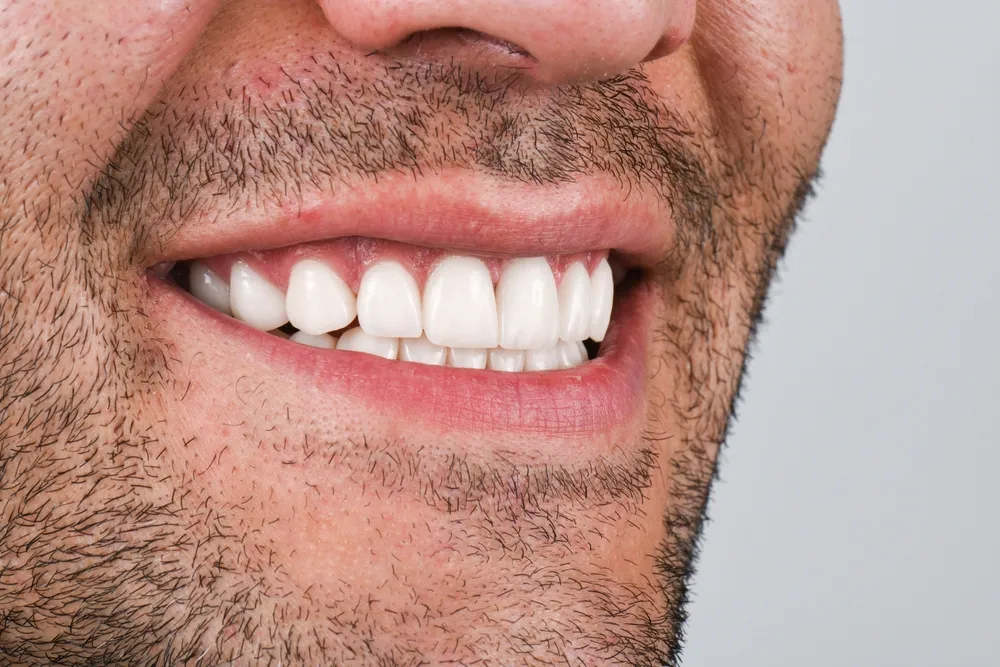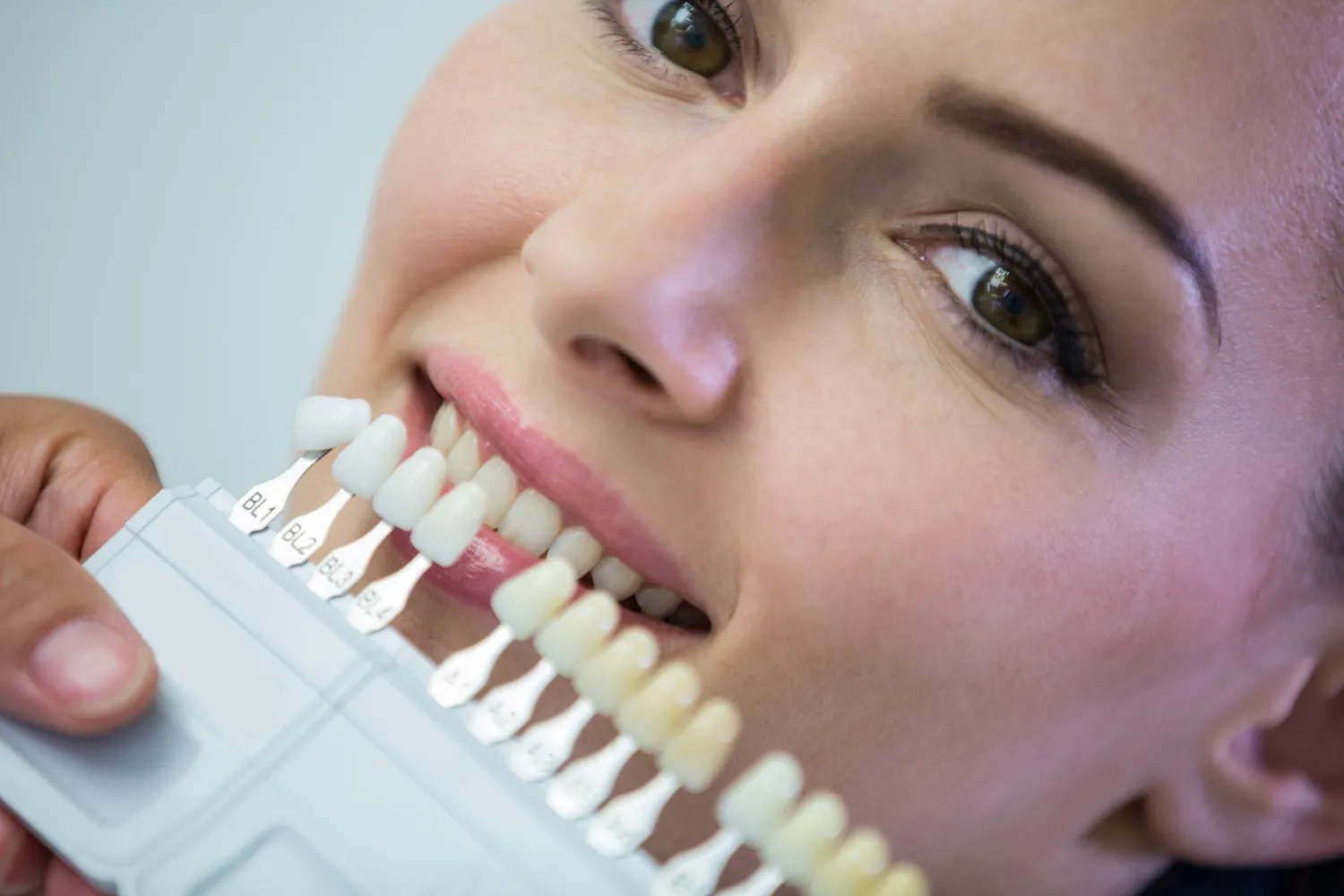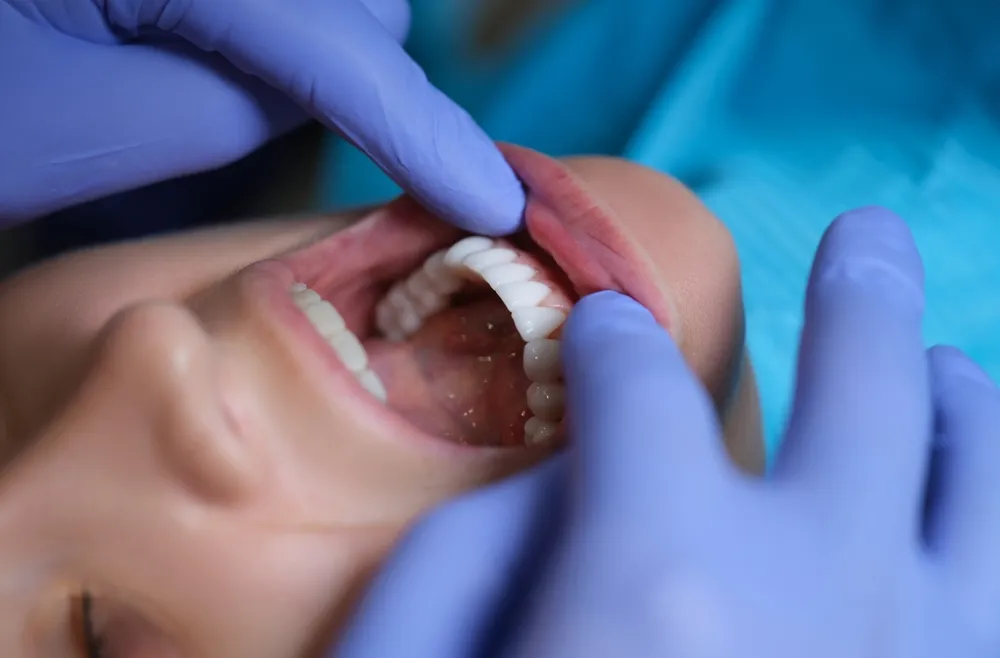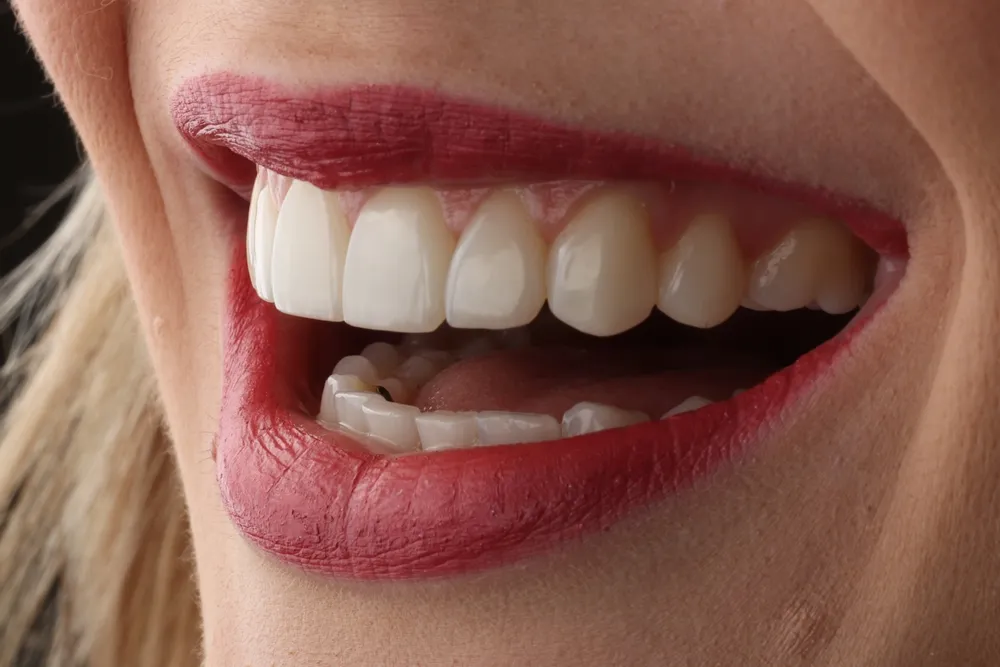
Tooth reshaping (also called enameloplasty or odontoplasty) is a minimally invasive cosmetic dental procedure where small amounts of enamel are removed to improve tooth shape, size, or symmetry. The procedure takes 20 - 40 minutes per tooth, requires no anesthesia, and delivers permanent results because enamel does not regenerate.
What Is Tooth Reshaping in Dentistry?
Definition and Terminology
Tooth reshaping goes by several clinical names. Dentists use these terms interchangeably depending on the context and extent of the procedure.
Enameloplasty refers specifically to the removal of enamel to reshape a tooth. This term emphasizes the biological material involved, enamel, the hardest substance in the human body (Ash & Nelson, 2003).
Odontoplasty derives from Greek roots: odous (tooth) and plassein (to mold). This broader term encompasses any reshaping of tooth structure, though it typically implies enamel modification.
Dental contouring or recontouring describes the aesthetic outcome, creating smoother, more harmonious tooth outlines that blend with adjacent teeth and facial features.
Teeth filing represents the colloquial term patients often use, though dentists prefer clinical terminology for precision.
Biological Basis (Enamel Structure)
Understanding enamel biology explains why tooth reshaping works and why it carries risks.
Human enamel measures approximately 2–3 millimeters in thickness at the crown, tapering toward the root (Ten Cate, 2013). This thickness varies by tooth type and individual genetics. Enamel consists of 96% inorganic hydroxyapatite crystals, 3% water, and 1% organic material. This composition makes enamel the most mineralized tissue in the body, harder than bone.
Critical fact: Enamel contains no nerves and no blood supply. It forms during tooth development and cannot regenerate once destroyed. This biological reality makes tooth reshaping painless during the procedure but potentially problematic if excessive removal occurs (Featherstone, 2004).
The enamel-dentin junction marks the boundary where enamel meets the softer, sensitive dentin beneath. Dentists must respect this threshold during reshaping. Once exposed, dentin transmits temperature and pressure sensations, causing sensitivity and vulnerability.
Purpose in Modern Cosmetic Dentistry
Dentists use tooth reshaping to correct minor imperfections like uneven edges, small chips, or slight asymmetry. The procedure excels at refining details that orthodontics or restorations might over-treat.
Modern cosmetic dentistry prioritizes minimally invasive interventions. Patients increasingly request subtle enhancements rather than dramatic transformations. Tooth reshaping fits this philosophy perfectly. It addresses specific concerns without compromising healthy tooth structure unnecessarily.
The procedure serves three primary functions:
Aesthetic refinement: Smoothing jagged edges, shortening overly long teeth, or rounding sharp points
Functional improvement: Reducing plaque-retentive areas where bacteria accumulate
Pre-restorative preparation: Creating ideal contours before bonding or veneer placement
How Does Tooth Reshaping Work? (Step-by-Step Procedure)
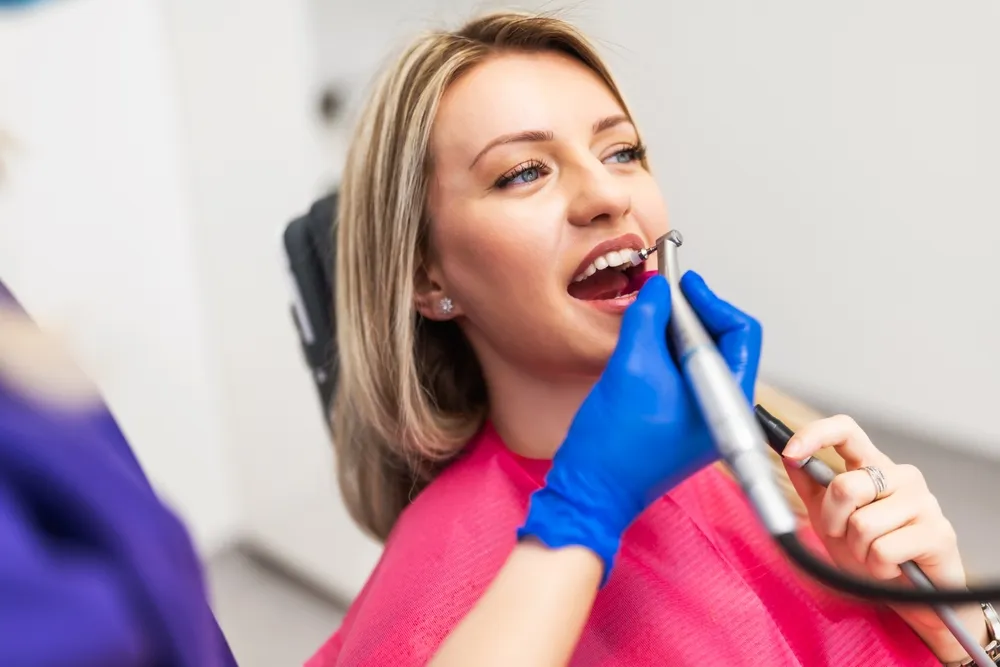
Clinical Assessment and Case Selection
Successful tooth reshaping begins with systematic evaluation. Dentists conduct a smile analysis using digital photography and sometimes 3D scanning. They assess:
Tooth proportions relative to facial features
Gum line symmetry
Occlusal relationships (how teeth meet when biting)
Existing enamel thickness through visual inspection or radiographs
Occlusion evaluation proves critical. Removing enamel changes how teeth contact each other. Poor planning can create bite interferences or traumatic forces on reshaped teeth. Dentists check for bruxism (teeth grinding) because grinding accelerates wear on already thinned enamel.
Enamel thickness assessment determines candidacy. Patients with naturally thin enamel, erosion from acidic diets, or developmental defects may not qualify. Dentists use probes, transillumination, or ultrasonic devices to estimate remaining enamel (Khatami & Smith, 2021).
Procedural Steps
Step 1: Marking and Planning
Dentists use dental marking pencils to outline planned reductions directly on the tooth surface. Patients view these marks in mirrors to approve the design. This collaborative approach ensures expectations align with achievable outcomes.
Step 2: Enamel Reduction
Dentists employ rotary instruments with fine diamond burs or abrasive discs. Some practices use laser enameloplasty, which offers precise control and reduces vibration. The dentist removes enamel in increments of 0.1–0.3 millimeters, checking progress continuously.
Water irrigation cools the tooth and washes away debris. The patient feels pressure but no pain. Most procedures require no anesthesia because enamel lacks nerve innervation.
Step 3: Polishing and Smoothing
After achieving the desired contour, dentists polish the surface with progressively finer abrasives. This creates a lustrous finish that mimics natural enamel. Smooth surfaces resist plaque accumulation better than rough ones.
Step 4: Optional Finishing
Many patients combine reshaping with dental bonding (adding composite resin to adjacent teeth) or professional whitening. These combinations create comprehensive smile makeovers without invasive procedures.
Duration and Clinical Setting
Tooth reshaping typically takes 20–40 minutes per tooth. Dentists complete most cases in a single visit with no downtime required.
The procedure occurs in a standard dental operatory, no specialized surgical suite needed. Patients return to normal activities immediately. Some experience mild sensitivity to temperature for 24–48 hours, but this resolves spontaneously.
Indications: Who Needs Tooth Reshaping?
Ideal Candidates
Tooth reshaping suits patients with specific, limited concerns. Ideal candidates present with:
Minor chips or cracks: Small fractures at incisal edges respond well to rounding and smoothing. The procedure eliminates sharp edges that catch light unevenly.
Slightly uneven teeth: One tooth longer than its neighbor creates visual disruption. Reshaping establishes harmonious incisal planes.
Small overlaps: Minor rotations or overlaps where one tooth protrudes slightly can sometimes benefit from strategic enamel reduction combined with bonding on adjacent teeth.
Pointed canines: Some patients have excessively prominent canine tips that dominate their smile. Gentle rounding creates softer, more feminine or masculine contours depending on patient preference.
Functional vs Cosmetic Indications
Indication Type | Specific Examples | Primary Goal |
Aesthetic | Uneven incisal edges, pointed canines, tooth size discrepancies | Visual harmony |
Functional | Plaque-retentive irregularities, minor bite interferences | Oral health maintenance |
Pre-restorative | Preparation for bonding, veneer placement, or orthodontics | Treatment optimization |
Functional benefits deserve emphasis. Irregular tooth surfaces trap plaque and food debris. Smooth contours facilitate cleaning. Some patients with minor bite issues experience relief when traumatic contacts are eliminated through careful reshaping (Bartlett & O'Toole, 2019).
Contraindications
Not everyone qualifies for tooth reshaping. Dentists must decline or modify treatment for:
Thin enamel: Patients with erosion, abrasion, or naturally thin enamel lack sufficient structure for safe removal. Reshaping these teeth risks dentin exposure and sensitivity.
Active decay or gum disease: Reshaping healthy enamel while adjacent areas deteriorate makes no sense. Dentists address disease first.
Severe malocclusion: Major crowding, spacing, or bite problems require orthodontics. Reshaping cannot substitute for proper alignment.
Bruxism without management: Patients who grind teeth accelerate wear on reshaped enamel. Night guards become mandatory, not optional.
Benefits of Tooth Reshaping (Clinical and Aesthetic Outcomes)
Cosmetic Benefits
Improved symmetry stands as the primary aesthetic advantage. Human eyes detect asymmetry instantly. Even minor tooth discrepancies draw attention. Reshaping balances tooth lengths and contours, creating visual rhythm across the smile.
Enhanced smile aesthetics extend beyond individual teeth. Reshaping affects how light reflects off incisal edges. Properly contoured teeth create youthful, vibrant appearances. Sharp, worn edges suggest aging; rounded, polished edges suggest health.
Immediate visible results satisfy patients seeking instant gratification. Unlike orthodontics (months) or veneers (multiple appointments), reshaping delivers outcomes in one visit.
Functional Benefits
Functional Benefit | Mechanism | Clinical Significance |
Reduced plaque retention | Smoother surfaces resist bacterial adhesion | Lower caries risk, better periodontal health |
Improved cleansability | Elimination of niches and irregularities | Easier home care, better compliance |
Occlusal harmony | Balanced contacts distribute forces evenly | Reduced risk of tooth fracture or wear |
Research demonstrates that surface roughness correlates with plaque accumulation. Reshaped and polished teeth maintain cleaner surfaces longer than untreated controls (Bollen et al., 2008).
Patient Experience Benefits
The procedure is painless, fast, and requires no recovery time. Patients pay less than alternative cosmetic treatments while achieving meaningful improvements.
The cost-benefit ratio favors reshaping for appropriate cases. Patients spend hundreds rather than thousands of dollars. They avoid temporary restorations, laboratory fees, and multiple appointments. The low risk profile appeals to dental phobics or those seeking conservative interventions.
Risks and Limitations of Tooth Reshaping
Biological Risks
Enamel loss is permanent. This biological reality governs all decision-making. Once removed, enamel never returns. The body cannot regenerate it. This permanence demands conservative technique.
Increased tooth sensitivity occurs when reshaping approaches the dentin. Patients may experience thermal sensitivity, sharp pain with cold beverages or air exposure. This sensitivity usually diminishes within days but can persist if dentin remains exposed.
Risk of weakening tooth structure escalates with aggressive reduction. Teeth rely on enamel for structural integrity. Thin walls fracture more easily under occlusal loads. Research indicates that enamel thickness below 0.5 millimeters at the incisal edge significantly increases fracture risk (Ferrari et al., 2020).
Long-Term Complications
Higher susceptibility to decay follows enamel loss. Thinner enamel provides less barrier against acid penetration. Bacteria metabolize carbohydrates, producing acids that demineralize remaining enamel faster when less material protects the underlying dentin.
Possible fractures represent the most serious complication. Over-contoured teeth, those reduced excessively, become brittle. Biting hard foods or experiencing trauma can cause catastrophic fractures requiring crowns or extraction.
Procedural Limitations
Tooth reshaping only treats minor imperfections. It cannot correct major alignment issues, significant size discrepancies, or structural damage. Patients needing comprehensive changes require veneers, crowns, or orthodontics.
The scope of change remains restricted. Reshaping removes; it cannot add. Patients wanting longer teeth or larger teeth need bonding or veneers. The 0.3–0.5 millimeter maximum safe reduction limits restricts how much change is possible.
Tooth Reshaping vs Other Cosmetic Dental Treatments
Comparison Table
Treatment | Invasiveness | Cost Range | Best For | Longevity | Recovery Time |
Tooth Reshaping | Minimal | $50–$300/tooth | Minor flaws, subtle refinements | Permanent | None |
Dental Bonding | Low | $300–$600/tooth | Chips, gaps, color changes | 5–10 years | None |
Porcelain Veneers | Moderate | $900–$2,500/tooth | Major aesthetic changes, color, shape | 10–20 years | Minimal |
Dental Crowns | High | $1,000–$2,500/tooth | Structural damage, root canals | 15+ years | 1–2 weeks |
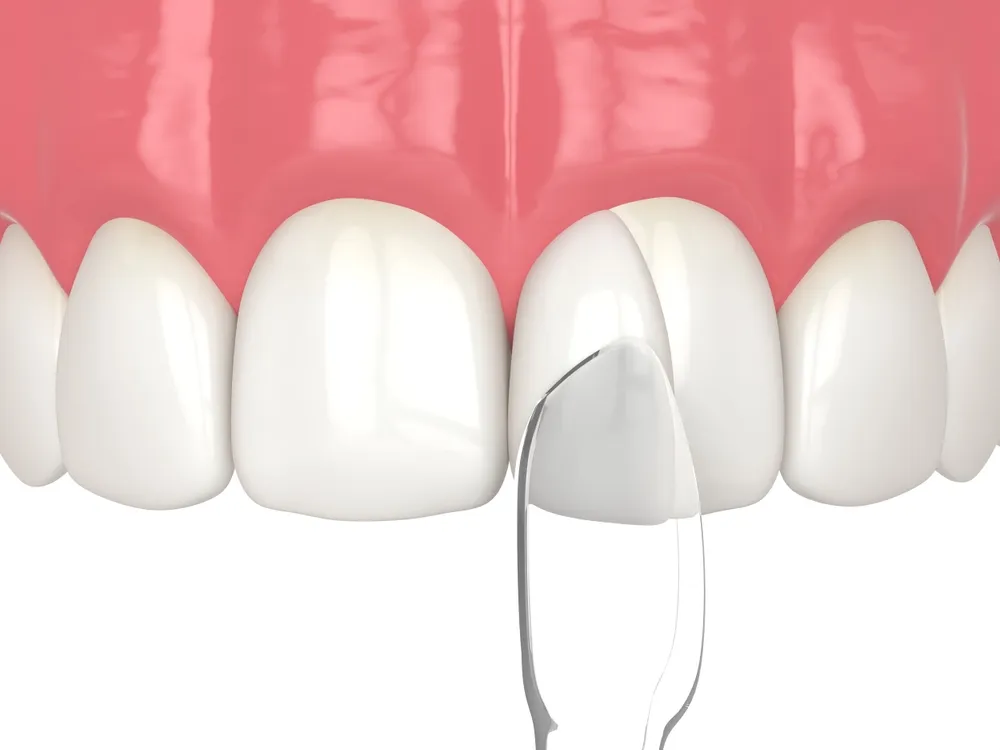
Key distinctions: Reshaping costs least and preserves most natural structure but offers limited change. Bonding adds material rather than removing it, enabling more dramatic modifications but requiring periodic replacement. Veneers and crowns provide comprehensive solutions at higher biological and financial costs.
Decision factors include: extent of change needed, budget, time availability, and long-term maintenance willingness. Conservative patients with minor concerns prefer reshaping. Patients wanting Hollywood smiles choose veneers despite the greater intervention.
Cost of Tooth Reshaping
Average Cost per Tooth
Tooth reshaping typically ranges from $50 to $300 per tooth in most developed markets. Complexity and location drive variation within this range.
Simple edge rounding on one tooth costs less than comprehensive recontouring of multiple teeth with occlusion adjustments. Geographic location significantly impacts pricing, urban centers with higher overhead charge more than rural practices.
Cost Factors
Factor | Impact on Cost | Typical Range Variation |
Number of teeth treated | More teeth = higher total cost | $50–$150 per additional tooth |
Dentist expertise | Specialists charge premium | 20–50% above general dentists |
Geographic location | Major cities cost more | 30–100% regional variation |
Combined procedures | Bundling reduces per-procedure cost | 10–25% discount common |
Dentist expertise matters. Prosthodontists and cosmetic dentists with advanced training command higher fees. Their experience reduces risk of over-reduction or poor aesthetics. Patients should verify credentials and view before-and-after portfolios.
Insurance Coverage
Dental insurance rarely covers tooth reshaping. Carriers classify it as elective cosmetic treatment. Exceptions exist when reshaping addresses functional issues, removing plaque-retentive areas or correcting traumatic bites. Patients should request pre-authorization with detailed narratives from their dentists.
Health savings accounts (HSAs) and flexible spending accounts (FSAs) typically allow tooth reshaping expenses, providing tax advantages even without insurance coverage.
Cost Comparison Table Between Turkey, UK, USA, Thailand and Mexico
Country | Average Cost per Tooth | Quality Considerations | Medical Tourism Suitability |
United States | $150–$500 | Highest regulatory standards, advanced technology | N/A (domestic) |
United Kingdom | £100–£300 ($125–$375) | NHS rarely covers; private practices vary | Low (comparable US costs) |
Turkey | $30–$100 | Major clinics meet international standards; research credentials carefully | High for comprehensive cases |
Thailand | $25–$80 | Bangkok and Phuket offer excellent facilities; language barriers possible | High for vacation-combined trips |
Mexico | $40–$120 | Border towns (Tijuana, Los Algodones) cater to US patients; quality varies | High for proximity to US |
Medical tourism for tooth reshaping alone rarely makes financial sense given travel costs. However, patients combining reshaping with veneers, implants, or full-mouth rehabilitation may find substantial savings in Turkey, Thailand, or Mexico. Critical caution: Verify clinic accreditation, dentist credentials, and sterilization protocols. Complications from overseas treatment create expensive remediation needs.
Before and After Tooth Reshaping
Expected Results
Patients should expect immediate aesthetic improvement with subtle but noticeable changes. The goal is enhancement, not transformation. Neighbors and colleagues may comment that the patient looks "refreshed" or "well-rested" without identifying dental work specifically.
Photographic documentation helps patients appreciate changes. Dentists take standardized before-and-after images from multiple angles. Side-by-side comparison reveals improvements in symmetry, edge alignment, and light reflection patterns.
Longevity
Results are permanent because enamel does not regenerate. However, natural tooth wear continues. Reshaped teeth may require future touch-ups as aging and function alter contours.
The permanence cuts both ways. Patients cannot reverse reshaping if they dislike results. This irreversibility demands thorough planning and conservative execution. Young patients must consider long-term implications, enamel removed at age 25 means 60+ years of reduced enamel thickness.
Aftercare and Maintenance
Immediate Aftercare
Tooth reshaping requires no recovery time. Patients leave the office and resume normal activities. Some guidelines optimize comfort:
Avoid extremely hot or cold beverages for 24 hours if mild sensitivity exists
Refrain from biting hard objects (ice, pens) for 48 hours
Resume normal oral hygiene immediately
Long-Term Care
Regular brushing and flossing maintain reshaped surfaces. Smooth contours actually facilitate cleaning compared to pre-treatment irregularities. Patients should use soft-bristled brushes and non-abrasive toothpaste to minimize additional enamel wear.
Routine dental check-ups (every 6 months) allow dentists to monitor reshaped teeth. They check for wear patterns, sensitivity, and structural integrity. Early intervention prevents minor issues from becoming major problems.
Preventing Complications
Manage bruxism aggressively. Patients who grind teeth must wear occlusal guards nightly. These appliances distribute forces and protect thinned enamel from fracture. Untreated bruxism destroys reshaped teeth faster than natural ones.
Avoid enamel erosion habits:
Limit acidic beverages (sodas, sports drinks, citrus juices)
Rinse with water after consuming acids
Wait 30 minutes after acid exposure before brushing (acid-softened enamel brushes away easily)
Use straws to minimize contact with anterior teeth
Clinical Considerations for Dentists (Advanced Section)
Enamel Thickness Guidelines
Research establishes maximum safe reduction limits at 0.3–0.5 millimeters per tooth per session (Strassler et al., 2018). Some authorities recommend cumulative lifetime reduction not exceed 0.5 millimeters to preserve structural integrity.
Dentists use calibrated burs and digital guides to enforce these limits. Some practices employ optical coherence tomography to measure enamel thickness in real-time during procedures.
Occlusal Harmony
Reshaping alters occlusal contacts, where teeth meet during function. Dentists must maintain centric stops (stable biting contacts) and excursive guidance (smooth sliding movements). Disrupting these patterns creates traumatic forces, muscle pain, and potential tooth damage.
Articulating paper marks contacts before and after reshaping. Dentists adjust until marks indicate balanced, stable occlusion. Patients test their bite and report any high spots or interferences.
Combination Treatments
Combination | Rationale | Sequence |
Reshaping + Bonding | Add to some teeth, reduce others for comprehensive symmetry | Reshape first, then bond |
Reshaping + Whitening | Optimize tooth shape and color simultaneously | Whiten first, then reshape (to match new shade) |
Reshaping + Orthodontics | Fine-tune results after alignment | Orthodontics first, then reshape |
Treatment sequencing matters. Whitening should precede reshaping when both are planned. Reshaping after whitening matches the final color. Bonding should follow reshaping to complement the new contours.
Future Trends in Tooth Reshaping
Digital Smile Design Integration
Digital Smile Design (DSD) protocols now guide tooth reshaping. Dentists import patient photographs and videos into software that simulates proposed changes. Patients preview results before committing. This technology improves communication and reduces disappointment.
AI-Assisted Aesthetic Planning
Artificial intelligence algorithms analyze facial proportions, tooth dimensions, and cultural beauty standards. They recommend optimal tooth shapes personalized to individual patients. Early systems help dentists plan reductions with mathematical precision.
Laser-Based Enameloplasty
Erbium lasers enable enamel removal with micron-level accuracy. Laser enameloplasty produces smoother surfaces than rotary instruments, potentially reducing polishing time and improving final luster. Current limitations include cost and speed, lasers work slower than burs for large reductions.
Frequently Asked Questions
Is tooth reshaping painful?
No. Enamel contains no nerves. Patients feel pressure and vibration but no pain. Dentists rarely use anesthesia. Some patients request topical anesthetic gel for gum comfort, but this is optional.
Is tooth reshaping safe?
Yes, when performed conservatively by trained professionals. The procedure preserves most natural tooth structure. Risks emerge only with excessive reduction or poor case selection. Board-certified dentists follow evidence-based guidelines to ensure safety.
Can reshaping damage teeth?
Yes, if excessive enamel is removed. Over-reduction exposes dentin, causing sensitivity and weakening structure. This damage is permanent. Choosing experienced dentists and accepting conservative treatment plans prevents complications.
How long does tooth reshaping last?
Results are permanent because enamel does not regenerate. However, natural aging and wear continue. Reshaped teeth may eventually require additional care if wear patterns change or if the patient develops bruxism.
Can tooth reshaping fix crooked teeth?
No. Reshaping only addresses minor surface irregularities. It cannot correct rotation, significant crowding, or major misalignment. Orthodontics (braces or clear aligners) remains necessary for crooked teeth. Reshaping can refine results after orthodontic treatment.
Can I eat normally after tooth reshaping?
Yes. Patients resume normal eating immediately. Some dentists recommend avoiding extremely hard foods (ice, hard candy) for 24 hours as a precaution, but this is conservative advice rather than strict requirement.
Will my teeth be sensitive after reshaping?
Possibly, but temporarily. Mild thermal sensitivity lasts 24–48 hours for some patients. Persistent sensitivity indicates excessive reduction or dentin exposure requiring evaluation.
How do I know if I'm a good candidate?
Consult a cosmetic dentist. Ideal candidates have healthy teeth, adequate enamel thickness, minor aesthetic concerns, and realistic expectations. Dentists evaluate enamel, occlusion, and overall oral health before recommending reshaping.
Conclusion: Is Tooth Reshaping Worth It?
Tooth reshaping represents one of the safest, fastest, and most affordable cosmetic dental procedures available today. It delivers meaningful improvements for appropriate candidates, those with minor imperfections seeking subtle enhancement. However, the treatment carries strict limitations. It cannot correct major alignment issues, significant damage, or provide dramatic transformations. Success depends entirely on careful case selection, conservative technique, and qualified providers.
Patients must weigh benefits against risks. The benefits include immediate results, minimal cost, no recovery, and preservation of natural structure. The risks center on permanent enamel loss and potential sensitivity if over-reduction occurs. For patients with thin enamel, active decay, or severe malocclusion, alternative treatments prove wiser investments.
The future of tooth reshaping lies in digital planning and laser precision, but the fundamental principles remain unchanged: respect enamel biology, maintain occlusal harmony, and prioritize long-term tooth health over short-term aesthetics. When these principles guide treatment, tooth reshaping offers exceptional value in the cosmetic dentistry landscape.
References
Ash, Major M., and Stanley J. Nelson. Wheeler's Dental Anatomy, Physiology and Occlusion. 8th ed., Saunders, 2003.
Bartlett, David, and S. O'Toole. "Tooth Wear and Wear Facets." Journal of Prosthetic Dentistry, vol. 122, no. 3, 2019, pp. 249–256.
Bollen, C. M., et al. "The Effect of Surface Roughness on Plaque Accumulation." Journal of Clinical Periodontology, vol. 35, no. 3, 2008, pp. 214–218.
Featherstone, J. D. "The Science and Practice of Caries Prevention." Journal of the American Dental Association, vol. 135, no. 3, 2004, pp. 255–265.
Ferrari, M., et al. "Enamel Thickness and Resistance to Fracture." Journal of Adhesive Dentistry, vol. 22, no. 4, 2020, pp. 367–374.
Khatami, S., and B. G. Smith. "Assessment of Enamel Thickness in Cosmetic Dentistry." British Dental Journal, vol. 230, no. 7, 2021, pp. 425–430.
Strassler, H. E., et al. "Contemporary Concepts in Enameloplasty." Compendium of Continuing Education in Dentistry, vol. 39, no. 2, 2018, pp. 118–124.
Ten Cate, A. R. Oral Histology: Development, Structure, and Function. 7th ed., Mosby, 2013.