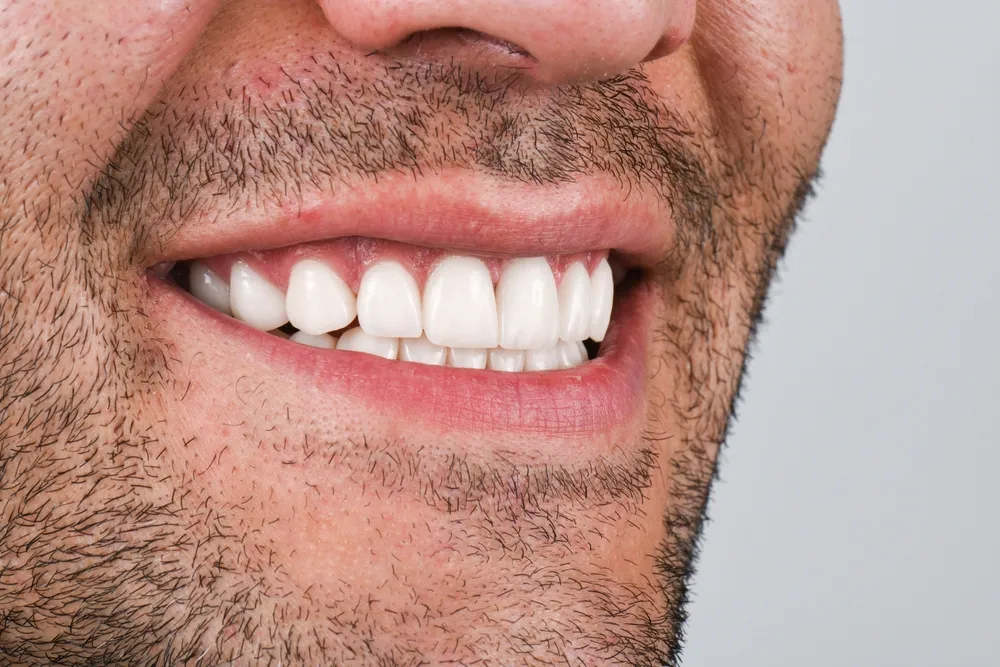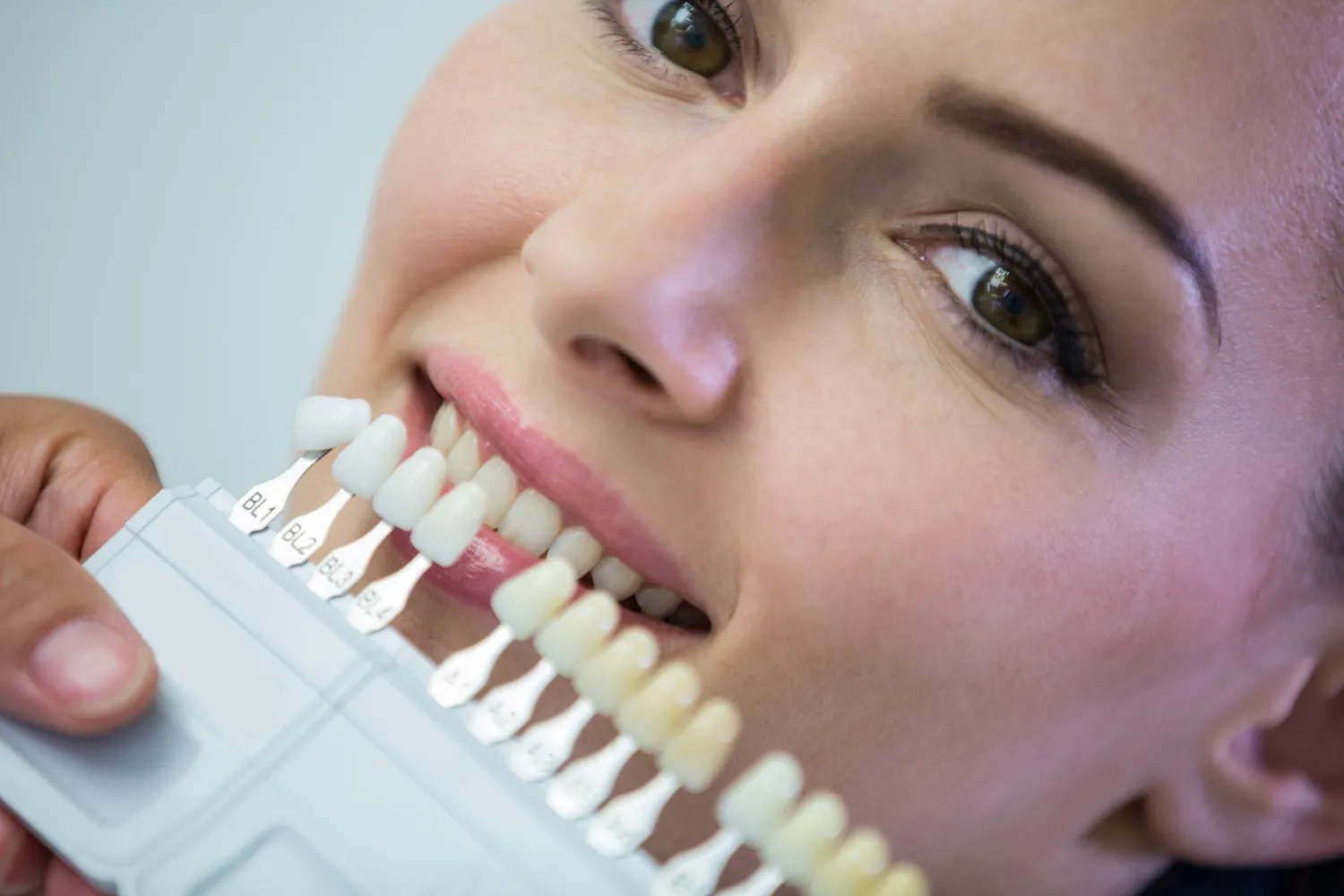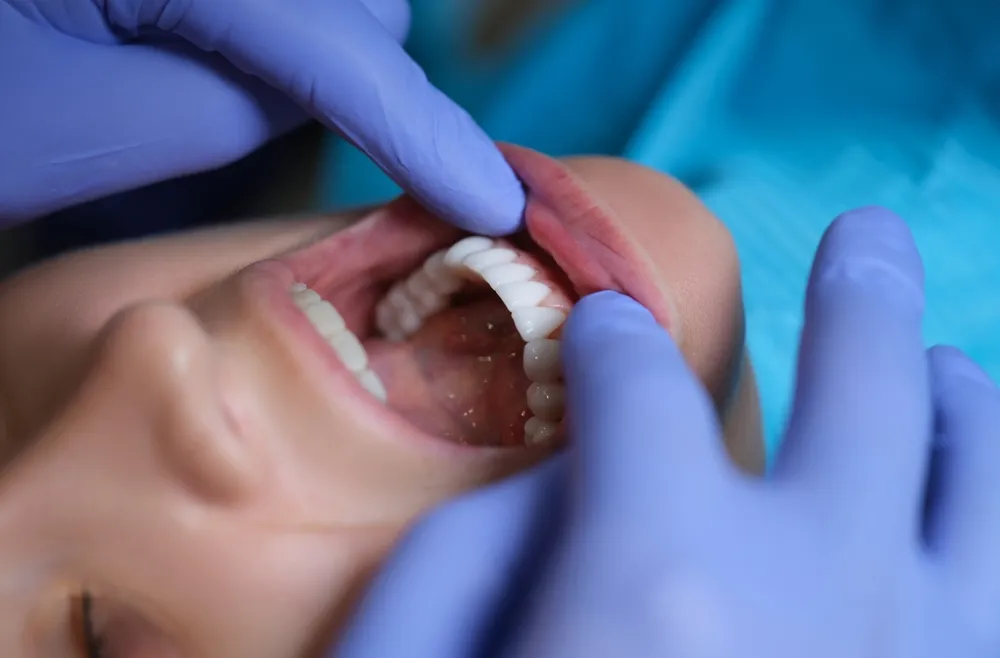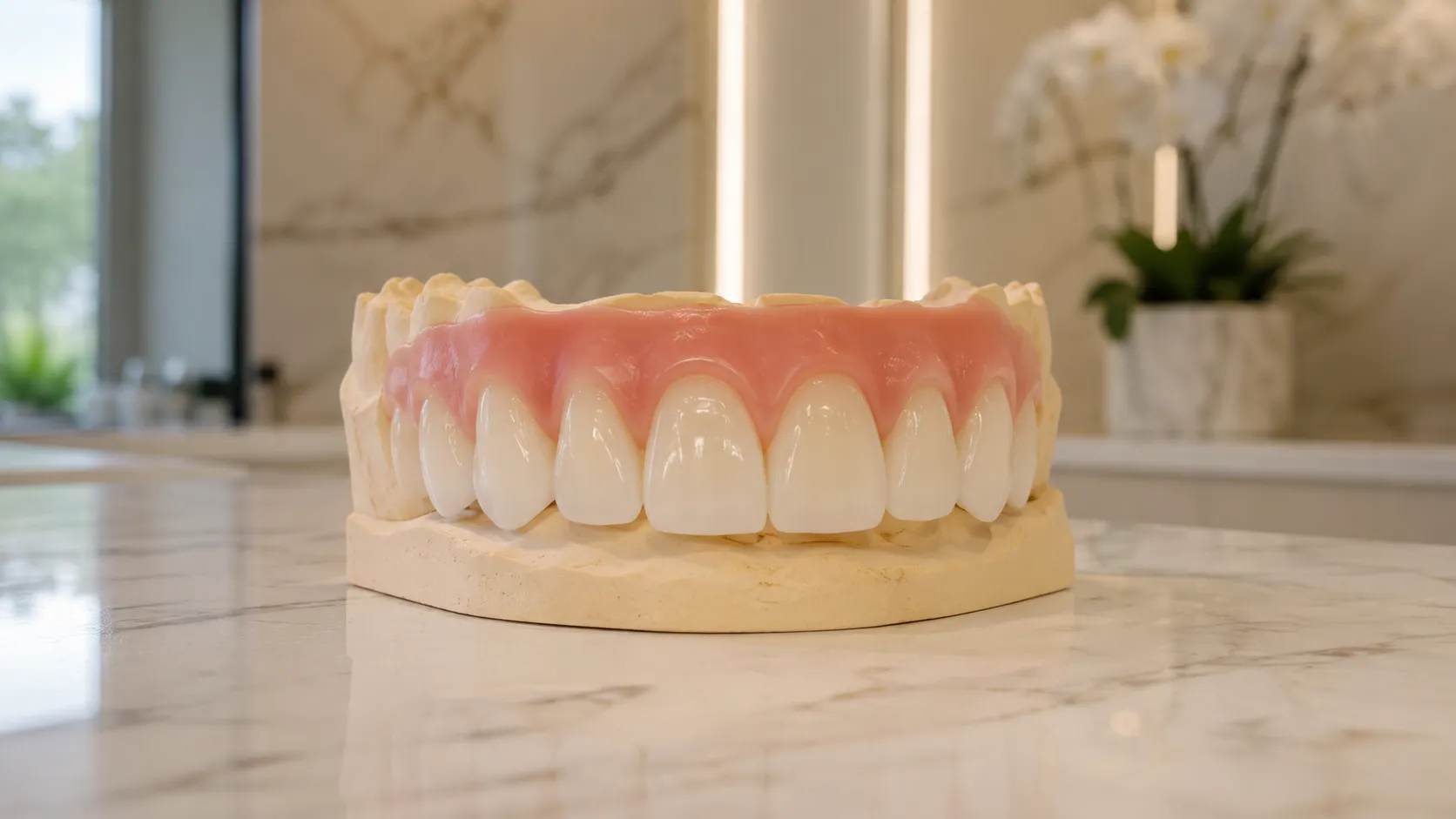
E.max veneers use lithium disilicate glass-ceramic to create thin, durable shells that bond directly to tooth enamel, mimicking natural tooth structure while preserving healthy tissue.
Cosmetic dentistry has transformed how people improve their smiles. Patients now demand restorations that look natural, feel comfortable, and last for years. E.max veneers have emerged as one of the most advanced solutions in this field. These restorations combine cutting-edge ceramic science with precise adhesive techniques. This article explores the science behind E.max veneers, the step-by-step procedure, the benefits they offer, and the factors that determine long-term success. Readers will gain a clear understanding of why lithium disilicate technology stands apart from traditional materials and how experienced dentists achieve predictable, beautiful results.
What Are E.max Veneers?
E.max veneers are ultra-thin shells made from lithium disilicate glass-ceramic that cover the front surface of teeth to improve appearance and function.
E.max veneers belong to a category of dental restorations called glass-ceramics. Dentists use them to correct discoloration, chips, gaps, and minor alignment issues. The name "E.max" refers to IPS e.max, a product line developed by Ivoclar Vivadent. These veneers differ from traditional porcelain because they contain lithium disilicate crystals embedded in a glass matrix. This composition gives them superior strength and optical properties. Patients choose E.max veneers when they want a smile that looks completely natural and lasts for more than a decade.
What Is IPS e.max?
IPS e.max is a brand of lithium disilicate glass-ceramic developed by Ivoclar Vivadent for dental restorations including veneers, crowns, and bridges.
IPS e.max represents a breakthrough in dental materials science. The manufacturer developed this material through controlled crystallization of lithium metasilicate into lithium disilicate (Denry and Holloway, 2010). The process creates a two-phase microstructure where lithium disilicate crystals reinforce a glassy matrix. This structure gives the material its unique combination of strength and translucency. Unlike traditional feldspathic porcelain, which relies on a single glass phase, IPS e.max distributes crystalline phases throughout the material. This distribution improves fracture resistance while maintaining excellent light transmission.
How Did Lithium Disilicate Glass-Ceramic Develop?
Researchers developed lithium disilicate glass-ceramic in the late 20th century by controlling heat treatment of lithium silicate glasses to create a crystalline reinforced structure.
Scientists first explored lithium-based glass-ceramics in the 1960s. However, early versions lacked the strength needed for dental applications. In the 1990s, researchers refined the crystallization process to produce lithium disilicate with a fine, uniform crystal structure (He and Swain, 2011). This refinement allowed manufacturers to create blocks that dental laboratories could mill or press into precise shapes. The development of CAD/CAM technology further expanded the clinical applications of lithium disilicate. Today, dentists use this material for single-unit crowns, veneers, and even short-span bridges in the anterior region.
Why Does Lithium Disilicate Differ from Traditional Porcelain?
Lithium disilicate contains crystalline reinforcements that make it stronger than traditional feldspathic porcelain while maintaining better translucency and optical properties.
Traditional porcelain consists mainly of a glass phase with small amounts of leucite crystals. This composition limits its strength to approximately 100-160 MPa. In contrast, lithium disilicate achieves flexural strength of 360-400 MPa after crystallization (Denry and Holloway, 2010). The higher crystal content in lithium disilicate creates a material that resists cracking under chewing forces. At the same time, the crystal size and distribution allow light to pass through the material in a way that mimics natural enamel. Traditional porcelain often appears opaque or chalky because it lacks this internal light scattering. Lithium disilicate solves this problem by balancing strength with aesthetics.
What Are the Mechanical and Optical Properties of E.max Veneers?
E.max veneers offer flexural strength of 360-400 MPa, high translucency, excellent light transmission, and a refractive index similar to natural tooth enamel.
The mechanical properties of E.max veneers make them suitable for anterior and premolar applications. The flexural strength of 360-400 MPa exceeds that of leucite-reinforced ceramics and approaches the strength of some zirconia materials (He and Swain, 2011). The fracture toughness of lithium disilicate also surpasses traditional glass-ceramics, meaning the material resists crack propagation better. Optically, E.max veneers transmit light in multiple directions, creating depth and vitality that resemble natural teeth. The refractive index of lithium disilicate glass-ceramic closely matches that of dental enamel, which prevents a flat or artificial appearance.
Why Are E.max Veneers Considered Premium Restorations?

E.max veneers rank as premium restorations because they combine high translucency, excellent strength, conservative tooth preparation, and long-term aesthetic stability.
Dental professionals classify restorations based on their material properties, clinical performance, and aesthetic outcomes. E.max veneers consistently score high in all three categories. They require minimal removal of healthy tooth structure. They maintain their color and surface finish for many years. They bond securely to enamel, which reduces the risk of debonding or marginal leakage. These qualities justify their position as a premium option in cosmetic dentistry.
How Does High Translucency Benefit Patients?
High translucency allows light to pass through E.max veneers, creating depth and vitality that makes the restoration indistinguishable from natural teeth.
Natural enamel transmits light to the underlying dentin, which gives teeth their characteristic luster. E.max veneers replicate this effect because their lithium disilicate crystals do not block light completely. Instead, they scatter light in a way that creates internal fluorescence and opalescence. This optical behavior makes E.max veneers appear alive rather than flat or opaque. Patients with thin enamel or those who want the most natural-looking results benefit most from this property.
How Does Excellent Strength Protect the Restoration?
The high flexural strength of lithium disilicate allows E.max veneers to withstand normal chewing forces without chipping or cracking.
Strength matters in dental restorations because patients use their anterior teeth for biting and tearing food. A veneer that fractures or chips defeats its purpose. E.max veneers resist these forces because their crystalline structure distributes stress across the entire restoration. The material also resists surface wear, which means the veneer maintains its shape and polish over time. This durability reduces the need for replacement and protects the patient's investment.
Why Does Conservative Tooth Preparation Matter?
Conservative preparation preserves healthy enamel, which improves bonding strength and maintains the long-term health of the underlying tooth.
Dentists prefer to remove as little tooth structure as possible when placing veneers. E.max veneers require only 0.3 to 0.7 millimeters of enamel reduction in most cases. This minimal preparation preserves the dentin and pulp, which reduces postoperative sensitivity and maintains tooth vitality. More importantly, enamel provides the best surface for adhesive bonding. When dentists preserve enamel, they create stronger, more durable bonds between the veneer and the tooth (Magne and Belser, 2002).
How Do E.max Veneers Maintain Long-Term Aesthetics?
E.max veneers resist staining, maintain color stability, and preserve surface polish for many years due to their dense, non-porous ceramic structure.
The glass-ceramic matrix of E.max veneers contains no organic components that can degrade or discolor. The surface glaze applied during fabrication creates a smooth, dense finish that repels plaque and stains. Unlike composite resin veneers, which may yellow or wear over time, E.max veneers maintain their original shade with proper care. Clinical studies have documented the color stability of lithium disilicate restorations over periods exceeding five years (Fradeani and Redemagni, 2002).
How Do E.max Veneers Work?
E.max veneers work by bonding thin lithium disilicate shells to prepared tooth surfaces using adhesive resin cement, creating a restoration that mimics natural enamel in appearance and function.
The working mechanism of E.max veneers involves two key processes: optical mimicry of natural teeth and micromechanical plus chemical bonding to enamel. Understanding both processes helps patients appreciate why these restorations perform so well.
How Does Lithium Disilicate Mimic Natural Teeth?
Lithium disilicate mimics natural teeth by transmitting and scattering light in ways that replicate the optical behavior of enamel and dentin.
Natural teeth consist of enamel, which is highly translucent, and dentin, which is more opaque and yellowish. Light enters the enamel, bounces within the dentin, and exits the tooth, creating a warm, vital appearance. E.max veneers replicate this process through their layered structure and crystal composition. The material allows light to penetrate its surface, interact with the underlying tooth structure, and reflect back in a natural pattern. This interaction produces the same color gradients and depth that patients see in healthy, unrestored teeth (Zarone et al., 2011).
What Role Does Light Transmission and Translucency Play?
Light transmission and translucency allow E.max veneers to blend with adjacent teeth by replicating the way natural enamel handles light.
When light hits an E.max veneer, part of it reflects off the surface, part enters the material and scatters among the crystals, and part passes through to the underlying tooth. This three-way interaction creates a multidimensional appearance. In contrast, opaque materials reflect all light from the surface, which makes them look artificial. The translucency of E.max veneers also means that the final color depends partly on the underlying tooth shade. This characteristic allows dentists to achieve seamless color matching.
How Does the Enamel-Like Appearance Form?
The enamel-like appearance forms because E.max veneers possess a refractive index and light-scattering pattern similar to natural dental enamel.
Dental enamel has a refractive index of approximately 1.62. Lithium disilicate glass-ceramic has a refractive index close to this value. This similarity means that light behaves almost identically in both materials. Additionally, the crystal size in E.max veneers (approximately 1-2 micrometers) scatters light in a pattern that mimics the hydroxyapatite crystals in enamel. The result is a restoration that not only matches the color of natural teeth but also matches their optical behavior.
How Does Color Integration with Surrounding Teeth Occur?
Color integration occurs because E.max veneers allow the underlying tooth shade to influence the final appearance, and because dental technicians can customize the veneer with stains and layering techniques.
Dentists and technicians select E.max veneers based on a shade guide that matches the patient's natural teeth. However, the final color also depends on the preparation shade, the cement shade, and the thickness of the veneer. By controlling these variables, the dental team can create a restoration that blends perfectly with adjacent teeth. Some cases require the technician to add internal characterization or surface stains to match specific features like incisal translucency or enamel cracks.
How Do E.max Veneers Bond to Natural Teeth?
E.max veneers bond to natural teeth through a combination of micromechanical retention and chemical adhesion using hydrofluoric acid etching, silane coupling agents, and adhesive resin cement.
The bonding process represents one of the most critical steps in E.max veneer placement. A strong bond ensures the veneer stays in place, seals the margin against bacteria, and reinforces the ceramic against fracture. The process involves preparing both the tooth and the veneer surface to create a durable union.
What Does Tooth Preparation Involve?
Tooth preparation involves removing a thin layer of enamel (0.3-0.7 mm) from the front surface of the tooth to create space for the veneer while preserving as much healthy tissue as possible.
Dentists use diamond burs to carefully reduce the enamel thickness. They focus on the facial surface and may create a slight chamfer or butt-joint margin at the gingival area. The goal is to create a path of insertion for the veneer and to remove any undercuts. Preparation usually stays within the enamel layer, which is essential for optimal bonding. Dentists may also reduce the incisal edge slightly to allow the technician to create a natural-looking incisal translucency.
Why Does Enamel Preservation Strengthen the Bond?
Enamel preservation strengthens the bond because enamel provides a more reliable and durable surface for adhesive resin cement than dentin does.
Enamel consists of highly organized hydroxyapatite rods with minimal organic content. This structure allows acid etching to create micro-porosities that resin tags can penetrate. The resulting micromechanical retention is extremely strong and stable over time. Dentin, in contrast, contains more organic material and water, which complicates bonding and makes the interface more susceptible to degradation. By keeping the preparation within enamel, dentists maximize the longevity of the adhesive bond (Magne and Belser, 2002).
What Is Surface Conditioning?
Surface conditioning involves treating both the tooth enamel and the inner surface of the E.max veneer with specific chemicals to prepare them for bonding.
For the tooth, dentists apply phosphoric acid gel to the enamel for 15-30 seconds. This etching creates microscopic irregularities that increase surface area. For the E.max veneer, technicians or dentists apply hydrofluoric acid (usually 5-9%) for 20-60 seconds. Hydrofluoric acid selectively dissolves the glass phase of the lithium disilicate, leaving a micro-rough surface with increased surface area. This roughening is essential for micromechanical retention of the cement.
How Does Adhesive Resin Cement Create the Bond?
Adhesive resin cement flows into the micro-rough surfaces of both the tooth and the veneer, then polymerizes to form a solid, durable connection between the two.
After conditioning both surfaces, the dentist applies a silane coupling agent to the veneer. Silane molecules contain two functional ends: one bonds to the silica in the ceramic, and the other bonds to the resin in the cement. This chemical bridge enhances the bond strength. The dentist then applies a thin layer of light-cured or dual-cured resin cement to the veneer, seats it on the tooth, and removes excess cement. A curing light polymerizes the cement, hardening it within seconds and locking the veneer in place.
What Is Micromechanical Bonding?
Micromechanical bonding occurs when resin cement flows into microscopic pores created by acid etching and hardens, creating mechanical locks that physically hold the veneer to the tooth.
Both enamel and lithium disilicate contain microscopic irregularities after acid treatment. The liquid resin cement penetrates these spaces before it hardens. Once polymerized, the cement forms resin tags that interlock with the surface structure. This physical retention works alongside chemical adhesion to create a bond that resists dislodging forces. Studies show that micromechanical bonding contributes significantly to the overall bond strength of glass-ceramic restorations (Etman and Woolford, 2010).
How Does Chemical Adhesion Strengthen the Connection?
Chemical adhesion strengthens the connection through silane coupling agents that form covalent bonds between the silica in the ceramic and the organic resin in the cement.
Silane coupling agents contain silicon-based groups that react with the hydroxyl groups on the ceramic surface. The other end of the silane molecule contains a methacrylate group that co-polymerizes with the resin cement. This chemical linkage creates a true adhesive bond rather than just mechanical retention. The combination of micromechanical and chemical bonding produces bond strengths that often exceed 25 MPa, which is more than adequate for clinical success.
Why Is Bonding Important?
Bonding is important because it increases the restoration's strength, reduces fracture risk, creates a better marginal seal, and ensures long-lasting retention.
The adhesive bond does more than simply hold the veneer in place. It fundamentally changes how the restoration performs under functional loads. Understanding these benefits helps patients appreciate why experienced dentists spend considerable time perfecting the bonding protocol.
How Does Bonding Increase Restoration Strength?
Bonding increases restoration strength by supporting the ceramic veneer and distributing chewing forces across the entire tooth-veneer complex.
An unbonded ceramic veneer acts as a brittle shell that fractures easily under stress. When bonded to enamel, the veneer and tooth function as a single unit. The adhesive layer transfers forces from the veneer into the tooth structure, which reduces stress concentration within the ceramic. Research shows that bonded lithium disilicate veneers can withstand significantly higher loads than unbonded specimens of the same thickness (Guess et al., 2010). This reinforcement allows dentists to use thinner veneers while maintaining durability.
How Does Bonding Reduce Fracture Risk?
Bonding reduces fracture risk by preventing crack propagation and by distributing biting forces evenly across the veneer surface.
Ceramic materials fail when cracks initiate and propagate through the material. A strong adhesive bond constrains the ceramic at the interface, which makes it harder for cracks to spread. Additionally, the elastic modulus of the resin cement layer helps absorb some of the impact from chewing forces. This cushioning effect protects the brittle ceramic from sudden overload. Patients who grind their teeth or eat hard foods benefit particularly from this protective mechanism.
Why Does a Better Marginal Seal Matter?
A better marginal seal matters because it prevents bacteria, fluids, and stains from leaking between the veneer and the tooth, which protects against decay and discoloration.
The margin where the veneer meets the tooth represents a potential pathway for oral fluids. If this seal breaks down, bacteria can accumulate in the gap and cause demineralization of the underlying enamel. A well-bonded veneer creates a tight seal that blocks this pathway. The resin cement also fills any microscopic gaps between the veneer and the tooth, further improving the seal. Regular dental check-ups help ensure this margin remains intact over time.
How Does Bonding Ensure Long-Lasting Retention?
Bonding ensures long-lasting retention by creating a durable micromechanical and chemical attachment that resists the dislodging forces of chewing, temperature changes, and oral fluids.
Over time, restorations face constant challenges from thermal cycling (hot and cold foods), humidity, and mechanical forces. A properly executed adhesive bond resists all of these challenges. The hydrophobic nature of modern resin cements reduces water sorption, which prevents degradation at the interface. The high bond strength to enamel means that the veneer stays firmly attached for many years. Clinical studies have reported retention rates exceeding 95% for lithium disilicate veneers over five-year periods (Taskonak and Sertgöz, 2006).
What Is the Step-by-Step E.max Veneer Procedure?
The E.max veneer procedure includes initial consultation, tooth preparation, digital scanning or impressions, veneer fabrication, temporary veneer placement, final try-in, and permanent bonding.
The complete process usually requires two to three dental visits spread over two to four weeks. Each step requires precision and attention to detail. Below is a detailed breakdown of what patients can expect.
What Happens During the Initial Consultation?
During the initial consultation, the dentist assesses the patient's smile, examines oral health, discusses goals, and creates a digital or wax-up smile design.
The first visit establishes whether E.max veneers suit the patient's needs. The dentist performs a comprehensive examination, including X-rays, photographs, and sometimes digital scans. They evaluate the health of the teeth and gums, check for signs of decay or periodontal disease, and assess the patient's bite. The dentist also discusses the patient's aesthetic goals, including desired tooth shape, size, and shade. Many practices now use digital smile design software to simulate the final result on the patient's photograph.
How Does Smile Assessment Guide Treatment?
Smile assessment guides treatment by identifying the specific features the patient wants to change, such as tooth color, shape, alignment, or size.
Dentists analyze multiple elements during a smile assessment. They evaluate the symmetry of the dental midline relative to the facial midline. They measure the proportion of tooth display when the patient smiles and speaks. They assess the gingival architecture and the relationship between the teeth and the lips. This analysis helps the dentist determine how many veneers the patient needs and what modifications will create the most harmonious result.
What Is Digital Smile Design?
Digital smile design is a software-based tool that allows dentists to create a virtual model of the patient's new smile using photographs and digital measurements.
Digital smile design (DSD) has revolutionized treatment planning. The dentist imports facial photographs and intraoral scans into specialized software. They then manipulate the virtual teeth to match the patient's desired outcome. The software calculates precise measurements for tooth length, width, and position. Patients can preview their new smile before any treatment begins. This preview helps set realistic expectations and allows for adjustments before the dentist prepares the teeth.
What Does the Oral Examination Reveal?
The oral examination reveals the health status of the teeth and gums, identifies any underlying conditions, and determines whether the patient qualifies for veneer treatment.
The examination includes checking for cavities, existing restorations, cracks, and wear patterns. The dentist also evaluates periodontal health by measuring pocket depths and checking for inflammation. Patients with active gum disease, extensive decay, or severe bruxism may need treatment for these conditions before receiving veneers. The examination ensures that the foundation for the veneers is healthy and stable.
How Does Treatment Planning Proceed?
Treatment planning proceeds by combining the smile assessment, digital design, and examination findings into a detailed blueprint for the dental technician and the patient.
The dentist creates a written treatment plan that specifies the number of veneers, the preparation design, the shade selection, and the laboratory instructions. They may also create a diagnostic wax-up or a mock-up in the patient's mouth using temporary material. This mock-up allows the patient to see and feel the proposed changes. The dentist and patient review the plan together and make any final adjustments before moving to the preparation phase.
What Occurs During Tooth Preparation?
During tooth preparation, the dentist removes a thin layer of enamel from the front of each tooth to create space for the veneer and to establish a proper margin.
Preparation typically takes 30-60 minutes for a single veneer and up to two hours for multiple veneers. The dentist isolates the teeth with a rubber dam or cotton rolls to keep the area dry. They use fine diamond burs to reduce the enamel thickness uniformly. The amount of reduction varies depending on the desired outcome and the starting position of the tooth. In some cases, no-prep or minimal-prep techniques allow the dentist to place veneers with little or no enamel removal.
Why Is Minimal Enamel Reduction the Goal?
Minimal enamel reduction is the goal because it preserves healthy tooth structure, reduces sensitivity, and provides the best surface for adhesive bonding.
Dentists follow the principle of "maximum preservation of tooth structure." Every millimeter of enamel saved improves the long-term prognosis of the tooth. Minimal preparation also reduces the risk of exposing dentin, which can cause postoperative sensitivity. When the preparation stays within enamel, the dentist can achieve the strongest possible bond. This conservative approach distinguishes modern veneer dentistry from older techniques that required aggressive tooth reduction.
When Is Local Anesthesia Necessary?
Local anesthesia is necessary when the preparation approaches the dentin, when the patient has sensitive teeth, or when the dentist must perform gingival recontouring.
Many minimal-preparation veneer cases require no anesthesia because the dentist removes only enamel, which has no nerve supply. However, if the preparation must go deeper or if the patient requests it, the dentist administers a local anesthetic. The patient remains comfortable throughout the procedure. After the preparation, the dentist may place temporary veneers to protect the teeth and maintain aesthetics while the laboratory fabricates the permanent restorations.
How Does Digital Scanning or Dental Impressions Work?
Digital scanning or dental impressions capture the exact shape of the prepared teeth and surrounding structures so the laboratory can fabricate veneers with precise fit.
After preparation, the dentist must record the tooth morphology accurately. They can use either traditional polyvinyl siloxane impressions or digital intraoral scanners. Both methods produce models that the technician uses to design and manufacture the veneers.
What Is CAD/CAM Technology?
CAD/CAM technology uses computer-aided design and computer-aided manufacturing to create dental restorations with high precision from digital scans.
CAD/CAM stands for Computer-Aided Design and Computer-Aided Manufacturing. In dentistry, this technology allows technicians to design restorations on a computer screen using three-dimensional models of the patient's teeth. The software calculates optimal shapes, contacts, and margins. Once the design is complete, a milling machine or a pressing furnace fabricates the restoration from a ceramic block. This digital workflow eliminates many of the errors associated with traditional wax-ups and manual processing.
How Does the Digital Workflow Improve Accuracy?
The digital workflow improves accuracy by eliminating manual steps, reducing distortion, and allowing precise measurement and visualization of the restoration before fabrication.
Traditional impressions can distort during setting, shipping, or pouring into stone. Digital scans bypass these risks by creating a virtual model that never changes. The software allows the technician to zoom in, rotate, and measure every aspect of the preparation. They can also simulate the final occlusion and make adjustments before manufacturing begins. Studies show that CAD/CAM-fabricated lithium disilicate restorations achieve marginal fits within clinically acceptable ranges (Etman and Woolford, 2010).
How Does Precision Manufacturing Affect the Final Veneer?
Precision manufacturing ensures that the final veneer fits tightly against the tooth, requires minimal chairside adjustment, and maintains consistent thickness for optimal strength and aesthetics.
A precisely manufactured veneer seats fully without rocking or gaps. This accuracy reduces the amount of grinding the dentist must perform at the delivery appointment. It also ensures that the veneer maintains uniform thickness, which is critical for both strength and light transmission. Thin spots in a veneer create weak points that may fracture. Thick spots may look bulky or feel uncomfortable to the patient.
What Happens During Veneer Fabrication?
During veneer fabrication, the dental technician designs, mills or presses, finishes, and customizes the E.max veneer to match the patient's specifications.
The fabrication process takes place in a dental laboratory equipped with specialized equipment. The technician follows the dentist's prescription to create restorations that meet the highest standards of fit and aesthetics.
How Does Laboratory Design Shape the Outcome?
Laboratory design shapes the outcome by determining the veneer's shape, size, surface texture, and optical characteristics based on the dentist's instructions and the patient's aesthetic goals.
The technician begins by analyzing the digital model or stone cast. They consider the patient's facial features, lip line, and adjacent teeth. They design the veneer using CAD software or by hand-waxing on a model. The design must account for functional requirements, such as proper incisal guidance and canine rise, as well as aesthetic requirements, such as symmetry and proportion.
What Is Pressed Ceramic Technology?
Pressed ceramic technology involves heating a lithium disilicate ingot until it becomes soft and then pressing it into a mold to form the veneer shape.
In the pressing technique, the technician first creates a wax pattern of the veneer on a model. They invest this pattern in a refractory material and burn out the wax. They then place a lithium disilicate ingot into a furnace, which heats it to approximately 920°C. A plunger presses the softened ceramic into the mold cavity. After cooling, the technician removes the investment and finishes the veneer. This method produces dense, homogeneous restorations with excellent marginal integrity.
How Do Milling and Finishing Refine the Veneer?
Milling and finishing refine the veneer by shaping it to exact dimensions and polishing the surface to achieve a smooth, lustrous finish.
In the milling technique, a CAD/CAM machine carves the veneer from a pre-crystallized lithium disilicate block. The block is blue in its pre-crystallized state, which makes it easy to mill. After milling, the technician fires the veneer in a crystallization furnace, which transforms it into the final tooth-colored, high-strength material. The technician then applies stains, glazes, and surface characterization to match the patient's natural teeth. Finally, they polish the veneer to a high shine.
Why Does Custom Shade Selection Matter?
Custom shade selection matters because it ensures the veneer matches the patient's natural teeth in color, translucency, and value for a seamless appearance.
Shade selection occurs in collaboration between the dentist and the technician. The dentist uses a shade guide under standardized lighting conditions to record the patient's tooth color. They communicate not only the base shade but also characteristics like incisal translucency, cervical chroma, and any stains or crack lines. The technician uses this information to layer different shades of ceramic or to apply external stains. A well-matched shade makes the veneer virtually invisible to observers.
What Is the Purpose of Temporary Veneers?
Temporary veneers protect the prepared teeth, maintain aesthetics, and allow the patient to evaluate the proposed smile design while the permanent veneers are being made.
After tooth preparation, the dentist places temporary veneers made from acrylic or composite resin. These temporaries serve multiple purposes. They protect the enamel from sensitivity and physical damage. They allow the patient to speak and smile normally. They also provide a preview of the final result, giving the patient a chance to request changes before the permanent veneers are fabricated.
How Do Temporary Veneers Help Patient Adaptation?
Temporary veneers help patient adaptation by allowing the patient to experience the new tooth shape, length, and position before committing to the permanent restorations.
Wearing temporary veneers for one to two weeks gives the patient time to adapt to the changes. They can assess whether the new smile feels comfortable, whether they can speak clearly, and whether the tooth length suits their facial proportions. If the patient wants adjustments, the dentist can modify the temporaries and communicate the changes to the laboratory. This feedback loop reduces the risk of dissatisfaction with the final result.
How Does Smile Evaluation with Temporaries Work?
Smile evaluation with temporaries works by comparing the temporary restorations to the patient's facial features and gathering feedback for final adjustments.
The dentist evaluates the temporaries from multiple angles, both intraorally and in the context of the patient's full face. They check the smile line, the symmetry of the gingival margins, and the relationship between the teeth and the lips. They also take photographs for the laboratory. The patient provides input on color, shape, and overall appearance. Any concerns are addressed before the permanent veneers are finalized.
What Happens at the Final Try-In?
At the final try-in, the dentist places the permanent E.max veneers on the teeth without cement to check the fit, color, and bite before permanent bonding.
The try-in appointment gives the dentist and patient one last opportunity to evaluate the restorations. The dentist removes the temporary veneers and cleans the prepared teeth. They place the E.max veneers using a try-in paste that simulates the color of the cement. This step is crucial because the cement shade can affect the final appearance of the veneer.
How Does Fit Assessment Confirm Proper Seating?
Fit assessment confirms proper seating by checking that the veneer sits fully on the tooth without gaps, overhangs, or rocking.
The dentist examines the margins with a dental explorer to detect any open spaces. They check the interproximal contacts to ensure the veneer passes floss smoothly but snugly. They also verify that the veneer does not interfere with the patient's bite. If any adjustments are needed, the dentist marks the contact points with articulating paper and polishes the veneer with fine diamonds.
Why Is Color Verification Essential?
Color verification is essential because the final appearance of the veneer depends on the combination of the ceramic shade, the cement shade, and the underlying tooth color.
The dentist evaluates the color under different lighting conditions, including natural light and operatory light. They may try different cement shades to achieve the best match. The patient also views the veneers in a mirror and provides approval. Once both the dentist and patient are satisfied, the dentist proceeds to bonding.
How Does Bite Adjustment Prevent Problems?
Bite adjustment prevents problems by ensuring that the veneer does not receive excessive force during chewing, which could lead to fracture or debonding.
The dentist checks the occlusion in all mandibular positions: centric occlusion, protrusive movement, and lateral excursions. They ensure that the veneer makes even contact with opposing teeth and does not act as a premature contact point. Proper occlusion distributes forces evenly and protects the restoration from overload.
What Steps Are Involved in Permanent Bonding?
Permanent bonding involves conditioning the tooth and veneer, applying adhesive and resin cement, seating the veneer, removing excess cement, and light-curing the material.
The bonding protocol requires strict moisture control and precise timing. The dentist isolates the tooth with a rubber dam to prevent saliva contamination. They etch the enamel with phosphoric acid, rinse, and dry. They apply a bonding agent to the tooth and light-cure it. They etch the inner surface of the E.max veneer with hydrofluoric acid, apply silane, and coat the surface with adhesive resin cement. They seat the veneer on the tooth, remove excess cement with a brush, and cure the material with a high-intensity light. Finally, they polish the margins and check the occlusion.
How Does Tooth Conditioning Prepare the Surface?
Tooth conditioning prepares the surface by creating microscopic pores in the enamel that allow resin cement to penetrate and form strong mechanical locks.
The dentist applies 37% phosphoric acid gel to the enamel for 15-30 seconds. This dissolves the enamel prisms and creates a frosted appearance. After thorough rinsing and gentle drying, the enamel surface becomes highly receptive to bonding agents. The dentist then applies a primer and adhesive resin that penetrates these pores.
How Does Veneer Conditioning Differ from Tooth Conditioning?
Veneer conditioning differs from tooth conditioning because it uses hydrofluoric acid to etch the glass-ceramic surface and silane to create chemical bonds with the resin cement.
Hydrofluoric acid selectively attacks the glass phase of lithium disilicate, leaving a micro-rough surface. Silane then forms covalent bonds with the exposed silica groups. This two-step process creates both micromechanical and chemical retention on the ceramic side of the interface. Without this conditioning, the bond to the veneer would be weak and prone to failure.
Why Is Resin Cement Application Critical?
Resin cement application is critical because the cement must cover the entire inner surface of the veneer in a thin, uniform layer to ensure complete seating and optimal bond strength.
The dentist applies the cement with a brush or a microbrush, ensuring no voids or bubbles form. They use just enough cement to fill the space without creating excess that would be difficult to remove after seating. Some dentists warm the cement slightly to reduce viscosity and improve flow. The cement shade must also match the selected try-in paste to achieve the planned aesthetic result.
How Does Light Curing Harden the Cement?
Light curing hardens the cement by activating photoinitiators in the resin, which triggers polymerization and transforms the material from a liquid to a solid.
The dentist uses a high-intensity LED curing light to polymerize the cement. They cure each surface of the veneer for the manufacturer's recommended time, usually 20-40 seconds per surface. The light must penetrate the translucent E.max material to reach the cement layer. Dual-cure cements contain chemical catalysts as a backup for areas that light cannot reach effectively.
What Does Final Polishing Achieve?
Final polishing achieves a smooth, glossy surface that resists plaque accumulation, feels comfortable to the patient, and blends with the natural luster of adjacent teeth.
After removing excess cement, the dentist uses polishing strips, rubber cups, and polishing paste to smooth the margins and surface. They pay special attention to the gingival margin, where residual cement can irritate the gum tissue. A well-polished veneer not only looks better but also maintains its appearance longer because smooth surfaces attract less stain.
What Dental Problems Can E.max Veneers Correct?
E.max veneers can correct tooth discoloration, chipped teeth, small fractures, minor gaps, slightly uneven teeth, worn enamel, mild shape irregularities, and small size discrepancies.
E.max veneers serve as a versatile cosmetic solution for a wide range of aesthetic concerns. They work best when the underlying tooth structure is healthy and the problems are primarily superficial.
How Do E.max Veneers Address Tooth Discoloration?
E.max veneers address tooth discoloration by covering the stained enamel with an opaque or translucent ceramic layer that matches the desired shade.
Some stains, such as those caused by tetracycline antibiotics or fluorosis, do not respond to bleaching. E.max veneers provide a permanent solution by masking the discoloration completely. The technician can add opaquers to block dark underlying colors while maintaining a natural appearance. Patients with single discolored teeth benefit particularly because the veneer can match the adjacent teeth precisely.
How Do E.max Veneers Repair Chipped Teeth?
E.max veneers repair chipped teeth by restoring the missing enamel with a ceramic layer that replicates the original tooth shape and strength.
Chips on the incisal edges of anterior teeth are common due to trauma or biting hard objects. An E.max veneer covers the facial surface and wraps slightly over the incisal edge to rebuild the missing structure. The high strength of lithium disilicate allows the restoration to withstand the functional loads that caused the original chip.
Can E.max Veneers Fix Small Fractures?
E.max veneers can fix small fractures that are limited to the enamel layer and do not extend into the dentin or compromise the tooth's structural integrity.
Small craze lines or enamel fractures often create aesthetic concerns without threatening the tooth's health. A veneer covers these defects and prevents them from propagating further. However, if the fracture extends deeply or involves the pulp, the dentist may recommend a crown or other restoration instead.
How Do E.max Veneers Close Minor Gaps?
E.max veneers close minor gaps by adding width to the adjacent teeth, which eliminates the space while maintaining proper proportions.
Diastemas, or gaps between teeth, can result from tooth size discrepancies, missing teeth, or abnormal frenum attachments. Veneers offer a faster alternative to orthodontics for small gaps. The dentist designs the veneers slightly wider than the natural teeth to fill the space. The result looks natural because the technician adjusts the emergence profile and contact areas to match the patient's arch form.
How Do E.max Veneers Correct Slightly Uneven Teeth?
E.max veneers correct slightly uneven teeth by creating a new facial surface that aligns with the desired arch form, effectively masking minor rotations or malpositions.
Patients with mildly crooked teeth sometimes prefer veneers over braces because the treatment takes days rather than months. The dentist prepares the teeth to create a uniform path of insertion, and the technician designs the veneers to establish a straight smile line. This approach works best for minor misalignments. Severe crowding or bite problems still require orthodontic treatment.
How Do E.max Veneers Restore Worn Enamel?
E.max veneers restore worn enamel by rebuilding the lost tooth structure with ceramic material that matches the original dimensions and function.
Tooth wear from bruxism, acid erosion, or abrasion can shorten teeth and alter the smile line. E.max veneers add length and volume back to the teeth. The dentist may need to reduce the tooth slightly to create space for the veneer, or in cases of significant wear, they may use minimal-preparation techniques. The final result restores both aesthetics and function.
How Do E.max Veneers Improve Mild Shape Irregularities?
E.max veneers improve mild shape irregularities by replacing the natural tooth contour with a custom-designed ceramic shape that harmonizes with the patient's facial features.
Some teeth have pointed canines, flat incisors, or irregular edges that patients find unattractive. The dental technician can design E.max veneers with any shape, from rounded to square to ovoid. They can also add characterization, such as incisal halos or developmental grooves, to make the teeth look more natural.
How Do E.max Veneers Correct Small Size Discrepancies?
E.max veneers correct small size discrepancies by lengthening short teeth or widening narrow teeth to achieve balanced proportions within the dental arch.
Peg laterals, microdontia, and other size anomalies can disrupt smile symmetry. Veneers offer a conservative way to correct these issues without removing large amounts of tooth structure. The technician designs the veneer to the ideal dimensions, and the dentist prepares the tooth just enough to accommodate the added material.
Why Are E.max Veneers So Natural Looking?
E.max veneers look natural because their optical properties, light reflection patterns, internal translucency, and customized layering replicate the behavior of natural enamel and dentin.
The aesthetic success of any veneer depends on how closely it mimics natural teeth. E.max veneers excel in this area because their material scientists designed lithium disilicate specifically to handle light like dental tissues.
What Optical Properties Create the Natural Effect?
The optical properties that create the natural effect include translucency, opacity, fluorescence, and opalescence, all of which E.max veneers can replicate through material formulation and layering.
Natural teeth exhibit a complex interplay of optical phenomena. The enamel layer is highly translucent and bluish-white near the incisal edge. The dentin layer beneath is more opaque and yellowish. At the incisal third, light passes through the enamel and scatters within the dentin, creating a warm, glowing effect. E.max veneers can reproduce this effect because the material itself has a similar refractive index to enamel, and technicians can layer different opacities to mimic dentin.
How Does Light Reflection Contribute to Realism?
Light reflection contributes to realism by creating surface gloss and subsurface scattering that give the veneer a three-dimensional, vital appearance.
When light hits a natural tooth, some reflects off the surface (creating gloss), and some enters the tooth and scatters among the internal structures (creating depth). E.max veneers produce both effects. The glazed surface reflects light like enamel. The internal crystal structure scatters light within the material, creating depth that flat, opaque materials cannot achieve. This dual behavior makes E.max veneers look alive rather than plastic.
Why Does Internal Translucency Matter?
Internal translucency matters because it allows light to penetrate the veneer and interact with the underlying tooth, creating color depth that opaque materials cannot provide.
Opaque restorations look flat because they reflect all light from the surface. Translucent materials like E.max allow light to pass through, bounce off the underlying dentin, and return to the observer's eye. This path creates a sense of depth and warmth. The degree of translucency can be adjusted by the technician, who can use more opaque materials in the cervical region and more translucent materials at the incisal edge.
How Does Customized Layering Enhance Aesthetics?
Customized layering enhances aesthetics by allowing technicians to build the veneer from multiple ceramic layers with different colors and opacities, matching the natural gradients of real teeth.
Advanced technicians do not use a single shade of ceramic. Instead, they layer a dentin core, enamel coatings, and effect materials to create a restoration that changes color depending on the viewing angle. They can add blue-gray opalescence at the incisal edge, white crack lines, and brown cervical stains. This level of customization ensures that each veneer is unique and matches the patient's individual characteristics.
How Do Natural Color Gradients Form in E.max Veneers?
Natural color gradients form in E.max veneers when technicians apply darker shades at the gum line, medium shades in the body, and translucent or lighter shades at the incisal edge, mimicking the natural color progression of teeth.
Real teeth are not uniform in color. The cervical region tends to be more opaque and chromatic. The middle third has the dominant shade. The incisal third is more translucent and may appear bluish or grayish. E.max veneers can reproduce this gradient through strategic layering and staining. The result is a restoration that looks like it grew in the mouth rather than being manufactured in a laboratory.
What Makes E.max Veneers Strong?
E.max veneers are strong because their lithium disilicate crystal structure, high flexural strength, crack resistance, bond reinforcement, and durability under chewing forces exceed the performance of traditional glass-ceramics.
Strength is not just about resisting breakage. It also involves maintaining structural integrity under repeated functional loads and resisting the propagation of small cracks that could lead to failure.
How Does the Lithium Disilicate Crystal Structure Provide Strength?
The lithium disilicate crystal structure provides strength by forming an interlocking network of rod-like crystals within a glass matrix, which blocks crack propagation and distributes stress.
Under a microscope, lithium disilicate appears as fine, needle-like crystals dispersed throughout a glassy phase. When a crack attempts to spread through the material, it encounters these crystals, which deflect or stop its progress. This mechanism is called crack deflection and bridging. The crystals also bear some of the load, reducing the stress on the glass phase. This microstructure gives lithium disilicate its exceptional combination of strength and translucency (Denry and Holloway, 2010).
What Is Flexural Strength and Why Does It Matter?
Flexural strength measures how much bending force a material can withstand before breaking, and it matters because teeth experience bending stresses during chewing.
Flexural strength, also called transverse rupture strength, is a key indicator of ceramic performance in the mouth. E.max veneers achieve flexural strength of 360-400 MPa, which is two to three times higher than traditional feldspathic porcelain (He and Swain, 2011). This strength means that E.max veneers can be made thinner than traditional porcelain while still resisting fracture. Thinner veneers require less tooth reduction, which benefits the patient.
How Does Crack Resistance Protect the Veneer?
Crack resistance protects the veneer by preventing small surface flaws from growing into large fractures that could cause the restoration to fail.
All ceramics contain microscopic surface flaws that form during manufacturing, handling, or function. Under stress, these flaws can grow and eventually cause catastrophic failure. Lithium disilicate resists this process because its crystal structure blunts crack tips and absorbs energy. Additionally, when bonded to enamel, the veneer experiences compressive rather than tensile stresses, which further inhibits crack growth.
How Does Bond Reinforcement Add Strength?
Bond reinforcement adds strength by converting the veneer from a free-standing brittle shell into a reinforced composite structure that shares loads with the underlying tooth.
An unbonded ceramic plate fractures under relatively low loads because it cannot bend without cracking. When bonded to a stiff substrate like enamel, the ceramic receives support that prevents excessive flexure. The adhesive layer also absorbs some energy during impact. This composite behavior means that a bonded E.max veneer can withstand much higher forces than the same veneer would endure if simply placed on a table and pressed.
How Does Durability Under Chewing Forces Manifest?
Durability under chewing forces manifests as the ability to withstand thousands of cycles of biting, grinding, and temperature changes without degrading or failing.
The oral environment subjects restorations to mechanical forces, temperature swings from hot coffee to ice water, and chemical exposure from acidic foods and bacterial byproducts. E.max veneers resist all of these challenges. Their dense, non-porous structure prevents water absorption and chemical degradation. Their high strength prevents fatigue failure under cyclic loading. Clinical studies have documented the survival of lithium disilicate restorations under functional loads for five years and beyond (Taskonak and Sertgöz, 2006).
How Long Do E.max Veneers Last?
E.max veneers last an average of 10 to 15 years, with many cases exceeding 20 years when patients maintain good oral hygiene and regular dental care.
Longevity depends on multiple factors, including the quality of the initial placement, the patient's habits, and the biological environment of the mouth. Understanding these factors helps patients maximize the lifespan of their investment.
What Is the Average Lifespan of E.max Veneers?
The average lifespan of E.max veneers ranges from 10 to 15 years, based on clinical follow-up studies of lithium disilicate restorations in anterior applications.
While no restoration lasts forever, E.max veneers demonstrate impressive durability. A systematic review of glass-ceramic restorations reported survival rates of 95.5% over five years and 91% over ten years for lithium disilicate veneers and crowns (Guess et al., 2010). These figures compare favorably with traditional porcelain and composite alternatives. With excellent care and favorable conditions, some patients enjoy their E.max veneers for two decades or more.
What Factors Affect the Durability of E.max Veneers?
Factors that affect durability include oral hygiene habits, bite forces, bruxism, dietary choices, and the frequency of professional dental check-ups.
Each of these factors plays a distinct role in determining how long a veneer remains functional and aesthetic. Patients who control these variables enjoy longer-lasting results.
How Does Oral Hygiene Influence Veneer Longevity?
Good oral hygiene influences veneer longevity by preventing gum disease and decay at the margins, which are the most common causes of restoration failure.
Patients should brush twice daily with a non-abrasive toothpaste and floss around each veneer. While the ceramic itself cannot decay, the tooth structure at the margin remains vulnerable. Plaque accumulation can lead to gingivitis, which causes gum recession and exposes the veneer margin. In severe cases, decay can undermine the restoration. Proper hygiene keeps the supporting structures healthy and the margins sealed.
How Do Bite Forces Impact E.max Veneers?
Excessive bite forces impact E.max veneers by concentrating stress on the ceramic, which increases the risk of chipping or cracking.
Patients with heavy bites, crossbites, or habits like nail-biting place abnormal loads on their anterior teeth. These forces can exceed the strength of even high-performance ceramics. Dentists can identify high-risk patients during the examination and may recommend occlusal adjustments or protective appliances to distribute forces more evenly.
Why Is Bruxism a Concern for Veneer Patients?
Bruxism is a concern because nighttime grinding generates forces many times higher than normal chewing, which can fracture or debond veneers.
Patients who grind their teeth exert forces that can reach 500-1000 Newtons, compared to 100-150 Newtons during normal chewing. These extreme loads can crack lithium disilicate, especially if the veneer receives direct impact. Dentists strongly recommend night guards for bruxism patients. These custom-made appliances absorb the grinding forces and protect both the veneers and the natural teeth.
How Does Diet Affect Veneer Durability?
Diet affects veneer durability because hard foods, ice, and sticky candies can chip or dislodge veneers, while acidic foods can erode the cement layer over time.
Patients should avoid biting directly into hard foods like bones, nuts, or hard candy with their veneered teeth. They should also limit excessive consumption of highly acidic beverages, which can slowly degrade the resin cement at the margin. A balanced diet supports overall oral health, which indirectly benefits the longevity of the restorations.
Why Are Regular Dental Check-Ups Essential?
Regular dental check-ups are essential because they allow the dentist to detect early signs of margin breakdown, occlusal problems, or gum disease before they cause veneer failure.
Dentists recommend check-ups every six months for patients with veneers. During these visits, the dentist examines the margins with magnification, checks the occlusion, and cleans the teeth professionally. They can also polish the veneers to remove surface stains and restore luster. Early intervention for any issues prevents minor problems from becoming major failures.
Who Is a Good Candidate for E.max Veneers?
Good candidates for E.max veneers are patients with healthy teeth who seek cosmetic enhancement, have adequate enamel, have mild alignment issues, and want a minimally invasive treatment.
Not everyone qualifies for veneers. Proper case selection determines the success of the treatment. Dentists evaluate multiple criteria before recommending E.max veneers.
Why Do Patients Need Healthy Teeth?
Patients need healthy teeth because veneers require a sound foundation; decay, large fillings, or structural damage compromise the bond and the long-term prognosis.
Veneers are cosmetic restorations, not structural repairs. If a tooth has extensive decay or a large existing filling, a crown may be more appropriate. The dentist must address any active disease before placing veneers. This includes treating cavities, performing root canals if necessary, and stabilizing periodontal health.
What Cosmetic Goals Suit E.max Veneers?
Cosmetic goals that suit E.max veneers include improving tooth color, shape, size, and minor alignment issues in patients who already have a functional bite.
Patients who want a brighter, more symmetrical smile make ideal candidates. E.max veneers work particularly well for patients with good oral health who are dissatisfied with the appearance of their anterior teeth. The treatment can transform a smile in as little as two visits.
How Much Enamel Is Adequate for Veneers?
Adequate enamel for veneers means the tooth has at least 0.3 to 0.7 millimeters of enamel thickness available for preparation and bonding.
Enamel thickness varies among individuals and teeth. Central incisors typically have more enamel than lateral incisors or canines. The dentist measures enamel thickness using radiographs or visual assessment. If the enamel is too thin or has been lost to wear, the dentist may recommend alternative treatments or accept that the bond will form partly with dentin.
What Mild Alignment Issues Can Veneers Address?
Veneers can address mild alignment issues such as minor rotations, small gaps, slight crowding, and uneven tooth heights.
Orthodontics remains the gold standard for correcting malocclusion. However, many patients prefer the speed and convenience of veneers for minor problems. The dentist can prepare the teeth to create a uniform path of insertion and design the veneers to establish proper alignment. This approach works best when the bite relationship is already acceptable.
Why Do Patients Prefer Minimally Invasive Treatment?
Patients prefer minimally invasive treatment because it preserves healthy tooth structure, reduces discomfort, and maintains the long-term vitality of the teeth.
Modern dentistry emphasizes conservation. Patients increasingly seek treatments that achieve aesthetic goals without sacrificing healthy tissue. E.max veneers fit this philosophy perfectly. The minimal preparation required means less drilling, less sensitivity, and a lower risk of complications like pulp exposure or postoperative pain.
Who May Not Be an Ideal Candidate?
Patients with severe tooth damage, extensive decay, large restorations, severe bruxism, poor oral hygiene, or active gum disease may not qualify for E.max veneers.
Dentists must screen patients carefully to avoid placing veneers in situations where they are likely to fail. Some conditions are absolute contraindications, while others require treatment before veneers can be considered.
Why Does Severe Tooth Damage Disqualify a Patient?
Severe tooth damage disqualifies a patient because veneers cannot restore structural integrity; crowns or other full-coverage restorations are necessary instead.
If a tooth has lost more than 50% of its coronal structure due to trauma or decay, a veneer cannot provide adequate protection. The remaining tooth structure would be too weak to support the restoration. In these cases, the dentist recommends a crown, which encircles the entire tooth and distributes forces more effectively.
How Does Extensive Decay Affect Candidacy?
Extensive decay affects candidacy because the dentist must remove the decayed tissue, which often leaves insufficient enamel for bonding and compromises the tooth's strength.
Decay destroys enamel and dentin, creating a cavity that must be filled before any cosmetic work begins. If the decay is large, the filling may occupy most of the facial surface, leaving little room for a veneer. Additionally, bonded restorations on large composite fillings have lower success rates than those placed on intact enamel.
Why Do Large Restorations Complicate Veneer Placement?
Large restorations complicate veneer placement because they reduce the amount of available enamel, weaken the tooth, and create an interface between the veneer and the filling that may fail over time.
A tooth with a large filling has already lost significant structure. The filling material does not bond to resin cement as effectively as enamel does. Over time, differential expansion and contraction between the ceramic, the filling, and the tooth can create stress at the interface. This stress increases the risk of debonding or fracture.
Why Is Severe Bruxism a Contraindication?
Severe bruxism is a contraindication because the extreme forces generated during grinding can crack or dislodge veneers despite their high strength.
While night guards can protect veneers in mild bruxism cases, severe grinding may overwhelm even the strongest ceramics. Patients with severe bruxism often show signs of significant tooth wear, which indicates that their grinding forces are substantial. These patients may be better served by orthodontic treatment to correct the bite, followed by more robust restorations like full-coverage crowns.
How Does Poor Oral Hygiene Threaten Veneer Success?
Poor oral hygiene threatens veneer success by allowing plaque accumulation, which leads to gum disease and decay at the veneer margins.
Patients who do not brush and floss regularly create an environment where bacteria thrive. The gums become inflamed and may recede, exposing the veneer margins. Decay can form at the margin and spread under the veneer. Dentists often refuse to place veneers in patients with poor oral hygiene until the patient demonstrates improved habits.
Why Must Active Gum Disease Be Treated First?
Active gum disease must be treated first because inflamed, bleeding gums cannot support healthy margins, and periodontal disease can cause bone loss that destabilizes the teeth.
Placing veneers on teeth with active periodontitis is like painting a house with a rotten foundation. The gums must be healthy, pink, and firm before any cosmetic work begins. The dentist may perform scaling and root planing, prescribe antimicrobial rinses, and monitor the patient for several weeks. Only after the gums heal does the dentist proceed with veneer treatment.
E.max Veneers vs Traditional Porcelain Veneers
E.max veneers differ from traditional porcelain veneers in material composition, aesthetic appearance, strength, tooth reduction requirements, bonding characteristics, longevity, and clinical indications.
Understanding these differences helps patients and dentists choose the most appropriate material for each case. The following comparison highlights the key distinctions.
Feature | E.max Veneers | Traditional Porcelain Veneers |
Material Composition | Lithium disilicate glass-ceramic | Feldspathic porcelain (mainly glass phase) |
Flexural Strength | 360-400 MPa | 100-160 MPa |
Translucency | High, enamel-like | Moderate to low |
Tooth Reduction | 0.3-0.7 mm (conservative) | 0.5-1.0 mm (more aggressive) |
Aesthetic Appearance | Superior depth and vitality | Good, but can appear flat |
Bonding | Excellent to enamel | Good, but less predictable |
Stain Resistance | Excellent | Good |
Longevity | 10-15+ years | 7-10 years |
Clinical Indications | Anterior veneers, minimally invasive cases | Cases requiring more opacity |
How Does Material Composition Differ?
E.max veneers contain lithium disilicate crystals in a glass matrix, while traditional porcelain veneers consist mainly of a glass phase with minor leucite crystal content.
Traditional feldspathic porcelain has been used in dentistry for over a century. It contains silica, alumina, and potassium oxide with small amounts of leucite crystals. E.max veneers use lithium disilicate as the primary crystalline phase, which provides significantly higher strength. This compositional difference explains why E.max veneers can be made thinner while maintaining durability (Kelly and Benetti, 2011).
Why Does Aesthetic Appearance Favor E.max?
Aesthetic appearance favors E.max because its refractive index and light-transmission properties more closely match natural enamel, creating greater depth and vitality.
Traditional porcelain often requires more opaque layering to mask the underlying tooth, which can reduce translucency. E.max veneers transmit light more naturally, allowing the underlying dentin to influence the final color. This property creates restorations that look more alive and less artificial.
How Does Strength Compare Between the Two Materials?
E.max veneers are approximately two to three times stronger than traditional porcelain veneers, allowing for thinner designs and better resistance to fracture.
The flexural strength of 360-400 MPa for lithium disilicate far exceeds the 100-160 MPa typical of feldspathic porcelain. This difference means that E.max veneers can withstand higher functional loads. It also means that dentists can use E.max in situations where traditional porcelain might be too fragile.
Why Does E.max Require Less Tooth Reduction?
E.max requires less tooth reduction because its higher strength allows the technician to fabricate thinner veneers that still resist fracture.
Traditional porcelain veneers need a minimum thickness of 0.5-1.0 mm to achieve adequate strength. E.max veneers can function reliably at thicknesses as low as 0.3 mm. This difference may seem small, but it represents a significant advantage in terms of tooth preservation. Less reduction means more enamel remains, which improves bonding and long-term tooth health.
How Do Bonding Characteristics Differ?
E.max veneers bond more predictably to enamel because their surface responds well to hydrofluoric acid etching and silane treatment, creating stronger adhesive interfaces.
Traditional porcelain can also be etched and silanated, but the bond strength to lithium disilicate tends to be higher due to the material's microstructure. The stronger bond means better marginal seal, less risk of debonding, and improved fracture resistance for E.max restorations.
Which Material Offers Better Longevity?
E.max veneers generally offer better longevity than traditional porcelain veneers, with clinical studies showing higher survival rates over 5- and 10-year periods.
The combination of higher strength, better bonding, and superior wear resistance contributes to the extended lifespan of E.max veneers. While traditional porcelain remains a viable option, E.max has become the preferred choice for most anterior veneer applications.
What Clinical Indications Favor Each Material?
E.max veneers suit most anterior cosmetic cases requiring strength and aesthetics, while traditional porcelain may still be preferred for cases requiring maximum opacity or specific characterization techniques.
Some technicians prefer traditional feldspathic porcelain for highly characterized cases because they have more experience layering this material. However, for the majority of clinical situations, E.max offers a better balance of properties.
E.max Veneers vs Zirconia Veneers
E.max veneers and zirconia veneers differ in material composition, strength, translucency, and ideal clinical applications, with E.max generally providing more natural aesthetics for anterior teeth.
Zirconia has gained popularity as a dental ceramic, but it serves different purposes than lithium disilicate. The following comparison clarifies when each material is appropriate.
Feature | E.max Veneers | Zirconia Veneers |
Material | Lithium disilicate glass-ceramic | Yttria-stabilized tetragonal zirconia polycrystal |
Flexural Strength | 360-400 MPa | 900-1200 MPa |
Translucency | High | Low to moderate (depends on type) |
Aesthetic Naturalness | Excellent | Good to moderate |
Tooth Reduction | Very conservative | Moderate |
Best Use | Anterior veneers, aesthetic zones | Posterior crowns, high-strength needs |
Bonding | Excellent with resin cement | Less predictable, requires special primers |
What Are the Key Material Differences?
The key material differences are that E.max is a glass-ceramic with high translucency, while zirconia is a polycrystalline oxide ceramic with much higher opacity and strength.
Zirconia contains no glass phase. It consists entirely of zirconium dioxide crystals stabilized with yttrium oxide. This composition gives zirconia exceptional strength but limits its translucency. E.max, as a glass-ceramic, contains both crystalline and glass phases, which allows it to transmit light more effectively (Zarone et al., 2011).
How Does Strength Compare Between E.max and Zirconia?
Zirconia is two to three times stronger than E.max, but this extra strength is unnecessary for veneers and comes at the cost of reduced aesthetics.
With flexural strength of 900-1200 MPa, zirconia far exceeds E.max. However, veneer applications do not require such extreme strength. The 360-400 MPa of E.max is more than adequate for anterior teeth. The excess strength of zirconia provides no clinical advantage for veneers but significantly reduces translucency.
Why Does Translucency Favor E.max for Anteriors?
Translucency favors E.max for anteriors because natural anterior teeth require high light transmission to achieve a lifelike appearance, and zirconia cannot match this property.
Anterior teeth are the most visible teeth in the smile. They must look natural under various lighting conditions. E.max veneers allow light to penetrate and scatter in ways that mimic enamel. Zirconia, even in its most translucent formulations, reflects more light from the surface, creating a flatter, more opaque appearance.
What Are the Ideal Clinical Applications for Each Material?
E.max veneers are ideal for anterior aesthetic restorations, while zirconia is better suited for posterior crowns, bridges, and cases where maximum strength outweighs aesthetic concerns.
Dentists rarely use zirconia for veneers because its opacity compromises the result. Zirconia excels in the posterior region, where chewing forces are highest and aesthetic demands are lower. For anterior veneers, E.max remains the material of choice.
Which Material Provides More Natural Aesthetics?
E.max provides more natural aesthetics because its optical properties closely match those of natural enamel, while zirconia tends to look more opaque and monochromatic.
The natural appearance of a restoration depends on its ability to interact with light like biological tissue. E.max achieves this through its glass-ceramic composition. Zirconia, despite improvements in translucent formulations, cannot replicate the subtle optical effects of natural teeth.
Which Option Is Better for Anterior Teeth?
E.max is the better option for anterior teeth because it offers the best combination of strength, translucency, and bonding predictability for this highly visible region.
While zirconia can be used for anterior crowns in patients with severe bruxism, E.max veneers provide superior aesthetics for the vast majority of patients. The conservative preparation, excellent bonding, and natural appearance make E.max the preferred choice for smile makeovers.
What Are the Advantages of E.max Veneers?
The advantages of E.max veneers include highly aesthetic appearance, conservative treatment, excellent biocompatibility, stain resistance, color stability, smooth surface, strong adhesive bonding, and long-term durability.
These advantages have made E.max one of the most popular materials in cosmetic dentistry. Each benefit contributes to patient satisfaction and clinical success.
How Does the Highly Aesthetic Appearance Benefit Patients?
The highly aesthetic appearance benefits patients by creating a smile that looks completely natural, which improves self-confidence and social interactions.
Studies in dental psychology show that an attractive smile positively affects personal and professional relationships. E.max veneers deliver this improvement without looking artificial. Patients can smile, speak, and laugh without self-consciousness.
Why Is Conservative Treatment an Advantage?
Conservative treatment is an advantage because it preserves healthy tooth structure, reduces the risk of complications, and maintains the long-term health of the teeth.
Every millimeter of enamel saved is a millimeter that does not need future repair. Conservative dentistry follows the principle of doing the least amount of treatment necessary to achieve the desired outcome. E.max veneers embody this principle.
How Does Excellent Biocompatibility Protect Oral Health?
Excellent biocompatibility protects oral health by ensuring that the material does not irritate the gums, trigger allergic reactions, or release harmful substances into the body.
Lithium disilicate is an inert ceramic material. It contains no metals that could cause galvanic reactions or allergies. The smooth, glazed surface is kind to soft tissues and does not accumulate plaque. Patients with metal sensitivities can safely use E.max restorations.
Why Do E.max Veneers Resist Stains?
E.max veneers resist stains because their dense, non-porous ceramic surface does not absorb pigments from food, beverages, or tobacco.
Unlike composite resin, which has a porous surface that can discolor over time, E.max veneers maintain their color. The glazed finish repels coffee, tea, wine, and other staining agents. Patients who want a permanently white smile benefit from this property.
How Does Color Stability Maintain Appearance Over Time?
Color stability maintains appearance over time because the ceramic does not degrade, yellow, or fade when exposed to light, heat, or oral fluids.
Some dental materials change color as they age due to oxidation or water absorption. E.max veneers contain no organic components that can degrade. The color selected at the time of fabrication remains unchanged for the life of the restoration.
Why Does a Smooth Surface Matter?
A smooth surface matters because it feels comfortable to the tongue, resists plaque accumulation, and maintains a high gloss that reflects light beautifully.
The surface finish of a restoration affects both aesthetics and hygiene. Rough surfaces harbor bacteria and stain more easily. E.max veneers can be polished to a mirror-like finish that feels as smooth as natural enamel.
How Does Strong Adhesive Bonding Improve Performance?
Strong adhesive bonding improves performance by increasing the veneer's fracture resistance, preventing leakage, and ensuring the restoration stays in place for many years.
The bond between the veneer and the tooth is not just an attachment mechanism. It is an integral part of the restoration's structural behavior. A strong bond transforms the veneer and tooth into a single functional unit.
Why Does Long-Term Durability Justify the Investment?
Long-term durability justifies the investment because patients avoid the cost and inconvenience of frequent replacements or repairs.
While E.max veneers represent a significant initial expense, their longevity makes them cost-effective over time. A veneer that lasts 15 years costs less per year than a cheaper alternative that needs replacement every 5 years.
Are There Any Limitations?
The limitations of E.max veneers include irreversible enamel removal, possible fracture under excessive force, cost considerations, and the need for an experienced cosmetic dentist.
Patients should understand these limitations before committing to treatment. No dental procedure is perfect, and informed consent requires a balanced presentation of benefits and risks.
Why Is Enamel Removal Irreversible?
Enamel removal is irreversible because enamel does not regenerate; once the dentist removes it, the tooth will always require some form of restoration.
Even minimal-preparation veneers involve some enamel removal. Patients must accept that this is a permanent change. The tooth cannot return to its original state if the patient later decides to remove the veneers.
Can E.max Veneers Fracture Under Excessive Force?
E.max veneers can fracture under excessive force because, despite their high strength, they remain ceramic materials that can break when overloaded.
Patients who use their teeth as tools, bite ice, or suffer from severe bruxism face higher fracture risks. While E.max is strong, it is not indestructible. Proper patient education and protective measures reduce this risk.
What Cost Considerations Should Patients Know?
Patients should know that E.max veneers cost more than composite veneers and some traditional porcelain options due to the premium material and laboratory fabrication.
The cost reflects the advanced technology, high-quality materials, and skilled laboratory work involved. Patients should view E.max veneers as a long-term investment in their appearance and oral health rather than an expense.
Why Does the Dentist's Experience Matter?
The dentist's experience matters because proper case selection, tooth preparation, bonding technique, and aesthetic planning require advanced training and clinical skill.
A poorly prepared tooth or a flawed bonding protocol can lead to early failure. Patients should seek dentists who have specific training in cosmetic dentistry and a portfolio of successful E.max veneer cases.
How Should Patients Care for E.max Veneers?
Patients should care for E.max veneers through daily oral hygiene, proper brushing, flossing, avoiding excessive biting forces, wearing night guards if needed, and attending routine professional cleanings.
Proper maintenance extends the life of veneers and protects the underlying teeth. The care routine is similar to that for natural teeth but includes a few specific precautions.
What Daily Oral Hygiene Routine Is Recommended?
The recommended daily oral hygiene routine includes brushing twice daily with a soft-bristled brush and non-abrasive toothpaste, flossing once daily, and using an alcohol-free mouthwash.
Patients should treat their veneered teeth with the same diligence they apply to natural teeth. Regular hygiene prevents gum disease and decay at the margins, which are the primary threats to veneer longevity.
What Brushing Recommendations Protect Veneers?
Brushing recommendations include using a soft-bristled toothbrush, non-abrasive fluoride toothpaste, and gentle circular motions to avoid scratching the ceramic surface.
Abrasive toothpastes can dull the glaze of E.max veneers over time. Patients should avoid whitening toothpastes with high abrasive content. Electric toothbrushes are safe if used with appropriate pressure.
Why Is Flossing Essential Around Veneers?
Flossing is essential because it removes plaque from between teeth and along the gum line, preventing interproximal decay and gum inflammation that could undermine the veneer margins.
Patients should floss carefully around each veneer, sliding the floss gently under the contact point. They should avoid snapping the floss down, which could damage the gingival margin.
What Excessive Biting Forces Should Patients Avoid?
Patients should avoid biting ice, hard candy, pens, fingernails, and other hard objects, and they should not use their teeth to open packages or bottles.
These habits generate point forces that can chip or crack veneers. Patients must use their teeth only for chewing food and should cut hard items into smaller pieces before eating.
When Should Patients Wear Night Guards?
Patients should wear night guards if they have bruxism, clench their teeth, or have been told by their dentist that they grind during sleep.
A custom-made night guard absorbs grinding forces and protects both the veneers and the natural teeth. The dentist takes an impression to create a guard that fits precisely over the upper or lower teeth.
Why Are Routine Professional Cleanings Necessary?
Routine professional cleanings are necessary because dental hygienists can remove calculus and stains that patients cannot eliminate at home, and they can polish the veneers to restore luster.
Dentists recommend cleanings every six months. During these visits, the hygienist uses non-abrasive polishing paste on the veneers. The dentist also checks the margins and occlusion for any changes.
What Results Can Patients Expect?
Patients can expect immediate smile transformation, improved confidence, functional improvements, long-term aesthetic stability, and predictable cosmetic outcomes from E.max veneers.
The results of E.max veneer treatment often exceed patient expectations. The combination of advanced materials and skilled craftsmanship produces smiles that look natural and feel comfortable.
How Does Immediate Smile Transformation Occur?
Immediate smile transformation occurs because the dentist places the final veneers in a single appointment, instantly changing the color, shape, and alignment of the teeth.
Unlike orthodontics, which takes months or years, veneer treatment delivers results in weeks. Patients leave the final appointment with a completely new smile. This immediacy is one of the most appealing aspects of the treatment.
How Do E.max Veneers Improve Confidence?
E.max veneers improve confidence by eliminating aesthetic concerns that make patients self-conscious about smiling, talking, or laughing in social situations.
Research in psychology and dentistry consistently links dental aesthetics to self-esteem. Patients who previously hid their smiles often report feeling more outgoing and positive after veneer treatment. The natural appearance of E.max veneers ensures that this confidence is not undermined by concerns about looking artificial.
What Functional Improvements Do Veneers Provide?
Functional improvements include restored incisal length for better speech, improved bite alignment, and protection for worn or damaged enamel.
While veneers are primarily cosmetic, they also restore function. Patients with worn enamel may find biting and tearing food easier after treatment. Those with chipped incisors may notice improved speech clarity.
How Do E.max Veneers Maintain Long-Term Aesthetics?
E.max veneers maintain long-term aesthetics because their ceramic structure resists staining, wear, and color changes, preserving the original appearance for many years.
Unlike composite restorations, which may discolor or degrade, E.max veneers remain stable. The surface glaze and dense material prevent the accumulation of surface stains. With proper care, the veneers look as good in year ten as they did on day one.
Why Are the Cosmetic Outcomes Predictable?
Cosmetic outcomes are predictable because digital smile design, diagnostic wax-ups, and temporary veneers allow the dentist and patient to preview and approve the result before finalizing the permanent restorations.
Modern cosmetic dentistry relies on careful planning rather than guesswork. Every step of the E.max veneer process includes verification and feedback. This systematic approach minimizes surprises and ensures that the final result matches the patient's vision.
Frequently Asked Questions About How E.max Veneers Work
This section answers common questions about E.max veneer attachment, strength, durability, comfort, preparation, staining, treatment duration, replacement, permanence, and natural appearance.
How Do E.max Veneers Stay Attached to Teeth?
E.max veneers stay attached to teeth through adhesive bonding that combines micromechanical retention and chemical adhesion between the lithium disilicate ceramic and the enamel.
The dentist etches both the tooth and the veneer, applies silane and resin cement, and cures the assembly with a high-intensity light. This creates a bond that is often stronger than the ceramic itself.
Are E.max Veneers Stronger Than Porcelain Veneers?
Yes, E.max veneers are stronger than traditional porcelain veneers, with approximately two to three times the flexural strength.
The lithium disilicate crystal structure provides this superior strength. E.max veneers can withstand higher chewing forces and can be made thinner than traditional porcelain while maintaining durability.
Can E.max Veneers Break?
E.max veneers can break if subjected to excessive force, such as biting hard objects or severe bruxism, but they resist normal chewing forces very well.
No dental restoration is indestructible. However, under normal use and with proper care, E.max veneers rarely fracture. Patients should follow their dentist's recommendations for protection.
Does Getting E.max Veneers Hurt?
Getting E.max veneers usually causes minimal discomfort because the dentist removes only enamel, which has no nerve supply, and local anesthesia is available if needed.
Most patients report little to no pain during preparation. Some experience mild sensitivity after the temporary veneers are placed, but this resolves quickly. The bonding procedure is entirely painless.
How Much Enamel Is Removed?
Dentists typically remove 0.3 to 0.7 millimeters of enamel, depending on the desired outcome and the starting position of the tooth.
In some cases, dentists use no-prep techniques that require no enamel removal. In others, slightly more reduction may be necessary to correct significant shape or alignment issues.
Can E.max Veneers Stain?
E.max veneers resist staining very well due to their dense, glazed ceramic surface, but the cement margin and surrounding natural teeth can still discolor over time.
The veneer itself will not stain. However, patients should maintain good oral hygiene to prevent discoloration of the natural tooth structure at the margin and to keep the adjacent teeth matching the veneer shade.
How Long Does the Treatment Take?
The treatment typically takes two to three visits over two to four weeks, including consultation, preparation, and bonding.
The laboratory needs one to two weeks to fabricate the veneers. Some practices with in-house milling can complete the process in a single day, but most cases follow the traditional two-visit protocol.
Can E.max Veneers Be Replaced?
Yes, E.max veneers can be replaced if they fracture, debond, or no longer meet the patient's aesthetic goals, but the process requires removing the old veneer and preparing the tooth again.
Replacement follows a similar procedure to the original placement. The dentist carefully removes the old veneer, assesses the remaining tooth structure, and fabricates a new restoration.
Are E.max Veneers Permanent?
E.max veneers are considered permanent because the enamel removal is irreversible, but the veneers themselves may need replacement after 10 to 15 years.
The decision to get veneers is a long-term commitment. While the restorations are durable, they are not lifetime restorations. Patients should plan for eventual replacement as part of their long-term dental care.
Do E.max Veneers Look Natural?
Yes, E.max veneers look very natural because their optical properties, translucency, and customizable layering closely replicate the appearance of natural teeth.
Most people cannot distinguish a well-made E.max veneer from a natural tooth. The material's ability to transmit and scatter light creates the same depth and vitality that patients see in healthy enamel.
Conclusion
E.max veneers combine advanced lithium disilicate ceramic with adhesive dentistry to create durable, minimally invasive, and highly aesthetic restorations that transform smiles while preserving healthy tooth structure.
E.max veneers represent the pinnacle of modern cosmetic dentistry. Their lithium disilicate composition offers a unique combination of strength and beauty that no other veneer material can match. The bonding protocols ensure that these restorations stay firmly in place, resist fracture, and maintain their appearance for many years. However, success depends on more than just the material. Proper case selection ensures that only suitable candidates receive veneers. Meticulous preparation and bonding by an experienced dentist maximize the restoration's longevity. And diligent maintenance by the patient protects the investment.
Patients considering E.max veneers should seek consultation with a cosmetic dentist who has specific training and experience with this material. The dentist can evaluate oral health, discuss aesthetic goals, and create a personalized treatment plan. With the right team and proper care, E.max veneers deliver smiles that look natural, feel comfortable, and stand the test of time.
References
Denry, Isabelle, and Holloway, Julie A. "Ceramics for Dental Applications: A Review." Materials, vol. 3, no. 1, 2010, pp. 351-368.
Etman, Maha K., and Woolford, Mark. "The Three-Dimensional Evaluation of the Fit of Lithium Disilicate Crowns Fabricated with Three CAD/CAM Systems." Journal of Prosthetic Dentistry, vol. 103, no. 6, 2010, pp. 356-363.
Fradeani, Mauro, and Redemagni, Marco. "An 11-Year Clinical Evaluation of Leucite-Reinforced Glass-Ceramic Crowns." International Journal of Periodontics & Restorative Dentistry, vol. 22, no. 6, 2002, pp. 517-525.
Guess, Petra C., et al. "A Preliminary Report on the Clinical Performance of Lithium Disilicate Glass-Ceramic Crowns." International Journal of Prosthodontics, vol. 23, no. 3, 2010, pp. 253-255.
He, Li H., and Swain, Michael V. "A Novel Reinforced Glass-Ceramic." Dental Materials, vol. 27, no. 10, 2011, pp. 1013-1018.
Kelly, J. Robert, and Benetti, Paula. "Ceramic Materials in Dentistry: Historical Evolution and Current Practice." Australian Dental Journal, vol. 56, suppl. 1, 2011, pp. 84-91.
Magne, Pascal, and Belser, Urs C. Bonded Porcelain Restorations in the Anterior Dentition: A Biomimetic Approach. Quintessence Publishing, 2002.
Taskonak, Burak, and Sertgöz, Atilla. "Two-Year Clinical Evaluation of Lithia-Disilicate-Based All-Ceramic Crowns and Fixed Partial Dentures." Dental Materials, vol. 22, no. 11, 2006, pp. 1008-1013.
Zarone, Fernando, et al. "From Porcelain-Fused-to-Metal to Zirconia: Clinical and Experimental Considerations." Dental Materials, vol. 27, no. 1, 2011, pp. 83-96.