
Dental Implants for Diabetics: Safety, Sugar Control, and Practical Considerations
Diabetes is more than a sugar issue. It affects implants too. High glucose slows healing, elevates infection risk, and worsens prognosis. Sugar therefore matters at the chair. Pre-op management helps. Getting the knowhow is essential ahead of time.
Dental implants represent an established treatment for tooth loss with a proven record of safety and effectiveness. However, patients who suffer from diabetes remain understandably cautious. Patients may be uncertain whether their condition will jeopardize the various aspects of surgery, from preliminary assessments and scheduling to the surgical procedure and subsequent healing. Many therefore wonder how the process works and whether getting implants under diabetes is feasible.
Fortunately, the relevant literature and practical experience indicate that, when diabetes is controlled reasonably well, the treatment can proceed without undue risks beyond those encountered by non-diabetic patients. Subsequently, specific practical steps will help facilitate a safe and predictable process.
1. What to Know About Diabetes and Dental Implants?
Quick Answer: Diabetes can reduce dental implant success if blood sugar is poorly controlled; with good glycemic control, medical coordination, and proper evaluation, implants can still be successful.
Diabetes can affect the likelihood of successful dental implants. The key factors are the type of diabetes, the way it is controlled, blood sugar levels in the days before and after the procedure, and specific local conditions in the mouth. (Ghazi Sghaireen et al., 2020) The connection between diabetes and implants is significant enough that collaboration with a physician and adequate laboratory testing are essential before treatment. (H. Almehmadi, 2019)
Osseointegration, the direct connection of bone to a dental implant, is fundamental for long-term success and influences healing time. Untreated diabetes affects that process, with increased risk of peri-implantitis when glycemic control is poor. High sugar in saliva or blood may point toward such a risk, just as excessive thirst or other similar symptoms can indicate inadequate management generally.
2. What is Safe Surgery through Sugar Control?
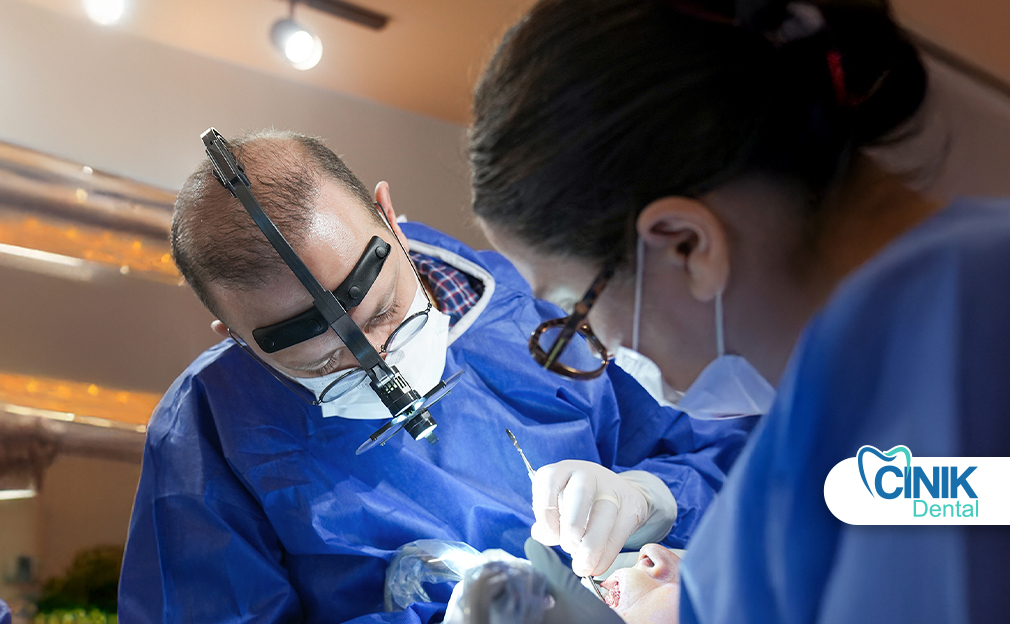
Quick Answer: Safe surgery through sugar control means stabilizing blood glucose before and after implant surgery to reduce complications, support healing, and ensure proper implant integration.
Before implant placement, it is crucial to manage blood glucose levels to minimize the risk of post-surgical complications and ensure proper healing (Naujokat et al., 2016). Elevated sugar levels can hinder oral recovery, so treatment protocols must prioritize sugar stabilization beforehand. Measures such as dietary adjustments, temporary medication modifications, or the use of continuous glucose sensors can help to promote optimal sugar control prior to the procedure.
Controlling glucose after dental surgery is equally important, since both tissue remodelling and re-establishing the blood supply to implanted devices can be compromised by hyperglycemia. Many diabetic patients, especially those on insulin, experience elevated sugar levels following surgical procedures due to anaesthesia and pain. Continuous monitoring can aid in timely adjustments of medication or food intake around the operation, enabling a smoother postoperative process. Anti-infection strategies, salt-water rinses, and meticulous oral hygiene further facilitate recovery through low-sugar, low-salt foods.
3. Why Blood Sugar Matters?
Quick Answer: Blood sugar matters because poor glucose control delays healing, weakens bone–implant integration, increases infection risk, and raises implant failure rates, while controlled HbA1c (≈8% or lower) supports safe, successful outcomes.
Bleeding control and healthy healing in operations correlate with glucose level in the body. The metabolism of diabetic patients is different; glucose cannot be used by the cells. A high concentration of glucose is found in the tissue instead of the inside of the cell. Healing progression time of implant treatment is based on how rapidly bone apposition happens at the bone–implant interface. Glucose inside the tissue of implantation can alter the time of healing and ultimately affect the degree of stability of the implant (Mellado Valero et al., 2007). The absence of tissue repair, both local and systemic, is likely to permit osteocyte apoplexy and bone resorption, leading to implant failure. Patients showing high sugar concentration in saliva and blood are at risk of osteocyte apoplexy, bone absorption, and peri-implantitis. These patients require extra attention when a diabetic condition has not yet been well controlled.
A high sugar concentration inside the tissue can potentially offer a suitable condition for pathogenic bacteria growth in the oral cavity and around the implant. Hence patients whose sugar status is poorly maintained before and after implantation should receive additional precautionary treatment against peri-implant disease, together with the standard protocol of medicaments against infection.
In the context of offering dental implant treatment to diabetic patients, the need to establish safety thresholds seems important (H. Almehmadi, 2019). An exploratory study covering publicly available information has revealed that a threshold in the range of 8%–8.5% of HbA1c seems appropriate to define a safe status for proceeding with operations. With these values, it should be expected that the likelihood of healing interruption or- implant failure is significantly lowered or negligible even for patients with another underlying systemic disease. The limit delineates the threshold of patients’ alterations during standard daily routines without more active metabolic control even when surgery is performed, patients are assumed to reach safety back to normal ranges.
Such kind of knowledge enables to facilitate diagnosis-and-planning collaboration between the dental and the medical sectors, which is crucial to maximize therapy success for diabetic patients (Naujokat et al., 2016). Diabetic patients, either type 1 or type 2, receiving implant treatment while having an HbA1c above the average of 8% are almost unthinkable for medical doctors’ practice. Nonetheless, plenty of information on the impact of diabetic condition on implant treatment and on its permitted boundaries or allowances are available, capable of endorsing procedure arrangement and engineering at that particular upper-bound range by clarifying, during the examination phase, what indicators and characteristics of available options remain accessible and consequently decide, aspects that do-pre-condition determination for surgical possibilities.
4. What is the HbA1c Threshold?
Quick Answer: The HbA1c threshold for dental implant surgery is ideally ≤7.0%, with 8.0% considered the upper safe limit; values above this usually require postponing surgery until blood sugar is better controlled.
The HbA1c test represents average blood sugar levels over the preceding two- to three-month period. This average translates the real-time values gathered at the dental office into a retroactive assessment of control over the prior weeks. One can thus align the timing of the procedure to avoid elevated readings at the appointment.
The general thresholds for elective surgeries suggest avoiding HbA1c values above 7.0% (53 mmol/mol) for implant surgery, with 8.0% (64 mmol/mol) serving as a widely recognized upper limit. These figures do not preclude having implants at higher values, but they indicate that surgery should be postponed to first address sugar control. The higher the HbA1c reading at the referral visit, the more elaborate the joint treatment plan typically needs to be. Beyond merely deferring surgical intervention, further consideration of the approach becomes vital. At readings approaching the 8.0% (64 mmol/mol) threshold, using a simpler vertical bone-augmentation technique tends to alleviate the need for experimental healing compounds, thereby reducing treatment complexity.
5. Why Turkey is a Preferred Choice for Diabetic Patients
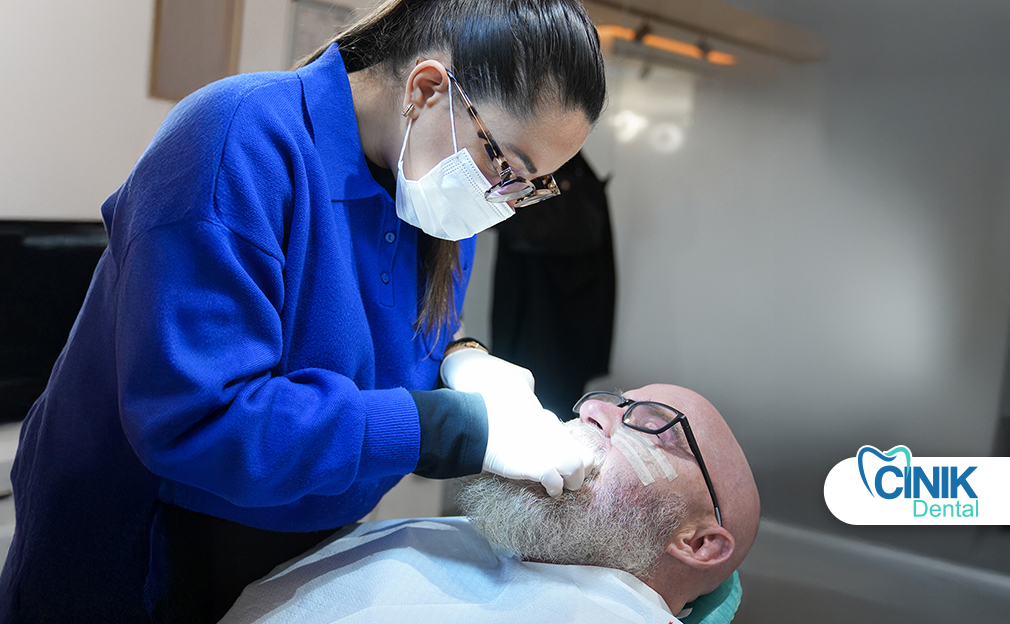
Quick Answer: Turkey is preferred because it offers high-quality, diabetes-safe dental implant care at lower costs, with experienced specialists, modern protocols, and flexible treatment planning.
Patients with diabetes can safely receive dental implants, provided their blood-sugar levels are sufficiently managed (Naujokat et al., 2016). Therefore Turkey is preferred for many implant procedures, including for diabetics. Cost is typically lower than in Europe and the USA, yet standards of care remain high. Many clinics actively promote diabetes-safe protocols and guidance. Specialists with extensive experience in this domain are available for consultation (H. Almehmadi, 2019). Elimination of overseas travel restrictions allows flexible planning before procedures, with follow-up care also accessible (Ghazi Sghaireen et al., 2020).
6. What are the Practical Steps Before Getting Implants?
Quick Answer: Before implants, patients should consult a diabetes-aware oral surgeon, coordinate with their physician, share recent HbA1c results, obtain medical clearance, and plan nutrition and lifestyle factors.
Before scheduling a dental implant, patients should follow a few practical steps. They should book a consultation with an oral surgeon knowledgeable about diabetes and focused on implant cases. The patient’s healthcare provider should also be included. Gathering relevant medical information beforehand helps determine the most suitable approach.
Patients should collect medical records, upload relevant test results like HbA1c values to the clinic website, and confirm if there is insurance coverage. Scheduling medical clearance with the primary healthcare provider, an evaluation of smoking behaviour if applicable, and advice on nutritional planning are also considered prudent.
7. What are Risks, Benefits, and Realistic Expectations?
Quick Answer: Dental implants offer strong functional and aesthetic benefits for diabetic patients; with good sugar control, success rates are similar to non-diabetics, though healing may be slightly slower and requires careful monitoring.
Dental implants are a crucial dental restoration option with great efficacy, safety, and predictability. They can restore lost dental aesthetics and improve oral function. Well-controlled diabetes should not contraindicate treatment. Clinical evaluations and scientific literature indicate that diabetic and non-diabetic patients can expect comparable implant success rates (Naujokat et al., 2016). Despite slightly higher peri-implantitis and healing-time challenges, the positive benefits of implants remain pronounced (Ghazi Sghaireen et al., 2020).
Diabetes generally increases oral health complications, yet it does not significantly impede the efficacy of preservation or restoration protocols. Numerous studies demonstrate that controlled diabetic individuals exhibit survivability and peri-implant health on par with healthy candidates (H. Almehmadi, 2019). Therefore, maintaining adequate metabolic control before and after surgical procedures ranks among the most crucial prerequisites for candidate evaluation. Each patient must collaborate closely with both dental and healthcare professionals to establish a risk-management framework that maximizes treatment predictability.
8. Conclusion
Dental implants are both safe and effective for individuals with diabetes, potentially producing results on par with patients without the disease (Naujokat et al., 2016). Healing time, infection risk, and long-term implant maintenance remain critical areas of concern. Pending appropriate sugar control and collaboration between medical and dental providers, patients can take several preparatory steps prior to extraction and implant surgery to further improve the likelihood of successful treatment.
Turkey represents an attractive destination for diabetic individuals pursuing implant-supported solutions as a result of low costs, readily accessible expertise, and high levels of safety (Ghazi Sghaireen et al., 2020). The combination of a robust private health sector, increased interest in medical tourism, clinic accreditation standards, and the extensive experience of Turkish practitioners with diabetic patients offers a significantly higher degree of comfort compared to most other countries. Other advantages include greater scheduling flexibility, shorter wait times until surgery, and opportunities for follow-up consultations following the procedure.
Diabetes mellitus can affect healing, infection risk, and even the prognosis of dental implants, with much depending on the type of diabetes, the adequateness of blood glucose control, and the time elapsed since the last meal. Sugar and glucose levels represent a serious factor in overall healing time, determining how fast or slow the patient is expected to recover after surgery and indirectly affecting implant stability, the quality of bone-to-implant contact, and consequently osseointegration. Patients should be aware of signs and symptoms associated with improper glucose levels that would justify close monitoring of indexes and blood tests even after surgery, irrespective of the type of post-operation examination.
Diabetic patients seeking implant-supported rehabilitation in Turkey must keep several key considerations in mind, ranging from preliminary checks and assessments to practical steps performed before and after the procedure.
References:
Ghazi Sghaireen, M., A. Alduraywish, A., Chandan Srivastava, K., Shrivastava, D., R Patil, S., Al Habib, S., Hamza, M., Ab Rahman, S., Lynch, E., and Khursheed Alam, M. “Comparative Evaluation of Dental Implant Failure among Healthy and Well-Controlled Diabetic Patients—A 3-Year Retrospective Study.” 2020. ncbi.nlm.nih.gov
- Almehmadi, A. “Awareness of population regarding the effects of diabetes on dental implant treatment in Jeddah, Saudi Arabia.” 2019. ncbi.nlm.nih.gov
Naujokat, H., Kunzendorf, B., and Wiltfang, J. “Dental implants and diabetes mellitus—a systematic review.” 2016. ncbi.nlm.nih.gov
Mellado Valero, A., Carlos Ferrer García, J., Herrera Ballester, A., and Labaig Rueda, C. “Effects of diabetes on the osseointegration of dental implants.” 2007. [PDF]

Leave a Reply