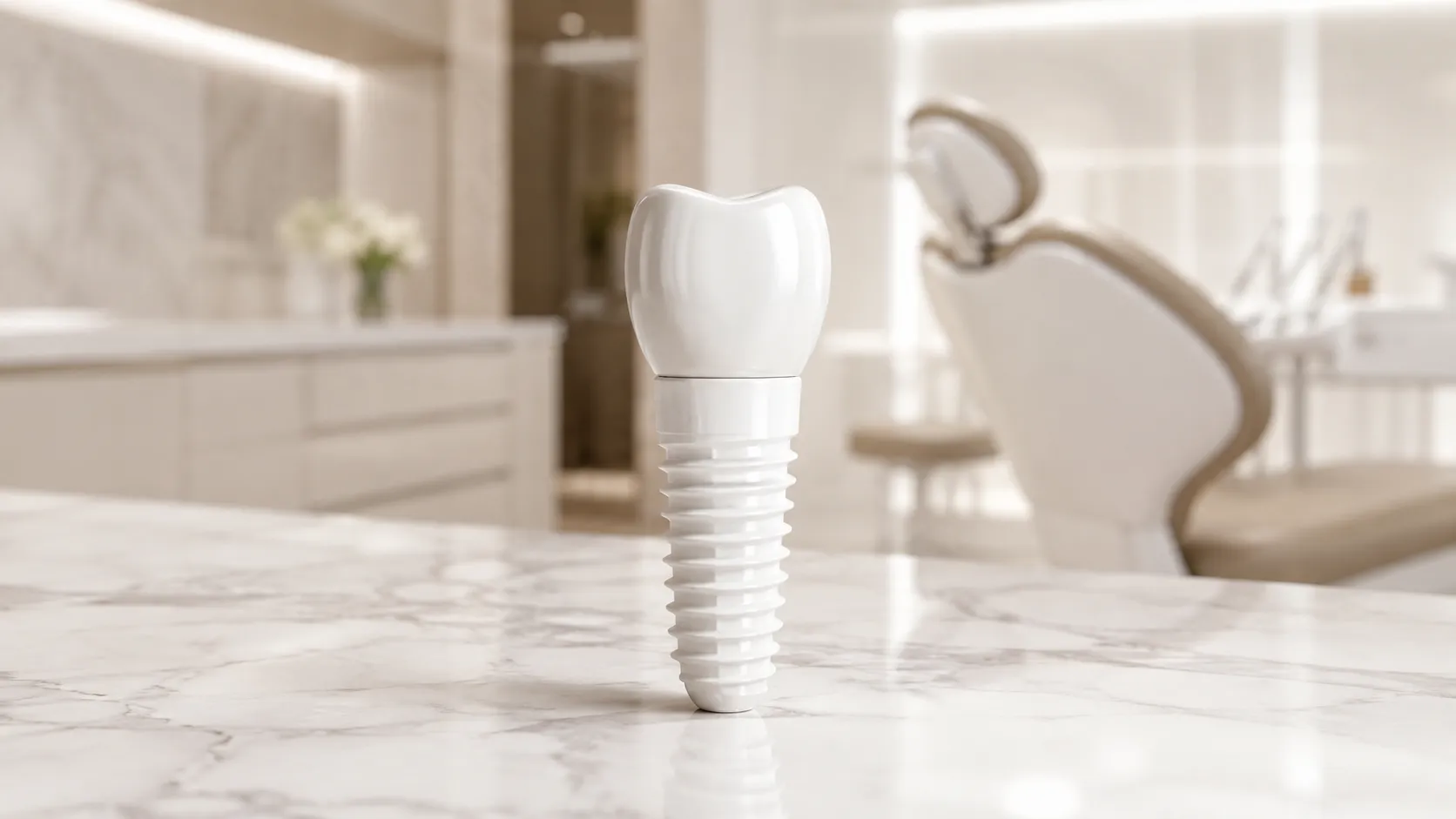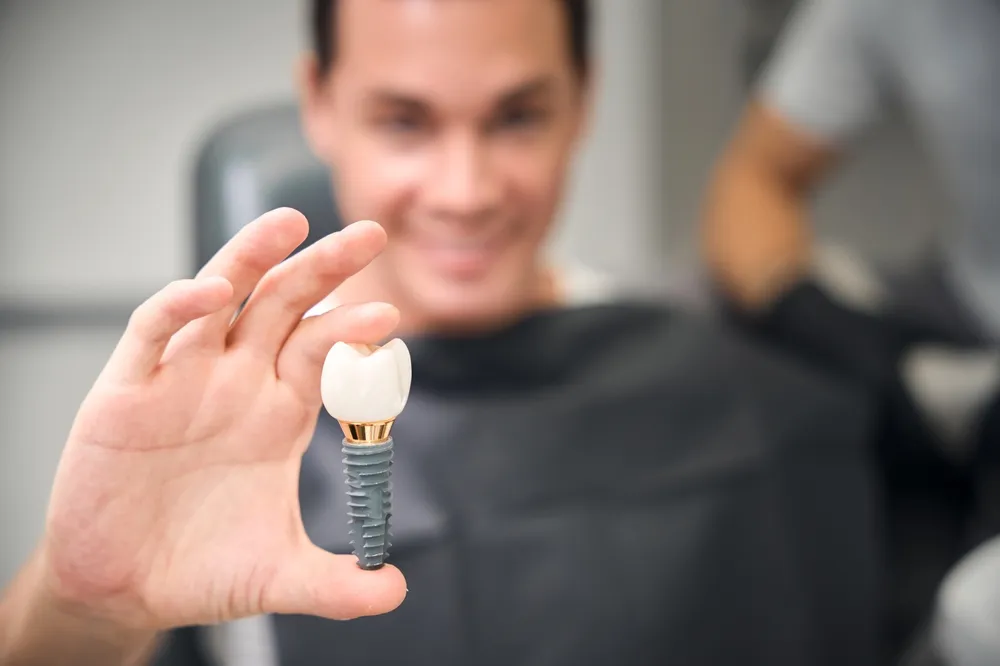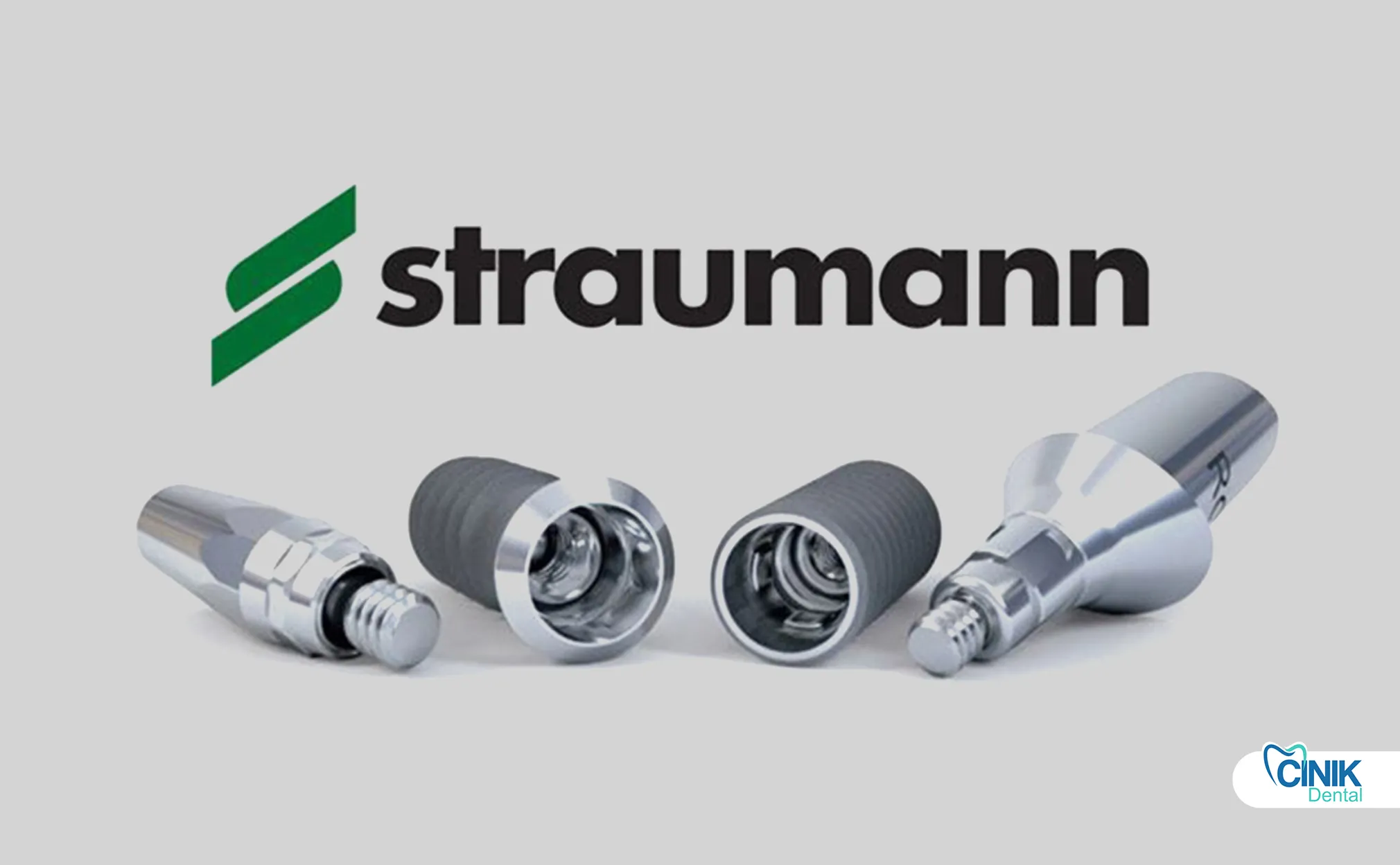
Dental implants have revolutionized modern dentistry, providing a permanent solution for tooth loss that restores both function and aesthetics. As the global leader in implantology, the Straumann Group has established itself as the "gold standard" in dental implant systems through seven decades of innovation and clinical research .
Turkey has emerged as a premier destination for dental tourism, attracting thousands of international patients annually who seek high-quality implant treatment at significantly reduced costs. This article provides a comprehensive evaluation of Straumann implants in Turkey, examining the clinical evidence supporting their use, economic advantages, technological innovations, and practical considerations for patients contemplating treatment abroad.
The purpose of this analysis is to equip prospective patients with evidence-based information to make informed decisions about Straumann implant treatment in Turkey, balancing cost efficiency with clinical excellence.
Background: Straumann Implant System
Historical Development and Market Position
Founded in 1954 in Basel, Switzerland, Straumann has evolved from a precision instrument manufacturer into the world's most scientifically validated dental implant company. The group's commitment to evidence-based dentistry has resulted in over 1,000 peer-reviewed publications supporting their implant systems .
Straumann implants are distributed across more than 100 countries and are recognized by the International Team for Implantology (ITI) as a reference standard for clinical performance. This global reputation stems from consistent manufacturing quality, comprehensive research protocols, and documented long-term success rates exceeding 95% in longitudinal studies .
Core Technologies and Materials
Titanium and Zirconia Options
Straumann offers both titanium-based and ceramic implant solutions. The standard Grade 4 titanium implants provide excellent biocompatibility and proven osseointegration properties. For patients with metal sensitivities or specific aesthetic requirements, zirconia (ceramic) alternatives are available, though at premium price points .
Roxolid Titanium-Zirconium Alloy
Introduced as a proprietary innovation, Roxolid represents a significant advancement in implant material science. This alloy comprises approximately 85% titanium and 15% zirconium, delivering mechanical strength superior to pure titanium while maintaining exceptional biocompatibility .
Clinical studies demonstrate that Roxolid implants achieve:
98.7% survival rate after one year
97.3% survival rate after three years
Equivalent crestal bone levels compared to standard titanium implants
The enhanced strength of Roxolid enables the use of narrower implant diameters (3.3mm) in situations where bone volume is limited, reducing the need for invasive bone grafting procedures .
SLActive Surface Technology
Straumann's SLActive surface represents a hydrophilic modification of the standard SLA (Sand-blasted, Large-grit, Acid-etched) surface. This technology accelerates the osseointegration process through enhanced protein adsorption and cell attachment.
Clinical evidence indicates that SLActive implants achieve functional integration in 3–4 weeks compared to 6–8 weeks for conventional surfaces . This accelerated healing is particularly advantageous for immediate loading protocols and patients with compromised health conditions, including controlled diabetes and cigarette smoking .
Implant Types and Systems
Straumann's current portfolio includes several system families optimized for specific clinical scenarios:
System | Design Characteristic | Primary Application |
BLX | Bone Level, Tapered | Immediate loading, soft bone conditions |
BLC | Bone Level, Cylindrical | Standard delayed loading protocols |
TLX | Tissue Level, Tapered | Posterior multi-unit restorations |
Tissue Level | Transgingival design | Traditional two-stage surgery |
These systems accommodate treatment ranging from single-tooth replacement to complex full-arch rehabilitations using All-on-4 or All-on-6 concepts .
Straumann Implants in Turkey: Market Overview
Growth of Dental Tourism in Turkey
Turkey has positioned itself as a global hub for dental treatments, with Istanbul, Antalya, and Izmir serving as primary destinations. The country attracts high patient inflow from the United Kingdom, Germany, Scandinavia, and increasingly from the United States .
Several factors drive this migration:
Economic efficiency: Operating costs including rent, staffing, and laboratory fees are substantially lower than Western Europe or North America
Currency advantage: The Turkish Lira exchange rate provides additional purchasing power for Euro, Sterling, and USD holders
Government incentives: Active support for health tourism infrastructure including clinic accreditation and patient services
Geographic accessibility: Short flight times from major European cities enable convenient treatment visits
Availability of Straumann Systems in Turkish Clinics
Leading Turkish dental clinics maintain direct partnerships with Straumann Group, ensuring access to genuine Swiss-manufactured components. These clinics integrate Straumann systems with advanced digital dentistry workflows including:
3D CBCT imaging for pre-surgical planning
CAD/CAM milling for prosthetic fabrication
Guided surgery protocols using Straumann coDiagnostiX software
Intraoral scanning for digital impression capture
This technological integration enables same-day provisional restorations and precision-fit final prosthetics.
Regulatory and Quality Standards
Dental implant procedures in Turkey operate under strict regulatory oversight. Clinics must obtain:
Ministry of Health clinical licenses
Hygiene and sterilization certifications
Quality management system certificates (ISO 9001, ISO 13485)
Health tourism authorization certificates
International accreditations (JCI, AACI) where applicable
Straumann implants distributed in Turkey maintain CE marking and FDA approval, ensuring compliance with international safety standards. Patients should verify that clinics provide original Straumann components with implant passports and batch numbers for traceability .
Cost Analysis: Straumann Implant Turkey
Average Price Range
Current market analysis reveals the following pricing structure for Straumann implants in Turkey:
Component | Price Range (EUR) | Price Range (GBP) | Price Range (USD) |
Single Straumann Implant (complete) | €650 – €1,500 | £400 – £1,500 | $950 – $1,200 |
Straumann SLA/BLC | €800 – €1,050 | £800 | $1,050 |
Straumann SLActive/BLX | €850 – €1,100 | £850 | $1,100 |
All-on-4 (per arch) | €3,500 – €9,000 | £1,600 – £2,000 | $3,100 – $6,500 |
All-on-6 (per arch) | €5,500 – €11,000 | £2,400 | $5,900 – $8,500 |
Comparison with Other Countries
The economic advantage of Turkish implant dentistry becomes apparent in international comparison:
Country | Single Straumann Implant | All-on-4 (per arch) | Savings vs. Turkey |
Turkey | €650 – €1,500 | €3,500 – €9,000 | Baseline |
United Kingdom | €2,500 – €4,500 | €16,000 – €30,000 | 60–75% |
Germany | €2,000 – €4,000 | €18,000 – €35,000 | 60–70% |
United States | €2,800 – €4,700 | €18,000 – €37,000 | 70–80% |
Factors Affecting Cost
Several variables influence final treatment pricing:
Implant System Selection
Standard SLA surfaces cost 10–15% less than SLActive
Roxolid narrow-diameter implants command premium pricing
Tissue-level vs. bone-level designs affect component costs
Additional Procedures
Bone grafting: €200 – €500 per site
Sinus lift procedures: €450 – €800
Extraction and immediate placement protocols
Prosthetic Components
Zirconia crowns: Premium pricing for aesthetic zones
E-max ceramic: Mid-range aesthetic option
Hybrid acrylic: Cost-effective for full-arch temporaries
Clinic Positioning
AACI/JCI accredited clinics: 15–25% premium
Central Istanbul vs. Antalya/Izmir location variations
Specialist oral surgeon vs. general dentist placement
All-Inclusive Packages
Turkish clinics frequently offer comprehensive packages designed for international patients, typically including:
Initial consultation and 3D CBCT imaging
Implant placement surgery with local anesthesia
Abutment and provisional crown/bridge
Hotel accommodation (4–5 star, bed & breakfast)
Airport-hotel-clinic transfers
Post-operative medications and care kit
10-year to lifetime warranty on implants
These packages eliminate hidden costs and provide predictable budgeting for patients traveling from abroad.
Clinical Advantages of Straumann Implants
Osseointegration and Healing Time
The SLActive surface technology provides measurable clinical advantages in healing velocity. Histological studies demonstrate that SLActive implants achieve significant bone-to-implant contact within 3–4 weeks, compared to 6–8 weeks for conventional SLA surfaces .
This accelerated integration enables:
Earlier functional loading (immediate or early protocols)
Reduced treatment time for international patients
Enhanced stability in compromised bone situations
Predictable outcomes in diabetic patients and smokers when proper protocols are followed
Biocompatibility and Longevity
Long-term clinical data supports Straumann implant durability:
10-year survival rates: 95–98% in well-maintained patients
Roxolid performance: Equivalent to titanium in crestal bone maintenance
Corrosion resistance: Roxolid demonstrates superior electrochemical stability compared to pure titanium
Mechanical strength: 50% higher tensile strength enables narrow-diameter applications
Suitability for Complex Cases
Straumann systems address challenging clinical scenarios:
Narrow Bone Conditions
The 3.3mm Roxolid implant provides equivalent strength to 4.1mm titanium implants, enabling treatment in posterior spaces with limited mesio-distal dimension without bone expansion .
Immediate Loading Protocols
The BLX system's tapered design and aggressive thread pattern achieve high primary stability in extraction sockets, supporting same-day provisional restorations in selected cases .
Compromised Patients
Research demonstrates that SLActive implants maintain 100% survival and success rates in cigarette smokers over 5-year observation periods, provided routine maintenance is performed .
Indications and Patient Selection
Ideal Candidates
Optimal candidates for Straumann implant treatment present with:
Single or multiple missing teeth requiring replacement
Adequate bone volume (or graftable deficiencies)
Healthy periodontal status in remaining dentition
Realistic expectations regarding treatment timeline
Commitment to oral hygiene maintenance
Contraindications
Absolute contraindications include:
Active uncontrolled periodontal disease
Severe systemic conditions (uncontrolled diabetes, active chemotherapy)
Recent bisphosphonate therapy (intravenous)
Insufficient bone volume without grafting options
Relative contraindications requiring modified protocols:
Heavy smoking (increased peri-implantitis risk)
Bruxism (requires occlusal guard protection)
Limited mouth opening (surgical access challenges)
Pre-Treatment Evaluation
Comprehensive assessment includes:
3D CBCT scanning: Bone volume quantification, vital structure mapping
Digital intraoral impressions: Occlusal analysis and restorative planning
Medical history review: Systemic factors affecting healing
Prognostic evaluation: Remaining tooth viability assessment
Bone grafting considerations are addressed when vertical or horizontal deficiencies exceed 3mm, with autogenous, allogeneic, or xenogeneic options selected based on defect morphology.
Treatment Protocol in Turkey
7.1 Step-by-Step Procedure
Phase 1: Consultation and Diagnostics (Day 1)
Clinical examination and medical history review
3D CBCT imaging and digital photography
Treatment planning with guided surgery software
Informed consent and financial agreement
Phase 2: Surgical Placement (Days 2–3)
Local anesthesia or sedation as indicated
Flapless or open flap approach based on guided planning
Implant placement with torque-controlled insertion
Immediate provisional restoration (when primary stability ≥35 Ncm)
Post-operative instructions and medication provision
Phase 3: Healing and Osseointegration (3–6 months)
Patient returns home with provisional restoration
Remote monitoring through clinic communication channels
Soft diet and hygiene maintenance protocols
Phase 4: Prosthetic Restoration (Second Visit, 3–6 months later)
Impression taking for definitive restoration
CAD/CAM fabrication of zirconia or ceramic prosthesis
Occlusal adjustment and cementation/screw fixation
Final radiographic verification and documentation
Timeline
Treatment Type | First Visit Duration | Second Visit Duration | Total Treatment Time |
Single Implant | 3–5 days | 5–7 days | 3–6 months |
Multiple Implants | 5–7 days | 5–7 days | 3–6 months |
All-on-4/All-on-6 | 5–7 days | 5–7 days | 3–6 months (with immediate provisional) |
Immediate vs. Delayed Loading
Immediate Loading Criteria
Primary implant stability ≥35 Ncm
Non-augmented sites or minimal grafting
Parafunctional habits absent or controlled
Patient compliance with soft diet protocol
Delayed Loading Indications
Extensive grafting procedures
Low primary stability situations
Heavy bruxism or unfavorable occlusal schemes
Patient preference for traditional protocols
Comparison with Other Implant Brands
Straumann vs. Nobel Biocare
Both represent premium Swiss/Swedish implantology with distinct technological approaches:
Feature | Straumann | Nobel Biocare |
Surface Technology | SLActive (hydrophilic) | TiUnite (oxidized) |
Material Innovation | Roxolid (Ti-Zr alloy) | TiUltra (surface modification) |
Digital Integration | coDiagnostiX | NobelClinician |
Clinical Documentation | 1,000+ publications | Extensive research base |
Price in Turkey | €650–€1,500 | €900–€1,300 |
Both systems demonstrate equivalent long-term survival rates; selection often depends on clinician familiarity and specific case requirements .
Straumann vs. Budget Implant Systems
Brand | Origin | Price Range (Turkey) | Research Base | Primary Advantage |
Straumann | Switzerland | €650–€1,500 | Extensive (1,000+ studies) | Gold standard validation |
MIS | Israel | €450–€850 | Moderate | Value within Straumann Group |
MegaGen | South Korea | €650–€900 | Growing | Strong initial stability |
Hiossen | South Korea | €600–€900 | Moderate | Cost efficiency |
Osstem | South Korea | €400–€900 | Moderate | Market penetration |
Budget systems offer viable alternatives for cost-conscious patients, though they lack the longitudinal validation and global warranty support of Straumann .
Cost vs. Performance Analysis
While premium implants command 30–50% higher initial costs than budget alternatives, the value proposition includes:
Lifetime warranty: Straumann provides global component replacement guarantees
Proven longevity: 20+ year clinical track records vs. 5–10 years for newer brands
Rescue options: Established protocols for rare complications
Resale value: Documented premium implant placement enhances future treatment options
For patients under 60 or requiring multiple implants, the long-term cost-effectiveness favors premium system selection.
Risks and Complications
Surgical Risks
Early Complications (0–3 months)
Infection (incidence <3% with proper protocols)
Hemorrhage or hematoma formation
Nerve injury (inferior alveolar, mental, infraorbital)
Sinus membrane perforation (upper posterior sites)
Early implant failure (loss of integration)
Late Complications (>3 months)
Peri-implant mucositis (reversible inflammation)
Peri-implantitis (progressive bone loss)
Prosthetic screw loosening
Ceramic chipping or framework fracture
Risk Mitigation Strategies
Clinician Selection Criteria
Oral and maxillofacial surgery specialist qualification
ITI or equivalent international certification
Minimum 500+ implant placement experience
CBCT-guided surgery capability
English fluency for communication
Patient Responsibilities
Smoking cessation (minimum 2 weeks pre- and post-surgery)
Diabetes control (HbA1c <7%)
Meticulous oral hygiene maintenance
Regular professional monitoring (local dentist collaboration)
Advantages of Choosing Turkey for Straumann Implants
Cost Efficiency Without Quality Loss
Turkish clinics utilize identical Swiss-manufactured Straumann implants available in London, New York, or Zurich. The 60–75% cost reduction derives from economic factors rather than quality compromise:
Lower facility overhead and staffing costs
Favorable currency exchange rates
Government-supported health tourism infrastructure
High patient volume enabling economies of scale
Experienced Implantologists
The high volume of international patients has developed a cohort of Turkish implantologists with exceptional case experience. Leading practitioners routinely perform 500–1,000 implant placements annually, compared to 100–150 in typical Western private practices .
This volume translates to:
Refined surgical technique and efficiency
Extensive experience with immediate loading protocols
Established workflows for international patient management
Multilingual support teams
Integrated Patient Services
Turkish dental tourism clinics provide comprehensive support infrastructure:
Pre-arrival: Video consultations, treatment planning, travel coordination
In-country: VIP transfers, 4–5 star accommodation, translation services
Post-treatment: 24/7 emergency hotlines, remote monitoring, warranty coordination
Follow-up: Partnership networks with local dentists in patient's home country
Ethical Considerations and Patient Safety
Verifying Authenticity
Patients should confirm genuine Straumann component usage through:
Implant passport: Documentation with batch number and manufacturing date
Straumann Partner Program: Clinic verification on Straumann website
Component visualization: Request to see original packaging before surgery
Warranty registration: Ensure proper documentation for lifetime guarantee activation
Transparency Requirements
Ethical clinics provide:
Itemized treatment plans with no hidden costs
Clear explanation of brand alternatives and rationale for selection
Realistic timeline expectations (avoiding "too good to be true" promises)
Informed consent documentation in patient's native language
Avoiding Counterfeit Risks
While rare in accredited clinics, counterfeit implants exist in unregulated markets. Risk mitigation includes:
Selecting AACI, JCI, or ISO-certified facilities only
Avoiding prices significantly below market range (<€400 for complete Straumann implant)
Verifying clinic's Ministry of Health license
Reviewing independent patient testimonials and before/after documentation
Future Trends in Straumann Implantology
Digital Workflows and Guided Surgery
Straumann's continued investment in coDiagnostiX and CARES digital ecosystems enables:
Fully virtual treatment planning
3D-printed surgical guides for flapless placement
Immediate provisional fabrication through CAD/CAM
Real-time intraoperative navigation systems
Biomaterial Innovations
Emerging developments include:
Smart implant surfaces: Bioactive coatings for enhanced osseointegration
Regenerative membranes: Straumann Emdogain for periodontal tissue engineering
Personalized prosthetics: AI-generated crown morphology optimized for individual occlusion
Sustainability Initiatives
Straumann Group's environmental commitments affect Turkish market availability:
Reduced packaging waste through sterilization container systems
Carbon-neutral manufacturing goals by 2030
Recycling programs for titanium components
Conclusion
Straumann dental implants represent a premium treatment option that has become economically accessible through Turkey's dental tourism infrastructure. The combination of Swiss-manufactured components, experienced specialist clinicians, and comprehensive patient services creates a compelling value proposition for international patients.
Key findings from this analysis include:
Clinical reliability: Straumann's documented 95–98% long-term success rates and extensive research validation support their selection for patients seeking definitive tooth replacement .
Economic advantage: Cost savings of 60–75% compared to UK, German, or US pricing enable patients to access premium implant systems at budget-brand prices in their home countries .
Technological excellence: SLActive surface technology and Roxolid material science provide measurable clinical advantages in healing time and mechanical performance .
Safety considerations: Proper clinic selection based on accreditation, specialist qualifications, and transparent pricing mitigates risks associated with overseas treatment .
For patients considering Straumann implants in Turkey, the critical success factors are: (1) selecting an accredited clinic with verified Straumann partnership, (2) confirming authentic component usage with proper documentation, (3) ensuring comprehensive aftercare protocols including home-country dentist collaboration, and (4) maintaining realistic expectations regarding treatment timeline and travel requirements.
When these criteria are met, Straumann implant treatment in Turkey offers an optimal balance of clinical excellence, economic efficiency, and patient experience.
Frequently Asked Questions
How much do Straumann implants cost in Turkey?
Single Straumann implants in Turkey range from €650–€1,500 (£400–£1,500 or $950–$1,200), depending on the specific system (SLA vs. SLActive), clinic location, and package inclusions. This represents 60–75% savings compared to UK, European, or US pricing .
Are Straumann implants safe in Turkey?
Yes, when placed at accredited clinics using genuine components. Verify clinic credentials including Ministry of Health licenses, international accreditations (AACI, JCI), and Straumann Partner Program membership. Authentic implants carry batch numbers and implant passports for traceability .
How long do Straumann implants last?
Clinical studies demonstrate 95–98% survival rates at 10 years, with many patients achieving 20+ year function. Straumann provides lifetime warranties on implants when properly placed and maintained .
Is Turkey a reliable destination for dental implants?
Turkey maintains strict dental regulations requiring specialist qualifications, sterilization protocols, and clinic licensing. Leading clinics exceed international standards with ISO certifications and JCI accreditation. However, patients must research carefully to avoid unregulated providers .
What is the difference between SLActive and standard implants?
SLActive is Straumann's hydrophilic surface modification that accelerates osseointegration from 6–8 weeks to 3–4 weeks. This enables faster healing and earlier functional loading, particularly beneficial for immediate implant protocols and compromised patients .
How many visits to Turkey are required?
Most cases require two visits: first visit (3–7 days) for implant placement and provisional restoration, second visit (5–7 days) 3–6 months later for permanent prosthesis. Complex grafting cases may require additional visits .
What is included in all-inclusive packages?
Typical packages include consultation, 3D imaging, implant surgery, abutment and crown, hotel accommodation (4–5 star), airport transfers, medications, and warranties. Confirm specific inclusions before booking .
Can smokers get Straumann implants?
Yes, research shows 100% 5-year survival rates for SLActive implants in cigarette smokers with proper maintenance. However, smoking increases peri-implantitis risk; cessation is strongly recommended before and after surgery .