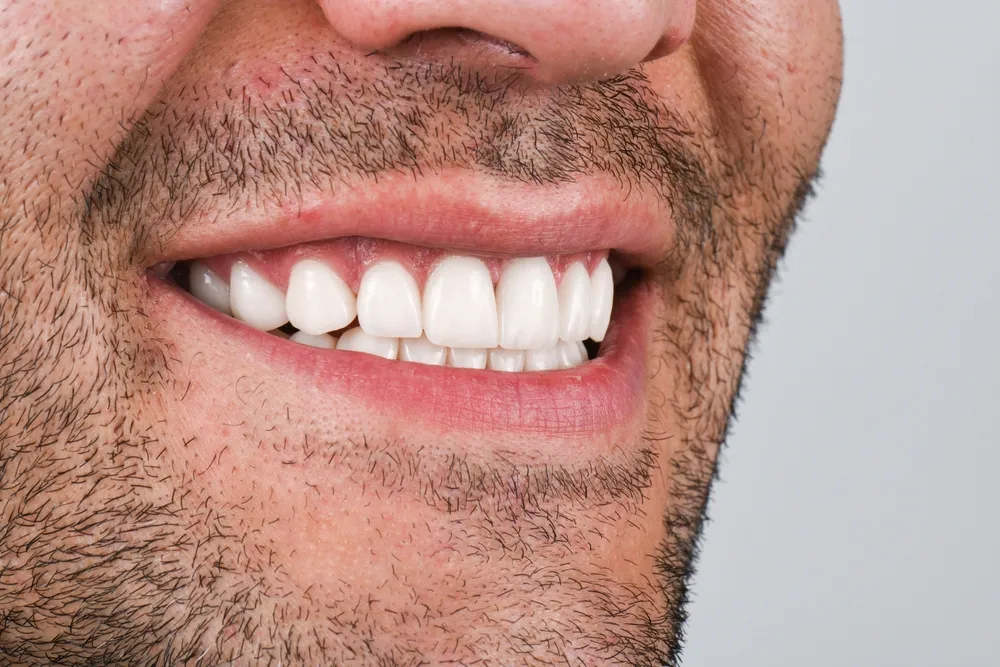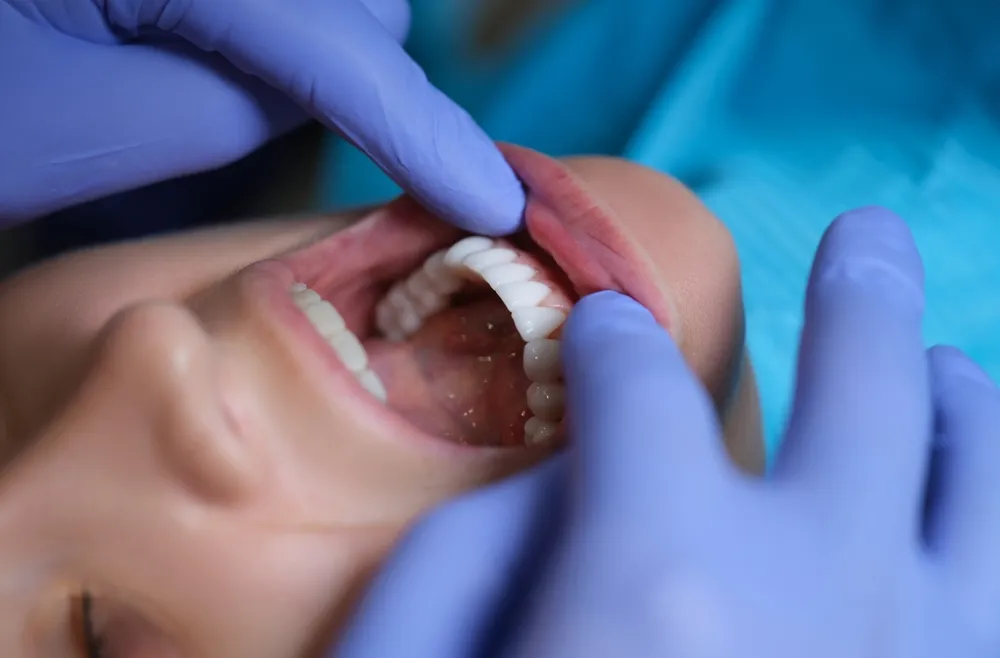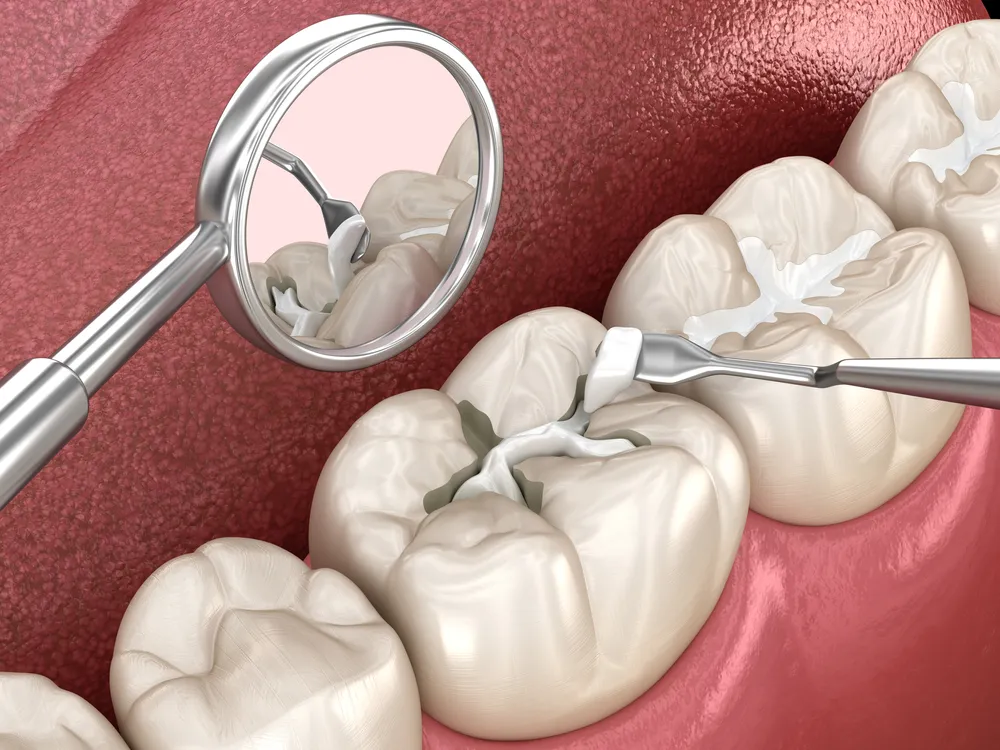
Dental fillings rank among the most common restorative treatments in the UK. Millions of patients receive fillings every year to treat decay and restore tooth function. Understanding the true tooth filling cost UK patients face helps you budget for oral healthcare and avoid surprise expenses. This guide explains everything you need to know about dental filling cost UK providers charge, from NHS band pricing to private clinic fees. You will learn how much is a filling UK dentists typically quote, what factors drive price differences, and how to choose the right treatment for your budget and your health.
What Is a Tooth Filling?
A dental filling replaces lost tooth structure after decay or damage. Your dentist removes the decayed portion of the tooth and packs the empty space with a durable material. This process stops bacteria from spreading and rebuilds the tooth's natural shape.
What Is the Purpose of Dental Fillings?
Dental fillings treat cavities, restore tooth structure, and prevent further bacterial damage. They seal off spaces where bacteria can hide and multiply. A well-placed filling lets you chew comfortably and protects the inner pulp from infection. Researchers emphasize that timely restoration of carious lesions remains essential for long-term oral health (Demarco et al., 2012).
What Signs Show You May Need a Filling?
You may need a filling if you notice tooth sensitivity, pain when chewing, visible holes, or food trapping between teeth. Sensitivity to hot or cold drinks often signals enamel breakdown. Sharp pain during biting suggests deeper decay. Dark spots on the tooth surface may indicate active caries. If food constantly sticks in one area, a cavity may have created a hidden pocket.
What Dental Problems Do Fillings Treat?
Fillings treat dental caries, minor fractures, worn enamel, and old filling replacements. Cavities form when plaque acids dissolve enamel. Small cracks from grinding or trauma also benefit from fillings. Worn enamel surfaces from acidic diets or aggressive brushing can gain protection from a restoration. When an old filling cracks or leaks, your dentist replaces it with new material.
How Much Does a Tooth Filling Cost in the UK?
The dental filling cost UK patients pay depends on whether they use NHS services or private clinics. NHS charges follow fixed bands, while private practices set their own fees. Understanding both systems helps you plan your budget.
What Is the Average Cost of a Tooth Filling in the UK?
A typical tooth filling cost UK patients between £80 and £500 in private practice. NHS patients pay a flat Band 2 charge that covers all fillings in a single course of treatment. The exact private dental filling cost depends on the material, the cavity size, and the clinic location. Small composite fillings on front teeth usually cost less than large restorations on molars.
What Are NHS Tooth Filling Costs?
NHS fillings fall under Band 2 treatment, which currently costs £75.30 in England. This single fee covers all necessary fillings, extractions, and root canals within one course of care. You pay once regardless of how many fillings you need. Children, pregnant women, and certain benefit recipients qualify for free NHS dental treatment. NHS dentists use clinically appropriate materials, which may include amalgam in back teeth and composite in front teeth when necessary.
What Are Private Tooth Filling Costs?
Private clinics charge per filling and per material. A private dentist can offer premium materials and longer appointment times. The private dental filling cost reflects these added choices and conveniences.
What Do Small Fillings Cost Privately?
Small private fillings typically cost between £80 and £200. These restorations cover one surface and require minimal preparation. Composite resin is the most common choice for small cavities.
What Do Medium Fillings Cost Privately?
Medium private fillings usually range from £120 to £300. These restorations span two surfaces and need more material and time. Dentists often use composite or ceramic for medium cavities.
What Do Large Fillings Cost Privately?
Large private fillings generally cost between £180 and £450. These restorations cover three or more surfaces and rebuild significant tooth structure. Ceramic or gold may be recommended for large load-bearing areas.
What Do Complex Restorations Cost Privately?
Complex restorations can exceed £500 per tooth. These cases involve rebuilding multiple cusps or using indirect inlays fabricated in a dental laboratory. Gold and high-grade ceramic drive the highest prices.
How Do NHS and Private Filling Costs Compare?
NHS Band 2 pricing offers predictable costs, while private fees vary by clinic and material. The table below shows a direct comparison.
Filling Type | NHS Cost | Private Cost Range |
Small Composite Filling | Included in Band 2 | £80–£200 |
Medium Composite Filling | Included in Band 2 | £120–£300 |
Large Composite Filling | Included in Band 2 | £180–£450 |
Amalgam Filling | Included in Band 2 | £70–£200 |
Limited availability | £120–£500+ |
What Factors Affect the Cost of a Tooth Filling in the UK?

Several variables influence the final price you pay. Your dentist considers material choice, cavity size, tooth location, and clinical complexity before quoting a fee.
How Does Filling Material Influence Cost?
Composite resin costs more than amalgam because it demands precise placement and layering. Glass ionomer offers a budget-friendly option for non-load-bearing areas. Ceramic and gold carry the highest material and laboratory costs. The tooth-coloured filling cost reflects the aesthetic demand and technical skill required.
How Does Cavity Size and Depth Affect Price?
Small cavities need less time and material, so they cost less. Moderate decay requires deeper excavation and more restoration material. Extensive damage may need liners, bases, or indirect fabrication, which raises the fee. Early treatment keeps the cavity filling cost low.
How Does the Number of Tooth Surfaces Affect Cost?
One-surface fillings cost less than multi-surface restorations. Each additional surface adds preparation time and material volume. Three-surface and complex restorations rebuild large portions of the tooth and often require stronger, more expensive materials. Opdam et al. (2010) found that every extra surface increases failure risk by 30% to 40%, which explains why dentists charge more for complex cases.
How Does Tooth Location Change the Price?
Front teeth allow easy access and lower chewing forces, so fillings here often cost less. Premolars and molars sit deeper in the mouth and bear heavy grinding pressure. Restorations on back teeth need stronger materials and more time, which raises the dental restoration cost.
How Do Dentist Experience and Clinic Location Affect Fees?
London clinics typically charge more than regional practices due to higher overheads. Specialist restorative dentists command premium fees for complex cases. Premium cosmetic practices in affluent areas may add surcharges for aesthetic expertise. Experienced practitioners often deliver better long-term outcomes, which justifies their higher rates.
What Types of Dental Fillings Are Available and What Do They Cost?
Modern dentistry offers several filling materials. Each option carries unique benefits, drawbacks, and price points.
What Are Composite Fillings and How Much Do They Cost?
Composite fillings use tooth-coloured resin that bonds directly to enamel. Dentists layer and cure this material with a special light. The white filling cost UK clinics charge reflects the aesthetic appeal and technique sensitivity.
What Are the Benefits of Composite Fillings?
Composite fillings match natural tooth colour. They bond to the tooth structure, which helps preserve remaining enamel. Dentists can place them conservatively with minimal drilling. Patients prefer them for visible teeth.
What Are the Drawbacks of Composite Fillings?
Composite fillings wear faster than metal in high-pressure areas. They may stain over time. The placement process takes longer than amalgam. Some patients experience post-operative sensitivity.
What Is the Typical UK Cost Range for Composite Fillings?
Private composite fillings typically cost between £80 and £500 depending on size and location. NHS patients receive composite fillings on front teeth when clinically necessary under Band 2. The composite filling price varies by clinic reputation and geographic location.
What Are Amalgam Fillings and How Much Do They Cost?
Amalgam fillings combine silver, tin, copper, and mercury into a durable alloy. Dentists have used this material for over a century. It withstands heavy chewing forces exceptionally well.
What Are the Benefits of Amalgam Fillings?
Amalgam fillings last longer than composite in many posterior teeth. They resist moisture during placement better than resin. They cost less than tooth-coloured alternatives. Dentists can place them quickly.
What Are the Drawbacks of Amalgam Fillings?
Amalgam fillings look metallic and do not match tooth colour. They require more aggressive tooth preparation. Environmental concerns have led some countries to restrict their use. Some patients worry about mercury content, though major health agencies deem amalgam safe for most people.
What Is the Typical UK Cost Range for Amalgam Fillings?
Private amalgam fillings usually cost between £70 and £200. NHS dentists include amalgam in Band 2 treatment. The amalgam filling price remains lower than composite because the material costs less and placement requires less chair time.
What Are Glass Ionomer Fillings and How Much Do They Cost?
Glass ionomer cement releases fluoride and bonds chemically to enamel. Dentists often use it for small cavities in children or for temporary restorations.
What Are the Best Uses for Glass Ionomer Fillings?
Glass ionomer works best for small, non-load-bearing cavities and for patients with high caries risk. It releases fluoride over time, which helps protect surrounding enamel. Forsten (1998) demonstrated that glass ionomer releases fluoride for at least eight years, which supports its role in caries prevention.
What Are the Cost Considerations for Glass Ionomer Fillings?
Glass ionomer fillings cost less than composite and ceramic. They suit budgets but lack the strength needed for large posterior restorations. Many dentists use them as temporary measures or for root surface caries.
What Are Ceramic Fillings and How Much Do They Cost?
Ceramic fillings include porcelain or lithium disilicate inlays and onlays. Dental technicians fabricate these restorations in a laboratory, and dentists bond them into the prepared cavity.
What Aesthetic Advantages Do Ceramic Fillings Offer?
Ceramic fillings mimic natural enamel translucency. They resist staining better than composite. They provide excellent colour matching for discerning patients.
How Long Do Ceramic Fillings Last?
Ceramic fillings can last 10 to 15 years or longer with proper care. Frankenberger et al. (2008) reported that leucite-reinforced glass ceramic inlays and onlays performed well after 12 years. Malament et al. (2021) found that lithium disilicate partial coverage restorations showed a 98.3% survival rate at nearly 11 years.
What Is the Typical Cost Range for Ceramic Fillings?
Ceramic fillings typically cost between £300 and £800 in private practice. The laboratory fabrication and multiple appointments drive this price. NHS coverage for ceramic is limited to specific clinical indications.
What Are Gold Fillings and How Much Do They Cost?
Gold fillings use a gold-copper alloy that dentists cast in a laboratory. They represent the most durable indirect restoration option.
How Durable Are Gold Fillings?
Gold fillings can last 20 to 30 years or more. Donovan et al. (2004) evaluated 1,314 cast gold restorations and confirmed their exceptional longevity across decades of service. Gold resists corrosion and wear better than any other filling material.
What Is the Cost Range for Gold Fillings?
Gold fillings typically cost between £300 and £1,000. The precious metal content and laboratory work explain the high price. Stoll et al. (1999) noted that cast gold inlays remain a benchmark for durability despite their aesthetic limitations.
Why Are Gold Fillings Less Common Today?
Patients today prefer tooth-coloured restorations. Gold also requires two appointments and high upfront costs. Many dentists now reserve gold for specific high-stress situations or patient requests.
NHS vs Private Fillings: Which Option Is Better?
Your choice between NHS and private care depends on your budget, aesthetic goals, and treatment needs.
What Are the Advantages of NHS Fillings?
NHS fillings cost less and follow standardized pricing. You pay one Band 2 fee for all fillings in a course of treatment. NHS dentists focus on clinical necessity and oral health outcomes. The system provides essential restorative care for all eligible patients.
What Are the Advantages of Private Fillings?
Private fillings offer greater material choice, including premium composites and ceramics. Private dentists provide longer appointments and more flexible scheduling. Advanced technology such as digital scanners and 3D imaging supports precise treatment. You can choose aesthetic options that the NHS may not routinely cover.
When Is NHS Treatment Sufficient?
NHS treatment sufficiently addresses straightforward cavities in healthy teeth. If you need a standard filling and do not require cosmetic enhancements, NHS care delivers excellent value. Band 2 pricing keeps the cost of cavity treatment UK patients face at a predictable level.
When Is Private Treatment Worth the Investment?
Private treatment suits patients who want invisible restorations on back teeth or need complex multi-surface rebuilds. If you value appointment flexibility, premium materials, or enhanced aesthetics, private care justifies the extra expense. The long-term value of a well-placed private ceramic or gold restoration may offset the higher initial fee.
Composite vs Amalgam Fillings: How Do Cost and Performance Compare?
Patients often ask whether to choose composite or amalgam. The answer depends on your priorities for appearance, durability, and budget.
How Do Composite and Amalgam Fillings Compare in Appearance?
Composite fillings blend with natural tooth colour. Amalgam fillings appear metallic silver. Patients overwhelmingly prefer composite for visible teeth. Amalgam remains acceptable for hidden molars.
How Do They Compare in Durability?
Amalgam withstands heavy chewing forces better than composite in large cavities. Composite works well for small to moderate restorations. Material fracture occurs more often in composite when dentists use it for extensive multi-surface cases.
How Do They Compare in Longevity?
Amalgam restorations often outlast composite in posterior teeth. Bernardo et al. (2007) conducted a randomized clinical trial and found that amalgam restorations showed a 94.4% survival rate over seven years, while composite restorations showed an 85.5% survival rate. The same study found that composite restorations carried 3.5 times greater risk of secondary caries. Van Nieuwenhuysen et al. (2003) reported median survival exceeding 16 years for amalgam and 11 years for composite. However, Opdam et al. (2007) observed comparable 10-year survival rates for both materials in general practice, which suggests that technique and patient factors matter greatly.
What Are the Cost Differences?
Composite fillings cost more than amalgam. The composite filling price reflects the material cost, the longer placement time, and the aesthetic result. Amalgam remains the budget option for posterior teeth.
What Environmental and Regulatory Issues Affect These Materials?
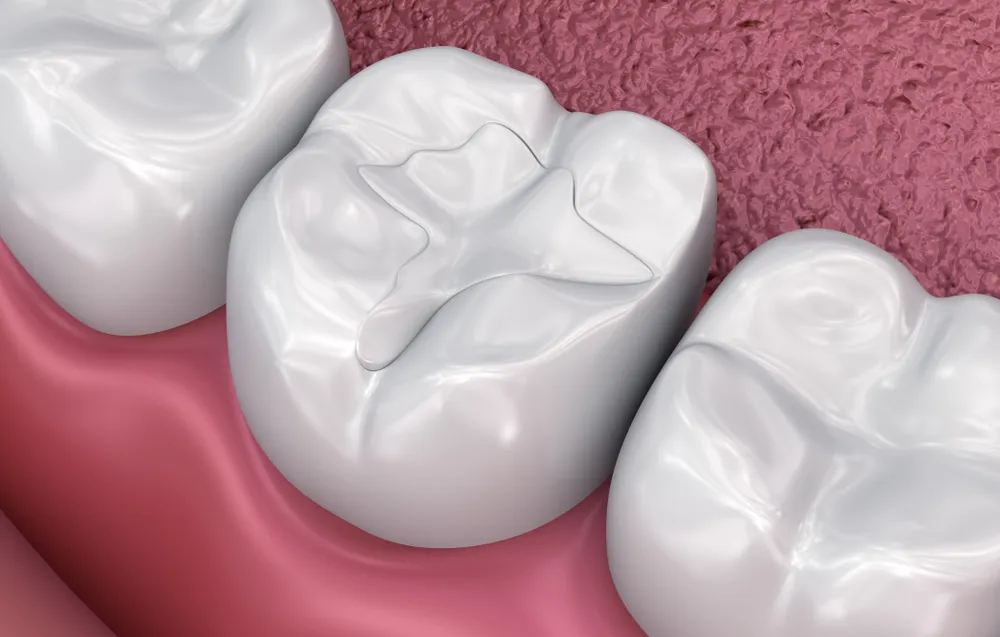
The UK and EU have restricted amalgam use in children and pregnant women over mercury concerns. Composite resins generate microplastic waste but avoid mercury entirely. Environmental regulations increasingly favour mercury-free alternatives, which influences material availability.
Feature | Composite Filling | Amalgam Filling |
Appearance | Tooth-coloured | Metallic silver |
Average Cost | Higher | Lower |
Durability | Very good | Excellent |
Suitable for Front Teeth | Excellent | Poor |
NHS Availability | Common | Limited use |
Cosmetic Appeal | High | Low |
What Additional Costs Come With a Filling?
The filling itself may not represent your total expense. Diagnostic and supportive services add to the final bill.
What Do Dental Examination Fees Cost?
NHS examinations fall under Band 1 (£27.40) or Band 2 (£75.30) depending on treatment needs. Private examinations typically cost between £30 and £80. You need an exam before any dentist places a filling.
What Do X-Rays and Diagnostic Imaging Cost?
NHS X-rays are included in your band charge. Private clinics may charge £10 to £50 per radiograph. Bitewing X-rays help dentists detect hidden decay between teeth. Large cavities that X-rays reveal may increase the complexity and cost of your filling.
What Do Emergency Dental Appointments Cost?
NHS urgent treatment costs £27.40 in England. Private emergency appointments range from £50 to £150 before treatment. An emergency dental filling addresses sudden pain or trauma but may require a follow-up permanent restoration.
What Do Sedation Options Cost?
Basic local anaesthesia is included in NHS and most private fees. Conscious sedation for anxious patients adds £100 to £300. General anaesthesia in a hospital setting costs significantly more.
What Does Replacement of a Failed Filling Cost?
NHS patients pay the standard band charge for replacement. Private patients pay per filling again. The filling replacement cost matches the initial placement fee. Regular check-ups catch failing fillings early, which prevents more expensive damage.
What Does Root Canal Treatment Cost if Decay Is Advanced?
Advanced decay that reaches the pulp requires root canal therapy. NHS root canal falls under Band 2 (£75.30). Private root canal on a molar can cost £500 to £1,000. Early filling placement prevents this escalation.
Can Dental Insurance Cover the Cost of Fillings?
Dental insurance and membership plans can reduce your out-of-pocket expenses.
Does Private Dental Insurance Cover Fillings?
Most private dental insurance policies reimburse 50% to 80% of restorative treatment costs. Annual limits typically range from £200 to £1,000. You pay the dentist first and then claim reimbursement. Pre-existing conditions and cosmetic work often fall outside coverage.
What Are Dental Membership Plans?
Dental membership plans offer monthly subscriptions that cover check-ups, hygiene visits, and discounts on treatments. These plans usually include 10% to 20% discounts on fillings. They suit patients who visit the dentist regularly.
Do Employer Dental Benefits Cover Fillings?
Some UK employers offer dental cash plans or insurance as a workplace benefit. These schemes may cover routine fillings fully or partially. Check your employee handbook for specific annual limits.
What Are Common Limitations and Exclusions?
Insurers typically exclude cosmetic work, pre-existing decay, and treatments started before policy inception. Many plans impose waiting periods of three to six months. Annual maximums cap the total payout. Read your policy terms carefully before treatment.
Is It Cheaper to Get a Tooth Filling Abroad?
Dental tourism attracts UK patients seeking lower prices. However, overseas treatment involves risks that offset apparent savings.
What Is Dental Tourism?
Dental tourism means travelling to another country specifically for cheaper dental care. Patients combine treatment with holidays. Turkey, Hungary, and Poland remain popular destinations for UK dental tourists.
How Do UK and International Filling Costs Compare?
Composite fillings abroad often cost 50% to 70% less than in the UK. However, you must factor in flights, accommodation, and time off work. The table below shows typical private composite filling costs.
Country | Average Composite Filling Cost |
UK | £80–£500 |
Turkey | £30–£150 |
Hungary | £40–£180 |
Poland | £40–£170 |
What Quality and Safety Risks Exist Abroad?
Regulatory standards vary between countries. Some overseas clinics deliver excellent care, but others cut corners. Language barriers complicate consent and aftercare. You may struggle to verify dentist qualifications or clinic accreditation from the UK.
What Follow-Up Care Do Overseas Fillings Require?
Fillings can fail, crack, or cause sensitivity. If this happens abroad, you face another trip or expensive UK private corrections. NHS dentists rarely fix complications from overseas treatment for free. The cost of cavity treatment UK patients avoid through dental tourism may return as higher corrective bills.
How Long Do Dental Fillings Last?
Filling longevity affects your lifetime dental budget. A longer-lasting filling saves money on replacements.
How Long Do Composite Fillings Last?
Composite fillings typically last 5 to 7 years in posterior teeth. Some last 10 years with excellent oral hygiene. Manhart et al. (2004) reviewed clinical survival data and concluded that annual failure rates for posterior composites range from 1% to 3% under ideal conditions. Opdam et al. (2007) reported 82.2% survival at 10 years for composite restorations in general practice.
How Long Do Amalgam Fillings Last?
Amalgam fillings often last 10 to 15 years. Bernardo et al. (2007) recorded a 94.4% seven-year survival rate for amalgam. Van Nieuwenhuysen et al. (2003) found median survival exceeding 16 years for extensive amalgam restorations. Amalgam remains the durability benchmark for large posterior cavities.
How Long Do Ceramic Fillings Last?
Ceramic fillings can last 10 to 20 years. Morimoto et al. (2016) calculated a pooled 10-year survival rate of 91% for ceramic inlays and onlays regardless of material type. Naik et al. (2022) confirmed that ceramic partial coverage restorations demonstrate excellent long-term survival in systematic reviews.
What Factors Affect Filling Longevity?
Your oral hygiene habits, diet, teeth grinding, and check-up frequency determine how long your filling lasts. Poor brushing allows plaque to accumulate at filling margins, which causes secondary caries. A high-sugar diet feeds bacteria around the restoration. Teeth grinding, or bruxism, cracks both natural enamel and filling material. Regular dental check-ups let dentists catch early signs of failure before catastrophic damage occurs.
How Can You Reduce the Cost of Dental Fillings?
Smart choices lower your lifetime dental expenses.
Why Does Early Treatment Save Money?
A small cavity costs far less to fill than a large one. Early treatment prevents decay from reaching the pulp, which avoids root canal therapy. Visit your dentist as soon as you notice sensitivity or pain.
How Can NHS Services Reduce Your Costs?
NHS Band 2 pricing caps your filling costs at £75.30 regardless of quantity. Register with an NHS dentist and attend regular check-ups. Free NHS care applies to children, pregnant women, and qualifying benefit recipients.
Can Dental Plans Lower Your Expenses?
Private dental plans spread costs through monthly payments. They often include two check-ups and one hygiene visit per year, plus discounts on fillings. Compare plans from Simplyhealth, AXA, and other providers to find one that matches your needs.
How Does Preventive Oral Care Cut Costs?
Brushing twice daily with fluoride toothpaste prevents cavities. Flossing removes plaque from between teeth where fillings commonly fail. Limiting sugary snacks reduces acid attacks on enamel. Prevention costs almost nothing compared to restorative treatment.
Should You Compare Private Dental Clinics?
Private fees vary significantly. Phone three local clinics and ask for their composite filling price list. Check online reviews for quality indicators. Some clinics offer new patient consultations at reduced rates. Comparison shopping ensures you receive fair dental treatment prices UK providers offer.
What Are the Most Common Questions About Tooth Filling Costs in the UK?
Patients frequently ask specific questions about pricing and procedures.
How Much Does a White Filling Cost in the UK?
A white filling cost UK patients between £80 and £500 privately. NHS patients may receive white fillings on front teeth under Band 2. Back teeth on the NHS typically receive amalgam unless a clinical reason justifies composite.
Are Fillings Free on the NHS?
Fillings are not free for most adults. You pay the Band 2 charge of £75.30. Children, pregnant women, and certain low-income groups qualify for free treatment. The NHS Low Income Scheme offers partial help for others.
Why Are Composite Fillings More Expensive?
Composite fillings cost more because the material is pricier and placement takes longer. Dentists must isolate the tooth, layer the resin, and cure each layer precisely. The aesthetic result justifies the higher composite filling price for many patients.
Is It Cheaper to Replace a Filling or Get a Crown?
Replacing a filling costs less than placing a crown. A large filling may cost £450, while a crown can exceed £800 privately. However, if the tooth lacks sufficient structure, a crown provides better long-term protection. Your dentist will advise based on remaining tooth strength.
How Many Fillings Can Be Done in One Appointment?
Dentists often place multiple fillings in one visit. NHS Band 2 covers all fillings in a single course of treatment. Private dentists may limit appointments based on time or patient comfort. Four to six small fillings can fit into one session.
Can a Filling Be Repaired Instead of Replaced?
Dentists can sometimes repair small chips or marginal defects without removing the entire filling. This approach costs less than full replacement. The feasibility depends on the filling material and the extent of damage.
How Much Does an Emergency Filling Cost in the UK?
NHS urgent treatment costs £27.40 and may include a temporary filling. Private emergency appointments range from £50 to £150 plus the filling fee. Permanent emergency dental filling placement follows once the tooth stabilizes.
Conclusion
The tooth filling cost UK patients encounter varies widely based on provider, material, and clinical complexity. NHS Band 2 pricing caps your expense at £75.30 for all fillings in a course of treatment. Private fees range from £80 for small composites to over £1,000 for gold restorations. Understanding these differences helps you make informed decisions.
Key differences between NHS and private treatment centre on material choice, appointment flexibility, and aesthetic options. Material selection significantly impacts both upfront cost and long-term value. Composite offers beauty but costs more. Amalgam delivers durability at a lower price. Ceramic and gold provide premium longevity for higher fees.
Treating decay early saves money and preserves tooth structure. A small cavity filling costs a fraction of a root canal or crown. Regular brushing, flossing, and dental visits prevent the need for extensive restorations. Seek professional dental assessment promptly. Delaying treatment allows decay to deepen, which increases both health risks and financial burden.
References
Abduo, Jaafar, and Sambrook, Roy. "Longevity of Ceramic Onlays: A Systematic Review." Journal of Esthetic and Restorative Dentistry, vol. 30, no. 3, 2018, pp. 193–215.
Bernardo, M., et al. "Survival and Reasons for Failure of Amalgam versus Composite Posterior Restorations Placed in a Randomized Clinical Trial." Journal of the American Dental Association, vol. 138, no. 6, 2007, pp. 775–783.
Demarco, Flávio F., et al. "Longevity of Posterior Composite Restorations: Not Only a Matter of Materials." Dental Materials, vol. 28, no. 1, 2012, pp. 87–101.
Donovan, Terence, et al. "Retrospective Clinical Evaluation of 1,314 Cast Gold Restorations in Service from 1 to 52 Years." Journal of Esthetic and Restorative Dentistry, vol. 16, no. 3, 2004, pp. 194–204.
Forsten, L. "Fluoride Release and Uptake by Glass-Ionomers and Related Materials and Its Clinical Effect." Biomaterials, vol. 19, no. 6, 1998, pp. 503–508.
Frankenberger, Roland, et al. "Leucite-Reinforced Glass Ceramic Inlays and Onlays after 12 Years." Journal of Adhesive Dentistry, vol. 10, no. 5, 2008, pp. 393–398.
Malament, Kenneth A., et al. "10.9-Year Survival of Pressed Acid Etched Monolithic E.max Lithium Disilicate Glass-Ceramic Partial Coverage Restorations." Journal of Prosthetic Dentistry, vol. 126, no. 4, 2021, pp. 523–532.
Manhart, Jürgen, et al. "Review of the Clinical Survival of Direct and Indirect Restorations in Posterior Teeth of the Permanent Dentition." Operative Dentistry, vol. 29, no. 5, 2004, pp. 481–508.
Morimoto, S., et al. "Survival Rate of Resin and Ceramic Inlays, Onlays, and Overlays: A Systematic Review and Meta-Analysis." Journal of Dental Research, vol. 95, no. 9, 2016, pp. 985–994.
Naik, V. B., et al. "Comparative Evaluation of Clinical Performance of Ceramic and Resin Inlays, Onlays, and Overlays: A Systematic Review and Meta Analysis." Journal of Conservative Dentistry, vol. 25, no. 4, 2022, pp. 347–355.
Opdam, Niek J. M., et al. "A Retrospective Clinical Study on Longevity of Posterior Composite and Amalgam Restorations." Dental Materials, vol. 23, no. 1, 2007, pp. 2–8.
Opdam, Niek J. M., et al. "12-Year Survival of Composite vs. Amalgam Restorations." Journal of Dental Research, vol. 89, no. 10, 2010, pp. 1063–1067.
Stoll, R., et al. "Longevity of Cast Gold Inlays and Partial Crowns - A Retrospective Study at a Dental School Clinic." Clinical Oral Investigations, vol. 3, no. 2, 1999, pp. 100–104.
Van Nieuwenhuysen, J. P., et al. "Long-Term Evaluation of Extensive Restorations in Permanent Teeth." Journal of Dentistry, vol. 31, no. 6, 2003, pp. 395–405.