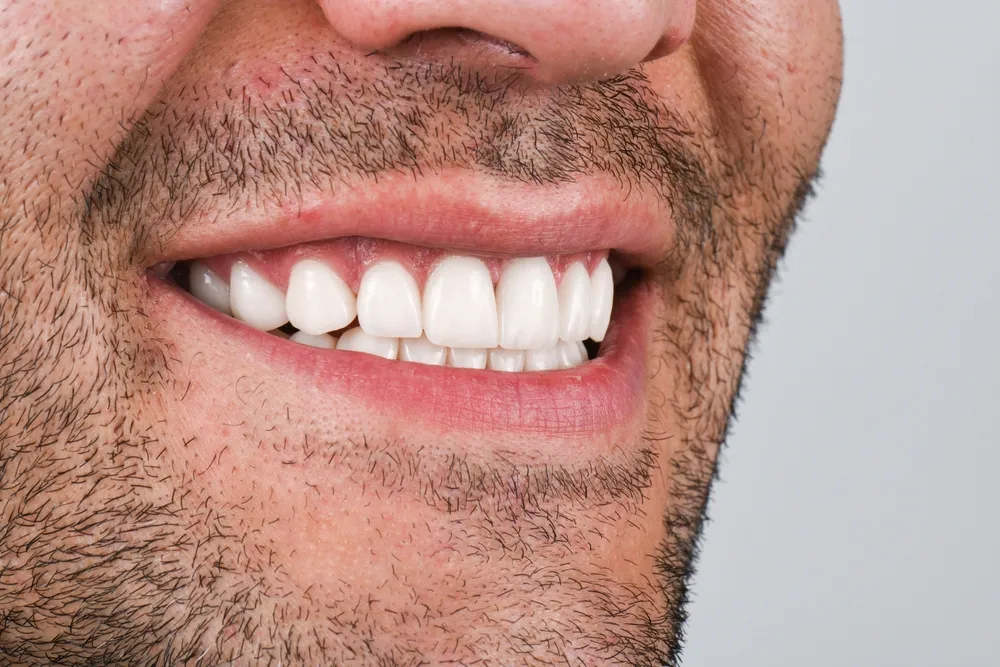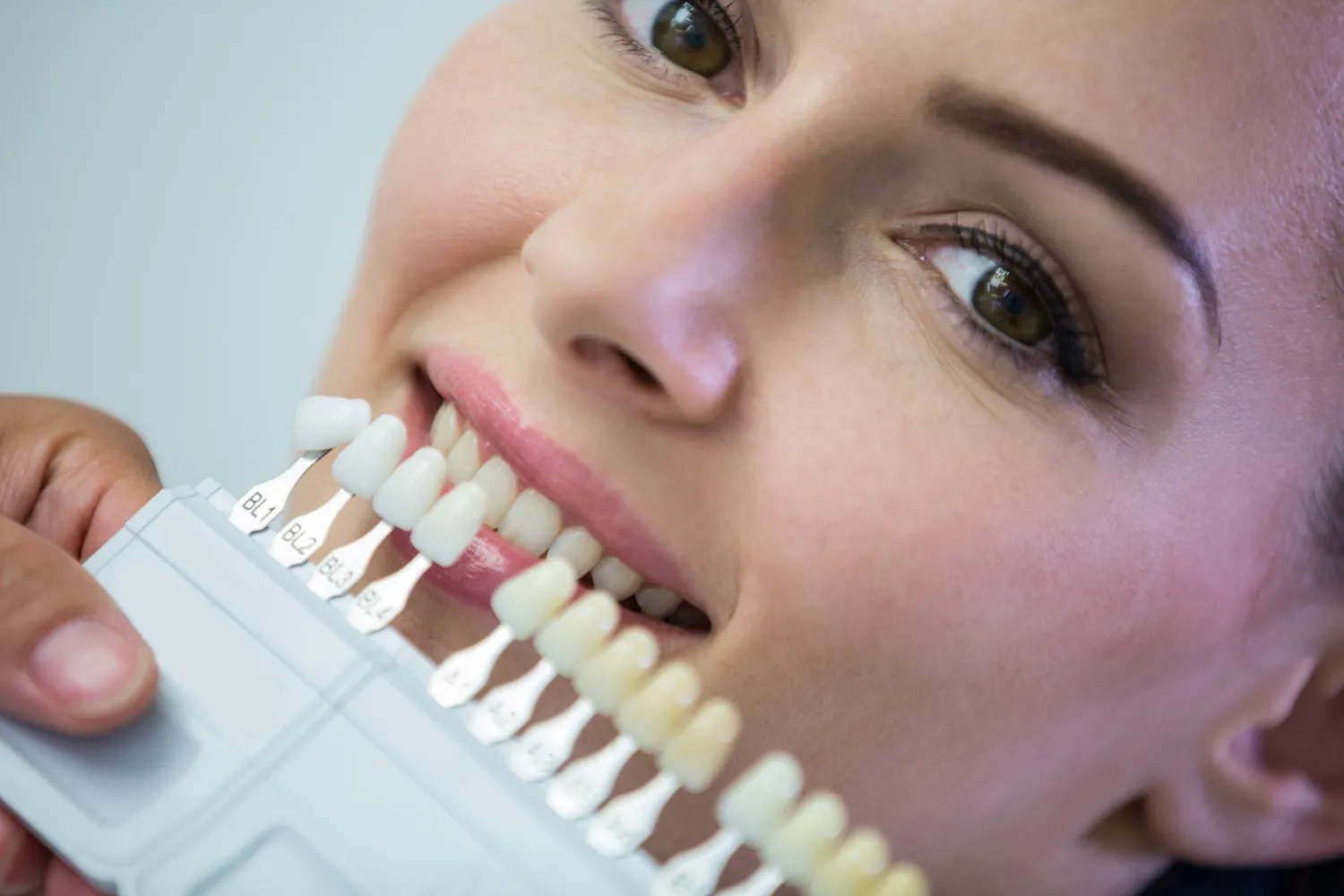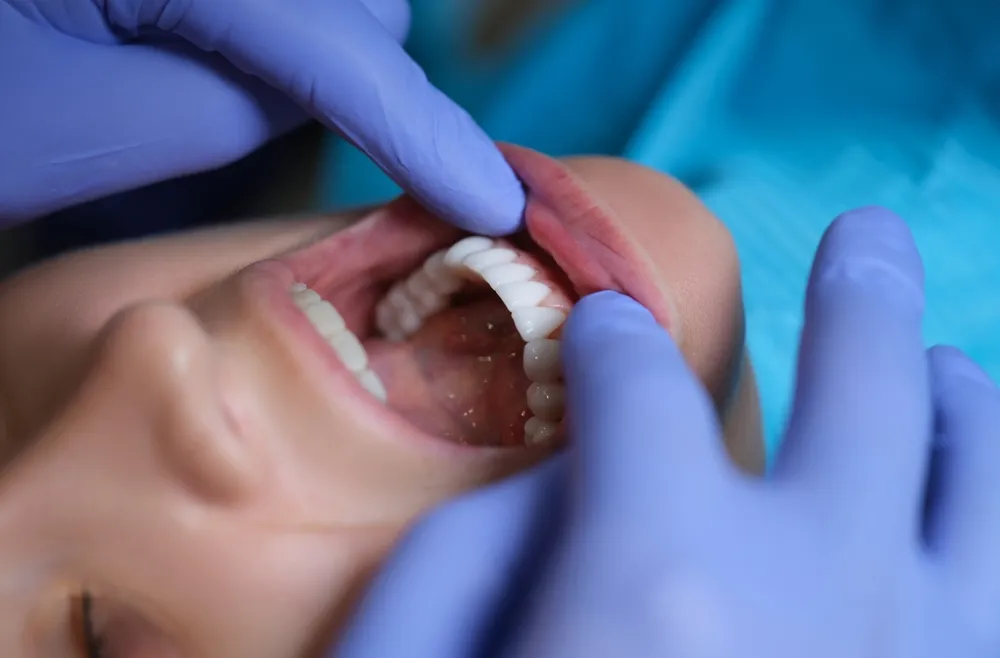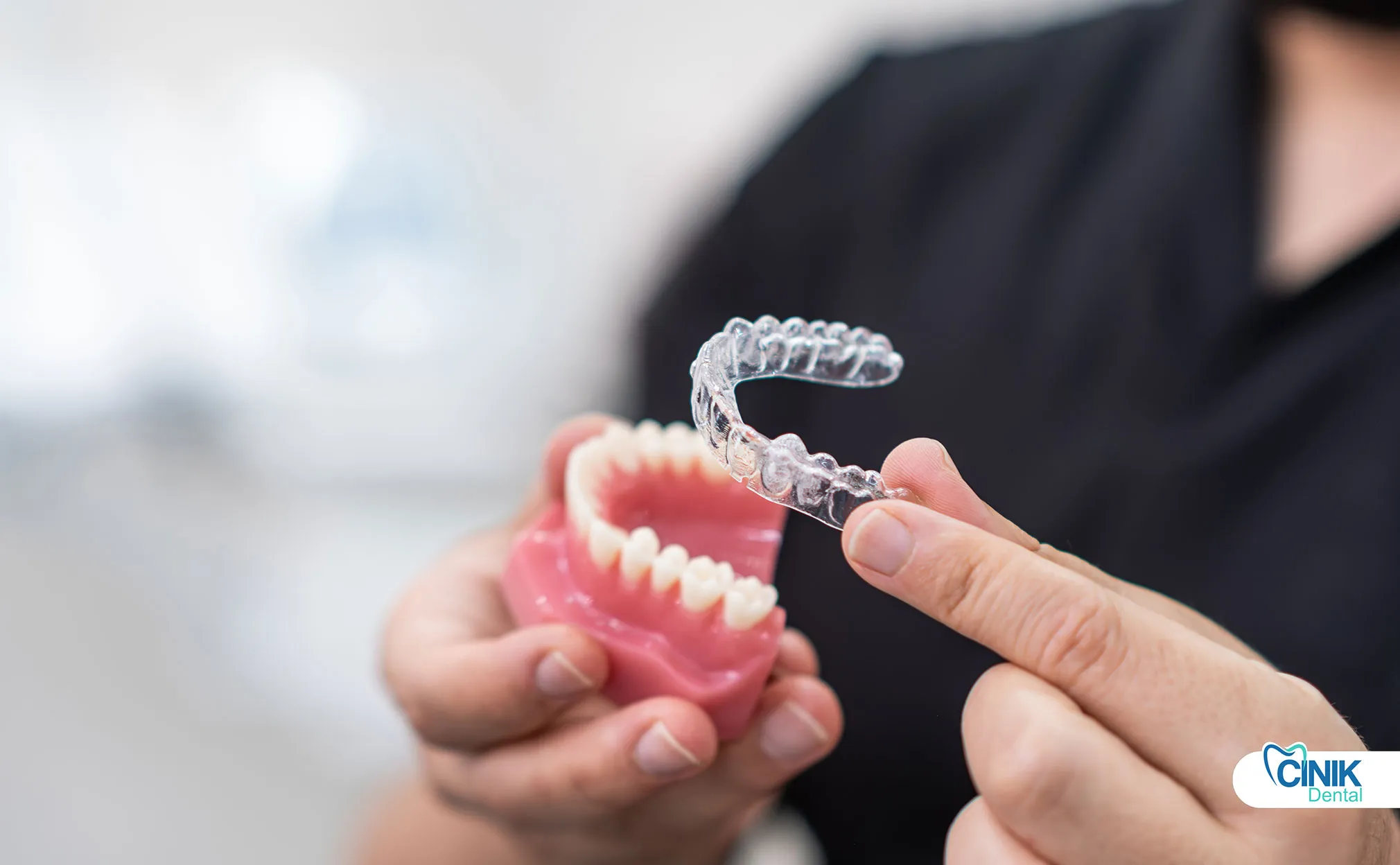
Clear aligners for teeth are transparent plastic trays that straighten teeth without metal brackets or wires. Adults choose them because they want a discreet, comfortable, and effective way to improve their smile.
Modern dentistry keeps evolving. Patients now demand treatments that blend health benefits with aesthetic appeal. Clear aligners for teeth meet this demand perfectly. These devices offer a patient-centered approach to orthodontic care. They eliminate the social stigma that metal braces often carry. They also reduce the physical discomfort that fixed appliances cause. The global orthodontic market has shifted dramatically toward invisible solutions. More adults now seek teeth straightening without braces than ever before. This trend reflects a broader change in healthcare priorities. Patients want results. They also want convenience and discretion. Clear aligners deliver all three. This article explores every aspect of clear aligner therapy. It uses scientific evidence and real clinical insights. The goal is simple. We want to help you understand whether clear aligners fit your needs.
What Are Clear Aligners and How Do Orthodontists Classify Them?
Clear aligners are transparent, removable trays made from medical-grade plastic. Orthodontists classify them by material type, supervision level, and brand technology.
Clear aligners are orthodontic devices. They fit snugly over your teeth. They apply gentle pressure to specific teeth. This pressure moves teeth gradually into better positions. The aligner itself is a thermoplastic tray. Thermoplastic means the material softens under heat. Manufacturers heat the plastic and mold it to a digital model of your mouth. The result is a custom-fit device. The device is nearly invisible. Most people will not notice you wear it.
What Materials Make Up Clear Aligners?
Medical-grade thermoplastic polymers form clear aligners. These polymers are safe, durable, and transparent.
Manufacturers use polyethylene terephthalate glycol. They also use polyurethane derivatives. Scientists call these materials medical-grade thermoplastics. The body tolerates these polymers well. They contain no bisphenol A. They resist staining and cracking. They also maintain their shape under oral conditions. The thickness of each tray ranges from 0.5 to 1.0 millimeter. This thin profile makes the aligner comfortable. It also makes the aligner discreet. Researchers at leading dental schools have tested these materials extensively. The materials withstand the forces of chewing. They also allow the controlled flexibility needed for tooth movement (Weir 2017, 58).
What Types of Clear Aligners Can Patients Find?
Patients find two main types. In-office systems require orthodontist supervision. Direct-to-consumer systems ship aligners without office visits.
In-office aligner systems dominate the professional market. Invisalign treatment represents the most famous example. An orthodontist examines your mouth. The orthodontist takes scans. The orthodontist monitors progress every six to eight weeks. This supervision ensures safety. It also improves outcomes. Direct-to-consumer companies offer an alternative. They ship impression kits to your home. You take your own molds. A remote dentist reviews your case. The company mails aligners directly to you. This option costs less. However, it lacks hands-on supervision. The American Association of Orthodontists warns patients about remote options. Complex cases need direct professional care. You should choose in-office treatment if your case involves bite issues or significant crowding.
Which Dental Problems Respond to Clear Aligners?
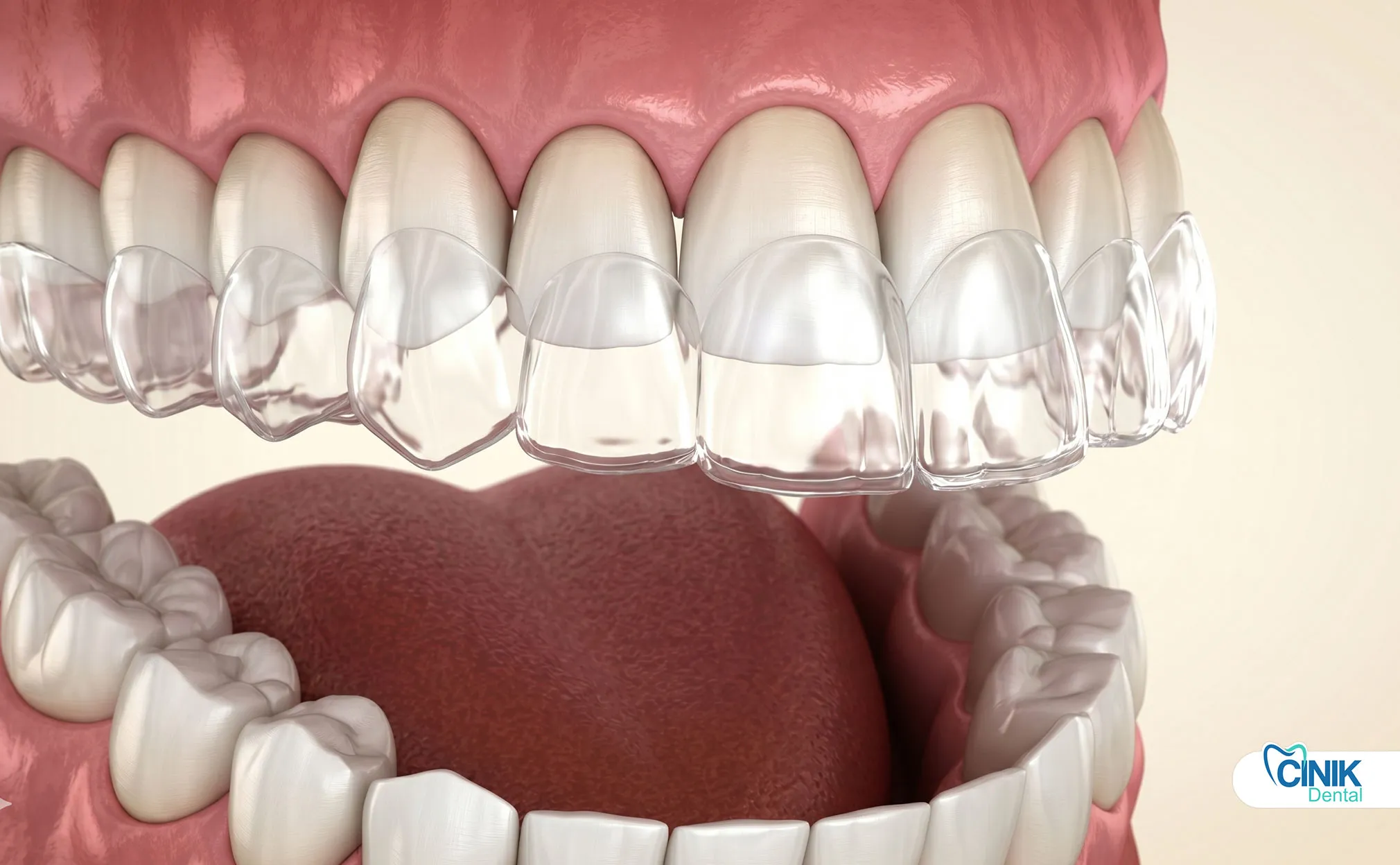
Clear aligners treat mild to moderate crowding, spacing, and some bite issues. They also correct relapse cases after previous orthodontic work.
Orthodontists recommend clear aligners for specific conditions. These conditions include minor crowding. They include small gaps between teeth. They include mild overbite or underbite. They also include open bite cases in some patients. The aligners excel at moving single teeth. They work well for anterior teeth. They struggle with complex skeletal problems. They also struggle with severe rotations. A thorough orthodontic evaluation determines whether you qualify. The orthodontist checks your bone structure. The orthodontist checks your root positions. The orthodontist checks your gum health. Only then can the orthodontist recommend clear aligners (Rossini et al. 2015, 881).
How Did Clear Aligners Evolve From Traditional Braces?
Clear aligners evolved from metal braces through digital scanning, 3D modeling, and advanced manufacturing. This evolution began in the late 1990s.
Metal braces dominated orthodontics for over a century. They used brackets bonded to teeth. They used wires to pull teeth into place. This system worked. But it caused discomfort. It limited diet choices. It created social anxiety for many adults. In 1997, a Stanford graduate named Zia Chishti imagined a better way. He patented a system using computer-generated trays. This system became Invisalign. The FDA approved Invisalign in 1998. By the early 2000s, orthodontists began adopting the technology. Early versions had limitations. They could only handle simple cases. Modern software and materials have changed that. Today, clear aligners treat moderate complexity cases successfully. The technology keeps improving. Artificial intelligence now assists treatment planning. This evolution represents one of the biggest shifts in dental history (Boyd and Vlaskalic 2001, 260).
How Do Clear Aligners Move Teeth Step by Step?
Clear aligners move teeth through sequential trays. Each tray shifts teeth by about 0.25 to 0.33 millimeters. Patients change trays every one to two weeks.
The mechanism behind clear aligners fascinates both patients and scientists. Each aligner tray differs slightly from the previous one. The tray presses against specific teeth. This pressure creates a biological response. The tooth begins to move. The patient wears the tray for one to two weeks. Then the patient switches to the next tray. This sequence continues until treatment ends. The number of trays varies. Simple cases need ten to fifteen trays. Complex cases need forty or more trays.
What Biological Process Powers Tooth Movement?
The periodontal ligament and bone remodeling power tooth movement. Osteoclasts break down bone. Osteoblasts build new bone.
Every tooth sits in a socket. Fibers called the periodontal ligament connect the tooth to the bone. This ligament contains blood vessels. It contains nerves. It contains cells that respond to pressure. When an aligner pushes a tooth, the ligament compresses on one side. It stretches on the other side. This compression signals the body. Special cells called osteoclasts arrive. Osteoclasts dissolve bone on the compressed side. This creates space. On the stretched side, osteoblasts deposit new bone. This process is bone remodeling. It happens constantly in your body. Clear aligners harness this natural process. They direct it precisely. Scientists call this orthodontic tooth movement. It requires time. It requires consistent force. It also requires healthy tissue. Poor gum health slows this process. Smoking also slows it. Good oral hygiene supports it (Hennessy and Al-Awadhi 2016, 68).
What Digital Technology Plans the Treatment?
Orthodontists use intraoral scanners, CAD/CAM software, and 3D printers to plan treatment. CAD means computer-aided design. CAM means computer-aided manufacturing.
The digital workflow starts with scanning. The orthodontist uses a small wand. This wand captures thousands of images per second. It creates a 3D model of your teeth. No goopy impressions needed. The software analyzes the model. It predicts how each tooth should move. It simulates the final result. You can see your future smile before treatment starts. The orthodontist reviews the simulation. The orthodontist adjusts the plan. Then the lab receives the digital file. The lab uses the file to manufacture your aligners. This process ensures accuracy. It also ensures predictability. Modern software can even calculate the force each aligner will apply. This precision reduces treatment errors. It also reduces the need for mid-treatment corrections (Kuo and Miller 2003, 578).
How Many Hours Must Patients Wear Each Aligner?
Patients must wear aligners twenty to twenty-two hours per day. They remove aligners only for eating, drinking, and oral hygiene.
Compliance determines success. The aligner only works when it sits on your teeth. Removing it for long breaks stops tooth movement. It can even reverse progress. Dentists recommend twenty-two hours of daily wear. This leaves two hours for meals and cleaning. Some patients cheat. They leave aligners out during social events. They leave them out while working. This habit extends treatment time. It also compromises results. Research shows that consistent wearers finish treatment on schedule. Inconsistent wearers need refinements. Refinements mean extra trays. Extra trays mean extra cost and extra time. The rule is simple. Wear your aligners. Follow the schedule. Trust the process.
Who Qualifies for Clear Aligner Treatment?
Patients with mild to moderate crowding or spacing qualify. Patients with severe skeletal problems or untreated gum disease do not qualify.
Not everyone can use clear aligners. Case selection matters. Orthodontists evaluate many factors. They look at tooth position. They look at bone levels. They look at jaw relationships. They also look at patient motivation. A good candidate has realistic expectations. A good candidate commits to daily wear. A good candidate maintains oral hygiene.
Which Cases Suit Clear Aligners Best?
Mild crowding, small gaps, minor bite issues, and relapse after braces suit clear aligners best.
Clear aligners excel at straightforward movements. They tip teeth forward or backward. They rotate teeth slightly. They close small spaces. They also intrude or extrude teeth carefully. Adults who had braces as teens often experience relapse. Their teeth shifted back slightly. Clear aligners correct this relapse quickly. The treatment time for relapse cases often spans three to six months. Patients love this speed. Orthodontists also use clear aligners for minor aesthetic adjustments. These cases need precision, not heavy force. The aligners deliver exactly that.
Which Cases Do Not Suit Clear Aligners?
Severe malocclusion, large skeletal discrepancies, impacted teeth, and poor periodontal health do not suit clear aligners.
Some cases need traditional braces. Some cases need surgery. Severe overjet means the upper teeth protrude far over the lower teeth. This condition often needs braces with elastic bands. It sometimes needs jaw surgery. Severe crowding with blocked-out teeth also challenges aligners. The aligner cannot grab a tooth that sits completely outside the arch. Impacted canines pose another problem. These teeth sit below the gum line. They need surgical exposure. They need brackets with chains to pull them into place. Clear aligners cannot do this alone. Patients with active gum disease need treatment first. Moving teeth in unhealthy bone causes tooth loss. An honest orthodontist will tell you when braces serve you better. This honesty protects your health. It also protects your investment (Rossini et al. 2015, 885).
What Benefits Do Clear Aligners Offer Patients?
Clear aligners offer aesthetic appeal, removability, comfort, and lifestyle compatibility. They improve oral hygiene and reduce emergency visits.
The advantages of clear aligners extend beyond looks. Yes, they are nearly invisible. But they also improve function. They also improve health. They also improve quality of life. Let us explore each benefit in detail.
How Do Clear Aligners Improve Appearance?
Clear aligners use transparent plastic. Most people cannot see them from conversational distance.
Adults avoid braces because of social perception. They worry about professional image. They worry about dating. They worry about photographs. Clear aligners remove this worry. The trays fit flush against teeth. They do not reflect light like metal. They do not catch food like wires. You can smile confidently during treatment. This psychological benefit matters. Studies show that aesthetic concerns top the list of reasons adults choose clear aligners. Invisible braces allow treatment without announcing it to the world. This discretion appeals to teachers, lawyers, salespeople, and public speakers. It appeals to anyone who interacts with others daily.
Why Does Removability Help Oral Hygiene?
Patients remove aligners to brush and floss. This allows normal cleaning without special tools.
Fixed braces trap food. They block toothbrush bristles. They require floss threaders. They require interdental brushes. Patients with braces often develop white spots. They develop cavities. They develop gum inflammation. Clear aligners eliminate these risks. You pop out the tray. You brush your teeth normally. You floss normally. You rinse the aligner. You put it back in. This routine takes minutes. It maintains the health you had before treatment. Good hygiene also prevents bad breath. It prevents staining. It keeps your gums pink and firm. The removability feature represents a major health advantage. Dentists strongly favor it.
How Do Clear Aligners Fit Professional Lifestyles?
Clear aligners impose no dietary limits. They require fewer office visits. They cause less pain than braces.
You eat what you want with clear aligners. You remove the tray. You eat steak, apples, or corn. You clean your teeth. You replace the tray. Braces restrict your diet. They ban hard foods. They ban sticky foods. They ban chewy foods. Clear aligners ban nothing. You also visit the orthodontist less often. Most aligner patients check in every eight to twelve weeks. Brace patients need adjustments every four to six weeks. Fewer visits save time. They also save money on gas or transit. The smooth plastic causes less irritation. Wires poke cheeks. Brackets rub lips. Aligners have no sharp edges. You adapt within days. You speak normally within a week. The comfort level surprises most new patients (Miller et al. 2007, e9).
What Limitations Should Patients Consider?
Clear aligners require strict compliance. They cost more than some braces. They may need refinements. They cannot treat every case.
Every treatment has downsides. Clear aligners depend entirely on patient behavior. Forgetful patients fail. Patients who snack constantly fail. The aligner must stay in your mouth. It must stay there twenty-two hours daily. This discipline challenges some people. Cost also concerns many patients. Clear aligner cost often exceeds the price of basic metal braces. Insurance coverage varies. Some plans cover half the cost. Some plans cover nothing. Complex cases may need refinements. Refinements mean new scans. They mean new trays. They mean extra months. Finally, clear aligners cannot fix everything. Severe problems need braces. You must accept these limits before you start.
How Do Clear Aligners Compare to Traditional Braces?
Clear aligners beat braces in aesthetics and hygiene. Braces beat aligners in complex case handling and cost control.
Patients often ask for a direct comparison. The table below shows the key differences.
Factor | Clear Aligners | Traditional Braces |
Appearance | Transparent trays hide treatment | Metal brackets and wires show treatment |
Removability | Patients remove trays for meals | Brackets stay fixed to teeth |
Diet | No food restrictions | Patients avoid hard and sticky foods |
Oral Hygiene | Normal brushing and flossing | Patients need special floss threaders |
Comfort | Smooth plastic causes little irritation | Wires and brackets may irritate cheeks |
Office Visits | Every 6 to 12 weeks | Every 4 to 6 weeks |
Treatment Time | 6 to 18 months for most cases | 18 to 36 months for most cases |
Cost | $3,000 to $8,000 | $2,500 to $7,000 |
Complex Cases | Limited effectiveness | Handles severe crowding and bite issues |
Patient Compliance | Requires 22-hour daily wear | Works continuously without patient choice |
Braces remain the gold standard for difficult cases. They apply constant force. They do not rely on patient discipline. They also cost less in many markets. However, clear aligners win for adults with mild to moderate needs. The aligners vs braces debate depends on your specific case. An orthodontist can guide this choice. Ask for an honest assessment. Request both options if possible. Then decide based on your priorities.
What Steps Does the Treatment Workflow Include?
Clear aligner treatment includes consultation, digital planning, fabrication, active wear, and retention. Each step requires precision and patience.
The journey from crooked teeth to a straight smile follows a clear path. Understanding this path helps you prepare. It also helps you stay committed.
What Happens During the Initial Consultation?
The orthodontist examines your teeth, takes scans, and discusses your goals. This visit lasts about one hour.
You sit in the chair. The orthodontist looks at your bite. The orthodontist checks for cavities. The orthodontist checks for gum disease. The orthodontist takes photos. The orthodontist takes X-rays. Then the orthodontist scans your teeth. The scan creates a 3D model instantly. The orthodontist shows you the model. You discuss what you want to change. The orthodontist explains whether aligners can achieve it. The orthodontist also estimates treatment time. The orthodontist estimates cost. You leave with a clear picture. You also leave with a treatment plan draft.
How Do Dentists Simulate Tooth Movement?
Software moves virtual teeth step by step. The orthodontist reviews each step. The patient previews the final smile.
The digital model enters specialized software. This software knows biomechanics. It knows how teeth respond to force. It calculates safe movement paths. The technician moves each tooth virtually. They create a series of stages. Each stage represents one aligner tray. The orthodontist reviews the simulation. The orthodontist checks root positions. The orthodontist checks bite contacts. The orthodontist adjusts the plan if needed. The software then generates a treatment animation. You watch your teeth move on screen. You see the final result. This preview motivates many patients. It also sets realistic expectations. You know exactly what you will look like (Boyd and Vlaskalic 2001, 264).
How Do Labs Manufacture Custom Aligners?
Labs use 3D printing and thermoforming. They print models of each stage. They heat plastic over each model.
Once you approve the plan, the lab begins work. The lab receives your digital file. The file contains every stage of treatment. The lab prints physical models using resin printers. Each model represents one step. Technicians heat thermoplastic sheets. They vacuum-form the sheets over the models. They trim the plastic precisely. They polish the edges. They inspect each tray for defects. Then they package the trays in sequence. The full set ships to your orthodontist. This process takes two to four weeks. Some companies now print aligners directly. This direct printing speeds up production. It also reduces waste. Technology keeps improving this step.
What Happens During Active Treatment?
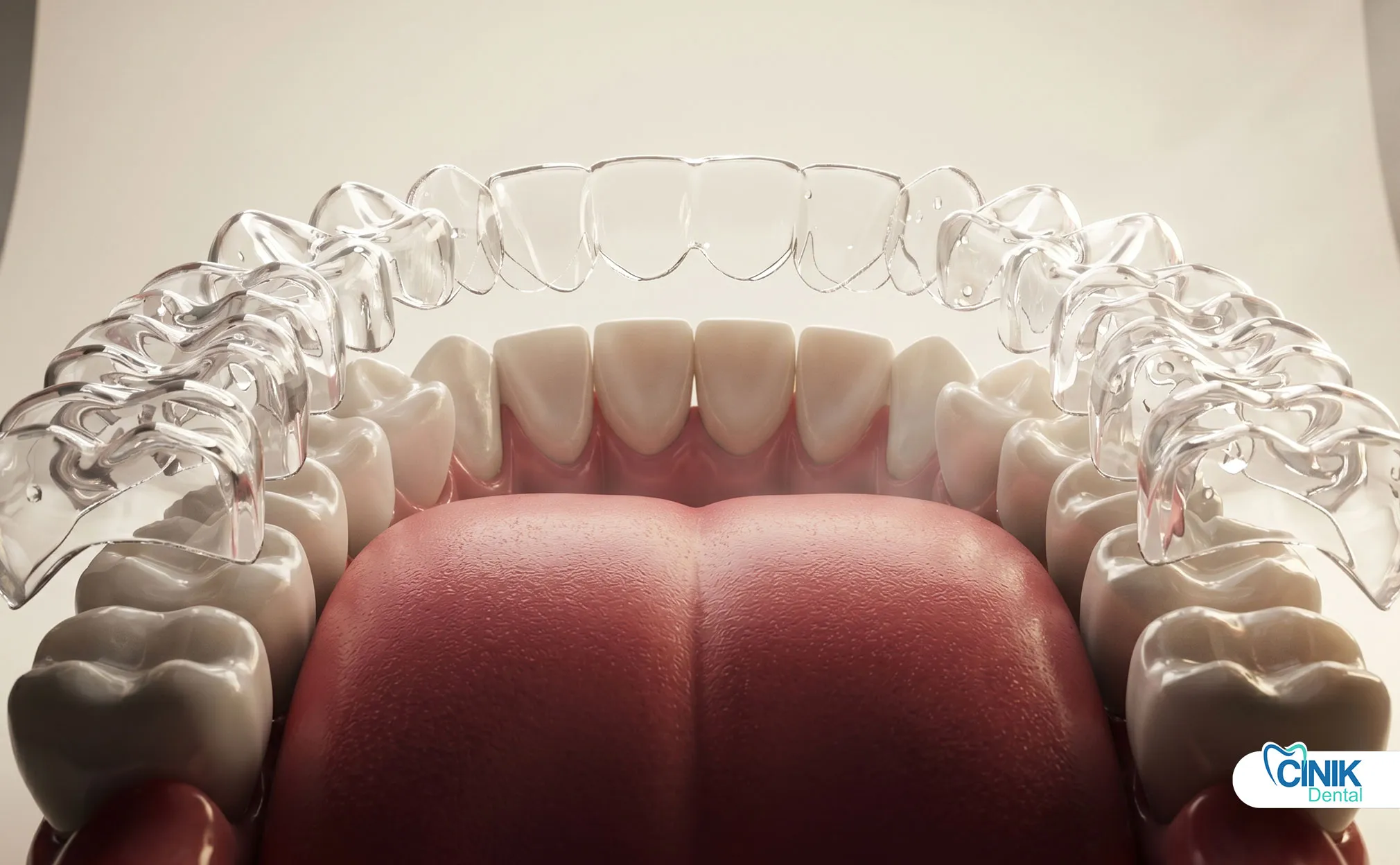
Patients wear each tray for one to two weeks. They visit the orthodontist for progress checks. The orthodontist adds attachments if needed.
You receive your aligners. You wear the first tray. It feels tight. This tightness means it works. You wear it twenty-two hours daily. You remove it only to eat and brush. After one to two weeks, you switch to tray two. The new tray feels different. It targets different teeth. You continue this sequence. Every eight to twelve weeks, you visit the orthodontist. The orthodontist checks your tracking. Tracking means your teeth follow the plan. If a tooth lags behind, the orthodontist adds an attachment. Attachments are small tooth-colored bumps. They help the aligner grip the tooth. They improve movement control. Some patients also need interproximal reduction. IPR means the orthodontist polishes tiny amounts of enamel between teeth. This creates space. It allows crowded teeth to align. IPR is safe. It does not damage teeth. It removes only fractions of a millimeter.
Why Do Patients Need Retainers After Treatment?
Retainers hold teeth in position. Teeth want to shift back. Retainers prevent this relapse.
Your last aligner tray finishes the active phase. But your treatment does not end. Your bone needs time to solidify around the new tooth positions. Your periodontal ligament needs time to adapt. Without support, teeth drift back. Retainers provide this support. You wear retainers full-time for the first few months. Then you switch to nighttime wear. You wear them indefinitely. This protocol protects your investment. It protects your smile. Clear retainers look like aligners. Hawley retainers use wire and acrylic. Fixed retainers bond behind the front teeth. Your orthodontist recommends the best type for you. Never skip retention. Relapse wastes money. It also wastes time (Kuncio et al. 2007, e1).
How Long Does Clear Aligner Treatment Take?
Most patients finish in six to eighteen months. Simple cases take three to six months. Complex cases take eighteen to twenty-four months.
Treatment duration varies widely. It depends on your starting point. It depends on your goals. It depends on your compliance. The table below shows typical timelines.
Case Type | Average Duration | Aligner Count |
Minor spacing | 3 to 6 months | 10 to 15 trays |
Mild crowding | 6 to 12 months | 15 to 25 trays |
Moderate crowding | 12 to 18 months | 25 to 40 trays |
Bite correction | 18 to 24 months | 40 to 60 trays |
Predictability has improved. Modern software forecasts timelines accurately. However, patient behavior affects reality. Patients who wear aligners twenty-two hours daily hit these targets. Patients who skip hours need extra time. Some patients need mid-course corrections. These refinements add months. Choose commitment if you want speed.
What Does Daily Life With Clear Aligners Feel Like?
Daily life requires discipline. Patients adapt to speaking and eating routines within one to two weeks.
The first few days challenge new patients. The aligner feels bulky. It affects speech slightly. You may lisp on certain sounds. This lisp fades quickly. Your tongue learns the new landscape. Eating requires planning. You must remove the aligner before meals. You must brush before reinserting it. This routine feels strict at first. Then it becomes automatic. Social situations need minor adjustments. You discreetly remove the aligner before dinner dates. You store it in its case. Never wrap it in a napkin. Someone will throw it away. Always carry your case. Always carry a travel toothbrush. These habits protect your aligners. They also protect your teeth. Most patients report high satisfaction after the adjustment period. The convenience outweighs the early hassle (Miller et al. 2007, e12).
What New Technologies Improve Clear Aligners?
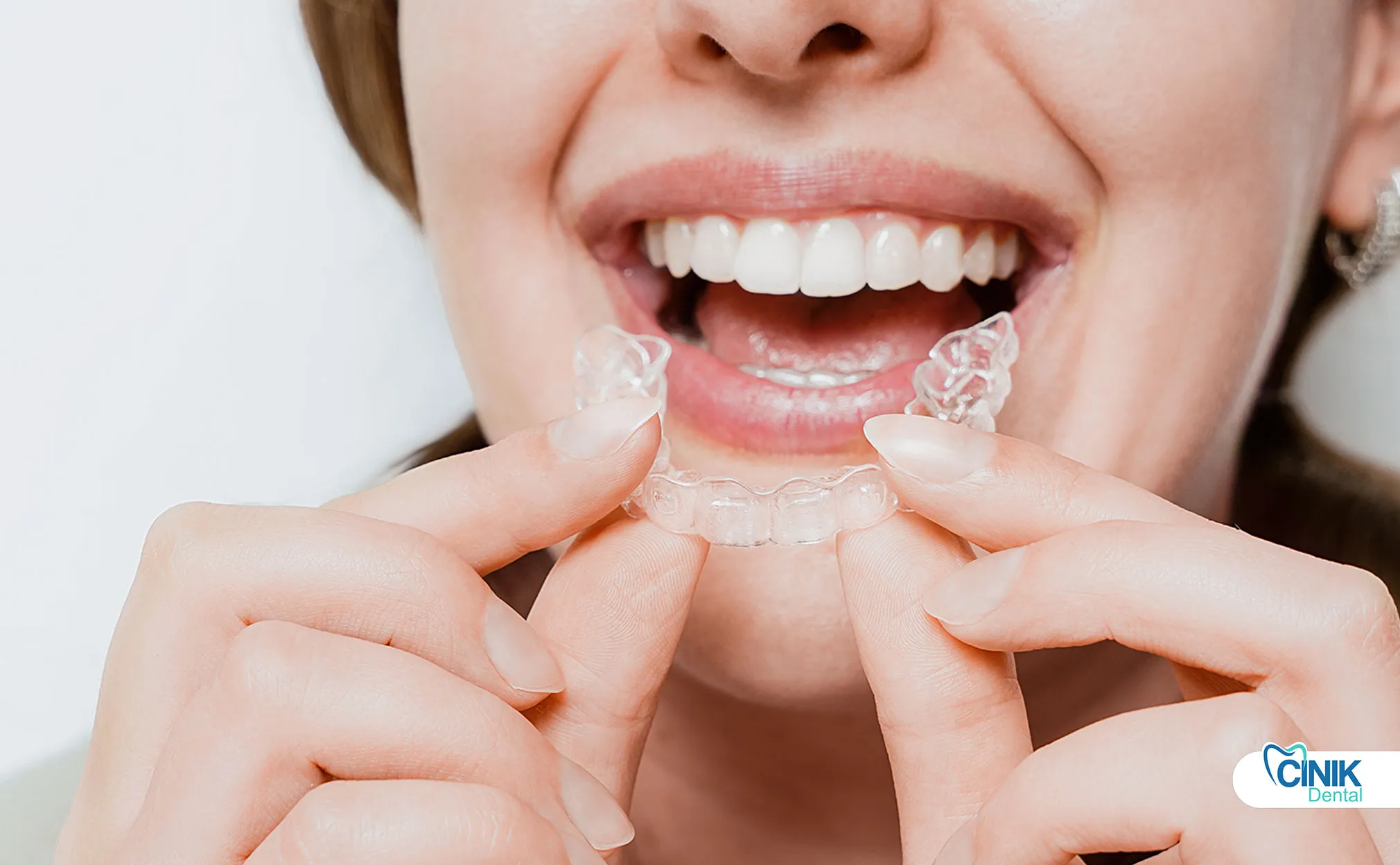
Artificial intelligence, smart materials, and direct 3D printing improve clear aligners. These technologies increase accuracy and comfort.
Innovation drives orthodontics forward. AI now analyzes thousands of previous cases. It predicts outcomes better than humans alone. It suggests optimal tooth movement paths. It reduces planning time. It also reduces errors. Smart materials represent another breakthrough. Engineers develop plastics with variable stiffness. These materials apply optimal force. They reduce discomfort. They also speed up movement. Some companies now print aligners directly. They skip the thermoforming step. This direct printing allows finer details. It allows better fit. It also reduces production waste. Future aligners may contain sensors. These sensors could track wear time. They could alert patients via smartphone apps. They could send data to orthodontists. The field of digital orthodontics keeps expanding. Patients will benefit from every advance (Simon et al. 2014, 3).
How Much Do Clear Aligners Cost?
Clear aligners cost between three thousand and eight thousand dollars. Prices vary by case complexity, provider, and location.
Cost concerns every patient. You deserve transparency. The table below breaks down cost factors.
Cost Factor | Price Impact |
Mild case complexity | $3,000 to $4,500 |
Moderate case complexity | $4,500 to $6,500 |
Severe case complexity | $6,500 to $8,000+ |
Urban provider location | Adds $500 to $1,000 |
Rural provider location | Subtracts $500 to $1,000 |
Premium brand (Invisalign) | Adds 10% to 20% |
Generic brand | Subtracts 20% to 30% |
Insurance coverage | May cover $1,000 to $3,000 |
Financing plans | Monthly payments of $100 to $300 |
Insurance sometimes covers orthodontic treatment. Many plans include a lifetime benefit. This benefit often reaches one thousand to three thousand dollars. Check your policy. Ask your provider about financing. Most offices offer payment plans. Some offer zero-interest options. Compare the cost to the value. A straight smile lasts decades. It improves oral health. It improves confidence. It improves professional prospects. View clear aligners as an investment in yourself.
What Safety Concerns Should Patients Understand?
Clear aligners are safe. Rare risks include root resorption and poor tracking. Professional supervision minimizes these risks.
All orthodontic treatments carry some risk. Clear aligners present fewer risks than braces. But patients should still know the facts. Root resorption means the root tip shortens slightly. This happens with any tooth movement. Studies show that aligners cause minimal resorption. The amount is usually microscopic. It rarely affects tooth health. Poor tracking means a tooth does not move as planned. This happens when patients skip wear time. It also happens with poorly designed trays. The orthodontist spots tracking issues early. The orthodontist adjusts the plan. Attachments help prevent tracking problems. Some patients worry about plastic safety. The thermoplastic contains no BPA. It contains no phthalates. Regulatory agencies approve these materials. The FDA classifies them as safe for oral use. Always choose professional treatment. Remote treatment increases risk. It lacks hands-on monitoring. It lacks emergency support. Your teeth deserve professional care (Rossini et al. 2015, 883).
How Long Do Results Last After Treatment?
Results last indefinitely with proper retention. Teeth shift back without retainers. Retainers preserve your investment.
Stability depends on retention. It also depends on biology. The periodontal ligament has memory. It remembers the old tooth position. It pulls teeth back for months after treatment. Retainers fight this memory. They hold teeth in the new position. Long-term studies show excellent stability. Patients who wear retainers maintain results for decades. Patients who stop wearing retainers experience relapse. The relapse may be minor. It may be major. It depends on the original problem. It also depends on age. Younger patients stabilize faster. Older patients need longer retention. Some patients need fixed retainers permanently. These thin wires hide behind the front teeth. They provide constant protection. Talk to your orthodontist about retention protocols. Follow them exactly. Your future smile depends on it.
What Does the Future Hold for Clear Aligners?
Future clear aligners will use AI, treat complex cases, and integrate with personalized medicine. Research keeps expanding their capabilities.
Scientists continue studying clear aligners. They want to know the exact force levels for each movement. They want to improve materials. They want to reduce treatment time. Current evidence supports aligners for mild to moderate cases. Evidence for complex cases remains limited. Future studies will fill this gap. Engineers work on self-adjusting materials. These materials could change stiffness as teeth move. They could reduce the number of trays needed. AI will personalize every treatment. It will analyze your bone density. It will analyze your gum health. It will adjust the plan accordingly. Digital orthodontics will merge with telehealth. Patients will send progress scans from home. Orthodontists will monitor remotely. This hybrid model will improve access. It will also maintain quality. The future looks bright for clear aligner therapy.
Are Clear Aligners the Right Choice for Modern Patients?
Clear aligners offer a proven, patient-friendly solution for mild to moderate orthodontic issues. They combine science, technology, and aesthetics.
Clear aligners for teeth have transformed orthodontics. They give adults a second chance at straight teeth. They do so without metal. They do so without social stigma. They rely on solid biology. They rely on digital precision. They rely on patient commitment. The evidence supports their effectiveness. The technology keeps improving. The patient experience remains positive. You must choose professional supervision. You must commit to daily wear. You must follow retention protocols. If you do these things, clear aligners will serve you well. They will improve your smile. They will improve your health. They will improve your confidence. Consult a qualified orthodontist. Ask about clear aligners. Ask about your specific case. Take the first step toward the smile you deserve.
What Questions Do Patients Ask Most About Clear Aligners?
Patients ask about effectiveness, duration, pain, candidacy, and cost. The answers below address each concern directly.
Are Clear Aligners as Effective as Braces?
Clear aligners match braces for mild to moderate cases. Braces work better for severe cases.
Research confirms this finding. Rossini and colleagues analyzed eleven studies in 2015. They found that clear aligners achieve results comparable to braces for straightforward movements. They also found that braces outperform aligners for complex rotations and extrusions. Your orthodontist will know which tool fits your case. Trust their judgment.
How Long Do Clear Aligners Take?
Most treatments last six to eighteen months. Simple cases finish faster.
The exact timeline depends on your teeth. It depends on your compliance. It depends on your orthodontist's skill. Most adults finish within one year. Some finish sooner. Ask your provider for a specific estimate.
Do Clear Aligners Hurt?
Clear aligners cause mild pressure. They do not cause the sharp pain of braces.
Each new tray feels tight for two to three days. This pressure signals movement. It is not sharp. It does not cut your mouth. Over-the-counter pain relievers help if needed. Most patients report less pain than brace patients.
Can Anyone Use Clear Aligners?
No. Only patients with mild to moderate issues qualify. Children and patients with severe problems need alternatives.
Age matters less than tooth health. Teenagers can use aligners. Companies make special teen aligners with eruption tabs. Adults of any age can use them. However, severe cases need braces. Gum disease needs treatment first. Your orthodontist will screen you properly.
How Much Do Clear Aligners Cost?
Prices range from three thousand to eight thousand dollars. Insurance and financing help many patients.
Costs vary by region. They vary by provider. They vary by complexity. Get quotes from multiple orthodontists. Ask about payment plans. Ask about insurance acceptance. Invest in quality care. Cheap remote options risk your dental health.
References
Boyd, Robert L., and Vlaskalic, Vicki. "Three-Dimensional Diagnosis and Orthodontic Treatment Planning with the Invisalign System." Seminars in Orthodontics, vol. 7, no. 4, 2001, pp. 260-268.
Clements, Keith M., et al. "Activation Time and Material Stiffness of Sequential Removable Orthodontic Appliances. Part 1: Ability to Complete Treatment." American Journal of Orthodontics and Dentofacial Orthopedics, vol. 124, no. 5, 2003, pp. 496-501.
Hennessy, Joe, and Al-Awadhi, Ebrahim A. "Clear Aligners Generations and Orthodontic Tooth Movement." Journal of Orthodontics, vol. 43, no. 1, 2016, pp. 68-76.
Joffe, Leslie. "Invisalign: Early Experiences." Journal of Orthodontics, vol. 30, no. 4, 2003, pp. 348-352.
Kuo, Eric, and Miller, Robert J. "Automated Custom-Manufacturing Technology in Orthodontics." American Journal of Orthodontics and Dentofacial Orthopedics, vol. 123, no. 5, 2003, pp. 578-581.
Kuncio, Diane A., et al. "Invisalign and Traditional Orthodontic Treatment Postretention Outcomes." American Journal of Orthodontics and Dentofacial Orthopedics, vol. 132, no. 4, 2007, pp. e1-e5.
Miller, Kimberly B., et al. "A Comparison of Treatment Impacts Between Invisalign Aligner and Fixed Appliance Therapy During the First Week of Treatment." American Journal of Orthodontics and Dentofacial Orthopedics, vol. 131, no. 3, 2007, pp. e9-e15.
Rossini, Gabriele, et al. "Efficacy of Clear Aligners in Controlling Orthodontic Tooth Movement: A Systematic Review." The Angle Orthodontist, vol. 85, no. 5, 2015, pp. 881-889.
Simon, Mareike, et al. "Treatment Outcome and Efficacy of an Aligner Technique - Regarding Incisor Torque, Premolar Derotation and Molar Distalization." BMC Oral Health, vol. 14, no. 1, 2014, p. 68.
Tuncay, Orhan C. The Invisalign System. Quintessence Publishing, 2006.
Weir, Thomas. "Clear Aligners in Orthodontic Treatment." Australian Dental Journal, vol. 62, no. 1, 2017, pp. 58-62.