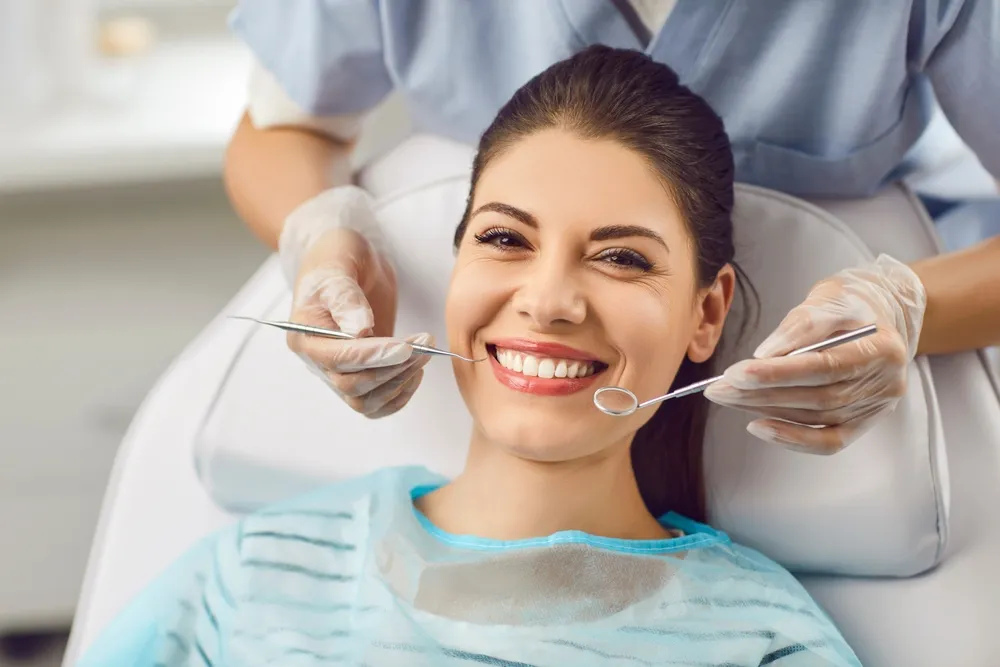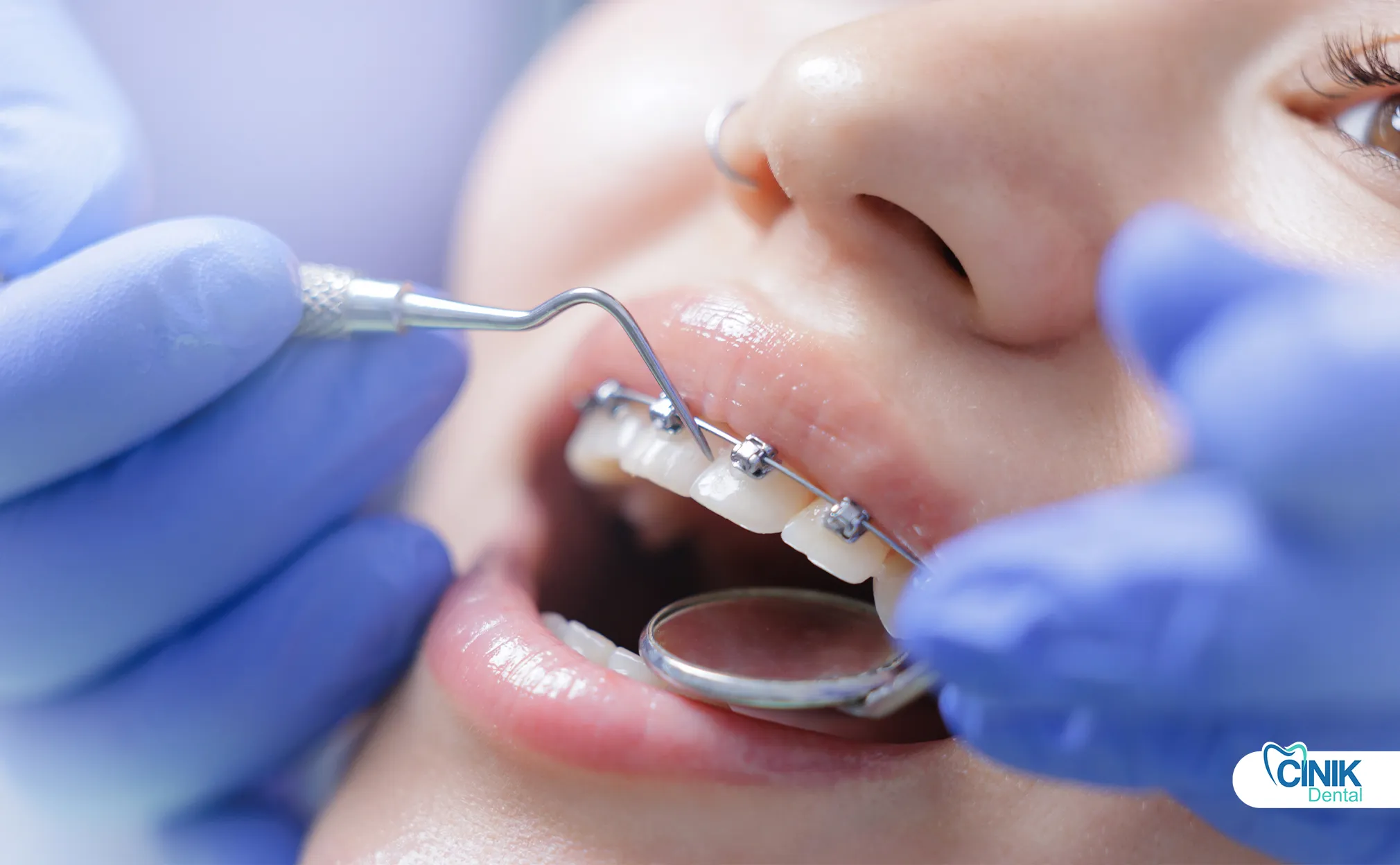
Dental braces are orthodontic appliances that orthodontists use to correct misaligned teeth and jaw discrepancies. These devices apply continuous, controlled pressure to move teeth into proper positions over time. The primary keyword "dental braces" encompasses various systems including traditional metal brackets, ceramic alternatives, lingual appliances, and clear aligner systems.
Orthodontics as a dental specialty dates back to ancient civilizations. Archaeologists have discovered mummified remains with crude metal bands wrapped around individual teeth (Asbell, 1990). However, modern orthodontics began in the 18th century when French dentist Pierre Fauchard introduced the "bandeau," a horseshoe-shaped iron device designed to expand the dental arch. Edward Angle, known as the father of modern orthodontics, established the first classification system for malocclusions in 1899 and founded the first school of orthodontics (Angle, 1900).
Today, dental braces serve dual purposes: functional correction and aesthetic enhancement. They address problems that extend beyond cosmetic concerns. Misaligned teeth create cleaning difficulties, increase cavity risk, and contribute to temporomandibular joint disorders. The World Health Organization recognizes malocclusion as the third most prevalent oral health condition globally, affecting approximately 56% of the population (WHO, 2022).
Historical Milestone | Year | Significance |
Pierre Fauchard's bandeau | 1728 | First documented orthodontic appliance |
Edward Angle's classification | 1899 | Standardized malocclusion terminology |
Introduction of stainless steel | 1959 | Reduced cost and improved durability |
Development of clear aligners | 1997 | Aesthetic alternative to fixed appliances |
How Do Dental Braces Actually Move Teeth?
What Is the Biological Mechanism Behind Tooth Movement?
Dental braces work through a biological process called bone remodeling. When orthodontic force applies to a tooth, it compresses the periodontal ligament on one side and stretches it on the opposite side. This mechanical stimulation triggers cellular responses that remodel alveolar bone.
Osteoclasts break down bone on the compression side, creating space for the tooth to move. Simultaneously, osteoblasts form new bone on the tension side to fill the void left behind. This process requires optimal force levels, typically between 50 to 150 grams for tipping movements and 100 to 200 grams for bodily movement (Proffit et al., 2019). Excessive force damages the periodontal ligament and causes root resorption. Insufficient force fails to activate the cellular response.
The bone remodeling cycle takes approximately 4 to 6 weeks for initial tooth movement, though complete stabilization requires 9 to 12 months of retention. This biological timeline explains why orthodontic treatment cannot be rushed without compromising long-term stability.
What Are the Essential Components of Traditional Braces?
Traditional fixed appliances consist of several key components working together:
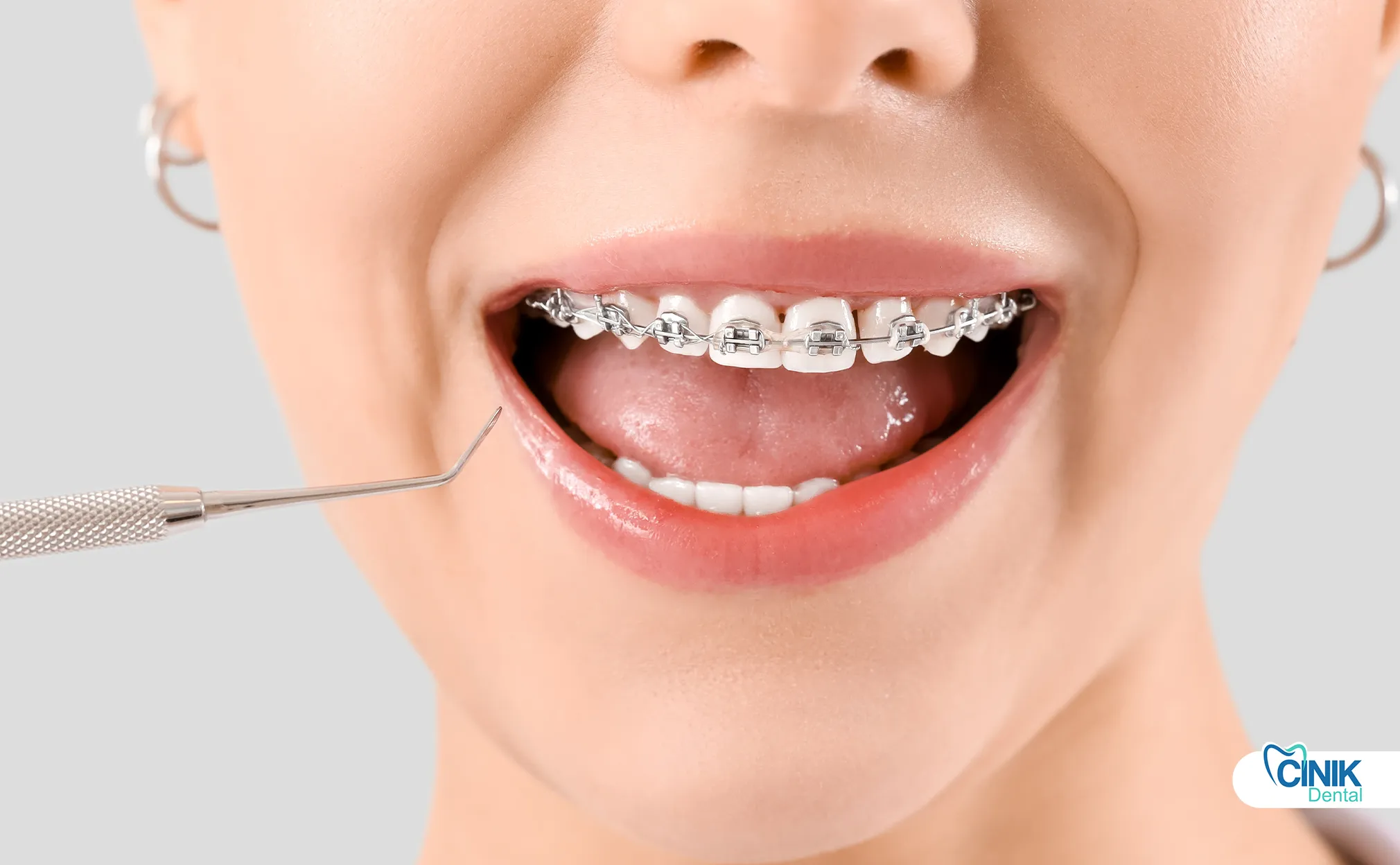
Brackets attach directly to tooth surfaces using dental adhesive. Modern brackets feature slots that hold archwires and wings for ligature attachment. Manufacturers produce brackets from stainless steel, ceramic, or composite materials. Each material offers distinct advantages in terms of friction, aesthetics, and durability.
Archwires thread through bracket slots and serve as the active force-generating component. Orthodontists select wire materials based on treatment phase. Initial alignment uses nickel-titanium wires due to their superelasticity and shape memory properties. Later stages employ stainless steel or beta-titanium wires for precise control and torque application (Burstone and Goldberg, 1980).
Ligatures secure archwires within bracket slots. Traditional systems use elastic o-rings or metal ties. Self-ligating brackets incorporate built-in clips or doors that eliminate separate ligatures, potentially reducing friction and chair time.
Elastics and auxiliary components address specific malocclusion patterns. Interarch elastics correct jaw discrepancies. Temporary anchorage devices provide absolute anchorage for complex tooth movements. Palatal expanders widen the maxillary arch in growing patients.
How Long Does Orthodontic Treatment Typically Take?
Treatment duration varies based on case complexity, patient age, and appliance type. Simple cases involving minor crowding may complete in 12 to 18 months. Moderate malocclusions require 18 to 24 months. Complex surgical cases or severe skeletal discrepancies extend beyond 30 months.
The active treatment phase comprises three stages: leveling and alignment (3 to 6 months), space closure and overjet correction (6 to 12 months), and finishing with detailed tooth positioning (3 to 6 months). Following active treatment, patients enter the retention phase, which lasts indefinitely to prevent relapse.
Research demonstrates that clear aligner treatment averages 12 to 18 months for mild to moderate cases, while fixed appliances require 18 to 24 months for equivalent corrections (Ke et al., 2019). However, aligner treatment duration heavily depends on patient compliance with 20 to 22 hours of daily wear.
What Problems Do Dental Braces Correct?
What Types of Malocclusions Require Orthodontic Intervention?
Malocclusions fall into three categories based on Angle's classification system. Class I malocclusions feature normal molar relationships with dental irregularities such as crowding or spacing. Class II malocclusions present with the lower jaw positioned posteriorly relative to the upper jaw, creating excessive overjet. Class III malocclusions show the lower jaw anterior to the upper jaw, resulting in underbite.
Crowding occurs when dental arch space cannot accommodate all teeth in proper alignment. This condition affects 30 to 60 percent of the population and increases plaque accumulation risk. Spacing represents the opposite condition, with gaps between teeth due to excessive arch length or missing teeth.
Overbite describes excessive vertical overlap of upper front teeth over lower front teeth. Normal overbite measures 2 to 4 millimeters. Deep overbites exceeding 50 percent of lower incisor crown height may cause palatal trauma and gingival recession. Crossbites involve individual teeth or entire arches positioned either facially or lingually to their normal position.
Open bites show no vertical overlap between upper and lower teeth when posterior teeth contact. This condition often results from thumb sucking, tongue thrusting, or skeletal growth patterns. Jaw discrepancies include maxillary or mandibular prognathism, asymmetries, and vertical excess or deficiency.
What Health Issues Can Misaligned Teeth Cause?
Malocclusions contribute to multiple oral health problems beyond aesthetic concerns. Crowded teeth create cleaning difficulties that increase caries risk and periodontal inflammation. Research associates severe malocclusion with 3-fold higher odds of periodontal disease compared to normal occlusion (Borzabadi-Farahani, 2015).
Chewing efficiency decreases significantly with malocclusion severity. Patients with posterior crossbites show 15 to 20 percent reduction in masticatory performance (Julien et al., 1996). This impairment affects food digestion and nutritional absorption.
Speech disorders correlate with certain malocclusion types. Anterior open bites and large overjets interfere with sibilant production. Severe Class III malocclusions affect bilabial consonant articulation. Orthodontic correction often improves speech clarity, though speech therapy may accompany treatment.
Temporomandibular disorders (TMD) show complex relationships with malocclusion. While research does not support malocclusion as a primary TMD cause, certain occlusal features associate with higher symptom prevalence. Deep overbites and posterior crossbites demonstrate modest correlations with joint sounds and muscle tenderness (McNamara and Turp, 1997).
What Types of Dental Braces Are Available Today?
How Do Metal Braces Compare to Other Options?
Metal braces remain the most common fixed orthodontic appliance worldwide. These systems use stainless steel brackets and archwires, offering durability and cost-effectiveness. Modern metal brackets feature smaller profiles and improved aesthetics compared to earlier designs.
Advantages of metal braces:
Lowest cost among fixed appliances
High durability withstands most orthodontic forces
Effective for all malocclusion complexities
Treatment time often shorter than alternatives
Colorful ligatures allow personalization
Limitations include:
Most visible orthodontic option
Potential for soft tissue irritation
Dietary restrictions on hard and sticky foods
Metal braces suit patients of all ages, particularly children and adolescents who prioritize function over aesthetics. The average cost ranges from $3,000 to $7,000 depending on geographic location and case complexity.
What Makes Ceramic Braces Different?
Ceramic braces utilize tooth-colored or clear brackets that blend with natural tooth enamel. Manufacturers produce these brackets from polycrystalline alumina or zirconia, materials that mimic tooth color while providing adequate strength for orthodontic forces.
Ceramic bracket advantages:
Superior aesthetics compared to metal
Effective camouflage in social and professional settings
Similar treatment mechanics to metal systems
Ceramic bracket limitations:
Higher cost ($4,000 to $8,500)
Greater bracket fragility requires careful handling
Increased friction may extend treatment time
Potential for bracket staining from certain foods
Enamel wear on opposing teeth if ceramic contacts lower brackets
Ceramic braces serve adult patients and image-conscious adolescents who want less visible appliances without the compliance demands of removable aligners. Orthodontists often recommend ceramic brackets for upper anterior teeth only, combining aesthetics with functional metal brackets on posterior teeth.
What Are Lingual Braces and Who Should Consider Them?
Lingual braces attach to the tongue-side (lingual) surfaces of teeth, rendering them completely invisible from the front. This placement requires specialized brackets designed to accommodate individual tooth lingual anatomy.
Lingual system benefits:
Complete invisibility during treatment
Effective for most malocclusion types
No visible enamel demineralization on facial surfaces
Lingual system challenges:
Highest cost among fixed appliances ($8,000 to $13,000)
Significant initial speech impairment
Tongue irritation and discomfort during adaptation
Complex placement and adjustment procedures
Difficult oral hygiene maintenance
Longer chair time for appointments
Lingual braces suit adult professionals, public figures, and anyone requiring absolute treatment invisibility. The adaptation period typically lasts 2 to 4 weeks, during which patients experience lisping and tongue soreness. Modern CAD/CAM customization improves bracket fit and reduces these issues compared to earlier generic lingual brackets.
How Do Clear Aligners Work?
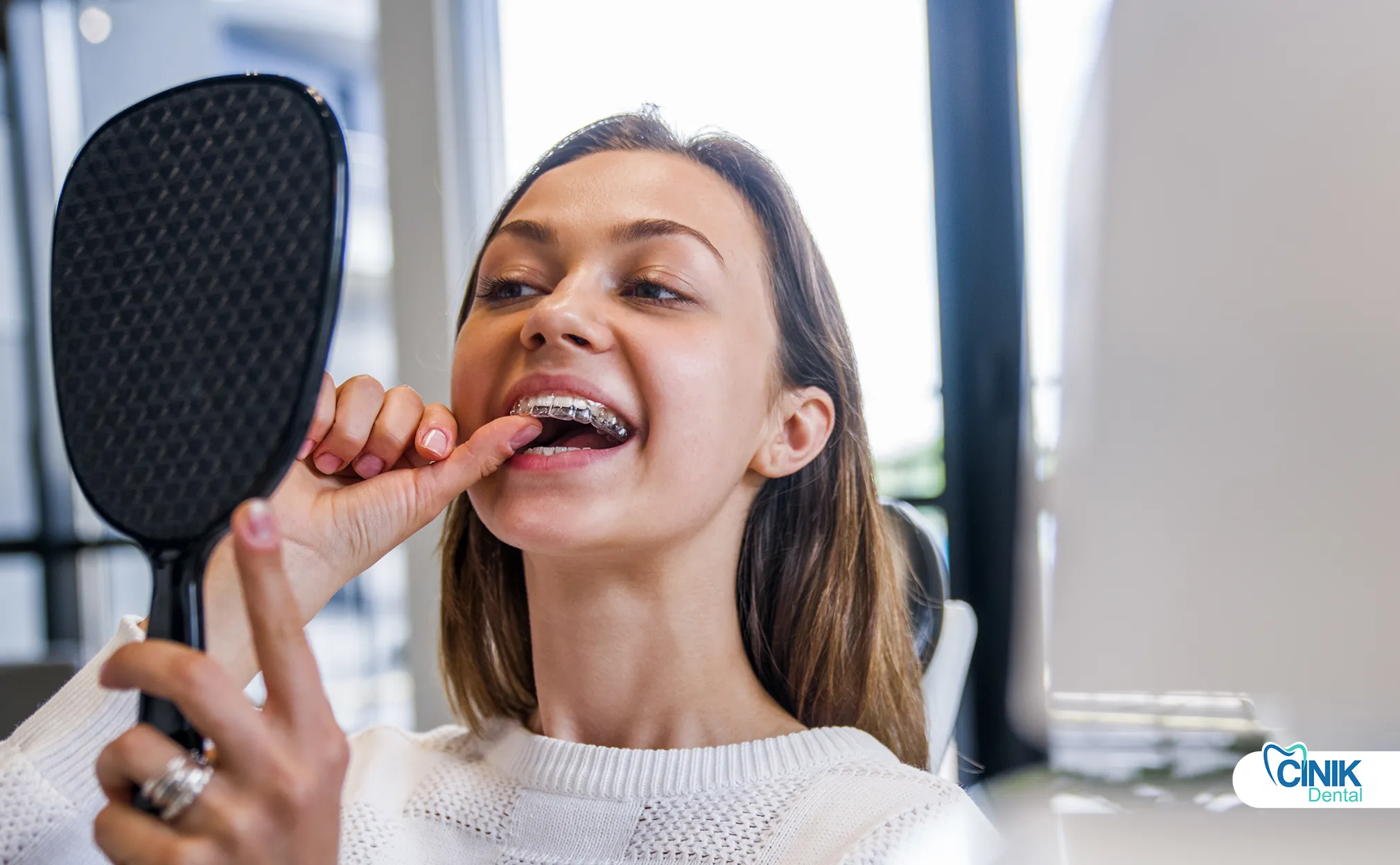
Clear aligners represent removable orthodontic appliances that use sequential plastic trays to incrementally move teeth. The Invisalign system, introduced in 1997, pioneered this approach, though multiple competitors now offer similar products.
Aligner mechanism:
Orthodontists or dentists take digital impressions or scans of the patient's dentition. Specialized software plans tooth movements in 0.25 to 0.33 millimeter increments. Manufacturers produce 20 to 30 sets of aligners, each worn for 1 to 2 weeks before progression to the next set. SmartTrack material and other proprietary plastics provide controlled force application.
Clear aligner advantages:
Near-invisibility during wear
Removability for eating and oral hygiene
No dietary restrictions
Reduced emergency visits for broken appliances
Digital treatment visualization before starting
Clear aligner limitations:
Requires strict patient compliance (20-22 hours daily wear)
Limited effectiveness for complex tooth movements
Higher cost than metal braces ($3,500 to $8,000)
Potential for loss or damage
Attachments may be visible on teeth
Research indicates clear aligners excel at treating mild to moderate crowding and spacing. Complex extrusions, rotations greater than 30 degrees, and severe skeletal discrepancies often require fixed appliance supplementation or alternative approaches (Rossini et al., 2015).
Brace Type | Visibility | Cost Range | Best For | Compliance Requirement |
Metal | High | $3,000-$7,000 | All complexities | Low (fixed) |
Ceramic | Moderate | $4,000-$8,500 | Aesthetic-conscious patients | Low (fixed) |
Lingual | None | $8,000-$13,000 | Absolute invisibility needs | Low (fixed) |
Clear Aligners | Minimal | $3,500-$8,000 | Mild-moderate cases | High (removable) |
What Benefits Do Dental Braces Provide Beyond Straight Teeth?
How Do Braces Improve Oral Health?
Properly aligned teeth facilitate effective cleaning. Patients with corrected crowding report easier flossing and brushing, leading to reduced plaque accumulation. Studies demonstrate that orthodontic treatment decreases probing depths and gingival inflammation in previously crowded regions (Pattison and Pattison, 1988).
Tooth alignment reduces cavity risk by eliminating food impaction areas where bacteria proliferate. Straight teeth experience less interproximal wear compared to malposed teeth that contact at abnormal angles.
Periodontal health benefits extend long-term. Research following patients 10 years post-treatment shows maintained periodontal stability in orthodontically corrected cases compared to untreated malocclusions (Polson and Reed, 1984).
What Functional Improvements Result from Orthodontic Treatment?
Masticatory efficiency increases substantially following malocclusion correction. Patients with corrected posterior crossbites demonstrate normalized bite forces and improved chewing patterns. This enhancement supports proper digestion and nutrition.
Speech improvements occur when orthodontic correction addresses articulation-impairing tooth positions. Anterior open bite closure and overjet reduction particularly benefit sibilant and bilabial sound production.
Airway considerations increasingly influence orthodontic planning. Maxillary expansion in children widens the nasal cavity and may improve nasal breathing. Some research suggests orthodontic arch development reduces obstructive sleep apnea risk in pediatric patients, though evidence requires further validation (Villa et al., 2007).
What Psychological Benefits Do Straight Teeth Create?
Aesthetic improvement represents the most immediately apparent orthodontic outcome. Studies consistently associate dental appearance with social perceptions and self-esteem. Individuals with aligned teeth receive more positive attributions regarding intelligence, success, and attractiveness (Shaw et al., 1980).
Self-confidence increases following orthodontic treatment. Adolescents report reduced social anxiety and improved willingness to smile. Adults describe professional advantages and enhanced dating confidence. Quality of life measures show significant improvement in oral health-related domains post-treatment (Johal et al., 2007).
The psychological impact extends beyond vanity. Dental aesthetics influence first impressions in employment interviews and social interactions. Orthodontic correction removes a potential source of bullying for children and adolescents.
What Risks and Limitations Should Patients Understand?
What Discomfort Should Patients Expect?
Initial appliance placement causes pressure and soreness lasting 3 to 7 days. This discomfort results from periodontal ligament inflammation and resolves as adaptation occurs. Subsequent adjustment appointments produce similar but briefer symptoms.
Soft tissue irritation affects many patients, particularly with fixed appliances. Cheek and lip ulcers develop until mucosal toughening occurs. Orthodontic wax provides temporary relief during adaptation.
Lingual braces and certain auxiliary components cause tongue irritation and speech changes. These effects typically resolve within 2 to 4 weeks but may persist longer for some patients.
What Oral Hygiene Challenges Do Braces Create?
Fixed appliances complicate oral hygiene maintenance. Brackets and wires create plaque-retentive areas that require specialized cleaning techniques. Patients must use interdental brushes, floss threaders, or water flossers to clean beneath wires.
Enamel demineralization presents a significant risk. White spot lesions develop around brackets when plaque accumulates and acid production demineralizes enamel. These lesions may progress to cavitation if untreated. High-fluoride toothpaste and prescription fluoride rinses help prevent this complication (Benson, 2008).
Gingival inflammation commonly occurs during orthodontic treatment due to plaque accumulation difficulty. Regular professional cleanings and meticulous home care minimize this risk.
What Dietary Restrictions Apply?
Fixed appliances require dietary modifications to prevent appliance damage and reduce caries risk. Patients must avoid hard foods (ice, nuts, hard candies) that dislodge brackets. Sticky foods (caramels, taffy, chewing gum) pull wires and brackets loose.
High-sugar foods increase caries risk around brackets and require limitation. Acidic beverages (sodas, sports drinks) cause enamel erosion and should be minimized.
Clear aligner patients face fewer dietary restrictions since they remove appliances for eating. However, they must brush before reinsertion to prevent aligner staining and caries risk.
What Are the Financial and Time Considerations?
Orthodontic treatment represents a significant financial investment. Costs vary based on appliance type, case complexity, geographic location, and provider experience. Insurance coverage varies widely, with many plans providing $1,000 to $3,000 lifetime orthodontic benefits.
Treatment time commitments extend beyond active therapy. Retention requires indefinite nighttime retainer wear to prevent relapse. Follow-up visits continue for months or years post-treatment.
How Does the Orthodontic Diagnostic Process Work?
What Happens During the Initial Consultation?
The orthodontic diagnostic process begins with a comprehensive clinical examination. The orthodontist evaluates facial proportions, smile aesthetics, and jaw function. Intraoral examination assesses tooth alignment, bite relationships, and oral health status.
Diagnostic records collection follows. These include:
Digital or physical impressions for model analysis
Intraoral and extraoral photographs documenting initial conditions
Radiographic imaging including panoramic radiographs and lateral cephalograms
Cone-beam computed tomography (CBCT) when three-dimensional assessment benefits treatment planning
Cephalometric analysis measures skeletal and dental relationships using standardized landmarks. This analysis distinguishes dental from skeletal contributions to malocclusion and guides treatment approach selection.
How Do Orthodontists Create Treatment Plans?
Individualized treatment planning considers multiple factors:
Severity-based approach: Mild malocclusions may suit limited treatment or clear aligners. Moderate cases typically require comprehensive fixed appliance therapy. Severe skeletal discrepancies may need orthognathic surgery combined with orthodontics.
Age considerations: Growing children offer growth modification opportunities through functional appliances or orthopedic forces. Adolescents in the permanent dentition represent ideal orthodontic candidates with active bone metabolism. Adults require considerations for reduced bone plasticity, periodontal status, and restorative needs.
Patient preferences: Aesthetic demands influence appliance selection. Lifestyle factors affect aligner suitability. Financial constraints guide cost-effective options.
Digital treatment planning utilizes software simulation to predict tooth movements and final outcomes. This technology improves patient communication and treatment predictability.
What Does the Orthodontic Treatment Process Involve?
What Happens During Brace Placement?
The bonding appointment typically requires 1 to 2 hours. The orthodontist prepares tooth surfaces through cleaning and etching. Bonding adhesive applies to bracket bases, and precise bracket positioning occurs using individual tooth anatomy and pre-determined specifications. Light-curing polymerizes the adhesive.
Archwire placement follows bracket bonding. Initial wires are flexible to minimize discomfort while beginning tooth movement. Ligatures or self-ligating mechanisms secure the wire.
Clear aligner delivery involves fitting the first aligner set and reviewing insertion/removal techniques. Attachments, small tooth-colored composite buttons, may bond to teeth to facilitate complex movements.
What Occurs During Adjustment Appointments?
Periodic adjustments occur every 4 to 8 weeks depending on treatment phase and appliance type. The orthodontist evaluates progress, changes archwires to progressively stiffer dimensions, and makes activation bends. Elastics or other auxiliaries may be prescribed.
Aligner patients receive multiple sets at each visit and review fit and tracking. Refinement scans occur mid-treatment if tooth movement deviates from predicted paths.
How Does Treatment Conclude?
Debonding removes fixed appliances using specialized pliers that break the adhesive bond without enamel damage. Residual adhesive removal and polishing restore tooth surfaces.
Impressions or scans for retainers occur immediately. Fixed retainers bond to lingual surfaces of anterior teeth. Removable retainers fabricate for nighttime wear.
Why Is the Retention Phase Critical?
What Causes Orthodontic Relapse?
Teeth demonstrate natural tendencies to return toward pre-treatment positions. This relapse results from:
Periodontal ligament recoil: Elastic fibers in the ligament pull teeth back initially
Gingival fiber reorganization: Supracrestal fibers require months to adapt to new positions
Growth changes: Continued jaw growth affects occlusal relationships
Occlusal forces: Chewing pressures influence final tooth positions
Soft tissue pressures: Tongue and lip forces impact stability
What Retainer Options Exist?
Fixed retainers consist of braided wire bonded to lingual tooth surfaces. They provide continuous retention without patient compliance requirements. Lower anterior fixed retainers are most common, though upper fixed retainers suit certain cases. Fixed retainers require careful cleaning to prevent calculus accumulation.
Removable retainers include:
Hawley retainers: Acrylic and wire construction allow minor adjustments
Essix retainers: Clear plastic covers teeth similarly to aligners
Vivera retainers: Proprietary clear material for post-aligner retention
Removable retainers offer easier cleaning and occlusal settling but depend on patient compliance. Current recommendations suggest indefinite nighttime wear to counteract lifelong relapse tendencies.
How Does Age Affect Orthodontic Treatment?
What Advantages Do Children and Adolescents Have?
Early orthodontic evaluation by age 7 allows interceptive treatment during developmental stages. The American Association of Orthodontists recommends this timing to identify skeletal discrepancies while growth modification remains possible.
Early treatment benefits:
Guidance of jaw growth and dental eruption
Correction of harmful habits (thumb sucking, tongue thrusting)
Reduction of trauma risk for protruding incisors
Improvement of facial aesthetics during formative years
Simplified or shortened later comprehensive treatment
Adolescents experience peak treatment efficiency due to active growth and high bone metabolic rate. Social acceptance of braces among peers reduces psychological barriers.
What Should Adult Patients Know?
Adult orthodontics has increased 40 percent over the past two decades (AAO, 2022). Adults seek treatment for untreated childhood malocclusions, relapse from previous treatment, or restorative needs requiring tooth alignment.
Adult treatment considerations:
Slower tooth movement increases treatment time
Periodontal health must be stable before tooth movement
Restorative needs integrate with orthodontic planning
Temporomandibular status requires evaluation
Aesthetic appliance preferences predominate
Adult patients often demonstrate superior compliance with oral hygiene and appointment attendance. However, they may experience more discomfort initially due to denser alveolar bone.
What Factors Determine Orthodontic Costs?
How Do Different Elements Affect Pricing?
Appliance type: Metal braces cost least. Ceramic adds 10 to 20 percent premium. Lingual braces cost 50 to 100 percent more than labial appliances. Clear aligners range between metal and ceramic pricing depending on case complexity.
Case severity: Simple alignment requires fewer appointments and materials. Complex surgical cases involve multidisciplinary coordination and extended treatment.
Geographic location: Urban areas and high-cost-of-living regions show higher fees than rural settings.
Provider experience: Specialist orthodontists may charge more than general dentists providing orthodontic services.
Treatment duration: Longer treatments require more appointments and materials.
What Technological Advances Are Changing Orthodontics?
How Has Digital Technology Transformed Treatment?
3D imaging and intraoral scanning have largely replaced traditional impressions. Digital models enable precise measurements and virtual treatment planning. CBCT provides three-dimensional assessment of skeletal relationships and root positions.
CAD/CAM manufacturing produces custom brackets, aligners, and indirect bonding trays. This precision reduces chair time and improves treatment accuracy.
Robotic wire-bending creates customized archwires with precise pre-programmed bends, reducing manual adjustment needs.
What Are Self-Ligating Brackets?
Self-ligating brackets incorporate built-in mechanisms to hold archwires without separate ligatures. These systems claim reduced friction, faster treatment, and improved comfort. Research confirms friction reduction but shows mixed results regarding treatment time savings compared to conventional ligation (Chen et al., 2010).
How Is Artificial Intelligence Applied?
AI algorithms analyze patient data to predict treatment outcomes and optimize planning. Machine learning models identify optimal extraction patterns and anchorage requirements. Automated cephalometric analysis reduces measurement time and error.
What Does the Future Hold for Orthodontics?
Will Treatment Times Decrease?
Researchers investigate methods to accelerate tooth movement. Low-level laser therapy, pulsed electromagnetic fields, and corticotomy-assisted orthodontics show promise for reducing treatment duration by 30 to 50 percent. However, long-term stability data for accelerated protocols remains limited.
What Biomaterial Innovations Are Emerging?
Smart materials responding to temperature or pH changes may enable dynamic force systems. Biodegradable temporary anchorage devices eliminate removal procedures. Bioactive surfaces promoting periodontal healing during tooth movement are under development.
Will Orthodontics Become More Personalized?
Genetic testing may predict tooth movement rates and relapse tendencies. Customized appliance fabrication based on individual bone metabolism and periodontal characteristics represents the ultimate personalization goal.
Frequently Asked Questions About Dental Braces
How Long Will I Need to Wear Braces?
Most patients complete active treatment in 18 to 24 months. Simple cases may finish in 12 months, while complex surgical cases extend beyond 30 months. Your orthodontist provides a specific estimate based on your malocclusion severity and chosen appliance.
Do Braces Hurt?
You will experience pressure and soreness for 3 to 7 days after initial placement and adjustments. This discomfort is manageable with over-the-counter pain relievers and soft food diets. Modern appliances minimize pain compared to historical systems.
Can Adults Successfully Wear Braces?
Absolutely. Adults of any age can undergo orthodontic treatment if periodontal health is adequate. Over 1.5 million adults currently receive orthodontic care in the United States alone.
Which Foods Must I Avoid with Fixed Braces?
Avoid hard foods (ice, popcorn kernels, hard candies) and sticky foods (caramels, gum, taffy). Cut hard fruits and vegetables into pieces. Limit sugary snacks to reduce caries risk around brackets.
How Do I Maintain Oral Hygiene During Treatment?
Brush after every meal using fluoride toothpaste. Use interdental brushes or floss threaders daily. Consider water flossers for efficient cleaning. Rinse with fluoride mouthwash nightly. Maintain regular dental cleanings every 3 to 6 months.
Conclusion: The Science and Value of Orthodontic Treatment
Dental braces represent sophisticated biomedical devices that harness biological bone remodeling to achieve therapeutic tooth movement. From ancient metal bands to computerized clear aligners, orthodontic technology has evolved dramatically while maintaining fundamental biomechanical principles.
The decision to pursue orthodontic treatment involves weighing functional benefits, aesthetic improvements, and investment of time and resources. Modern options accommodate diverse patient needs, from invisible lingual systems to efficient metal appliances.
Successful outcomes require partnership between skilled orthodontists and committed patients. Professional expertise guides proper diagnosis and treatment execution. Patient compliance with oral hygiene, dietary guidelines, and retention protocols ensures long-term stability.
Orthodontic treatment extends beyond cosmetic enhancement to improve oral health function, psychological well-being, and quality of life. As technology advances, treatment becomes more efficient, comfortable, and personalized, making orthodontic care accessible to broader populations across all age groups.
References
Angle, Edward H. "Classification of Malocclusion." The Dental Cosmos, vol. 41, 1899, pp. 248-264.
Asbell, Milton B. "A Brief History of Orthodontics." American Journal of Orthodontics and Dentofacial Orthopedics, vol. 98, no. 2, 1990, pp. 176-183.
Benson, P. E. "Evaluation of White Spot Lesions on Teeth with Orthodontic Brackets." Seminars in Orthodontics, vol. 14, no. 2, 2008, pp. 138-148.
Borzabadi-Farahani, Ali. "Effect of Malocclusion or Orthodontic Treatment on Periodontal Health." Progress in Orthodontics, vol. 16, no. 1, 2015, pp. 1-8.
Burstone, Charles J., and A. J. Goldberg. "Beta Titanium: A New Orthodontic Alloy." American Journal of Orthodontics, vol. 79, no. 2, 1980, pp. 121-132.
Chen, Su-Shin, et al. "Self-Ligating Brackets and Treatment Efficiency." The Angle Orthodontist, vol. 80, no. 3, 2010, pp. 575-583.
Johal, Ama, et al. "Psychosocial Outcomes after Orthodontic Treatment." The Angle Orthodontist, vol. 77, no. 5, 2007, pp. 901-906.
Julien, K. C., et al. "The Effect of Posterior Crossbite on Masticatory Performance." American Journal of Orthodontics and Dentofacial Orthopedics, vol. 110, no. 4, 1996, pp. 410-416.
Ke, Yue, et al. "A Comparison of Treatment Effectiveness Between Clear Aligner and Fixed Appliance Therapies." BMC Oral Health, vol. 19, 2019, Article 24.
McNamara, James A., and J. C. Turp. "Orthodontic Treatment and Temporomandibular Disorders." Journal of Orofacial Pain, vol. 11, no. 3, 1997, pp. 226-237.
Pattison, Adam M., and Gloria L. Pattison. "Periodontal Response to Orthodontic Treatment." Seminars in Orthodontics, vol. 4, no. 2, 1988, pp. 107-114.
Polson, Alon, and Robert V. Reed. "Long-Term Periodontal Status after Orthodontic Treatment." American Journal of Orthodontics, vol. 86, no. 1, 1984, pp. 43-50.
Proffit, William R., et al. Contemporary Orthodontics. 6th ed., Elsevier, 2019.
Rossini, Gabriele, et al. "Efficacy of Clear Aligners in Controlling Orthodontic Tooth Movement." The Angle Orthodontist, vol. 85, no. 5, 2015, pp. 881-887.
Shaw, W. C., et al. "The Influence of Dentofacial Appearance on Social Attractiveness." American Journal of Orthodontics, vol. 79, no. 1, 1980, pp. 22-30.
Villa, M. P., et al. "Rapid Maxillary Expansion in Children with Obstructive Sleep Apnea Syndrome." Sleep, vol. 30, no. 8, 2007, pp. 1065-1070.
World Health Organization. Oral Health Fact Sheet. WHO, 2022.