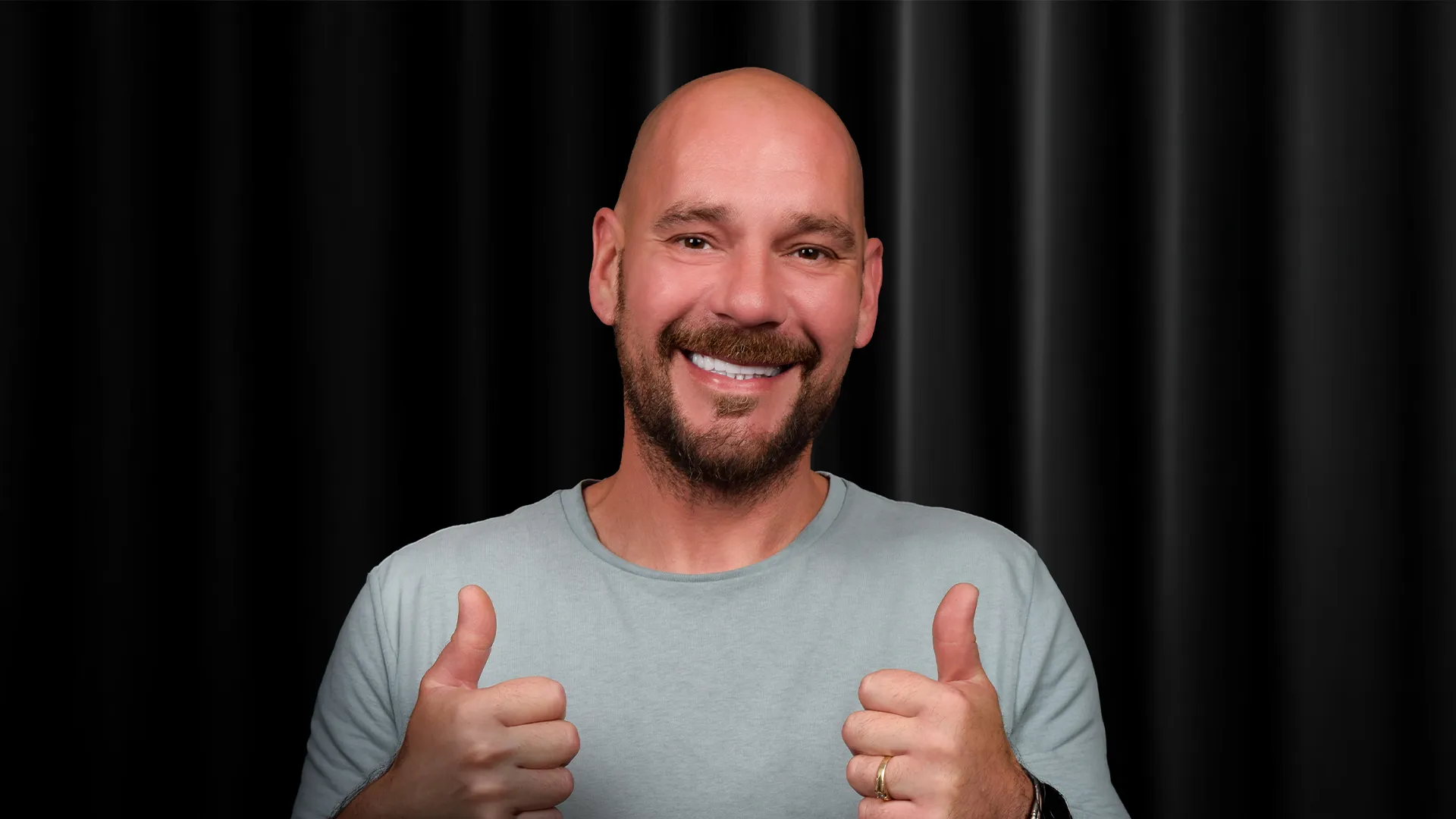
Andrew Davis walked into Cinik Dental with a smile he hid from cameras. He walked out with a grin he could not stop showing. His journey from stained, damaged teeth to a brilliant full-mouth restoration stands as one of the most striking smile makeovers in modern cosmetic dentistry. This case study breaks down every detail of his transformation. We examine his starting condition, his treatment choice, the clinical process, and the stunning results that 28 zirconium crowns delivered.
Who Is Andrew Davis and Why Did He Need a Smile Makeover?
Andrew Davis comes from Ireland. He lives an active social life. He works hard. He values his appearance. But his teeth held him back. Years of wear, discoloration, and structural damage left him feeling self-conscious. He stopped smiling in photos. He covered his mouth when he laughed. His dental issues affected his confidence. They also threatened his oral health.
Andrew did not want a quick fix. He wanted a permanent solution. He wanted teeth that looked natural. He wanted strength. He wanted durability. Most of all, he wanted to feel like himself again. His search led him across borders. It led him to Turkey. It led him to Cinik Dental.
Turkey ranks among the top destinations for dental tourism. Thousands of patients travel there every year. They seek high-quality care at competitive prices. They find clinics that match or exceed standards in Western Europe. Andrew joined this growing community of international patients. He chose Cinik Dental for his full mouth restoration. He chose 28 zirconium crowns. That choice changed everything.
What Dental Problems Did Andrew Davis Face Before Treatment?
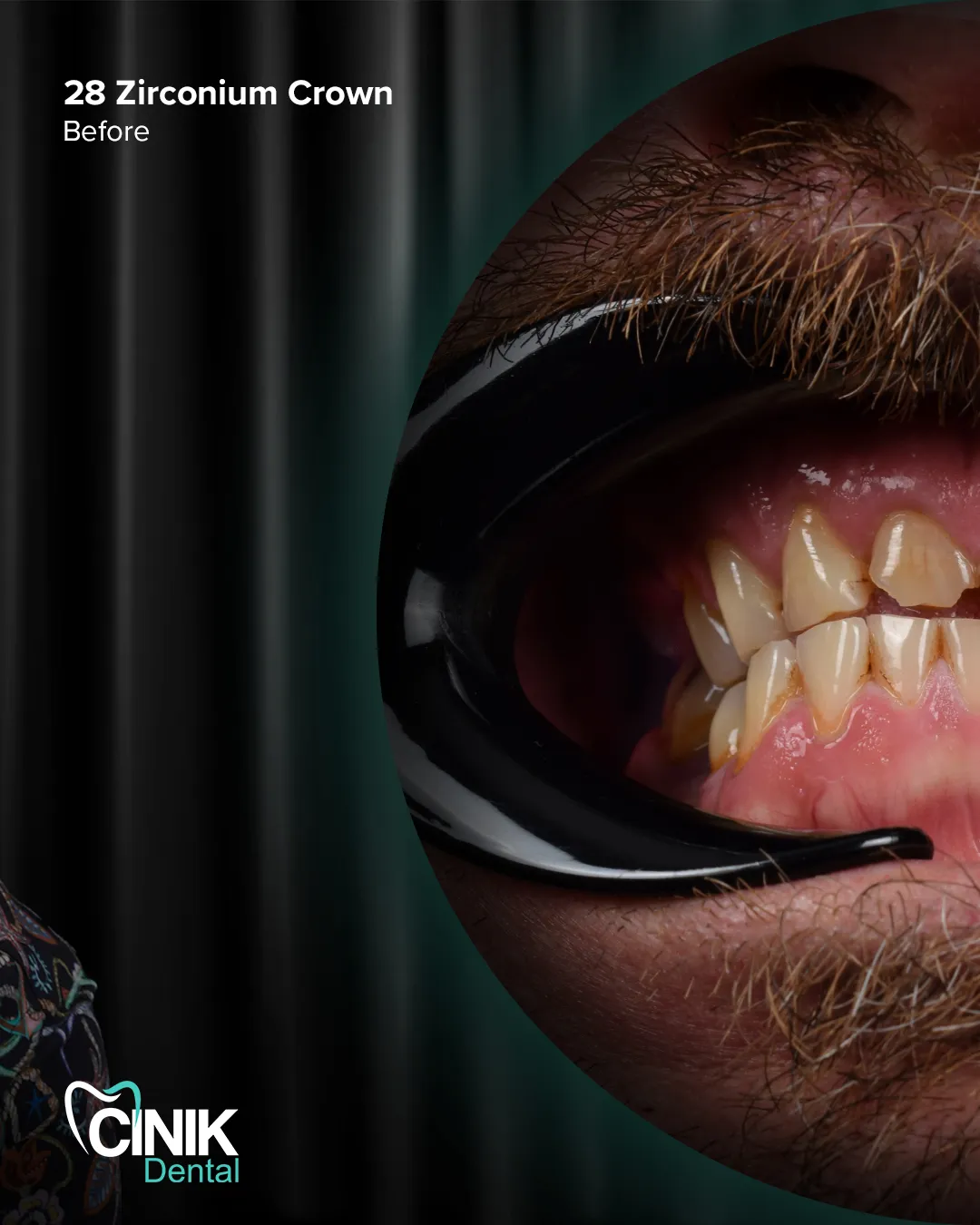
The before images reveal significant oral health challenges. Andrew's teeth showed advanced discoloration. The enamel had yellowed deeply. Some teeth carried brown stains. Years of coffee, tea, and natural aging had taken their toll. But color was only part of the problem.
Several teeth showed structural damage. Chips and cracks compromised the enamel surface. Some teeth appeared worn down. The biting edges looked uneven. Gum recession may have contributed to exposed root surfaces. The overall alignment lacked uniformity. Some teeth protruded slightly. Others sat back too far.
These issues went beyond cosmetics. Damaged enamel invites bacteria. Bacteria cause decay. Decay leads to infection. Infection threatens the entire mouth. Andrew faced a cascade of risks. He risked tooth loss. He risked gum disease. He risked bone deterioration in his jaw.
His bite also suffered. Misaligned teeth create uneven pressure. That pressure cracks teeth further. It strains the jaw joint. It causes headaches. It makes chewing difficult. Andrew needed comprehensive intervention. He needed more than whitening. He needed more than a few fillings. He needed a full smile makeover.
Why Did Andrew Davis Choose Zirconium Crowns Over Other Options?
Andrew and his clinical team at Cinik Dental evaluated several restoration materials. They considered porcelain-fused-to-metal crowns. They considered all-ceramic alternatives. They considered composite resin. They chose zirconium. That choice made perfect sense.
Zirconium crowns contain zirconia dioxide. This material comes from a metal called zirconium. But the final product does not behave like metal. It behaves like ceramic. It offers the strength of metal. It offers the beauty of porcelain. This combination makes zirconium ideal for full mouth restorations.
Zirconium resists chipping. It resists cracking. It withstands the daily pressure of chewing. Patients with bruxism especially benefit from this durability. Zirconium also resists stains. Coffee, wine, and tobacco do not penetrate its surface easily. Andrew could enjoy his lifestyle without constant worry.
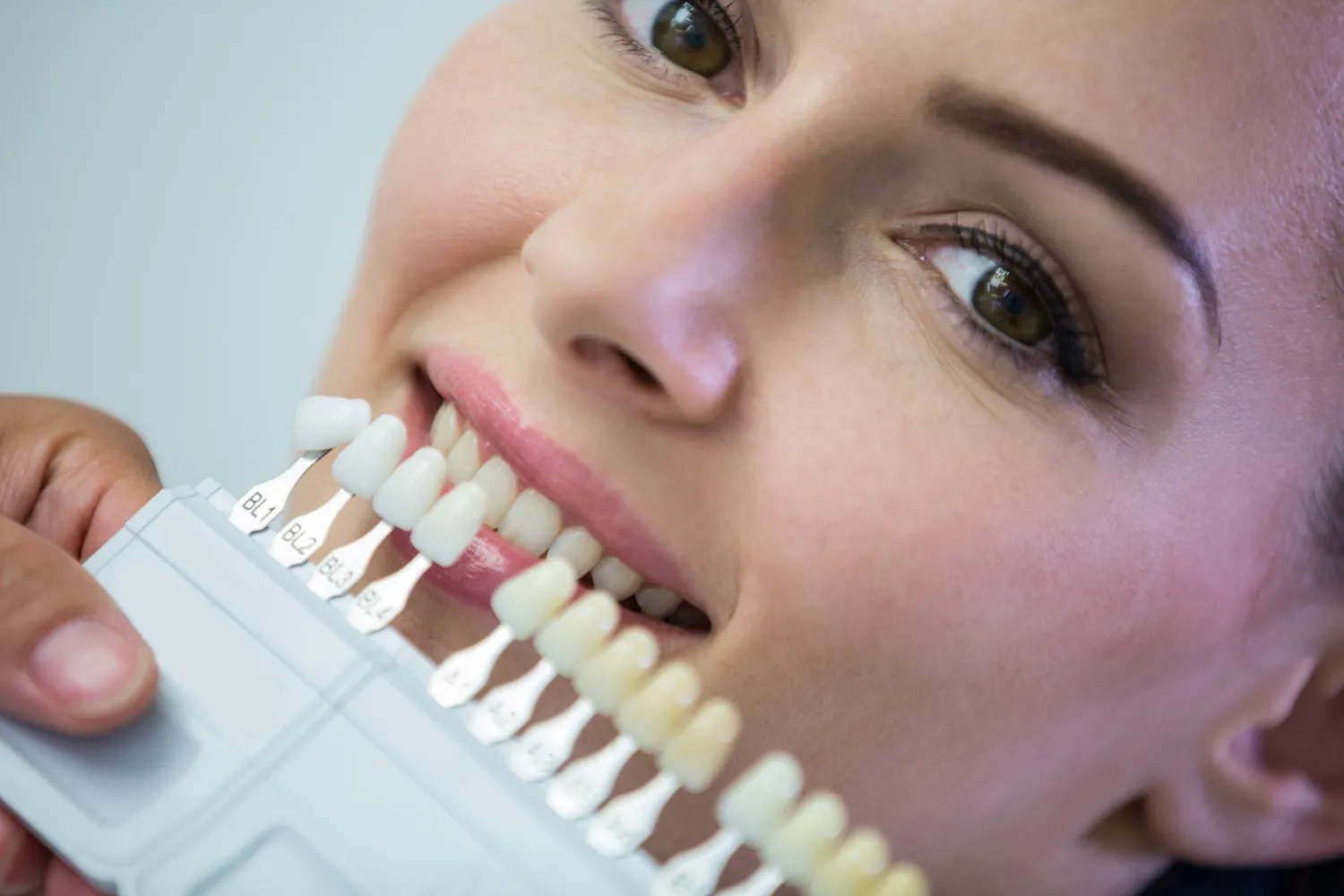
The aesthetic properties impressed Andrew too. Zirconium transmits light similarly to natural enamel. It does not look opaque or artificial. It blends with the gums. It does not create a dark line at the gum margin. Porcelain-fused-to-metal crowns often show this dark line over time. Zirconium avoids this problem entirely.
Biocompatibility mattered as well. Zirconium does not trigger allergic reactions. The gums tolerate it well. Inflammation stays minimal. The tissue heals quickly around zirconium restorations. For a full mouth case like Andrew's, this biocompatibility proved crucial. Twenty-eight crowns sit against gum tissue. That tissue must remain healthy.
How Does Cinik Dental Approach Full Mouth Smile Makeovers?
Cinik Dental operates at the intersection of art and science. The clinic treats smile makeovers as architectural projects. Every tooth plays a role. Every angle matters. Every proportion follows golden ratio principles. But the foundation always rests on clinical excellence.
The team begins with comprehensive diagnostics. They take digital X-rays. They capture 3D scans. They photograph every angle of the patient's mouth. They analyze bite patterns. They measure gum height. They assess bone density. No detail escapes attention.
Treatment planning follows a multidisciplinary approach. Prosthodontists design the restoration. Periodontists evaluate gum health. Dental technicians craft each crown by hand. The team collaborates at every stage. They use digital smile design software. This software shows patients their predicted results before treatment begins. Andrew saw his future smile on a screen. He approved every detail.
Cinik Dental also maintains strict sterilization protocols. International patients need this assurance. The clinic uses autoclave sterilization. It follows WHO guidelines. It employs single-use instruments where possible. Patient safety drives every decision.
The laboratory deserves special mention. Cinik Dental works with master technicians who specialize in zirconium. These technicians layer porcelain over zirconium cores. They add translucency at the incisal edges. They mimic natural enamel gradients. Each crown becomes a miniature sculpture.
What Steps Did Andrew Davis's 28 Zirconium Crown Procedure Involve?
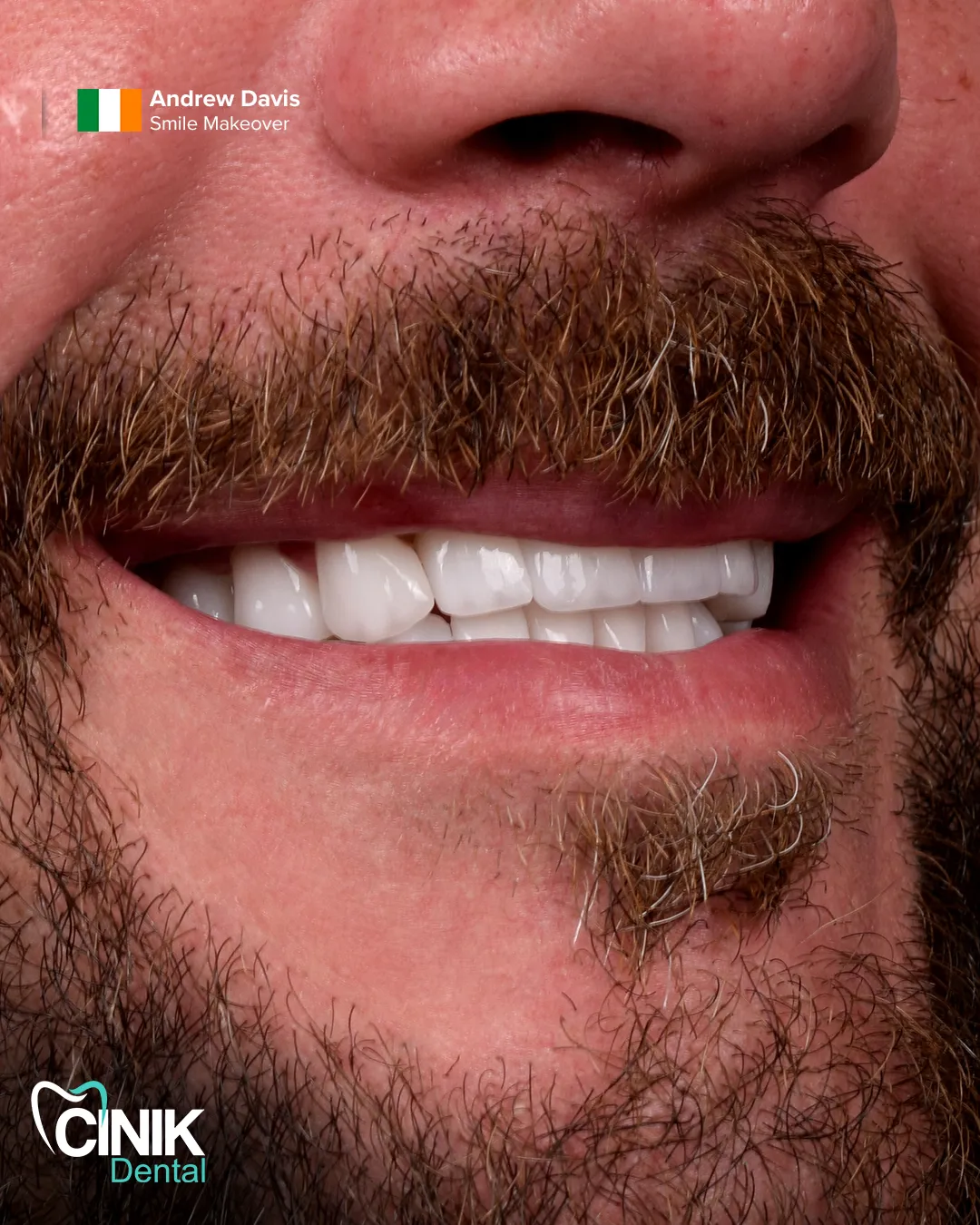
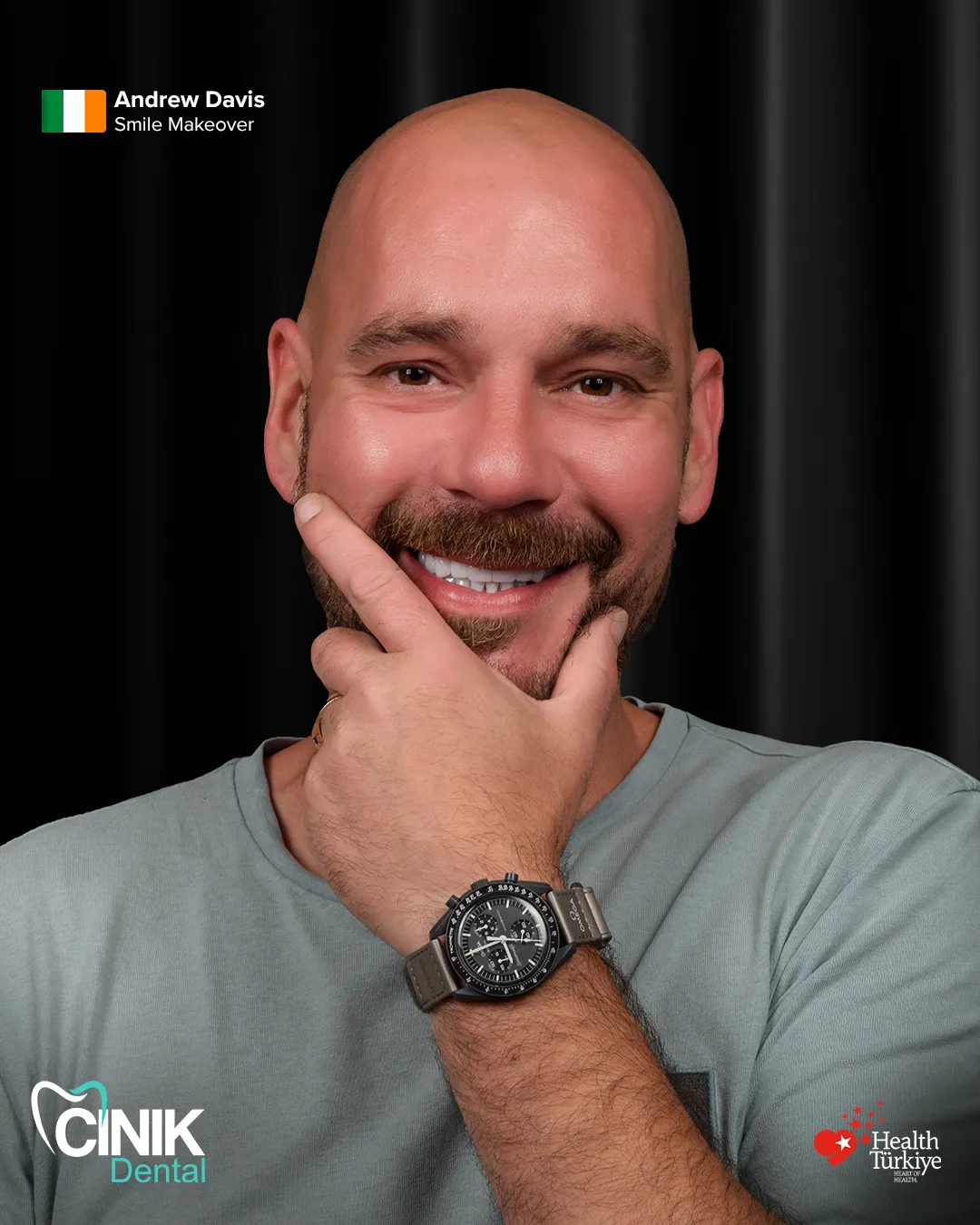
A full mouth restoration with 28 crowns requires precision. It requires patience. It requires multiple stages. Andrew's treatment followed a clear timeline. Each stage built upon the last.
What Happens During the Initial Consultation and Digital Planning Phase?
Andrew's first visit focused on assessment. The clinical team examined every tooth. They checked for decay. They checked for infection. They evaluated root health. They needed a healthy foundation before placing crowns.
Digital impressions replaced traditional molds. A scanner captured every contour of Andrew's teeth. No goopy impression material sat in his mouth. The digital file went straight to the design software. The team planned the shape, size, and color of all 28 crowns. They considered Andrew's facial features. They considered his skin tone. They considered his age. They aimed for a smile that looked like his own teeth, but perfected.
How Do Dentists Prepare Teeth for Zirconium Crown Placement?
Preparation came next. The dentists reduced each tooth to create space for the crown. They removed damaged enamel. They shaped the remaining structure into a stable base. This step requires extreme care. Too much reduction weakens the tooth. Too little reduction makes the crown bulky.
Andrew received local anesthesia. He felt no pain. The team worked systematically. They prepared the upper arch first. Then they prepared the lower arch. They placed temporary crowns. These temporaries protected the prepared teeth. They also gave Andrew a preview of his new smile shape.
The temporaries served another purpose. They allowed Andrew to test his new bite. He chewed with them. He spoke with them. He reported any discomfort. The team adjusted the temporaries based on his feedback. These adjustments informed the final crown design.
What Does the Crown Fabrication and Final Placement Process Involve?
While Andrew wore his temporaries, the laboratory fabricated his permanent crowns. The technicians milled zirconium blocks using CAD/CAM technology. This computer-guided milling ensures micron-level precision. Each crown fits exactly.
The technicians then applied porcelain layers. They baked the crowns in high-temperature ovens. They polished every surface. They checked each crown against the digital model. Quality control at this stage prevents future problems.
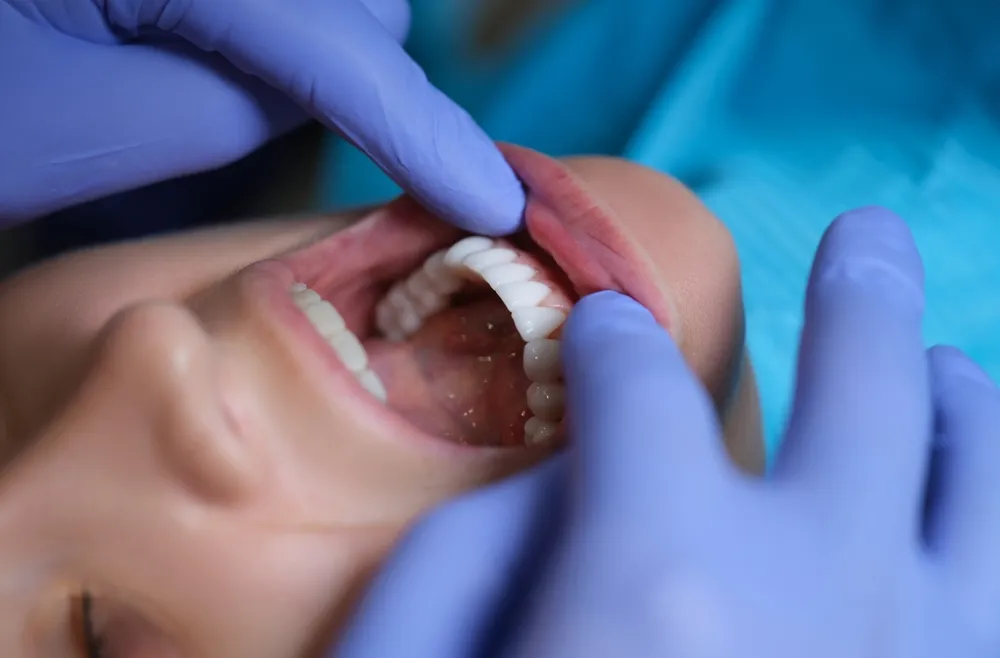
Andrew returned for final placement. The dentists removed the temporaries. They cleaned the prepared teeth. They tried in each zirconium crown. They checked the fit. They checked the color match. They checked the bite alignment. Once everything met their standards, they cemented the crowns permanently.
The cementation process matters enormously. Cinik Dental uses adhesive cements designed for zirconium. These cements create a chemical bond. They seal out bacteria. They lock the crown in place. The team cured the cement with specialized lights. They removed excess material. They polished the margins.
Andrew left the clinic with 28 new zirconium crowns. The procedure took several days. The results will last decades.
What Specific Results Did Andrew Davis Achieve with His Smile Transformation?
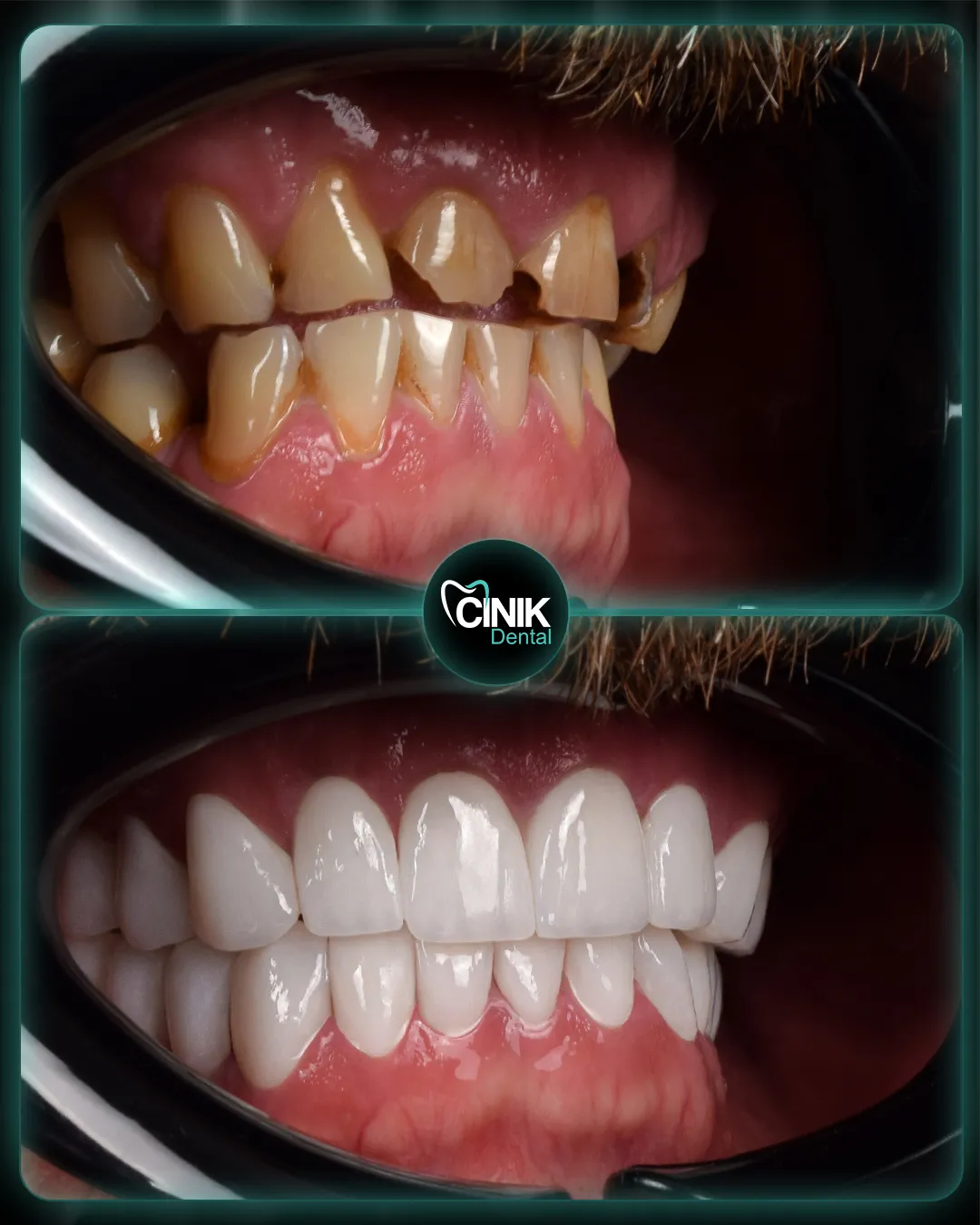
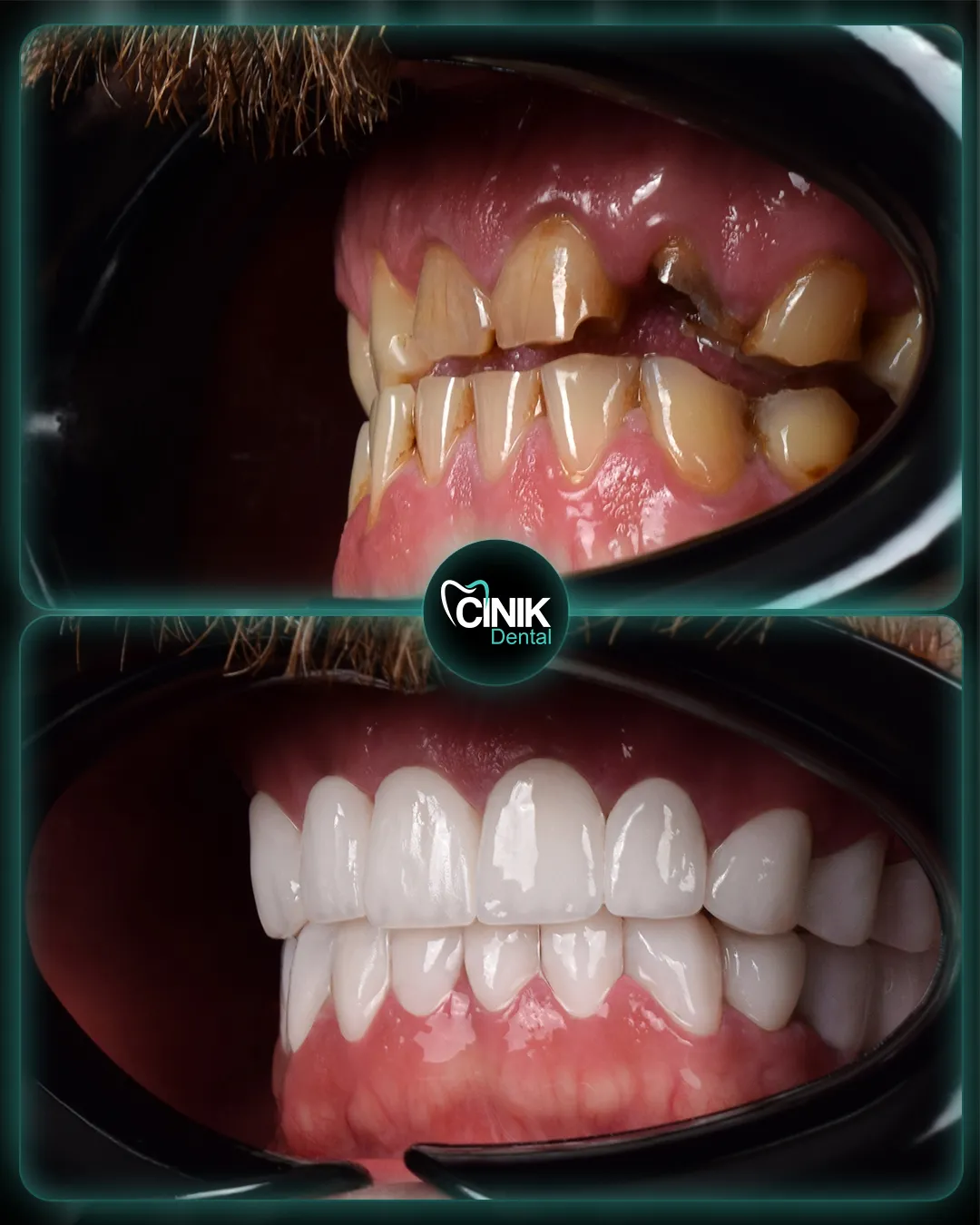
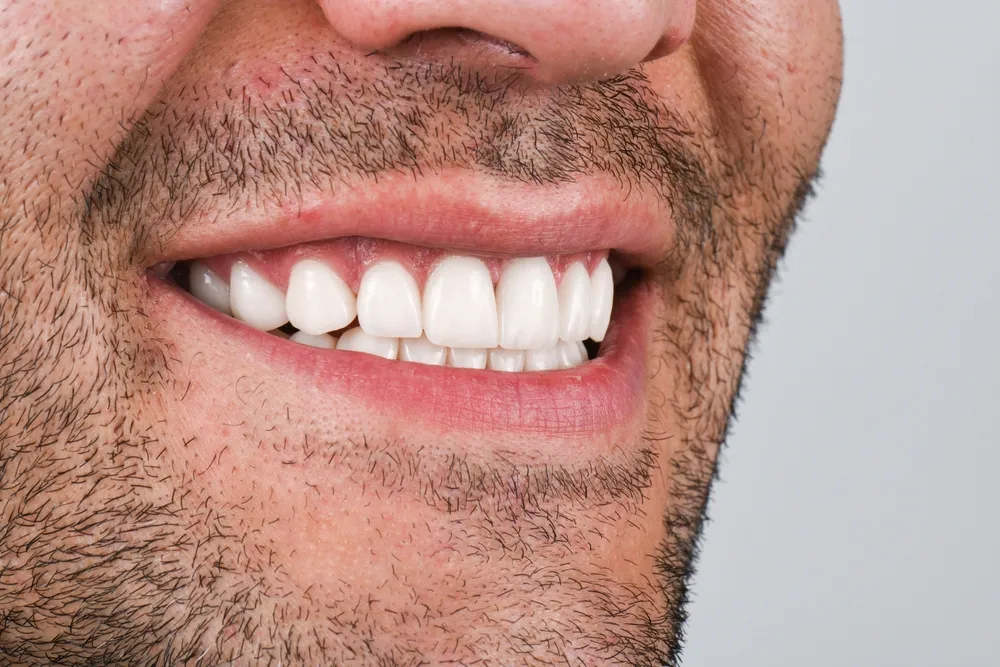
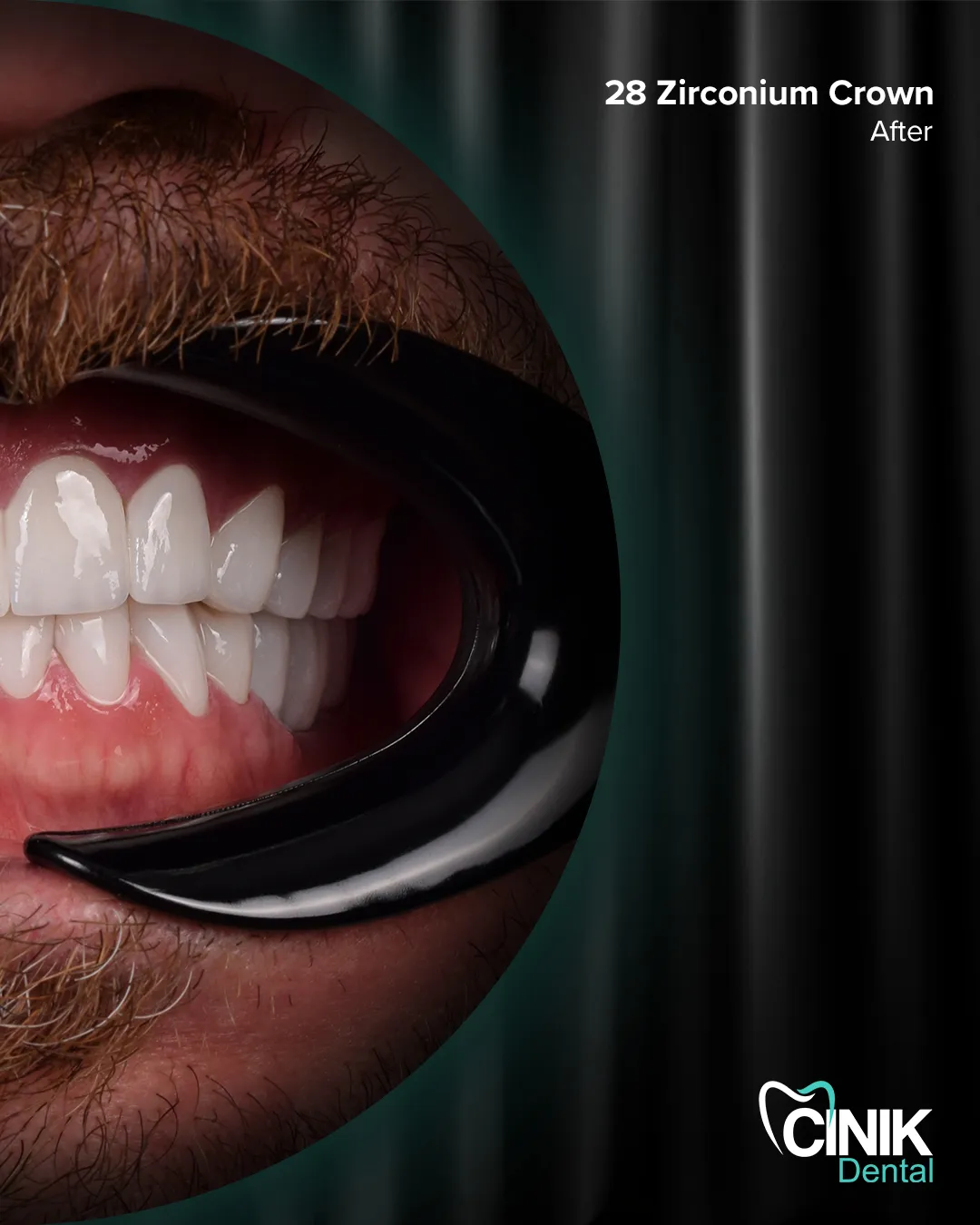
The after images speak louder than any description. Andrew's smile underwent a complete metamorphosis. His teeth now display a natural white shade. They look bright without looking artificial. The color matches his complexion perfectly.
The shape transformation impresses equally. Before treatment, Andrew's teeth looked uneven. Some appeared too short. Others looked pointed or worn. Now every tooth follows ideal proportions. The central incisors dominate appropriately. The lateral incisors complement them. The canines frame the smile with gentle points. The premolars and molars support the arch with solid, functional shapes.
Alignment improved dramatically. The teeth now sit in a harmonious curve. The upper and lower arches meet correctly. The bite distributes pressure evenly. This protects the zirconium crowns from excessive force. It also protects Andrew's jaw joints.
The gum line looks healthier too. The crowns follow the natural contour of the gingiva. No dark metal margins appear. No inflammation shows. The tissue hugs each crown tightly. This seal prevents bacterial infiltration. It supports long-term periodontal health.
Andrew's facial aesthetics changed as well. His new teeth support his lips better. His upper lip sits slightly fuller. His lower face looks more proportioned. His smile reaches his eyes. The overall effect looks youthful and energetic.
How Do Zirconium Crowns Compare to Other Dental Restoration Materials?
Patients considering full mouth restorations often ask about material choices. The following comparison table clarifies why zirconium dominated Andrew's treatment plan.
Feature | Zirconium Crowns | Porcelain-Fused-to-Metal | All-Ceramic (Non-Zirconia) | Composite Resin Veneers |
Strength | Excellent (900-1200 MPa) | Good (metal core strong) | Moderate (150-400 MPa) | Low (prone to chipping) |
Aesthetics | Superior (translucent, natural) | Good (but can look opaque) | Excellent (very natural) | Good (but stains over time) |
Biocompatibility | Excellent (hypoallergenic) | Moderate (metal allergies possible) | Excellent | Good |
Gum Health | Excellent (tissue-friendly) | Fair (possible dark line) | Excellent | Good |
Longevity | 15-20+ years | 10-15 years | 10-15 years | 5-7 years |
Preparation Required | Moderate tooth reduction | Significant reduction | Moderate reduction | Minimal reduction |
Cost (Full Mouth) | Mid-to-High Range | Mid Range | High Range | Low Range |
Stain Resistance | Excellent | Good | Good | Poor |
This table reveals zirconium's balanced profile. It offers the highest strength among aesthetic options. It avoids the aesthetic compromises of metal-based crowns. It outlasts composite alternatives. For a patient like Andrew, who needed 28 units, durability was non-negotiable. Replacing even one crown creates inconvenience. Replacing several becomes a nightmare. Zirconium minimizes this risk.
What Are the Key Benefits of Choosing Dental Tourism in Turkey?
Andrew traveled from Ireland to Turkey for his smile makeover. This decision made clinical and financial sense. Turkey has built a global reputation for dental excellence. Several factors explain this reputation.
Turkish dental clinics invest heavily in technology. They import the latest scanners from Germany. They install Swiss milling machines. They train technicians in European laboratories. Cinik Dental exemplifies this commitment. The clinic does not cut corners on equipment.
Turkish dentists undergo rigorous education. They study for six years in university. They complete specialization programs. Many attend international conferences. They publish research. They bring global best practices home.
The cost advantage attracts patients too. Labor costs in Turkey run lower than in Ireland or the UK. Regulatory costs differ. But the materials remain identical. The zirconium blocks come from the same manufacturers. The cements come from the same Swiss companies. Patients pay less for the same quality.
Turkey also offers a compelling patient experience. Clinics like Cinik Dental provide airport transfers. They arrange hotel accommodations. They offer translation services. They schedule treatments efficiently. International patients complete full mouth restorations in a single trip. They combine dental care with tourism. They explore Istanbul between appointments.
Quality control in top Turkish clinics matches European standards. Many clinics hold ISO certifications. They follow EU medical device regulations. They use CE-marked materials. Patients receive documentation for every product placed in their mouths.
What Aftercare Steps Ensure Long-Term Success with 28 Zirconium Crowns?
Andrew's new smile requires maintenance. Zirconium crowns resist decay. But the underlying tooth structure and surrounding gums still need care. Andrew follows a strict oral hygiene protocol.
He brushes twice daily. He uses a soft-bristled toothbrush. He applies non-abrasive toothpaste. Abrasive pastes scratch zirconium surfaces over time. Scratches attract stains. They dull the shine. Andrew avoids whitening toothpastes with harsh agents.
He flosses every day. Flossing removes plaque from the gum line. Plaque causes inflammation. Inflammation leads to gum disease. Gum disease threatens the foundation of every crown. Andrew threads floss carefully between his crowns. He does not snap it down aggressively.
He uses an antibacterial mouthwash. This reduces bacterial load. It keeps his breath fresh. It supports gum health. But he avoids alcohol-based rinses. Alcohol dries the mouth. Dry mouth increases bacterial growth.
He wears a night guard. Many people grind their teeth during sleep. Grinding wears down zirconium. It cracks porcelain layers. It loosens cement bonds. A custom night guard absorbs these forces. It protects Andrew's investment.
He visits his dentist regularly. Even with perfect home care, professional cleanings matter. Dental hygienists remove tartar. They polish the crowns. They check the margins. They take X-rays to monitor the underlying teeth. Andrew schedules these visits every six months.
He also watches his diet. He avoids chewing ice. He avoids biting hard candies. He cuts apples into slices rather than biting directly into them. These habits preserve his crowns for decades.
Why Does Andrew Davis's Case Represent the Future of Cosmetic Dentistry?
Andrew's smile makeover illustrates several trends shaping modern dentistry. First, it shows the power of digital planning. His dentists did not guess at proportions. They calculated them. They showed him previews. They eliminated surprises.
Second, it demonstrates the viability of full zirconium restorations. In the past, dentists reserved zirconium for back teeth. They doubted its aesthetics for front teeth. New manufacturing techniques have changed this. Layered zirconium now rivals the beauty of traditional porcelain. Andrew's front teeth prove this point. They look stunning.
Third, Andrew's case highlights the patient-centered approach. The team listened to his goals. They respected his facial identity. They did not give him a generic Hollywood smile. They gave him Andrew's smile, optimized. This personalization matters. Patients want to look like better versions of themselves. They do not want to look like clones.
Fourth, the case underscores the importance of comprehensive treatment. Andrew did not patch individual teeth. He rebuilt his entire oral architecture. This holistic approach prevents future problems. It creates functional harmony. It delivers lasting value.
How Can Prospective Patients Evaluate Whether a Smile Makeover Is Right for Them?
Andrew Davis asked himself hard questions before committing. Prospective patients should do the same. Start with an honest assessment of your dental health. Do you have multiple failing teeth? Do you hide your smile? Does your dental condition affect your eating or speaking? If you answer yes to these questions, a full mouth restoration may serve you well.
Next, consider your goals. Do you want a dramatic transformation? Or do you want subtle improvement? Share these goals with your dentist. Bring photos of smiles you admire. But remain open to professional guidance. Your face shape, lip line, and gum display all influence ideal tooth design.
Evaluate the clinic carefully. Look at before-and-after galleries. Read patient reviews. Ask about the dentist's training. Ask about the laboratory they use. Ask about warranty terms. Reputable clinics stand behind their work. They offer guarantees on materials and craftsmanship.
Consider the timeline. Full mouth restorations require multiple appointments. You cannot rush quality. Andrew spent several days at Cinik Dental. He allowed time for proper fabrication. He allowed time for adjustments. This patience paid off.
Finally, think about maintenance. Crowns require care. They are not set-and-forget solutions. Commit to the hygiene protocol. Commit to regular checkups. Your future self will thank you.
What Makes Cinik Dental a Trusted Choice for International Smile Makeovers?
Cinik Dental has earned its reputation through consistent results. The clinic treats patients from across Europe, the Middle East, and beyond. It handles complex cases daily. Full mouth restorations with 28 crowns do not intimidate the team. They specialize in them.
The clinic invests in continuing education. Dentists attend courses on the latest cementation techniques. They study advances in zirconium shading. They implement digital workflow improvements. This commitment to learning translates directly into better patient outcomes.
Transparency defines their patient relationships. They provide detailed treatment plans. They explain costs upfront. They show patients exactly what materials they will use. They provide certificates of authenticity for zirconium blocks. Patients know what sits in their mouths.
The patient support system also distinguishes Cinik Dental. International patients receive dedicated coordinators. These coordinators handle logistics. They answer questions. They provide post-treatment follow-up. Patients never feel abandoned after they return home.
The results speak for themselves. Andrew Davis's smile showcases what happens when clinical skill meets artistic vision. His 28 zirconium crowns function perfectly. They look breathtaking. They restored his confidence. They improved his quality of life.
What Final Insights Can We Draw from Andrew Davis's Zirconium Crown Transformation?
Andrew's journey offers lessons for anyone considering cosmetic dentistry. It proves that damaged teeth do not condemn anyone to a lifetime of hiding. Modern materials and techniques can rebuild what time and neglect have destroyed.
It proves that dental tourism, when done right, delivers exceptional value. Patients need not compromise on quality to access affordable care. They simply need to choose their clinic wisely.
It proves that zirconium crowns deserve their growing popularity. No other material balances strength and beauty so effectively. For full mouth cases, this balance matters more than anywhere else.
Most importantly, Andrew's case proves that a smile makeover changes lives. It changes how people see themselves. It changes how others see them. It changes how they move through the world. Andrew smiles freely now. He laughs openly. He faces cameras without hesitation. Twenty-eight zirconium crowns gave him that freedom.
If you struggle with your smile, take inspiration from Andrew. Seek a consultation. Explore your options. Ask about zirconium. Ask about full mouth restoration. Your transformation may be closer than you think. The technology exists. The expertise exists. The only question is whether you will take the first step.