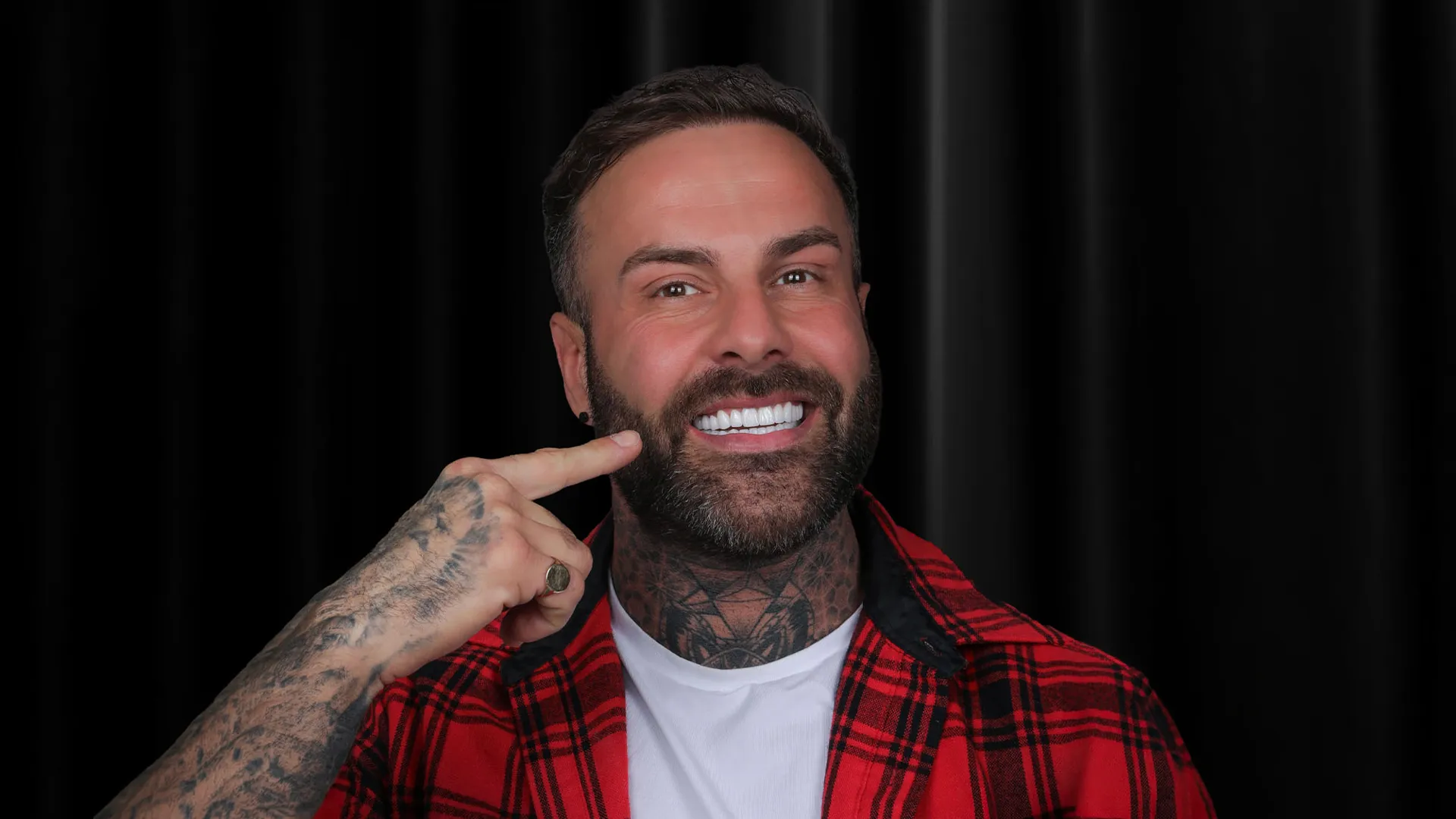
What Does a Complete Smile Makeover with Zirconium Crowns Actually Involve in Andrew Monaghan’s Case?
A smile makeover changes everything. It changes how you look in photos. It changes how you feel when you meet someone new. And sometimes, it changes how you see yourself in the mirror every morning. Andrew Monaghan discovered this truth when he chose to restore his entire smile with 29 zirconium crowns. His journey shows exactly what modern cosmetic dentistry can achieve when skilled dentists combine advanced materials with precise planning.
Andrew traveled from the United Kingdom to transform his teeth. He did not want a minor fix. He wanted a complete restoration. The dental team at Cinik Dental evaluated his mouth, studied his facial structure, and designed a custom solution. They placed 29 individual zirconium crowns across his upper and lower arches. The result gave him a bright, balanced, natural-looking smile that matches his personality and his features.
This article breaks down every aspect of Andrew's case. You will learn what zirconium crowns offer. You will see how dentists plan a full-mouth restoration. You will understand why patients like Andrew choose this path. And you will discover whether this treatment fits your own dental goals.
Who Is Andrew Monaghan and Why Did He Choose a Smile Makeover?
Andrew Monaghan lives in the United Kingdom. Like many adults, he dealt with years of wear on his teeth. His dental problems did not appear overnight. They built up slowly. Stains accumulated. Edges chipped. Gaps widened. And the overall color shifted from white to a dull yellow-brown shade.
Andrew wanted more than a cleaning. He wanted more than whitening. He wanted a permanent solution that would give him a completely new smile. He researched his options online. He compared clinics. He read about materials. And he decided that zirconium crowns offered the best balance of strength, beauty, and longevity.
He chose Cinik Dental for his care. The clinic welcomed international patients. The dentists spoke English. The facility used modern technology. And the team had experience with complex full-mouth restorations. Andrew booked his consultation. He flew over. And he began his transformation.
His motivation went deeper than vanity. Andrew wanted confidence. He wanted to smile in photos without thinking about his teeth. He wanted to speak in public without feeling self-conscious. He wanted a smile that matched his vibrant personality. And he got it.
What Did Andrew's Teeth Look Like Before the Treatment?
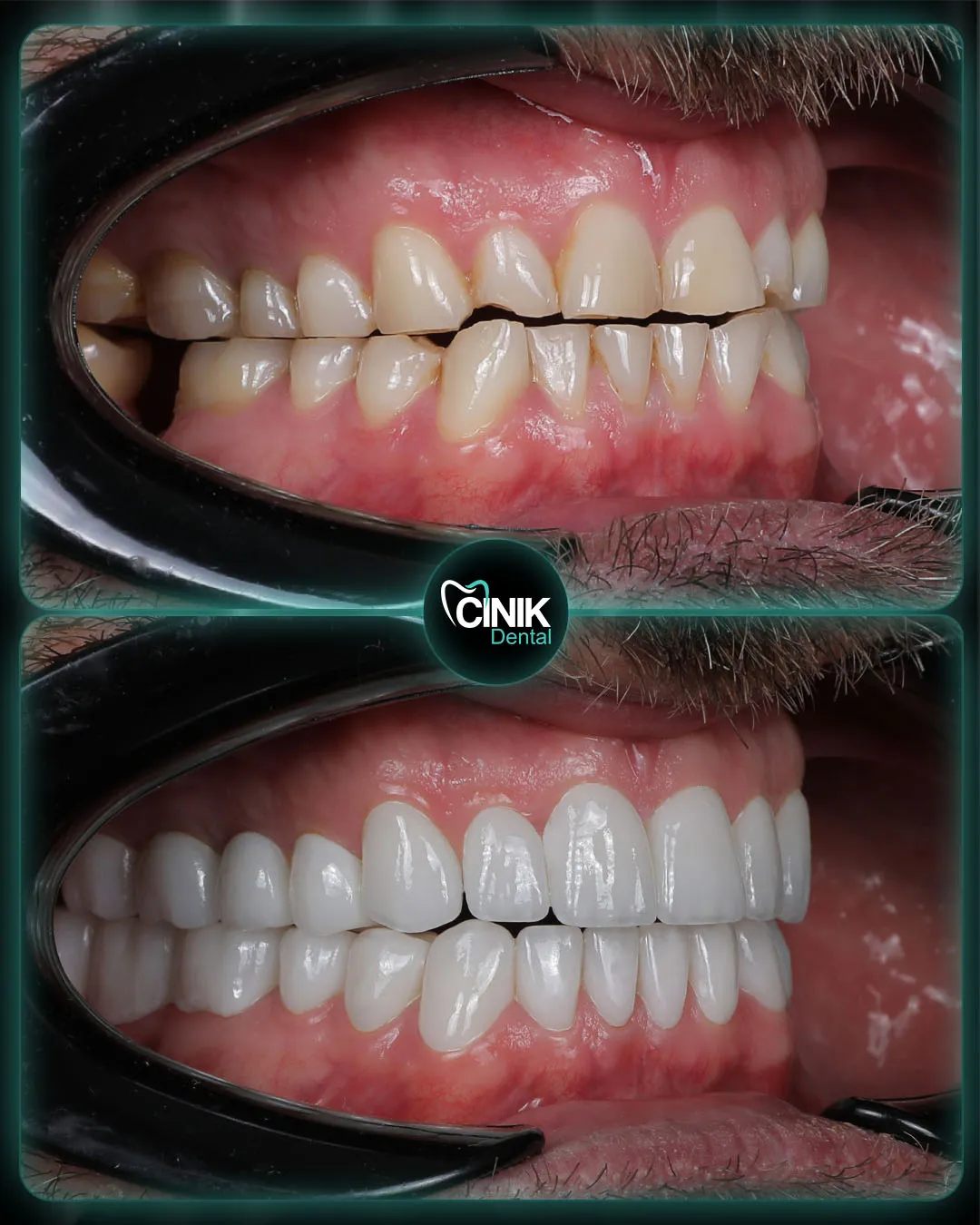
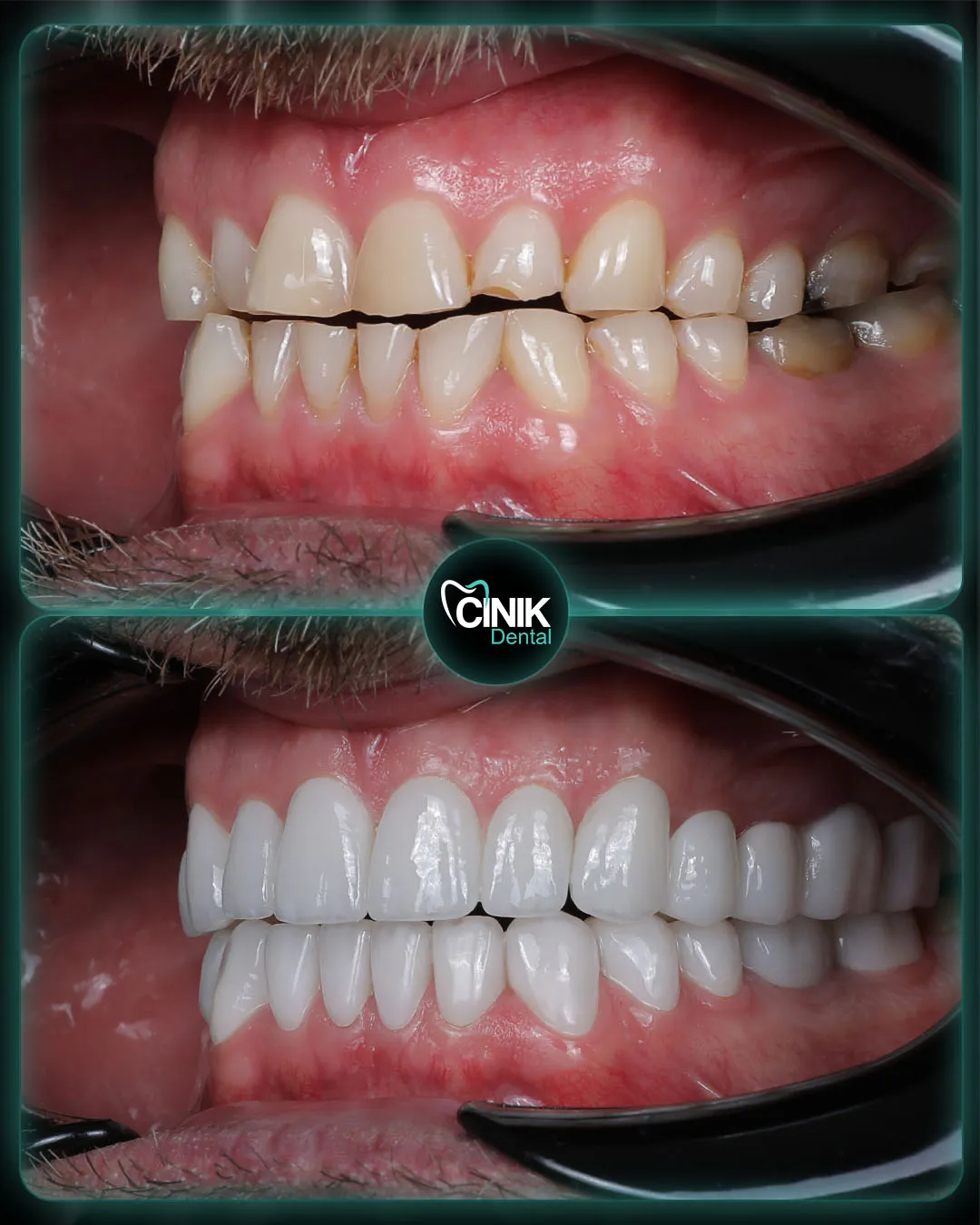
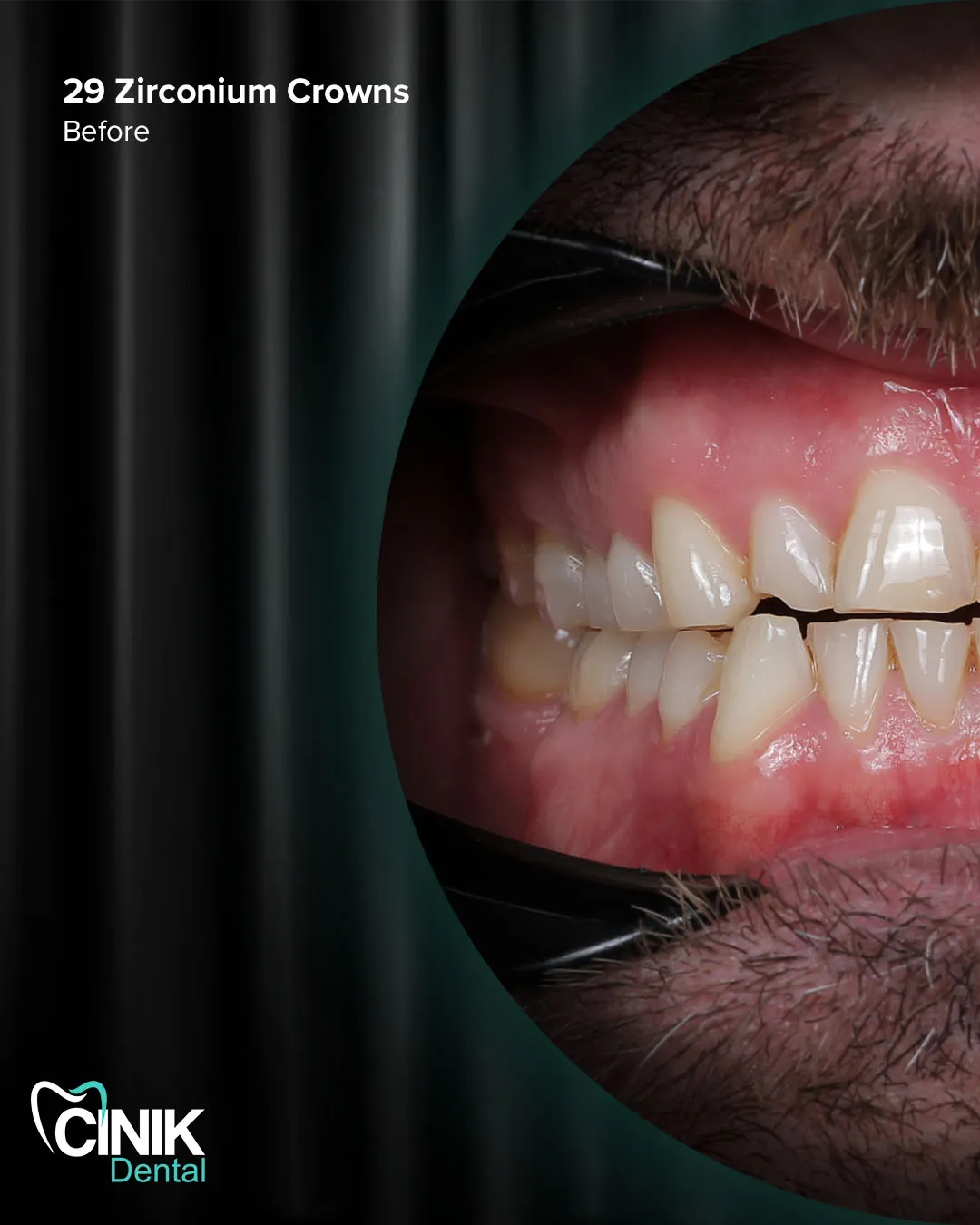
The before images tell a clear story. Andrew's natural teeth showed significant discoloration. The enamel had yellowed and browned in several areas. Some teeth carried dark stains near the gums. The color was not uniform. Some teeth looked darker than others.
Wear and tear had also taken a toll. The biting edges looked uneven. Some teeth had chipped corners. Others had lost their natural rectangular shape and appeared rounded or shortened. The front teeth did not line up evenly. Small gaps had formed between several teeth.
The side-view images revealed another issue. Andrew's bite had shifted over time. His upper and lower teeth did not meet in a smooth, aligned way. This misalignment caused uneven pressure when he chewed. It also made certain teeth work harder than others. That extra stress accelerated the wear.
Gum recession had started in a few areas. The gums looked slightly inflamed in some spots. This inflammation signaled that Andrew needed careful gum management before the crowns went on. The dental team addressed this first. Healthy gums support healthy crowns. And the team at Cinik Dental knew this step mattered.
Andrew's teeth were still structurally sound in the roots. The foundations were good. But the visible portions needed complete coverage. That is why the dentists recommended 29 crowns rather than veneers or partial treatments. The damage covered nearly every visible tooth. A full-mouth approach made the most sense.
How Did the Discoloration and Wear Affect His Daily Life?
Andrew felt the effects every day. He avoided bright lighting in restaurants. He covered his mouth when he laughed. He stopped smiling fully in family photos. These small habits added up. They created a constant background stress.
He also had practical problems. Chewing certain foods felt uncomfortable. Cold drinks caused sensitivity. And he noticed that his teeth looked shorter than they had in his twenties. The wear changed his face slightly. His upper lip did not have the same support. This made him look older than he felt.
The emotional weight grew heavier over time. Andrew knew his teeth did not reflect who he was inside. He was outgoing. He was successful. He took care of his appearance. But his smile held him back. He decided to fix it permanently.
What Are Zirconium Crowns and Why Do Dentists Recommend Them?
Zirconium crowns belong to a category called all-ceramic restorations. Dentists craft them from zirconium dioxide. This material comes from a mineral called zircon. Scientists process this mineral into a white, crystalline substance that mimics the natural look of tooth enamel.
Dental experts love zirconium for several reasons. First, it offers exceptional strength. Zirconium crowns resist fractures better than traditional porcelain. They handle the pressure of daily chewing without cracking. Second, they look natural. The material carries a slight translucency. Light passes through zirconium similarly to how it passes through natural enamel. This creates depth and vitality. The teeth do not look flat or chalky.
Third, zirconium biocompatibility ranks very high. Human gum tissue accepts this material easily. Patients rarely experience allergic reactions. The gums stay healthy around the crown margins. And fourth, zirconium works well with digital technology. Labs use CAD/CAM systems to mill these crowns with microscopic precision. Every curve, every groove, and every contact point matches the dentist's design.
Dentists recommend zirconium crowns for patients who need both beauty and durability. Andrew needed both. He wanted a Hollywood-white smile. But he also needed crowns that would last for fifteen to twenty years. Zirconium gave him both benefits in one solution.
How Do Zirconium Crowns Compare to Other Dental Materials?
Patients often ask about alternatives. They want to know if porcelain, metal, or composite materials work better. The answer depends on the situation. But for full-mouth restorations like Andrew's, zirconium often wins.
Material | Strength | Appearance | Biocompatibility | Best Use Case |
Zirconium | Very High | Excellent | Excellent | Full mouth restorations, visible teeth |
Porcelain-Fused-to-Metal | High | Good | Good | Back teeth, budget-conscious cases |
All-Porcelain | Moderate | Very Good | Good | Single front teeth, low bite pressure |
Composite Resin | Low | Fair | Good | Temporary restorations, small repairs |
Metal Crowns | Very High | Poor | Good | Molars, non-visible teeth |
Zirconium beats porcelain-fused-to-metal in aesthetics because it contains no dark metal core. No gray lines appear at the gum margin. It beats all-porcelain in strength because it resists cracking under pressure. And it beats composite resin in longevity because it does not stain or wear down quickly.
For Andrew, the choice was clear. He needed 29 crowns that would look stunning and survive daily use. Zirconium delivered exactly that.
How Does a Smile Makeover with 29 Zirconium Crowns Work?
A full-mouth restoration with 29 crowns requires careful planning. This is not a one-day procedure. It involves multiple stages. Each stage builds on the last one. And each stage requires teamwork between the dentist, the lab technician, and the patient.
Andrew's treatment followed a proven protocol. The team at Cinik Dental used digital smile design, precise tooth preparation, and meticulous placement. Here is how the process unfolded.
What Happens During the First Consultation and Digital Planning?
Andrew met with the dental team for a comprehensive exam. The dentists took digital X-rays. They captured 3D scans of his teeth and gums. They photographed his face from multiple angles. And they recorded video of him talking and smiling naturally.
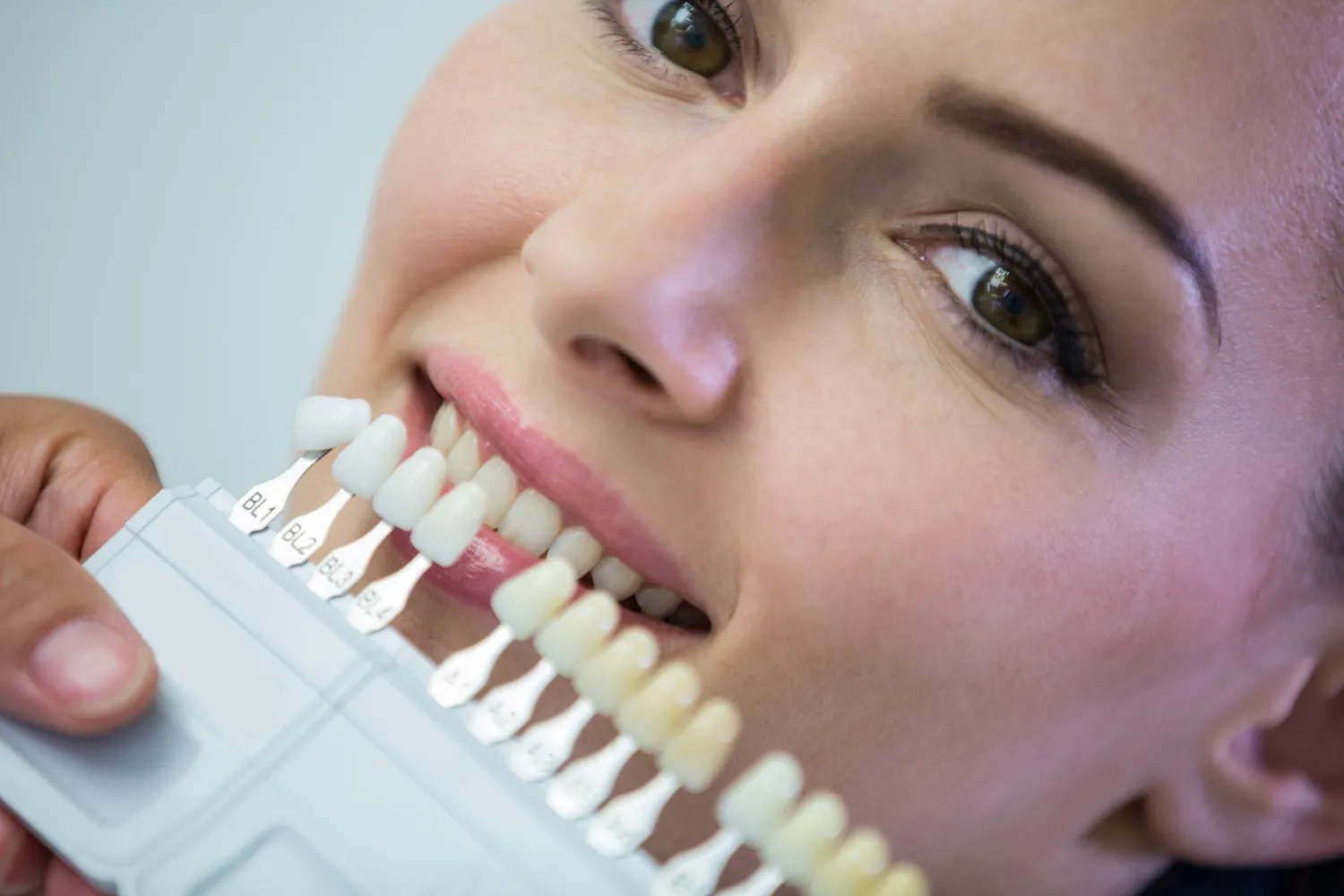
The team analyzed this data. They looked at his facial symmetry. They measured his lip line. They studied how much tooth showed when he smiled. And they discussed his goals. Andrew wanted a bright white shade. He wanted square, masculine tooth shapes. And he wanted a smile that looked natural, not artificial.
The dentists imported his scans into digital smile design software. They created a virtual model of his new smile. They showed Andrew a preview. He approved the design. Then the team sent the digital files to the dental lab.
The lab technicians used CAD/CAM technology to mill temporary crowns. These temporaries matched the final design. Andrew wore them for several days. This test drive let him see and feel the new shape. He gave feedback. The team made minor adjustments. Then they finalized the plan for the 29 permanent zirconium crowns.
How Do Dentists Prepare Natural Teeth for Full Coverage Crowns?
Tooth preparation is a critical step. The dentist must remove enough enamel to make room for the crown. But the dentist must also preserve as much healthy tooth structure as possible. This balance requires skill and experience.
Andrew's dentist prepared each of the 29 teeth systematically. The team used local anesthesia to keep him comfortable. They reduced the outer surfaces of each tooth by about 1.5 to 2 millimeters. This created uniform space for the zirconium material. They also reduced the biting surfaces slightly. This ensured the final crowns would fit into his bite without creating high spots.
The dentists paid special attention to the margin lines. They placed the crown edges slightly below the gum line. This hid the transition between crown and tooth. It also created a smooth surface that the gums could adapt to easily. They took final digital impressions of the prepared teeth. These impressions captured every detail. The lab used them to mill the final zirconium crowns with exact precision.
Andrew got his temporary crowns again after the prep. These protected his teeth while the lab fabricated the permanent set. He wore them for about five to seven days. During this time, he avoided hard foods. He maintained excellent oral hygiene. And he reported any discomfort immediately.
What Does the Final Placement Day Look Like?
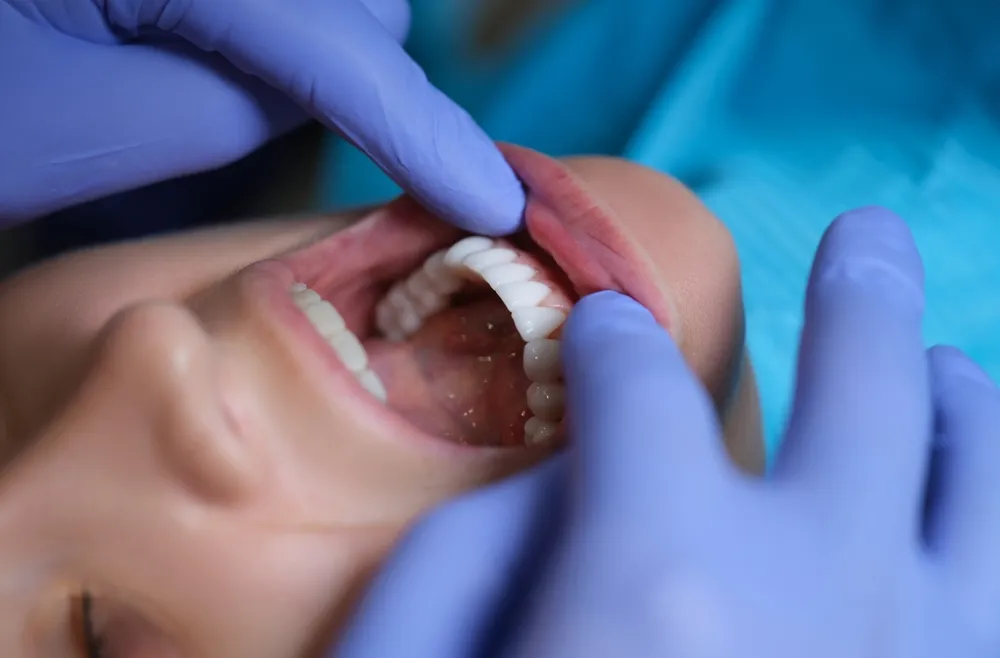
The big day arrived. Andrew returned to the clinic to receive his permanent zirconium crowns. The team removed the temporaries. They cleaned each prepared tooth thoroughly. They checked the fit of each crown individually. Then they checked the fit of the full set together.
The dentist examined Andrew's bite carefully. They used articulating paper to mark contact points. They adjusted any high spots. They verified that his jaw moved smoothly from side to side and front to back. A perfect bite prevents future fractures. It also protects the jaw joints.
Once the fit was perfect, the team cemented the crowns in place. They used a strong dental adhesive designed for zirconium. This adhesive creates a chemical bond with the tooth and the crown. It seals out bacteria. It locks the crown firmly into position. And it adds an extra layer of strength.
The team polished the crowns. They checked the margins one last time. They took final photos. And they showed Andrew his new smile. He looked in the mirror. He smiled. And he saw a completely different person looking back.
What Specific Changes Did the 29 Zirconium Crowns Create for Andrew?
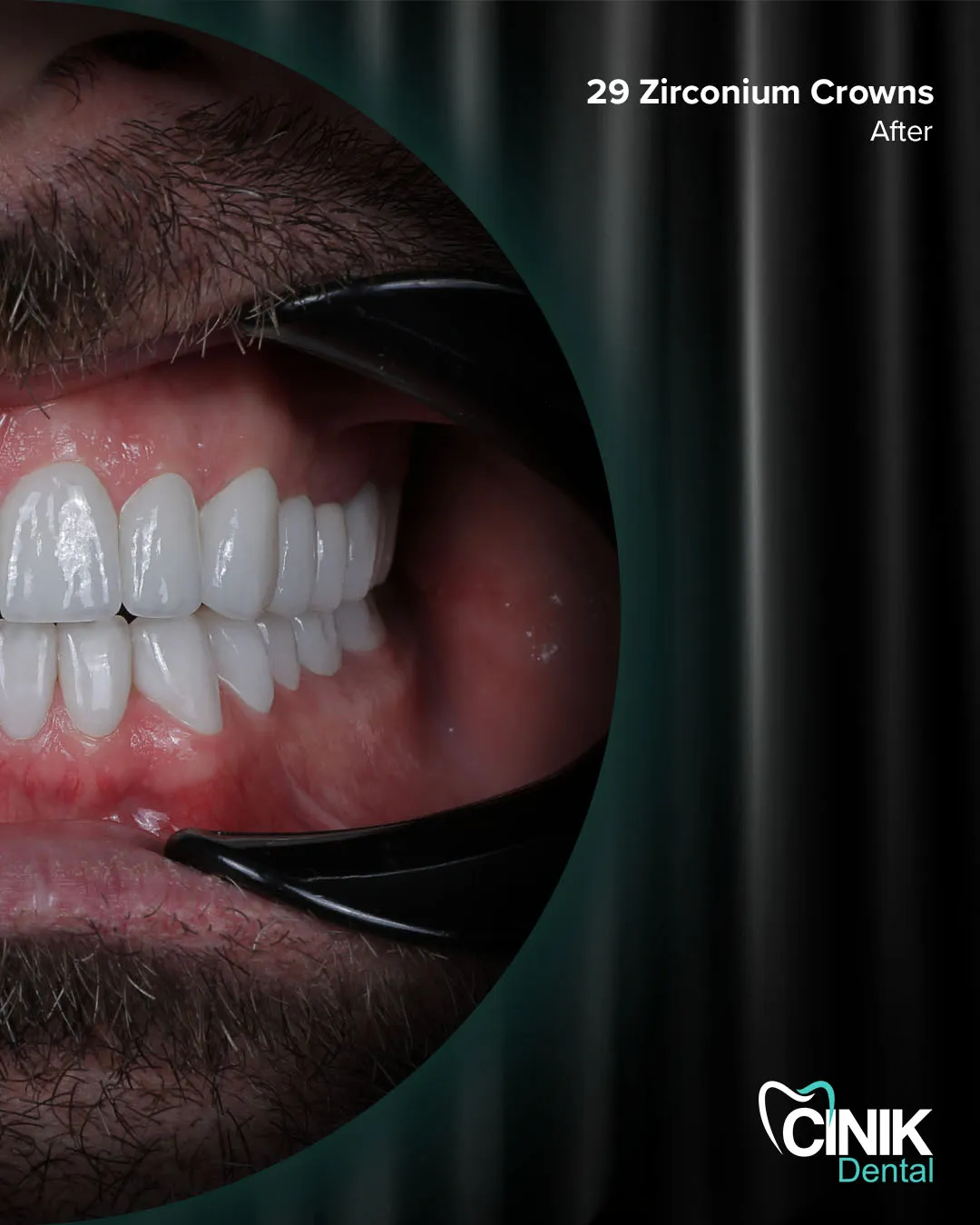
The transformation is dramatic. The before and after images reveal changes in color, shape, alignment, and overall harmony. Let us break down each improvement.
The color change stands out immediately. Andrew's teeth went from yellow-brown to a bright, natural white. The shade the team selected complemented his skin tone. It did not look fake or overly bleached. The zirconium material carried a subtle translucency at the edges. This mimicked the light-reflecting quality of young, healthy enamel.
The shape change was equally important. Andrew's teeth had worn down over time. They looked short and rounded. The new crowns restored their natural length. The incisal edges followed a smooth, youthful curve. The canine teeth had proper pointed tips. The premolars and molars had natural cusps. Every tooth looked like it belonged there.
The alignment improved across the entire arch. The front teeth now sat in a straight, even row. The midline matched the center of his face. The side teeth followed a smooth curve. This created a symmetrical smile that framed his lips perfectly.
The bite alignment also corrected. Andrew's upper and lower teeth now met evenly. The pressure distributed across all 29 crowns. No single tooth carried too much load. This balanced bite would protect his investment for years to come.
How Did the Smile Makeover Change Andrew's Facial Appearance?
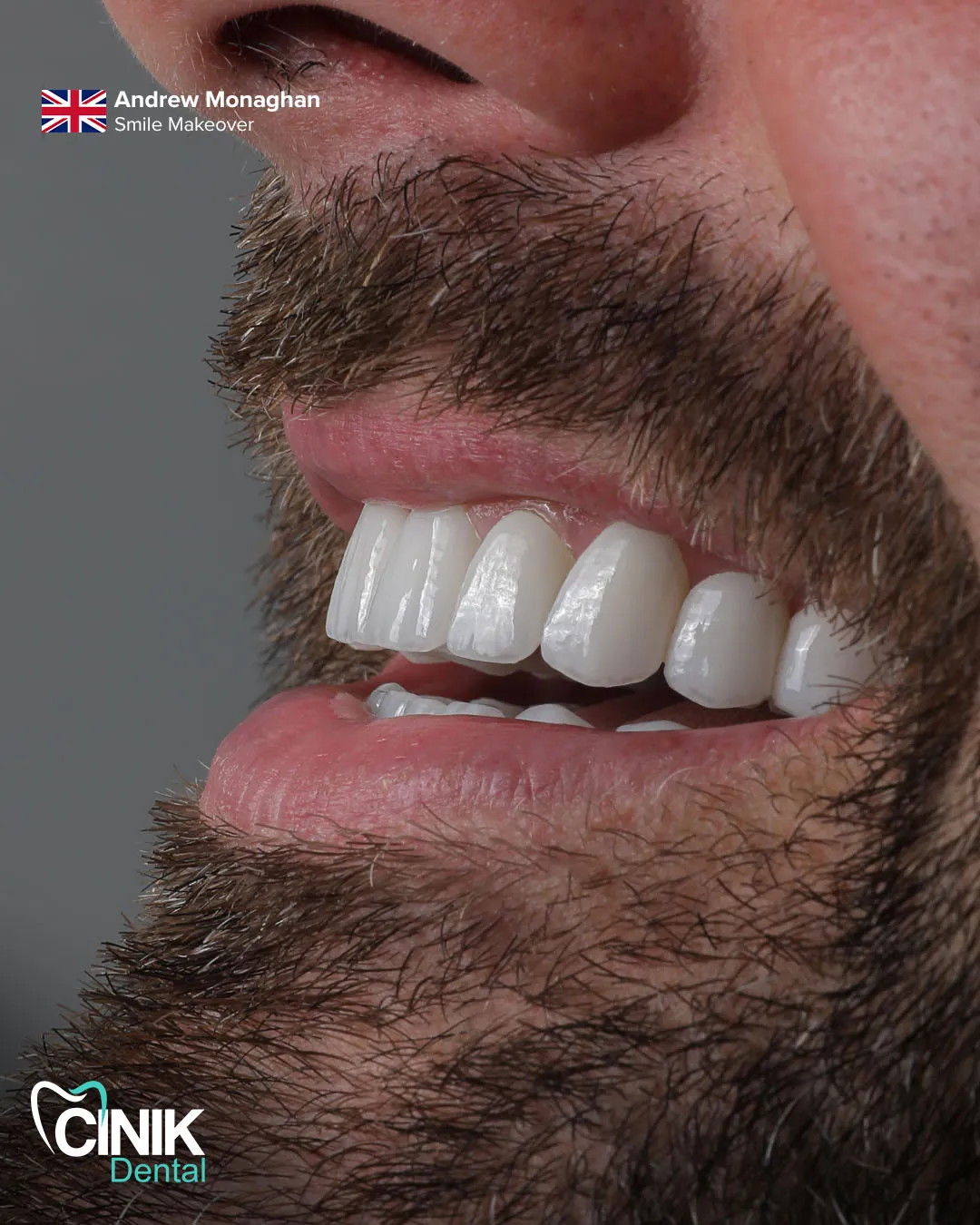
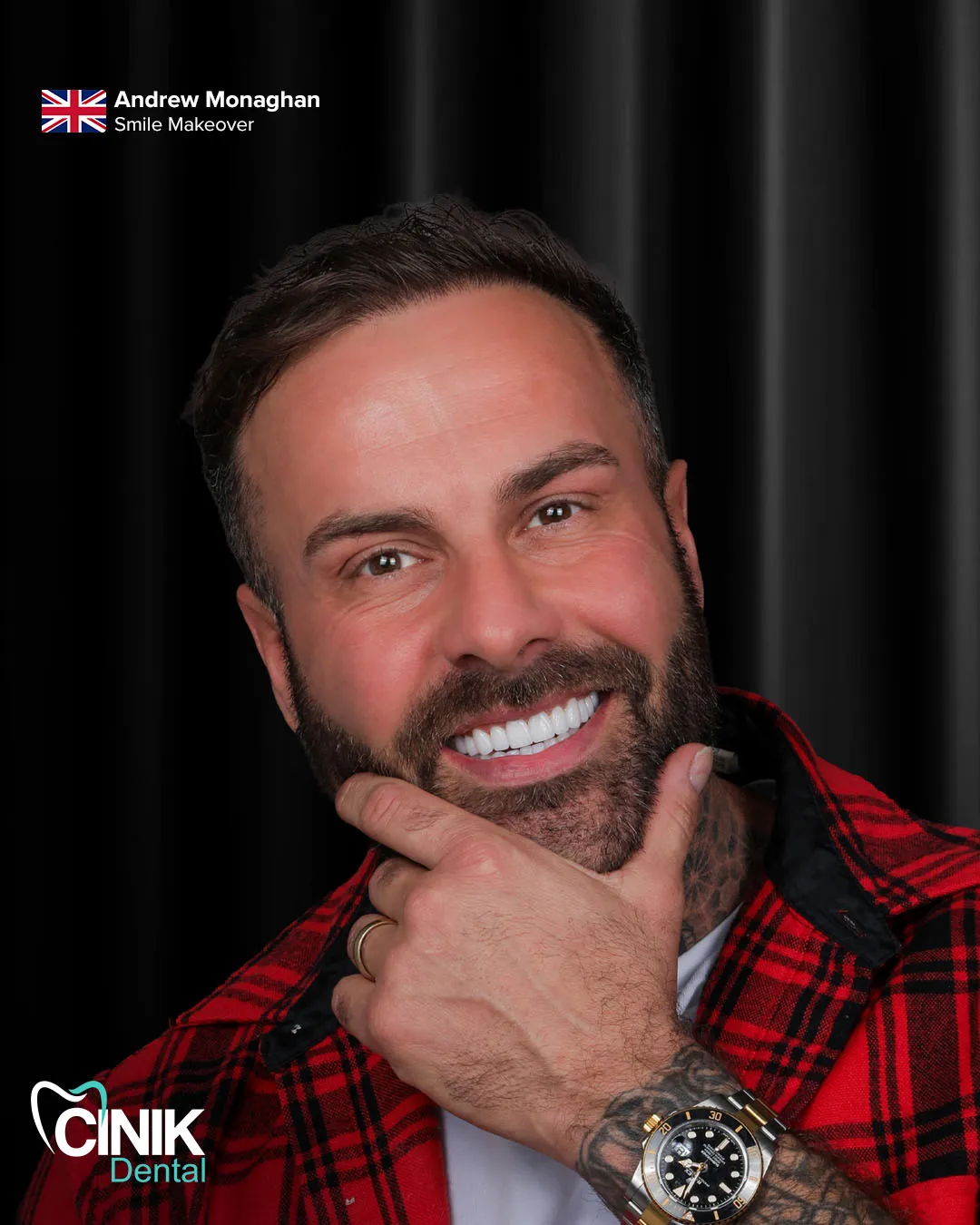
A full set of crowns does more than fix teeth. It supports the facial structures. Andrew's upper lip gained support from the properly sized front teeth. This reduced the appearance of fine lines around his mouth. His lower face looked fuller and more defined. His chin and nose maintained their natural proportions. But the overall effect was rejuvenating.
His smile now reached the corners of his mouth evenly. This created a genuine, relaxed expression. Before the makeover, Andrew's smile looked tight. He held back because he felt self-conscious. Now his smile looked open and confident. The photos show this clearly. In the after images, his eyes match his smile. He looks happy. He looks comfortable. He looks like himself.
Why Do International Patients Choose Full Mouth Restorations Abroad?
Andrew traveled from the United Kingdom to receive his care. He was not alone. Thousands of patients travel for dental treatment every year. They come from the UK, Ireland, the USA, and across Europe. They seek high-quality care at accessible prices. And they find experienced teams who specialize in complex cases.
Turkey has become a leading destination for dental tourism. Clinics like Cinik Dental invest in modern technology. They hire specialists with advanced training. They follow international sterilization standards. And they offer comprehensive packages that include airport transfers, hotel stays, and translation services.
The cost factor matters too. A full-mouth restoration with 29 zirconium crowns in the UK or the USA can cost a small fortune. Patients often face quotes of thirty thousand pounds or more. In Turkey, patients receive the same materials, the same technology, and often more personalized attention for a fraction of that price. This does not mean the care is cheaper in quality. It means the operating costs are lower. And clinics pass those savings to patients.
Andrew made a smart choice. He researched thoroughly. He verified credentials. He reviewed case photos. And he chose a clinic with a track record of successful smile makeovers. His results speak for themselves.
How Long Do Zirconium Crowns Last and How Do Patients Maintain Them?
Zirconium crowns last a long time. Studies show that well-maintained zirconium restorations survive fifteen to twenty years. Some last even longer. The material resists wear. It resists staining. And it resists fracture under normal conditions.
But crowns do not last by themselves. Patients must do their part. Andrew received detailed instructions. He learned how to protect his investment. And he committed to a maintenance routine.
What Daily Habits Protect Zirconium Crowns?
Andrew brushes his teeth twice daily. He uses a soft-bristled toothbrush. He applies gentle, circular motions. He avoids abrasive whitening toothpastes. These pastes contain gritty particles that can scratch the crown surface over time. Instead, he uses a non-abrasive gel toothpaste.
He flosses every day. Flossing removes plaque from the gum line. It prevents inflammation around the crown margins. Healthy gums keep the underlying teeth strong. And strong teeth keep the crowns stable.
He wears a night guard. This matters enormously. Many adults grind their teeth during sleep. Grinding puts massive pressure on crowns. A custom night guard absorbs this pressure. It distributes forces evenly. And it prevents chips or cracks in the zirconium.
He avoids using his teeth as tools. He does not open bottles with his teeth. He does not chew ice. He does not bite his fingernails. These habits damage even the strongest materials.
He visits his dentist regularly. Every six months, a professional cleans his teeth. The dentist checks the crown margins. The dentist checks his bite. And the dentist catches any small issues before they become big problems.
How Does Diet Affect Zirconium Crown Longevity?
Zirconium resists stains better than natural enamel. But patients should still use common sense. Andrew limits coffee and red wine. He rinses his mouth with water after consuming dark beverages. He avoids excessive sugar. Sugar feeds bacteria. Bacteria cause gum disease. And gum disease threatens the teeth beneath the crowns.
He also avoids extremely hard foods. Hard candies, unpopped popcorn kernels, and ice cubes can crack crowns. Zirconium is strong. But no material is indestructible. Andrew treats his new smile with respect. And his crowns reward him with lasting beauty.
What Results Did Andrew Monaghan Achieve with His Smile Makeover?
Andrew's case represents a gold-standard outcome. The 29 zirconium crowns transformed his entire mouth. Let us compare the before and after states in detail.
Feature | Before Treatment | After Treatment |
Tooth Color | Yellow-brown, uneven staining | Bright white, uniform, natural translucency |
Tooth Shape | Worn, chipped, rounded edges | Crisp, rectangular, youthful anatomy |
Alignment | Crooked, gapped, uneven spacing | Straight, even, symmetrical arch form |
Bite Function | Uneven pressure, misaligned contact | Balanced occlusion, smooth jaw movement |
Gum Health | Mild inflammation, some recession | Healthy pink tissue, proper margin adaptation |
Smile Width | Narrow, held back | Full, reaching corners, confident |
Facial Support | Collapsed upper lip, aged appearance | Supported lips, rejuvenated lower face |
Patient Confidence | Self-conscious, hiding smile | Open, expressive, photogenic |
The side-view images show another victory. Andrew's profile smile looks natural. The upper front teeth follow the curve of his lower lip perfectly. The teeth do not protrude too far. They do not sit too far back. They support his upper lip without pushing it outward. This balance is hard to achieve. It requires artistic judgment from the dentist. And the Cinik Dental team nailed it.
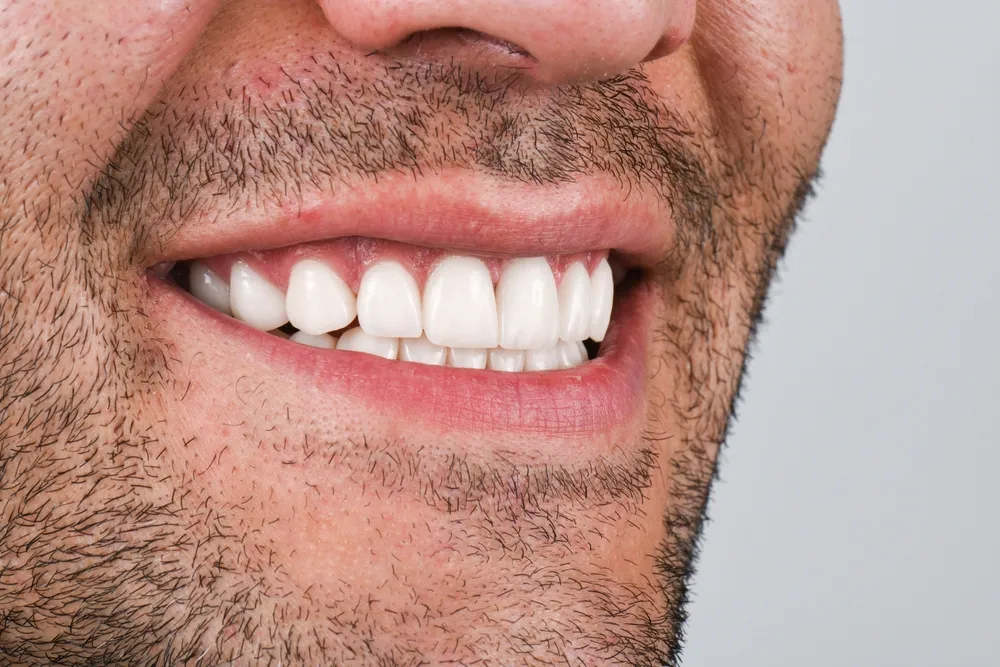
The close-up images reveal the craftsmanship. Each crown has natural surface texture. The light reflects off the enamel-like surface in a lifelike way. The margins disappear at the gum line. And the color gradient from the gum to the biting edge looks exactly like a real tooth.
Is a Full Mouth Zirconium Crown Makeover the Right Choice for You?
Andrew's story inspires many people. But every patient is different. Not everyone needs 29 crowns. Not everyone wants a complete transformation. You must evaluate your own situation honestly.
You might be a good candidate if you have widespread damage across most visible teeth. You might benefit if deep stains cover your teeth and whitening cannot help. You should consider this option if you have multiple old fillings, cracks, or worn enamel. And you might choose this path if you simply want a permanent, dramatic change.
You might need a different approach if you have active gum disease. The dentist must treat gum disease first. You might need alternatives if you have severe jaw joint problems. You need a stable bite before adding crowns. And you might explore other options if only a few teeth need work. Veneers or partial crowns could suffice.
How Do You Know If You Need 29 Crowns or Fewer?
A dentist counts the visible teeth during your smile analysis. Most people show eight to ten upper teeth when they smile. Some show more. Andrew showed nearly all his upper and lower teeth when he laughed. That is why the team recommended 29 crowns. They covered every tooth that showed.
Your dentist will examine your smile dynamics. They will watch you talk, laugh, and smile naturally. They will count the visible teeth. And they will design a treatment plan that covers only what needs coverage. Sometimes patients need 20 crowns. Sometimes they need 28. The number depends on your anatomy and your goals.
What Should You Look for in a Dental Clinic for Complex Restorations?
Choosing the right clinic determines your outcome. Andrew chose well. You should do the same. Look for these qualities.
First, demand before and after photos. Real clinics show real results. Study the cases. Look for natural aesthetics. Look for consistent quality. And look for patients with similar starting conditions to yours.
Second, ask about the technology. Does the clinic use digital smile design? Do they use CAD/CAM milling? Do they take 3D scans instead of messy impressions? Modern technology improves accuracy. It improves comfort. And it improves outcomes.
Third, verify the materials. Insist on genuine zirconium from reputable manufacturers. Ask about the brand. Ask about the warranty. High-quality zirconium comes with documentation. And reputable labs stand behind their work.
Fourth, check the communication. Do the dentists speak your language? Do they listen to your goals? Do they explain the procedure clearly? Andrew worked with a team that understood his vision. You deserve the same.
Fifth, review the aftercare policy. Will the clinic help if you have problems after you return home? Do they offer guarantees? Do they provide clear maintenance instructions? Good clinics support you for the long term.
How Does Digital Technology Improve Outcomes for Smile Makeovers?
Modern dentistry relies on digital tools. These tools remove guesswork. They remove human error. And they create predictable results.
Digital smile design software lets dentists plan your new smile on a computer screen. They overlay the design on your actual face. You see the preview before anyone touches your teeth. You provide feedback. You request changes. And you approve the final look.
Intraoral scanners capture 3D models of your teeth. These scans are more accurate than traditional molds. They show every groove and contour. The lab uses them to mill crowns that fit perfectly. And the dentist uses them to plan the preparation with microscopic precision.
CAD/CAM milling machines carve crowns from solid zirconium blocks. These machines work within tolerances of 20 microns. That is thinner than a human hair. This precision ensures tight margins. Tight margins keep bacteria out. And bacteria-free margins keep your teeth healthy underneath.
Andrew benefited from all these technologies. His 29 crowns fit so well that he barely noticed the transition. They felt like his own teeth from day one.
What Psychological Benefits Come from a Smile Transformation?
Dentists often talk about the physical results. But the mental and emotional results matter just as much. Andrew experienced a profound psychological shift. He no longer felt anxiety in social situations. He stopped planning his photos around his smile. He started living more freely.
Research supports this experience. Studies confirm that attractive smiles signal trustworthiness, success, and approachability. These perceptions affect job interviews, social connections, and romantic relationships. When you feel good about your smile, you smile more. And when you smile more, you trigger positive feedback loops in your brain. You release endorphins. You reduce stress hormones. And you feel happier.
Andrew's smile makeover gave him more than new teeth. It gave him a new outlook. He invested in himself. And the returns keep coming every single day.
How Much Does a 29-Crown Zirconium Makeover Typically Cost?
Cost remains a major consideration. Prices vary by country, by clinic, and by case complexity. In the United Kingdom, a single zirconium crown can cost between eight hundred and fifteen hundred pounds. Multiply that by 29 crowns. Add the cost of consultations, X-rays, temporaries, and adjustments. The total can exceed thirty thousand pounds easily.
In Turkey, patients often pay sixty to seventy percent less. This price includes the crowns, the lab work, the temporary restorations, and often the accommodation and transfers. The lower price does not reflect lower quality. It reflects lower clinic overhead, lower lab costs, and favorable exchange rates.
Andrew made a financial decision alongside his health decision. The clinic delivered world-class care to him. He saved thousands of pounds. And he gained a smile that will last for decades. That is smart healthcare shopping.
What Are the Risks and How Do Clinics Minimize Them?
Every medical procedure carries risks. Crown placement is no exception. But experienced teams know how to minimize these risks.
Tooth sensitivity can occur after preparation. The dentist reduces this risk by using precise techniques. They avoid over-preparation. They protect the nerve inside the tooth. And they use high-quality temporary crowns that seal the tooth between appointments.
Bite problems can develop if the crowns sit too high. The dentist eliminates this risk by checking the bite meticulously. They use articulating paper. They make adjustments. And they verify comfort before the patient leaves.
Crown detachment is rare with zirconium. But it can happen if the cement fails. The dentist minimizes this risk by using the correct adhesive protocol. They clean the tooth thoroughly. They apply a primer. And they cure the cement properly.
Gum irritation can occur if the crown margin sits too deep. The dentist avoids this by placing the margin at the correct level. They polish the margin smooth. And they check the gum response at follow-up visits.
Andrew experienced none of these complications. His case proceeded smoothly from start to finish. This success reflects the skill of his dental team and the quality of the planning.
Can You Combine a Smile Makeover with Other Dental Procedures?
Some patients need more than crowns. They need implants. They need gum grafts. They need root canals. Andrew's case was straightforward. His teeth had healthy roots. His gums needed only minor management. So the team focused entirely on the crowns.
But many patients combine procedures. They replace missing teeth with implants first. They correct gum recession with grafting. They whiten any teeth that will not receive crowns. And they straighten severely crooked teeth with orthodontics before crowning them.
Your dentist will create a phased plan. They will address urgent issues first. They will stabilize your oral health. Then they will proceed with the cosmetic phase. This staged approach ensures that your final smile rests on a solid foundation.
What Final Advice Would Experts Give to Prospective Patients?
If you are considering a smile makeover like Andrew's, take your time. Do not rush. Research thoroughly. Visit multiple clinics if possible. Ask hard questions. And trust your instincts.
Look for a clinic that puts your goals first. Avoid places that push one-size-fits-all solutions. Your smile is unique. Your treatment should be unique too.
Insist on seeing a digital preview. If a clinic cannot show you a simulation of your final result, keep looking. Modern technology makes previews standard. You deserve to know what you are getting.
Budget realistically. Cheap crowns often mean cheap materials. Cheap labs. And cheap outcomes. You do not need the most expensive option. But you need a fair price for genuine quality. Andrew paid a reasonable fee. The clinic provided premium zirconium to him. And he got premium results.
Commit to maintenance. Crowns do not make your mouth invincible. You still need excellent hygiene. You still need regular checkups. And you still need to protect your teeth from grinding and trauma. Your new smile is an investment. Treat it like one.
Andrew Monaghan's smile makeover with 29 zirconium crowns stands as a powerful example of what modern dentistry can achieve. He started with worn, discolored, uneven teeth. He ended with a bright, balanced, confident smile. The zirconium crowns gave him strength, beauty, and longevity. The digital planning gave him precision and predictability. And the expert team at Cinik Dental gave him an experience he could trust.
His transformation was not just dental. It was personal. It changed how he sees himself. It changed how others see him. And it changed how he moves through the world.
If you dream of a similar transformation, Andrew's case proves that it is possible. You need the right plan. You need the right materials. You need the right team. And you need the courage to take the first step. Your new smile is waiting.