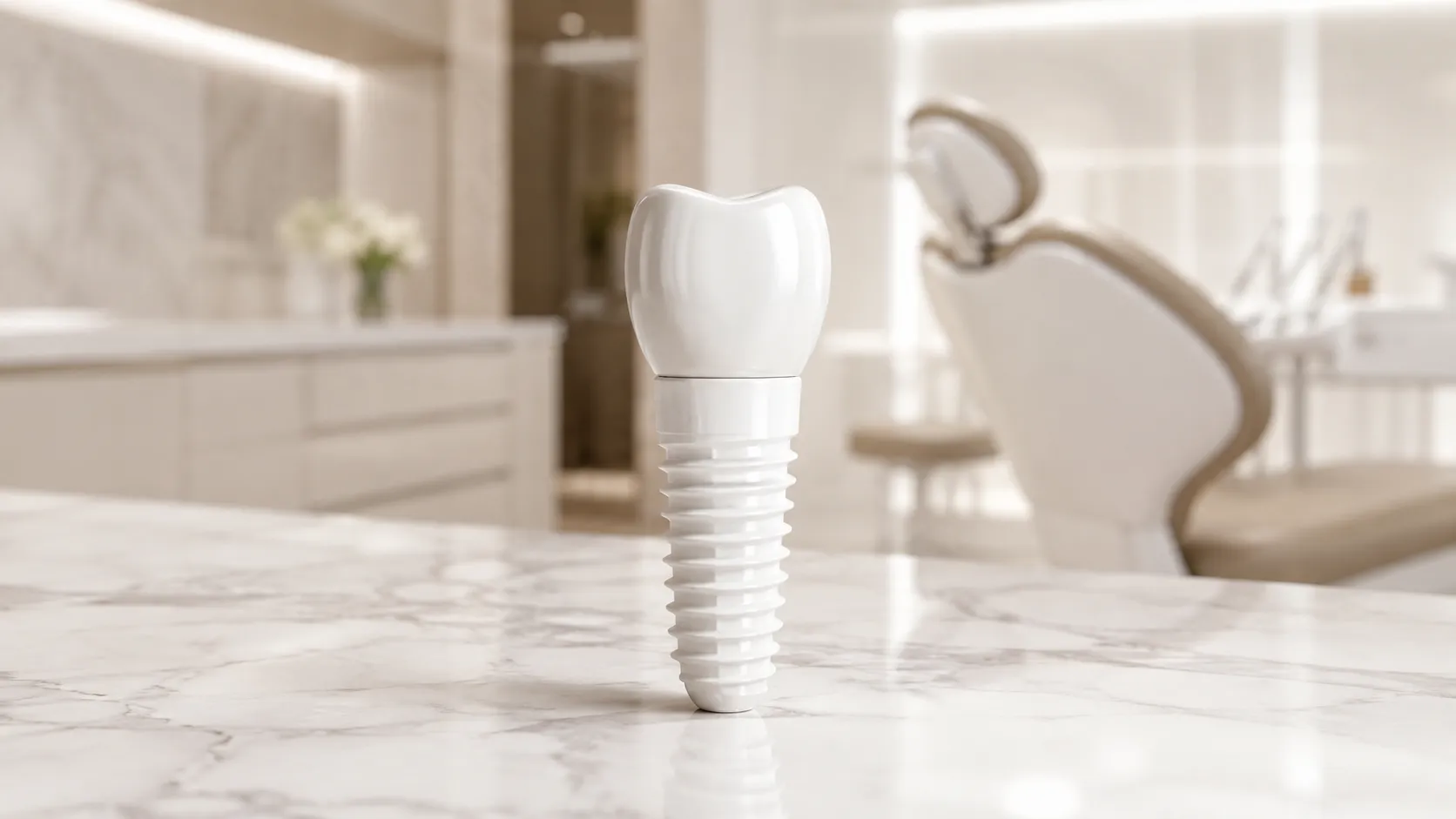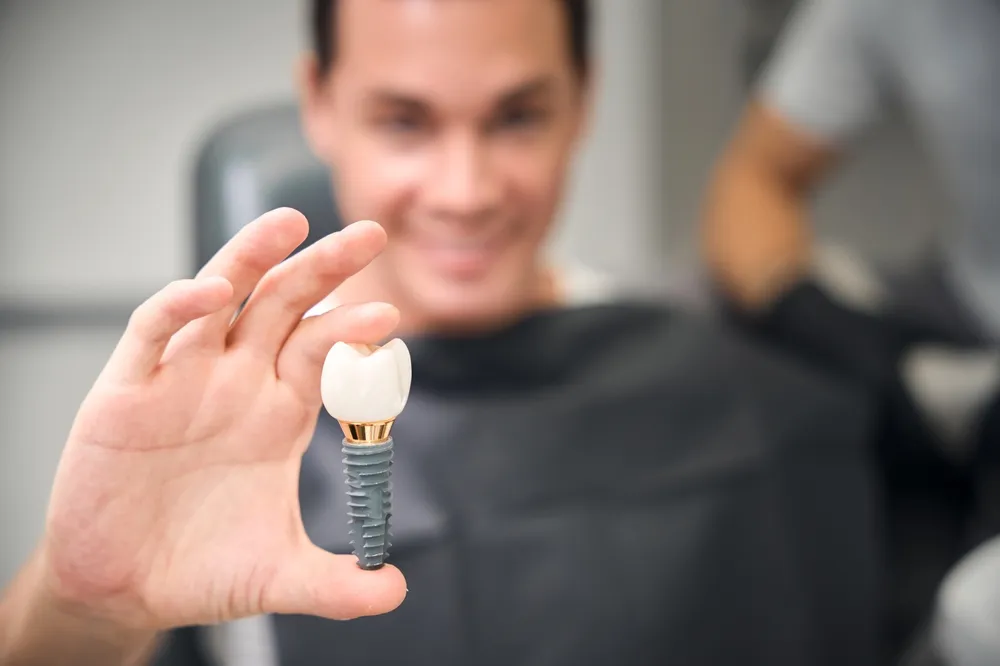
Dental implants have changed modern dentistry. They give patients a permanent way to replace missing teeth. Most implants work well for many years. But some implants do fail. This article answers the question: can dental implants fail? It explains why failure happens, how dentists spot it, and what patients can do to stop it. The article uses real science to give clear answers.
Dental implants carry success rates between 92.8% and 97.1% (Ting 2024). This means most patients keep their implants for life. But failure still occurs in a small number of cases. Early diagnosis and proper care can stop many problems before they grow serious. Patients who understand the risks can take better care of their implants.
What Is Dental Implant Failure?
Dental implant failure means the implant does not stay in the jawbone or does not work as a tooth replacement. A healthy implant bonds with the bone through a process called osseointegration. When this bond breaks or never forms, the implant fails.
How Does Dental Implant Failure Define Itself?
Implant failure happens when the implant loses its stability or function. This can occur in two ways. First, the implant may never bond with the bone. Second, the implant may bond at first but then lose that bond later. Biological problems like infection cause some failures. Mechanical problems like broken parts cause others.
Osseointegration is the key process here. It means the bone grows directly onto the implant surface. When this process works, the implant becomes as strong as a natural tooth root. When it fails, the implant stays loose and cannot support a crown.
How Common Is Dental Implant Failure?
Dental implant failure is not common. Studies show that implants survive in about 95% to 98% of cases after five years (Howe et al. 2019). After ten years, the survival rate stays high at about 96.4% (Howe et al. 2019). But these numbers include both early and late failures.
Early failure happens before the implant fully bonds with the bone. This usually occurs within weeks or months after surgery. Late failure happens after the implant has already bonded. It can occur years later. Late failures often come from peri-implantitis or mechanical problems.
What Is the Difference Between Early Failure and Late Failure?
Early failure and late failure have different causes and different timelines. Understanding both helps patients know what to watch for.
Early implant failure occurs before osseointegration finishes. It usually happens within the first three to six months. The main causes include poor bone quality, infection during healing, or too much movement of the implant right after surgery. A study from 2025 found that lack of osseointegration causes 36.4% of all implant failures (Alqahtani et al. 2025). Absence of primary stability causes another 22.4%.
Late implant failure occurs after successful integration. It can develop years after placement. The leading cause is peri-implantitis. This is an infection that destroys the bone around the implant. Other causes include too much bite force, broken implant parts, or trauma.
Feature | Early Failure | Late Failure |
Timing | Within 3-6 months | After 1+ years |
Main Cause | No osseointegration | Peri-implantitis |
Bone Loss | Minimal | Progressive |
Pain Level | Often painful | May be painless |
Treatment | Remove and replace | Treat or remove |
Why Do Dental Implants Fail?
Many factors can cause an implant to fail. Some factors come from the patient. Others come from the surgery or the implant itself. Knowing these causes helps patients reduce their risk.
What Is Peri-Implantitis and How Does It Cause Failure?
Peri-implantitis is the main cause of late implant failure. It starts as peri-implant mucositis. This is a mild inflammation of the gum around the implant. If left untreated, it progresses to peri-implantitis. At this stage, the infection destroys the bone that holds the implant.
Bacterial biofilm drives this disease. Plaque builds up around the implant just like it builds up around natural teeth. The bacteria trigger inflammation. The inflammation then breaks down the bone. Studies show that peri-implantitis affects about 21% of patients with implants (Journal of Periodontology 2025). After ten years, the rate climbs higher.
Patients with a history of gum disease face higher risk. Smokers also face much higher risk. One study found that smokers have a peri-implantitis incidence of 36.6% compared to much lower rates in non-smokers (Ting 2024).
What Causes Failure of Osseointegration?
Osseointegration failure means the bone never bonds with the implant. This is the top cause of early implant failure. Several things can stop this bonding process.
Low bone density makes it hard for bone cells to grow onto the implant. Poor blood supply slows healing. Infection at the site can kill bone cells before they attach. Too much movement of the implant during healing also prevents bonding.
A 2025 study found that lack of osseointegration caused over one-third of all implant removals (Alqahtani et al. 2025). This shows how critical the healing phase is.
How Does Insufficient Bone Quantity or Quality Lead to Failure?
The jawbone must have enough height, width, and density to hold an implant. When bone is too thin, too soft, or too short, the implant cannot gain stability.
Severe bone resorption happens after tooth loss. The bone shrinks because it no longer receives chewing forces. Some patients lose 50% of ridge width in the first year after extraction. Low bone density is common in older patients and in patients with osteoporosis.
Bone grafting can solve this problem. Dentists add bone material to build up the ridge. Then they place the implant after healing. Without grafting, an implant in weak bone has a high chance of failure.
Can Excessive Bite Forces Break an Implant?
Yes, too much force can overload an implant. This happens when the bite is not balanced. It also happens in patients who grind their teeth.
Bruxism means grinding or clenching teeth during sleep. This puts extreme pressure on implants. Natural teeth have a periodontal ligament that absorbs shock. Implants do not have this ligament. They transfer force directly to the bone. Over time, this overload can crack the implant, loosen the abutment, or break the crown.
Bite misalignment also causes problems. When the implant crown hits the opposing tooth too hard, that single point of contact bears all the force. A proper bite spreads force across many teeth.
How Does Smoking Harm Dental Implants?
Smoking is one of the biggest risk factors for implant failure. Nicotine narrows blood vessels. This reduces blood flow to the gums and bone. Less blood means less oxygen and fewer nutrients reach the healing site.
Smokers heal more slowly after surgery. They also face higher infection rates. Studies show that smokers have two to three times more early implant failures than non-smokers (MDPI 2025). The risk of peri-implantitis also jumps dramatically in smokers.
Quitting smoking before surgery and staying smoke-free after improves outcomes. Even reducing smoking helps, but complete cessation gives the best results.
Does Poor Oral Hygiene Cause Implant Failure?
Yes, poor oral hygiene is a major cause of implant failure. Plaque accumulation around the implant leads to gum inflammation. This inflammation can progress to peri-implantitis. Then bone loss follows.
Daily cleaning keeps bacteria under control. Patients must brush around the implant twice a day. They must also clean between implants using interdental brushes or floss. Without this care, bacteria form a biofilm. This biofilm protects the bacteria and makes them harder to remove.
Patients who skip dental checkups face higher risk. Professional cleanings remove tartar that home care cannot reach. Regular maintenance visits catch early signs of trouble.
Which Health Conditions Raise the Risk of Implant Failure?
Several systemic diseases affect implant success. These conditions change how the body heals or how bone remodels.
Uncontrolled diabetes mellitus is a major risk factor. High blood sugar damages blood vessels and weakens immune response. This makes infections more likely and slows healing. A 2025 systematic review identified diabetes as a significant risk indicator for peri-implantitis (Journal of Periodontology 2025).
Osteoporosis reduces bone density. This makes it harder for implants to achieve stability. Some osteoporosis medications, like bisphosphonates, also affect bone healing.
Autoimmune diseases can interfere with healing. Conditions that affect wound healing, like radiation therapy to the jaw, also raise failure rates. One study found that a history of radiotherapy and chemotherapy significantly correlated with early implant loss (MDPI 2025).
Can Surgical Errors Cause Implant Failure?
Yes, surgical technique matters greatly. Incorrect implant placement can damage nearby structures. It can also place the implant in an area with poor bone support.
Improper treatment planning leads to errors. Dentists must use CBCT imaging to see the bone in three dimensions. They must also plan the exact position, angle, and depth of the implant. Without this planning, the implant may hit a nerve, pierce the sinus, or sit in soft bone.
A 2025 study found that iatrogenic issues related to location or position caused 14% of implant failures (Alqahtani et al. 2025). This shows that even with good materials, poor placement can ruin the outcome.
What Are Implant Component and Prosthetic Failures?
Sometimes the implant itself breaks. Other times the parts attached to it fail. These are mechanical complications.
Abutment loosening happens when the screw that connects the abutment to the implant comes loose. This can occur from too much bite force or from improper tightening. Crown fractures happen when the ceramic or porcelain crown cracks. Implant fracture is rare but serious. It usually occurs from extreme overload or from placing an implant that is too narrow for the bite force.
Cause | Type | Timing |
Peri-implantitis | Biological | Late |
No osseointegration | Biological | Early |
Low bone density | Biological | Early |
Bruxism | Mechanical | Late |
Smoking | Biological | Both |
Poor oral hygiene | Biological | Late |
Diabetes | Biological | Both |
Surgical error | Technical | Early |
Component fracture | Mechanical | Late |
What Risk Factors Increase the Chances of Implant Failure?
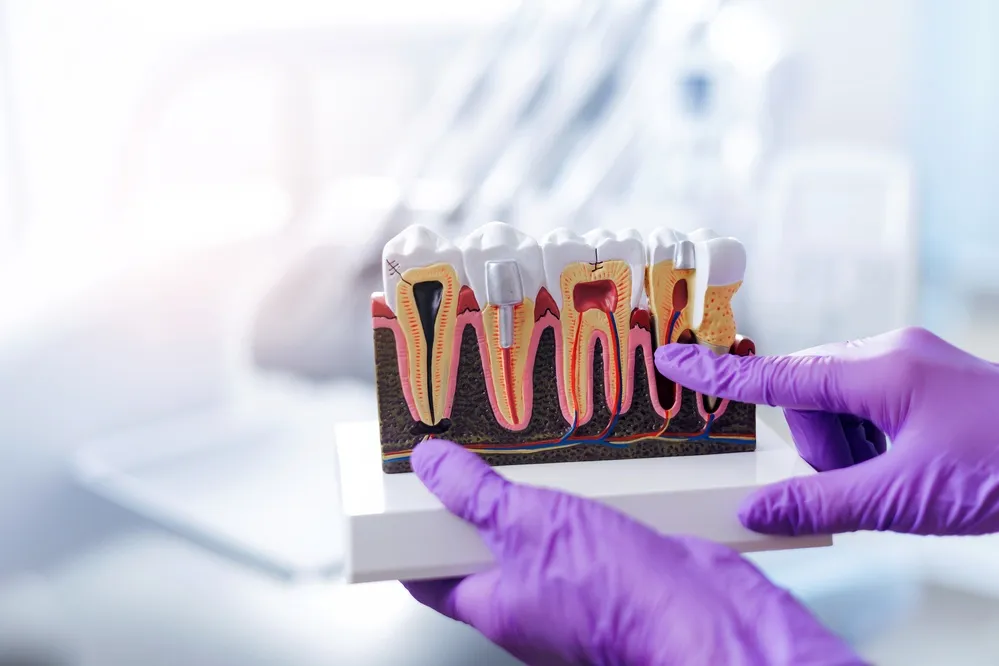
Some patients face higher risk than others. Risk factors fall into three groups: patient-related, treatment-related, and anatomical.
Which Patient-Related Factors Raise Risk the Most?
Smoking tops the list. It affects blood flow, healing, and infection risk. Poor oral hygiene is next. Patients who do not clean their implants properly allow plaque to build up. Uncontrolled diabetes raises risk because high blood sugar impairs healing and immunity. A history of periodontal disease also matters. Patients who have lost teeth to gum disease often carry bacteria that attack implants too.
Which Treatment-Related Factors Matter?
Inadequate surgical protocols increase failure rates. This includes poor sterilization, rushed procedures, or lack of proper imaging. Immediate loading means placing the crown on the implant right after surgery. This works in some cases but can overload an implant that has not bonded yet. Poor prosthetic design, like a crown that does not fit the bite, also causes overload.
Which Anatomical Factors Affect Success?
Bone deficiencies are the main anatomical risk. Poor bone density, especially in the upper back jaw, makes integration harder. Sinus-related limitations can also block implant placement. When the sinus sits too low, there may not be enough bone height below it. Bone grafting or sinus lifting can solve this problem.
Risk Category | Factor | Impact Level |
Patient | Smoking | High |
Patient | Poor oral hygiene | High |
Patient | Uncontrolled diabetes | High |
Patient | History of gum disease | Moderate |
Treatment | Inadequate surgical protocol | High |
Treatment | Immediate loading in poor cases | Moderate |
Treatment | Poor prosthetic design | Moderate |
Anatomical | Bone deficiency | High |
Anatomical | Low bone density | High |
Anatomical | Sinus limitation | Moderate |
What Are the Signs and Symptoms of a Failed Dental Implant?
Patients must know the warning signs. Early detection saves implants. Here are the key symptoms to watch for.
How Does Pain Signal Implant Failure?
Some pain is normal after surgery. But persistent pain or discomfort that lasts months later is not normal. Normal healing pain fades within days or weeks. Pathological pain feels deep, throbbing, or constant. It may worsen when chewing. This pain signals infection, nerve damage, or implant looseness.
Why Does Implant Mobility Matter?
A healthy implant should never move. It bonds directly to the bone. If you feel movement when you touch the implant or crown, something is wrong. Mobility means the implant has lost its bone support. This is a clear sign of failure. See a dentist immediately if you notice movement.
What Do Swelling and Redness Mean?
Swelling, redness, and gum inflammation around the implant indicate infection. Healthy gum tissue looks pink and firm. Infected tissue looks red, puffy, and may bleed easily. These signs point to peri-implant mucositis or peri-implantitis.
Is Bleeding Around the Implant Normal?
Bleeding during brushing or probing is not normal for a healthy implant. It shows inflammation. The gum tissue around the implant is irritated or infected. This is an early warning sign. Do not ignore it.
What Does Pus or Bad Taste Indicate?
Pus formation means active infection. You may see yellow or white discharge around the implant. A bad taste or bad odor also signals infection. These symptoms require immediate dental attention. The infection can spread and destroy more bone.
Can Chewing Problems Signal Failure?
Yes, difficulty chewing can mean the implant is failing. A stable implant lets you chew normally. If chewing becomes painful or if the implant feels loose when you eat, the implant may have lost support. Functional changes like these often mean the implant needs evaluation.
What Happens When Gum Recession Exposes the Implant?
Gum recession around the implant exposes the metal threads. This looks bad and creates biological problems. Exposed threads collect more plaque. They also show that the bone underneath has shrunk. Recession often comes with peri-implantitis.
How Do X-Rays Show Bone Loss?
Dentists use X-rays to monitor implants. Progressive bone loss on X-rays is a major sign of failure. A small amount of bone remodeling is normal in the first year. But continued bone loss after that is not normal. CBCT scans give the most accurate picture of bone levels.
Symptom | What It Means | Urgency |
Persistent pain | Infection or looseness | High |
Implant mobility | Loss of bone support | Emergency |
Swelling/redness | Inflammation | Moderate |
Bleeding | Gum disease | Moderate |
Pus/bad taste | Active infection | High |
Difficulty chewing | Loss of stability | High |
Gum recession | Bone loss | Moderate |
Bone loss on X-ray | Progressive disease | High |
How Do Dentists Diagnose Dental Implant Failure?
Dentists use several tools to diagnose implant failure. They examine the implant, take images, and review the patient's history.
What Happens During a Clinical Examination?
The dentist checks implant mobility first. They gently try to move the implant with an instrument. A stable implant does not budge. Next, they evaluate soft tissue health. They look for redness, swelling, and bleeding. They measure pocket depth around the implant. Deep pockets mean bone loss.
Which Imaging Techniques Reveal Implant Problems?
Periapical radiographs show the bone around a single implant. They are good for routine checks. Panoramic imaging shows the whole jaw but with less detail. CBCT scans provide the best view. They show bone in three dimensions.
A study found that CBCT has 100% sensitivity for detecting peri-implant bone defects (PMC 2021). Intraoral radiographs only reach 63% to 69% sensitivity. CBCT also measures defect depth and width more accurately. This makes CBCT the gold standard for diagnosing implant problems.
How Do Dentists Evaluate Bite and Prosthetic Parts?
Dentists analyze the bite to see if the implant takes too much force. They check the crown and abutment for cracks, looseness, or wear. Bite analysis can reveal bruxism or misalignment. Fixing these problems early prevents mechanical failure.
Why Does Medical History Matter?
The dentist reviews the patient's medical and dental history. They look for diabetes, smoking, osteoporosis, or gum disease. They also check medications. Some drugs affect bone healing. This review helps identify underlying risk factors.
Diagnostic Tool | What It Shows | Accuracy |
Clinical exam | Mobility, soft tissue health | High |
Periapical X-ray | Bone levels around implant | Moderate |
Panoramic X-ray | Overall jaw view | Lower |
CBCT scan | 3D bone defects, exact measurements | Very High |
Bite analysis | Force distribution, bruxism | High |
Can a Failed Dental Implant Be Saved?
Sometimes dentists can save a failing implant. Early treatment works best. The approach depends on the cause and severity.
When Can Dentists Salvage an Implant?
Early intervention gives the best chance. If the problem is a mild infection, dentists can treat it before bone loss becomes severe. Treatable peri-implant infections respond to cleaning and medication. But if the implant is very loose or if bone loss is extreme, saving it may not be possible.
What Non-Surgical Treatments Help?
Professional decontamination is the first step. The dentist cleans the implant surface to remove plaque and bacteria. They use special instruments that do not scratch the implant. Antimicrobial therapy includes local antibiotics or antiseptic rinses. Chlorhexidine and minocycline are common choices. Oral hygiene improvement is also critical. The dentist teaches the patient how to clean around the implant better.
What Surgical Options Exist?
Peri-implantitis surgery opens the gum to clean the implant root directly. The dentist removes infected tissue and may reshape the bone. Regenerative procedures add bone graft material around the implant. This builds back lost bone. Bone grafting around implants uses materials like bovine bone, synthetic bone, or the patient's own bone.
Guided bone regeneration uses a barrier membrane over the graft. This membrane blocks soft tissue from growing into the bone area. It lets bone cells repopulate the defect. Studies show that GBR produces predictable results and high long-term implant survival rates (PMC 2020).
Treatment | Best For | Success Rate |
Professional cleaning | Mild mucositis | High |
Antimicrobial therapy | Early infection | Moderate |
Surgical debridement | Moderate peri-implantitis | Moderate |
Bone grafting + GBR | Severe bone loss | Moderate to High |
What Happens If a Dental Implant Cannot Be Saved?
When an implant fails completely, dentists must remove it. Then they plan what comes next.
How Do Dentists Remove a Failed Implant?
Implant removal requires special tools. The dentist may use a trephine bur to cut around the implant. They may also use an implant removal kit with reverse torque tools. The goal is to remove the implant while saving as much bone as possible. The procedure is usually done under local anesthesia.
Can Bone Regrow After Implant Removal?
Yes, bone can regrow after removal. Socket preservation fills the empty site with bone graft material right after extraction. This prevents the ridge from shrinking. Guided bone regeneration rebuilds larger defects. It uses grafts and membranes to guide new bone formation.
Healing takes time. Small defects need about six months. Large defects may need nine to twelve months. Mixing autogenous bone with bone substitutes speeds healing and improves bone quality (PMC 2020).
When Can Dentists Replace a Failed Implant?
Timing depends on the bone condition. Immediate replacement means placing a new implant right after removal. This works when the socket has enough bone and is infection-free. Delayed replacement waits for the bone to heal first. This is safer when there was infection or severe bone loss.
What Are the Alternative Options?
If replacement is not possible, other options exist. Fixed bridges attach to nearby teeth. Removable dentures replace multiple teeth. Implant-supported restorations use other implants in better positions. The dentist chooses the best option based on bone health, patient preference, and budget.
Option | Description | Best For |
Immediate replacement | New implant placed right away | Good bone, no infection |
Delayed replacement | Wait for bone healing | Infection or bone loss |
Fixed bridge | Attached to adjacent teeth | Single tooth gap, healthy neighbors |
Removable denture | Takes out for cleaning | Multiple missing teeth |
Other implant sites | Use different bone areas | Failed site not usable |
How Can Patients Prevent Dental Implant Failure?
Prevention is the best strategy. Patients can take many steps to protect their implants.
Why Does the Choice of Dentist Matter?
An experienced implant dentist plans treatment carefully. They use CBCT imaging before surgery. They assess bone quality and quantity. They place the implant in the optimal position. Good treatment planning prevents many failures. Surgical expertise reduces the risk of errors.
What Oral Hygiene Habits Protect Implants?
Patients must brush twice daily with a soft brush. They should use interdental brushes or floss to clean between implants. Electric toothbrushes work well. Patients should avoid abrasive toothpaste that scratches the implant surface. Antibacterial mouthwash can help but does not replace brushing.
How Important Are Regular Checkups?
Professional maintenance visits are essential. Dentists clean areas that patients miss. They measure pocket depths and check bone levels on X-rays. They catch early signs of peri-implantitis before patients notice symptoms. Most patients should visit every three to six months.
How Can Bruxism Patients Protect Their Implants?
Patients who grind their teeth should wear a night guard. This plastic device fits over the teeth and absorbs grinding forces. It protects both implants and natural teeth. Dentists can also adjust the bite to reduce force on the implant.
Why Should Smokers Quit?
Quitting smoking is one of the most powerful ways to improve implant survival. Smokers face two to three times higher failure rates than non-smokers. Quitting before surgery and staying smoke-free afterward gives the implant the best chance to heal and survive long-term.
How Do Systemic Diseases Affect Prevention?
Patients with diabetes must control their blood sugar. Good glucose control reduces infection risk and improves healing. Patients with osteoporosis should discuss their medications with their dentist. Overall health optimization supports implant success.
Prevention Step | Action | Frequency |
Choose experienced dentist | Verify credentials, ask about CBCT use | Before treatment |
Brush around implant | Use soft brush, clean all surfaces | Twice daily |
Interdental cleaning | Use floss or interdental brushes | Daily |
Dental checkups | Professional cleaning and exam | Every 3-6 months |
Night guard | Wear if you have bruxism | Every night |
Quit smoking | Stop completely | Before and after surgery |
Control diabetes | Monitor blood sugar | Ongoing |
What Do Long-Term Success Rates Show?
Dental implants have excellent long-term track records. Decades of research support their reliability.
What Are the Success Rates After Five Years?
After five years, dental implants show survival rates between 95% and 98%. This means the vast majority of implants remain stable and functional. Early failures that occur usually happen within this first five-year window.
What Are the Success Rates After Ten Years?
A systematic review by Howe et al. analyzed 18 prospective studies. They found a ten-year implant survival estimate of 96.4% at the implant level (Howe et al. 2019). Implants that survive the first year have an exceptionally high chance of lasting a decade or more.
What Factors Link to Long-Term Survival?
Regular maintenance care is the top factor. Patients who attend checkups keep their implants longer. Good oral hygiene is next. Patients who clean properly avoid peri-implantitis. Avoiding smoking also extends implant life. Proper bite alignment reduces mechanical stress.
What Do Clinical Studies and Reviews Conclude?
Systematic reviews consistently show that implants are predictable. Pjetursson et al. reported a mean survival rate of 93.1% after ten years. Modern studies with newer implant designs show even higher rates. The evidence is clear: dental implants are one of the most successful treatments in all of dentistry.
Timeframe | Survival Rate | Source |
5 years | 95-98% | Multiple meta-analyses |
10 years | 96.4% | Howe et al. 2019 |
13-14 years | 94.6% | Moraschini et al. 2023 |
20 years | ~92% | Kupka et al. 2024 |
Frequently Asked Questions About Dental Implant Failure
Can a Dental Implant Fail After Ten Years?
Yes, but this is uncommon. Late failure usually comes from peri-implantitis or mechanical overload. Regular maintenance and good oral hygiene reduce this risk. Most implants that reach ten years stay functional for life.
Does Implant Failure Always Cause Pain?
No, not always. Early failure often causes pain because the implant is loose. But late failure from peri-implantitis can progress silently. Some patients notice no pain until bone loss becomes severe. This is why regular X-rays matter.
Can Peri-Implantitis Be Reversed?
Early peri-implant mucositis can be reversed with better cleaning and professional care. Once it progresses to peri-implantitis with bone loss, reversal becomes harder. Treatment can stop progression and sometimes rebuild bone. But the best approach is prevention.
How Much Bone Loss Is Normal Around Implants?
A small amount of bone remodeling is normal in the first year after placement. This is usually less than 1.5 mm. After the first year, bone levels should remain stable. Progressive bone loss beyond this point is not normal and needs attention.
Can a Failed Implant Be Replaced Immediately?
Sometimes yes, if the socket is clean and has enough bone. But often dentists wait for the bone to heal. This is especially true if infection was present. The dentist will assess the site and decide the safest timing.
Are Dental Implants Safer Than Bridges and Dentures?
Implants do not require grinding down adjacent teeth like bridges do. They also prevent bone loss better than dentures. Dentures can accelerate bone resorption because they press on the gum rather than stimulating the bone. Implants are the closest option to natural teeth.
What Is the Overall Success Rate of Dental Implants?
The overall success rate ranges from 92.8% to 97.1% depending on the study and patient population (Ting 2024). Modern implants with proper care often exceed 95% survival at ten years. These rates make implants the most predictable tooth replacement option.
Conclusion
Dental implants can fail, but this is rare. Most implants last for decades. The key causes of failure include peri-implantitis, lack of osseointegration, poor bone quality, smoking, and excessive bite forces. Patients who choose experienced dentists, maintain excellent oral hygiene, attend regular checkups, and control systemic diseases give their implants the best chance of success.
Early detection saves implants. Watch for pain, mobility, swelling, bleeding, or gum recession. Seek professional help at the first sign of trouble. Modern implant dentistry offers predictable solutions even when failure occurs. Dentists can remove failed implants, regenerate bone, and place new implants with excellent results.
The science is clear. Dental implants remain the gold standard for tooth replacement. With proper care and regular monitoring, they provide a lifetime of function and confidence.
References
Alqahtani, Fahad, et al. "Factors Affecting Dental Implant Failure." Journal of Clinical Medicine, vol. 14, no. 5, 2025, p. 1487. PMC, https://pmc.ncbi.nlm.nih.gov/articles/PMC12193482/.
Howe, Michael S., et al. "Ten-Year Survival and Success Rates of Dental Implants: A Systematic Review and Sensitivity Meta-Analysis." Journal of Dentistry, vol. 84, 2019, pp. 11-21.
Journal of Periodontology. "Systematic Review and Meta-Analysis of Peri-Implant Diseases: Prevalence, Incidence, and Risk Indicators." Journal of Periodontology, 2025, doi:10.1002/JPER.24-0154.
MDPI. "Analysis of Risk Factors Related to Early Implant Failures in Patients Attending a Private Practice Setting: A Retrospective Study." Journal of Clinical Medicine, vol. 14, no. 18, 2025, p. 6546.
PMC. "Diagnostic Accuracy of CBCT Versus Intraoral Imaging for Detection of Peri-Implant Bone Defects." BMC Oral Health, 2021, https://pmc.ncbi.nlm.nih.gov/articles/PMC7877020/.
PMC. "Guided Bone Regeneration." Journal of Periodontal and Implant Science, 2020, https://pmc.ncbi.nlm.nih.gov/articles/PMC7609932/.
Ting, M., et al. "Peri-Implantitis." PMC, U.S. National Library of Medicine, 12 Jan. 2024, https://pmc.ncbi.nlm.nih.gov/articles/PMC11352821/.