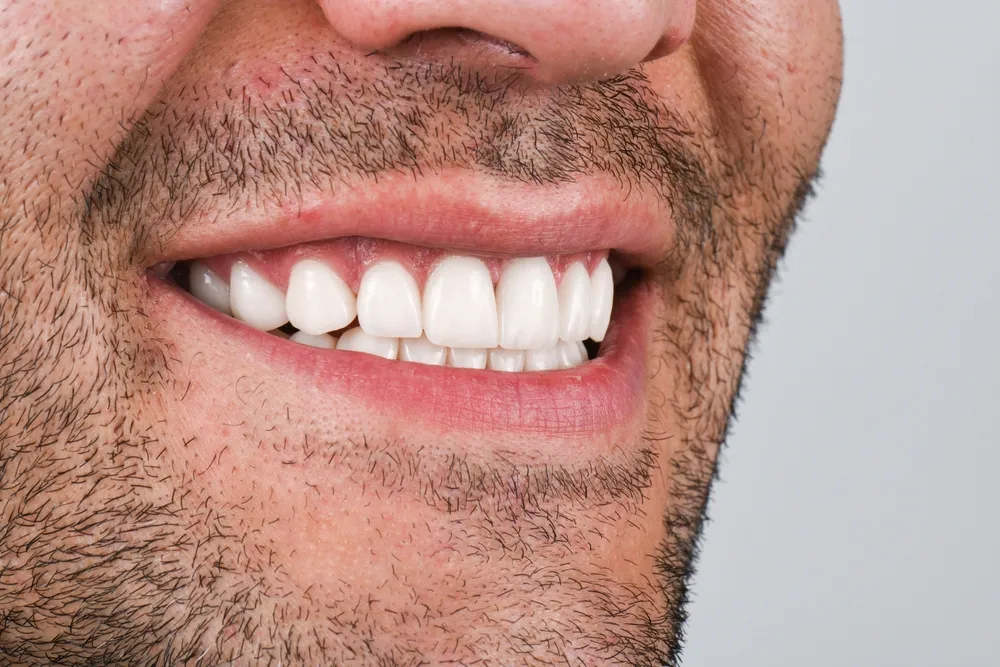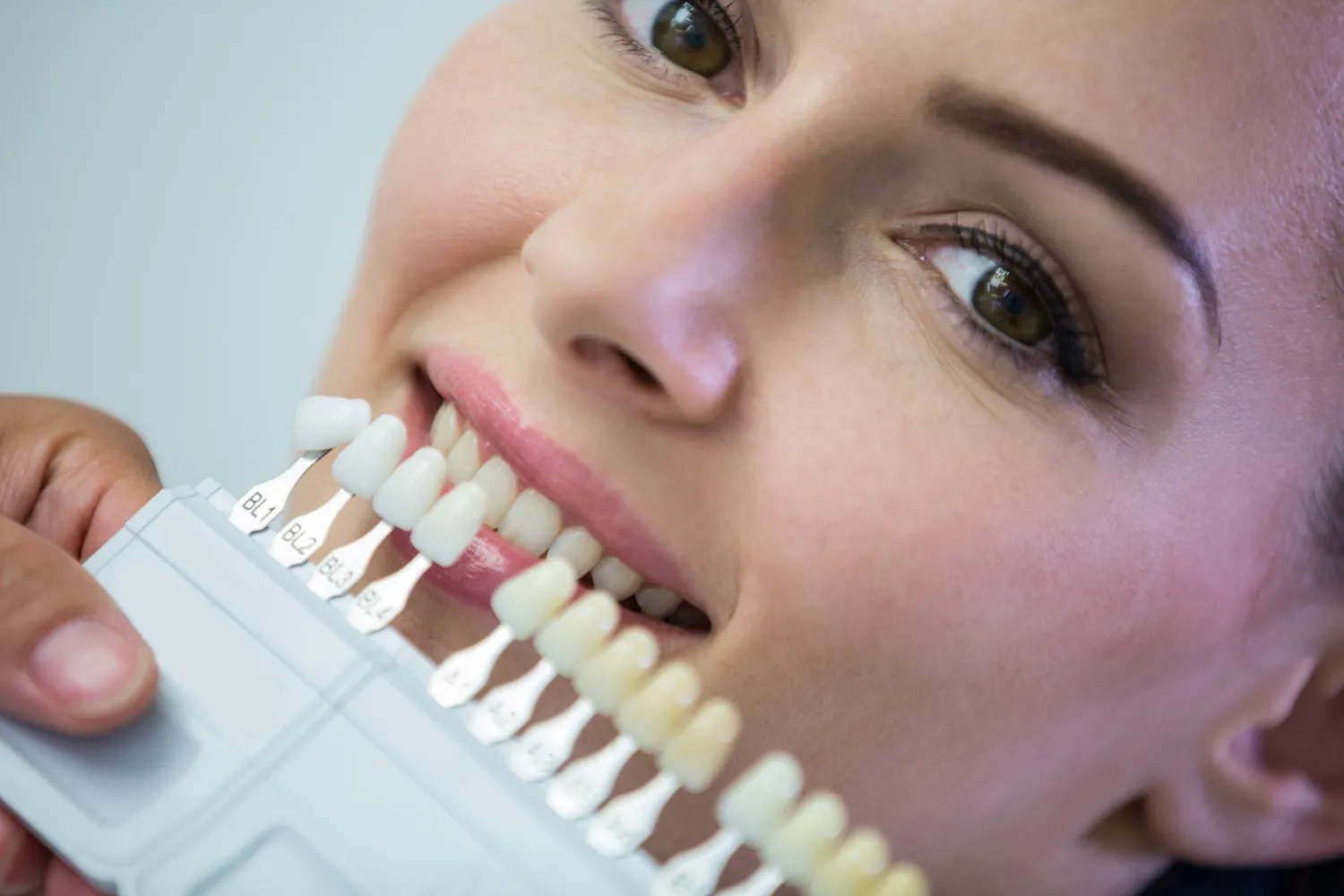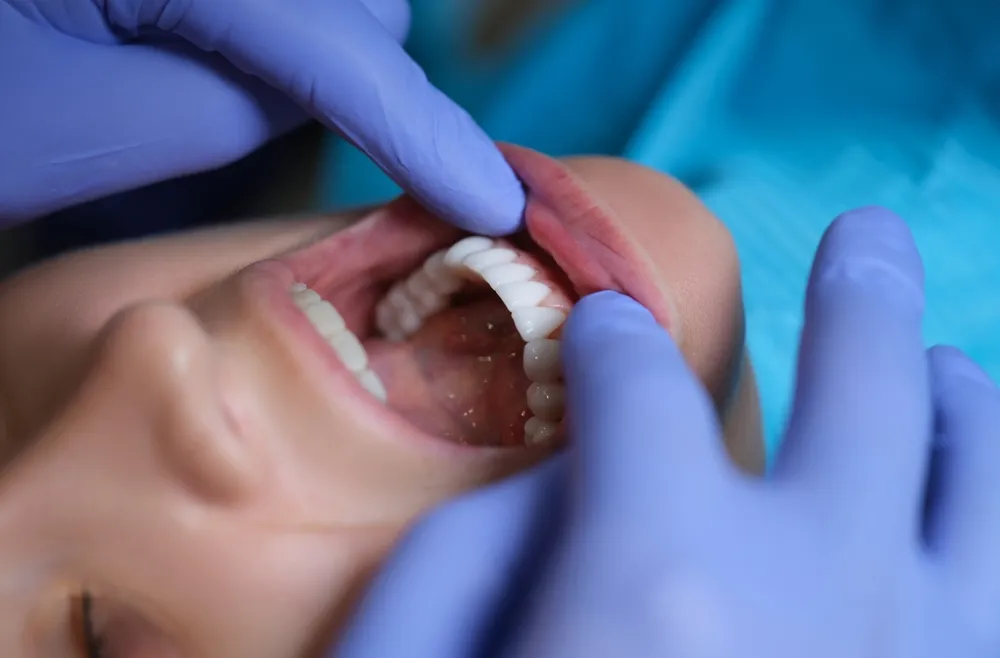
Patients choose E.max veneers to correct tooth discoloration, chips, spacing issues, altered tooth shapes, and minor aesthetic irregularities. E.max is a lithium disilicate glass-ceramic material. Dentists value this material for its strength, translucency, and aesthetic performance. Successful treatment depends on more than just the ceramic material. Case selection, tooth preparation, bonding quality, occlusion management, periodontal health, and laboratory fabrication all play critical roles. This guide answers one central question: What should patients expect before getting E.max veneers? You will learn about the consultation process, oral examination requirements, smile design protocols, tooth preparation steps, digital planning, laboratory fabrication, temporary restorations, risk factors, cost considerations, and informed consent procedures.
What Are E.max Veneers and Why Are They Used?
E.max veneers represent a specific category of ceramic dental restorations. They differ from generic porcelain veneers in material composition, mechanical properties, and optical behavior.
What Is E.max Ceramic?
E.max is a lithium disilicate-based glass-ceramic system. This material combines mechanical strength with optical translucency. The lithium disilicate crystals within the glass matrix give E.max its fracture resistance. The glass phase provides natural light transmission. This combination allows E.max to mimic the appearance of natural enamel while withstanding functional loads. Dentists distinguish E.max from generic porcelain veneers because traditional feldspathic porcelain contains different crystalline structures and lower flexural strength. Malament et al. (2021) reported that pressed acid-etched lithium disilicate restorations demonstrated high survival rates over 16.9 years, which supports the material's clinical reliability (Malament et al. 533).
What Dental Problems Can E.max Veneers Address?
E.max veneers solve several aesthetic and functional problems. They mask intrinsic tooth discoloration that does not respond to whitening treatments. They restore chipped or fractured anterior teeth. They close minor spacing and diastemas. They correct altered tooth proportions. They improve mild shape or alignment concerns. They also rehabilitate worn or over-restored teeth. Dentists select E.max when the underlying tooth structure remains largely intact but the external appearance requires enhancement.
Why Is E.max Considered a Conservative Cosmetic Option?
E.max allows thin restorations. This feature supports enamel preservation in many cases. However, "minimal preparation" does not mean "no preparation." Preparation requirements vary according to tooth position, existing restorations, occlusion, color, and desired final morphology. Gurel, Sesma, and Calamita (2013) demonstrated that enamel preservation significantly reduces failure rates in porcelain laminate veneers, which underscores the biological advantage of conservative approaches (Gurel et al. 31).
Who Is a Good Candidate for E.max Veneers?
Not every patient qualifies for E.max veneers immediately. Specific oral health conditions must exist before treatment begins.
What Oral Health Conditions Should You Have Before Treatment?
You need healthy teeth and periodontal tissues. You need adequate enamel for predictable adhesive bonding. You need stable oral hygiene habits. You cannot have untreated caries or active periodontal disease. Your dentist must assess existing restorations and remaining tooth structure. These conditions create the biological foundation for long-term veneer success.
Can You Get E.max Veneers If You Have Tooth Decay or Gum Disease?
No. Active disease should be diagnosed and managed before elective veneer treatment. Untreated periodontal inflammation or caries can compromise long-term outcomes. Bacteria from decayed teeth or inflamed gums will undermine the bonding interface. Your dentist must eliminate active disease first. This step protects both your natural teeth and your investment in ceramic restorations.
Are E.max Veneers Suitable for Patients Who Grind or Clench Their Teeth?
Yes, but with caution. Bruxism and excessive occlusal forces increase mechanical risk. Your dentist must perform a risk assessment. You may need a protective occlusal appliance after treatment. Granell-Ruiz et al. (2014) found that bruxism increased the probability of veneer fracture twofold, but occlusal splint use significantly improved survival rates (Granell-Ruiz et al. 532). Individualized treatment planning matters more than automatic exclusion of bruxism patients.
When Might E.max Veneers Not Be the Best Option?
Severe structural tooth loss makes crowns a better choice. Active decay or periodontal disease requires treatment first. Significant malocclusion needs orthodontic intervention. Severe parafunctional loading may exceed veneer capacity. Unrealistic expectations that cannot be achieved safely also contraindicate veneer treatment. Sometimes orthodontics, whitening, composite bonding, or full crowns provide more appropriate solutions.
What Happens During the First E.max Veneer Consultation?
The initial consultation establishes the foundation for your entire treatment. This appointment involves goal-setting, clinical examination, diagnostic imaging, and functional analysis.
What Will the Dentist Ask About Your Smile Goals?
Your dentist will ask about your desired tooth color. They will discuss tooth shape and proportions. They will evaluate smile width and symmetry. They will ask about specific concerns regarding spacing, chips, discoloration, or alignment. They will inquire about previous cosmetic or restorative dental treatment. They will clarify your expectations regarding longevity and appearance. This conversation aligns clinical possibilities with patient desires.
How Will Your Teeth and Gums Be Examined?
Your dentist will perform a comprehensive clinical examination. They will assess caries risk and existing decay. They will evaluate periodontal health. They will examine existing restorations. They will evaluate enamel availability on target teeth. They will assess occlusion and functional movements. Each element affects treatment planning and material selection.
Will Dental Imaging or Digital Scanning Be Needed?
Yes. Your dentist will take intraoral photographs. They will use digital impressions or intraoral scanning. They may create diagnostic models. They will take radiographs when clinically indicated. They will perform three-dimensional assessment of the dentition and bite. Şen and Eroglu (2024) confirmed that digital scanning accuracy varies by system, but modern intraoral scanners capture veneer preparations with clinically acceptable precision (Şen and Eroglu 1437).
Why Is Bite Analysis Important Before E.max Veneers?
Bite analysis reveals occlusal contacts. It identifies available restorative space. It pinpoints excessive loading areas. It evaluates functional movements and parafunctional habits. Occlusal planning directly contributes to veneer longevity. Poorly planned occlusion causes premature failure, ceramic fracture, or debonding.
How Is Your Smile Designed Before E.max Veneers?
Smile design transforms clinical data into an aesthetic blueprint. This process involves shape selection, shade matching, preview generation, and laboratory communication.
How Are the Shape and Size of E.max Veneers Chosen?
Dentists use multiple parameters. They evaluate tooth width-to-length ratio. They consider facial proportions. They assess lip position. They examine existing tooth morphology. They analyze the smile line. They measure gingival display. They check symmetry and harmony with adjacent teeth. These factors create restorations that complement your face rather than appear artificial.
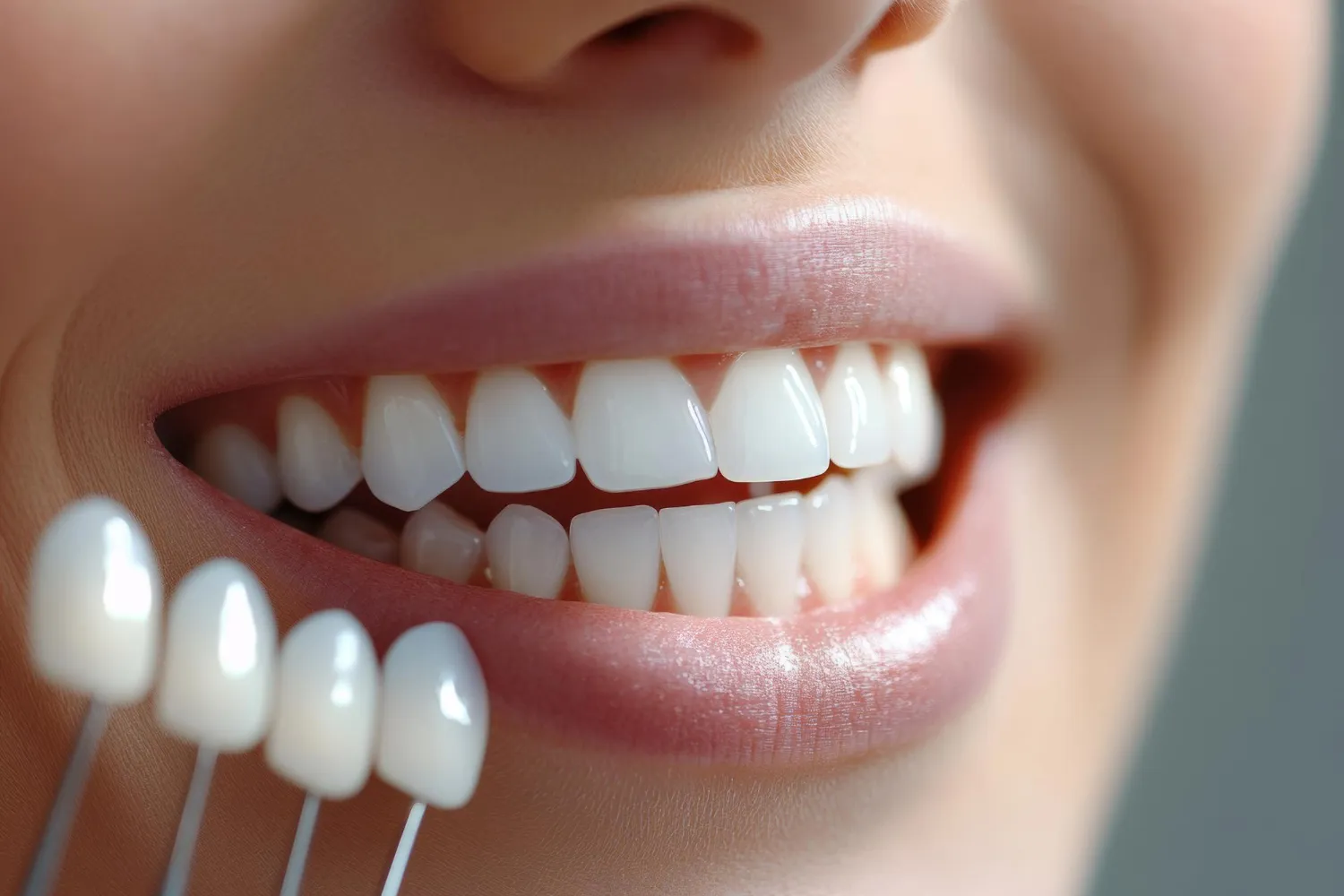
How Is the E.max Veneer Shade Selected?
Your dentist will evaluate your natural tooth color. They will discuss desired brightness levels. They will assess translucency and opacity needs. They will compare adjacent teeth. They will consider skin tone and facial characteristics. Shade selection must occur before definitive fabrication because ceramic color remains permanent after bonding. You cannot whiten E.max veneers after placement.
Can You See a Preview of Your E.max Veneers Before Treatment?
Yes. Digital smile design software creates virtual previews. Diagnostic wax-ups show three-dimensional models. Your dentist may create a mock-up or trial smile directly in your mouth. These previews help communicate expectations. However, they cannot guarantee the exact final optical result because lighting conditions, cement color, and enamel thickness affect the final appearance.
Why Is Communication Between the Dentist and Dental Laboratory Important?
The dentist must transfer photographs, scans, shade information, and design specifications. The laboratory custom-fabricates each restoration for individual tooth morphology. Dental technicians control contour, texture, translucency, and shade characterization. Poor communication produces mismatched restorations. High-quality clinics like Cinik Dental emphasize this dentist-technician collaboration to ensure predictable aesthetic outcomes.
How Much Tooth Preparation Is Needed for E.max Veneers?
Preparation extent varies by case. Understanding preparation requirements helps set realistic expectations.
Does Getting E.max Veneers Require Enamel Removal?
Yes. Many cases require controlled enamel preparation. Conservative preparation differs from genuinely preparation-free treatment. Some marketing materials suggest "no-prep" veneers for everyone. This claim is misleading. Most patients need some enamel reduction to accommodate ceramic thickness, achieve proper emergence profile, and avoid over-contoured restorations.
How Much Tooth Structure Is Usually Prepared?
Preparation depth is case-specific. No universal measurement applies to every tooth. Several factors affect preparation extent: desired final tooth position, existing tooth color, tooth morphology, restorative material thickness, occlusion, and existing restorations. Darker teeth may need more reduction to block underlying color. Teeth requiring position changes need different preparation than teeth maintaining current alignment.
Why Is Enamel Preservation Important for Veneer Bonding?
Enamel provides predictable adhesive bonding. The honeycomb structure created by acid-etching allows resin tags to penetrate deeply. Dentin bonding is less predictable due to higher organic content and moisture. Research on shear bond strength shows that bonding to 100% enamel produces nearly 20 MPa of bond strength, which is approximately twice the strength achieved on dentin surfaces. Preserving at least 40% enamel on the finishing surface maintains clinically acceptable bond strength and reduces debonding risk.
What Happens During Tooth Preparation Before E.max Veneers?
The preparation appointment transforms planning into physical tooth modification. Understanding each step reduces anxiety.
Is Local Anesthesia Needed?
Your dentist may use local anesthesia depending on preparation depth and your sensitivity level. Many minimal-preparation cases require little or no anesthesia. Deeper preparations or sensitive teeth benefit from numbing. Your dentist will discuss comfort options before beginning.
What Happens to the Tooth Surface During Preparation?
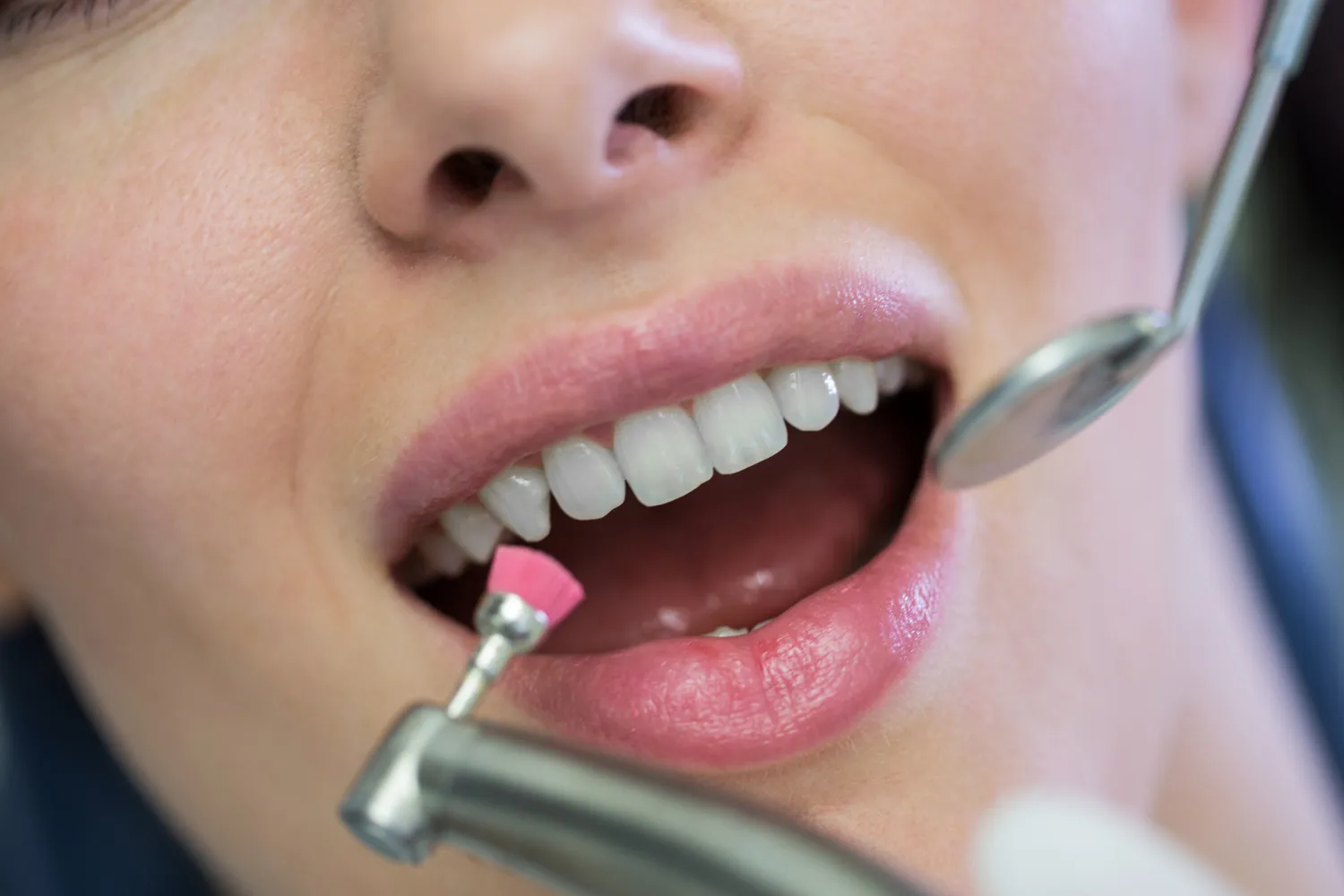
Your dentist performs controlled reduction where indicated. They refine margins to create smooth finish lines. They preserve healthy tooth structure whenever clinically possible. The preparation follows the enamel contours rather than creating flat surfaces. This approach maintains maximum bonding surface while creating space for the ceramic layer.
Are Impressions or Digital Scans Taken After Preparation?
Yes. Your dentist takes either conventional impressions or digital intraoral scans. These records must capture accurate marginal and surface information. The laboratory uses this data to fabricate restorations that fit precisely. Inaccurate impressions cause poor marginal adaptation, which leads to microleakage and secondary caries.
Will Temporary Veneers Be Used?
Your dentist may place provisional restorations. These temporaries protect prepared teeth. They maintain aesthetics during the laboratory phase. They help you evaluate speech and function. They allow aesthetic evaluation before final fabrication. However, temporary veneers are not required in every clinical situation. Some minimal-preparation cases proceed without provisionals.
What Should You Expect Between Tooth Preparation and Final E.max Veneer Placement?
The interim period requires patience. Laboratory fabrication takes time. Quality cannot be rushed.
How Long Does E.max Veneer Fabrication Take?
Treatment duration depends on laboratory workflow, number of veneers, digital planning complexity, case complexity, and whether provisional restorations require modification. Avoid clinics promising universal "same-day" timelines. High-quality E.max veneers require precise milling or pressing, crystallization, layering, and characterization. This process typically takes one to three weeks.
What Does the Dental Laboratory Do?
The laboratory designs and fabricates individualized restorations. Technicians control morphology, thickness, shade, translucency, surface texture, and fit. They may use CAD/CAM milling or heat-press techniques. Laboratory quality directly affects the final aesthetic result. Superior technicians create restorations that mimic natural enamel light reflection rather than appearing flat or monochromatic.
Can the Veneers Be Adjusted Before Final Bonding?
Yes. Your dentist performs a try-in procedure. They evaluate fit, contacts, shade, shape, and aesthetics. They verify that the restorations meet the design specifications. Patient-dentist communication before definitive cementation is essential. Once bonded, E.max veneers are difficult to modify significantly. You must approve the appearance before cementation.
What Should You Prepare Before Getting E.max Veneers?
Pre-treatment preparation optimizes outcomes. Several steps should precede veneer placement.
Should You Have Your Teeth Professionally Cleaned First?
Yes. You need plaque and calculus control. Your dentist must address gingival inflammation before elective cosmetic treatment. Inflamed gums bleed during impressions. They also compromise marginal adaptation. Professional cleaning creates a healthy foundation for veneer placement.
Should You Whiten Your Teeth Before E.max Veneers?
Yes, if whitening is clinically appropriate. The final shade of your natural teeth determines veneer color. Ceramic color remains permanent while natural teeth can change. Whitening should occur before definitive shade selection. This sequencing allows your dentist to match veneers to your lightened natural dentition.
Should Existing Dental Problems Be Treated First?
Absolutely. Your dentist must treat caries, gum disease, cracked teeth, failed restorations, occlusal problems, and relevant tooth sensitivity before veneer placement. Masking problems with veneers creates future complications. Biological health precedes aesthetic enhancement.
Should You Tell Your Dentist About Bruxism?
Yes. Clenching and grinding influence veneer planning. Your dentist may recommend a night guard. This appliance distributes forces and protects ceramic restorations during sleep. Concealing bruxism increases fracture and debonding risk.
What Questions Should You Ask Before Getting E.max Veneers?
Informed patients make better decisions. Ask these questions during consultation.
Is E.max the Best Material for My Teeth?
Ask your dentist to compare E.max with alternative restorative materials based on clinical indications. E.max offers high strength and aesthetics. However, your specific case may benefit from different ceramic systems or composite alternatives. Material selection should be a clinical decision, not a marketing choice.
How Much Enamel Will Be Removed?
Request a tooth-specific explanation. Each tooth may require different preparation depths. Your dentist should explain why specific teeth need more or less reduction. This transparency builds trust and sets realistic expectations.
How Many E.max Veneers Do I Actually Need?
Discuss treating individual teeth versus broader smile-zone rehabilitation. Treating more teeth is not automatically better. Sometimes four to eight veneers create better symmetry than treating a single tooth. Your dentist should explain the aesthetic rationale for the proposed number.
What Will My Final Smile Look Like?
Ask about mock-ups, diagnostic previews, photographs, and shade selection protocols. Visual references prevent misunderstandings. Your dentist should show you examples of similar cases.
What Happens If I Do Not Like the Final Shape or Color?
Discuss the approval process before definitive bonding. Understand that bonded ceramic restorations have limited modification options. Replacement is costly and requires additional tooth preparation. Approval at the try-in stage prevents future dissatisfaction.
How Long Are E.max Veneers Expected to Last?
Longevity depends on material properties, bonding quality, preparation design, occlusion, oral hygiene, parafunction, and maintenance. AlJazairy (2020) reported that porcelain laminate veneers show survival rates ranging from 53% to 94.4% at 10 to 12 years, with most studies concluding high success rates under appropriate conditions (AlJazairy). Beier et al. (2012) documented cumulative survival rates of 94.4% at 5 years, 93.5% at 10 years, and 82.93% at 20 years for glass-ceramic veneers (Beier et al. 94). No dentist should promise a fixed lifespan, but many well-maintained cases function for a decade or more.
What Are the Benefits and Limitations You Should Understand Before Treatment?
Realistic expectations require balanced information. E.max veneers offer significant advantages but also carry limitations.
What Are the Main Advantages of E.max Veneers?
E.max veneers provide natural optical appearance. They offer high translucency. The lithium disilicate ceramic delivers exceptional strength. They allow conservative preparation potential. Custom fabrication ensures individualized results. They resist staining under normal conditions. They offer long-term aesthetic potential when properly maintained.
What Are the Possible Disadvantages?
E.max veneers cost more than some alternatives. Treatment may require irreversible tooth preparation. They are not appropriate for every patient. Risks include fracture, debonding, marginal problems, or biological complications. Future replacement may eventually become necessary. The outcome depends heavily on clinical and laboratory execution. Peumans et al. (2004) noted that porcelain veneers require meticulous technique because failure modes include ceramic fracture and adhesive debonding (Peumans et al. 65).
The following table summarizes the key comparison between E.max veneers and direct composite veneers:
Feature | E.max Veneers | Direct Composite Veneers |
Material | Lithium disilicate glass-ceramic | Resin composite |
Fabrication | Laboratory-processed | Chairside application |
Durability | High (10-20+ years) | Moderate (5-7 years) |
Aesthetics | Superior translucency | Good, but less natural |
Stain Resistance | Excellent | Moderate |
Preparation | Usually requires enamel reduction | Often minimal or none |
Cost | Higher | Lower |
Repairability | Difficult; usually requires replacement | Easy to repair and polish |
Treatment Time | Multiple appointments | Usually single visit |
How Much Do E.max Veneers Cost?
Cost represents a significant consideration. Understanding pricing factors helps you evaluate quotes accurately.
What Determines the Cost of E.max Veneers?
Several factors influence price. The number of veneers affects total cost. Dentist expertise and training level matter. Laboratory quality and technician skill impact pricing. Material and fabrication method contribute to expense. Diagnostic and digital planning add value. Geographic location creates regional variations. Case complexity increases technical demands. Preliminary restorative or periodontal treatment adds to the overall investment.
Why Should You Be Careful When Comparing E.max Veneer Prices?
Extremely low prices may exclude diagnostics, laboratory work, temporary restorations, follow-up, or aftercare. Compare complete treatment plans rather than price per tooth alone. Price does not proxy clinical quality. A comprehensive quote includes examination, imaging, preparation, temporaries, laboratory fees, bonding, and follow-up.
Does E.max Cost More Than Composite Veneers?
Yes. E.max involves laboratory fabrication, premium ceramic material, and multi-appointment protocols. Composite veneers use direct chairside application with less expensive materials. However, E.max offers superior durability, aesthetics, and stain resistance. Material selection should be a clinical decision based on your needs, not purely a cosmetic preference.
The following table outlines cost factors:
Cost Factor | Impact on Price |
Number of veneers | Each additional veneer increases material and labor costs |
Dentist expertise | Specialists may charge higher fees |
Laboratory quality | Premium technicians command higher prices |
Digital planning | Advanced smile design adds diagnostic value |
Geographic location | Urban areas typically have higher fees |
Preliminary treatment | Gum therapy or fillings increase total cost |
Temporary restorations | Provisional veneers add to the fee structure |
What Risks Should You Understand Before Getting E.max Veneers?
All dental procedures carry risks. Understanding potential complications helps you make an informed choice.
Can E.max Veneers Cause Tooth Sensitivity?
Yes. Short-term sensitivity may follow tooth preparation. Preparation depth and individual dental anatomy influence symptoms. Most sensitivity resolves within days to weeks. Persistent or worsening pain requires evaluation.
Can E.max Veneers Chip or Fracture?
Yes. Ceramic thickness, design, bonding, occlusion, and parafunctional forces all influence fracture risk. Ge, Green, and Sederstrom (2014) demonstrated that porcelain and enamel thickness significantly affect veneer failure loads, which means adequate material thickness and proper bonding are essential for fracture resistance (Ge et al. 380).
Can E.max Veneers Become Loose?
Yes. Adhesive failure can occur. Factors include preparation design, contamination during bonding, inadequate bonding protocol, and excessive occlusal stress. Proper isolation and technique minimize this risk.
Can Veneers Affect the Gums?
Yes. Poor marginal adaptation causes plaque accumulation. Inadequate oral hygiene leads to gingival inflammation. Well-fitted restorations with proper emergence profiles support periodontal health rather than harm it.
What Happens If the Veneer Treatment Is Poorly Planned?
Poor planning creates multiple problems. Over-contoured restorations trap plaque. Bite interference causes trauma. Poor marginal adaptation allows microleakage. Aesthetic mismatch creates dissatisfaction. Excessive tooth reduction compromises tooth vitality. Gingival irritation leads to inflammation. You may need replacement or additional treatment.
What Should You Expect on the Day of Final E.max Veneer Placement?
The placement appointment brings your treatment to completion. Several critical steps occur during this visit.
How Are the Veneers Tried In Before Bonding?
Your dentist assesses fit. They check shade under various lighting conditions. They evaluate shape and symmetry. They verify contacts and occlusion. They review overall smile aesthetics. This is your final opportunity to request adjustments before permanent cementation.
How Are E.max Veneers Bonded to the Teeth?
Your dentist performs adhesive cementation. They condition both the ceramic internal surface and the tooth substrate according to manufacturer protocols. They use hydrofluoric acid etching and silane coupling agents on the ceramic. They acid-etch the enamel. They apply bonding resin and light-cure cement. They maintain strict isolation and contamination control throughout the procedure.
How Is the Bite Checked After Placement?
Your dentist verifies occlusal contacts. They make clinically appropriate adjustments. They polish adjusted surfaces where necessary. They ensure that your bite feels natural and that no single veneer bears excessive force.
What Should You Expect Immediately After Getting E.max Veneers?
The adaptation period lasts days to weeks. Understanding normal sensations prevents unnecessary worry.
Is Mild Sensitivity Normal?
Yes. Transient sensitivity to temperature or pressure is common. This symptom usually resolves within one to two weeks. Distinguish expected short-term symptoms from persistent or worsening pain. Contact your dentist if pain intensifies or continues beyond the expected timeframe.
Will Your Bite Feel Different?
Yes. You may temporarily notice altered tooth contours. Your tongue and oral musculature need time to adapt. Persistent occlusal discomfort warrants reassessment. Your dentist should verify that your bite remains balanced.
Can You Eat Normally After E.max Veneers?
You can return to normal eating gradually. Avoid using your veneers to bite hard objects like ice or pens. Do not open packages with your teeth. E.max is strong but not indestructible. Maintain normal oral hygiene without unnecessary long-term dietary restrictions.
Can E.max Veneers Affect Speech?
Temporary awareness or minor pronunciation changes can occur. Your tongue adapts to new tooth contours within days. Persistent speech problems require evaluation. Most patients adapt quickly without long-term issues.
How Should You Care for E.max Veneers From the Beginning?
Proper maintenance starts immediately after placement. Good habits protect your investment.
How Should You Brush E.max Veneers?
Use appropriate brushing technique. Choose a soft toothbrush. Avoid unnecessarily abrasive toothpaste products. Brush twice daily using gentle pressure. The ceramic itself does not decay, but the underlying tooth and surrounding gums remain vulnerable to disease.
Should You Floss Around E.max Veneers?
Yes. Interdental cleaning maintains gingival health. Floss daily between veneered teeth. Proper flossing does not dislodge bonded restorations. Neglecting interdental spaces leads to plaque accumulation and marginal inflammation.
Which Habits Can Damage E.max Veneers?
Ice chewing creates fracture risk. Biting pens or fingernails concentrates force. Opening packages with teeth causes chipping. Excessive hard-food loading stresses the ceramic. Bruxism and clenching generate destructive forces. Eliminate these habits to protect your restorations.
Do You Need a Night Guard After E.max Veneers?
Your dentist may recommend an occlusal appliance, particularly if you have bruxism. The night guard distributes forces and prevents ceramic fracture during sleep. This simple device significantly extends veneer longevity.
How Can You Make an Informed Decision About E.max Veneers?
Informed consent requires understanding the full treatment pathway. Quality indicators help you evaluate providers.
What Should a High-Quality E.max Veneer Treatment Plan Include?
A comprehensive plan includes thorough examination. It requires oral-health stabilization before veneer placement. It incorporates functional and occlusal assessment. It includes detailed smile analysis. It specifies appropriate tooth preparation. It uses accurate digital or conventional records. It ensures high-quality laboratory fabrication. It provides trial or preview opportunities where appropriate. It includes informed consent documentation. It establishes follow-up and maintenance planning.
Why Is Dentist Experience Important?
The material itself does not guarantee aesthetic or functional outcomes. Your dentist must master preparation design, bonding technique, occlusion management, periodontal considerations, and aesthetic planning. Fradeani, Redemagni, and Corrado (2005) emphasized that porcelain laminate veneer success depends heavily on clinician skill and case selection rather than material alone (Fradeani et al. 9).
What Should You Look for When Choosing a Dentist?
Look for relevant cosmetic and restorative dentistry experience. Demand transparent treatment planning. Expect clear explanations of risks and alternatives. Verify evidence of appropriate diagnostic processes. Look for high-quality clinical photography and case documentation. Confirm collaboration with a qualified dental laboratory. Clinics like Cinik Dental demonstrate these standards through comprehensive diagnostic protocols, experienced prosthodontic teams, and established laboratory partnerships that prioritize aesthetic outcomes.
What Are the Most Common Questions About Preparing for E.max Veneers?
Patients frequently ask specific practical questions. Here are concise answers to the most common concerns.
Do E.max Veneers Require Tooth Shaving?
Most cases require controlled enamel reduction. The amount varies by tooth. "No-prep" veneers suit only select patients.
Are E.max Veneers Permanent?
Tooth preparation is irreversible. Veneers themselves may require replacement after many years. The treatment commitment is long-term.
Are E.max Veneers Painful?
Preparation may cause mild discomfort. Local anesthesia prevents pain during the procedure. Post-treatment sensitivity is usually mild and temporary.
How Many E.max Veneers Do I Need?
This depends on your aesthetic goals. Many patients choose 6 to 10 veneers for smile-zone symmetry. Some need only 1 or 2 for localized correction.
Can I Get E.max Veneers If I Have Sensitive Teeth?
Yes, after evaluation. Your dentist must identify the cause of sensitivity. Proper preparation and bonding techniques minimize post-operative discomfort.
Can I Get E.max Veneers If I Grind My Teeth?
Yes, with precautions. You will likely need a night guard. Your dentist must evaluate occlusal forces before planning.
Should I Whiten My Teeth Before E.max Veneers?
Yes, if you want a lighter smile. Whiten first, then select veneer shade. You cannot change ceramic color after bonding.
How Long Does the E.max Veneer Process Take?
Most cases require 2 to 4 appointments over 2 to 4 weeks. Complex cases may take longer.
Can I See My New Smile Before the Veneers Are Bonded?
Yes. Digital previews, wax-ups, and trial smiles show the proposed result. Final aesthetics depend on cementation and lighting.
How Long Do E.max Veneers Last?
With proper care, 10 to 20 years. Longevity depends on oral hygiene, occlusion, parafunction, and maintenance.
Can E.max Veneers Be Repaired or Replaced?
Small chips may be polished. Major damage usually requires replacement. Replacement involves removing the old veneer and fabricating a new one.
What Is the Final Takeaway Before Getting E.max Veneers?
Preparation is as important as the veneer placement itself. You need healthy teeth and gums. You need adequate diagnosis and conservative preparation. You need accurate smile design and appropriate occlusal planning. You need realistic expectations. E.max is a material choice, not a universal solution for every cosmetic dental problem. An individualized assessment should determine whether E.max veneers are appropriate for your specific situation. Your dentist must evaluate your oral health, functional patterns, aesthetic goals, and structural limitations before recommending this treatment. When properly planned and executed, E.max veneers deliver durable, natural-looking results that enhance both appearance and confidence. The key lies in thorough preparation, skilled execution, and committed maintenance.
References
AlJazairy, Yasser H. "Survival Rates for Porcelain Laminate Veneers." The Journal of Prosthetic Dentistry, 2020, pmc.ncbi.nlm.nih.gov/articles/PMC8184312/.
Beier, Ulrike S., et al. "Clinical Performance of Porcelain Laminate Veneers: A Retrospective Evaluation After 1 to 10 Years of Service." International Journal of Prosthodontics, vol. 25, no. 6, 2012, pp. 590-603.
Fradeani, Mauro, et al. "Porcelain Laminate Veneers: 6- to 12-Year Clinical Evaluation - A Retrospective Study." International Journal of Periodontics and Restorative Dentistry, vol. 25, no. 1, 2005, pp. 9-17.
Ge, Chun, et al. "Effect of Porcelain and Enamel Thickness on Porcelain Veneer Failure Loads In Vitro." The Journal of Prosthetic Dentistry, vol. 111, no. 5, 2014, pp. 380-87.
Granell-Ruiz, María, et al. "Influence of Bruxism on Survival of Porcelain Laminate Veneers." Medicina Oral, Patología Oral y Cirugía Bucal, vol. 19, no. 3, 2014, pp. e531-e537.
Gurel, Galip, et al. "Influence of Enamel Preservation on Failure Rates of Porcelain Laminate Veneers." International Journal of Periodontics and Restorative Dentistry, vol. 33, no. 1, 2013, pp. 31-39.
Layton, Danielle M., and Terry R. Walton. "The Up to 21-Year Clinical Outcome and Survival of Feldspathic Porcelain Veneers: Accounting for Clustering." International Journal of Prosthodontics, vol. 25, no. 6, 2012, pp. 604-612.
Malament, Kenneth A., et al. "Comparison of 16.9-Year Survival of Pressed Acid Etched E.max Lithium Disilicate Glass-Ceramic Complete and Partial Coverage Restorations in Posterior Teeth." The Journal of Prosthetic Dentistry, vol. 126, no. 4, 2021, pp. 533-545.
Peumans, Marleen, et al. "A Prospective Ten-Year Clinical Trial of Porcelain Veneers." Journal of Adhesive Dentistry, vol. 6, no. 1, 2004, pp. 65-76.
Şen, Nazmiye, and Hülya Eroglu. "Effect of Preparation Design and Scan Pattern on the Accuracy of Intraoral Scans for Complete Arch Laminate Veneers Under Simulated Intraoral Variables." Journal of Esthetic and Restorative Dentistry, vol. 36, no. 10, 2024, pp. 1437-43.