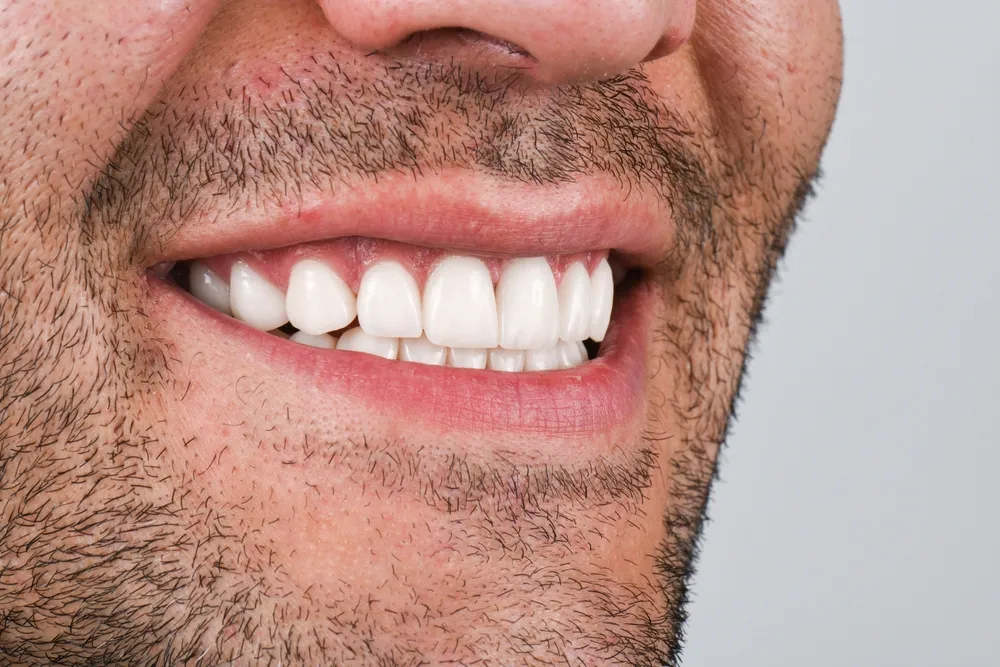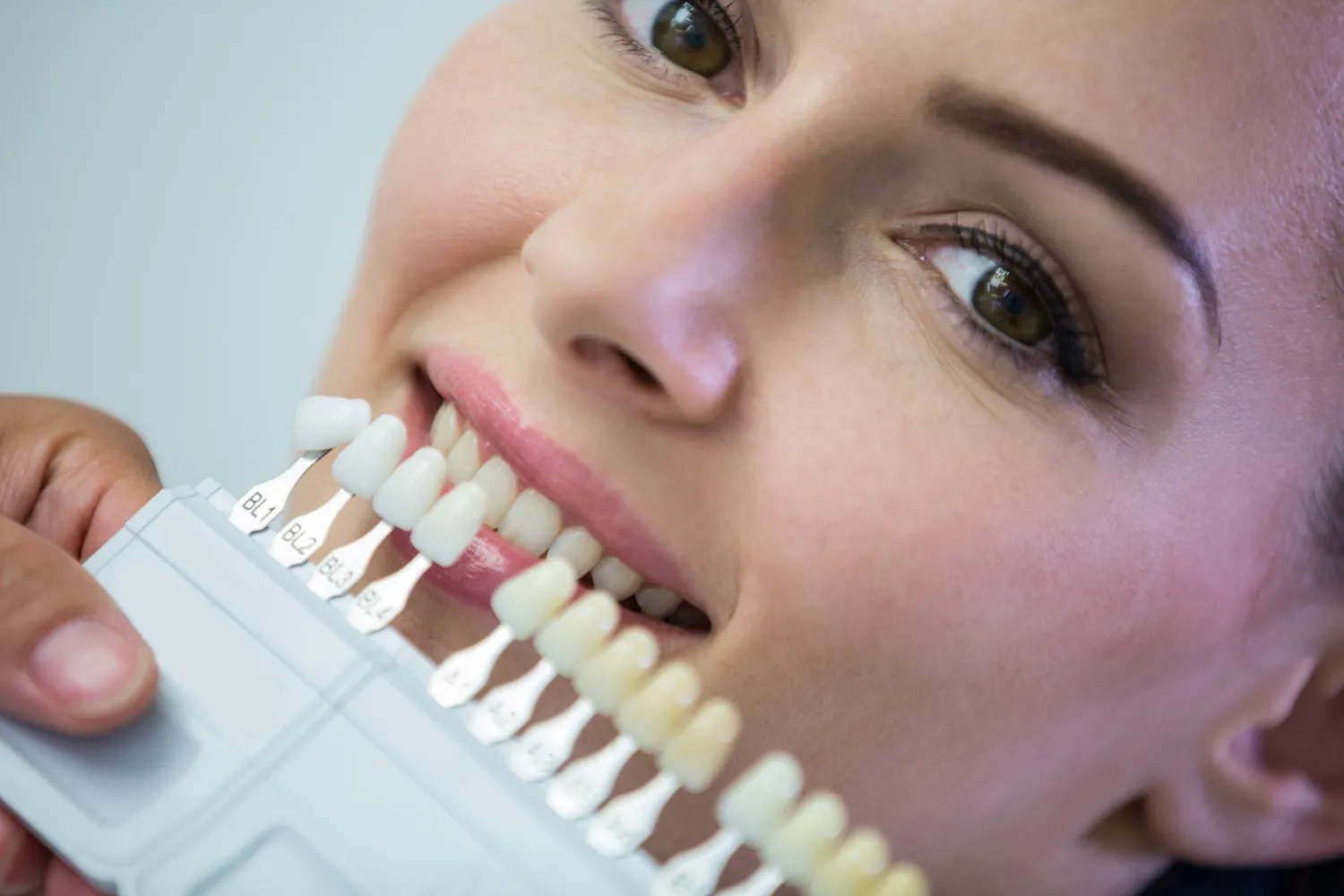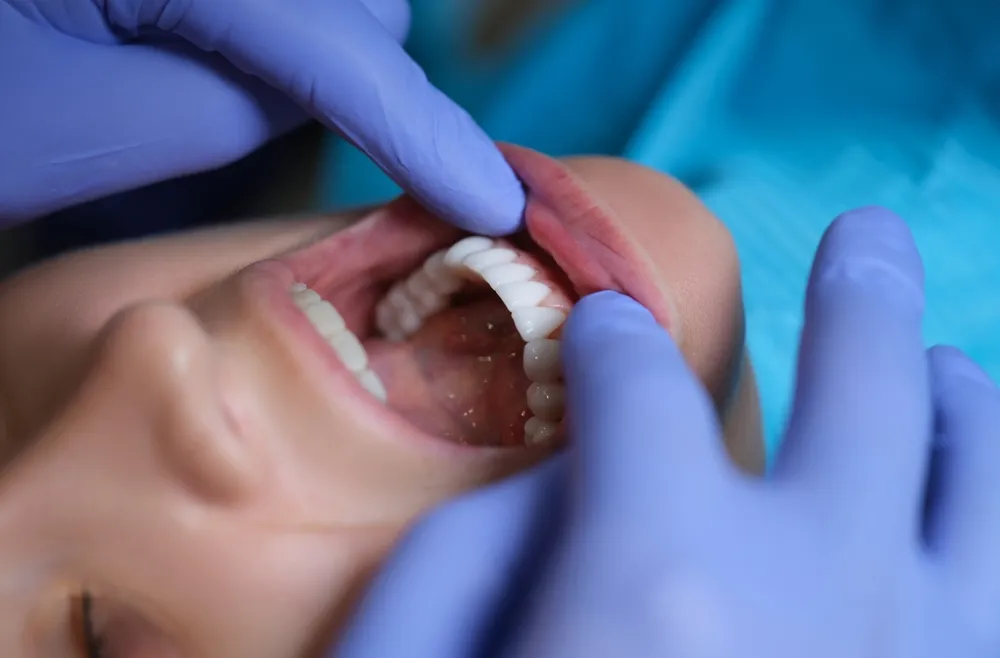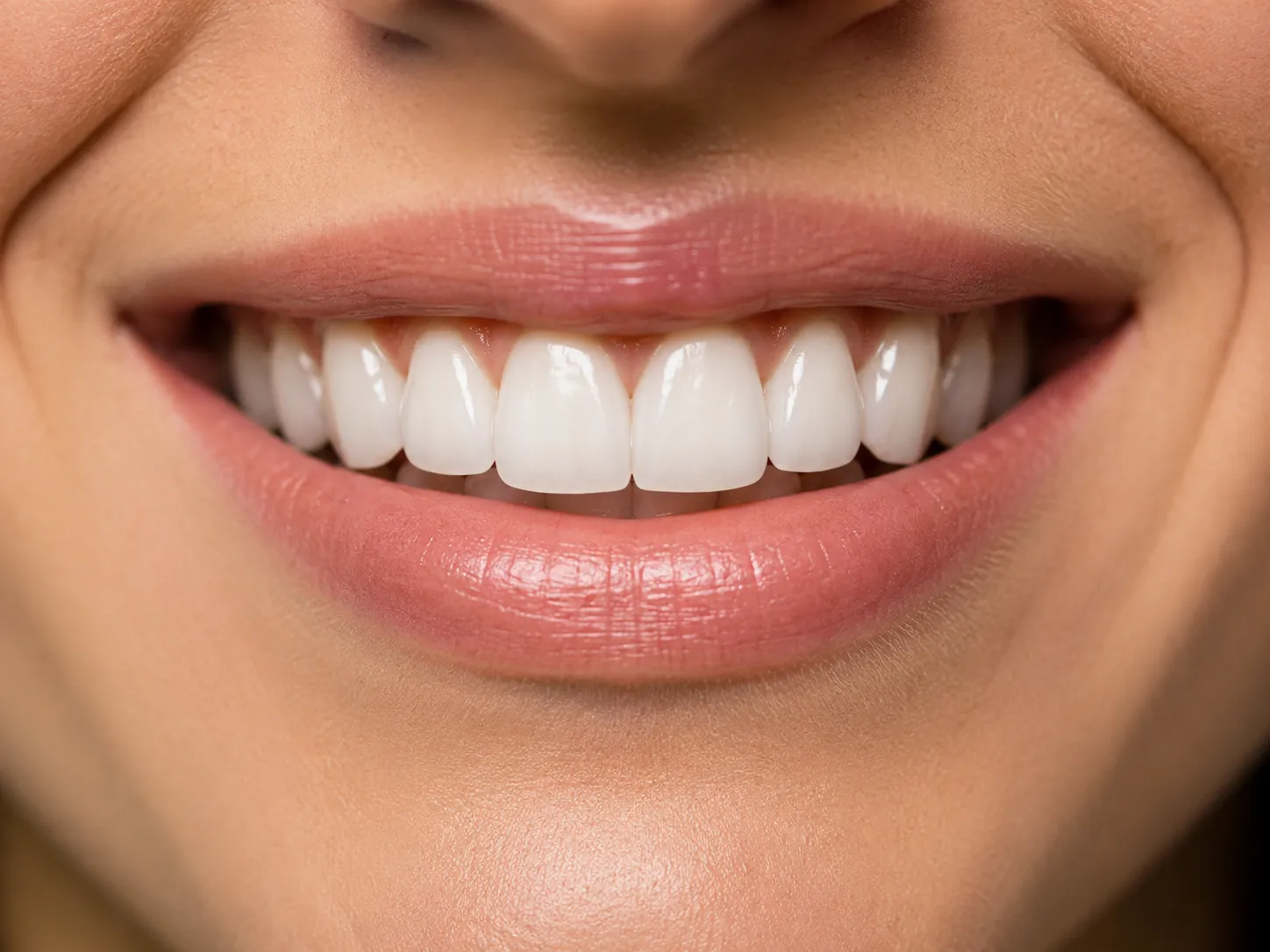
A good candidate for E.max veneers has healthy teeth and gums, adequate natural enamel, good oral hygiene, stable bite alignment, and realistic cosmetic expectations. Patients with active decay, untreated gum disease, severe bruxism, or insufficient enamel are not suitable candidates.
E.max veneers represent one of the most advanced ceramic restorative solutions in modern cosmetic dentistry. These ultra-thin porcelain shells transform smiles while preserving natural tooth structure. However, not every patient qualifies for this treatment. Understanding who makes a good candidate helps dentists deliver predictable, long-lasting results.
Patient selection stands as the cornerstone of successful veneer therapy. A thorough evaluation determines whether E.max veneers will meet a patient's cosmetic goals without compromising dental health. This guide explores every aspect of candidacy, from enamel requirements to age considerations, gum health to bite alignment.
What Are E.max Veneers?
E.max veneers are ultra-thin, custom-made shells crafted from lithium disilicate ceramic. They bond to the front surfaces of teeth to improve color, shape, size, and alignment. They offer superior strength and natural aesthetics compared to traditional porcelain veneers.
What Material Are E.max Veneers Made From?
E.max veneers consist of lithium disilicate ceramic, a high-strength glass-ceramic material that combines exceptional durability with lifelike translucency.
E.max veneers use lithium disilicate ceramic (Li₂Si₂O₅), a revolutionary material developed by Ivoclar Vivadent. This glass-ceramic compound delivers a flexural strength of approximately 360-400 MPa, making it one of the strongest all-ceramic materials available for veneer fabrication (Edelhoff & Sorensen, 2002).
Lithium disilicate contains a crystalline structure that mimics the optical properties of natural enamel. The material achieves high translucency through controlled crystallization during manufacturing. This translucency allows light to pass through the veneer similarly to natural tooth structure, creating a lifelike appearance that blends seamlessly with surrounding teeth.
E.max serves as a completely metal-free restorative solution. Unlike metal-ceramic crowns or veneers with metal substructures, E.max contains no opaque metal layers. This metal-free composition eliminates the gray line at the gum margin that patients often notice with older restorative materials. The result is a restoration that looks natural from every angle.
How Do E.max Veneers Differ from Traditional Porcelain Veneers?
E.max veneers use lithium disilicate instead of feldspathic porcelain, offer 2-3 times greater strength, require less tooth reduction, and provide superior esthetic results with better light transmission.
Feature | E.max Veneers | Traditional Feldspathic Porcelain Veneers |
Material | Lithium disilicate ceramic | Feldspathic porcelain |
Flexural Strength | 360-400 MPa | 90-120 MPa |
Tooth Preparation | 0.3-0.7 mm reduction | 0.5-1.0 mm reduction |
Translucency | High | Moderate to high |
Metal Content | None | None |
Fracture Resistance | Excellent | Moderate |
Bonding Method | Adhesive cementation | Adhesive cementation |
Indication | Anterior and premolar teeth | Primarily anterior teeth |
Material composition marks the primary difference between E.max and traditional porcelain veneers. Traditional feldspathic porcelain veneers rely on silica-based glass ceramics with lower crystalline content. E.max veneers incorporate lithium disilicate crystals that provide significantly greater mechanical strength. Studies demonstrate that lithium disilicate exhibits approximately three times the flexural strength of conventional feldspathic porcelain (Guess et al., 2013).
Strength and durability favor E.max in clinical applications. Traditional porcelain veneers fracture more easily under occlusal loads. E.max withstands higher biting forces, making it suitable for patients who need restorations on teeth that experience moderate functional stress.
Conservative tooth preparation distinguishes E.max from older veneer systems. Because E.max material possesses superior strength, dentists can fabricate thinner veneers. This allows for minimal enamel reduction, sometimes as little as 0.3 mm. Traditional porcelain veneers often require more aggressive tooth preparation to achieve adequate material thickness for strength.
Esthetic advantages of E.max include superior light transmission and color stability. The material's refractive index closely matches natural enamel, producing restorations that appear vital rather than flat or chalky. E.max veneers also resist staining better than composite resin alternatives, maintaining their color for many years.
Who Is a Good Candidate for E.max Veneers?
An ideal candidate has healthy teeth and gums, sufficient enamel, practices good oral hygiene, maintains stable bite alignment, and holds realistic expectations about cosmetic outcomes.
What Characteristics Make Someone an Ideal Candidate?
Ideal candidates possess healthy teeth and gums, adequate natural enamel, consistent oral hygiene habits, stable bite alignment, and realistic cosmetic expectations.
Healthy teeth and gums form the foundation for any successful veneer treatment. The dentist must first confirm that teeth are free from active decay, infection, or structural compromise. Gum tissue must appear pink, firm, and free from inflammation. Without this baseline health, veneers will fail prematurely.
Adequate natural enamel matters tremendously for E.max veneer success. These veneers rely on adhesive bonding to enamel, which creates the strongest and most durable bond in dentistry. Enamel provides the ideal substrate for resin cement adhesion. Patients with thin or worn enamel may not achieve optimal bonding strength.
Good oral hygiene habits predict long-term veneer success. Patients who brush twice daily, floss regularly, and attend routine dental checkups maintain healthier gums and cleaner veneer margins. Poor oral hygiene leads to gum inflammation, decay at veneer edges, and eventual restoration failure.
Stable bite alignment protects veneers from excessive forces. Patients with balanced occlusion distribute biting forces evenly across all teeth. Those with significant malocclusion, crossbites, or edge-to-edge bites place concentrated stress on veneered teeth, increasing fracture risk.
Realistic expectations ensure patient satisfaction. E.max veneers improve appearance dramatically, but they cannot alter facial structure, gum position, or jaw alignment. Patients must understand both the possibilities and limitations of cosmetic veneer therapy.
Which Cosmetic Concerns Can E.max Veneers Correct?
E.max veneers correct deep intrinsic discoloration, chipped or cracked front teeth, minor gaps, worn enamel, uneven tooth size and shape, mild misalignment, and short or irregular teeth.
Cosmetic Concern | Can E.max Correct It? | Notes |
Deep intrinsic discoloration | Yes | Covers stains that whitening cannot remove |
Chipped or cracked front teeth | Yes | Restores shape and protects tooth structure |
Minor gaps (diastemas) | Yes | Closes small spaces between teeth |
Worn enamel | Yes | Rebuilds lost tooth structure |
Uneven tooth size/shape | Yes | Creates uniform, harmonious appearance |
Mild misalignment | Yes | Masks slight rotations or positioning issues |
Short or irregular teeth | Yes | Lengthens and reshapes for balanced smile |
Severe crowding | No | Requires orthodontic treatment first |
Missing teeth | No | Requires implants or bridges |
Deep intrinsic tooth discoloration responds well to E.max veneers. Stains from tetracycline antibiotics, fluorosis, or trauma often resist professional whitening. E.max veneers cover these discolorations completely because their opacity blocks underlying stains while maintaining natural translucency at the incisal edges.
Chipped or cracked front teeth benefit from E.max veneer coverage. The veneer restores the tooth's original shape while providing a protective layer that prevents further damage. This approach works best when the crack or chip does not extend deeply into the tooth structure.
Minor gaps between teeth close effectively with veneers. By fabricating slightly wider veneers, dentists eliminate small diastemas without braces. This method works for gaps measuring 1-3 mm between anterior teeth.
Worn enamel from acid erosion, abrasion, or attrition rebuilds with E.max veneers. The restorations restore lost vertical dimension and protect remaining tooth structure from further wear.
Uneven tooth size and shape create visual disharmony in smiles. E.max veneers standardize tooth proportions, creating symmetry and balance. Dentists design each veneer to complement facial features and smile dynamics.
Mild misalignment masks behind properly designed veneers. Slight rotations, minor positioning discrepancies, and small asymmetries disappear when veneers create a new facial surface. However, this approach works only for mild cases.
Short or irregular teeth lengthen and reshape with E.max veneers. Patients with teeth worn down by grinding or naturally short teeth achieve fuller, more proportionate smiles through veneer placement.
Why Is Healthy Tooth Enamel Important for E.max Veneers?
Healthy enamel provides the strongest possible bonding surface for E.max veneers, ensures long-term stability, and allows dentists to preserve maximum natural tooth structure during preparation.
Why Do Veneers Require Sufficient Enamel?
Veneers need sufficient enamel because enamel creates the strongest adhesive bond with resin cement, ensures long-term stability of the restoration, and allows for conservative tooth preparation that preserves natural structure.
Bonding strength depends entirely on enamel availability. Resin cements form micromechanical bonds with enamel through acid etching and primer application. This bond achieves strengths of 20-30 MPa, which far exceeds the bond strength to dentin (Van Meerbeek et al., 2010). When veneer margins rest on enamel rather than dentin, the restoration stays firmly attached for years.
Long-term stability requires adequate enamel support. Veneers bonded primarily to dentin experience higher debonding rates and microleakage. Dentin contains organic components and moisture that compromise adhesive longevity. Enamel's crystalline structure provides a stable, predictable bonding environment.
Preservation of tooth structure guides modern cosmetic dentistry philosophy. E.max veneers allow dentists to remove only 0.3-0.7 mm of enamel, keeping the tooth largely intact. This conservative approach maintains pulp vitality, preserves tooth strength, and allows future replacement if needed.
Can Patients with Fillings Still Receive E.max Veneers?
Patients with small fillings may receive E.max veneers if the filling occupies less than one-third of the tooth surface and the remaining enamel is adequate. Patients with large fillings typically need crowns instead.
When small restorations occupy limited tooth surface, dentists can sometimes incorporate them into veneer preparation. If a filling covers less than one-third of the facial surface and the surrounding enamel remains sound, the dentist may remove the filling, place a bonding agent, and cement the veneer over the prepared area.
Cases requiring crowns instead of veneers involve large existing restorations. When a tooth contains a filling that covers more than half the tooth structure, a veneer lacks sufficient enamel for bonding. In these situations, a ceramic crown provides better coverage, strength, and longevity. The crown encircles the entire tooth rather than relying on facial bonding alone.
How Does Gum Health Affect E.max Veneer Eligibility?
Healthy gums are essential because periodontal disease compromises the supporting structures around teeth. Active gum disease must be treated before veneer placement to prevent restoration failure and further tissue damage.
Why Must Periodontal Disease Be Treated First?
Periodontal disease must be treated first because unhealthy gums cannot support restorations properly, and placing veneers over diseased tissue risks infection, recession, and complete restoration failure.
Healthy supporting tissues provide the biological foundation for cosmetic restorations. Gums frame teeth and influence the final appearance of veneers. Inflamed, swollen, or receding gums create uneven gum lines that make even perfect veneers look unattractive.
Risks of placing veneers over unhealthy gums include accelerated disease progression. Bacteria trapped beneath veneer margins infect periodontal tissues more aggressively. The restoration margin becomes a plaque-retentive area that worsens existing inflammation. Over time, patients may experience bone loss, tooth mobility, and veneer debonding.
What Gum Conditions May Require Treatment Before Veneers?
Gingivitis, periodontitis, gum recession, and active inflammation must be resolved before veneer placement to ensure healthy tissue support and optimal esthetic outcomes.
Gum Condition | Description | Required Treatment Before Veneers |
Gingivitis | Inflammation of gum tissue without bone loss | Professional cleaning, improved home care |
Periodontitis | Inflammation with bone and ligament destruction | Scaling, root planing, possible surgery |
Gum recession | Exposure of tooth roots due to tissue loss | Soft tissue grafting, if indicated |
Inflammation | Red, swollen, bleeding gum tissue | Identify cause, eliminate irritants |
Gingivitis represents the earliest stage of gum disease. It causes redness, swelling, and bleeding during brushing. While gingivitis does not involve permanent tissue damage, it indicates poor oral hygiene or other irritants. A professional cleaning and improved home care routine usually resolve gingivitis within weeks.
Periodontitis involves destruction of the periodontal ligament and alveolar bone. This condition creates periodontal pockets, gum recession, and tooth mobility. Patients with periodontitis require comprehensive periodontal therapy including scaling, root planing, and sometimes surgical intervention. Only after stabilization can dentists consider cosmetic procedures.
Gum recession exposes root surfaces and creates uneven gum lines. Recession may result from periodontal disease, aggressive brushing, or anatomical factors. In some cases, soft tissue grafting restores gum levels before veneer placement. In other cases, dentists must design veneers to accommodate existing recession patterns.
Inflammation from any source, whether plaque accumulation, ill-fitting restorations, or systemic conditions, must resolve before veneer therapy. Active inflammation produces fluid accumulation in gingival tissues that compromises impression accuracy and veneer fit.
Are E.max Veneers Suitable for Patients with Teeth Grinding (Bruxism)?
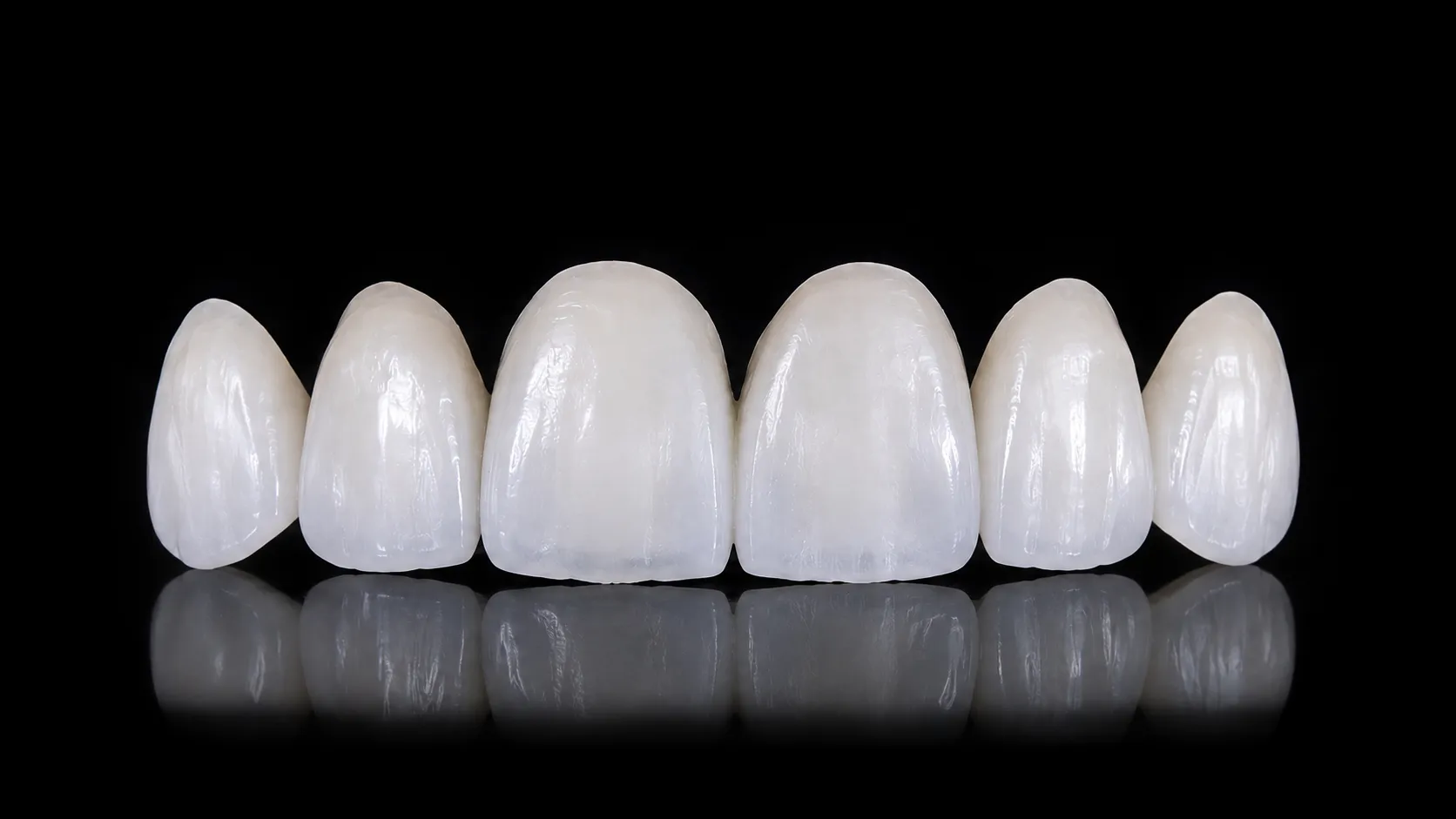
Patients with mild, well-controlled bruxism may receive E.max veneers with protective night guards. Patients with severe, uncontrolled bruxism face high fracture risk and are generally not good candidates.
How Does Bruxism Affect Veneers?
Bruxism generates excessive bite forces that increase fracture risk, cause wear over time, and place destructive stress on veneer margins and ceramic material.
Excessive bite forces from nocturnal grinding far exceed normal functional loads. While normal chewing produces forces of 20-40 pounds, bruxism can generate forces exceeding 200 pounds (Lavigne et al., 2008). These extreme loads test the mechanical limits of any ceramic material.
Increased fracture risk becomes significant in bruxism patients. The repetitive grinding motion concentrates stress at veneer margins and incisal edges. Over time, microcracks develop in the ceramic and propagate until catastrophic failure occurs.
Wear over time affects both the veneers and opposing dentition. Bruxism patients wear down natural tooth structure rapidly. E.max veneers, while highly wear-resistant, still experience attrition when subjected to constant grinding forces. The opposing teeth may also show accelerated wear patterns.
Can Patients with Bruxism Still Receive E.max Veneers?
Patients with mild bruxism may receive E.max veneers if they commit to wearing protective night guards nightly. Patients with severe bruxism should address the condition first or consider alternative treatments.
Mild vs. severe bruxism determines candidacy. Patients who grind occasionally or with minimal force may safely wear veneers. Those who grind aggressively every night, exhibit significant tooth wear, or experience jaw pain face unacceptable risk levels.
Protective night guards become mandatory for bruxism patients with veneers. These custom-fabricated appliances distribute forces evenly and prevent direct tooth-to-tooth contact during sleep. Patients must commit to consistent nightly wear for the lifetime of their veneers.
Individual risk assessment requires thorough evaluation. Dentists examine wear patterns on existing teeth, assess muscle hypertrophy, evaluate temporomandibular joint function, and sometimes recommend sleep studies. Only after this comprehensive assessment can dentists determine whether veneer therapy remains appropriate.
Are E.max Veneers Right for Patients with Crooked Teeth?
E.max veneers work well for patients with minor alignment issues like small gaps, slight rotations, or tiny asymmetries. They do not replace orthodontic treatment for moderate to severe crowding or significant bite problems.
Which Alignment Issues Can Veneers Improve?
Veneers can improve minor spacing, slight rotations, and small asymmetries by creating new facial surfaces that mask underlying positional problems.
Minor spacing between teeth closes easily with slightly oversized veneers. Dentists design the veneer width to fill the space while maintaining natural tooth proportions. This approach works best for gaps of 1-3 mm between anterior teeth.
Slight rotations become less visible when veneers create a new facial contour. A tooth rotated 10-15 degrees may appear straight when a properly contoured veneer covers its facial surface. The veneer essentially creates an optical illusion of proper alignment.
Small asymmetries in tooth position or height correct with customized veneer designs. One tooth positioned slightly behind its neighbor receives a thicker veneer that brings it into alignment with adjacent teeth. Similarly, short teeth lengthen to match their neighbors.
When Is Orthodontic Treatment a Better Option?
Orthodontic treatment works better than veneers for moderate to severe crowding, significant bite problems, and functional malocclusion because it addresses root position rather than masking surface appearance.
Moderate to severe crowding requires orthodontic correction. When teeth overlap significantly, veneers cannot create proper contours without excessive tooth reduction. Attempting to mask severe crowding with veneers produces bulky, unnatural-looking restorations and compromises periodontal health.
Significant bite problems including crossbites, open bites, and deep overbites need orthodontic or surgical intervention. Veneers cannot alter jaw relationships or root angulations. Placing veneers on teeth in dysfunctional positions invites fracture and failure.
Functional malocclusion affects chewing efficiency and jaw joint health. Patients who cannot bite properly due to tooth position need comprehensive orthodontic treatment. Veneers merely change appearance without improving function.
What Age Is Best for E.max Veneers?
There is no single best age for E.max veneers. Young adults can receive them once teeth fully develop, while older adults benefit equally if they maintain good oral health. Overall dental health matters more than chronological age.
Can Young Adults Receive E.max Veneers?
Young adults can receive E.max veneers after their teeth fully develop and their oral health stabilizes, typically in their late teens or early twenties.
Fully developed teeth must precede veneer placement. Dentists wait until patients reach skeletal maturity and third molars erupt or are managed. Placing veneers on still-developing teeth risks exposing pulp chambers and creating aesthetic mismatches as adjacent teeth continue to erupt.
Stable oral health in young adults predicts treatment success. Young patients with established hygiene habits, minimal decay history, and healthy gums make excellent candidates. Their enamel remains thick and vital, providing ideal bonding conditions.
Are Older Adults Good Candidates?
Older adults make excellent candidates for E.max veneers because age itself does not limit eligibility. Their overall dental health, bone support, and tissue condition matter more than their age.
Age is not a limiting factor for E.max veneer therapy. Patients in their 60s, 70s, and beyond successfully receive veneers when they maintain adequate oral health. The ceramic material bonds equally well to enamel regardless of patient age.
Overall dental health matters more than age. An 80-year-old with healthy gums, stable occlusion, and good enamel may qualify for veneers, while a 25-year-old with severe periodontal disease may not. Dentists evaluate bone levels, tissue health, and tooth vitality rather than birth dates.
Who Is Not a Good Candidate for E.max Veneers?
Patients with active tooth decay, untreated gum disease, insufficient enamel, severe bruxism, extensive tooth damage, large existing restorations, poor oral hygiene, or unrealistic cosmetic expectations are not good candidates for E.max veneers.
Which Dental Conditions May Prevent Treatment?
Active decay, untreated gum disease, insufficient enamel, severe bruxism, extensive damage, large restorations, poor hygiene, and unrealistic expectations prevent immediate veneer treatment.
Contraindication | Why It Prevents Veneer Treatment |
Active tooth decay | Decay must be removed and tooth restored first |
Untreated gum disease | Diseased tissue cannot support restorations |
Insufficient enamel | Veneers cannot bond adequately to dentin alone |
Severe bruxism | Excessive forces fracture veneers |
Extensive tooth damage | Damaged teeth need crowns, not veneers |
Large existing restorations | Veneers require adequate enamel for bonding |
Poor oral hygiene | Plaque accumulation destroys veneer margins |
Unrealistic expectations | Patients will remain dissatisfied regardless of outcome |
Active tooth decay requires elimination before any cosmetic procedure. Decay beneath a veneer progresses unchecked, eventually destroying the tooth. Dentists must remove all caries and place appropriate restorations before considering veneers.
Untreated gum disease creates an unstable biological environment. Inflamed gums bleed, recede, and lose attachment. Veneers placed in this environment fail as gum tissue continues to deteriorate.
Insufficient enamel leaves no proper bonding surface. When teeth have been worn down to dentin or prepared extensively for previous restorations, veneers lack the enamel substrate necessary for adhesive retention.
Severe bruxism generates destructive forces that overcome ceramic strength. Night guards help mild cases but cannot protect against the extreme forces of severe grinding.
Extensive tooth damage from trauma or decay exceeds the reparative capacity of veneers. When teeth have lost significant structure, crowns provide better coverage and protection.
Large existing restorations occupy too much tooth surface. Veneers need circumferential enamel margins for optimal bonding. When fillings cover most of the tooth, crowns become the better choice.
Poor oral hygiene leads to plaque accumulation at veneer margins. This causes decay, gum inflammation, and staining that destroys the restoration's appearance and function.
Unrealistic expectations create dissatisfied patients regardless of clinical excellence. Patients who expect veneers to change their lives, facial structure, or personal relationships will inevitably feel disappointed.
Can These Issues Be Treated Before Receiving Veneers?
Most contraindications resolve through restorative dentistry, periodontal therapy, orthodontic correction, or bite stabilization, allowing patients to become candidates after treatment.
Restorative dentistry addresses decay and damaged tooth structure. Fillings, inlays, or crowns restore compromised teeth. Once stabilized, some teeth may then receive veneers if adequate enamel remains.
Periodontal therapy treats gum disease and restores tissue health. Scaling, root planing, and surgical procedures eliminate infection and inflammation. After healing and maintenance, previously ineligible patients may qualify for cosmetic treatment.
Orthodontic correction aligns teeth properly before veneer placement. Braces or clear aligners resolve crowding, spacing, and bite issues. Post-orthodontic teeth often make ideal veneer candidates because they require minimal preparation.
Bite stabilization manages bruxism through night guards, occlusal adjustments, and stress management. Patients who successfully control grinding forces may later become suitable for veneer therapy.
How Does the Dentist Determine If You Are a Good Candidate?
Dentists determine candidacy through comprehensive oral examinations, digital X-rays, intraoral scanning, smile analysis, and thorough medical and dental history reviews.
What Happens During the Consultation?
The consultation includes a comprehensive oral examination, digital X-rays, intraoral scanning, smile analysis, and review of medical and dental history to evaluate all factors affecting veneer success.
A comprehensive oral examination assesses every tooth and soft tissue structure. The dentist checks for decay, wear patterns, existing restorations, and enamel quality. They probe gum pockets, assess tissue color and texture, and evaluate oral hygiene status.
Digital X-rays reveal hidden pathology invisible during visual examination. Radiographs show bone levels, root morphology, periapical health, and interproximal decay. They also help dentists evaluate pulp chamber size and proximity to the preparation surface.
Intraoral scanning creates precise digital models of the dentition. These 3D scans allow dentists to analyze tooth position, arch form, and occlusal relationships with micrometer accuracy. Digital workflows also facilitate virtual smile design and laboratory communication.
Smile analysis evaluates facial aesthetics, lip dynamics, and tooth display. Dentists assess the smile line, tooth proportions, gingival architecture, and facial symmetry. They consider how veneers will interact with lip movement during speech and smiling.
Medical and dental history review identifies systemic conditions that affect treatment. Diabetes, autoimmune disorders, medications causing dry mouth, and previous dental treatments all influence candidacy and treatment planning.
What Clinical Factors Are Evaluated?
Dentists evaluate enamel thickness, occlusion, gum condition, tooth vitality, facial symmetry, and smile line to determine veneer suitability.
Clinical Factor | What Dentist Evaluates | Ideal Finding for Veneers |
Enamel thickness | Amount of sound enamel remaining | At least 0.5 mm uniform enamel |
Occlusion | Bite relationship and force distribution | Stable, even contacts without excessive forces |
Gum condition | Tissue health, pocket depth, recession | Pink, firm tissue; pockets under 3 mm |
Tooth vitality | Pulp health and responsiveness | Vital pulp without symptoms |
Facial symmetry | Balance between left and right sides | Symmetrical or correctable asymmetry |
Smile line | Amount of tooth and gum display | Harmonious tooth-to-gum ratio |
Enamel thickness determines preparation design and bonding potential. Ultrasonic devices or radiographs help dentists measure enamel depth. Teeth with thick, healthy enamel make ideal candidates.
Occlusion analysis uses articulating paper, digital sensors, or manual palpation. Dentists identify premature contacts, sliding patterns, and force concentrations. They determine whether the patient's bite will protect or destroy veneers.
Gum condition assessment includes periodontal charting and tissue evaluation. Healthy gums provide the esthetic frame for beautiful veneers. Diseased gums undermine both appearance and longevity.
Tooth vitality testing with cold or electric pulp testers confirms pulp health. Non-vital teeth may still receive veneers after root canal treatment, but the dentist must factor this into treatment planning.
Facial symmetry influences veneer design and tooth proportions. Dentists account for existing asymmetries when planning restoration shapes and sizes.
Smile line analysis determines how much tooth structure displays during smiling and talking. High smile lines require meticulous margin placement and gum management to ensure natural appearance.
What Are the Benefits of E.max Veneers for Suitable Candidates?
Suitable candidates enjoy exceptional natural appearance, high translucency, conservative tooth preparation, excellent bonding properties, stain resistance, and long lifespan with proper care.
Why Do Many Dentists Recommend E.max Veneers?
Dentists recommend E.max veneers because they offer exceptional natural appearance, high translucency, conservative preparation, excellent bonding properties, stain resistance, and long lifespan.
Exceptional natural appearance distinguishes E.max from other restorative materials. The lithium disilicate ceramic mimics enamel's optical properties, including translucency, opalescence, and fluorescence. Under various lighting conditions, E.max veneers look identical to natural teeth.
High translucency allows light interaction similar to enamel. Light enters the veneer, scatters within the material, and exits with lifelike vitality. This property prevents the opaque, artificial look associated with older ceramic systems.
Conservative preparation preserves natural tooth structure. Because E.max achieves adequate strength in thin sections, dentists remove minimal enamel. This conservatism maintains pulp vitality, tooth strength, and future treatment options.
Excellent bonding properties stem from the material's compatibility with resin cements. Etchable ceramic surfaces create micromechanical retention for adhesive cements. Combined with enamel bonding, this produces restoration longevity exceeding 15 years in many cases.
Stain resistance keeps E.max veneers looking new for years. Unlike composite resin, which absorbs pigments from coffee, tea, and wine, lithium disilicate repels surface stains. Patients maintain bright smiles with routine hygiene.
Long lifespan with proper care makes E.max a cost-effective investment. Clinical studies report survival rates exceeding 95% at 10 years for properly selected and maintained cases (Layton & Walton, 2012).
How Long Can E.max Veneers Last?
E.max veneers last 10-15 years or longer with proper care, though longevity depends on oral hygiene, bite forces, material quality, and maintenance habits.
Expected longevity for E.max veneers ranges from 10 to 15 years in clinical studies. Some patients maintain functional veneers for 20 years or more. The material's high strength and chemical stability contribute to this durability.
Factors affecting durability include:
Oral hygiene: Poor hygiene causes decay at margins and gum recession
Bite forces: Bruxism and trauma increase fracture risk
Diet: Excessive hard foods may chip veneers
Maintenance: Regular dental visits allow early problem detection
Material quality: Laboratory fabrication standards influence strength
Importance of maintenance cannot be overstated. Patients who attend biannual checkups, receive professional cleanings, and address problems early maximize veneer lifespan. Neglect accelerates failure through decay, periodontal disease, and undetected damage.
What Alternatives Exist If You Are Not a Candidate for E.max Veneers?
Alternative treatments include composite veneers, dental bonding, professional teeth whitening, orthodontic treatment, and ceramic crowns. Dentists select the most appropriate option based on cosmetic goals, tooth structure, functional needs, and budget.
Which Cosmetic Treatments May Be Recommended Instead?
Composite veneers, dental bonding, professional whitening, orthodontic treatment, and ceramic crowns serve as alternatives when E.max veneers are not suitable.
Alternative | Best For | Advantages | Disadvantages |
Composite veneers | Minor cosmetic issues, budget constraints | Lower cost, reversible, single-visit | Less durable, stain more easily, less natural appearance |
Dental bonding | Small chips, single tooth repairs | Conservative, affordable, immediate results | Limited longevity, color instability |
Professional whitening | Extrinsic and mild intrinsic stains | Non-invasive, affordable, natural tooth preserved | Cannot correct shape or alignment |
Orthodontic treatment | Crowding, spacing, bite issues | Addresses root position, preserves tooth structure | Long treatment time, temporary appearance |
Ceramic crowns | Extensively damaged teeth | Full coverage, maximum strength | More invasive, higher cost |
Composite veneers offer a less expensive alternative using resin material. Dentists apply and sculpt composite directly on teeth. While more affordable, composite veneers stain more easily and last 5-7 years compared to E.max's 10-15 years.
Dental bonding repairs small chips, cracks, or discolorations on individual teeth. This conservative treatment requires no tooth preparation in many cases. However, bonding lacks the strength and aesthetics of ceramic veneers.
Professional teeth whitening works for patients whose primary concern is color rather than shape or alignment. Whitening brightens natural enamel without altering tooth structure. It costs less than veneers but cannot correct form or position problems.
Orthodontic treatment addresses alignment and bite issues comprehensively. Clear aligners or braces move teeth into proper position. After orthodontics, some patients still choose veneers for color or shape refinement, but many find their improved alignment sufficient.
Ceramic crowns replace E.max veneers when teeth need full coverage. Crowns encircle the entire tooth, providing strength and protection that veneers cannot match. However, crowns require more tooth reduction.
How Do Dentists Choose the Most Appropriate Treatment?
Dentists choose treatments based on cosmetic goals, remaining tooth structure, functional requirements, and budget considerations after thorough evaluation.
Cosmetic goals guide treatment selection. Patients seeking dramatic color and shape changes need veneers or crowns. Those primarily concerned with alignment benefit from orthodontics. Patients wanting simple brightening achieve satisfaction with whitening alone.
Tooth structure determines whether veneers or crowns are appropriate. Teeth with adequate enamel and minimal damage receive veneers. Extensively restored or damaged teeth need crowns.
Functional requirements influence material and design choices. Patients with heavy bites or bruxism may need stronger materials or alternative treatments. Those with minimal functional demands enjoy more options.
Budget considerations affect treatment recommendations. Dentists present options at various price points when multiple treatments could achieve acceptable outcomes. They help patients understand the cost-benefit relationship of each alternative.
How Can You Maintain E.max Veneers After Treatment?
Maintain E.max veneers by brushing twice daily with non-abrasive toothpaste, flossing daily, attending regular dental visits, and avoiding habits like biting hard objects, nail biting, and smoking.
What Daily Care Is Recommended?
Daily care includes brushing twice daily with non-abrasive toothpaste, flossing between teeth, and scheduling regular dental checkups and cleanings.
Brushing twice daily removes plaque and food debris from veneer surfaces and margins. Patients should use soft-bristled brushes and non-abrasive toothpaste. Abrasive pastes scratch ceramic surfaces and create dullness over time.
Daily flossing cleans interproximal areas where brushes cannot reach. Proper flossing technique slides the floss gently beneath the gumline without snapping. This prevents gum inflammation and decay at veneer margins.
Non-abrasive toothpaste protects the polished ceramic surface. Whitening toothpastes often contain abrasives that damage veneers. Dentists recommend gel-based or specially formulated non-abrasive products.
Regular dental visits every six months allow professional monitoring. Dentists check veneer integrity, margin seal, gum health, and occlusion. Early detection of problems prevents major failures.
Which Habits Should Be Avoided?
Avoid biting hard objects, opening packages with teeth, nail biting, smoking, and excessive consumption of staining beverages to protect E.max veneers.
Habit to Avoid | Risk to Veneers | Safer Alternative |
Biting ice or hard candy | Chips or fractures | Let ice melt, avoid hard foods |
Opening packages with teeth | Cracks and debonding | Use scissors or tools |
Nail biting | Chips, wear, bacterial transfer | Trim nails, use bitter polish |
Smoking | Stains natural teeth, creates margin discoloration | Smoking cessation |
Excessive coffee/tea/wine | Stains natural teeth, creating color mismatch | Rinse with water after consumption |
Biting hard objects like ice, pens, or hard candy generates point forces that chip ceramic. Patients should avoid these behaviors entirely.
Opening packages with teeth risks catastrophic fracture. The twisting and pulling forces easily exceed ceramic strength limits. Scissors and package openers eliminate this risk.
Nail biting damages veneers through direct impact and introduces bacteria from under nails. Patients who struggle with this habit should use deterrent polishes or behavioral strategies.
Smoking stains natural teeth adjacent to veneers, creating color mismatches. It also compromises gum health and healing. Smoking cessation improves both oral health and veneer aesthetics.
Excessive consumption of staining beverages affects natural teeth more than E.max ceramic. However, as natural teeth darken, the color difference between veneered and natural teeth becomes noticeable. Rinsing with water after consuming coffee, tea, or wine minimizes this effect.
Frequently Asked Questions About E.max Veneers
Who Is the Ideal Candidate for E.max Veneers?
The ideal candidate has healthy teeth and gums, adequate enamel, good oral hygiene, stable bite, and realistic expectations. They seek to correct cosmetic concerns like discoloration, chips, gaps, or worn teeth.
Can E.max Veneers Fix Crooked Teeth?
E.max veneers can mask mild crookedness, small rotations, and minor gaps. They cannot correct moderate to severe crowding or significant bite problems, which require orthodontic treatment.
Are E.max Veneers Permanent?
E.max veneers require permanent enamel removal and are considered irreversible. However, they may need replacement after 10-15 years due to normal wear or damage.
How Much Enamel Is Removed?
Dentists typically remove 0.3-0.7 mm of enamel for E.max veneers, making this one of the most conservative veneer preparations available.
Can Smokers Get E.max Veneers?
Smokers can technically receive E.max veneers, but smoking stains natural teeth and compromises gum health. Dentists strongly recommend smoking cessation before and after treatment.
Can E.max Veneers Whiten Dark Teeth?
Yes, E.max veneers effectively cover deep intrinsic discoloration, including tetracycline stains and fluorosis, that professional whitening cannot remove.
How Long Do E.max Veneers Last?
E.max veneers last 10-15 years on average with proper care. Some patients maintain them for 20 years or longer through excellent oral hygiene and regular dental visits.
Are E.max Veneers Better Than Composite Veneers?
E.max veneers outperform composite veneers in strength, durability, stain resistance, and natural appearance. However, composite veneers cost less and require less tooth preparation.
Can E.max Veneers Be Replaced If Damaged?
Yes, dentists can remove and replace damaged E.max veneers. The replacement process follows similar steps to the original placement, though additional enamel removal may be necessary.
Do E.max Veneers Look Natural?
Yes, E.max veneers look highly natural due to lithium disilicate's translucency, which mimics natural enamel's light-transmission properties. Skilled dentists customize shade, shape, and surface texture for seamless integration.
Conclusion
The ideal E.max veneer candidate maintains healthy teeth and gums, possesses adequate enamel, practices excellent oral hygiene, holds realistic expectations, and seeks correction of cosmetic concerns that veneers can address.
The characteristics of an ideal E.max veneer candidate center on oral health, structural adequacy, and psychological readiness. Healthy enamel provides the bonding foundation. Healthy gums frame the restorations beautifully. Good hygiene preserves both teeth and veneers for years. Realistic expectations ensure lasting satisfaction.
A comprehensive dental evaluation remains essential before committing to veneer treatment. No patient should proceed based on desire alone. Thorough examination, imaging, and analysis identify contraindications and guide appropriate alternatives when necessary.
Personalized treatment planning ensures optimal esthetic and functional outcomes. Every smile differs in tooth position, gum architecture, facial features, and patient goals. Custom-designed E.max veneers address these individual variables rather than applying one-size-fits-all solutions.
Patients considering E.max veneers should consult an experienced cosmetic dentist for an individualized assessment. Only through professional evaluation can patients determine their candidacy, explore alternatives, and develop a treatment plan that delivers the beautiful, natural smile they envision.
References
Edelhoff, Dieter, and Jan A. Sorensen. "Tooth Structure Removal Associated with Various Preparation Designs for Anterior Teeth." The Journal of Prosthetic Dentistry, vol. 87, no. 5, 2002, pp. 503-509.
Guess, Petra C., et al. "All-Ceramic Systems in Anterior and Posterior Regions: A Systematic Review." International Journal of Prosthodontics, vol. 26, no. 3, 2013, pp. 217-222.
Layton, Danielle M., and Terry R. Walton. "The Up to 21-Year Clinical Outcome and Survival of Feldspathic Porcelain Veneers: Accounting for Clustering." Dental Materials, vol. 28, no. 11, 2012, pp. 1197-1205.
Lavigne, Gilles J., et al. "Motor and Sensory Components of Sleep Bruxism: Physiological and Clinical Implications." Journal of Oral Rehabilitation, vol. 35, no. 7, 2008, pp. 482-496.
Van Meerbeek, Bart, et al. "Relationship between Bond-Strength Tests and Clinical Outcomes." Dental Materials, vol. 26, no. 2, 2010, pp. e100-e121.