Your mouth serves as a gateway to your entire body. Regular dental visits protect more than just your teeth. They guard your overall health, your confidence, and your wallet. Many people still believe they should only see a dentist when pain strikes. This belief costs people their teeth every single day. Science tells us a different story. Preventive dental care stops problems before they start. It catches tiny issues before they grow into expensive emergencies. The question of dental visit frequency matters more than most people realize. Your personalized dental care intervals depend on your unique risk factors. Your age, your habits, your medical history, and your current oral health all shape your ideal dental cleaning schedule. This article breaks down the evidence. It answers how many times a year you should see a dentist. It explains why routine dental examination saves lives. It shows you exactly what happens during checkups. It helps you understand your own risk level. Let us explore the science behind dental checkup recommendations and oral health maintenance together.
Why Are Regular Dental Visits Important?
Regular dental visits form the foundation of lifelong oral health. They prevent disease, detect problems early, and keep your smile functional.
How Do Regular Dental Visits Prevent Problems Before They Start?
Your dentist spots trouble long before you feel any pain. Early identification of tooth decay saves your enamel. It stops cavities from reaching your nerve. Prevention of periodontal disease begins with regular monitoring. Your dentist tracks your gum health at every appointment. They measure pocket depths. They watch for bleeding. They monitor oral hygiene effectiveness by examining plaque buildup. You might brush daily. You might floss often. But only a professional can see the hidden areas where bacteria hide. Small cavities grow fast. Early gum inflammation reverses easily. Advanced periodontitis does not. Regular dental checkups give you the upper hand. They turn potential disasters into minor fixes. According to Petersen, the World Health Organization emphasizes that preventive dentistry reduces the global burden of oral disease (Petersen 2003).
What Role Do Professional Dental Cleanings Play?
Professional teeth cleaning removes plaque and tartar that your toothbrush cannot touch. Brushing cleans the surfaces you reach. Flossing cleans between teeth. But hardened tartar needs professional tools. Dental hygienists use scalers to remove these deposits. They reach areas below your gumline. These areas remain unreachable by daily brushing and flossing. Plaque and tartar removal prevents gingivitis. It stops bad breath at its source. It eliminates the bacterial film that causes inflammation. Without regular cleanings, tartar accumulates. It irritates your gums. It creates pockets where bacteria thrive. Professional cleaning polishes your teeth. It smooths surfaces so plaque cannot stick easily. This procedure supports your daily home care. It makes your brushing and flossing more effective. Think of it as deep maintenance for your mouth. You cannot achieve this level of clean at home.
How Do Dentists Detect Serious Oral Health Conditions Early?
Your dentist performs oral cancer screenings at routine visits. They examine your tongue, cheeks, throat, and soft tissues. They look for unusual lumps, red patches, or white lesions. Early detection of oral cancer dramatically improves survival rates. Dentists also identify infections and abnormalities you cannot see yourself. They monitor changes in oral tissues over time. They compare current findings with previous records. This tracking catches subtle shifts. A spot that looked normal six months ago might look suspicious now. Your dentist documents these changes. They refer you to specialists when needed. This vigilance saves lives. Oral disease prevention starts with these simple screenings. They take only minutes. Yet they offer immense protection.
How Often Should You Visit a Dentist?
Most adults need dental visits at least once every six to twelve months. High-risk patients need more frequent care. Low-risk patients might extend intervals safely.
Where Did the Twice-a-Year Recommendation Come From?
The six-month dental visit guideline emerged decades ago. It did not originate from large clinical trials. It grew from practical observations by early dental practitioners. They noticed that patients who visited regularly maintained better oral health. Over time, this biannual checkup became the standard advice. Many dentists still recommend biannual checkups today. Insurance companies often structure coverage around this schedule. The tradition persists because it works for average patients. It provides a reasonable balance between prevention and cost. However, modern science now questions whether everyone needs the same interval. Benefits of routine preventive care remain clear. But the exact timing should vary by individual.
What Does Current Research Say About Dental Visit Frequency?
Current research supports flexible recall intervals rather than fixed schedules. Riley and colleagues conducted a major Cochrane review in 2020. They analyzed randomized controlled trials comparing different recall intervals. The evidence showed little difference in outcomes between six-month and risk-based recalls for adults. High-certainty evidence supported this finding. The review included data from over 1,700 participants. It measured tooth decay, gum bleeding, and quality of life. Results showed that risk-based scheduling works as well as fixed six-month intervals for many adults. Some patients with low risk might safely visit every twelve or twenty-four months. Others with high risk need visits every three months. The lack of a one-size-fits-all approach defines modern dentistry. Evidence-based scheduling tailors care to actual needs. It avoids unnecessary appointments. It ensures high-risk patients receive adequate attention.
Why Do Individual Needs Matter for Dental Scheduling?
Your mouth differs from everyone else's mouth. Your personal oral health status determines your ideal visit frequency. Your lifestyle and behavioral factors shape your risk profile. Your medical history considerations affect your oral tissues. A diabetic patient faces different challenges than a healthy adult. A smoker accumulates more tartar than a non-smoker. A teenager with braces needs different monitoring than a senior with implants. Risk-based scheduling supported by modern dentistry recognizes these differences. Your dentist assesses your specific situation. They assign you a risk category. They recommend intervals based on evidence. This personalized approach improves outcomes. It respects your time. It optimizes resources. It delivers better oral health maintenance.
What Factors Determine How Often You Should See a Dentist?
Your dentist evaluates multiple risk factors before recommending your recall interval. These factors include your decay history, gum health, age, restorations, medical conditions, and daily habits.
Risk Factor | High-Risk Indicators | Recommended Visit Frequency |
Tooth Decay | Previous cavities, high sugar intake, dry mouth | Every 3-4 months |
Gum Disease | Bleeding gums, history of periodontitis, deep pockets | Every 3-4 months |
Age | Children, seniors, pregnant women | Every 3-6 months |
Restorations | Implants, crowns, bridges, braces | Every 3-6 months |
Medical Conditions | Diabetes, autoimmune diseases, heart disease | Every 3-4 months |
Lifestyle | Smoking, alcohol, poor diet, high stress | Every 3-4 months |
How Does Your Risk of Tooth Decay Affect Visit Frequency?
Your previous cavities signal future risk. If you have had cavities in the past two years, you face higher risk. High sugar consumption feeds oral bacteria. It produces acid that dissolves enamel. Dry mouth conditions reduce saliva flow. Saliva protects your teeth by neutralizing acid. Without it, decay accelerates. Poor oral hygiene habits leave plaque on your teeth. This plaque hardens into tartar. Tartar harbors bacteria that cause cavities. Your dentist evaluates these factors. They might recommend visits every three or four months. They might apply fluoride treatments. They might place sealants. They monitor your tooth decay prevention closely. Frequent visits catch new cavities when they are tiny. They allow early intervention.
How Does Gum Disease Risk Change Your Dental Schedule?
Signs of gingivitis or periodontitis demand immediate attention. Bleeding gums indicate inflammation. Receding gums suggest tissue damage. A history of periodontal treatment means you need ongoing maintenance. Genetic predisposition plays a role too. Some people inherit thinner gum tissue. Others inherit stronger inflammatory responses. Gum disease detection happens at every visit. Your dentist measures pocket depths. They check for bleeding on probing. They assess bone levels on X-rays. If you show gum disease risk, your dentist schedules you more frequently. Periodontal maintenance visits often occur every three months. This timing disrupts bacterial regrowth. It keeps inflammation controlled. It preserves your supporting bone.
How Do Age and Life Stage Affect Dental Visit Needs?
Children and adolescents need frequent monitoring. Their teeth develop rapidly. Their oral hygiene habits often slip. Adults face different challenges. They manage work stress. They consume more coffee and wine. Seniors encounter age-related oral health concerns. Dry mouth affects many older adults. Medications reduce saliva flow. Tooth loss prevention becomes critical. Each life stage carries unique risks. Your dentist adjusts your schedule accordingly. Children might visit every six months. Adults with good health might visit every nine to twelve months. Seniors often benefit from quarterly visits. Pregnancy changes everything. Hormonal effects on gum health increase inflammation. Pregnant women need preventive dental care during pregnancy more than ever.
How Do Existing Dental Restorations Affect Checkup Frequency?
Dental implants require professional monitoring. Your dentist checks implant stability. They clean around abutments. They watch for peri-implantitis. Crowns and bridges need examination too. Cement can wash out. Decay can form at margins. Veneers might chip or debond. Orthodontic appliances create food traps. Braces harbor plaque around brackets. Your dentist monitors these restorations. They ensure everything functions properly. They catch problems before restorations fail. Patients with extensive dental work usually need visits every three to six months. This protects your investment. It maintains your function.
Which Medical Conditions Affect Oral Health and Visit Timing?
Diabetes increases your risk of periodontal disease dramatically. Löe identified periodontal disease as the sixth complication of diabetes in 1993 (Löe 1993). Poor blood sugar control worsens gum inflammation. Autoimmune diseases attack oral tissues. Sjögren's syndrome causes severe dry mouth. Osteoporosis reduces bone density in your jaw. This threatens tooth stability. Cardiovascular conditions connect to oral health too. Inflammation in your mouth may contribute to heart disease. Your dentist coordinates with your physician. They manage your oral health as part of your total health. Medical conditions that affect oral health demand closer monitoring. You might need visits every three months. Your dentist tracks changes. They adjust treatment as your medical status changes.
How Do Lifestyle Habits Influence Dental Visit Frequency?
Smoking and tobacco use stain your teeth. They reduce blood flow to your gums. They mask bleeding, which hides early gum disease. Smokers need more frequent cleanings. Alcohol consumption dries your mouth. It increases cancer risk. Diet quality directly affects your teeth. Frequent snacking feeds bacteria constantly. Sugary drinks bathe your teeth in acid. Stress-related habits such as teeth grinding wear down your enamel. Your dentist spots these signs. They recommend night guards. They suggest dietary changes. They schedule you more often if your lifestyle creates high risk. Honest conversation with your dentist helps. They cannot help you if they do not know your habits.
How Often Should Different Groups Visit the Dentist?
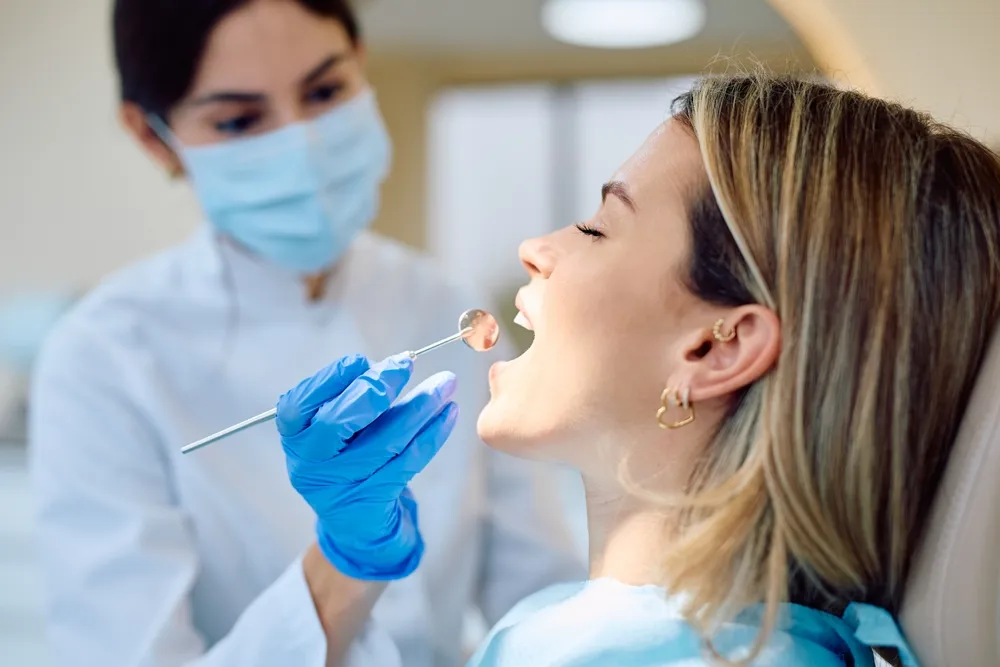
Different age groups and life stages need different schedules. Your dentist tailors recommendations to your specific group.
Group | Typical Interval | Special Considerations |
Children | Every 6 months | First visit by age 1, monitor growth |
Teenagers | Every 6 months | Orthodontic monitoring, sports injuries |
Healthy Adults | Every 6-12 months | Risk-based assessment determines exact timing |
Seniors | Every 3-6 months | Dry mouth, medication effects, tooth loss risk |
Pregnant Women | Every 3-6 months | Hormonal gum changes, preterm birth risk |
How Often Should Children Visit the Dentist?
Children need their first dental visit by age one. Early visits establish comfort. They prevent dental anxiety. Dentists monitor growth and tooth development. They watch for proper spacing. They check for early childhood caries. Cavity prevention strategies for children include sealants and fluoride. Dentists teach parents proper brushing techniques. They advise on bottle use and diet. Children usually visit every six months. Some high-risk children need quarterly visits. Early habits shape lifelong oral health.
How Often Should Teenagers Visit the Dentist?
Teenagers face unique challenges. Orthodontic monitoring requires regular visits. Braces need adjustments. Wires need repairs. Teenagers also consume more sugary drinks and snacks. This increases cavity risk. Sports-related dental protection matters too. Mouth guards prevent injuries. Dentists check for wisdom teeth development. They monitor oral hygiene during orthodontic treatment. Most teenagers visit every six months. Those with braces might visit every four to eight weeks for orthodontic adjustments. Regular dental checkups during adolescence prevent problems that affect adulthood.
How Often Should Healthy Adults Visit the Dentist?
Healthy adults with low risk might visit every nine to twelve months. The Cochrane review by Riley and colleagues supports this flexibility for low-risk adults (Riley et al. 2020). Typical recall intervals for average adults remain at six months. This maintains preventive care. It catches problems early. Your dentist assesses your risk at each visit. They might extend your interval if you show excellent oral health. They might shorten it if new risks appear. Communication with your dentist determines your best schedule.
How Often Should Seniors Visit the Dentist?
Seniors face age-related oral health concerns. Recession exposes root surfaces. Roots lack protective enamel. They decay faster. Dry mouth management becomes essential. Many medications reduce saliva. Seniors need more frequent fluoride treatments. Tooth loss prevention requires vigilant monitoring. Dentures and partials need fitting checks. Implants need maintenance. Most seniors benefit from visits every three to six months. This prevents the rapid decline that affects many older adults.
How Often Should Pregnant Women Visit the Dentist?
Pregnant women experience hormonal effects on gum health. Progesterone increases blood flow to gums. This causes pregnancy gingivitis. It makes gums swell and bleed. Preventive dental care during pregnancy protects both mother and baby. Jeffcoat and colleagues found that periodontal infection associates with preterm birth (Jeffcoat et al. 2001). Their prospective study showed adjusted odds ratios of 4.45 for preterm delivery in women with severe periodontal disease. However, Michalowicz and colleagues later found that treating periodontal disease during pregnancy did not significantly reduce preterm birth risk (Michalowicz et al. 2006). Despite this, maintaining cleanings and checkups during pregnancy remains vital. It controls inflammation. It prevents infection. Most pregnant women should visit every three to six months.
What Signs Indicate You Need More Frequent Dental Visits?
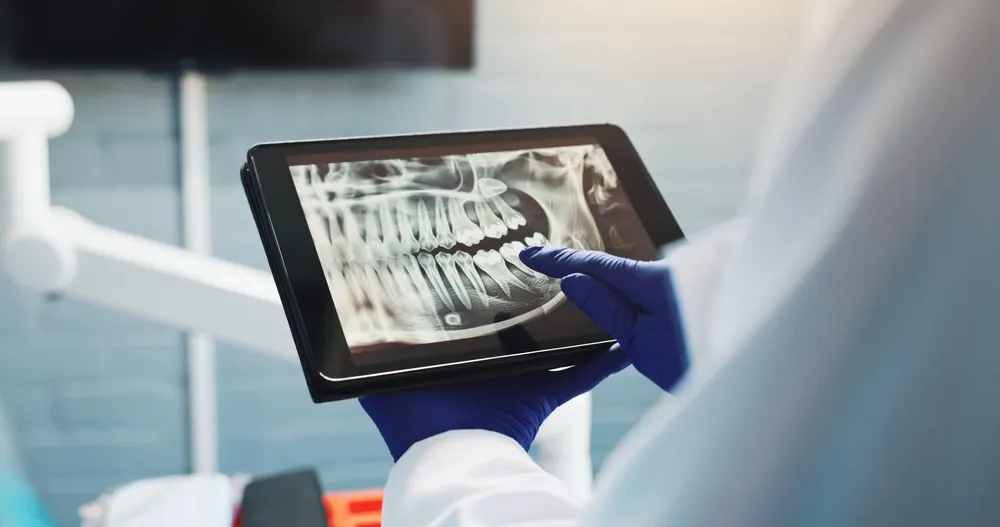
Your body sends signals when your mouth needs more attention. Recognize these signs early. Act on them promptly.
Do Frequent Cavities Mean You Need More Dental Visits?
Yes. Recurrent decay signals high bacterial activity. It suggests inadequate home care. It might indicate low saliva flow. Your dentist needs to investigate causes. They might apply more fluoride. They might prescribe antibacterial rinses. They might adjust your diet recommendations. Frequent cavities demand visits every three to four months. This intensive monitoring stops the decay cycle.
Should Bleeding or Swollen Gums Prompt Extra Dental Checkups?
Yes. Bleeding gums indicate active inflammation. Swollen gums suggest infection. These symptoms do not resolve on their own. They worsen without treatment. Early gum disease reverses with professional cleaning. Advanced periodontitis requires surgery. Do not wait for pain. Schedule an appointment when you see blood in your sink. Your dentist will assess your gum disease detection needs. They will recommend appropriate intervals.
Does Persistent Bad Breath Require More Dental Visits?
Yes. Chronic bad breath often stems from gum disease. It might indicate trapped food under crowns. It sometimes signals tonsil stones or digestive issues. Your dentist rules out oral causes first. They clean periodontal pockets. They treat infections. They restore loose fillings. Persistent bad breath deserves professional evaluation. It rarely fixes itself.
Does Tooth Sensitivity or Pain Mean More Frequent Visits?
Yes. Sensitivity to hot or cold suggests enamel loss. It might indicate receding gums. It sometimes signals a cracked tooth. Pain means damage has reached your nerve. Pain never occurs in healthy teeth. It always indicates a problem. Sensitivity and pain demand immediate attention. They also suggest you might need more frequent preventive care. Your dentist identifies the cause. They treat it early. They adjust your recall schedule.
Can Dry Mouth Symptoms Increase Dental Visit Needs?
Yes. Dry mouth dramatically increases decay risk. Saliva washes away bacteria. It remineralizes enamel. Without it, acid attacks constantly. Dry mouth causes rapid tooth destruction. Your dentist can prescribe saliva substitutes. They can recommend special toothpastes. They can apply more frequent fluoride. Patients with dry mouth need visits every three months. This protects against the accelerated decay that dryness causes.
Does a History of Periodontal Disease Require More Visits?
Yes. Periodontal disease never truly cures. It goes into remission. It returns without maintenance. Your dentist performs deep cleanings. They monitor pocket depths. They check for recurrence. Patients with a history of periodontal disease need maintenance every three months. This schedule disrupts bacterial colonies. It preserves bone levels. It prevents tooth loss.
Does Ongoing Orthodontic Treatment Need More Checkups?
Yes. Braces and aligners create cleaning challenges. Food traps form around brackets. Plaque accumulates in hard-to-reach areas. Orthodontists check appliance function. They adjust wires. They monitor tooth movement. General dentists monitor oral health during treatment. You might visit your dentist every three to six months during orthodontic care. This prevents decay and gum problems while your teeth move.
What Happens During a Routine Dental Checkup?
A routine checkup combines examination, cleaning, imaging, and personalized advice. It protects your health comprehensively.
What Does a Comprehensive Oral Examination Include?
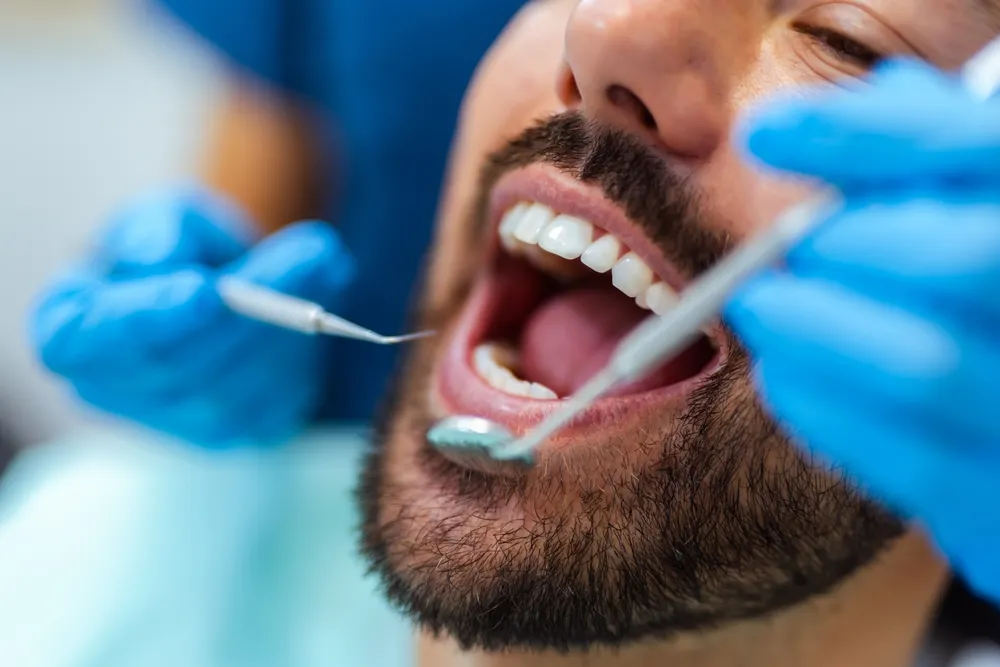
Your dentist examines each tooth. They look for decay. They check old fillings. They assess gum health. They measure pocket depths around each tooth. They perform bite analysis. They check how your teeth meet. They examine your jaw joints. They look for signs of grinding. They screen for oral cancer. They check your tongue, throat, and soft tissues. This thorough exam takes time. It covers every structure in your mouth. Nothing gets overlooked.
What Happens During Professional Teeth Cleaning?
Your hygienist removes plaque with manual or ultrasonic tools. They scrape tartar from tooth surfaces. They clean below your gumline. This scaling smooths root surfaces. It removes bacterial toxins. Polishing procedures follow scaling. Your hygienist uses gritty paste. This paste removes surface stains. It leaves teeth smooth. Smooth teeth resist plaque accumulation. The entire cleaning process prevents gingivitis. It freshens your breath. It prepares your mouth for optimal home care.
When Do Dentists Use Diagnostic Imaging?
Dentists take dental X-rays when necessary. They do not take them at every visit. They use them to monitor hidden dental problems. X-rays reveal decay between teeth. They show bone levels around roots. They detect cysts or abscesses. They reveal impacted wisdom teeth. Digital X-rays use minimal radiation. They provide immense diagnostic value. Your dentist recommends them based on your risk. New patients need baseline X-rays. High-risk patients need them more frequently. Stable patients might wait eighteen to thirty-six months.
What Personalized Recommendations Do Dentists Provide?
Your dentist gives home care instructions after your exam. They demonstrate proper brushing angles. They show flossing techniques. They recommend interdental brushes if needed. They offer dietary advice. They suggest limiting acidic drinks. They advise on sugar-free gum. They create risk-based follow-up schedules. They tell you exactly when to return. They might recommend three months. They might clear you for twelve months. These recommendations change as your health changes.
What Are the Benefits of Maintaining Regular Dental Appointments?
Regular visits deliver measurable benefits. They protect your health, your money, and your quality of life.
How Do Regular Visits Lower Cavity and Gum Disease Risk?
Professional cleanings remove bacteria. Examinations catch decay early. Early cavities need small fillings. Late cavities need crowns or root canals. Gum disease detection at early stages allows simple treatment. Gingivitis reverses with cleaning. Periodontitis requires surgery. Regular visits keep you in the prevention zone. They stop disease progression. They maintain oral disease prevention.
How Do Regular Checkups Reduce Long-Term Treatment Costs?
A small filling costs little. A root canal and crown cost thousands. Regular visits catch problems early. Early treatment costs less. It takes less time. It causes less discomfort. Prevention always costs less than repair. Insurance companies know this. They often cover preventive visits fully. They charge higher copays for major work. Regular dental checkup recommendations save you money over your lifetime.
How Does Dental Care Improve Overall Health?
Your mouth connects to your body. Bacteria from gum disease enter your bloodstream. They trigger inflammation elsewhere. Studies link periodontal disease to heart disease, diabetes, and stroke. Dye notes that global periodontal disease epidemiology shows widespread impact on systemic health (Dye 2012). Regular dental care reduces this bacterial load. It lowers inflammation. It supports your immune system. It helps control blood sugar in diabetics. It protects your heart. Oral health maintenance supports total health.
How Do Regular Visits Improve Appearance and Confidence?
Clean teeth look better. Polishing removes stains. Professional whitening options improve brightness. Healthy gums look pink and firm. They do not bleed. They frame your smile beautifully. Fresh breath boosts confidence. You speak freely. You smile openly. You interact without worry. Your appearance affects your social life. It affects your professional life. Regular visits keep you looking and feeling your best.
How Does Preventive Care Preserve Natural Teeth?
Nothing replaces your natural teeth. Implants work well. Bridges function. But natural teeth feel better. They chew more efficiently. They cost less to maintain. Preventive dentistry preserves your natural dentition. It prevents the extractions that lead to replacements. It keeps your bone levels healthy. It maintains your bite. Regular visits help you keep your teeth for life.
What Happens If You Skip Dental Checkups?
Skipping visits creates a cascade of problems. Small issues grow. Silent damage accumulates. Costs rise.
What Are the Risks of Undetected Tooth Decay?
Decay starts microscopically. You cannot see it. You cannot feel it. It grows in hidden areas. It spreads between teeth. It advances under old fillings. Without X-rays and examination, it progresses freely. By the time you feel pain, the decay has reached your nerve. You then need root canal therapy. You might lose the tooth. Regular visits catch decay when it is small. They prevent this progression.
How Does Skipping Visits Progress Gum Disease?
Gingivitis starts silently. Your gums bleed slightly. You might ignore it. Without professional cleaning, plaque hardens. Tartar accumulates. Bacteria invade deeper. Gums recede. Pockets deepen. Bone dissolves. This process happens gradually. You adapt to the changes. You do not notice until teeth loosen. Skipping visits allows this destruction. Regular cleanings stop it.
Can Missing Checkups Increase Tooth Loss Risk?
Yes. Tooth decay destroys teeth. Gum disease destroys support. Both lead to tooth loss. Missing checkups misses both problems. Early diagnosis of oral diseases prevents tooth loss. Your dentist saves teeth every day. But they can only save teeth they examine. Tooth loss affects eating. It affects speech. It affects your appearance. It costs significantly to replace. Prevention preserves your teeth.
Do Skipped Visits Lead to More Complex Treatments?
Yes. Small cavities need simple fillings. Large cavities need crowns. Infected teeth need root canals. Failed root canals need extractions. Extractions need implants or bridges. Each skipped visit allows more damage. Each level of treatment grows more complex. It grows more expensive. It requires more time. It causes more discomfort. Regular visits keep treatment simple.
What Early Diseases Do Missed Checkups Fail to Catch?
Oral cancer often starts painless. It appears as a small patch. It might look like a canker sore. Without examination, it grows unnoticed. By the time it hurts, it has spread. Early detection of oral cancer saves lives. Missed checkups miss this window. They also miss infections, cysts, and systemic signs. Your dentist spots anemia from pale gums. They spot bulimia from enamel erosion. They spot sleep apnea from airway anatomy. These early detections matter.
Can You Visit the Dentist Too Often?
Excessive visits waste resources but rarely harm you. Appropriate intervals balance prevention and practicality.
What Are Appropriate Recall Intervals?
Appropriate intervals range from three months to twenty-four months. Most adults fall between six and twelve months. Your dentist determines your appropriate recall intervals based on risk. They use evidence-based guidelines. They consider your history. They assess your current status. They do not guess. They apply clinical judgment supported by research.
When Are More Frequent Visits Beneficial?
More frequent visits benefit high-risk patients. Patients with active gum disease need quarterly maintenance. Patients with frequent cavities need close monitoring. Patients with diabetes need inflammation control. Patients undergoing cancer treatment need special care. Patients with braces need cleaning help. More frequent visits provide support. They offer professional intervention between home care sessions.
Why Is Evidence-Based Scheduling Important?
Evidence-based scheduling prevents overtreatment. It prevents undertreatment. It allocates resources wisely. It respects your time. It optimizes your oral health. The Cochrane review by Riley and colleagues supports this approach. They found that risk-based recall works as well as fixed intervals for many adults (Riley et al. 2020). Evidence-based scheduling means your dentist uses science. They do not follow tradition blindly. They adapt to new research.
How Do You Balance Preventive Care and Individual Risk?
You balance care by trusting your dentist's assessment. You share your medical history honestly. You report symptoms promptly. You follow home care instructions. You attend your scheduled visits. If your risk changes, your schedule changes. New medications might increase your visits. Improved health might extend your interval. This balance keeps you healthy without burdening your schedule.
How Can You Maintain Oral Health Between Dental Visits?
Your daily habits determine your oral health. Professional care supports home care. It does not replace it.
What Are Proper Brushing Techniques?
Brush twice daily. Use a soft-bristled brush. Hold it at a forty-five-degree angle to your gums. Use gentle circular motions. Do not scrub hard. Hard brushing damages enamel. It recedes gums. Brush for two minutes. Cover all surfaces. Replace your brush every three months. Use fluoride toothpaste. Electric brushes often clean more effectively. They reduce human error.
Why Is Daily Flossing Essential?
Flossing removes plaque between teeth. Your brush cannot reach these areas. Food traps form between teeth. Bacteria feast there. Floss disrupts these colonies. It prevents interproximal decay. It prevents gum disease between teeth. Floss before brushing. This allows fluoride to reach between teeth. If flossing frustrates you, try interdental brushes. Try water flossers. Find a method you will use daily. Consistency matters more than technique perfection.
How Do Fluoride Products Help?
Fluoride strengthens enamel. It remineralizes early decay. It makes teeth more acid-resistant. Use fluoride toothpaste daily. Your dentist might prescribe stronger fluoride paste. They might apply professional fluoride varnish. Fluoride products help children develop strong teeth. They help adults maintain hardness. They help seniors protect exposed roots. Fluoride remains one of the most effective preventive tools available.
What Dietary Choices Support Oral Health?
Limit sugary snacks. Reduce acidic drinks. Drink water after meals. Eat crunchy vegetables. They stimulate saliva. They clean tooth surfaces. Cheese and yogurt provide calcium. They buffer acid. Nuts offer minerals for enamel. Avoid constant grazing. Each snack feeds bacteria. Eat meals instead. Rinse with water after eating. These simple choices protect your teeth between visits.
Why Should You Avoid Tobacco Products?
Smoking stains teeth. It causes gum disease. It delays healing. It causes oral cancer. Smokeless tobacco irritates tissues. It causes recession. It leads to tooth loss. Tobacco products harm every part of your mouth. Quitting reduces your risk immediately. Your dentist supports cessation. They offer resources. They monitor your recovery. Avoiding tobacco products might be the single best thing you do for your oral health.
What Early Warning Signs Should You Recognize?
Watch for bleeding gums. Notice persistent bad breath. Feel for rough spots on teeth. Look for white or red patches. Monitor tooth sensitivity. Check for loose teeth. Recognize jaw pain. These early warning signs signal problems. Call your dentist when you notice them. Do not wait for your scheduled visit. Early action prevents emergencies.
What Are the Most Common Questions About Dental Visit Frequency?
Patients ask many questions about scheduling. Here are the most frequent ones.
Is Visiting the Dentist Every Six Months Necessary?
Not for everyone. Six months works for average-risk patients. Low-risk patients might visit less often. High-risk patients need more frequent visits. Your dentist determines your necessity. They base it on your risk assessment. They do not apply arbitrary rules. Evidence supports this flexibility.
Can Some People Safely Visit Once a Year?
Yes. Low-risk adults with excellent oral health might visit annually. The Cochrane review suggests that twenty-four-month intervals showed little difference in outcomes for some adults (Riley et al. 2020). However, your dentist must confirm your low-risk status. Do not extend intervals on your own. Get professional approval first.
How Often Should People With Gum Disease See a Dentist?
People with active gum disease need visits every three months. This periodontal maintenance controls bacteria. It prevents recurrence. It preserves bone. After stabilization, your dentist might extend intervals slightly. But most periodontal patients need quarterly care indefinitely.
How Often Should Children Have Dental Checkups?
Children should visit every six months. Some need more frequent visits. Children with high cavity risk need quarterly monitoring. Children with orthodontic appliances need both dental and orthodontic visits. Establish regular dental checkups early. They build lifelong habits.
Are Dental Cleanings and Dental Exams the Same Thing?
No. They usually happen at the same appointment. But they serve different purposes. The exam diagnoses problems. The cleaning removes deposits. You might need an exam without cleaning. You might need cleaning without extensive examination. Your dentist separates these services based on your needs. Both matter equally.
What If I Have No Symptoms or Dental Problems?
You still need checkups. Many dental problems cause no symptoms early. Decay reaches advanced stages before pain appears. Gum disease destroys bone silently. Oral cancer starts painless. Your dentist finds these silent problems. They treat them before symptoms start. Waiting for symptoms means waiting too long.
What Is the Final Verdict on Dental Visit Frequency?
The final verdict emphasizes personalization. No single schedule fits everyone. Your dentist evaluates your risk. They recommend intervals based on evidence. They adjust as your health changes. Regular preventive care remains the foundation of oral health. It saves teeth. It saves money. It protects your overall health. It improves your quality of life. Follow a dentist-recommended schedule tailored to your individual risk factors. Communicate openly with your dental team. Maintain excellent home care. Attend your appointments consistently. Your mouth deserves this attention. Your health depends on it.
References
Chaffee, Benjamin W., and Sarah J. Weston. "Association between Chronic Periodontal Disease and Obesity: A Systematic Review and Meta-Analysis." Journal of Clinical Periodontology, vol. 37, no. 3, 2010, pp. 239-47.
Dye, Bruce A. "Global Periodontal Disease Epidemiology." Periodontology 2000, vol. 58, no. 1, 2012, pp. 10-25.
Genco, Robert J., and Wenche S. Borgnakke. "Risk Factors for Periodontal Disease." Periodontology 2000, vol. 62, no. 1, 2013, pp. 59-94.
Hujoel, Philippe P., et al. "Dental Flossing and Interproximal Disease." Journal of Clinical Periodontology, vol. 33, no. 4, 2006, pp. 255-60.
Jeffcoat, Marjorie K., et al. "Periodontal Infection and Preterm Birth: Results of a Prospective Study." Journal of the American Dental Association, vol. 132, no. 7, 2001, pp. 875-80.
Löe, Harald. "Periodontal Disease. The Sixth Complication of Diabetes Mellitus." Diabetes Care, vol. 16, no. 1, 1993, pp. 329-34.
Michalowicz, Bryan S., et al. "Treatment of Periodontal Disease and the Risk of Preterm Birth." New England Journal of Medicine, vol. 355, no. 20, 2006, pp. 1885-94.
Petersen, Poul Erik. "The World Oral Health Report 2003: Continuous Improvement of Oral Health in the 21st Century." Geneva: World Health Organization, 2003.
Riley, Philip, et al. "Recall Intervals for Oral Health in Primary Care Patients." Cochrane Database of Systematic Reviews, vol. 2020, no. 10, 2020, pp. 1-45.
Sheiham, Aubrey. "Dental Caries Affects Body Weight, Growth and Quality of Life in Pre-School Children." British Dental Journal, vol. 201, no. 10, 2006, pp. 625-26.