What Does a Healthy Tongue Look Like?
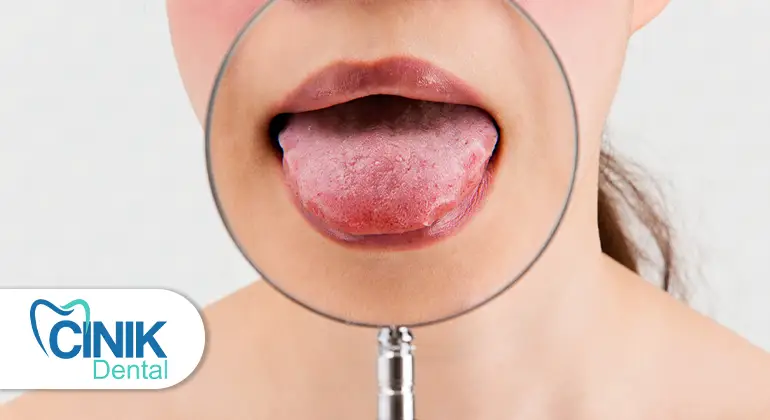
Before you start worrying about every little change, it’s super important to know what's normal. Your tongue is more than just an organ for tasting and talking. It’s also a mirror, reflecting your overall well-being: tongue appearance and health are directly linked. Understanding its baseline is, well, the first step in spotting when something might be off. So, what does a healthy tongue look like? Honestly, there are a few features that are pretty easy to spot. The first and biggest clue is definitely the tongue color — health indicators you always have at hand. You’re looking for a light to medium pink shade, kind of like fresh salmon, you know? It should be the same color all over, with no weird, splotchy patches. And hey, it's totally normal to have a thin, whitish coating on top: that’s just a mix of saliva, bacteria, and dead cells. No biggie. Think of your tongue like a mood ring, but for your health; subtle shifts in color can really tell you a lot.What Different Colors Mean: Tongue Color Guide for Health
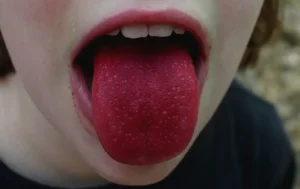
The color of your tongue is a huge clue. What color is a healthy tongue? A light-to-medium pink is the goal: that means you’re well-hydrated and have good blood flow. But what about the others? They could be unhealthy tongue colors. Here are the basic tongue color meanings, kind of a healthy tongue color chart for quick reference:- Bright Red, or “Strawberry Tongue”: This could be a sign of a vitamin deficiency, like B12 or iron. It might also be a symptom of scarlet fever or, in kids, Kawasaki disease, which needs immediate medical attention.
- Yellow: This is often a sign of bacterial overgrowth from poor oral hygiene, or it could be a stain from things like smoking or drinking a lot of coffee. Sometimes, it's also linked to acid reflux.
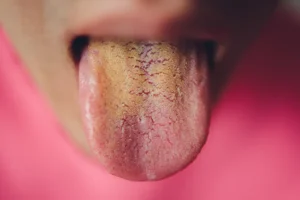
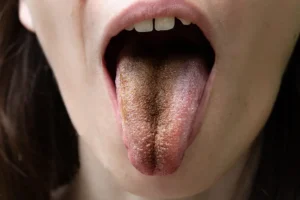
- Black or Brown: This can look a little scary, but it's usually harmless. It's often called “black hairy tongue” and it happens when the papillae get overgrown and trap bacteria. Smoking, antibiotics, or too much coffee can all cause this. The good news? It’s usually reversible if you clean up your habits and oral care.
- Blue or Purple: This is one you definitely don’t want to ignore. It could mean poor oxygen flow or circulation issues, which is a serious red flag. If your lips or nails are also looking a little blue, you should probably see a doctor right away.

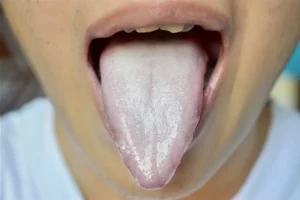
- Pale or White: If your tongue looks almost white, it could be a sign of anemia or chronic fatigue. A simple blood test can often confirm a deficiency.
The Texture: Not Too Smooth, Not Too Bumpy
Your tongue isn't meant to be perfectly smooth. It should have these little velvety bumps on it, called papillae, which are home to your taste buds and also help you grip food when you’re eating. A healthy tongue shouldn't have deep cracks or grooves, though some people naturally have minor fissures. Extreme cracking, however, could be a red flag. Your tongue also needs to be moist: not too dry and parched, but not excessively wet or slimy either.No Pain, No Problem
If your tongue is healthy, it should not hurt. It shouldn’t have that burning feeling (unless, you know, you just ate something way too spicy), and it definitely shouldn't feel tingly or numb. Sore spots or ulcers could just be from accidentally biting it, but if they stick around, it might be worth a closer look.Tongue Texture: Bumps, Cracks, and More
It’s not just about color; tongue texture health is also a big deal.- Smooth and glossy tongue: If your tongue looks slick, like a bald tire, it might be a sign of a vitamin deficiency, particularly B12 or iron.
- Cracked or fissured tongue: These are usually harmless, but you should make sure to brush your tongue gently and stay hydrated, since deep cracks can be a hiding spot for bacteria.
- Bumps and sore spots happen sometimes, sure. They can be little canker sores triggered by stress or something you ate that was too acidic, or maybe even an allergic reaction. The key thing is, if they don't go away, you should probably get them checked out.