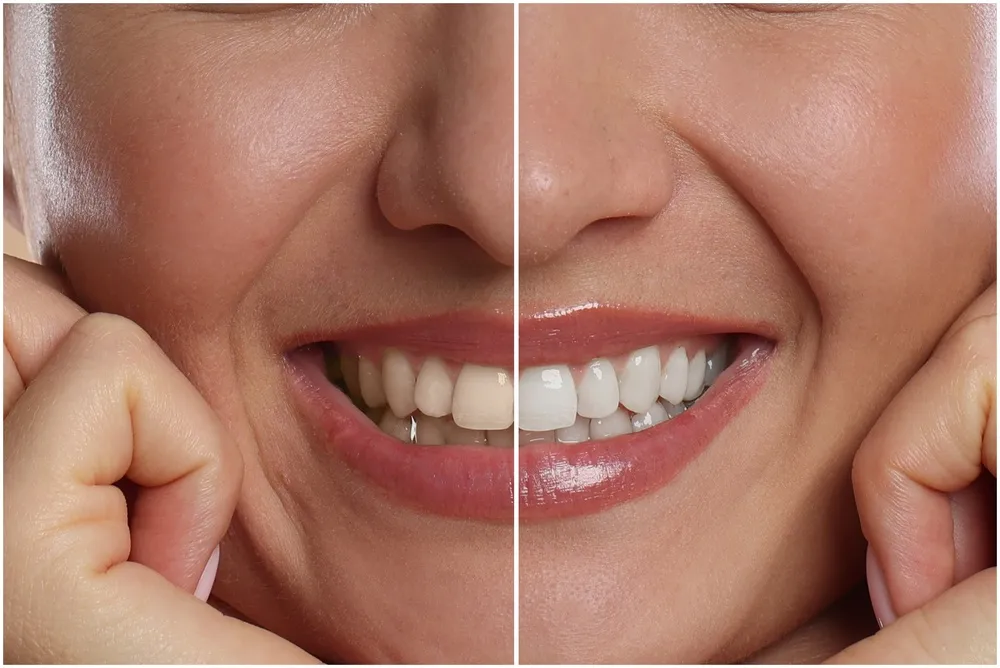
More people want bright smiles today than ever before. The global cosmetic dentistry market grows every year. Teeth whitening sits at the top of this demand. Patients ask dentists the same question repeatedly: how often should you whiten teeth? This question matters because whitening works well only when you balance beauty with health. You can damage enamel if you bleach too much. You can waste money if you bleach too little. This article answers every aspect of safe whitening intervals. You will learn about treatment types, maintenance schedules, risk prevention, and scientific evidence. You will also discover how lifestyle, genetics, and age affect your personal whitening needs.
What Is Teeth Whitening?
Teeth whitening uses chemical agents to remove stains and lighten tooth color. Dentists and patients apply these agents through gels, strips, trays, or pastes. The goal stays simple: restore a brighter, cleaner appearance.
Whitening agents attack two stain types. Extrinsic stains sit on the enamel surface. Coffee, tea, and tobacco create these marks. Intrinsic stains live inside the tooth structure. Aging, medications, and trauma cause these deeper discolorations. Whitening chemicals break down both stain types through oxidation. This process dissolves pigment molecules and reveals lighter tooth color underneath.
What Types of Teeth Whitening Methods Exist?
You can choose from several whitening methods. Each method offers different strength, speed, and convenience.
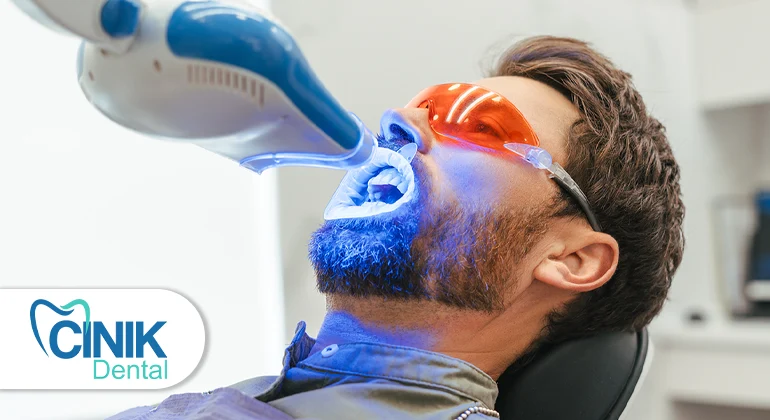
Professional in-office whitening delivers the fastest results. Dentists apply high-concentration peroxide gels. They use lights or lasers to accelerate the process. One session often lightens teeth several shades.
Dentist-supervised take-home whitening trays provide custom-fitted plastic trays. Patients fill these trays with professional gel and wear them for hours or overnight. This method offers gradual, controlled lightening.
Over-the-counter whitening strips contain lower peroxide concentrations. Patients apply thin plastic strips to teeth for 30 minutes daily. These strips work well for mild staining.
Whitening toothpastes and mouthwashes contain mild abrasives and low peroxide levels. These products remove surface stains but rarely change intrinsic color.
Whitening pens and gels offer spot treatment. Patients paint gel directly onto specific teeth. These tools work best for touch-ups between major treatments.
Method | Peroxide Strength | Typical Duration | Best For |
In-office whitening | 25-40% hydrogen peroxide | 1-2 hours | Fast, dramatic results |
Custom trays | 10-22% carbamide peroxide | 1-2 weeks nightly | Controlled, even lightening |
Whitening strips | 6-14% hydrogen peroxide | 10-14 days | Mild staining, convenience |
Whitening toothpaste | 1-2% or mild abrasives | Ongoing | Surface stain maintenance |
Whitening pens | Variable low dose | Spot application | Targeted touch-ups |
How Does Teeth Whitening Work?
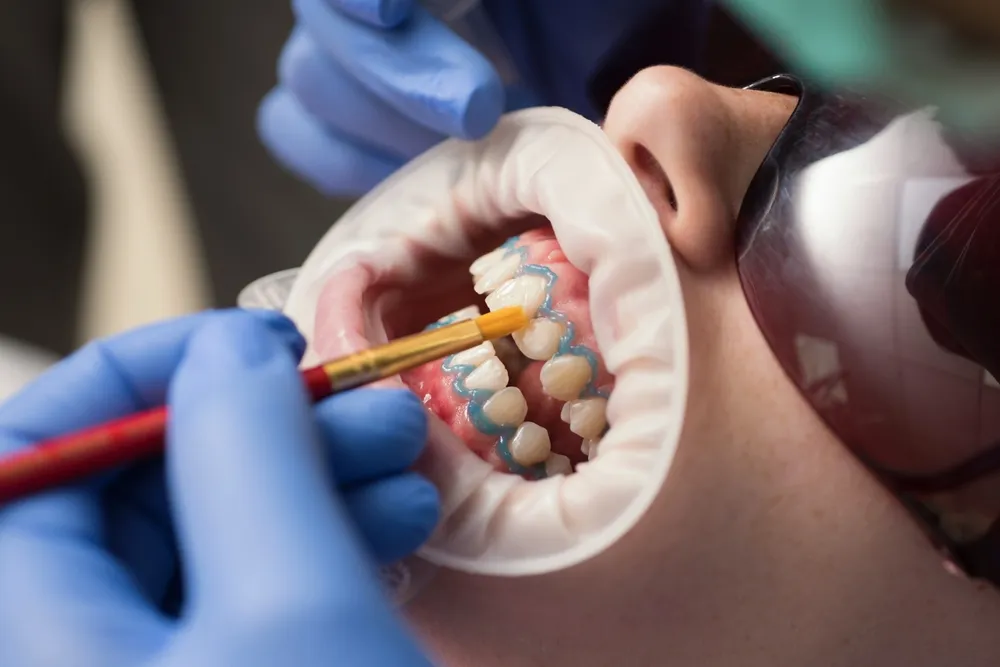
Whitening relies on peroxide chemistry. Hydrogen peroxide and carbamide peroxide serve as the active ingredients. These molecules penetrate enamel and reach dentin. They release oxygen radicals. These radicals break the double bonds in stain molecules. This oxidation process destroys discoloration.
The process affects outcomes. Higher peroxide concentrations work faster. Longer contact times deepen penetration. Tooth temperature can accelerate reactions. However, these factors also increase sensitivity risk. Enamel thickness, dentin color, and existing restorations all influence final results. Dentists evaluate these factors before recommending any treatment.
How Often Should You Whiten Teeth?
This question has no single answer. Frequency depends on the method you choose. Frequency also depends on your personal habits and biology.
How Often Should You Get Professional In-Office Whitening?
Most dentists recommend in-office whitening every 6 to 12 months. This interval protects enamel while maintaining brightness. Some patients need earlier touch-ups. Smokers and heavy coffee drinkers may return every 4 to 6 months. Wedding parties and public speakers sometimes request single sessions before major events.
How Often Should You Use Custom Whitening Trays?
Dentists typically prescribe custom trays for 1 to 2 weeks during initial treatment. After that, patients use touch-up trays every 3 to 6 months. Some patients maintain results with one-night applications monthly. Your dentist will adjust this schedule based on your stain recurrence rate.
How Often Should You Use Whitening Strips?
Manufacturers design most strip courses for 10 to 14 consecutive days. After completing a course, patients should wait 3 to 6 months before repeating. Some brands offer mild maintenance strips for monthly use. Always follow the specific product guidelines. Overuse strips and you risk enamel damage.
How Often Should You Use Whitening Toothpaste and Mouthwash?
Whitening toothpaste allows daily use. However, this product removes surface stains rather than bleaching teeth. True color change requires peroxide penetration. Mouthwashes offer even milder action. You can use them daily without harm, but expect only modest brightening.
Whitening Method | Recommended Frequency | Touch-Up Interval |
In-office | Every 6-12 months | 4-6 months for heavy stains |
Custom trays | Initial 1-2 weeks, then monthly to quarterly | As needed, 3-6 months |
Whitening strips | 10-14 day courses, then 3-6 month pause | 3-6 months |
Whitening toothpaste | Daily | Ongoing surface maintenance |
Whitening pens | As needed for spots | Weekly to monthly |
Why Does Whitening Frequency Vary Between Individuals?
Your body determines how often you need whitening. No two mouths share identical staining patterns.
Natural tooth color sets your baseline. Some people inherit yellow or gray undertones. These genetic shades require more frequent maintenance.
Lifestyle habits accelerate or delay staining. Coffee drinkers darken teeth faster than water drinkers. Red wine lovers face more purple-brown stains than tea abstainers.
Age-related discoloration increases over time. Dentin naturally yellows as you grow older. Enamel thins and reveals more dentin. Older patients often need more frequent whitening than younger patients.
Oral hygiene practices extend or shorten results. Brushing twice daily removes surface pigments before they set. Flossing prevents interproximal staining. Patients with excellent hygiene maintain brightness longer.
What Dietary Habits Affect Whitening Frequency?
Your diet directly controls how often you must whiten. Certain foods and drinks stain enamel quickly.
Coffee, tea, and red wine contain chromogens. These pigment molecules adhere to enamel and darken teeth. Black tea stains more aggressively than herbal tea. Red wine leaves both color and acidity damage.
Dark-colored foods like berries, soy sauce, and balsamic vinegar also deposit stains. Curry and tomato sauce create yellow and orange discoloration.
Acidic beverages weaken enamel. Sodas, sports drinks, and citrus juices erode the outer layer. Thinner enamel stains faster and looks duller. Acid exposure also increases sensitivity during whitening treatments.
Patients who consume these items daily need whitening touch-ups 30 to 50 percent more often than patients with stain-free diets.
How Does Tobacco Use Change Whitening Needs?
Smokers and tobacco users face the most aggressive staining. Nicotine and tar penetrate enamel pores. These substances create brown and yellow deposits that resist normal brushing.
Tobacco users need whitening treatments two to three times more frequently than non-users. A non-smoker might maintain results for 12 months. A smoker often needs retreatment every 4 to 6 months.
Tobacco also reduces gum health. Unhealthy gums bleed more easily during whitening. Irritated tissue absorbs peroxide and becomes inflamed. Dentists often recommend smoking cessation before starting any whitening protocol.
How Does Oral Hygiene Routine Influence Whitening Frequency?
Your daily habits determine how long whitening lasts. Good hygiene delays retreatment. Poor hygiene demands earlier intervention.
Brushing twice daily removes plaque and surface pigments. Electric toothbrushes clean more thoroughly than manual brushes. Patients who brush after every meal maintain brighter teeth longer.
Flossing reaches between teeth where stains hide. Whitening products often miss these tight spaces. Daily flossing prevents dark interproximal lines.
Antimicrobial rinses reduce bacteria that produce acids. These acids erode enamel and expose staining surfaces. Rinsing after meals protects both color and structure.
Professional dental cleanings remove tartar and embedded stains. Dentists recommend cleanings every 6 months. These appointments extend whitening results by clearing discoloration that home care misses.
How Do Genetics and Enamel Characteristics Affect Whitening?
Your DNA controls your tooth shade. Some people inherit thick, white enamel. Others receive thin, translucent enamel that reveals yellow dentin underneath.
Enamel thickness determines how much peroxide reaches dentin. Thick enamel blocks penetration and requires stronger or longer treatments. Thin enamel allows faster penetration but increases sensitivity risk.
Enamel translucency also matters. Highly translucent enamel looks gray or blue at the edges. Whitening cannot change this optical effect. Patients with translucent enamel need different expectations and frequencies.
Natural tooth shade ranges from A1 (lightest) to D4 (darkest). Darker baseline shades often need more frequent maintenance to maintain social standards of brightness.
How Does Aging Change Tooth Discoloration?
Teeth darken with age. This process affects everyone.
Dentin grows thicker and yellower over decades. Enamel wears thin through chewing and erosion. The combination creates a naturally darker smile. A 25-year-old might maintain whitening for 18 months. A 55-year-old often needs retreatment every 6 to 9 months.
Aging also reduces saliva production. Less saliva means less natural cleansing. Stains accumulate faster. Medications for blood pressure, allergies, and anxiety further dry the mouth. These factors compound discoloration.
Older patients should consult dentists before aggressive whitening. Thin enamel and receding gums increase sensitivity risks. Dentists may recommend lower peroxide concentrations with longer intervals.
What Are the Signs That You Need to Whiten Again?
Your mouth tells you when retreatment makes sense. Watch for these indicators.
When Do Surface Stains Return?
Visible yellowing or browning on front teeth signals stain recurrence. Check the areas between teeth and near the gum line. These zones collect pigment first. If brushing no longer restores brightness, whitening may help.
When Do Whitening Results Fade?
All whitening fades gradually. Most patients notice dulling after 6 to 12 months. The rate depends on your habits. Compare current photos with post-treatment photos. Significant difference suggests retreatment time.
When Does Uneven Tooth Color Appear?
Localized dark spots or mottled patches indicate uneven staining. Some teeth darken faster than others. This happens when certain teeth contact staining agents more directly. Spot treatments with pens or targeted trays address these issues.
When Should a Dentist Assess Your Need?
Dentists evaluate color change objectively. They use shade guides and digital photography. Professional assessment prevents unnecessary retreatment. Dentists also check for underlying problems that cause discoloration. Cavities and dead nerves create dark spots that whitening cannot fix.
Can You Whiten Teeth Too Often?
Yes. Excessive whitening damages oral tissues. More bleaching does not create brighter teeth beyond a natural limit.
What Risks Come From Excessive Whitening?
Over-whitening causes multiple problems. Tooth sensitivity ranks as the most common complaint. Patients feel sharp pain when drinking hot coffee or cold ice water.
Gum irritation creates red, swollen tissue. Peroxide burns soft tissue at high concentrations or with prolonged contact. Some patients develop white spots on gums that peel like sunburn.
Enamel surface changes occur with chronic overuse. Peroxide can roughen enamel and make it more porous. Porous enamel stains faster and looks chalky.
Temporary discomfort usually resolves after stopping treatment. Permanent damage remains rare but possible with extreme abuse.
What Symptoms Indicate Over-Whitening?
Watch for these warning signs. Increased sensitivity to hot and cold foods suggests enamel weakening. White spots or uneven coloration indicate mineral loss. Soft tissue irritation shows as gum redness or white patches.
If these symptoms appear, stop whitening immediately. Switch to desensitizing toothpaste. Wait at least 2 weeks before considering any retreatment.
When Should You Stop and See a Dentist?
Persistent sensitivity lasting more than 48 hours requires professional evaluation. Gum inflammation that bleeds or swells needs immediate attention. Unsatisfactory results despite repeated treatments suggest a different problem. You may have intrinsic staining from medications or decay that bleaching cannot solve.
How Can You Maintain Whitening Results Longer?
Smart habits extend your bright smile. These practices reduce how often you need retreatment.
What Oral Hygiene Practices Protect Whitening?
Brush twice daily with fluoride toothpaste. Use a soft-bristled brush to avoid enamel wear. Brush for 2 minutes each session. Cover all surfaces including the gum line.
Floss every night. Remove plaque between teeth before it hardens into tartar. Tartar absorbs stains and looks yellow.
Use antimicrobial rinses to reduce bacteria. These rinses prevent acid production and enamel erosion. Choose alcohol-free formulas to avoid dry mouth.
How Can You Limit Staining Foods and Drinks?
Reduce coffee and tea consumption. If you must drink them, rinse with water afterward. Drink dark beverages through a straw. This bypasses front teeth and reduces contact.
Add milk to coffee. Milk proteins bind chromogens and reduce staining. Chew sugar-free gum after meals. Gum stimulates saliva and washes away pigments.
Eat crunchy fruits and vegetables. Apples, carrots, and celery scrub surfaces naturally. These foods also increase saliva flow.
Why Do Regular Dental Cleanings Matter?
Professional cleanings remove tartar and embedded stains. Hygienists use ultrasonic scalers and polishing paste. These tools restore surface brightness without chemicals.
Schedule cleanings every 6 months. Some patients with heavy staining benefit from quarterly cleanings. Early detection of discoloration causes also prevents unnecessary whitening.
How Should You Use Whitening Maintenance Products?
Whitening toothpaste helps between major treatments. Use it 2 to 3 times weekly rather than daily to minimize abrasion. Touch-up trays and gels work for custom tray owners. Apply them for one night every 2 to 3 months.
Avoid combining multiple whitening products simultaneously. Using strips plus toothpaste plus pens overwhelms enamel. Choose one maintenance tool and use it sparingly.
How Can You Protect Enamel Health?
Use remineralizing products containing calcium and phosphate. These ingredients rebuild enamel structure. Fluoride treatments strengthen enamel against acid attacks. Your dentist can apply professional fluoride varnish every 6 months.
Avoid acidic foods immediately after whitening. Enamel remains porous for 24 to 48 hours post-treatment. Acid penetrates easily during this window.
How Does Professional Whitening Frequency Compare to At-Home Frequency?
Professional and at-home methods require different schedules. Understanding these differences helps you plan.
How Long Do Professional Results Last?
In-office whitening uses high peroxide concentrations. Dentists apply protective barriers to gums. They monitor tissue response throughout. This supervised approach delivers dramatic results safely.
Professional results typically last 12 to 24 months. Some patients maintain brightness for 3 years with excellent care. The higher initial investment pays off through longer intervals between treatments.
What Maintenance Do At-Home Methods Require?
At-home products need more frequent application. Whitening strips require full courses every 3 to 6 months. Custom trays need monthly or quarterly touch-ups. These methods produce milder results that fade faster.
Effectiveness varies widely between brands. Some strips lighten only one or two shades. Others achieve four to six shades. Higher quality products generally last longer.
Which Approach Offers Greater Safety?
Professional monitoring provides the safest experience. Dentists examine enamel, gums, and restorations before treatment. They adjust concentrations based on your sensitivity. They stop treatment if tissue reacts badly.
Unsupervised overuse poses real risks. Patients often exceed recommended durations. They combine incompatible products. They ignore early warning signs. Professional oversight prevents these errors.
Factor | Professional Whitening | At-Home Whitening |
Frequency | Every 6-24 months | Every 1-6 months |
Supervision | Dentist-monitored | Self-administered |
Result longevity | 12-24 months | 3-6 months |
Sensitivity risk | Lower with barriers | Higher with misuse |
Cost per session | Higher | Lower |
Overall safety | Higher | Moderate to high |
What Special Considerations Apply Before Whitening Again?
Certain conditions change how often you should whiten. Some situations require postponing treatment entirely.
How Do Dental Restorations Affect Whitening?
Crowns, veneers, and fillings do not respond to peroxide. These materials maintain their original shade while natural teeth lighten. Retreatment can create mismatched smiles.
Patients with multiple restorations need careful planning. Whiten natural teeth first. Then replace restorations to match the new shade. This coordination prevents patchwork appearance.
How Should Sensitive Teeth Modify Whitening?
Patients with sensitive teeth need gentler protocols. Dentists recommend lower peroxide concentrations. They suggest shorter application times. They prescribe desensitizing treatments before and after whitening.
Some patients cannot tolerate any peroxide. These individuals might use non-peroxide alternatives. These alternatives work slower but avoid pain.
What Precautions Apply During Pregnancy and Breastfeeding?
Current dental guidelines recommend postponing whitening during pregnancy. No studies prove harm, but no studies guarantee safety either. Hormonal changes also increase gum sensitivity. Most dentists wait until after delivery and breastfeeding end.
What Oral Health Problems Require Treatment First?
Never whiten over active disease. Cavities allow peroxide to penetrate pulp tissue. This causes severe pain and possible nerve damage. Gum disease creates inflamed tissue that bleaches unevenly. Enamel erosion exposes dentin and increases sensitivity dramatically.
Treat all underlying conditions before cosmetic procedures. Healthy tissue responds predictably. Diseased tissue reacts unpredictably and dangerously.
What Do People Frequently Ask About Whitening Frequency?
How Long Do Teeth Whitening Results Typically Last?
Results last 6 months to 3 years depending on method and habits. Professional treatments last longest. Strips and pens fade fastest. Maintenance habits extend all results.
Can You Whiten Teeth Every Month?
No. Monthly whitening overexposes enamel to peroxide. This frequency causes sensitivity and possible damage. Even mild products require rest periods. Most dentists recommend minimum 3-month intervals between major treatments.
Is It Safe to Use Whitening Toothpaste Every Day?
Yes, but with caution. Daily whitening toothpaste removes surface stains safely. However, excessive use can abrade enamel. Alternate with regular fluoride toothpaste. Use whitening paste 2 to 3 times weekly for maintenance.
How Often Should You Use Custom Whitening Trays?
After initial treatment, use trays for one night every 2 to 3 months. Some patients need monthly touch-ups. Others maintain brightness for 6 months without retreatment. Your dentist will personalize this schedule.
Does Professional Whitening Last Longer Than Whitening Strips?
Yes. Professional whitening typically lasts 12 to 24 months. Strips last 3 to 6 months. The higher peroxide concentration and professional application create deeper, more durable color change.
What Should You Do If Teeth Become Sensitive After Whitening?
Stop treatment immediately. Use desensitizing toothpaste containing potassium nitrate. Avoid extreme temperatures for 48 hours. If sensitivity persists beyond 3 days, contact your dentist. They may apply fluoride varnish or prescribe a gentler protocol.
Can Whitening Damage Enamel Permanently?
Rarely. Proper whitening does not harm enamel. Chronic overuse can roughen surface texture and increase porosity. These changes may accelerate future staining. Following recommended intervals prevents permanent damage.
What Does Scientific Evidence Say About Whitening Frequency?
Research supports moderate, supervised whitening. Studies confirm both safety and effectiveness when patients follow protocols.
What Do Clinical Studies Find?
Joiner (2006) reviewed decades of whitening research. He concluded that peroxide-based whitening remains safe for enamel and soft tissue when used correctly. The review emphasized adherence to manufacturer guidelines and professional supervision.
Kugel et al. (2005) conducted a clinical trial comparing two whitening gels. They found that 10% carbamide peroxide produced significant lightening with minimal sensitivity over 2 weeks. The study confirmed that lower concentrations achieve results without aggressive protocols.
Matis et al. (2009) evaluated whitening strips in a clinical setting. They demonstrated that 6% hydrogen peroxide strips lighten teeth effectively over 14 days. Results remained stable for 6 months with proper maintenance. The study validated strip safety for over-the-counter use.
What Do Dental Professionals Recommend?
Haywood (2007) established nightguard vital bleaching protocols. He recommended 10% carbamide peroxide in custom trays worn overnight for 2 weeks. This method remains the gold standard for safe, effective home whitening. Haywood emphasized that longer wear times with lower concentrations outperform short, high-concentration bursts.
Basting et al. (2003) compared multiple whitening techniques clinically. They found that in-office and at-home methods both work when dentists supervise treatment. The study stressed individualized planning based on patient history and enamel condition.
What Is the Current Consensus on Safe Practices?
Carey (2014) summarized evidence-based guidelines in the Journal of Evidence-Based Dental Practice. The consensus recommends:
Professional assessment before any whitening
Peroxide concentrations between 3% and 35% depending on setting
Treatment intervals of at least 3 months between courses
Immediate cessation if sensitivity or irritation develops
Maintenance through hygiene and dietary control rather than repeated bleaching
Sulieman (2004) reviewed long-term outcomes. He noted that patients who follow professional guidance maintain results longer and experience fewer side effects. The overview discouraged unsupervised frequent bleaching.
Maran et al. (2021) analyzed in-office bleaching specifically. They confirmed that 35% hydrogen peroxide sessions every 12 months provide optimal results with acceptable safety margins. More frequent sessions increased sensitivity without improving color stability.
What Are the Key Takeaways?
Safe whitening frequency depends on your treatment type and personal factors. Professional whitening needs repetition every 6 to 12 months. At-home strips require courses every 3 to 6 months. Custom trays work best with monthly to quarterly touch-ups.
Over-whitening increases sensitivity and irritates gums. It can roughen enamel and create uneven coloration. Stop immediately if you notice these symptoms.
Professional guidance maximizes results while protecting enamel. Dentists evaluate your baseline shade, enamel thickness, and gum health. They create plans that balance beauty with biology.
Proper maintenance extends whitening outcomes significantly. Brush twice daily. Floss every night. Limit staining foods. Schedule regular cleanings. These habits reduce how often you need chemical retreatment.
When Should You Seek Professional Advice?
Contact your dentist if discoloration persists despite proper whitening. You may have intrinsic staining from medications, trauma, or decay. These conditions require different treatments.
Seek help if sensitivity lasts more than 3 days after whitening. Persistent pain signals enamel damage or nerve irritation. Early intervention prevents worse problems.
Request customized recommendations for long-term oral health. Your dentist will assess your specific risk factors. They will design a whitening schedule that keeps your smile bright without compromising your enamel.
References
Alqahtani, Mohammed Q. "Tooth Bleaching, Whys and Why Nots." Saudi Dental Journal, vol. 26, no. 2, 2014, pp. 33-39.
Basting, R. T., et al. "Clinical Comparative Study of the Effectiveness of and Tooth Sensitivity to 10% and 20% Carbamide Peroxide Home-Use and 35% and 38% Hydrogen Peroxide In-Office Bleaching Materials." Journal of Oral Rehabilitation, vol. 30, no. 8, 2003, pp. 818-825.
Carey, Clifton M. "Tooth Whitening: What We Now Know." Journal of Evidence-Based Dental Practice, vol. 14, suppl. 1, 2014, pp. 70-76.
Gerlach, Robert W. "Shade Counts and Peroxide Levels in Tooth Whitening." Compendium, vol. 21, suppl. 29, 2000, pp. S4-S9.
Haywood, Van B. "Nightguard Vital Bleaching: Current Concepts." Journal of Esthetic and Restorative Dentistry, vol. 19, no. 5, 2007, pp. 275-288.
Joiner, Andrew. "The Bleaching of Teeth: A Review of the Literature." Journal of Dentistry, vol. 34, no. 7, 2006, pp. 412-419.
Kugel, Gerard, et al. "Clinical Trial Comparing Two Whitening Gels." Compendium, vol. 26, no. 5, 2005, pp. 321-326.
Maran, Bianca Medeiros, et al. "In-Office Bleaching with and without Light: A Systematic Review and Meta-Analysis." Journal of the American Dental Association, vol. 152, no. 12, 2021, pp. 928-937.
Matis, Bruce A., et al. "A Clinical Evaluation of Two In-Office Bleaching Regimens." Operative Dentistry, vol. 34, no. 6, 2009, pp. 673-680.
Sulieman, Munther. "An Overview of Tooth-Bleaching Techniques: Chemistry, Safety and Efficacy." Journal of Esthetic and Restorative Dentistry, vol. 16, no. 1, 2004, pp. 1-17.