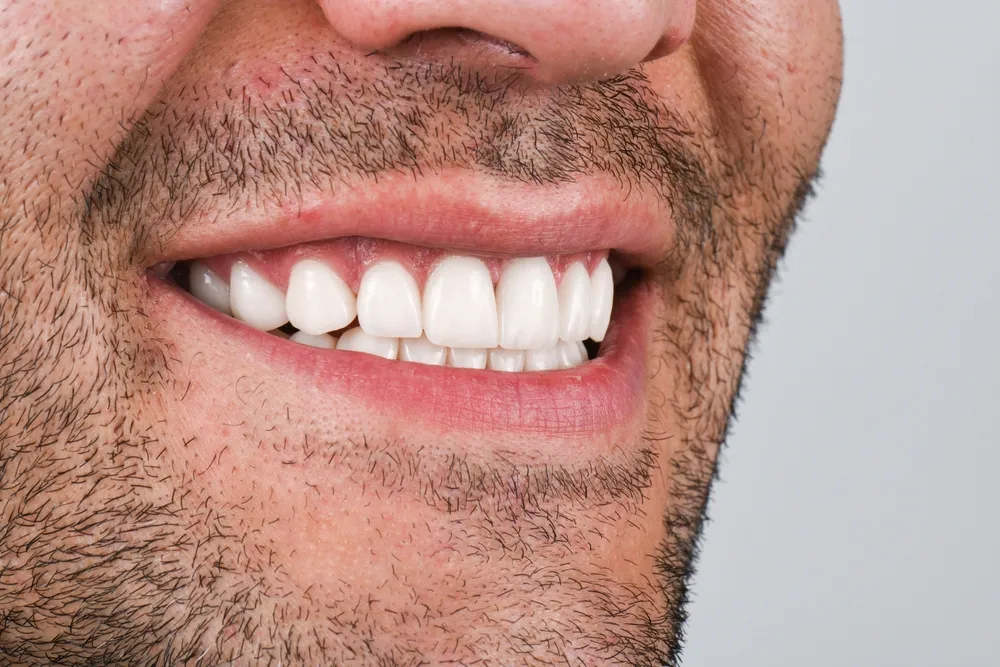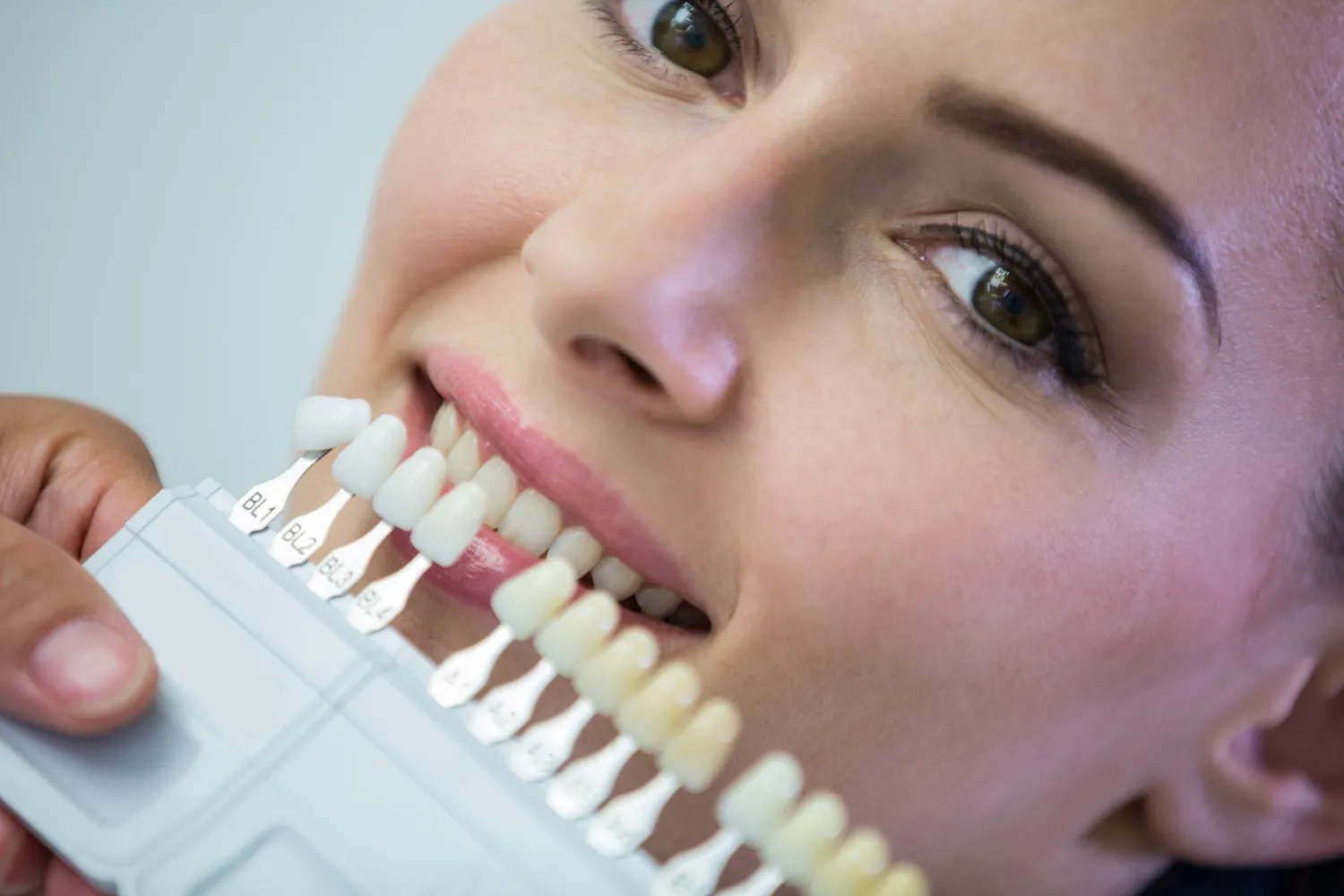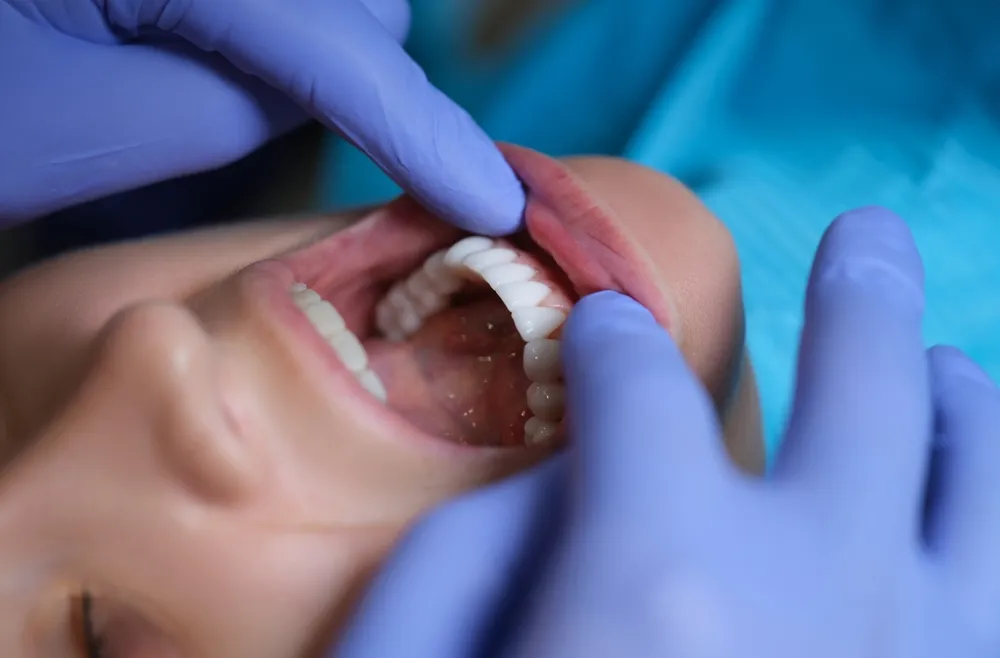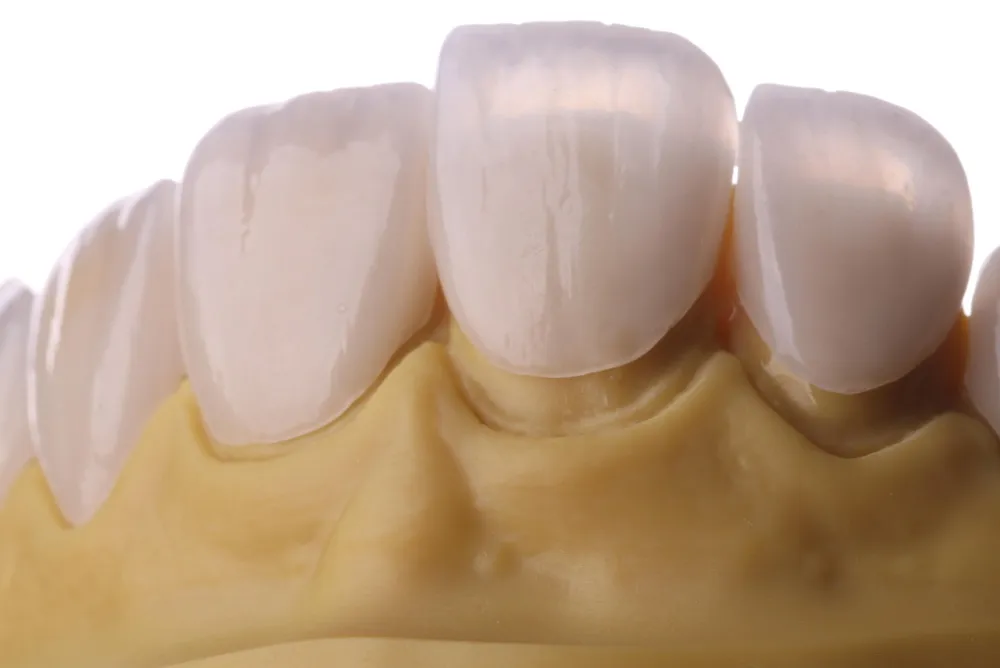
E.max veneers use lithium disilicate ceramic and usually need some tooth preparation. Lumineers use ultra-thin porcelain and often need little or no preparation. Both improve smiles, but they suit different clinical needs.
Patients today want brighter, straighter smiles without aggressive dental work. Cosmetic dentistry has grown rapidly because people seek minimally invasive solutions that preserve natural tooth structure. Two popular options dominate this space: E.max veneers and Lumineers. Both fall under the category of porcelain veneers, yet they differ in material, preparation, and clinical application.
Many patients compare these two treatments online before booking consultations. Marketing materials often oversimplify the choice. However, the right decision depends on enamel condition, bite forces, aesthetic goals, and functional needs, not just advertising claims. This guide explains every difference in plain language. You will learn what each veneer contains, how dentists apply them, who qualifies for each option, and which choice fits your specific smile goals.
What Are E.max Veneers?
E.max veneers are thin shells made from lithium disilicate glass-ceramic. Dentists use CAD/CAM technology or laboratory milling to create them. They offer high strength and natural translucency.
What Materials Make Up E.max Veneers?
E.max veneers contain lithium disilicate glass-ceramic. This material combines excellent flexural strength with optical properties that mimic natural enamel.
Lithium disilicate ceramic forms the core of every E.max veneer. This glass-ceramic material contains lithium, silicon, oxygen, and other trace elements arranged in a crystalline structure (Edelhoff, 2011). The manufacturing process heats raw materials to high temperatures. This creates a dense, durable ceramic with flexural strength reaching approximately 400 megapascals.
CAD/CAM manufacturing drives modern E.max production. Dentists or technicians scan the prepared tooth digitally. Software designs the veneer shape. Milling machines then carve the restoration from a ceramic block. Some laboratories still press lithium disilicate using heat-pressing techniques. Both methods yield restorations with high translucency and natural aesthetics. The material transmits light similarly to natural enamel. This optical quality helps E.max veneers blend seamlessly with adjacent teeth.
How Do Dentists Make E.max Veneers?
Dentists follow five steps: digital smile design, conservative tooth preparation, digital or physical impressions, laboratory fabrication, and adhesive bonding.
The veneer procedure begins with digital smile design. Dentists photograph and scan your face, teeth, and smile. Software simulates the final result. You see a preview before any work begins.
Next comes tooth preparation. The dentist removes a thin layer of enamel, usually 0.3 to 0.7 millimeters. This creates space for the veneer and ensures a flush fit. Some cases need even less reduction.
The dentist then takes an intraoral scan or conventional impression. The laboratory receives this data and mills or presses the lithium disilicate veneer. The final step involves adhesive bonding. The dentist etches the tooth surface, applies bonding resin, and cements the veneer permanently (Magne, 2002).
What Clinical Advantages Do E.max Veneers Offer?
E.max veneers provide excellent strength, superior esthetics, long lifespan, customized thickness, and wide shade selection.
E.max veneers deliver excellent strength for anterior and even some posterior applications. Their flexural strength exceeds traditional feldspathic porcelain by a significant margin. This means they resist fracture during normal chewing.
The superior esthetics come from the material's optical properties. Lithium disilicate mimics the way natural enamel reflects and transmits light. Dentists can layer different shades and translucencies for a lifelike result.
Clinical studies show a long lifespan for E.max restorations. Many survive 10 to 15 years with proper care. Dentists also customize thickness based on each case. Some E.max veneers measure just 0.3 millimeters; others reach 1.0 millimeter for color masking. The wide shade selection covers every natural tooth color and even bleached shades.
What Are Lumineers?
Lumineers are ultra-thin porcelain veneers that need minimal or no tooth preparation. They serve as a conservative cosmetic option for patients with healthy enamel.
What Materials Make Up Lumineers?
Lumineers use ultra-thin feldspathic porcelain. Manufacturers design them as minimal-prep or no-prep veneers.
Lumineers represent a specific brand of ultra-thin porcelain veneers. They typically use feldspathic porcelain or similar ceramic formulations. The manufacturer grinds these materials into extremely thin layers, sometimes as thin as 0.2 to 0.3 millimeters. This minimal bulk allows dentists to place them with little or no enamel removal. The concept of minimal or no-preparation veneers emerged to satisfy patient demand for conservative treatment. Patients wanted smile improvements without sacrificing healthy tooth structure.
How Do Dentists Apply Lumineers?
Dentists apply Lumineers through minimal enamel reduction, digital or conventional impressions, laboratory fabrication, and adhesive bonding.
The veneer treatment starts with a smile assessment. The dentist evaluates whether your teeth suit no-prep placement. If you qualify, the dentist performs minimal enamel reduction, often just surface polishing or no reduction at all.
The dentist then takes digital or conventional impressions. The laboratory fabricates the ultra-thin veneer to fit your exact tooth anatomy. Because Lumineers add thickness to the tooth surface, the technician must design them carefully to avoid bulky margins.
Finally, the dentist performs adhesive bonding. Etching and resin cement secure the Lumineer to the enamel. The procedure often requires little or no anesthesia because dentists remove little or no tooth structure.
What Advantages Do Lumineers Offer?
Lumineers can be reversible in some cases, need little or no anesthesia, preserve tooth structure, and allow faster recovery.
Reversibility stands out as a key benefit. Because dentists remove little or no enamel, some patients can return to their original tooth appearance if they later remove the veneer. This appeals to patients who want flexibility.
The conservative treatment approach preserves natural tooth structure. Dentists respect the principle that healthy enamel should remain intact whenever possible. This aligns with modern minimally invasive dentistry philosophy.
Patients often experience faster recovery because the procedure causes minimal trauma. Sensitivity remains low. Many patients resume normal activities immediately after placement.
E.max Veneers vs Lumineers: What's the Difference?
E.max veneers use lithium disilicate and usually need preparation. Lumineers use ultra-thin porcelain and often need none. E.max offers more strength and color masking. Lumineers offer more conservation.
What Materials Set These Veneers Apart?
E.max uses lithium disilicate ceramic. Lumineers use ultra-thin feldspathic porcelain. These materials differ in strength, manufacturing, and optical behavior.
Lithium disilicate differs fundamentally from feldspathic porcelain. Lithium disilicate contains a crystalline structure that resists fracture. Feldspathic porcelain relies on a glass matrix with lower flexural strength, typically 60 to 90 megapascals compared to E.max's 400 megapascals.
The manufacturing process also differs. E.max uses CAD/CAM milling or heat pressing. Lumineers use specialized laboratory techniques that emphasize minimal thickness.
Optical characteristics vary too. E.max offers layered translucency options. Lumineers depend on their ultra-thin profile to avoid opacity. This means E.max can mask dark stains better, while Lumineers work best on naturally light teeth.
How Much Tooth Preparation Does Each Option Need?
E.max veneers usually need 0.3 to 0.7 millimeters of enamel removal. Lumineers often need none or just surface polishing.
The amount of enamel removal represents the biggest clinical difference. E.max veneers require space for the ceramic layer plus adhesive cement. Dentists must remove enough enamel to prevent the veneer from looking bulky. This tooth preparation for veneers ensures a natural emergence profile and proper bite.
Lumineers prioritize preservation of tooth structure. In ideal cases, the dentist simply takes an impression of the untouched tooth. The laboratory designs the veneer to fit over the existing enamel. However, even Lumineers sometimes need minor preparation. If a tooth protrudes slightly or if the patient wants a specific shape change, the dentist may reduce enamel by 0.1 to 0.3 millimeters (Gurel, 2012).
How Do Thickness Levels Compare?
Standard E.max veneers measure 0.3 to 1.0 millimeters. Lumineers measure 0.2 to 0.3 millimeters. Thickness affects aesthetics and strength.
Standard E.max thickness varies by case. A simple color change might need only 0.3 millimeters. A dark tooth might need 0.7 to 1.0 millimeters to block underlying color. This flexibility lets dentists customize each tooth.
Ultra-thin Lumineers maintain their signature thin profile. This minimal bulk limits their color-masking ability. However, it also means they add less volume to the tooth surface. The impact on aesthetics depends on the starting tooth color. Light teeth look natural with thin veneers. Dark teeth may show gray undertones through thin porcelain.
Which Veneer Offers Better Durability and Fracture Resistance?
E.max veneers resist fracture better due to higher flexural strength. Lumineers offer moderate strength suitable for low-stress cases.
Flexural strength comparison clearly favors E.max. Laboratory tests consistently show lithium disilicate withstands higher bending forces before fracture. This matters for patients who grind their teeth or who have strong bites.
Chipping resistance also differs. E.max veneers resist edge chipping because of their crystalline structure. Lumineers, being thinner and made from softer porcelain, carry higher chipping risk in patients with parafunctional habits.
Long-term clinical performance data supports both materials when dentists select cases properly. E.max shows excellent survival rates in studies tracking 10-year outcomes. Lumineers perform well in properly selected low-risk cases (Peumans, 2004).
Which Veneer Delivers Better Aesthetic Results?
Both offer excellent aesthetics, but E.max masks dark colors better. Lumineers look natural on light teeth.
Natural translucency defines both materials. E.max achieves this through its crystalline structure. Lumineers achieve it through extreme thinness. Both can produce natural-looking veneers.
Color masking ability separates them. E.max blocks dark stains, tetracycline discoloration, and gray undertones effectively. Lumineers struggle with dark teeth because their thinness allows underlying color to show through.
Smile customization and surface texture options exist for both. Technicians can add micro-texture, gloss variations, and incisal translucency to either material. The final result depends heavily on laboratory skill and digital smile design planning.
Which Treatment Feels More Comfortable?
Lumineers usually need less or no anesthesia. E.max preparation may cause temporary sensitivity.
Anesthesia requirements differ because preparation differs. E.max cases often need local anesthetic to keep patients comfortable during enamel reduction. Lumineers frequently need none because the dentist removes little or no enamel.
Tooth sensitivity after placement varies by patient. E.max patients may feel brief sensitivity to hot and cold after enamel reduction. This usually resolves within days. Lumineers patients rarely experience post-operative sensitivity.
The recovery period is minimal for both. Most patients return to normal eating and speaking immediately.
Which Veneer Lasts Longer?
Both can last 10 to 15 years with proper care. E.max may show slightly higher survival rates in long-term studies.
The average lifespan for well-made porcelain laminate veneers ranges from 10 to 20 years. E.max clinical studies report high survival rates at 10-year follow-ups. Lumineers also demonstrate longevity when dentists place them on suitable candidates.
Factors influencing durability include:
Oral hygiene habits
Bruxism or grinding
Diet (acidic foods, hard objects)
Regular dental check-ups
Bonding quality at placement
Maintenance requirements remain similar for both. Patients must brush, floss, and attend professional cleanings. Night guards protect both types in patients with bruxism.
What Does a Side-by-Side Comparison Show?
E.max offers more strength and color masking but needs preparation. Lumineers offer conservation and minimal discomfort but suit only select cases.
Feature | E.max Veneers | Lumineers |
Material | Lithium disilicate ceramic | Ultra-thin porcelain |
Thickness | 0.3 to 1.0 mm | 0.2 to 0.3 mm |
Tooth Preparation | Usually required (0.3–0.7 mm) | Minimal or none |
Strength | Very high (~400 MPa) | Moderate (60–90 MPa) |
Aesthetics | Excellent | Excellent for suitable cases |
Stain Resistance | High | High |
Color Masking | Superior | Limited on dark teeth |
Longevity | Long-term (10–15+ years) | Long-term with proper selection |
Cost | Generally higher | Similar or slightly variable |
Ideal Candidates | Moderate to complex smile makeovers | Minor cosmetic improvements |
This veneer comparison table highlights the core trade-off. E.max sacrifices some conservation for strength and versatility. Lumineers sacrifice some strength and masking ability for maximum conservation.
Which Option Looks More Natural?

Both look natural when dentists plan cases properly. E.max offers more customization for complex color matching. Lumineers look natural on patients with light, healthy enamel.
How Does Translucency Affect Natural Appearance?
Translucency determines how light passes through the veneer. E.max mimics enamel's light transmission. Lumineers rely on the natural tooth beneath for translucency.
Light transmission through lithium disilicate ceramic closely resembles natural enamel. Dentists can adjust this property by selecting different E.max formulations, high translucency for incisal edges, medium opacity for body shades. This layered approach creates depth.
Lumineers depend heavily on the underlying tooth for their optical effect. Because they are so thin, they cannot hide the tooth's natural light behavior. This works beautifully on healthy, light enamel. It fails on dark or opaque teeth.
How Flexible Is Smile Design for Each Option?
E.max allows greater shape customization and tooth proportion changes. Lumineers offer limited shape changes because they add minimal bulk.
Shape customization with E.max includes dramatic changes. Dentists can lengthen teeth, close large gaps, and alter proportions significantly. The material thickness supports these modifications.
Tooth proportions and individual characterization, such as adding subtle white spots or incisal halos, work well with both materials. However, E.max provides more room for artistic layering because the technician has more ceramic volume to work with.
How Well Does Each Option Match Colors?
E.max matches bright smiles and masks dark teeth. Lumineers work best on naturally light teeth and struggle with dark discoloration.
Bright smiles suit both materials. Dark tooth masking strongly favors E.max. The lithium disilicate ceramic blocks underlying pigments effectively. Adjacent tooth harmony depends on the dentist's shade-matching skill and the laboratory's artistry. Both materials can blend with neighboring teeth when technicians apply proper esthetic dentistry principles.
Which Veneer Is More Durable?
E.max withstands daily wear, chipping, and bite forces better than Lumineers. Lumineers suit patients with low functional demands.
How Well Does Each Veneer Resist Daily Wear?
E.max resists abrasion and functional wear excellently. Lumineers resist normal wear but may show wear faster under heavy function.
Both materials resist normal chewing forces. However, daily wear resistance scales with material strength. E.max's crystalline structure resists surface degradation. Lumineers may develop subtle surface changes over many years of heavy use.
Which Veneer Resists Chipping Better?
E.max resists chipping due to high flexural strength. Lumineers chip more easily because of their thinness and lower material strength.
Resistance to chipping matters for patients who bite nails, chew ice, or eat hard foods. E.max veneers withstand these stresses better. Lumineers need more careful habit management.
How Do Bite Forces Affect Each Veneer?
Strong bites favor E.max. Lumineers work best in patients with normal bite forces and no grinding habits.
Bite force considerations include occlusion patterns, canine guidance, and anterior coupling. Dentists must evaluate these factors before choosing either material. E.max tolerates higher functional loads. Lumineers require careful bite analysis to avoid overload.
What Do Long-Term Success Rates Show?
Both show high success rates when dentists select cases properly. E.max data extends to 15 years. Lumineers data shows strong results in conservative cases.
Long-term success rates for porcelain veneers generally exceed 90% at 10 years for properly selected patients. E.max benefits from extensive clinical documentation. Lumineers success depends heavily on strict patient selection and enamel bonding quality (Layton, 2007).
Who Qualifies as a Good Candidate for E.max Veneers?
Patients with moderate discoloration, worn teeth, chipped teeth, uneven teeth, moderate gaps, or those seeking full smile redesigns suit E.max best.
Which Patients Suit E.max Veneers?
Patients needing moderate to significant aesthetic changes, strength, and color masking qualify for E.max.
Moderate discoloration that bleaching cannot fix responds well to E.max. The ceramic thickness blocks stains. Worn teeth regain length and anatomy. Chipped teeth receive durable restoration. Uneven teeth achieve symmetry through customized shaping. Closing moderate gaps works because E.max can add appropriate bulk without looking oversized.
Patients seeking a complete smile makeover often need multiple E.max veneers. The material supports comprehensive redesigns including color, shape, size, and alignment changes.
When Do Dentists Prefer E.max Over Other Options?
Dentists prefer E.max for bruxism patients (with night guards), significant aesthetic corrections, and strength-demanding restorations.
Bruxism patients need strong materials. E.max withstands grinding forces better than feldspathic porcelain. Dentists always pair this with a night guard for protection. Significant aesthetic corrections, such as masking tetracycline stains or rebuilding eroded dentition, require E.max's masking ability. Strength-demanding restorations on teeth that bear functional load favor lithium disilicate.
Who Qualifies as a Good Candidate for Lumineers?
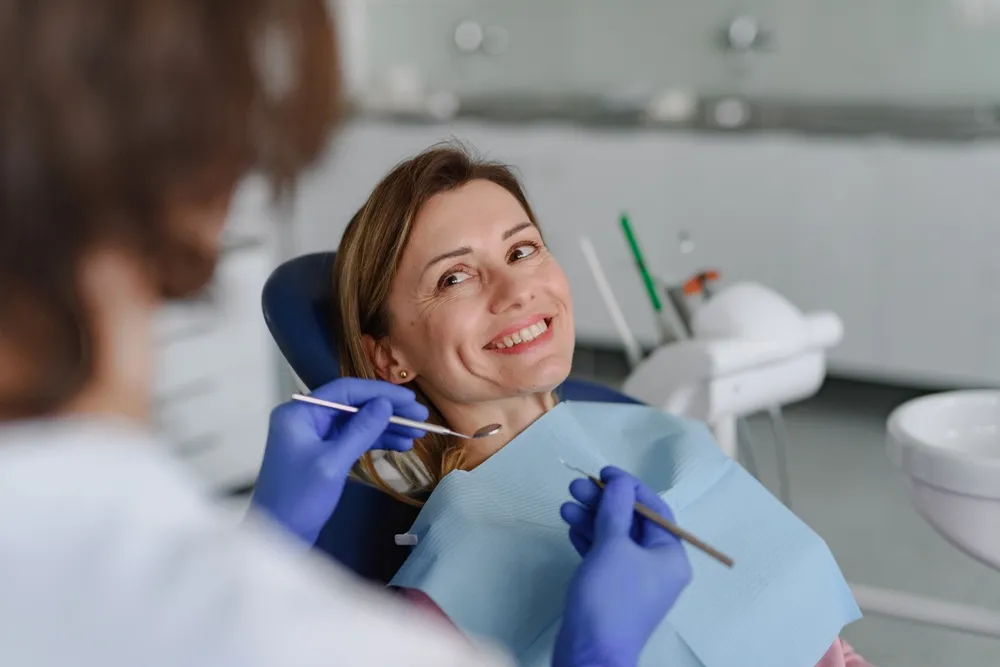
Patients with healthy enamel, minor cosmetic flaws, small gaps, slight discoloration, and those wanting the most conservative treatment suit Lumineers.
Which Situations Idealize Lumineers?
Healthy enamel, minor imperfections, small gaps, slight discoloration, and conservative preferences define ideal Lumineers cases.
Healthy enamel provides the best foundation for no-prep veneers. The bonding surface must be intact and free of decay. Minor cosmetic imperfections, such as slight shape irregularities or tiny chips, correct easily with thin porcelain. Small gaps between teeth close with minimal added bulk. Slight discoloration that does not require heavy masking responds well. Patients seeking the most conservative treatment often choose Lumineers specifically to avoid enamel removal.
When Should Dentists Avoid Lumineers?
Dentists should avoid Lumineers for severe discoloration, major misalignment, large restorations, and extensive enamel loss.
Severe discoloration defeats thin porcelain. The dark tooth shows through. Major tooth misalignment requires more than veneer placement; orthodontics may need to precede any veneer work. Large restorations or extensive enamel loss remove the bonding surface that Lumineers need. Without adequate enamel, retention fails.
What Advantages and Limitations Does Each Veneer Have?
E.max offers strength and aesthetics but needs preparation. Lumineers offer conservation but limit color masking and major shape changes.
What Are the Pros of E.max Veneers?
E.max offers high strength, excellent aesthetics, versatile applications, superior color masking, and long-term durability.
High strength resists fracture and chipping
Excellent aesthetics mimic natural enamel
Versatile applications cover simple to complex cases
Superior color masking hides dark stains
Long-term durability supports 10 to 15-year lifespans
What Are the Cons of E.max Veneers?
E.max requires enamel removal, costs more, and may cause temporary sensitivity.
Enamel removal is irreversible
Higher cost reflects material and laboratory expenses
Temporary sensitivity may follow preparation
More complex procedure requires anesthesia and temporaries
What Are the Pros of Lumineers?
Lumineers preserve enamel, need minimal anesthesia, offer potential reversibility, and allow fast recovery.
Enamel preservation maintains natural tooth structure
Minimal anesthesia reduces procedure discomfort
Potential reversibility appeals to cautious patients
Fast recovery with little post-operative sensitivity
Conservative philosophy aligns with modern dentistry
What Are the Cons of Lumineers?
Lumineers mask dark colors poorly, risk looking bulky, offer limited strength, and suit only select cases.
Limited color masking on dark or stained teeth
Bulky appearance if dentists do not plan carefully
Lower strength compared to lithium disilicate
Limited case selection excludes many patients
Less shape flexibility due to minimal thickness
How Does the Treatment Process Compare Between E.max and Lumineers?
Both follow similar phases, but E.max usually includes more preparation, temporary restorations, and slightly longer treatment time.
What Happens During Consultation and Smile Assessment?
The dentist examines teeth, gums, bite, and discusses goals. Both treatments start with this evaluation.
The veneer treatment journey begins with a comprehensive examination. The dentist evaluates enamel health, periodontal status, and occlusal relationships. Photographs, radiographs, and digital scans document the starting condition. The dentist explains realistic outcomes and checks patient expectations.
How Does Digital Smile Design Work?
Software simulates the final smile using photos and scans. Patients preview results before committing.
Digital Smile Design (DSD) transforms planning. The dentist imports facial photos and intraoral scans into specialized software. The program overlays proposed tooth shapes, sizes, and positions onto the patient's smile photo. This visual preview helps patients understand potential results. It also guides the laboratory technician in crafting each veneer.
How Does Tooth Preparation Differ?
E.max requires measured enamel removal. Lumineers often skip this step entirely.
As discussed, tooth preparation for E.max follows precise measurements. The dentist creates a uniform reduction using depth-cutting burs and finishing diamonds. For Lumineers, the dentist may simply polish the enamel surface or perform no mechanical alteration.
Do Patients Need Temporary Restorations?
E.max patients usually wear temporaries for 1 to 2 weeks. Lumineers patients rarely need them.
Temporary restorations protect prepared teeth while the laboratory fabricates final E.max veneers. These temporaries also let patients preview shape and length. Lumineers patients usually skip this phase because their teeth remain largely unchanged.
How Does Final Bonding Work?
Both use adhesive bonding with etching, priming, and resin cement. The dentist checks fit, color, and bite before curing.
The adhesive bonding protocol follows adhesive dentistry principles. The dentist cleans the veneer interior with hydrofluoric acid and silane. The tooth surface receives phosphoric acid etching and bonding agent. Resin cement secures the veneer. Light curing hardens the cement. The dentist then adjusts the bite and polishes margins.
What Happens at Follow-Up Visits?
The dentist checks gum health, bite stability, and patient satisfaction at 1-week and 1-month recalls.
Follow-up visits ensure tissue adaptation and occlusal harmony. The dentist checks for gum irritation, veneer stability, and patient comfort. Minor adjustments address any high spots or rough edges.
How Do Costs Compare Between E.max and Lumineers?
E.max generally costs more due to material and laboratory fees. Lumineers may cost slightly less or similar depending on the provider and location.
What Factors Influence Veneer Cost?
Dentist expertise, laboratory quality, country, number of veneers, and digital workflow all affect pricing.
Dentist expertise commands higher fees for experienced cosmetic dentists. Their technical skill, artistic eye, and case planning justify premium pricing. Laboratory quality varies significantly. Master technicians charge more for detailed characterization and layering. The country where treatment occurs creates major price differences. Dental tourism destinations offer lower costs than North America or Western Europe. The number of veneers affects total investment, single veneers cost more per unit than full-arch cases. Digital workflow efficiency may reduce costs in some practices while raising them in others due to technology investment.
Why Do Prices Differ Between Countries?
Labor costs, material import fees, regulatory standards, and market competition create regional price variations.
Countries with lower overhead and labor costs offer veneer cost savings. However, patients must verify that overseas laboratories use authentic materials and that dentists follow strict infection control. Cosmetic dental treatment quality varies globally. Research credentials before choosing based on price alone.
What Value Exists Beyond the Initial Cost?
Longevity, aesthetics, and biological preservation determine true value. Cheap veneers that fail early cost more long-term.
Value beyond initial cost includes durability, maintenance needs, and biological impact. A well-made E.max veneer that lasts 15 years offers better value than a cheaper option needing replacement in 5 years. Veneer longevity directly impacts lifetime cost.
How Should Patients Care for E.max Veneers and Lumineers?
Both need daily brushing, flossing, avoidance of hard objects, night guards for grinders, and regular dental visits.
What Daily Oral Hygiene Do Veneers Need?
Brush twice daily with non-abrasive toothpaste. Floss daily. Use fluoride mouthwash.
Daily oral hygiene for porcelain veneers mirrors natural tooth care. Patients should use soft-bristled brushes and non-abrasive pastes. Abrasive cleaners scratch ceramic surfaces over time. Flossing removes plaque from margins where gum irritation can start.
Which Foods and Habits Should Patients Avoid?
Avoid biting ice, hard candies, pens, and nails. Limit staining foods like coffee and red wine.
Foods and habits to avoid include any activity that generates high point forces. Ice chewing, hard candy biting, and nail biting risk chipping. While both materials resist stains, excessive coffee, tea, and red wine exposure can eventually affect margins or cement layers.
Why Do Bruxism Patients Need Night Guards?
Night guards absorb grinding forces and protect veneers from fracture or debonding.
Night guards for bruxism are essential for patients with parafunctional habits. Even strong E.max veneers benefit from protection. The guard distributes forces evenly and prevents nocturnal damage.
How Often Should Patients Attend Check-Ups?
Visit the dentist every 6 months for professional cleaning and veneer inspection.
Professional dental check-ups catch problems early. Dentists can polish veneers, check margins, and assess gum health. Regular maintenance extends veneer longevity significantly.
What Risks and Complications Can Occur?
Both treatments carry low risks when dentists select cases properly. Main risks include debonding, chipping, sensitivity, and gum irritation.
What Causes Veneer Debonding?
Poor bonding technique, moisture contamination, insufficient enamel, or heavy bite forces can detach veneers.
Veneer debonding happens when the adhesive fails. Causes include saliva contamination during cementation, inadequate enamel for bonding, or traumatic bite forces. Proper isolation and bonding protocol minimize this risk.
Why Do Veneers Chip or Fracture?
Excessive bite forces, trauma, or material limitations cause chipping. E.max resists this better than Lumineers.
Chipping or fracture usually results from biting hard objects or from bruxism. Material selection must match functional demands. E.max suits higher-risk patients.
What About Tooth Sensitivity?
Sensitivity after E.max preparation is usually temporary. Lumineers rarely cause sensitivity.
Tooth sensitivity after preparation typically resolves within days to weeks. Desensitizing agents and proper temporary coverage help. Persistent sensitivity may indicate deeper issues requiring evaluation.
Can Veneers Irritate Gums?
Poorly fitting margins or excess cement can irritate gums. Proper placement prevents this.
Gum irritation arises from overhanging margins, excess cement, or biologically inappropriate margin placement. Dentists should place margins at or slightly above the gumline when possible. Well-contoured veneers promote healthy tissue adaptation.
How Does Proper Case Selection Minimize Risks?
Dentists who evaluate enamel, bite, aesthetics, and patient habits before treatment achieve the most predictable outcomes.
Proper case selection remains the strongest predictor of success. Dentists must match the material and technique to the patient's biological and functional reality. This prevents most complications before they occur.
What Myths Exist About E.max Veneers and Lumineers?
Many myths oversimplify these treatments. Reality requires nuanced understanding of preparation, material science, and clinical limits.
Is It True That Lumineers Never Require Tooth Preparation?
No. Some Lumineers cases need minor preparation for optimal fit and aesthetics.
The claim that Lumineers never require tooth preparation is marketing, not clinical reality. Some teeth need slight reduction to prevent bulky profiles or to accommodate desired shape changes. Dentists must evaluate each tooth individually.
Do E.max Veneers Always Damage Teeth?
No. E.max preparation is conservative and removes only a thin enamel layer. Dentists preserve most tooth structure.
The myth that E.max veneers always damage teeth exaggerates the procedure. Modern preparation techniques remove 0.3 to 0.7 millimeters, far less than crowns. Dentists respect biological width and preserve tooth vitality.
Does Thinner Always Mean Better?
No. Thinner veneers limit color masking and strength. The best thickness depends on clinical needs.
The belief that thinner means better ignores functional requirements. Ultra-thin veneers cannot mask dark colors or withstand heavy forces. The ideal thickness balances conservation with performance.
Are All Porcelain Veneers the Same?
No. Materials differ significantly in strength, aesthetics, preparation needs, and clinical indications.
The myth that all porcelain veneers are the same confuses patients. Lithium disilicate veneers, feldspathic porcelain, and pressed ceramics each have distinct properties. Material selection should match the case, not generic preferences.
How Do Dentists Choose Between E.max Veneers and Lumineers?
Dentists analyze smiles, evaluate bites, measure enamel, check existing restorations, and align choices with patient expectations.
What Does Smile Analysis Involve?
Dentists assess tooth color, shape, alignment, proportions, and facial symmetry.
Smile analysis examines the relationship between teeth, lips, and face. Dentists evaluate the smile line, tooth display, and gingival architecture. This determines how many veneers the patient needs and what changes each veneer must achieve.
Why Does Bite Evaluation Matter?
Bite forces, occlusion patterns, and parafunctional habits determine which material survives long-term.
Bite evaluation checks how upper and lower teeth meet. Dentists look for canine guidance, anterior coupling, and signs of grinding. Strong bites or bruxism push the decision toward E.max.
How Does Enamel Thickness Influence the Decision?
Thin enamel may not support aggressive preparation. Thick, healthy enamel supports either option.
Enamel thickness determines preparation possibilities. Patients with thin enamel or large restorations may not qualify for E.max preparation. Those with thick, healthy enamel enjoy more flexibility.
How Do Existing Restorations Affect Choice?
Teeth with large fillings or crowns may need different treatments rather than veneers.
Existing restorations compromise bonding surfaces. Veneers bond best to intact enamel. Heavily restored teeth may need crowns instead of veneers.
How Important Are Patient Expectations?
Very important. Patients wanting major changes need E.max. Patients wanting minimal intervention may prefer Lumineers.
Patient expectations must align with biological reality. Dentists must educate patients about what each material can and cannot achieve. Informed patients make better decisions.
What Questions Do Patients Ask Most Frequently?
Patients ask about strength, staining, preparation, longevity, aesthetics, reversibility, stain resistance, chipped teeth, smile makeovers, and decision-making.
Are E.max Veneers Stronger Than Lumineers?
Yes. E.max offers significantly higher flexural strength and fracture resistance.
Can Lumineers Fix Severely Stained Teeth?
No. Lumineers lack the thickness to mask severe discoloration. E.max works better for dark stains.
Which Option Requires Less Tooth Preparation?
Lumineers usually need little or no preparation. E.max typically requires measured enamel removal.
Do E.max Veneers Last Longer?
Both last long-term with proper care. E.max may show slightly higher survival rates in studies.
Which Looks More Natural?
Both look natural on suitable cases. E.max offers more customization for complex aesthetic demands.
Can Either Option Be Reversed?
Lumineers may be reversible in select no-prep cases. E.max preparation is irreversible.
Are Both Stain-Resistant?
Yes. Both materials resist staining. However, margins and cement may discolor over time without proper care.
Which Treatment Is Better for Chipped Teeth?
E.max works better for chipped teeth because it offers greater strength and can add more bulk.
Which Veneer Is Better for Smile Makeovers?
E.max suits comprehensive smile makeovers. Lumineers suit minor, conservative enhancements.
How Do I Choose Between E.max Veneers and Lumineers?
Consult a qualified cosmetic dentist. Let them evaluate your enamel, bite, color, and goals. Trust their clinical judgment over marketing claims.
Conclusion
E.max veneers and Lumineers both improve smiles, but they serve different needs. E.max offers strength, versatility, and color masking. Lumineers offer maximum conservation and minimal discomfort. The best choice depends on your unique oral condition.
The differences between E.max veneers and Lumineers extend far beyond brand names. Lithium disilicate ceramic delivers strength and masking power that ultra-thin porcelain cannot match. Conversely, Lumineers preserve enamel and reduce procedural trauma in ways that E.max cannot always replicate.
The best choice depends on your oral health, enamel condition, aesthetic goals, bite forces, and functional needs. No single material suits every patient. A comprehensive clinical evaluation, thorough digital smile planning, and honest discussion with your dentist will lead to the most predictable, long-lasting outcome.
Remember that cosmetic dentistry is both art and science. The material matters, but the dentist's skill, the laboratory's craftsmanship, and your commitment to maintenance matter equally. Choose based on evidence, not slogans. Your smile deserves nothing less.
References
Calamia, John R. "Etched Porcelain Facial Veneers: A New Treatment Modality Based on Laboratory and Clinical Considerations." The Journal of Prosthetic Dentistry, vol. 50, no. 4, 1983, pp. 524–529.
Edelhoff, Daniel, et al. "IPS Empress 2: A New Ceramic Material for Aesthetic Restorations." Quintessence of Dental Technology, vol. 24, 2011, pp. 165–174.
Fradeani, Mauro. "Six-Year Follow-Up with Empress Veneers." International Journal of Periodontics and Restorative Dentistry, vol. 18, no. 3, 1998, pp. 216–225.
Gurel, Galip. The Science and Art of Porcelain Laminate Veneers. Quintessence Publishing, 2012.
Horn, Horst H. "Porcelain Laminate Veneers Bonded to Etched Enamel." Dentist, vol. 53, no. 3, 1983, pp. 141–144.
Layton, Danielle M., and Martin Clarke. "A Systematic Review and Meta-Analysis of the Survival of Porcelain Veneers over 5 and 10 Years." International Journal of Prosthodontics, vol. 20, no. 3, 2007, pp. 233–239.
Magne, Pascal, and Urs C. Belser. "Bonded Porcelain Restorations in the Anterior Dentition: A Biomimetic Approach." Quintessence Publishing, 2002.
Peumans, Marleen, et al. "Porcelain Veneers: A Review of the Literature." Journal of Dentistry, vol. 28, no. 3, 2000, pp. 163–177.
Peumans, Marleen, et al. "A Prospective Ten-Year Clinical Trial of Porcelain Veneers." Journal of Adhesive Dentistry, vol. 6, no. 1, 2004, pp. 65–76.