Cosmetic dentistry now offers patients more choices than ever before. Two of the most popular veneer materials dominate modern smile makeovers: E.max veneers and composite veneers. Both options improve the appearance of teeth. Both options correct discoloration, gaps, and chips. But these two materials differ dramatically in composition, durability, cost, and aesthetic performance. This article examines every critical factor. Patients deserve a clear, evidence-based comparison before they invest in their smile.
What Are Dental Veneers?
Dental veneers are thin shells that dentists bond to the front surface of teeth to improve appearance and correct cosmetic flaws.
What Is the Purpose of Veneers?
Veneers improve smile aesthetics, correct discoloration, close gaps, and repair chipped or worn teeth.
Veneers serve a purely cosmetic purpose. They do not restore structural integrity like crowns do. They enhance the visual appearance of anterior teeth. Patients choose veneers when they want whiter, straighter, or more uniform teeth without braces or whitening alone. Veneers mask intrinsic stains that bleaching cannot remove. They close small diastemas between front teeth. They restore the shape of teeth damaged by erosion, attrition, or minor trauma. They also lengthen teeth that appear too short. The goal remains simple: create a harmonious, natural-looking smile that matches the patient’s facial features.
What Different Types of Veneers Exist?
Ceramic veneers and composite resin veneers represent the two main categories, with E.max veneers falling under the ceramic group.
Ceramic veneers include porcelain, lithium disilicate, and zirconia-based materials. These veneers require laboratory fabrication. Composite resin veneers use a tooth-colored plastic material. Dentists apply composite veneers directly in the mouth or fabricate them indirectly in a lab. E.max veneers belong to the ceramic family. They use lithium disilicate glass-ceramic. This material offers superior strength and translucency compared to traditional feldspathic porcelain. The choice between ceramic and composite depends on the patient’s aesthetic goals, budget, and willingness to accept tooth preparation.
What Are E.max Veneers?
E.max veneers are lithium disilicate glass-ceramic restorations that dental laboratories fabricate using CAD/CAM technology or traditional pressing techniques.
What Material Composes E.max Veneers?
Lithium disilicate glass-ceramic forms the core material of E.max veneers.
Lithium disilicate (Li₂Si₂O₅) is a glass-ceramic material. It combines the aesthetic qualities of glass with the strength of crystalline ceramics. The material contains approximately 70% crystalline phase embedded in a glass matrix. This composition gives E.max its unique properties. The high crystalline content provides fracture resistance. The glass matrix provides excellent translucency and light transmission. Dental technicians fabricate E.max veneers through two main methods: heat-pressing (lost-wax technique) or CAD/CAM milling. Both methods produce restorations with consistent material properties. The material demonstrates a flexural strength of 360 to 400 MPa. This strength exceeds that of traditional feldspathic porcelain by a significant margin.
How Do Dental Professionals Make E.max Veneers?
Dentists use digital smile design, minimal tooth preparation, intraoral scanning or impressions, laboratory fabrication, and adhesive cementation to create E.max veneers.
The process begins with a consultation. The dentist evaluates the patient’s smile, facial proportions, and aesthetic goals. Digital smile design software helps plan the final outcome. The dentist prepares the teeth by removing a thin layer of enamel, usually 0.3 to 0.7 mm. This preparation creates space for the veneer. The dentist then takes an intraoral scan or a traditional impression. The dental laboratory receives this data. Technicians design the veneers digitally or wax them by hand. They fabricate the restorations from lithium disilicate blocks. The dentist tries in the finished veneers. After confirming fit and color, the dentist bonds them using resin cement. The cementation process requires careful isolation and adhesive protocols. The result is a permanent, aesthetic restoration.
What Advantages Do E.max Veneers Offer?
E.max veneers provide high translucency, natural aesthetics, excellent durability, stain resistance, long-term color stability, and biocompatibility.
E.max veneers transmit light similarly to natural enamel. This translucency creates a lifelike appearance. The material mimics the optical properties of natural teeth. Patients receive restorations that look indistinguishable from real enamel. The high flexural strength resists fracture during normal function. E.max veneers resist staining from coffee, tea, wine, and tobacco. The color remains stable for many years. The material is biocompatible. It does not irritate gingival tissues. Patients with metal allergies tolerate E.max well. The smooth surface resists plaque accumulation. These advantages make E.max the preferred choice for patients who demand the highest aesthetic standards.
What Limitations Do E.max Veneers Have?
E.max veneers cost more, require multiple appointments, and usually need some enamel reduction.
The higher cost reflects laboratory fees, material expenses, and the technical skill required. Patients typically need two to three appointments. The first appointment involves preparation and impressions. The second appointment delivers cementation. Some cases require a third appointment for adjustments. Most E.max veneers require enamel removal. This step is irreversible. Once a dentist removes enamel, the tooth will always need a restoration. Patients who want a completely reversible option may prefer composite veneers. The initial investment is substantial. However, the long-term value often justifies the expense.
What Are Composite Veneers?
Composite veneers are tooth-colored resin restorations that dentists apply directly to the tooth surface in a single visit.
What Material Composes Composite Veneers?
Composite resin materials, which contain a mixture of organic resin matrix and inorganic filler particles, form composite veneers.
Composite resin consists of a bis-GMA or urethane dimethacrylate resin matrix. This matrix contains filler particles such as silica, quartz, or glass. The filler loading determines the material’s physical properties. Higher filler content increases strength and wear resistance. Lower filler content improves polishability. Nanofilled and nanohybrid composites offer the best combination of strength and aesthetics. Dentists use these materials for direct composite veneers. They apply the resin in layers. They sculpt each layer to mimic the natural anatomy of the tooth. A curing light hardens each layer. The dentist then polishes the surface to a high shine. Some composite veneers are fabricated indirectly in a laboratory. However, the direct chairside technique remains far more common.
How Do Dental Professionals Apply Composite Veneers?
Dentists apply composite veneers through a chairside bonding procedure that requires minimal tooth preparation and usually finishes in one visit.
The dentist begins by cleaning the teeth. They may apply a mild acid etch to roughen the enamel surface. This etching creates microscopic pores. The dentist applies a bonding agent. This agent penetrates the pores and forms a micromechanical bond. The dentist then applies composite resin in thin layers. They sculpt each layer to build the desired shape. A curing light polymerizes each layer for 20 to 40 seconds. The dentist adds dentin and enamel shades to create depth and translucency. After building the full contour, the dentist shapes and polishes the veneer. The entire procedure typically takes 30 to 90 minutes per tooth. Patients leave the office with their new smile immediately.
What Advantages Do Composite Veneers Offer?
Composite veneers cost less, require faster treatment, allow easy repairs, and use a conservative approach.
The lower cost makes composite veneers accessible to more patients. A single visit eliminates the need for temporary veneers and laboratory fees. Patients see immediate results. If a composite veneer chips or stains, the dentist repairs it easily. They add more resin and polish the surface. This repairability saves time and money. Composite veneers require minimal or no tooth preparation. The dentist preserves natural enamel. This conservative approach appeals to younger patients and those who want reversible treatment. The procedure is less invasive. Patients experience less postoperative sensitivity.
What Limitations Do Composite Veneers Have?
Composite veneers show lower durability, greater staining risk, more frequent maintenance needs, and a shorter lifespan than ceramic alternatives.
Composite resin absorbs stains more readily than lithium disilicate. Coffee, tea, red wine, and tobacco discolor composite veneers over time. The material wears down faster under occlusal forces. Patients who grind their teeth may experience chipping or fracture. Composite veneers typically last 5 to 7 years. E.max veneers often last 10 to 15 years or longer. The surface polish deteriorates with time. Patients need periodic polishing and maintenance appointments. The aesthetic quality, while good, does not match the depth and translucency of ceramic materials. Over time, the margin between the veneer and the tooth may become visible as the composite stains.
E.max Veneers vs Composite Veneers: What Are the Key Differences?
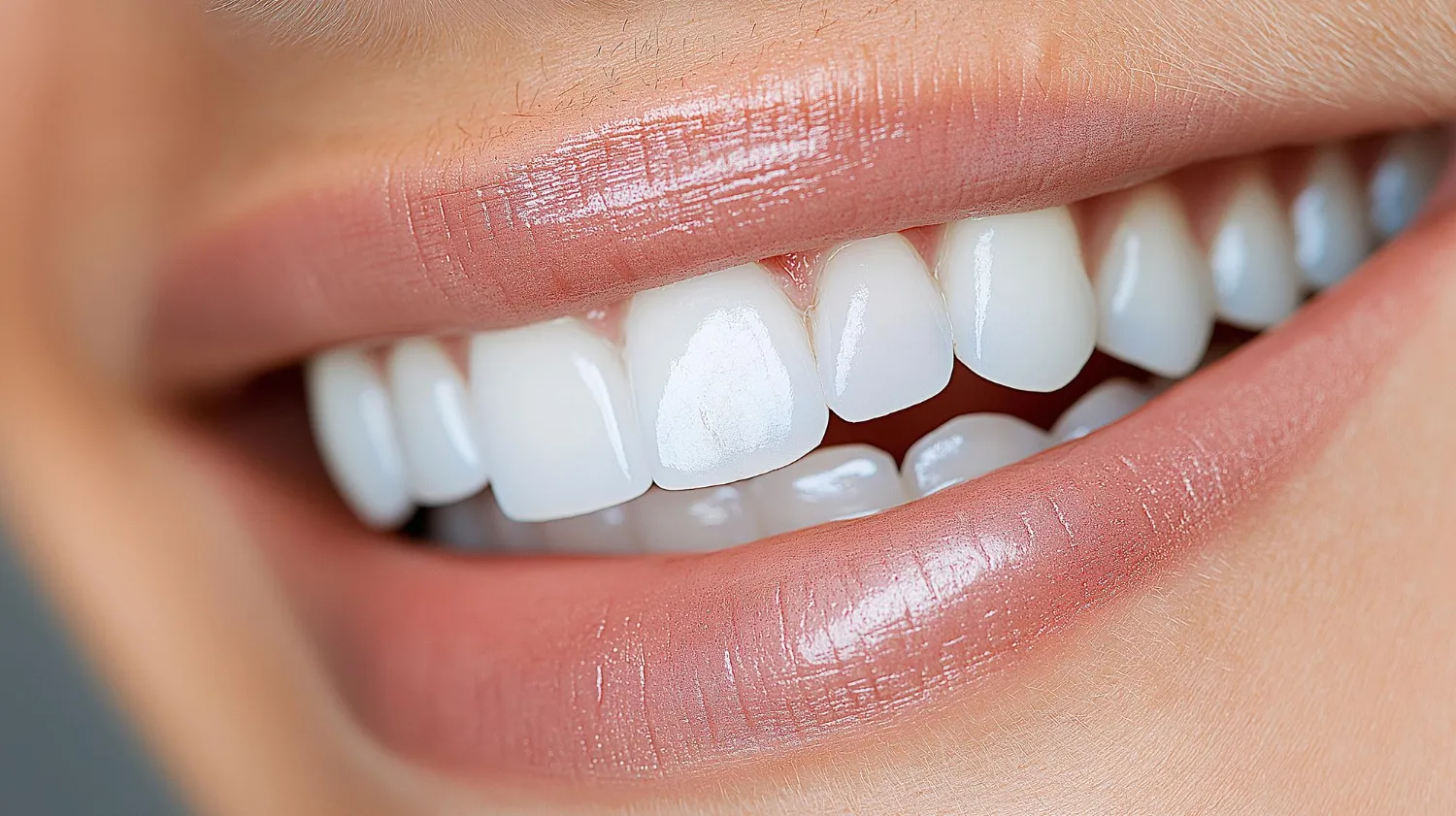
E.max veneers use lithium disilicate ceramic, offer superior aesthetics and durability, but cost more; composite veneers use resin, cost less, but require more maintenance and stain more easily.
How Do the Materials Compare?
Lithium disilicate ceramic is stronger and more translucent than composite resin.
E.max contains a crystalline glass-ceramic structure. This structure provides fracture resistance and optical depth. Composite resin contains organic polymers and filler particles. It lacks the crystalline structure that gives ceramic its light-transmitting properties. Ceramic behaves like natural enamel under light. Composite reflects light differently. The surface of E.max remains smoother and harder. Composite develops microscopic scratches over time. These scratches trap stains and reduce gloss.
Which Option Offers Better Aesthetic Appearance?
E.max veneers provide a more natural appearance due to superior translucency and light reflection.
E.max veneers replicate the layered appearance of natural teeth. They transmit light through the body of the restoration. They reflect light from the underlying dentin. This interaction creates depth and vitality. Composite veneers look good initially. However, they lack the internal fluorescence and opalescence of ceramic. The surface of composite can appear slightly opaque or flat. In photographs and under bright light, the difference becomes noticeable. Patients who prioritize the most natural-looking result choose E.max.
Which Material Shows Greater Strength and Fracture Resistance?
E.max veneers demonstrate significantly higher strength and fracture resistance than composite veneers.
Lithium disilicate achieves flexural strength values of 360 to 400 MPa. Composite resin achieves values of 90 to 140 MPa. This difference matters in the mouth. E.max veneers withstand biting forces without chipping. Composite veneers are more prone to fracture, especially on incisal edges. Patients with bruxism or heavy occlusal habits face higher risks with composite. E.max also resists abrasion from opposing teeth. Composite wears down faster when it contacts natural enamel or ceramic restorations.
Which Veneer Type Lasts Longer?
E.max veneers last 10 to 15 years or more; composite veneers last 5 to 7 years on average.
Clinical studies support this longevity difference. E.max veneers show high survival rates at 10-year follow-ups. Composite veneers require replacement or repair more frequently. The adhesive bond to enamel remains strong for both materials. However, the material itself degrades differently. Ceramic does not absorb water or chemicals from the oral environment. Composite absorbs water, which leads to hydrolysis and filler particle breakdown. This degradation weakens the material over time.
What Are the Tooth Preparation Requirements?
E.max veneers usually require 0.3 to 0.7 mm of enamel removal; composite veneers often need minimal or no preparation.
E.max veneers need space for the ceramic layer. The minimum thickness for lithium disilicate is approximately 0.3 mm. Dentists must remove enough enamel to accommodate this thickness without overcontouring the tooth. Composite veneers can be placed in very thin layers. Some dentists add composite without any enamel removal. This no-prep approach is completely reversible. However, adding material without preparation can make the tooth look bulky. Skilled dentists balance conservation with aesthetics.
How Does Treatment Time Compare?
E.max veneers require two to three appointments; composite veneers usually require one appointment.
The laboratory fabrication phase for E.max adds time. Patients wear temporary veneers between appointments. The total treatment time spans one to two weeks. Composite veneers deliver immediate results. Patients with time constraints or those who need a quick smile improvement before an event prefer composite. The single-visit advantage is significant for busy professionals and international patients.
Which Veneer Type Is Easier to Repair?
Composite veneers are easier to repair than E.max veneers.
A chipped composite veneer requires simple addition of new resin. The dentist roughens the surface, adds bonding agent, applies new composite, and polishes. The repair takes minutes. A chipped E.max veneer requires replacement. The dentist must remove the broken restoration. They must take a new impression. The laboratory must fabricate a new veneer. The process takes days and costs significantly more. This repairability gives composite veneers a practical advantage for some patients.
Which Option Resists Stains Better?
E.max veneers resist stains better than composite veneers.
The glazed surface of lithium disilicate is non-porous. It does not absorb pigments from food and drink. Composite resin is more porous. It develops surface stains over months or years. Polishing can remove some surface stains. However, deep discoloration often requires veneer replacement. Patients who consume staining foods daily should consider this difference carefully. Smokers experience more pronounced staining with composite veneers.
What Maintenance Does Each Veneer Type Require?
E.max veneers need low maintenance; composite veneers need moderate maintenance with periodic polishing.
E.max veneers require the same care as natural teeth: brushing, flossing, and regular checkups. Composite veneers need additional attention. Dentists recommend polishing every 6 to 12 months. This polishing restores surface gloss and removes superficial stains. Patients with composite veneers should avoid abrasive toothpastes. They should limit staining foods and beverages. Both veneer types benefit from night guards for patients with bruxism.
How Do the Costs Compare?
E.max veneers cost significantly more per tooth than composite veneers.
E.max veneers range from $800 to $2,500 per tooth depending on location and dentist expertise. Composite veneers range from $250 to $1,500 per tooth. The price difference reflects material costs, laboratory fees, and the technical complexity of ceramic work. However, the long-term cost may favor E.max. A composite veneer that needs replacement after 6 years may cost more over 15 years than a single E.max veneer that lasts 15 years. Patients should calculate lifetime value, not just initial price.
Feature-by-Feature Comparison Table: What Do the Numbers Show?
E.max veneers outperform composite veneers in aesthetics, durability, stain resistance, and longevity, while composite veneers win on cost, speed, and repairability.
Feature | E.max Veneers | Composite Veneers |
Material | Lithium disilicate ceramic | Composite resin |
Appearance | Highly natural, excellent translucency | Good aesthetics, moderate translucency |
Strength | Excellent (360–400 MPa) | Moderate (90–140 MPa) |
Average Lifespan | 10–15+ years | 5–7 years |
Stain Resistance | High | Moderate |
Tooth Preparation | Usually 0.3–0.7 mm | Minimal or none |
Repairability | Limited; requires replacement | Easy; chairside repair possible |
Number of Visits | Usually two to three | Usually one |
Maintenance | Low | Moderate; needs periodic polishing |
Cost per Tooth | Higher ($800–$2,500) | Lower ($250–$1,500) |
Color Stability | Excellent long-term stability | Moderate; may discolor over time |
Biocompatibility | Excellent | Good |
Surface Polish | Maintains gloss indefinitely | May lose gloss over time |
Which Veneer Option Looks More Natural?
E.max veneers look more natural due to superior light interaction and translucency.
How Does Light Reflection and Translucency Differ?
E.max transmits and refracts light like natural enamel; composite reflects light more superficially.
Natural enamel is translucent. Light enters the enamel, scatters within the dentin, and exits with a warm, vital appearance. E.max veneers mimic this behavior. The crystalline structure of lithium disilicate allows light to penetrate and scatter. Composite resin blocks more light. It reflects from the surface rather than transmitting through the material. This difference creates a "flat" look in some composite veneers. Under direct sunlight or photography flashes, E.max veneers maintain their natural appearance. Composite veneers may appear slightly opaque or chalky.
How Do Color Matching Capabilities Compare?
Both materials match tooth color well, but E.max offers more shade layers and better long-term color stability.
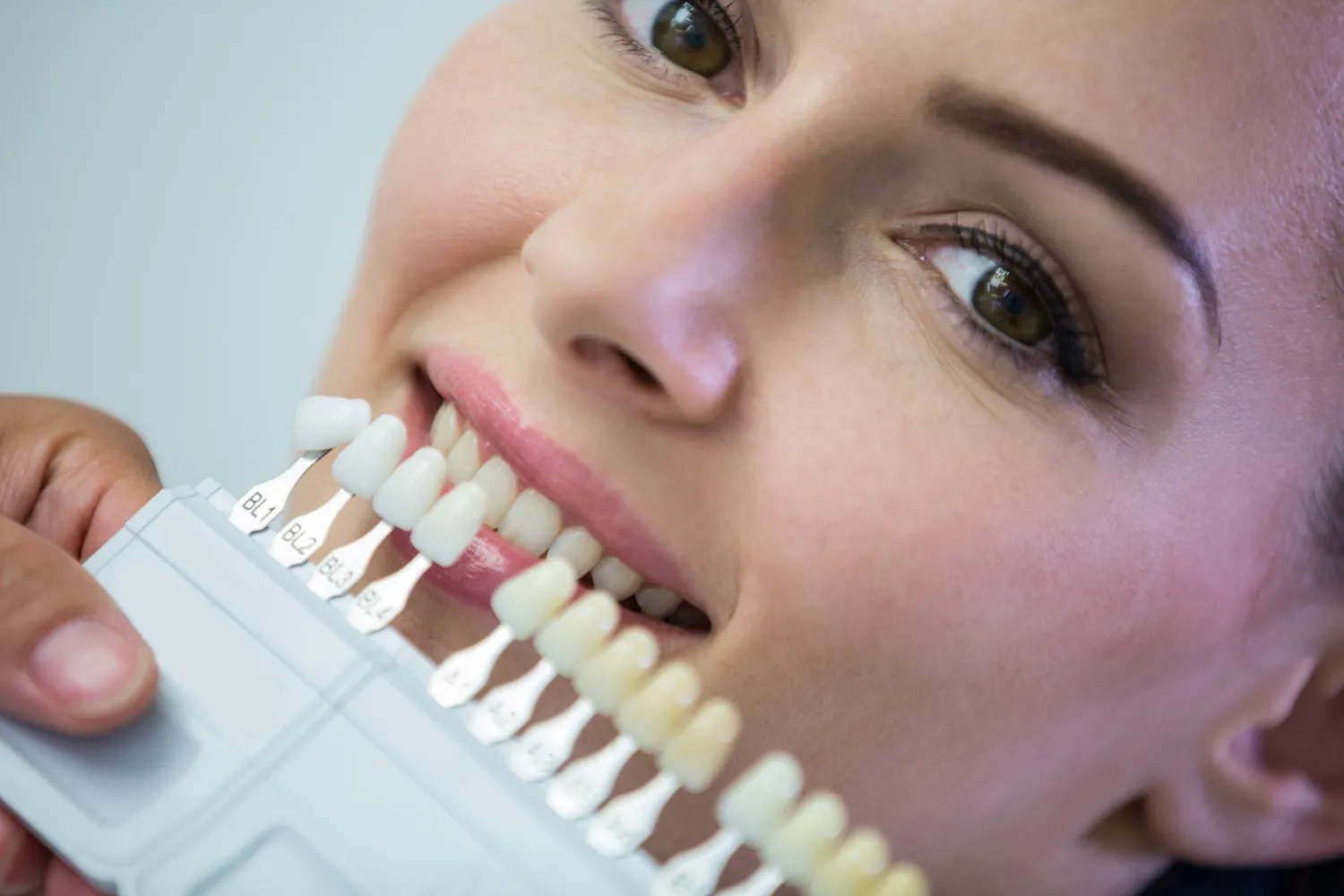
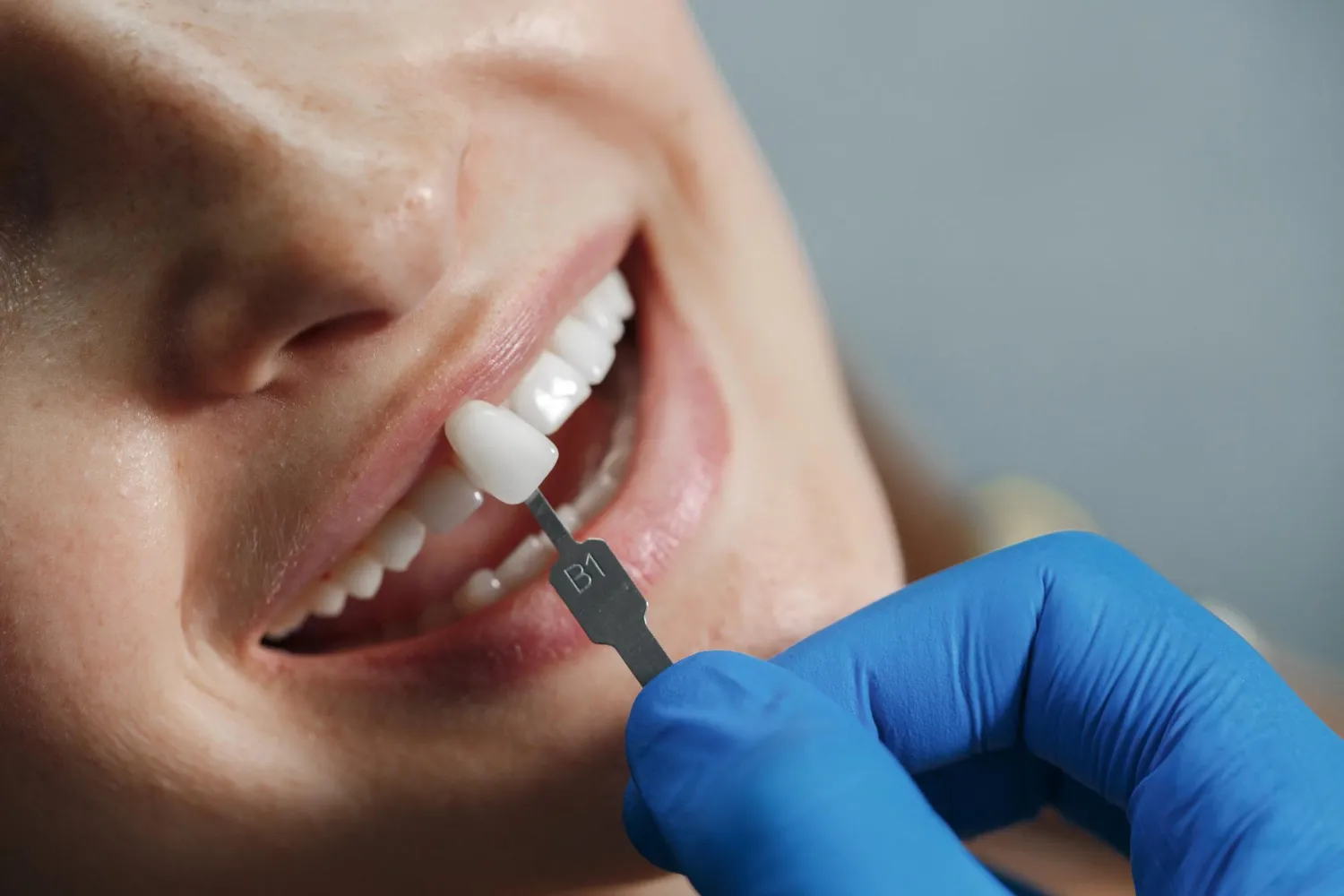
Dentists use shade guides for both materials. Composite comes in many shades. However, the color of composite can shift over time due to water absorption and oxidation. E.max maintains its original shade for decades. Dental technicians can build E.max veneers with multiple layers. They add dentin shades, enamel shades, and translucent incisal edges. This layering creates a three-dimensional color effect. Composite veneers are usually monolithic. The dentist adds tints, but the depth is limited.
How Does Surface Texture and Polish Compare?
E.max maintains a smooth, glossy surface indefinitely; composite may lose polish and develop surface roughness.
The glazed ceramic surface of E.max is extremely hard. It resists scratches from toothbrushes and food. It retains its high gloss for the life of the restoration. Composite resin is softer. Toothbrush abrasion, acidic foods, and normal wear create microscopic scratches. These scratches reduce gloss and increase stain retention. While dentists can repolish composite, the surface never regains its original perfection permanently.
How Does Long-Term Esthetic Performance Compare?
E.max veneers maintain their aesthetics for 10 to 15 years; composite veneers show gradual deterioration in appearance.
Over time, the margin between a composite veneer and the tooth may become visible. The composite darkens or stains. The surface loses luster. Small chips may alter the shape. E.max veneers remain unchanged in color, shape, and surface quality. The cement margin may show slight discoloration in rare cases, but the veneer itself stays pristine. Patients who want a smile that looks the same in year 15 as it did in year 1 choose E.max.
Durability Comparison: Which Veneer Type Lasts Longer?
E.max veneers last significantly longer than composite veneers under normal conditions.
How Do Wear Resistance Levels Compare?
E.max resists wear better than composite resin.
The hardness of lithium disilicate approaches that of natural enamel. It does not wear down from chewing or brushing. Composite resin is softer. It abrades over time. The occlusal surface of composite veneers may show wear facets. These facets alter the bite and the appearance. In patients with heavy occlusion or bruxism, composite wear accelerates.
Which Material Carries Higher Chipping Risk?
Composite veneers chip more easily than E.max veneers.
Incisal edges bear the highest functional load. Composite veneers on incisal edges are vulnerable to fracture from biting hard foods or trauma. E.max veneers withstand these forces. The crystalline structure of lithium disilicate prevents crack propagation. Even if a crack initiates, the material resists catastrophic failure. Composite fails more catastrophically. A chip on a composite veneer is common. A chip on an E.max veneer is rare.
What Do Clinical Survival Rates Show?
Clinical studies show E.max veneers achieve 10-year survival rates above 90%; composite veneers show lower long-term survival.
Peumans and colleagues (2004) reported high survival rates for ceramic veneers over extended follow-up periods. Beier and colleagues (2012) found that porcelain veneers demonstrated excellent longevity with proper case selection. Gresnigt and colleagues (2019) confirmed that lithium disilicate restorations maintain high survival rates in anterior applications. For composite veneers, da Cunha and colleagues (2018) noted that direct composite restorations require more frequent maintenance and replacement. The adhesive interface remains stable for both materials, but the material integrity of composite degrades faster.
What Factors Affect Longevity?
Oral hygiene, bruxism, diet, smoking, and regular dental checkups affect how long any veneer lasts.
Patients who brush twice daily and floss preserve the gingival margin. Healthy gums support the veneer margin. Bruxism generates excessive forces. Night guards protect both E.max and composite veneers from fracture. A diet high in hard foods, ice chewing, or acidic beverages damages veneers. Smoking stains composite veneers and affects gingival health. Regular dental checkups allow early detection of margin problems, chipping, or wear. Dentists can intervene before minor issues become major failures.
Cost Comparison: What Should Patients Expect to Pay?
E.max veneers cost more upfront but may offer better long-term value; composite veneers cost less initially but may need more frequent replacement.
What Influences Treatment Cost?
The number of veneers, dentist expertise, laboratory fees, geographic location, and technology used all influence the final price.
A full smile makeover with 8 to 10 E.max veneers costs substantially more than a single veneer. Experienced cosmetic dentists charge higher fees. Their expertise in smile design, preparation, and cementation justifies the premium. Laboratory fees for E.max include CAD/CAM design, milling or pressing, and characterization. High-end dental labs charge more for custom shading and layering. Geographic location matters. Prices in major metropolitan areas exceed those in smaller cities. Digital smile design and intraoral scanning add to the cost but improve precision.
How Does Long-Term Value Compare to Initial Investment?
E.max veneers often provide better long-term value despite higher initial costs.
Consider a patient who needs 8 veneers. Composite veneers cost $250 to $1,500 each. Let us assume a mid-range price of $800 per tooth. The initial cost is $6,400. If these veneers last 6 years and need replacement, the 12-year cost is $12,800. E.max veneers at $1,500 per tooth cost $12,000 initially. If they last 15 years, the cost per year is lower. The patient also avoids the inconvenience of repeated procedures. From a pure economic standpoint, E.max often wins over time. However, patients with budget constraints may still prefer the lower entry cost of composite.
What Are the Maintenance Costs Over Time?
Composite veneers incur higher maintenance costs due to polishing, repairs, and earlier replacement.
E.max maintenance costs are minimal. Patients pay for normal cleanings and checkups. Composite veneers require periodic polishing appointments. These appointments cost $50 to $200 each. If a veneer chips, repair costs add up. Replacement of a single composite veneer after 5 years represents a significant additional expense. Patients should factor these costs into their decision.
Who Is a Good Candidate for E.max Veneers?
Patients seeking maximum aesthetics, long-term results, and those with mild to moderate cosmetic imperfections make ideal candidates for E.max veneers.
Which Patients Seek Maximum Aesthetics?
Actors, models, public speakers, and anyone whose appearance affects their profession benefit most from E.max.
Patients who appear in photographs, videos, or public settings need the most natural-looking smile. E.max delivers the optical properties that cameras capture beautifully. The translucency and color depth look natural under studio lighting and sunlight. Patients with high aesthetic demands accept the higher cost and the need for enamel preparation. They prioritize the best possible outcome over reversibility.
Which Patients Want Long-Term Results?
Patients who prefer a permanent solution and want to minimize future dental visits choose E.max.
Younger patients who expect decades of service from their restorations should consider E.max. A 30-year-old patient may need their veneers to last 20 to 30 years. E.max can meet this expectation. Composite veneers would likely need multiple replacements over the same period. Patients who dislike frequent dental appointments prefer the durability of ceramic.
Which Cosmetic Imperfections Respond Best to E.max?
Mild to moderate discoloration, shape irregularities, and spacing issues respond well to E.max veneers.
Severe discoloration from tetracycline staining or fluorosis may require opaque ceramics or crowns. But for typical cosmetic concerns, E.max works excellently. Small gaps, minor rotations, chipped edges, and worn incisal edges all improve with E.max. The dentist must ensure adequate enamel remains for bonding. Patients with large restorations, extensive decay, or insufficient enamel may need crowns instead.
Who Is a Good Candidate for Composite Veneers?
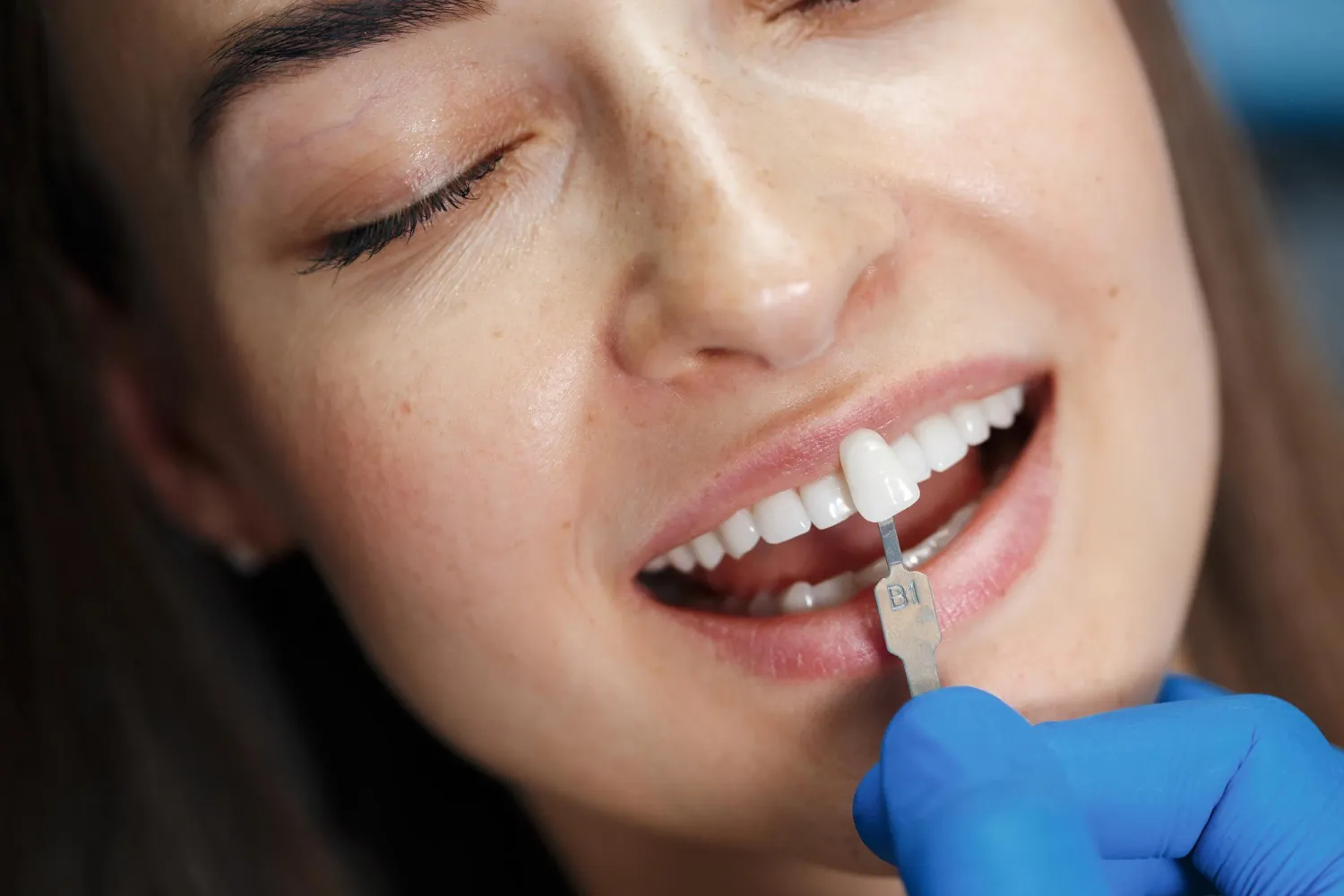
Budget-conscious patients, those needing minor corrections, and younger patients seeking conservative treatment benefit from composite veneers.
Which Patients Have Budget Constraints?
Students, young professionals, and patients without comprehensive dental insurance often choose composite.
Composite veneers make smile improvement accessible. A patient can enhance 4 front teeth for the price of a single E.max veneer. This affordability allows more people to experience cosmetic dentistry. Patients can also upgrade to E.max later when their finances improve. Composite serves as an excellent interim solution.
Which Patients Need Minor Cosmetic Corrections?
Patients with small chips, slight discoloration, or tiny gaps are ideal candidates for composite.
When the problem is minor, the solution need not be elaborate. A small chip on one tooth does not justify a full E.max veneer. Composite resin can rebuild the missing fragment in minutes. The dentist matches the shade and polishes the surface. The result is immediate and cost-effective. Patients with one or two problem teeth often prefer composite.
Which Younger Patients Seek Conservative Treatment?
Teenagers and young adults who want to preserve natural enamel often choose composite veneers.
Young patients have thick enamel layers. Removing this enamel for ceramic veneers is a permanent decision. Many dentists recommend composite for patients under 25. The material is reversible. The dentist can remove it later if the patient wants E.max. The conservative approach respects the long-term health of the tooth. As the patient matures and their aesthetic goals clarify, they can transition to ceramic.
Procedure Comparison: What Happens During Treatment?
E.max veneers follow a multi-visit laboratory process; composite veneers follow a single-visit direct bonding process.
What Happens During Consultation and Smile Assessment?
The dentist evaluates oral health, discusses goals, and determines whether veneers are appropriate.
Both procedures start with a thorough examination. The dentist checks for decay, gum disease, and bite problems. They take photographs and impressions. They discuss the patient’s expectations. They explain the differences between E.max and composite. They may show before-and-after photos of similar cases. This consultation ensures the patient makes an informed choice.
How Does Digital Smile Design Help?
Digital software previews the final smile, allowing patients and dentists to plan aesthetics precisely.
Dentists use digital smile design for both E.max and some composite cases. They photograph the patient’s face and teeth. Software overlays the ideal smile proportions. The patient sees a simulation of the outcome. This visualization guides the preparation and fabrication. For E.max, the lab technician uses the digital design to mill or press the veneers. For composite, the dentist uses the design as a blueprint during sculpting.
What Does Tooth Preparation Involve?
E.max preparation removes 0.3 to 0.7 mm of enamel; composite preparation removes little or no enamel.
The dentist uses diamond burs to create a uniform reduction. They prepare the facial surface and the incisal edge. They create a slight chamfer or butt joint margin at the gingival level. For composite, the dentist may only roughen the enamel with air abrasion or acid etch. They do not remove tooth structure. This difference is critical for patients concerned about tooth preservation.
How Does Fabrication Differ?
E.max veneers are fabricated in a dental laboratory; composite veneers are fabricated directly in the mouth.
The dental laboratory receives impressions or digital files. Technicians design the veneers on a computer or in wax. They use CAD/CAM milling or heat-pressing to create the lithium disilicate restorations. They apply surface stains and glazes. They return the finished veneers to the dentist. For composite, there is no laboratory phase. The dentist is the artist and technician. They build the veneer layer by layer in the patient’s mouth.
What Does the Bonding Procedure Involve?
The dentist etches the tooth, applies bonding agent, and cements or places the veneer.
For E.max, the dentist etches the veneer with hydrofluoric acid and silane. They etch the tooth with phosphoric acid. They apply adhesive resin. They seat the veneer with light-cured or dual-cured resin cement. They remove excess cement. They polish the margins. For composite, the dentist applies bonding agent directly to the tooth. They add composite layers. They cure each layer. They shape and polish the final form.
What Follow-Up Care Is Needed?
Both types require a follow-up appointment to check the bite, margins, and patient comfort.
The dentist schedules a follow-up visit one to two weeks after cementation. They check the occlusion. They ensure the veneer does not interfere with the bite. They evaluate the gingival response. They address any sensitivity or discomfort. They review oral hygiene instructions. This follow-up is essential for long-term success.
Maintenance Tips: How Do Patients Care for Both Veneer Types?
Daily oral hygiene, dietary awareness, damage prevention, night guards, and regular checkups keep veneers in optimal condition.
What Daily Oral Hygiene Works Best?
Patients should brush twice daily with non-abrasive toothpaste and floss carefully around veneers.
Non-abrasive toothpaste protects the surface of both veneer types. Abrasive pastes scratch composite and can dull ceramic glazes over time. Patients should use a soft-bristled brush. They should floss daily. Flossing removes plaque from the margin where the veneer meets the tooth. This margin is the most vulnerable area for decay and gum inflammation.
Which Foods and Drinks Should Patients Limit?
Patients should limit coffee, tea, red wine, berries, curry, and acidic beverages.
These items stain composite veneers and can etch the cement margin on E.max. Hard foods like nuts, ice, and hard candy risk chipping both veneer types. Patients should avoid biting non-food items like pens or fingernails. Sticky candies can pull at veneer margins. A sensible diet protects the investment.
How Can Patients Prevent Damage?
Patients should avoid using teeth as tools and wear mouthguards during sports.
Opening packages with teeth, biting threads, or cracking nuts with incisors damages veneers. Athletic mouthguards protect veneers from trauma during contact sports. Patients with bruxism must wear night guards. Night guards distribute forces evenly and prevent fracture.
Why Should Bruxism Patients Wear a Night Guard?
Night guards protect veneers from the excessive forces of grinding and clenching.
Bruxism generates forces far exceeding normal chewing forces. These forces can crack E.max and chip composite. A custom-fitted night guard absorbs these forces. It prevents direct tooth-to-tooth contact. Patients with veneers should consider a night guard mandatory, not optional.
How Important Are Professional Dental Checkups?
Regular checkups every six months allow dentists to monitor veneer condition and address issues early.
Dentists can polish composite veneers during these visits. They can check for margin integrity on E.max. They can detect early signs of decay, gum recession, or bite changes. Professional cleaning removes calculus that home care misses. These visits extend the life of any veneer.
What Risks and Potential Complications Exist?
Tooth sensitivity, veneer debonding, chipping, gum irritation, and color changes represent the main risks for both veneer types.
What Causes Tooth Sensitivity?
Enamel removal during preparation exposes dentin, which may cause temporary sensitivity.
Sensitivity usually resolves within days to weeks. Dentists can apply desensitizing agents. Persistent sensitivity may indicate a deeper problem. Composite veneers cause less sensitivity because they require less preparation. No-prep composite veneers rarely cause sensitivity at all.
What Is Veneer Debonding?
Debonding occurs when the adhesive bond between the veneer and tooth fails, causing the veneer to detach.
Debonding is rare with proper technique. It can result from contamination during cementation, inadequate enamel, or excessive occlusal forces. E.max veneers can be recemented if the veneer and tooth remain intact. Composite veneers do not debond in the same way because they are not pre-fabricated restorations. However, composite can delaminate or peel off in small sections.
How Common Is Chipping or Fracture?
Composite veneers chip more frequently; E.max veneers fracture rarely but catastrophically when they do.
Small chips in composite are common and repairable. E.max fractures are rare but usually require full replacement. The risk increases with bruxism, trauma, and biting hard objects. Patients must understand these risks before treatment.
Can Veneers Cause Gum Irritation?
Poorly fitting margins or excess cement can irritate gingival tissues.
Overcontoured veneers trap plaque. Subgingival margins invade the biological width. These errors cause inflammation, recession, and bleeding. Both E.max and composite can cause gum problems if the dentist does not respect periodontal health. Proper margin placement and contouring prevent these issues.
Do Color Changes Occur Over Time?
Composite veneers discolor over time; E.max veneers maintain color stability.
The resin matrix in composite absorbs pigments. The surface stains. The color shifts. E.max does not absorb pigments. The ceramic color remains stable. However, the cement margin on E.max may show slight discoloration if the cement degrades. This is rare with modern resin cements.
Frequently Asked Questions: What Do Patients Most Want to Know?
Patients commonly ask about longevity, strength, aesthetics, repairability, cost, maintenance, smoking effects, appointment numbers, and replacement options.
Which Lasts Longer, E.max Veneers or Composite Veneers?
E.max veneers last 10 to 15 years or longer; composite veneers last 5 to 7 years.
The material properties of lithium disilicate resist degradation. Composite resin breaks down faster under oral conditions. Proper care extends both lifespans, but E.max maintains a clear advantage.
Are E.max Veneers Stronger Than Composite Veneers?
Yes, E.max veneers are significantly stronger than composite veneers.
The flexural strength of E.max is roughly three to four times higher than composite. This strength translates to better resistance against fracture and wear.
Which Option Looks More Natural?
E.max veneers look more natural due to superior translucency and light transmission.
The crystalline structure of lithium disilicate mimics enamel. Composite cannot replicate this optical depth as effectively.
Can Composite Veneers Be Repaired?
Yes, composite veneers are easy to repair chairside.
Dentists add new composite and polish the surface. Repairs take minutes and cost little. This is a major advantage over E.max.
Are E.max Veneers Worth the Higher Price?
For patients prioritizing aesthetics, durability, and long-term value, E.max veneers justify the higher cost.
The investment pays off through longevity, appearance, and reduced maintenance. Patients with lower budgets or temporary needs may find composite more appropriate.
Which Veneer Requires Less Maintenance?
E.max veneers require less maintenance than composite veneers.
E.max needs only normal oral hygiene and regular checkups. Composite needs periodic polishing and more vigilant stain avoidance.
Can Smokers Get Either Type of Veneer?
Yes, but smoking stains composite veneers significantly and affects gum health around both types.
Smokers should choose E.max if they want stain resistance. They must also maintain excellent oral hygiene to prevent gum problems.
How Many Appointments Are Needed?
E.max veneers need two to three appointments; composite veneers usually need one.
The laboratory fabrication phase for E.max adds time. Composite delivers immediate results.
Can Either Veneer Type Be Replaced Later?
Yes, both veneer types can be removed and replaced.
Removing E.max requires grinding off the ceramic. The dentist may need to place a new veneer or crown. Removing composite is easier. The dentist can often return the tooth to its original state if the preparation was minimal.
Conclusion: Which Veneer Should You Choose?
Choose E.max veneers for maximum aesthetics, durability, and long-term value; choose composite veneers for lower cost, faster treatment, and conservative, reversible improvement.
E.max veneers and composite veneers both transform smiles. They both correct discoloration, gaps, chips, and wear. But they serve different patient needs. E.max veneers use lithium disilicate ceramic. They offer the best aesthetics, the highest strength, and the longest lifespan. They cost more and require enamel preparation. They suit patients who demand perfection and long-term results. Composite veneers use resin. They cost less and finish in one visit. They allow easy repairs and preserve enamel. They suit patients with budget constraints, minor corrections, or conservative preferences.
The decision depends on individual factors. Aesthetic goals matter. Durability expectations matter. Oral health status matters. Budget matters. No single option works for everyone. An experienced cosmetic dentist evaluates these factors. They examine the teeth, the gums, and the bite. They discuss the patient’s lifestyle and expectations. They recommend the material that best fits the individual case.
Patients should not choose based on price alone. They should consider lifetime value. They should consider maintenance. They should consider how important a natural appearance is to them. The best veneer is the one that meets the patient’s unique needs while preserving oral health. Consult a qualified cosmetic dentist. Review digital simulations. Ask to see similar cases. Make an informed decision. Your smile deserves the best possible care.
References
Beier, Ulrike S., et al. "Clinical Performance of Porcelain Laminate Veneers for Up to 20 Years." International Journal of Prosthodontics, vol. 25, no. 1, 2012, pp. 79–85.
da Cunha, Leonardo Fernandes, et al. "Survival Rate of Direct Composite Restorations in Patients Undergoing Dental Bleaching." Journal of Esthetic and Restorative Dentistry, vol. 30, no. 4, 2018, pp. 345–351.
Edelhoff, Daniel, et al. "Lithium Disilicate Restorations: Clinical Performance and Future Perspectives." Journal of Prosthodontic Research, vol. 64, no. 2, 2020, pp. 109–118.
Fradeani, Mauro. "Six-Year Follow-Up with Lithium Disilicate Ceramic Veneers." Journal of Prosthetic Dentistry, vol. 105, no. 6, 2011, pp. 374–381.
Gresnigt, Marco, et al. "Clinical Performance of Ceramic Veneers: A Systematic Review and Meta-Analysis." Journal of Dentistry, vol. 89, 2019, pp. 103–110.
Layton, Danielle. "A Randomized Controlled Trial of Composite Veneers versus Ceramic Veneers in the Management of Discolored Teeth." British Dental Journal, vol. 224, no. 7, 2018, pp. 503–510.
Peumans, Marleen, et al. "Porcelain Veneers: A Review of the Literature." Journal of Dentistry, vol. 28, no. 3, 2000, pp. 163–177.
Pini, Núbia Inocencya Pavesi, et al. "Advances in Dental Veneers: Materials, Applications, and Techniques." Clinical, Cosmetic and Investigational Dentistry, vol. 12, 2020, pp. 31–40.
Smales, Roger J., and Syed Etemadi. "Long-Term Survival of Porcelain Laminate Veneers." Journal of Clinical Dentistry, vol. 15, no. 4, 2004, pp. 115–118.
Stange, Kevin, et al. "Mechanical Properties of Lithium Disilicate Glass-Ceramics for Dental Restorations." Dental Materials, vol. 36, no. 8, 2020, pp. 1012–1020.