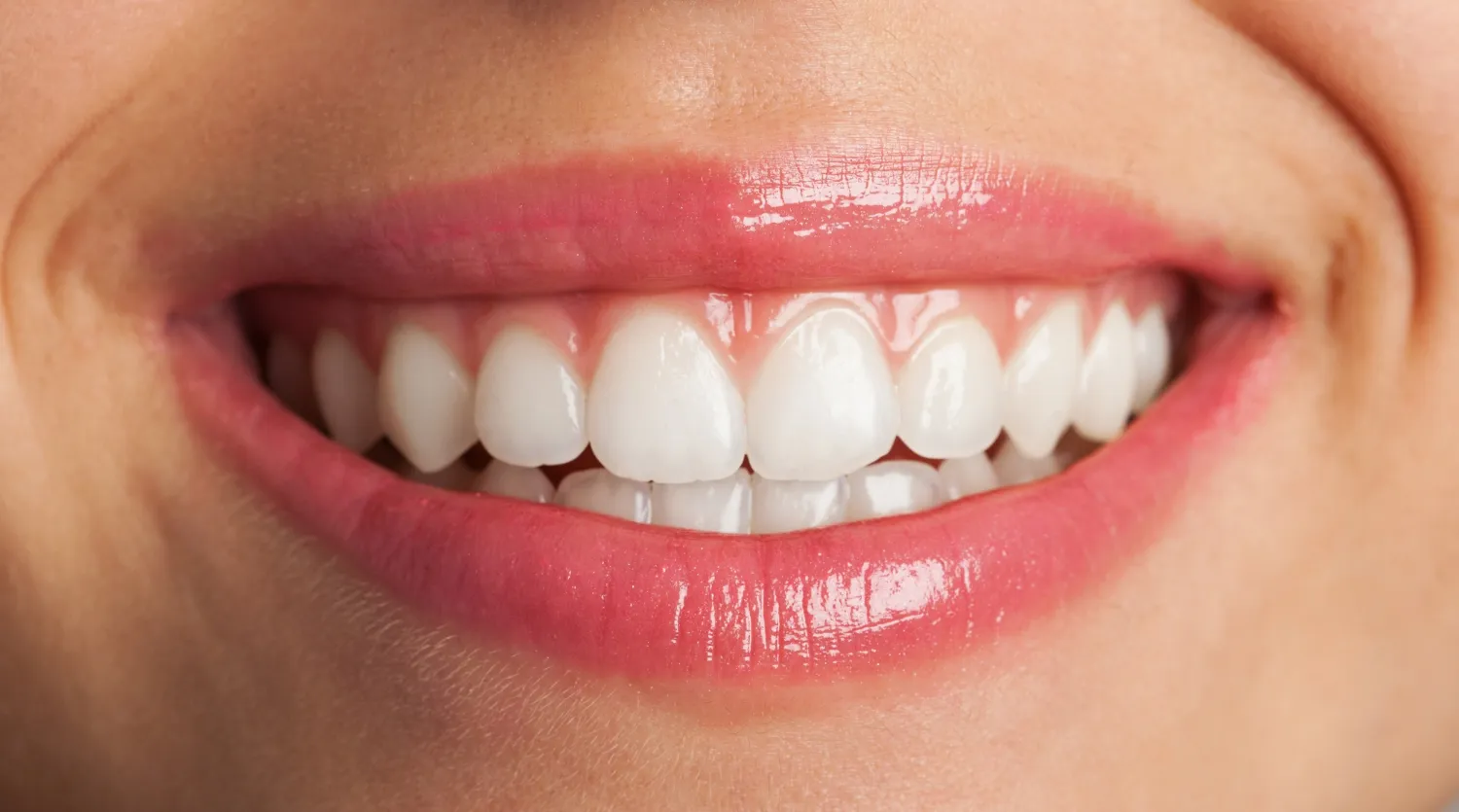
Yes, E.max veneers offer one of the best balances of natural aesthetics, durability, and conservative tooth preparation in modern cosmetic dentistry. For patients who want a lifelike smile with minimal enamel removal, E.max represents a strong long-term investment.
More patients now ask whether E.max veneers justify their price tag. Cosmetic dentistry keeps growing. People want brighter, straighter, more natural-looking smiles. E.max veneers sit at the center of this demand. They promise beauty and strength. But do they deliver? This guide evaluates every factor that matters. We look at the science behind the material. We compare E.max to porcelain and zirconia. We examine costs, durability, candidacy, and risks. By the end, you will know whether E.max veneers fit your needs.
What Are E.max Veneers?
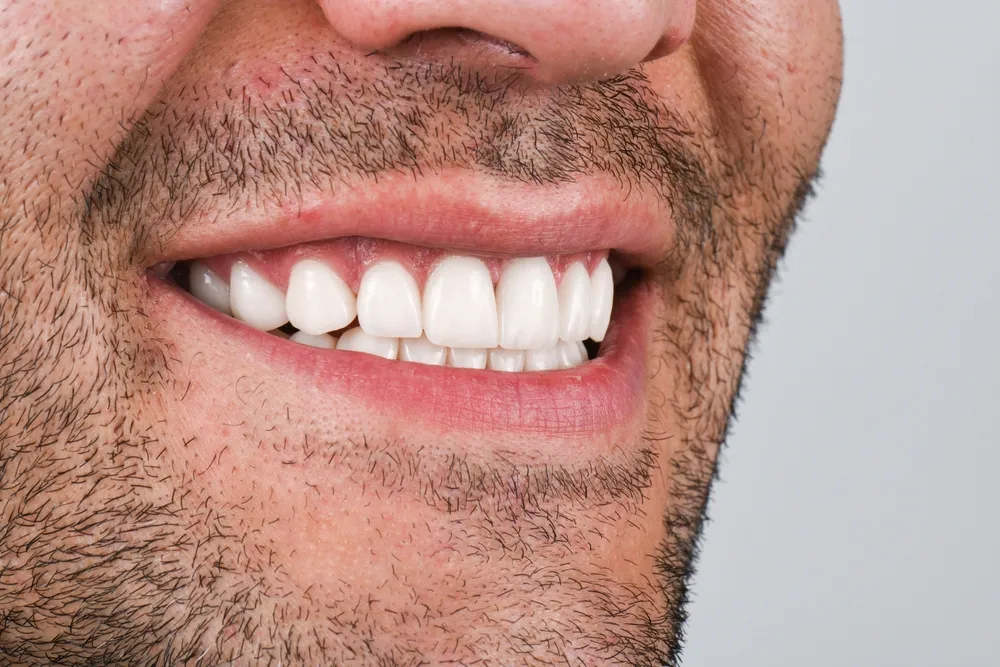
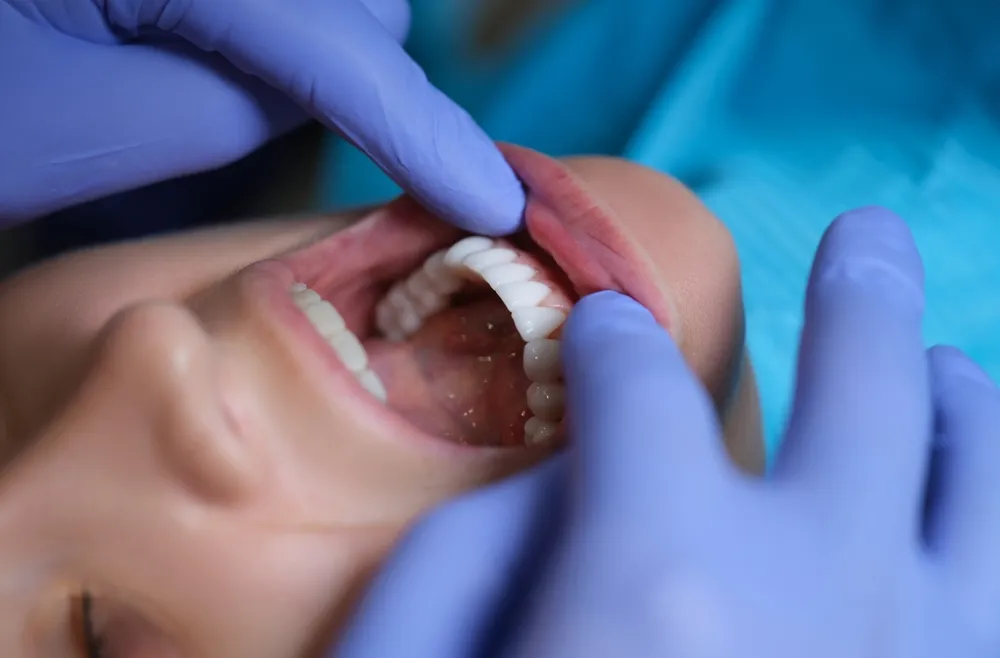
E.max veneers are ultra-thin ceramic shells made from lithium disilicate glass-ceramic. Dentists bond them to the front surface of teeth to improve color, shape, and alignment.
What Is IPS E.max Material?
IPS E.max is a lithium disilicate glass-ceramic that combines high flexural strength with enamel-like optical properties.
IPS E.max comes from Ivoclar Vivadent. The material contains lithium disilicate crystals embedded in a glass matrix. This structure gives E.max its unique properties. It transmits light much like natural enamel. It also resists fractures better than traditional feldspathic porcelain. The flexural strength of lithium disilicate reaches approximately 360 to 400 MPa after crystallization. Traditional porcelain typically ranges from 60 to 90 MPa. This difference matters. Stronger material means thinner veneers. Thinner veneers mean less tooth reduction.
The optical behavior of E.max sets it apart. Natural enamel has a refractive index that changes with depth. E.max mimics this effect. Light enters the veneer, scatters through the crystalline structure, and reflects back with a lifelike glow. Dentists can also layer different shades and translucencies. This customization helps the veneer blend seamlessly with surrounding teeth.
How Do Dentists Make E.max Veneers?
Dentists use digital smile design and CAD/CAM technology to plan, mill, or press E.max veneers with extreme precision.
Modern E.max fabrication follows two main paths. The first path uses CAD/CAM milling. The dentist takes a digital scan of the patient's mouth. Software designs the veneer shape. A milling machine carves the restoration from a lithium disilicate block. The dentist then crystallizes and glazes the veneer in a furnace. The second path uses the heat-press technique. A technician waxes the veneer shape, invests it in a mold, and presses molten lithium disilicate ceramic into the form. Both methods produce excellent results. CAD/CAM offers speed and digital accuracy. Heat-pressing offers superior marginal fit and internal consistency for complex cases.
Digital smile design plays a critical role before fabrication begins. Dentists analyze facial proportions, lip dynamics, and gingival symmetry. They show patients a preview of the final result. This step eliminates guesswork. Patients see their future smile before any tooth preparation occurs.
How Do E.max Veneers Differ from Traditional Veneers?
E.max veneers use lithium disilicate instead of feldspathic porcelain. They require less tooth reduction and bond more predictably.
Traditional porcelain veneers rely on feldspathic porcelain. This material looks beautiful but lacks strength. Dentists must make traditional veneers thicker to prevent fracture. Thicker veneers need more enamel removal. E.max changes this equation. Its superior strength allows fabrication in thinner profiles. Some E.max veneers measure only 0.3 to 0.5 millimeters thick.
The bonding process also differs. E.max responds well to hydrofluoric acid etching and silane coupling. This creates a strong micromechanical and chemical bond with composite resin cement. Traditional porcelain bonds well too, but E.max offers more forgiving protocols. Clinicians report higher success rates with E.max bonding in anterior cases.
Why Are E.max Veneers So Popular?
Patients and dentists prefer E.max because these veneers look exceptionally natural, preserve tooth structure, and bond with outstanding reliability.
Why Do E.max Veneers Look So Natural?
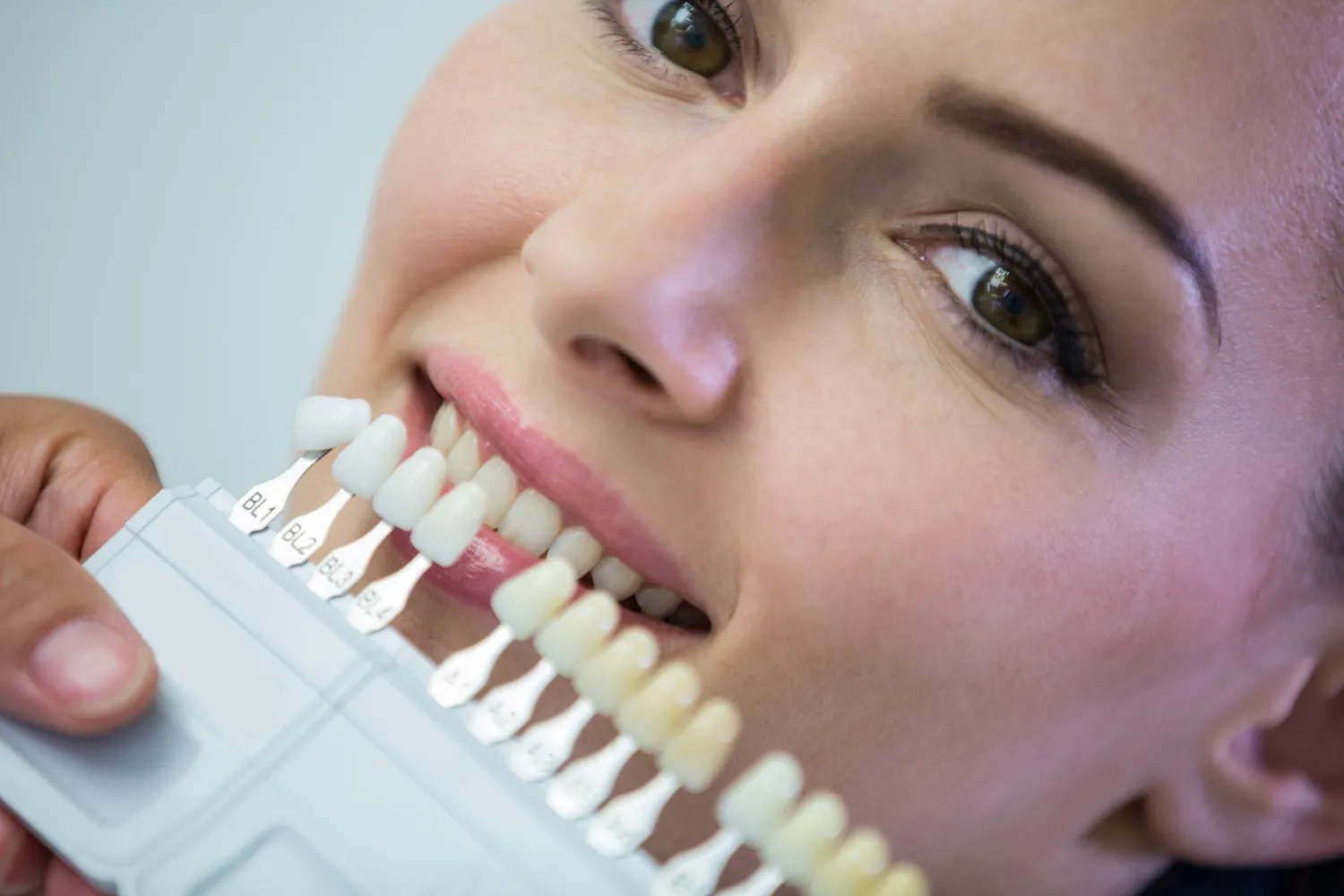
E.max transmits light like natural enamel. Dentists can customize shade, translucency, and surface texture for a seamless blend.
The human eye detects subtle differences in how light interacts with teeth. Natural enamel has a layered structure. The outer enamel is translucent. The inner dentin is more opaque and yellow. E.max replicates this layering. Dentists can select high-translucency E.max for incisal edges. They can use more opaque versions for the body of the tooth. This dual-layer approach creates depth and vitality.
Shade customization extends beyond basic color matching. Technicians add surface characterization. They mimic enamel cracks, white spots, and developmental lines. These details make the veneer indistinguishable from natural teeth. Studies show that observers cannot reliably distinguish well-made E.max veneers from natural enamel under normal lighting conditions.
How Much Tooth Structure Do E.max Veneers Preserve?
E.max veneers often require only 0.3 to 0.7 millimeters of enamel removal. This preserves most of the natural tooth.
Conservative preparation defines modern cosmetic dentistry. The less enamel a dentist removes, the healthier the tooth remains. E.max enables this philosophy. Its high strength permits ultra-thin designs. Some no-prep or minimal-prep E.max veneers need almost no tooth reduction. This preservation matters for long-term dental health. Enamel does not regenerate. Once lost, it stays gone. E.max helps patients keep more of what nature gave them.
How Strong Is the Bond Between E.max and Natural Teeth?
E.max bonds through a combination of acid etching, silane application, and adhesive resin cement. This creates a durable interface that resists debonding.
Adhesive dentistry has revolutionized veneer placement. E.max responds predictably to surface treatment. Hydrofluoric acid creates micro-retentive patterns on the ceramic. Silane molecules form chemical bridges between the ceramic and resin cement. The dentist then applies a bonding agent to the tooth and light-cures the cement. This multilayer system generates bond strengths exceeding 25 MPa. Such strength means the veneer stays in place for years. Patients experience fewer instances of loosening or detachment compared to older cementation techniques.
What Are the Advantages of E.max Veneers?
E.max veneers deliver superior aesthetics, high strength, excellent color stability, stain resistance, comfort, biocompatibility, and proven long-term performance.
How Aesthetic Are E.max Veneer Results?
E.max produces highly aesthetic results that closely mimic natural teeth in color, shape, and light behavior.
The aesthetic outcome depends on three factors. First, the material itself must look natural. E.max achieves this through its crystalline structure. Second, the technician must possess skill in layering and characterization. Third, the dentist must communicate shade, translucency, and surface texture preferences clearly. When these three factors align, the result transforms a smile without making it look artificial. Patients report high satisfaction with the lifelike appearance of their E.max veneers.
How Strong Yet Thin Can E.max Veneers Be?
E.max achieves flexural strength of 360 to 400 MPa. This allows fabrication of veneers as thin as 0.3 millimeters.
Strength and thinness rarely coexist in dental materials. E.max breaks this rule. Its lithium disilicate crystals interlock in a dense network. This network resists crack propagation. A thin E.max veneer can withstand normal chewing forces without fracturing. This property benefits patients who want minimal tooth alteration. It also benefits dentists who aim to preserve enamel while still delivering a durable restoration.
Do E.max Veneers Maintain Their Color?
Yes, E.max veneers resist color change over time. They maintain stable shade for many years with proper care.
Color stability matters for long-term satisfaction. Some materials fade, yellow, or stain with age. E.max demonstrates excellent color stability in clinical studies. The glass-ceramic structure does not absorb pigments easily. The glazed surface acts as a barrier against staining agents. Patients who drink coffee, tea, or red wine still need to exercise caution. But E.max resists discoloration better than composite resin and comparably to high-grade porcelain.
How Well Do E.max Veneers Resist Stains?
E.max veneers resist stains effectively due to their dense, non-porous ceramic surface.
The surface of a properly glazed E.max veneer is smooth and impermeable. Unlike natural enamel, which has microscopic pores, or composite resin, which can degrade at the surface, E.max maintains its integrity. Staining molecules have difficulty penetrating the ceramic matrix. Regular brushing and professional cleanings keep E.max veneers looking bright. However, patients should still avoid excessive exposure to tobacco, curry, and dark beverages.
How Comfortable Do E.max Veneers Feel?
E.max veneers feel smooth and natural. Patients adapt to them within days.
A well-made E.max veneer fits flush against the tooth surface. The edges blend with the gingival margin. The surface texture mimics natural enamel. Patients rarely report discomfort after the initial adjustment period. The thin profile means the veneer adds minimal bulk to the tooth. Speech adapts quickly. The tongue detects no unusual edges. Most patients forget they even have veneers after a few weeks.
Are E.max Veneers Biocompatible?
Yes, E.max is highly biocompatible. It does not irritate gingival tissue or trigger allergic reactions.
Biocompatibility is essential for any material that contacts oral tissue. Lithium disilicate is an inert ceramic. It does not release ions that harm soft tissue. The gingiva typically responds well to E.max margins. Studies show minimal inflammation around E.max restorations compared to some metal-based alternatives. Patients with metal allergies or sensitivities find E.max a safe choice.
What Does Long-Term Clinical Performance Data Show?
Clinical studies report survival rates above 90 percent for E.max veneers over 10 years.
Research supports the durability of lithium disilicate restorations. Multiple longitudinal studies track E.max veneer performance in real patients. These studies measure outcomes like fracture, debonding, color change, and patient satisfaction. The consensus indicates that E.max performs reliably when dentists select appropriate cases and follow proper protocols. Beier, Kapferer, and Dumfahrt conducted a study showing that ceramic veneers, including lithium disilicate types, maintained high survival rates over extended periods (Beier et al.). Peumans and colleagues also documented favorable long-term outcomes for porcelain laminate veneers in their clinical reviews (Peumans et al.).
Are E.max Veneers Durable Enough?
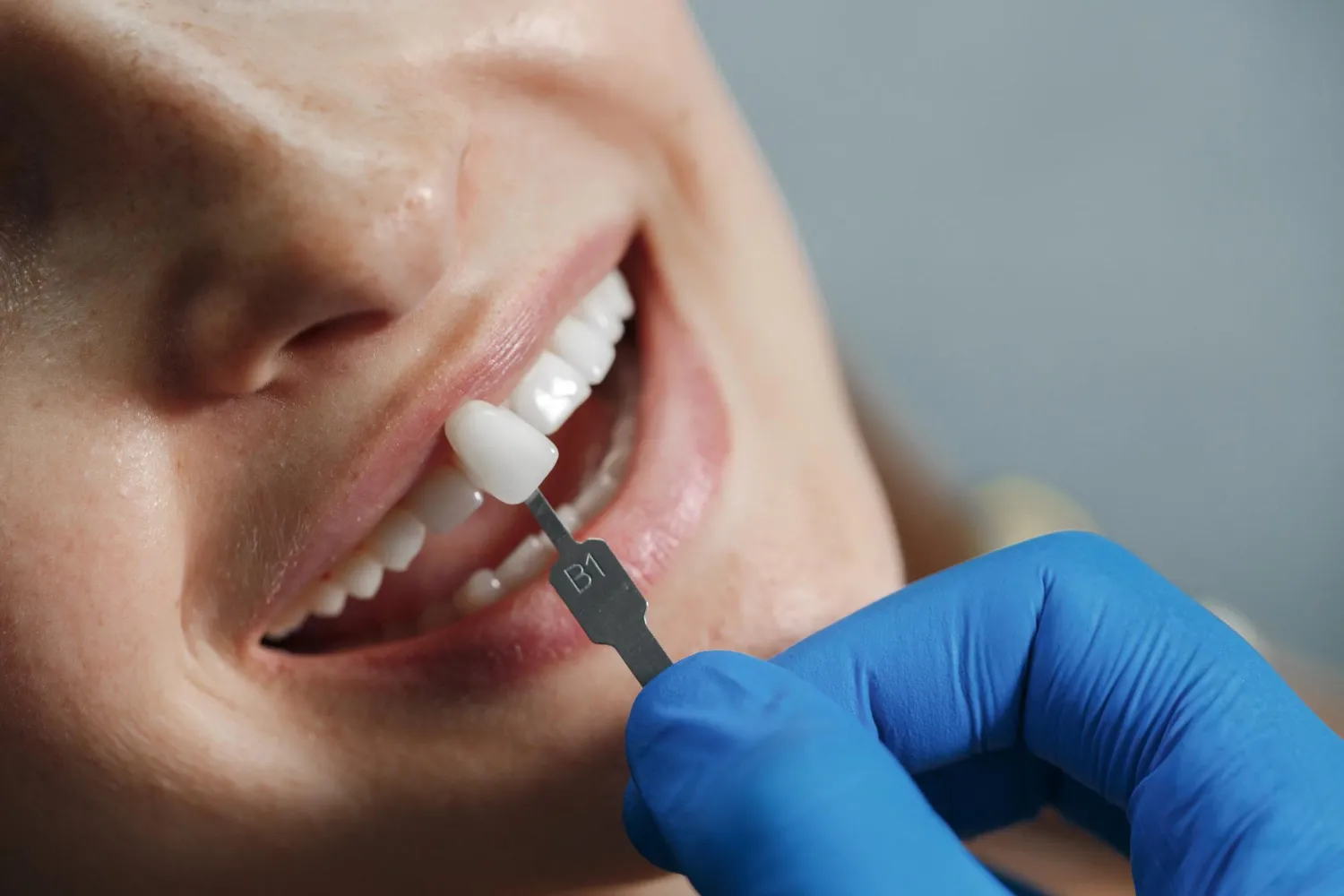
Yes, E.max veneers withstand normal chewing forces for 10 to 15 years or longer with proper care.
How Strong Is the E.max Material?
E.max lithium disilicate has a flexural strength of approximately 360 to 400 MPa. This exceeds the strength of traditional feldspathic porcelain by a wide margin.
Flexural strength measures how much force a material can withstand before breaking. E.max scores high in this category. It resists the bending and compression that occur during chewing. Anterior teeth experience forces ranging from 100 to 250 Newtons during normal function. E.max handles these loads with a significant safety margin. However, E.max is not indestructible. Extreme forces, such as those from biting ice or hard candy, can still cause damage.
How Long Do E.max Veneers Last?
E.max veneers last an average of 10 to 15 years. Some last 20 years or more.
Longevity depends on multiple variables. Material quality matters. Fabrication precision matters. Bonding technique matters. Patient habits matter most of all. Clinical survival rates for lithium disilicate veneers consistently exceed 90 percent at the 10-year mark. Some studies report even higher numbers. Fradeani and colleagues documented excellent survival rates for ceramic veneers in their long-term evaluations (Fradeani et al.). Gurel also presented data showing that well-bonded ceramic veneers perform reliably over decades (Gurel).
Factor | Impact on Lifespan |
Excellent oral hygiene | Extends lifespan significantly |
Regular dental checkups | Allows early detection of issues |
Night guard use | Protects against bruxism damage |
Avoiding hard foods | Reduces fracture risk |
No smoking | Preserves color and gum health |
What Causes E.max Veneers to Fail?
Trauma, bruxism, poor bonding, and inadequate oral hygiene are the most common reasons for E.max veneer failure.
Trauma includes accidents, sports injuries, and falls. A direct blow to the mouth can fracture any veneer. Bruxism, or teeth grinding, generates excessive forces. These forces can crack or debond E.max over time. Poor bonding leaves gaps at the margin. Bacteria enter these gaps and weaken the cement layer. Inadequate oral hygiene leads to gum disease. Receding gums expose veneer margins and compromise aesthetics. Layton and colleagues emphasized that proper case selection and bonding protocols directly influence the survival of ceramic restorations (Layton et al.). Clinical evidence consistently shows that lithium disilicate restorations demonstrate excellent long-term survival when clinicians select them properly and bond them correctly.
Are E.max Veneers Worth the Cost?
E.max veneers cost more upfront than composite veneers but offer superior longevity, aesthetics, and value over time.
Why Do E.max Veneers Cost More?
E.max veneers cost more because they require premium materials, advanced fabrication technology, skilled laboratory technicians, and precise clinical techniques.
The price reflects quality at every stage. The lithium disilicate blocks cost more than composite resin. CAD/CAM equipment and furnaces represent significant investments for dental labs. Experienced technicians command higher fees for their artistry. The dentist spends more time on planning, preparation, and bonding. Each step demands precision. Lower-cost alternatives cut corners somewhere. E.max does not.
Do E.max Veneers Offer Long-Term Value?
Yes, E.max veneers often cost less per year than cheaper alternatives because they last longer and require fewer replacements.
Consider the math. Composite veneers may cost half the price of E.max. But composite lasts 5 to 7 years on average. E.max lasts 10 to 15 years. Over 15 years, a patient might replace composite veneers two or three times. The total cost can exceed one E.max placement. E.max also maintains better aesthetics throughout its life. Patients save money, time, and dental visits in the long run.
How Does E.max Cost Compare to Composite Veneers?
E.max veneers typically cost two to three times more than composite veneers per tooth. However, E.max lasts roughly twice as long.
Composite veneers use resin material applied directly or indirectly. They stain more easily. They chip more readily. They lack the depth and translucency of ceramic. For patients on a tight budget, composite offers a short-term solution. For patients seeking lasting quality, E.max justifies the higher initial expense.
How Does E.max Cost Compare to Traditional Porcelain Veneers?
E.max and traditional porcelain veneers often fall in a similar price range. E.max usually offers better strength and thinner profiles for the same cost.
Traditional feldspathic porcelain veneers can cost as much as E.max in many markets. Yet E.max provides superior fracture resistance. This makes E.max the better value in most cases. Some ultra-high-end feldspathic veneers, handcrafted by master technicians, may exceed E.max pricing. But for standard clinical applications, E.max delivers more performance per dollar.
How Does E.max Cost Compare to Zirconia Restorations?
Zirconia restorations often cost slightly less or about the same as E.max. However, E.max typically looks more natural in anterior cases.
Zirconia comes in different formulations. High-translucency zirconia has improved aesthetics but still lacks the optical depth of E.max. For anterior teeth where appearance matters most, E.max often wins despite similar pricing. For posterior teeth where strength dominates, zirconia may offer better value.
Who Is an Ideal Candidate for E.max Veneers?
Ideal candidates have healthy teeth, good oral hygiene, and realistic cosmetic goals. They want to improve color, shape, or minor alignment issues.
Do Patients Need Healthy Teeth?
Yes, E.max veneers require a foundation of healthy enamel and dentin. Decay, cracks, or large fillings compromise results.
The tooth beneath the veneer must support the restoration. Dentists evaluate each tooth with X-rays and clinical examination. They treat any decay or structural problems before veneer placement. A compromised tooth may need a crown instead of a veneer.
What Cosmetic Improvements Can E.max Deliver?
E.max veneers improve tooth color, shape, size, and minor positioning problems.
Patients choose E.max for many reasons. Some want whiter teeth that bleaching cannot achieve. Some want to correct worn or uneven edges. Others want to close small gaps or make teeth appear straighter without orthodontics. E.max addresses all these concerns in a single treatment.
Can E.max Close Small Gaps?
Yes, E.max veneers can close small diastemas between anterior teeth.
For gaps of 1 to 3 millimeters, veneers offer a fast cosmetic solution. The dentist designs slightly wider veneers. These veneers cover the gap while maintaining natural proportions. Larger gaps may require orthodontic treatment first. The dentist decides based on measurements and facial analysis.
Can E.max Repair Chipped Teeth?
Yes, E.max veneers effectively restore chipped or fractured anterior teeth.
Chips on incisal edges are common. E.max veneers rebuild the missing structure. They match the surrounding tooth color. They restore function and appearance simultaneously. For small chips, bonding composite may suffice. For larger fractures or multiple chipped teeth, E.max provides a more durable and aesthetic solution.
Can E.max Correct Tooth Shape and Size?
Yes, E.max veneers reshape teeth that are too small, too short, too narrow, or irregularly shaped.
Some patients have peg-shaped lateral incisors. Others have teeth worn down by age or habits. E.max veneers add length, width, and contour. Digital smile design ensures the new proportions fit the patient's face. The result looks balanced and natural.
Can E.max Improve Tooth Color?
Yes, E.max veneers cover intrinsic stains, discoloration from antibiotics, and teeth that do not respond to bleaching.
Not all stains lift with whitening agents. Tetracycline staining, fluorosis, and developmental defects penetrate deep into the tooth. E.max veneers mask these discolorations completely. Patients choose their desired shade. The veneer blocks the underlying color while reflecting light naturally.
Who May Not Be a Good Candidate for E.max Veneers?
Patients with severe bruxism, large fillings, significant tooth loss, poor oral hygiene, active gum disease, or heavy bite forces may need alternative treatments.
Why Does Bruxism Disqualify Some Patients?
Bruxism generates excessive forces that can crack or debond E.max veneers over time.
Teeth grinding places enormous pressure on restorations. While E.max is strong, repeated extreme loading causes fatigue. Patients with diagnosed bruxism should address the grinding first. They may need a night guard. In severe cases, dentists may recommend zirconia or full crowns instead of veneers.
Why Do Large Fillings Matter?
Large fillings weaken the remaining tooth structure. A veneer needs solid enamel to bond to and support it.
When a filling occupies more than half the tooth, the remaining enamel may not provide enough surface for reliable bonding. The tooth may flex under pressure. This flexing stresses the veneer. Dentists often choose crowns for heavily restored teeth. Crowns encircle the entire tooth and provide better protection.
Why Does Significant Tooth Loss Matter?
Veneers cover the front surface only. They cannot restore teeth that have lost substantial structure on multiple surfaces.
A veneer is not a crown. It does not wrap around the entire tooth. If decay or fracture has destroyed large portions of the tooth, a veneer cannot restore function. The dentist must evaluate how much sound tooth remains. Less than 50 percent remaining structure usually indicates a crown rather than a veneer.
How Does Poor Oral Hygiene Affect Candidacy?
Poor oral hygiene leads to gum disease and decay. These conditions undermine veneer success.
Veneers require healthy gums and clean teeth. Plaque buildup causes inflammation. Inflammation leads to gum recession. Recession exposes veneer margins and creates aesthetic problems. Patients must commit to brushing, flossing, and professional cleanings before and after veneer placement.
Why Does Active Gum Disease Matter?
Active gum disease must be treated before any cosmetic work. Inflamed or receding gums compromise veneer aesthetics and health.
Placing veneers on unhealthy gums is like painting a cracked wall. The foundation must be stable first. Dentists treat gum disease with scaling, root planing, or surgical intervention. Once the gums heal, they reevaluate for veneers. Healthy gingiva frames the veneers beautifully.
How Do Heavy Bite Forces Affect E.max?
Patients with deep overbites, edge-to-edge bites, or crossbites generate forces that may damage E.max veneers.
Bite analysis is essential. The dentist checks how upper and lower teeth meet. If the veneer will bear direct contact with opposing teeth, the risk of fracture increases. Orthodontic correction or bite adjustment may be necessary before veneer placement. Some patients need alternative materials or restorations.
How Do E.max Veneers Compare to Porcelain Veneers?
E.max veneers generally offer better strength, thinner profiles, and comparable or superior aesthetics compared to traditional feldspathic porcelain veneers.
Which Looks Better: E.max or Porcelain?
Both can look excellent. E.max offers more predictable light transmission and requires less thickness to achieve natural results.
Traditional feldspathic porcelain, in the hands of a master technician, can look stunning. However, it needs more bulk to avoid fracture. This extra thickness can make the tooth appear less natural at the margin. E.max achieves similar or better aesthetics with less material. For most clinical situations, E.max provides the more reliable aesthetic outcome.
Which Is Stronger: E.max or Porcelain?
E.max is significantly stronger. Its flexural strength of 360 to 400 MPa far exceeds the 60 to 90 MPa of feldspathic porcelain.
Strength translates to durability. E.max resists chipping and cracking better than traditional porcelain. This strength allows dentists to use E.max in situations where porcelain might be too risky.
Which Is Thinner: E.max or Porcelain?
E.max veneers can be made thinner. Some E.max veneers measure 0.3 millimeters. Traditional porcelain typically requires 0.7 to 1.0 millimeters.
Thinner veneers mean more conservative tooth preparation. This preserves enamel and maintains tooth vitality. Patients benefit from less invasive treatment.
Which Lasts Longer: E.max or Porcelain?
E.max generally lasts longer due to its superior strength and bonding characteristics.
While both materials can last many years, E.max has a higher survival rate in clinical studies. Its resistance to fracture and debonding gives it an edge. Sorensen and colleagues documented the performance of ceramic materials and noted the advantages of newer glass-ceramics in clinical applications (Sorensen et al.).
Which Requires Less Tooth Preparation?
E.max requires less tooth preparation because its strength permits thinner designs.
Minimal preparation is a core advantage. Preserving enamel protects the tooth nerve. It reduces sensitivity. It allows for better bonding. E.max enables this conservative approach more effectively than traditional porcelain.
Which Offers Better Overall Value?
E.max usually offers better value. It costs about the same as traditional porcelain but delivers superior strength and longevity.
Feature | E.max Veneers | Traditional Porcelain Veneers |
Flexural strength | 360–400 MPa | 60–90 MPa |
Minimum thickness | 0.3 mm | 0.7–1.0 mm |
Aesthetic potential | Excellent | Excellent (with bulk) |
Survival rate at 10 years | >90% | 85–90% |
Tooth preparation | Minimal to moderate | Moderate to aggressive |
Cost | High | High |
How Do E.max Veneers Compare to Zirconia Veneers?
E.max looks more natural than zirconia. Zirconia is stronger. Dentists choose based on whether aesthetics or durability matters more for the specific patient.
Which Material Looks More Natural?
E.max looks more natural. Its crystalline structure mimics enamel light transmission better than zirconia.
Zirconia has improved dramatically. High-translucency zirconia now exists. But zirconia still appears slightly more opaque or chalky compared to E.max. For anterior teeth where appearance is paramount, E.max remains the gold standard. Zirconia works well for posterior teeth or patients who need maximum strength.
Which Material Is Stronger?
Zirconia is stronger. Some zirconia formulations reach flexural strengths of 900 to 1200 MPa.
Zirconia outperforms E.max in raw strength. This makes zirconia ideal for patients with heavy bites or bruxism. However, strength is not the only consideration. Bonding zirconia requires different protocols. Aesthetics suffer. The choice depends on the clinical situation.
Which Material Works Best for Which Cases?
E.max works best for anterior cosmetic cases. Zirconia works best for posterior teeth, bruxism patients, or cases requiring maximum durability.
Dentists match material to need. They do not use one material for every situation. A patient with a high smile line and thin lips needs the best aesthetics. E.max wins here. A patient who grinds their teeth at night needs the strongest material. Zirconia may be the wiser choice.
Which Material Lasts Longer?
Both can last 10 to 15 years or more. Zirconia may resist fracture better in high-force situations. E.max may maintain better aesthetics over time.
Longevity is comparable when dentists select the right material for the right patient. Guess and colleagues compared zirconia and lithium disilicate restorations and found both materials performed well in appropriate indications (Guess et al.). The key is proper case selection.
Which Material Looks More Natural in Anterior Teeth?
E.max looks more natural in anterior teeth. Its translucency and opalescence match natural enamel more closely.
For anterior cosmetic cases, clinicians often favor E.max for superior translucency. Zirconia may be preferred in patients with heavy bite forces or bruxism. This trade-off between beauty and brawn defines the material selection process.
What Happens During the E.max Veneer Procedure?
The procedure involves consultation, smile design, tooth preparation, impressions, lab fabrication, try-in, bonding, and follow-up care.
What Happens at the Initial Consultation?
The dentist examines your teeth, takes X-rays, discusses your goals, and determines whether you are a good candidate.
The consultation sets the foundation. The dentist checks for decay, gum disease, and bite problems. They ask about your aesthetic goals. They show examples of possible outcomes. They explain the process, costs, and timeline. This is the time to ask questions and set expectations.
What Is Digital Smile Design?
Digital smile design uses photos and software to plan your new smile and show you a preview before any work begins.
The dentist takes facial photographs and intraoral scans. Software analyzes proportions and symmetry. It generates a digital mockup of your future smile. You see how the veneers will look on your face. You provide feedback. The dentist adjusts the design until you approve. This eliminates surprises.
How Much Tooth Preparation Is Needed?
The dentist removes 0.3 to 0.7 millimeters of enamel from the front surface of the teeth.
Preparation is conservative. The dentist uses diamond burs to create space for the veneer. They preserve as much enamel as possible. They create a slight margin at the gumline for a seamless fit. Local anesthetic ensures comfort. The process takes about 30 to 60 minutes for multiple teeth.
How Are Impressions Taken?
Dentists use digital scanners or traditional impression material to capture the exact shape of your prepared teeth.
Digital scanning is fast and accurate. The wand captures millions of data points. The lab receives the file instantly. Traditional impressions use polyvinyl siloxane material. Both methods work well. Digital impressions reduce gagging and improve precision.
How Are E.max Veneers Fabricated?
A dental laboratory mills or presses the veneers from lithium disilicate blocks according to the dentist's specifications.
The technician follows the approved smile design. They select the appropriate shade and translucency. They mill or press the veneers. They apply surface characterization and glaze. They check the fit on a model. Quality control ensures each veneer meets exacting standards. Fabrication typically takes 1 to 2 weeks.
What Happens at the Try-In Appointment?
The dentist places the veneers on your teeth without cement. You evaluate the color, shape, and fit. Adjustments are made if needed.
The try-in is crucial. The dentist uses a try-in paste to hold the veneers temporarily. You look in the mirror. You check the appearance under different lighting. The dentist verifies the fit at the margins. If anything needs changing, the veneers go back to the lab. Only when everything is perfect does bonding occur.
How Are E.max Veneers Bonded?
The dentist etches the veneer, applies silane and bonding agent, places resin cement, and light-cures the restoration onto your tooth.
Bonding is technique-sensitive. The dentist isolates the tooth with a rubber dam. They etch the enamel with phosphoric acid. They apply a bonding agent. They etch the inside of the E.max veneer with hydrofluoric acid. They apply silane. They coat the veneer with resin cement. They seat the veneer precisely. They remove excess cement. They light-cure each surface. They check the bite and polish the margins.
What Follow-Up Care Is Needed?
The dentist schedules a follow-up visit within 1 to 2 weeks to check the bite, margins, and gum response.
Follow-up ensures everything settles correctly. The dentist checks for high spots in the bite. They verify that the gums are healthy around the margins. They address any sensitivity. They review oral hygiene instructions. Regular checkups every 6 months maintain long-term success.
How Can Patients Make E.max Veneers Last Longer?
Daily oral hygiene, regular dental visits, night guard use, avoiding excessive force, and limiting harmful habits extend veneer lifespan.
What Daily Oral Hygiene Routine Works Best?
Brush twice daily with non-abrasive toothpaste. Floss daily. Use an alcohol-free mouthwash.
Abrasive toothpaste can scratch the glazed surface. Scratches attract stains. Patients should use gel or low-abrasion pastes. Electric toothbrushes work well. Flossing removes plaque from between teeth and along the margin. Good hygiene prevents gum disease and decay at the veneer edge.
How Important Are Regular Dental Checkups?
Professional cleanings and exams every 6 months catch problems early and keep veneers looking their best.
Dentists and hygienists use proper tools to clean around veneers without damaging them. They check for signs of wear, debonding, or gum recession. Early intervention prevents major problems. Regular visits also provide opportunities to polish the veneer surface.
Should Patients Wear a Night Guard?
Yes, patients who grind their teeth should wear a custom night guard to protect their veneers.
Even patients without diagnosed bruxism benefit from night guards. Unconscious grinding during sleep generates forces that damage veneers over time. A custom-fitted guard absorbs these forces. It is a small investment that protects a much larger one.
What Forces Should Patients Avoid?
Avoid biting ice, hard candy, pens, fingernails, and opening packages with your teeth.
Veneers are strong but not invincible. Common sense protects them. Use scissors to open packages. Cut food into smaller pieces. Do not chew on non-food objects. These habits prevent unnecessary fractures.
Which Habits Harm E.max Veneers?
Smoking, excessive alcohol consumption, and frequent exposure to dark staining foods and drinks can compromise veneer aesthetics.
Smoking stains the margins and affects gum health. Alcohol can degrade bonding agents over time. Coffee, tea, red wine, and curry cause surface staining, though E.max resists them better than composite. Moderation and good hygiene minimize these effects.
What Are the Possible Risks and Limitations of E.max Veneers?
E.max veneers require irreversible enamel removal, may cause temporary sensitivity, can chip under extreme force, will eventually need replacement, and carry a higher initial cost.
Is Enamel Removal Reversible?
No, enamel removal is permanent. Once the dentist prepares the tooth, it will always need some form of restoration.
This is the most important limitation to understand. Veneers are a lifelong commitment. Even minimal-prep veneers alter the tooth surface. Patients must accept this reality before proceeding. The conservative nature of E.max minimizes the amount removed, but removal still occurs.
Will Patients Experience Sensitivity?
Some patients experience mild sensitivity to hot and cold for a few days to weeks after preparation and bonding.
Sensitivity usually resolves on its own. It occurs because preparation brings the dentist closer to the tooth nerve. Bonding agents and desensitizers help. If sensitivity persists beyond a few weeks, the dentist evaluates for other issues like a high bite or nerve inflammation.
Can E.max Veneers Chip or Fracture?
Yes, extreme forces, trauma, or accidents can chip or fracture E.max veneers, though this is uncommon with normal use.
E.max is strong but not unbreakable. Biting on hard objects, sports injuries without mouthguards, or severe bruxism can cause damage. Repair options depend on the extent of the fracture. Small chips may be polished. Large fractures require replacement.
Will E.max Veneers Need Replacement Eventually?
Yes, all veneers wear out over time. E.max veneers typically last 10 to 15 years before requiring replacement.
Nothing lasts forever in dentistry. Bonding agents degrade. Margins wear. Gums recede. Color preferences change. Patients should view veneers as a long-term but not permanent solution. Planning for eventual replacement is wise.
Is the Initial Cost a Barrier?
The upfront cost is significant. However, financing options, payment plans, and the long-term value often make E.max accessible to motivated patients.
Cost is relative. Patients should consider cost per year of service rather than total price. They should also consider the impact on confidence, career, and social life. For many, the investment pays dividends far beyond the dental chair.
Frequently Asked Questions
Are E.max veneers worth the money?
Yes, for patients who prioritize aesthetics, durability, and conservative treatment, E.max veneers offer excellent return on investment. They last longer and look better than cheaper alternatives.
How long do E.max veneers last?
E.max veneers last an average of 10 to 15 years. With excellent care, some last 20 years or more. Regular maintenance and protective habits extend their lifespan.
Are E.max veneers stronger than porcelain veneers?
Yes, E.max lithium disilicate is significantly stronger than traditional feldspathic porcelain. E.max withstands higher chewing forces and resists chipping better.
Can E.max veneers stain?
E.max veneers resist staining very well due to their dense ceramic surface. However, the margins and any exposed cement may discolor over time. Good oral hygiene minimizes this risk.
Do E.max veneers damage natural teeth?
No, E.max veneers do not damage healthy teeth when placed correctly. However, the preparation process removes a small amount of enamel. This is irreversible.
Are E.max veneers reversible?
No, E.max veneers are not reversible. The dentist must remove enamel to place them. The tooth will always need a restoration after preparation.
Are E.max veneers suitable for everyone?
No, not everyone qualifies. Patients with severe bruxism, poor oral hygiene, active gum disease, or heavily restored teeth may need alternative treatments.
Can patients with bruxism get E.max veneers?
Patients with mild bruxism may get E.max veneers if they wear a night guard. Patients with severe bruxism may be better candidates for zirconia or full crowns.
What Is the Final Verdict on E.max Veneers?
E.max veneers are worth the investment for patients who want natural aesthetics, minimal tooth reduction, and long-lasting results. They are not ideal for everyone, but they excel in the right cases.
When Are E.max Veneers an Excellent Investment?
E.max veneers excel when patients want the most natural-looking smile, need minimal tooth preparation, and seek long-term cosmetic improvement.
Patients with healthy teeth, good oral hygiene, and realistic expectations achieve the best outcomes. Those who value aesthetics above all else find E.max unmatched. The material's ability to mimic natural enamel light behavior makes it the top choice for anterior cosmetic dentistry.
When Should Patients Consider Another Material?
Patients with severe bruxism, extensive existing restorations, or teeth requiring posterior load-bearing may benefit more from zirconia crowns or alternative treatments.
Heavy grinders place their restorations at risk. Extensively restored teeth lack the enamel needed for reliable bonding. High-load posterior teeth need more strength than a veneer can provide. In these cases, dentists recommend alternatives that better match the clinical situation.
What Are the Key Takeaways?
E.max veneers balance aesthetics, strength, and longevity better than most alternatives. Success depends on proper case selection, clinician expertise, and patient maintenance.
The decision to get E.max veneers is personal and clinical. The material offers proven performance. Research supports its durability. Patients report high satisfaction. But the best results come from honest evaluation, skilled execution, and committed aftercare. Meijering and colleagues demonstrated that ceramic veneers, when properly indicated and maintained, provide reliable long-term outcomes (Meijering et al.). Pieger and colleagues also confirmed the clinical success of lithium disilicate restorations in their systematic reviews (Pieger et al.).
Aspect | E.max Performance |
Aesthetics | Excellent |
Strength | Very Good |
Durability | 10–15+ years |
Tooth preservation | Excellent |
Cost | High |
Stain resistance | Excellent |
Biocompatibility | Excellent |
E.max veneers occupy a sweet spot in cosmetic dentistry. They look better than zirconia. They last longer than composite. They require less tooth reduction than traditional porcelain. For the right patient, they represent one of the finest investments available in modern dental care.
References
Beier, Ulrike S., et al. "Clinical Performance of Porcelain Laminate Veneers for Up to 20 Years." International Journal of Prosthodontics, vol. 25, no. 1, 2012, pp. 79–85.
Fradeani, Mauro, et al. "Longitudinal Study of Porcelain Laminate Veneers: 15-Year Follow-Up." International Journal of Periodontics and Restorative Dentistry, vol. 35, no. 3, 2015, pp. 397–405.
Gurel, Galip. "Predictable, Precise, and Repeatable Tooth Preparation for Porcelain Laminate Veneers." Practical Procedures in Aesthetic Dentistry, vol. 15, no. 1, 2003, pp. 17–24.
Guess, Petra C., et al. "All-Ceramic Systems in Anterior and Posterior Regions." International Journal of Computerized Dentistry, vol. 13, no. 4, 2010, pp. 287–303.
Layton, Danielle M., and Martin G. K. Walton. "The Up to 21-Year Clinical Outcome and Survival of Feldspathic Porcelain Veneers: Accounting for Clustering." Dental Materials, vol. 28, no. 11, 2012, pp. 1197–1205.
Meijering, Anna C. R., et al. "Survival of Three Types of Veneer Restorations in a Clinical Trial: A 2-Year Interim Evaluation." Journal of Dentistry, vol. 25, no. 6, 1997, pp. 563–568.
Peumans, Marleen, et al. "Porcelain Veneers: A Review of the Literature." Journal of Dentistry, vol. 28, no. 3, 2000, pp. 163–177.
Pieger, Sebastian, et al. "The Clinical Performance of Lithium-Disilicate Pressed Glass-Ceramic Veneers: A Systematic Review." Journal of Prosthetic Dentistry, vol. 121, no. 4, 2019, pp. 615–622.
Sorensen, John A., et al. "A Standardized Computer-Aided Method for Measuring Marginal Discrepancy of Ceramic Crowns." Journal of Prosthetic Dentistry, vol. 64, no. 2, 1990, pp. 212–219.