What Does “Personality Reflection” Mean in Veneers?
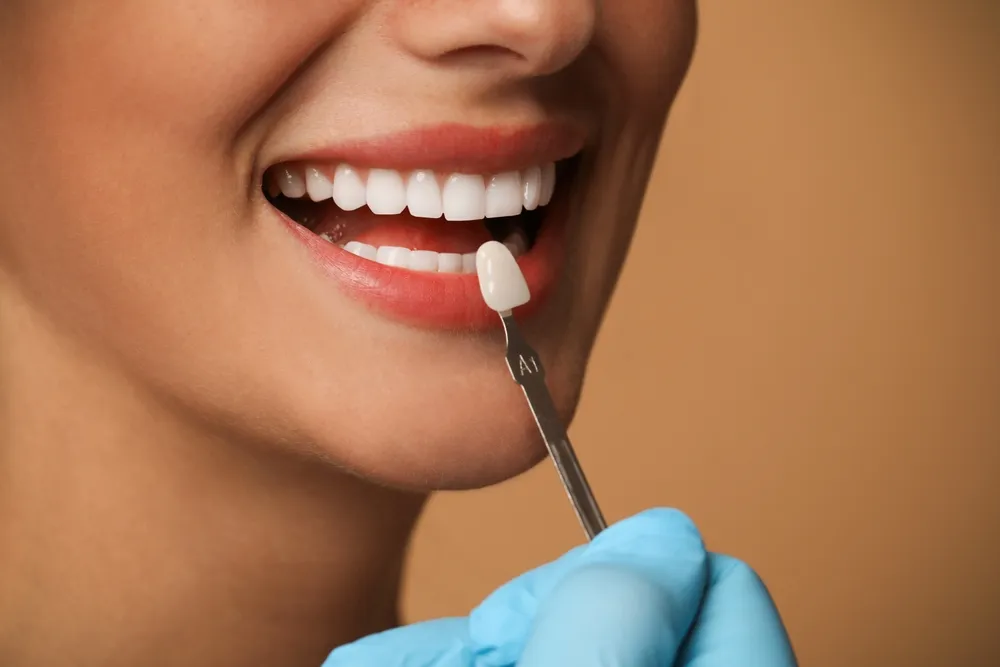
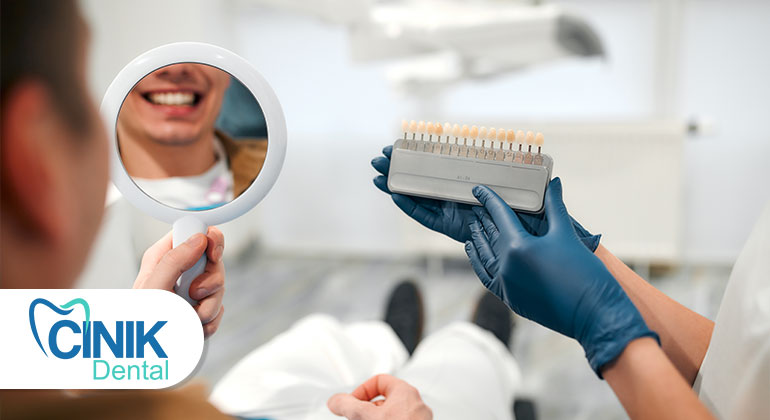
Personality reflection in laminate veneers means capturing the patient’s overall character, age, gender, and social identity in their smile. The aim is to create a personalized, expressive smile rather than a generic one.How Are Smile Characters Analyzed?
Soft – Feminine Smile
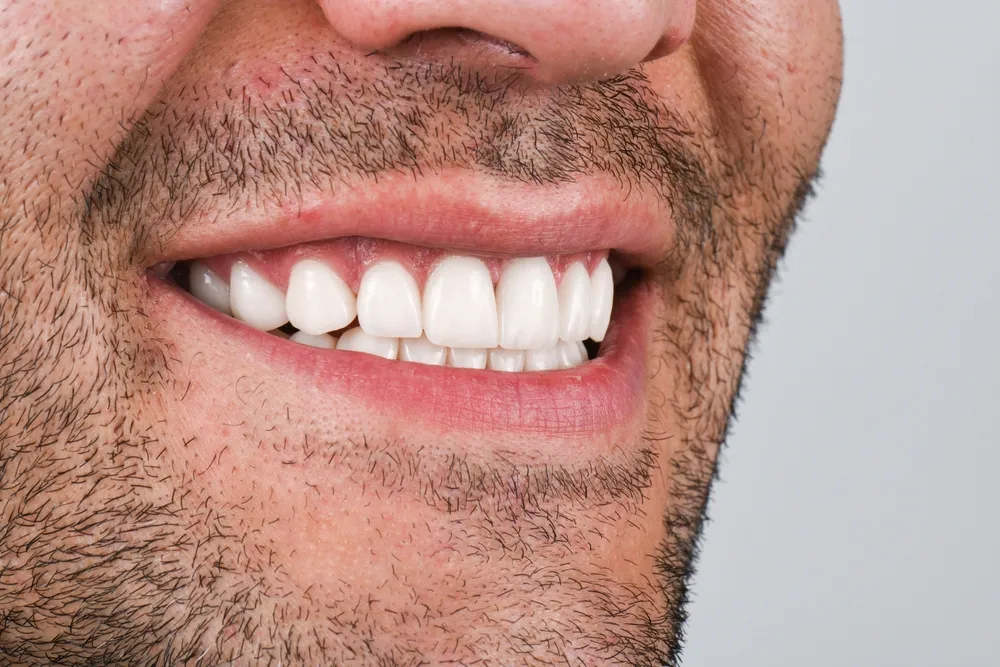
Characterized by rounded teeth edges and softened contours, with a broader smile arc. Typically preferred for women.Bold – Masculine Smile
Defined by more angular and prominent teeth and a flatter smile line. Often suitable for men.Youthful – Sporty Smile
Features slightly longer central incisors, shorter lateral teeth, and a dynamic overall appearance. Conveys energy and youth.Mature – Classic Smile
A balanced proportion of tooth size and shape, delivering a natural yet refined expression.The Role of Facial Shape, Speech Style, and Social Identity
Facial Shape
Angular teeth may complement a round face, while rounded teeth may soften a square face to achieve facial harmony.Speech Style
The visibility of teeth during speech, and tongue placement during certain phonemes, can help determine appropriate tooth length and shape.Social Status and Profession
Some professions call for a more conservative or pronounced smile. For instance, a corporate executive may benefit from a classic and balanced design, whereas an artist might prefer a more distinctive and expressive look.How Are Artistic Touches Applied to Tooth Contours?
Yes, two teeth with the same size and shape can appear entirely different depending on how the dentist designs their contour and surface texture. This is where artistic flair becomes essential in smile design. Examples: Flat and Angular Contours: Straight, angular tooth edges convey a sharper, more masculine appearance — ideal for bold or masculine smile types. For example, sharply defined corners on the upper central incisors can project a more assertive look. Rounded and Soft Contours: Slightly rounded edges and softer curves give teeth a more feminine and elegant aesthetic — ideal for soft or feminine smiles. For example, gently rounded lateral incisors and canines create a more delicate expression. Surface Texture (Tooth Microstructure): Natural teeth are not perfectly smooth — they exhibit microscopic textures. Reflecting this texture on veneers enhances realism. A flawlessly polished surface may appear artificial. Microgrooves and ridges influence how light reflects, adding depth and authenticity. For instance, vertical striations (perikymata) common in youthful teeth can be mirrored in veneers to convey vitality and youth.Why Are “Natural Imperfections” Preferred in Smile Design?
The concept of “natural imperfection” refers to subtle asymmetries or micro-spaces intentionally incorporated into aesthetic dental treatments to achieve a more believable and natural smile.Are Minor Rotations, Asymmetries, or Gaps Intentional?
Yes — absolutely. Perfect symmetry does not exist in nature. Excessive perfection often appears artificial. Therefore: Slight Rotation: A very slight rotation in one tooth can make the alignment feel naturally occurring. Minor Gaps (Diastema): A small gap between the front teeth may be perceived as charming and unique, enhancing the smile’s individuality. Asymmetry: Tiny variations in tooth lengths (especially lateral incisors or canines) add realism and dynamism to the smile.How Are These Imperfections Turned into Advantages for a Natural Look?
These so-called “flaws” add personality and character to the smile. Instead of an overly symmetrical and idealized appearance, slight irregularities make the smile appear truly authentic — as though the person was born with it. This eliminates the “overly done” aesthetic and delivers a more natural “these are my real teeth” impression.The Secret to Harmony in Veneers: Tooth-Lip-Eye Axis Planning
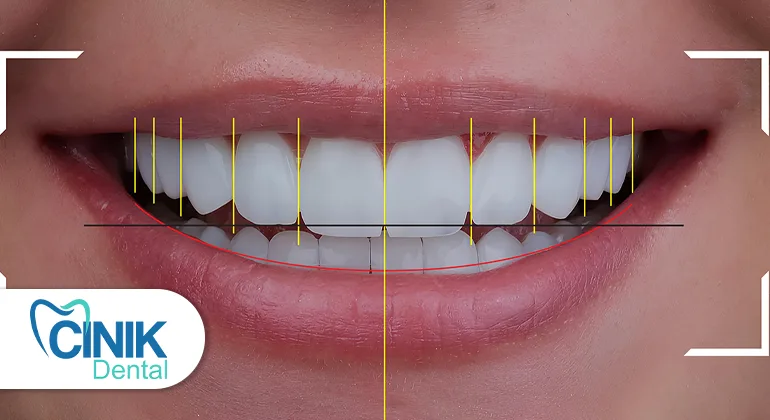
A smile is not just about the teeth, it must harmonize with the entire face. In veneer design, harmony depends on carefully planning the relationship between the teeth, lip contours, eyes, and facial midline.How Should These Relationships Be Established?
Tooth-Lip Relationship:
- Smile Line: The incisal edges of the upper teeth should follow the curve of the lower lip during smiling, creating a youthful and attractive smile. Tooth Visibility: How much of the upper teeth are visible at rest and during smiling is crucial. With age, upper teeth show less while lower teeth become more visible — this must be factored into planning. Buccal Corridor: The dark space between posterior teeth and the mouth corners when smiling should be balanced — neither too large nor too narrow — to ensure a natural smile line.