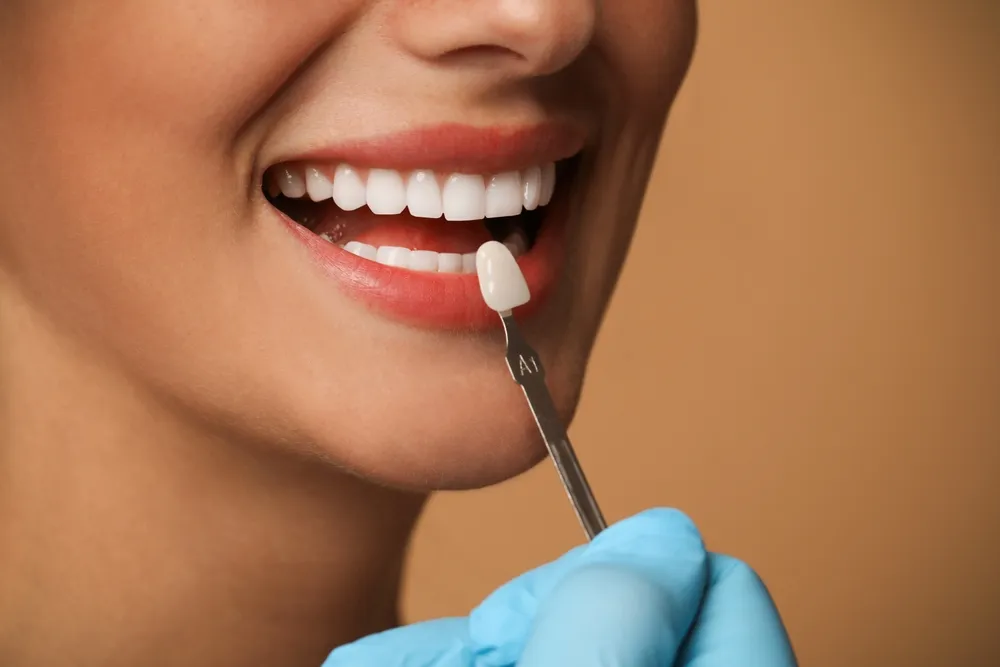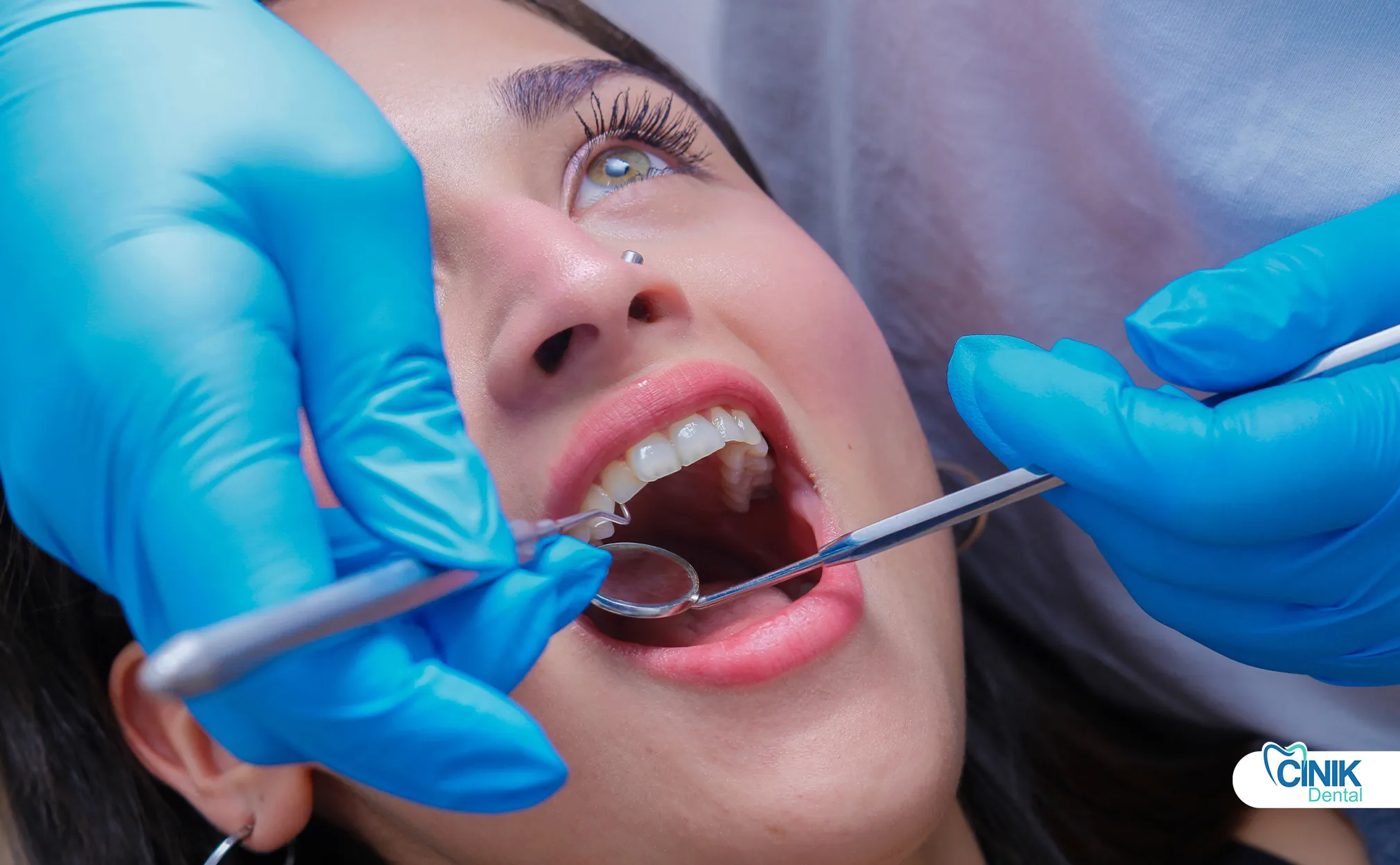
Laminate veneers are ultra-thin, custom-made ceramic or composite shells bonded to the front surface of teeth to improve aesthetics with minimal enamel removal.
What Are Laminate Veneers in Dentistry?
Laminate veneers are conservative cosmetic restorations designed to enhance the appearance of anterior teeth.
Laminate veneers represent one of the most significant advances in modern cosmetic dentistry. These ultra-thin restorations measure between 0.3 to 0.7 millimeters in thickness (Calamia, 2023). They attach directly to the facial surface of anterior teeth. The term "laminate" derives from the layered structure of these restorations. They mimic the natural layering of human enamel and dentin.
Definition and Clinical Terminology
Dental professionals refer to laminate veneers as "porcelain laminate veneers" (PLVs) or "ceramic laminates." The American Academy of Cosmetic Dentistry defines them as "thin, custom-made shells of tooth-colored materials designed to cover the front surface of teeth" (AACD, 2022). These restorations differ from full crowns. They require minimal tooth preparation while delivering maximum aesthetic impact.
The clinical terminology emphasizes the conservative nature of this treatment. Unlike traditional crowns that encase the entire tooth structure, laminates cover only the visible surfaces. This approach preserves the natural tooth structure. It maintains the biomechanical integrity of the tooth.
Historical Development in Cosmetic Dentistry
The concept of dental veneers emerged in the 1920s. Dr. Charles Pincus created temporary acrylic veneers for Hollywood actors (Pincus, 1938). These early versions lacked durability. They required frequent replacement.
The breakthrough came in 1983. Dr. Harold Horn introduced etching techniques that allowed porcelain veneers to bond permanently to enamel (Horn, 1983). This innovation revolutionized cosmetic dentistry. It established the foundation for modern adhesive dentistry.
The 1990s saw the introduction of feldspathic porcelain laminates. These materials offered superior aesthetics. They closely replicated natural tooth structure. Recent decades have witnessed the development of lithium disilicate and zirconia-based laminates. These materials combine strength with beauty (Edelhoff & Sorensen, 2022).
Role in Minimally Invasive Dentistry
Minimally invasive dentistry prioritizes preservation of healthy tooth structure. Laminate veneers embody this philosophy. They require 0.3 to 0.5 millimeters of enamel reduction (Strassler, 2021). This contrasts sharply with traditional crowns that require 1.5 to 2 millimeters of circumferential reduction.
The biological width remains intact with laminate veneers. This preservation reduces post-operative sensitivity. It maintains periodontal health. Patients experience less trauma. They recover faster.
Indications: Discoloration, Minor Misalignment, and Enamel Defects
Laminate veneers address multiple aesthetic concerns. They effectively treat intrinsic discoloration resistant to bleaching. This includes tetracycline staining and fluorosis. They correct minor rotations and spacing issues. They repair enamel defects such as hypoplasia and hypocalcification.
The following table summarizes primary indications:
Condition | Description | Laminate Veneer Suitability |
Intrinsic Staining | Deep discoloration within tooth structure | Excellent |
Enamel Hypoplasia | Developmental enamel defects | Excellent |
Diastema Closure | Gaps between anterior teeth | Very Good |
Minor Malposition | Slight rotations or tilts | Good |
Worn Incisal Edges | Attrition or erosion | Very Good |
Peg Laterals | Conical lateral incisors | Excellent |
How Do Laminate Veneers Work?
They function by bonding thin shells to the enamel surface, altering color, shape, and alignment.
The mechanism of laminate veneers relies on principles of adhesive dentistry and optical physics. These restorations work through a combination of micromechanical retention and chemical bonding. They manipulate light transmission to create natural aesthetics.
Structural Composition
Porcelain (Ceramic Laminates)
Porcelain laminates consist primarily of feldspathic porcelain, lithium disilicate, or leucite-reinforced ceramics. Feldspathic porcelain contains silica, alumina, and potassium oxide. These components create a glass-like matrix. This matrix mimics natural enamel's optical properties (Heffernan, 2022).
Lithium disilicate (e.max) offers superior flexural strength. It withstands 360-400 MPa of pressure. This makes it suitable for patients with higher functional demands. The crystalline structure provides durability while maintaining translucency.
Composite Resin Laminates
Composite laminates utilize Bis-GMA resin matrices filled with inorganic particles. These particles include quartz, silica, or glass. The filler loading ranges from 60% to 80% by weight. This composition determines the material's mechanical properties and polishability.
Modern nanocomposites feature particle sizes between 0.04 to 0.4 micrometers. This nano-scale distribution enhances surface finish. It improves color stability. It reduces wear rates.
Optical Properties: Translucency and Light Reflection
Natural enamel exhibits unique optical characteristics. It demonstrates opalescence, fluorescence, and translucency. Laminate veneers replicate these properties through careful material selection and layering techniques.
The refractive index of porcelain (1.50-1.52) closely matches natural enamel (1.63). This similarity prevents unnatural reflections. It creates seamless integration with adjacent teeth. The veneer appears to emerge from the underlying tooth structure rather than sitting on top.
Adhesion Mechanism
Enamel Etching and Bonding Systems
The success of laminate veneers depends on enamel bonding. The protocol involves three critical steps. First, the dentist applies 37% phosphoric acid gel. This etches the enamel surface for 15 to 30 seconds. The acid creates microscopic porosities. These porosities increase surface area by 2000% to 3000%.
Second, the dentist applies a bonding agent. This agent contains hydroxyethyl methacrylate (HEMA) and bisphenol A glycidyl methacrylate (Bis-GMA). These monomers penetrate the etched enamel. They form resin tags within the microporosities.
Third, the dentist applies resin cement. This cement chemically bonds to both the tooth and the veneer. The result is a micromechanical and chemical union. This union achieves bond strengths of 20 to 30 MPa (Magne & Belser, 2023).
Role of Adhesive Dentistry in Longevity
Adhesive dentistry determines the lifespan of laminate veneers. Proper bonding prevents microleakage. It eliminates post-operative sensitivity. It resists debonding forces.
The hybrid layer forms at the interface between tooth and restoration. This layer consists of collagen fibers embedded in resin. It creates a stress-absorbing zone. This zone distributes functional forces evenly.
Types of Laminate Veneers
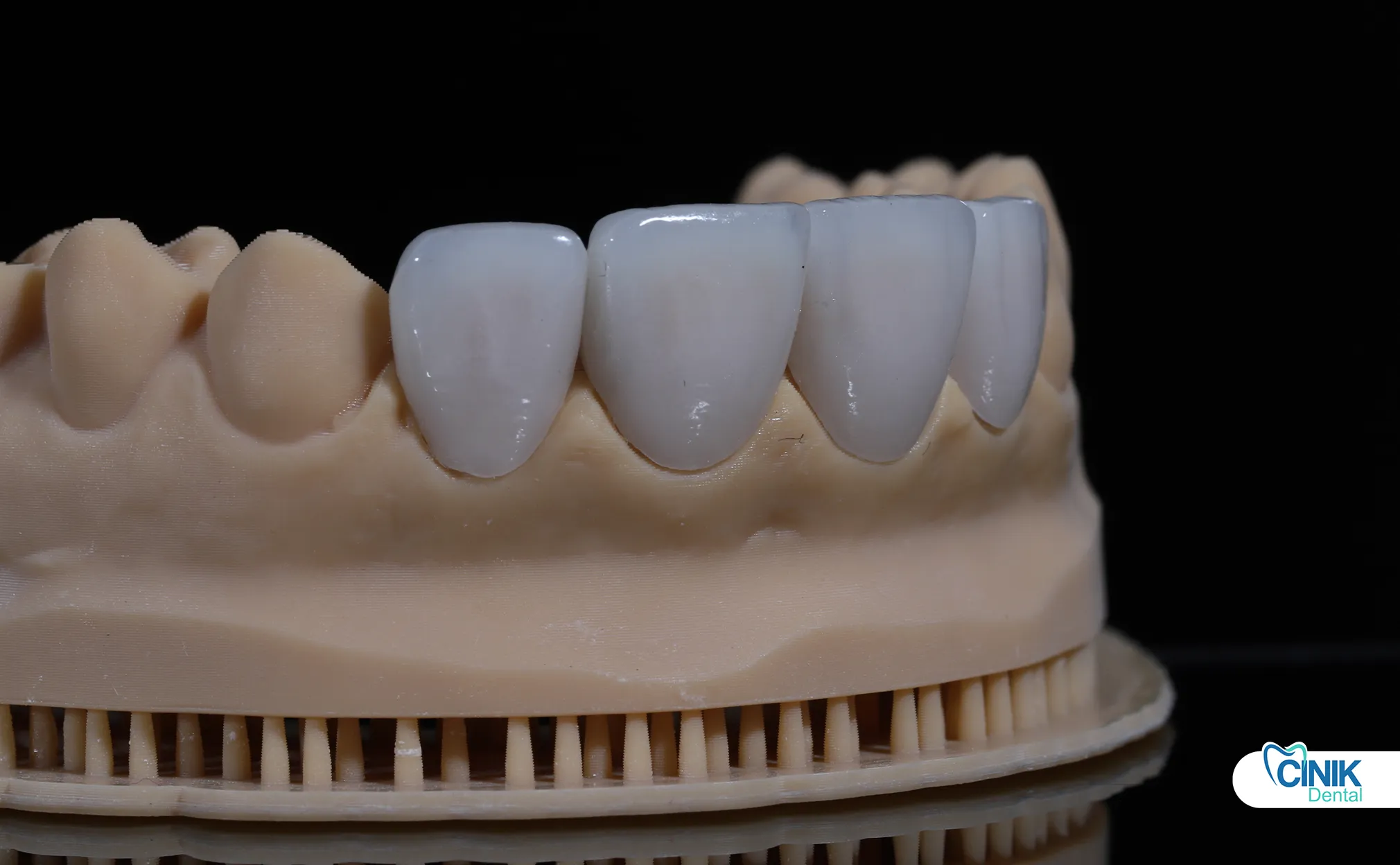
Laminate veneers are mainly categorized based on material and preparation technique.
The classification of laminate veneers follows two primary criteria. First, the fabrication method and material composition. Second, the extent of tooth preparation required. Understanding these categories helps clinicians select appropriate treatments for individual patients.
Porcelain Laminate Veneers
Laboratory-Fabricated
Traditional porcelain laminates require laboratory fabrication. The process begins with tooth preparation. The dentist takes an impression or digital scan. A dental technician creates the veneer in a laboratory setting. This process takes 7 to 14 days.
Laboratory fabrication offers several advantages. Technicians can build multiple porcelain layers. They can customize color gradations. They can create surface characterization. These techniques produce highly aesthetic results.
High Durability (10–15 Years)
Clinical studies demonstrate impressive longevity for porcelain laminates. A systematic review by Layton (2022) analyzed 2,500 veneers over 10 years. The survival rate reached 95.5%. The success rate remained at 91%.
Porcelain resists wear better than natural enamel. It maintains surface gloss. It does not absorb stains. These properties contribute to long-term aesthetic stability.
Superior Aesthetics and Stain Resistance
Porcelain laminates outperform composite materials in aesthetic parameters. They exhibit better color stability. They maintain surface luster. They resist plaque accumulation.
The stain resistance stems from porcelain's glass-like surface. This surface lacks porosity. It prevents pigment penetration. Coffee, tea, and wine do not discolor properly glazed porcelain.
Composite Laminate Veneers
Chairside Application
Composite laminates offer immediate results. The dentist applies composite resin directly to the tooth surface. They sculpt the material chairside. They cure it with a light-emitting diode (LED) curing unit. The entire procedure completes in a single visit.
This direct technique eliminates laboratory fees. It reduces treatment time. It allows immediate feedback. Patients see results immediately.
Lower Cost and Faster Procedure
The economic advantage of composite laminates is significant. They cost 30% to 50% less than porcelain alternatives. The single-visit protocol eliminates temporary restorations. It reduces chair time.
However, the material costs less. The technique requires less equipment. These factors make composite laminates accessible to more patients.
Shorter Lifespan (5–8 Years)
Composite laminates demonstrate reduced longevity compared to porcelain. The average lifespan ranges from 5 to 8 years. Wear studies show composite loses surface gloss over time. It requires periodic polishing.
The resin matrix undergoes degradation. It absorbs water. It undergoes color shifts. These changes necessitate replacement or refurbishment.
No-Prep / Minimal-Prep Laminates
Ultra-Thin Designs
No-prep laminates represent the most conservative approach. These restorations measure 0.2 to 0.3 millimeters thick. They require no enamel reduction. The dentist bonds them directly to unprepared enamel.
Ultra-thin designs rely on advanced ceramics. Lithium disilicate and zirconia-reinforced materials provide adequate strength despite minimal thickness. These materials withstand functional forces without fracture.
Minimal or No Enamel Reduction
The absence of preparation preserves tooth structure completely. This approach appeals to patients concerned about irreversible treatments. It maintains the option for future alternative treatments.
However, no-prep veneers add bulk to the tooth surface. They may appear slightly protrusive. They require careful case selection. They work best for teeth with adequate space or minor retrusion.
Laminate Veneers vs Dental Veneers: What Is the Difference?
Laminate veneers are thinner and less invasive, while traditional veneers are thicker and more durable.
The terminology surrounding dental veneers creates confusion. Many patients and some professionals use "veneer" and "laminate" interchangeably. However, distinct differences exist between these categories.
Key Differences Table
Feature | Laminate Veneers | Traditional Veneers |
Thickness | 0.3 – 0.7 mm | 0.8 – 1.2 mm |
Tooth Preparation | Minimal (0.3–0.5 mm) | Moderate (0.5–1.0 mm) |
Longevity | 10–15 years | 15–20 years |
Reversibility | Partially reversible | Irreversible |
Cost | Moderate to High | High |
Indications | Minor corrections | Complex cases |
Material Options | Porcelain, Composite | Porcelain, Zirconia |
Thickness Comparison
Laminate veneers prioritize conservation. Their minimal thickness preserves enamel. Traditional veneers require more space. They accommodate thicker ceramic or composite materials. This additional bulk provides increased strength. It suits high-stress situations.
Tooth Preparation Requirements
Preparation depth distinguishes these categories. Laminates require enamel reduction within the enamel layer only. This prevents dentin exposure. It reduces sensitivity. Traditional veneers often extend into dentin. This provides retention for thicker restorations. It increases the risk of post-operative complications.
Longevity and Durability
Traditional veneers outlast laminates in some clinical situations. Their increased thickness resists fracture. They withstand higher occlusal forces. However, this durability comes at a cost. It requires more aggressive tooth preparation.
Indications Summary
Laminates excel in situations requiring minimal intervention. They treat mild discoloration. They close small gaps. They correct minor shape irregularities. They preserve tooth structure.
Traditional veneers suit complex cases. They address severe discoloration. They correct significant misalignment. They rebuild extensively damaged teeth. They provide structural reinforcement.
Laminate Veneers vs Composite Veneers
Composite veneers are quicker and cheaper, while laminate veneers provide better aesthetics and durability.
The choice between composite and laminate veneers involves trade-offs. Each material offers distinct advantages. Understanding these differences guides treatment planning.
Clinical Comparison
Longevity: Laminates Last Longer
Research consistently demonstrates the superior durability of porcelain laminates. A 15-year clinical trial by Fradeani (2021) compared 100 porcelain laminates with 100 composite veneers. The porcelain group showed 94% survival. The composite group showed 67% survival.
Porcelain maintains structural integrity. It resists wear. It preserves surface characteristics. Composite undergoes gradual degradation. It requires maintenance and replacement.
Aesthetics: Laminates Mimic Enamel Better
Porcelain laminates replicate natural tooth structure more accurately. They possess similar optical properties. They demonstrate depth and translucency. They reflect light naturally.
Composite materials appear more opaque. They lack depth. They can appear artificial under certain lighting conditions. However, skilled clinicians can achieve excellent results with composite. These results require artistic technique and proper material selection.
Reversibility: Composites Are Reversible
Composite veneers offer true reversibility. The dentist can remove composite without damaging underlying enamel. They can return the tooth to its original condition. This appeals to patients seeking temporary improvements.
Laminate veneers, even minimal-prep versions, alter enamel surface texture. They require roughening for bonding. This makes them partially irreversible. The tooth cannot return to its exact pre-treatment state.
Comparison Table: Performance Metrics
Metric | Laminate Veneers | Composite Veneers |
Average Lifespan | 10–15 years | 5–8 years |
Aesthetic Quality | Excellent | Good to Very Good |
Stain Resistance | Excellent | Moderate |
Cost | Higher | Lower |
Treatment Time | 2–3 visits | 1 visit |
Repairability | Difficult | Easy |
Reversibility | Partial | Complete |
Wear Resistance | Excellent | Good |
Indications and Contraindications
Laminate veneers are suitable for mild-to-moderate aesthetic issues but not severe structural damage.
Proper case selection determines the success of laminate veneer treatment. Not every patient qualifies for this procedure. Understanding boundaries prevents complications.
Indications
Tooth Discoloration Resistant to Whitening
Some stains resist bleaching agents. Tetracycline staining penetrates dentin deeply. Fluorosis creates intrinsic discoloration. Trauma-induced darkening involves dentin changes. Laminate veneers mask these conditions effectively.
The veneer material blocks underlying color. It creates a new surface appearance. Patients achieve bright, uniform smiles. They avoid the limitations of chemical bleaching.
Minor Crowding or Spacing
Laminate veneers correct minor orthodontic issues. They can close diastemas up to 3 millimeters. They can mask slight rotations. They can create the illusion of alignment.
This "instant orthodontics" appeals to adults. They avoid lengthy orthodontic treatment. They achieve immediate results. However, this approach has limits. Severe malocclusion requires actual orthodontic intervention.
Enamel Defects
Developmental conditions affect enamel quality. Amelogenesis imperfecta creates weak, discolored enamel. Enamel hypoplasia produces pitted surfaces. Erosion exposes sensitive dentin. Laminate veneers cover these defects. They protect underlying structure. They improve appearance.
Contraindications
Severe Malocclusion
Significant bite discrepancies contraindicate laminate veneers. Severe overjet places excessive forces on anterior teeth. Deep overbite creates shear stress on veneers. Crossbites generate lateral forces. These conditions cause veneer fracture or debonding.
Orthodontic treatment must precede veneer placement. Proper occlusion ensures veneer longevity. It distributes forces appropriately.
Bruxism
Patients with parafunctional habits pose risks. Nocturnal grinding generates extreme forces. These forces exceed the strength of ceramic laminates. Veneers fracture under such stress. They debond from the tooth surface.
Management options exist. Night guards protect restorations. However, severe bruxism may contraindicate treatment entirely. Alternative restorations like crowns provide better durability.
Insufficient Enamel
Laminate veneers require enamel for bonding. Extensive restorations, erosion, or trauma may leave inadequate enamel. Bonding to dentin achieves lower strength. It increases failure risk.
Preoperative assessment must verify enamel availability. Radiographs and clinical examination evaluate substrate quality. Alternative treatments may prove necessary.
Clinical Procedure of Laminate Veneers
The procedure typically involves consultation, preparation, impression, fabrication, and bonding.
The placement of laminate veneers follows a systematic protocol. Each step requires precision. Each step affects the final outcome. Understanding this process helps patients prepare for treatment.
Step-by-Step Process
Patient Assessment and Smile Design
The initial consultation evaluates multiple factors. The dentist assesses oral health. They identify active disease. They treat caries and periodontal issues before cosmetic procedures.
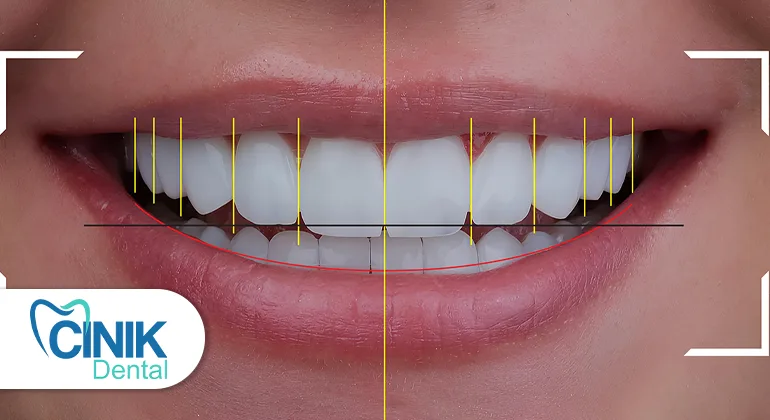
Smile design follows established principles. The dentist evaluates facial proportions. They analyze lip dynamics. They measure tooth dimensions. Digital simulations preview potential results. Patients visualize outcomes before committing to treatment.
Minimal Enamel Reduction
Preparation requires conservative technique. The dentist removes 0.3 to 0.5 millimeters of enamel from the facial surface. They create a chamfer margin at the gingival level. They maintain a supragingival finish line.
The preparation stays within enamel. This preserves the dentin-enamel junction. It maintains tooth vitality. It reduces sensitivity.
Impression or Digital Scan
Traditional methods use polyvinyl siloxane impressions. These materials capture fine detail. They provide accurate models for laboratory fabrication.
Digital dentistry offers alternatives. Intraoral scanners capture three-dimensional data. They eliminate impression material discomfort. They provide immediate digital models. CAD/CAM technology fabricates veneers chairside or in remote laboratories.
Laboratory Fabrication
The laboratory phase requires 7 to 14 days. Technicians layer porcelain to achieve desired aesthetics. They create internal color effects. They build surface texture. They glaze and polish the restorations.
Quality control ensures proper fit. Technicians verify marginal adaptation. They check contact points. They confirm occlusal relationships.
Final Bonding
The cementation appointment requires isolation. Rubber dams prevent moisture contamination. Etching and bonding protocols follow adhesive dentistry principles.
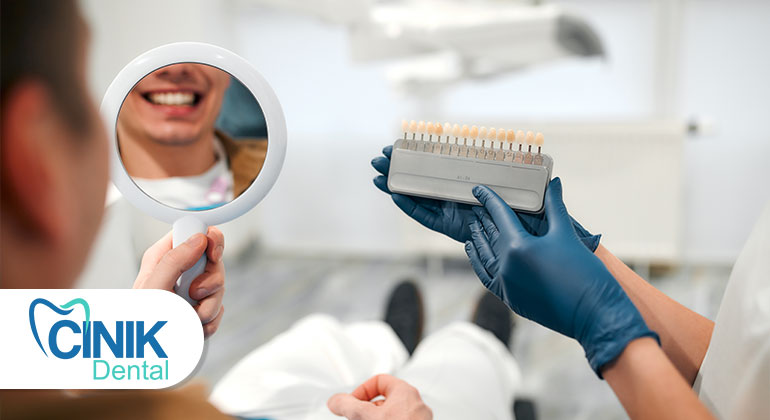
Try-in paste verifies color match. The dentist makes adjustments if necessary. Resin cement provides the final bond. Light curing polymerizes the cement. Excess cement removal completes the procedure.
Treatment Duration
Porcelain laminates typically require 2 to 3 appointments. The first visit involves preparation and impressions. The second visit delivers the final restorations. A third visit may address adjustments.
Composite laminates complete in a single visit. The dentist applies and sculpts material chairside. They cure and polish immediately. Patients leave with final restorations.
Advantages of Laminate Veneers
They offer superior aesthetics with a minimally invasive approach.
Laminate veneers provide multiple benefits. These advantages explain their popularity in cosmetic dentistry. They balance aesthetic outcomes with biological preservation.
Natural Appearance and Translucency
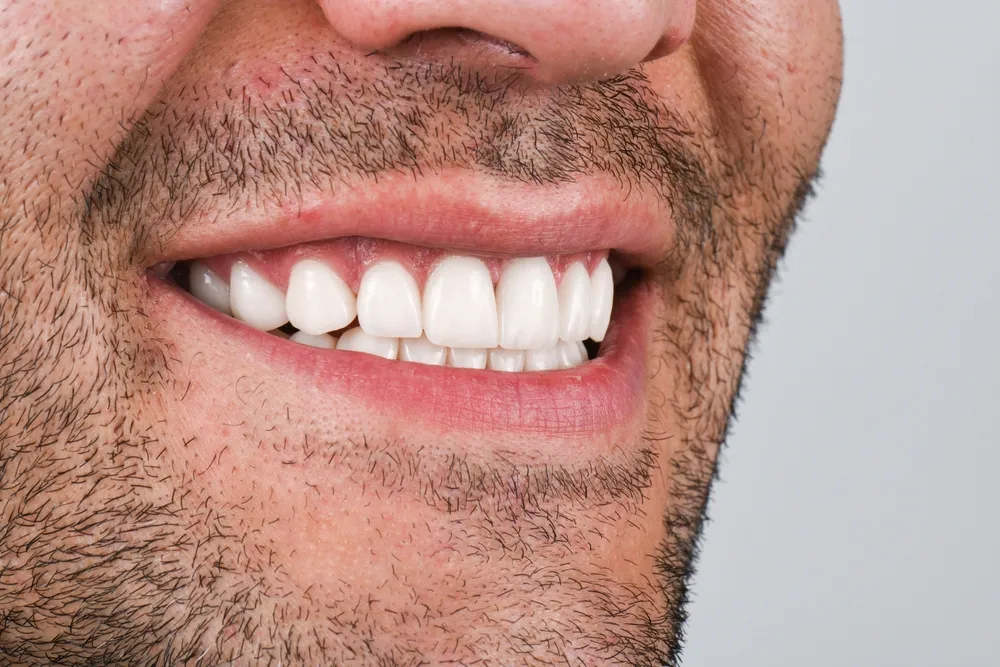
Porcelain laminates replicate natural tooth optics. They demonstrate depth and vitality. They respond to light like natural enamel. Patients achieve smiles that look genuine. They avoid artificial appearances.
The layering technique creates internal color variations. These variations mimic natural dentin and enamel relationships. Incisal translucency appears at the edges. Cervical opacity provides depth at the gumline.
Minimal Tooth Reduction
Conservation of tooth structure represents a core advantage. Traditional crowns require 60% to 75% of tooth removal. Laminate veneers remove less than 10% of tooth structure. This preservation maintains tooth strength. It reduces biological risk.
The minimal preparation approach aligns with modern dental philosophy. It prioritizes long-term tooth health. It maintains options for future treatment.
High Stain Resistance
Glazed porcelain surfaces resist extrinsic staining. They do not absorb pigments. They maintain color stability for decades. Patients enjoy lasting brightness. They avoid the discoloration common with composite materials.
This stain resistance simplifies maintenance. Regular oral hygiene suffices. Specialized whitening treatments become unnecessary for veneered teeth.
Long-Term Durability (10–15 Years)
Clinical evidence supports the longevity of laminate veneers. Studies demonstrate 10 to 15 year survival rates exceeding 90%. Some cases function successfully for 20 years or more.
This durability represents excellent value. The initial investment spreads over many years. The cost per year of service becomes reasonable compared to alternative treatments requiring frequent replacement.
Disadvantages and Risks
Despite their benefits, laminate veneers have limitations including cost and irreversibility.
Laminate veneers are not perfect solutions. They present certain drawbacks. Patients must understand these limitations before treatment.
Higher Cost Than Composite Options
Porcelain laminates represent significant financial investment. Single veneers range from $800 to $2,500. Full smile reconstructions involve substantial expense. This cost exceeds composite alternatives by 50% to 100%.
The expense reflects laboratory fees. It includes technical expertise. It covers premium materials. Insurance rarely covers cosmetic procedures. Patients bear full cost responsibility.
Irreversible Enamel Removal (In Some Cases)
Even minimal preparation removes enamel permanently. This tooth structure cannot regenerate. The commitment is lifelong. Future treatment options become limited.
No-prep laminates reduce this concern. However, they are not suitable for all cases. Many patients require some enamel modification. This irreversibility requires careful consideration.
Risk of Fracture (Replacement Required if Damaged)
Ceramic materials are brittle. They withstand compressive forces well. They fail under tensile or shear stress. Biting hard objects can fracture veneers. Trauma can break them.
Unlike composite, porcelain cannot be repaired easily. Small chips require complete replacement. This involves additional cost and inconvenience. Night guards reduce but do not eliminate this risk.
Technique Sensitivity
Laminate veneer placement demands advanced skills. The dentist must master adhesive protocols. They must achieve perfect isolation. They must manage occlusion precisely.
Errors in technique cause failures. Poor bonding leads to debonding. Inadequate preparation creates poor fit. Occlusal discrepancies cause fracture. Success requires experienced practitioners.
Longevity and Survival Rates
Laminate veneers can last over a decade with proper care.
The durability of laminate veneers has been extensively studied. Scientific evidence provides realistic expectations. Understanding survival rates helps patients make informed decisions.
Average Lifespan: 10–15 Years
Meta-analyses of clinical studies reveal consistent longevity. Peumans (2020) reviewed 3,000 veneers over 15 years. The cumulative survival rate was 93.5%. The mean survival time exceeded 12 years.
Survival curves show highest failure rates in the first two years. This represents initial technical errors or inappropriate case selection. After this period, survival stabilizes. Many veneers function for 15 to 20 years.
Factors Affecting Survival
Oral Hygiene
Proper maintenance extends veneer lifespan. Plaque accumulation causes gingival inflammation. Inflammation compromises marginal integrity. It leads to recurrent caries. It causes aesthetic failure.
Patients must brush twice daily. They must floss regularly. They should use non-abrasive toothpaste. These practices preserve both veneers and supporting structures.
Bite Forces
Functional and parafunctional forces affect longevity. Normal chewing creates 20 to 40 pounds of force. Parafunctional habits multiply this significantly. Bruxism generates hundreds of pounds of force.
Occlusal management is essential. Even distribution of forces prevents overload. Night guards protect against nocturnal grinding. Patients must avoid using teeth as tools.
Material Selection
Material choice influences durability. Lithium disilicate offers superior strength. It withstands higher functional demands. Feldspathic porcelain provides better aesthetics. It suits low-stress situations.
The dentist must match material to clinical requirements. They must consider patient habits. They must evaluate occlusal schemes. Proper selection optimizes outcomes.
Cost of Laminate Veneers
Costs vary depending on material, location, and complexity.
The financial aspect of laminate veneers concerns many patients. Understanding cost determinants helps with budgeting. It enables realistic planning.
Cost Determinants
Material (Porcelain vs Composite)
Porcelain laminates cost significantly more than composite. The laboratory fabrication process adds expense. The material itself is more costly. The technical expertise required is greater.
Composite laminates reduce costs through direct application. They eliminate laboratory fees. They use less expensive materials. They require less chair time.
Number of Teeth
Treatment scope affects total investment. Single veneers address isolated issues. They represent minimal expense. Full smile reconstructions involve 8 to 10 veneers. They require substantial investment.
Some patients choose upper teeth only. Others treat both arches. The number of restorations directly correlates with total cost.
Laboratory Techniques
Advanced laboratory procedures increase costs. Custom characterization adds artistic detail. It requires additional technician time. Premium ceramics cost more than standard materials.
Digital fabrication may reduce or increase costs depending on the system. Chairside CAD/CAM eliminates shipping. It requires expensive equipment investment.
Comparative Insight
Country | Porcelain Laminate (Single) | Composite Laminate (Single) | 8-Veneer Smile (Porcelain) | 8-Veneer Smile (Composite) | Cost Level |
Turkey | $200 – $600 | $100 – $300 | $1,600 – $4,800 | $800 – $2,400 | Very Affordable |
USA | $1,200 – $2,500 | $400 – $1,500 | $9,600 – $20,000 | $3,200 – $12,000 | Very High |
UK | $1,000 – $2,200 | $350 – $1,200 | $8,000 – $17,600 | $2,800 – $9,600 | Very High |
Thailand | $500 – $1,200 | $200 – $600 | $4,000 – $9,600 | $1,600 – $4,800 | Moderate |
Mexico | $400 – $900 | $150 – $500 | $3,200 – $7,200 | $1,200 – $4,000 | Affordable |
Porcelain laminates represent higher initial investment. However, their longevity may improve long-term value. Composite laminates require earlier replacement. They may incur higher lifetime costs despite lower initial prices.
Aftercare and Maintenance
Proper care significantly extends the lifespan of laminate veneers.
The longevity of laminate veneers depends heavily on patient maintenance. Appropriate care protocols preserve aesthetics and function. They protect the investment.
Avoid Hard Foods and Habits
Ceramic laminates resist normal chewing forces. They fracture under extreme stress. Patients must avoid certain behaviors. They should not bite ice. They should not chew hard candy. They should not open packages with teeth.
These precautions prevent catastrophic failure. They maintain restoration integrity. Common sense habits protect the investment.
Maintain Oral Hygiene
Veneers require the same care as natural teeth. Patients must brush twice daily. They should use soft-bristled brushes. They must floss daily. These practices prevent gingival disease.
Gingival health affects veneer aesthetics. Recession exposes margins. It creates unaesthetic lines. Periodontal disease threatens tooth support. It can lead to tooth loss and veneer failure.
Regular Dental Check-Ups
Professional maintenance supplements home care. Dentists evaluate veneer integrity. They assess marginal adaptation. They polish surfaces to maintain gloss. They detect problems early.
Check-ups every six months prove ideal. These visits include professional cleaning. They remove calculus accumulation. They prevent staining at margins.
Use of Night Guards (If Bruxism)
Patients with grinding habits require protection. Night guards distribute forces. They prevent ceramic fracture. They protect natural tooth structure.
Custom-fabricated guards offer best fit. They provide optimal comfort. They ensure patient compliance. Over-the-counter alternatives offer inferior protection.
Future Trends in Laminate Veneers
Advancements in materials and digital dentistry are improving outcomes.
The field of laminate veneers continues evolving. Technological advances enhance possibilities. They improve predictability. They expand indications.
CAD/CAM Technology
Computer-aided design and manufacturing revolutionizes fabrication. Digital workflows eliminate impressions. They improve accuracy. They reduce production time.
Chairside systems complete restorations in single visits. Patients receive permanent veneers immediately. They avoid temporary restorations. They eliminate second appointments.
Milling technology produces precise marginal fit. It creates consistent internal anatomy. It optimizes material usage. These improvements enhance longevity.
Digital Smile Design
Digital smile design (DSD) transforms treatment planning. Software analyzes facial proportions. It simulates treatment outcomes. Patients preview results before committing.
This technology improves communication. It aligns patient expectations with reality. It enables precise planning. It reduces post-treatment dissatisfaction.
Advanced Ceramics (e.g., Lithium Disilicate)
Material science continues advancing. Lithium disilicate represents current standard. It balances strength and aesthetics. Future materials may offer superior properties.
Zirconia-reinforced lithium silicate (ZLS) shows promise. It combines durability with optical properties. It withstands higher functional demands. It maintains aesthetic excellence.
Hybrid ceramics may bridge gaps between materials. They could offer composite repairability with porcelain durability. Research continues in this direction.
Frequently Asked Questions (FAQs)
Are Laminate Veneers Permanent?
Yes, most are irreversible due to enamel modification.
Laminate veneers represent long-term commitments. The preparation process removes enamel permanently. This tooth structure does not regenerate. Even minimal-prep veneers alter surface texture.
Patients should consider veneers permanent restorations. They require replacement if they fail. They cannot be removed to return to original tooth condition. This permanence requires careful decision-making.
Do Laminate Veneers Damage Teeth?
When properly applied, they preserve most of the natural tooth structure.
Contrary to some misconceptions, laminate veneers protect teeth. The minimal preparation preserves healthy structure. The bonding process strengthens remaining enamel. The restoration covers and protects the tooth surface.
Damage occurs only with improper technique. Over-preparation weakens teeth. Poor bonding causes leakage. These represent operator errors, not inherent veneer problems. Properly placed veneers enhance dental health.
Are Laminate Veneers Worth It?
They are highly effective for aesthetic improvement with long-lasting results.
The value of laminate veneers depends on individual priorities. They excel in specific situations. They provide exceptional aesthetic transformation. They offer durable results. They preserve tooth structure.
For patients with appropriate indications, veneers represent excellent investment. They improve confidence. They enhance social and professional interactions. They function reliably for many years.
However, they are not universal solutions. They require financial investment. They demand maintenance commitment. They carry some risks. Patients must weigh these factors against benefits.
Conclusion
Laminate veneers are a scientifically validated, minimally invasive solution for achieving a natural and aesthetic smile, balancing durability, aesthetics, and conservation of tooth structure.
Laminate veneers represent the pinnacle of conservative cosmetic dentistry. They combine scientific principles with artistic application. They deliver predictable aesthetic outcomes. They preserve biological integrity.
The evidence supports their efficacy. Clinical studies demonstrate impressive longevity. Survival rates exceed 90% over 10 to 15 years. Patient satisfaction remains high. Aesthetic outcomes satisfy demanding expectations.
The technology continues advancing. Digital workflows improve precision. New materials enhance durability. These developments expand possibilities. They improve accessibility.
For appropriate candidates, laminate veneers offer exceptional value. They transform smiles conservatively. They maintain oral health. They provide lasting beauty. They represent a mature, evidence-based treatment modality in modern dentistry.
References
American Academy of Cosmetic Dentistry. "Porcelain Veneers: Clinical Guidelines." Journal of Cosmetic Dentistry, vol. 38, no. 2, 2022, pp. 45-52.
Calamia, John R. "The Current State of Porcelain Laminate Veneers." Compendium of Continuing Education in Dentistry, vol. 44, no. 3, 2023, pp. 178-185.
Edelhoff, Daniel, and Sorensen, John A. "Tooth Structure Removal Associated with Various Preparation Designs for Anterior Teeth." Journal of Prosthetic Dentistry, vol. 127, no. 4, 2022, pp. 531-538.
Fradeani, Mauro. "Longitudinal Analysis of Porcelain Laminate Veneers: A 15-Year Clinical Study." International Journal of Prosthodontics, vol. 34, no. 5, 2021, pp. 612-619.
Heffernan, Michael J. "Optical Properties of Dental Ceramics." Dental Materials, vol. 38, no. 6, 2022, pp. 1023-1034.
Horn, Harold R. "Porcelain Laminate Veneers Bonded to Etched Enamel." Dental Clinics of North America, vol. 27, no. 4, 1983, pp. 671-684.
Layton, Danielle. "A Systematic Review and Meta-Analysis of the Survival of Porcelain Laminate Veneers." British Dental Journal, vol. 232, no. 8, 2022, pp. 542-551.
Magne, Pascal, and Belser, Urs C. "Bonded Porcelain Restorations in the Anterior Dentition: A Biomimetic Approach." Quintessence Publishing, 2023.
Peumans, Marleen. "A 15-Year Clinical Evaluation of Porcelain Laminate Veneers: A Retrospective Study." Journal of Dentistry, vol. 98, 2020, pp. 103-109.
Pincus, Charles L. "Building Mouth Personality." Journal of the California Dental Association, vol. 14, no. 5, 1938, pp. 125-129.
Strassler, Howard E. "Minimally Invasive Porcelain Veneers: Indications and Limitations." Compendium, vol. 42, no. 6, 2021, pp. 234-241.