Regenerative dentistry restores damaged dental tissues using biological mechanisms rather than artificial replacements. This approach leverages stem cells, scaffolds, and growth factors to rebuild natural tooth structure, offering superior long-term outcomes compared to conventional treatments.
Regenerative dentistry represents one of the most significant paradigm shifts in oral healthcare history. Unlike traditional approaches that remove damaged tissue and replace it with synthetic materials, this field focuses on harnessing the body's innate healing capabilities. The discipline integrates principles from developmental biology, materials science, and clinical dentistry to create biologically functional restorations (Gronthos et al., 2002).
The emergence of regenerative dentistry addresses fundamental limitations in conventional treatments. Root canal therapy, while effective at eliminating infection, leaves teeth non-vital and prone to fracture over time. Dental implants, though revolutionary, do not replicate the complex biological architecture of natural teeth. Regenerative approaches promise to overcome these constraints by restoring original tissue architecture and biological function (Nakashima and Akamine, 2005).
Modern regenerative dentistry operates on the principle that dental tissues possess remarkable regenerative potential when provided appropriate biological signals and structural frameworks. This understanding has transformed how researchers and clinicians approach tooth repair, moving from mechanical replacement toward biological restoration.
How Did Regenerative Dentistry Evolve From Traditional Dental Practices?
Regenerative dentistry evolved from conventional endodontics and prosthetics through advances in stem cell biology and tissue engineering. The field gained momentum in the early 2000s with the discovery of dental stem cells and has since developed into a distinct clinical discipline with standardized protocols.
The historical trajectory of regenerative dentistry traces back to fundamental observations in wound healing and tissue repair. Traditional dentistry relied heavily on resection and replacement strategies. When pulp tissue became necrotic, clinicians performed root canal therapy to eliminate infection but sacrificed tooth vitality. When teeth were lost, prosthetic replacements filled the gap without biological integration (Banchs and Trope, 2004).
The turning point occurred with the identification of postnatal dental stem cells. In 2000, Gronthos and colleagues isolated and characterized dental pulp stem cells (DPSCs), demonstrating their capacity for self-renewal and multipotent differentiation. This discovery established that adult dental tissues contain progenitor cells capable of regenerating dentin, pulp, and periodontal structures (Gronthos et al., 2000).
Subsequent research identified additional stem cell populations within dental tissues. Stem cells from the apical papilla (SCAPs) were characterized in 2006, offering particular relevance for root development applications. Periodontal ligament stem cells (PDLSCs) provided opportunities for periodontal regeneration. Stem cells from human exfoliated deciduous teeth (SHED) opened pediatric applications (Miura et al., 2003).
The clinical translation of these discoveries began with regenerative endodontic procedures. Banchs and Trope (2004) published foundational work on revitalization techniques for immature permanent teeth with necrotic pulps. These protocols aimed to regenerate pulp-like tissue and continue root development, fundamentally challenging the traditional paradigm of non-vital endodontic outcomes.
By 2010, regenerative endodontics had gained sufficient clinical validation to warrant position statements from major dental organizations. The American Association of Endodontists established clinical guidelines, and research expanded into periodontal regeneration, bone engineering, and ultimately whole tooth bioengineering (American Association of Endodontists, 2013).
What Are the Biological Foundations That Make Dental Regeneration Possible?
Dental regeneration relies on three interconnected components: stem cells that provide building blocks, scaffolds that provide structural guidance, and growth factors that provide biological instructions. Together, these elements recreate the natural developmental processes that formed teeth initially.
How Do the Three Components of Tissue Engineering Work Together in Dentistry?
The tissue engineering triad, stem cells, scaffolds, and growth factors, forms the operational core of regenerative dentistry. Each component contributes distinct functions, and their synergistic interaction determines clinical success (Langer and Vacanti, 1993).
Stem cells serve as the cellular workforce. These undifferentiated cells possess two defining characteristics: self-renewal capacity and multipotency. Self-renewal allows stem cell populations to maintain themselves through successive divisions. Multipotency enables differentiation into specialized cell types including odontoblasts, osteoblasts, cementoblasts, and fibroblasts. Dental stem cells retain these properties throughout adult life, though their regenerative capacity diminishes with age (Gronthos et al., 2002).
Scaffolds provide the architectural framework. Natural or synthetic materials create three-dimensional structures that mimic extracellular matrix. Scaffolds must balance several competing requirements: mechanical strength to withstand functional loads, porosity to permit cell infiltration and nutrient diffusion, and biodegradability to allow gradual replacement by native tissue. The scaffold essentially recreates the developmental environment where cells organize into functional tissues (Chen et al., 2012).
Growth factors deliver biological instructions. These signaling molecules regulate cell behavior through specific receptor-mediated pathways. Bone morphogenetic proteins (BMPs) stimulate osteogenic and odontogenic differentiation. Transforming growth factor-beta (TGF-β) family members regulate extracellular matrix production. Fibroblast growth factors (FGFs) control proliferation and angiogenesis. The precise combination and concentration of these signals determines tissue outcomes (Nakashima and Reddi, 2003).
The interaction between these components follows developmental logic. Scaffolds present growth factors in spatially organized patterns, creating concentration gradients that guide cell migration and differentiation. Stem cells respond to these signals by activating specific genetic programs. The resulting tissue architecture recapitulates natural tooth structures rather than forming disorganized repair tissue.
What Types of Stem Cells Exist in Dental Tissues and What Can They Do?
Dental stem cells comprise several distinct populations, each with unique characteristics and clinical applications. Understanding these differences enables targeted therapeutic strategies.
Stem Cell Type | Source Location | Primary Differentiation Potential | Key Clinical Application |
DPSCs | Dental pulp | Dentin, bone, neural cells | Pulp regeneration, dentin repair |
SCAPs | Apical papilla | Dentin, periodontal tissues | Root development, apexogenesis |
PDLSCs | Periodontal ligament | Cementum, periodontal ligament, bone | Periodontal regeneration |
SHED | Exfoliated deciduous teeth | Osteoblasts, neural cells, adipocytes | Pediatric applications, bone engineering |
Dental pulp stem cells (DPSCs) remain the most extensively characterized population. These cells reside within the perivascular niche of dental pulp. They express typical mesenchymal stem cell markers including CD73, CD90, and CD105. Under odontogenic induction, DPSCs differentiate into odontoblast-like cells that produce dentin matrix. They also demonstrate immunomodulatory properties, suppressing T-cell proliferation and modulating inflammatory responses (Gronthos et al., 2000).
Stem cells from apical papilla (SCAPs) occupy a specialized niche at the developing root apex. These cells exhibit higher proliferation rates and greater odontogenic potential compared to DPSCs. Their location makes them particularly valuable for regenerative endodontics in immature teeth. SCAPs can regenerate root dentin and periodontal tissues, enabling continued root development even after pulp necrosis (Sonoyama et al., 2006).
Periodontal ligament stem cells (PDLSCs) maintain the periodontal attachment apparatus. These cells can generate cementum, periodontal ligament fibers, and alveolar bone. Their regenerative capacity addresses periodontitis-induced tissue destruction, offering alternatives to conventional grafting procedures. PDLSCs also demonstrate the ability to form Sharpey's fibers, the specialized collagen insertions that anchor teeth to surrounding bone (Seo et al., 2004).
Stem cells from human exfoliated deciduous teeth (SHED) provide an accessible source from naturally shed primary teeth. Despite their pediatric origin, SHED cells exhibit remarkable plasticity. They differentiate into osteoblasts, neural cells, and adipocytes. Their high proliferation rate and lack of ethical concerns regarding collection make them attractive for pediatric regenerative applications and potentially for banking for future therapeutic use (Miura et al., 2003).
How Do Stem Cell Niches and Microenvironments Control Regeneration?
Stem cell behavior depends heavily on their microenvironment, termed the niche. The dental stem cell niche comprises cellular, extracellular, and signaling components that collectively regulate stem cell fate.
The extracellular matrix (ECM) provides more than structural support. ECM proteins including collagen type I, fibronectin, and various proteoglycans bind growth factors and present them to cell surface receptors. The mechanical properties of ECM influence stem cell differentiation through mechanotransduction pathways. Soft matrices favor adipogenic or neural lineages, while stiff matrices promote osteogenic or odontogenic outcomes (Discher et al., 2006).
Cellular signaling within the niche involves complex communication networks. Neighboring cells release paracrine factors that maintain stemness or trigger differentiation. Vascular endothelial cells provide niche signals through Notch and VEGF pathways. Immune cells modulate regenerative responses through cytokine networks. This cellular crosstalk ensures that stem cell activity matches tissue requirements (Crane and Cao, 2014).
The hypoxic environment of dental pulp (oxygen tension 3-7%) maintains stem cell quiescence and prevents premature differentiation. When injury occurs, vascular disruption and inflammation alter the niche environment, activating stem cells for repair. Understanding these niche dynamics enables clinicians to manipulate microenvironments for enhanced regeneration (Iida et al., 2010).
What Biomaterials and Scaffold Technologies Enable Dental Tissue Engineering?
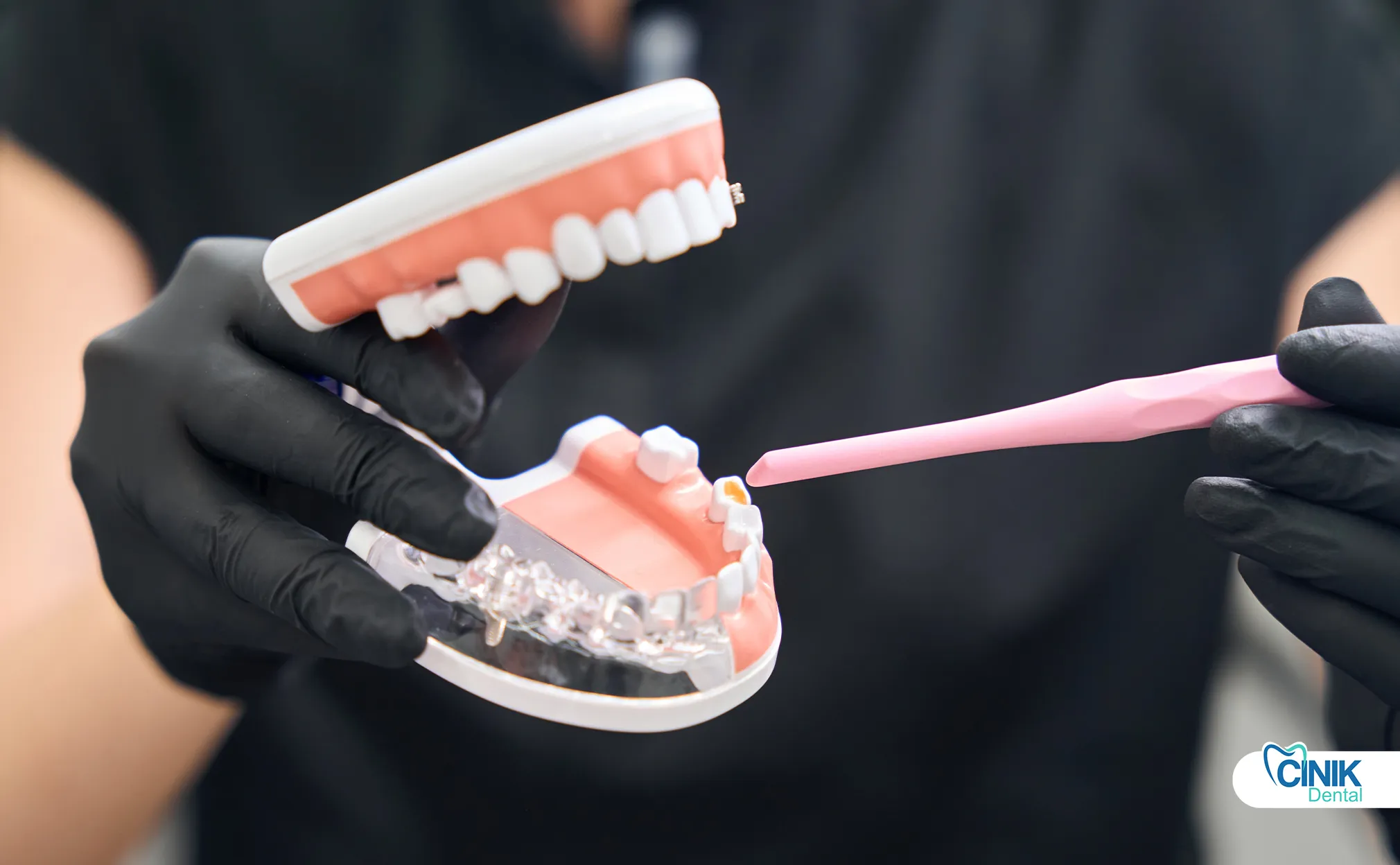
Dental scaffolds use natural materials like collagen and fibrin or synthetic polymers and hydrogels. These materials provide temporary structural support, guide cell organization, and deliver bioactive molecules. Recent innovations include injectable systems, 3D bioprinting, and smart materials that respond to biological signals.
Which Scaffold Materials Work Best for Dental Regeneration?
Scaffold selection critically influences regenerative outcomes. Materials must balance biocompatibility, mechanical properties, degradation kinetics, and clinical handling characteristics.
Natural biomaterials leverage biological recognition systems. Collagen, the primary organic component of dentin and bone, provides excellent cell attachment sites. Type I collagen scaffolds support odontoblast differentiation and dentin-like tissue formation. However, collagen lacks mechanical strength for load-bearing applications and degrades relatively quickly (Piskin et al., 2017).
Fibrin, derived from patient blood through platelet-rich plasma (PRP) or platelet-rich fibrin (PRF) preparations, offers autologous advantages. Fibrin scaffolds contain concentrated growth factors from platelet granules. They support cell migration and vascularization. Clinical protocols often combine fibrin with other materials to improve mechanical properties (Dohan et al., 2006).
Synthetic biomaterials provide design flexibility. Polylactic acid (PLA), polyglycolic acid (PGA), and their copolymer PLGA offer tunable degradation rates through molecular weight and composition adjustments. These materials maintain structural integrity longer than natural scaffolds but may elicit inflammatory responses and lack biological recognition signals (Chen et al., 2012).
Hydrogels represent a rapidly expanding category. These water-swollen polymer networks mimic natural tissue hydration and permit nutrient diffusion. Injectable hydrogels enable minimally scaffold placement through narrow canals or periodontal defects. Photocrosslinkable hydrogels allow in-situ solidification with precise spatial control (Bhatia and Chen, 2022).
How Do Scaffolds Actually Function in Dental Regeneration?
Scaffolds fulfill multiple interconnected functions that extend beyond simple physical support.
Structural support maintains tissue architecture during the critical early phases of regeneration. In pulp regeneration, scaffolds prevent canal collapse and preserve space for tissue ingrowth. In periodontal defects, scaffolds stabilize blood clots and exclude epithelial migration that would otherwise impair regeneration. The scaffold essentially acts as a temporary extracellular matrix (Tabata, 2009).
Cell attachment and proliferation depend on scaffold surface properties. Materials must present appropriate ligands for integrin-mediated cell adhesion. Surface topography influences cell morphology and differentiation. Nanoscale features particularly affect stem cell behavior, with specific roughness ranges promoting odontogenic outcomes (Dalby et al., 2007).
Bioactive molecule delivery transforms scaffolds from passive supports into active therapeutic systems. Growth factors encapsulated within scaffolds release in controlled patterns, maintaining effective concentrations over extended periods. This sustained delivery overcomes the short half-lives of free growth factors in biological environments. Some scaffolds incorporate mineral components like bioactive glass that release ions stimulating hard tissue formation (Hench, 2006).
What Are the Latest Innovations in Scaffold Technology?
Injectable hydrogels revolutionize clinical application. These materials flow as liquids through narrow-gauge needles or root canals, then solidify in situ through temperature change, pH change, or photocrosslinking. This capability enables minimally invasive procedures without surgical exposure. Thermoresponsive hydrogels based on chitosan or pluronic polymers gel at body temperature, providing simple clinical handling (Bhatia and Chen, 2022).
3D bioprinting enables precise architectural control. Layer-by-layer fabrication creates scaffolds with customized geometries matching patient-specific defects. Multiple materials and cell types can be deposited in spatially organized patterns, recreating complex tissue interfaces such as the dentin-pulp junction. Bioprinting also facilitates high-throughput screening of scaffold compositions (Mandrycky et al., 2016).
Smart biomaterials respond dynamically to biological environments. pH-responsive scaffolds release antimicrobial agents in acidic conditions associated with infection. Enzyme-responsive materials degrade specifically in response to tissue remodeling enzymes. These intelligent systems create feedback loops where scaffold behavior adapts to regenerative progress (Zhang et al., 2019).
How Do Growth Factors and Molecular Signaling Guide Dental Regeneration?
Growth factors regulate every aspect of dental regeneration through specific signaling pathways. Bone morphogenetic proteins (BMPs) drive hard tissue formation, while TGF-β family members control matrix production. These signals activate intracellular cascades that ultimately change gene expression and cell behavior.
What Specific Growth Factors Drive Dental Tissue Formation?
Growth factors are soluble proteins that transmit signals between cells. In dental regeneration, several families play dominant roles.
Bone morphogenetic proteins (BMPs) belong to the TGF-β superfamily. BMP-2 and BMP-7 (osteogenic protein-1) have received particular attention for bone and dentin regeneration. These factors bind to serine/threonine kinase receptors, activating Smad transcription factors that drive expression of osteogenic and odontogenic genes. BMP-2 stimulates DPSC differentiation into odontoblasts and enhances mineralized matrix deposition. Clinical applications include periodontal regeneration and implant site development (Nakashima and Reddi, 2003).
Transforming growth factor-beta (TGF-β) regulates extracellular matrix production across dental tissues. TGF-β1 promotes collagen synthesis and regulates matrix metalloproteinase activity. In pulp regeneration, TGF-β signaling maintains odontoblast viability and stimulates reactionary dentin formation. However, TGF-β also participates in fibrotic responses, requiring careful dose control (Tziafas et al., 2000).
Fibroblast growth factors (FGFs) primarily control cell proliferation and angiogenesis. FGF-2 (basic fibroblast growth factor) expands stem cell populations before differentiation induction. It also stimulates endothelial cell migration, promoting vascularization critical for tissue survival. FGF signaling through tyrosine kinase receptors activates MAPK and PI3K pathways controlling cell survival and metabolism (Suzuki et al., 2008).
Vascular endothelial growth factor (VEGF) specifically drives blood vessel formation. Regenerated dental tissues require adequate vascularization for nutrient delivery and metabolic waste removal. VEGF expression correlates with successful pulp regeneration outcomes. Strategies that combine osteogenic and angiogenic factors produce superior tissue integration compared to single-factor approaches (Ferrara, 2004).
Which Signaling Pathways Control Dentin-Pulp Complex Formation?
The dentin-pulp complex represents the functional unit of dental regeneration. Its formation requires coordinated signaling across multiple pathways.
Wnt signaling regulates cell fate decisions and tissue patterning. Canonical Wnt/β-catenin signaling promotes osteogenic differentiation at the expense of adipogenic or chondrogenic lineages. Non-canonical Wnt pathways control cell polarity and migration during tissue organization. Wnt signaling interacts extensively with BMP pathways, creating integrated networks that govern hard tissue formation (Chen et al., 2012).
Notch signaling maintains stem cell populations and regulates differentiation timing. Notch receptors on stem cells interact with ligands on neighboring cells, creating lateral inhibition that prevents premature differentiation. Modulating Notch activity can expand stem cell pools or trigger synchronized differentiation for enhanced tissue formation. This pathway is particularly relevant for maintaining the stem cell niche during extended regeneration periods (Mitsiadis et al., 2011).
Hedgehog signaling participates in tooth development and regeneration. Sonic hedgehog (Shh) patterns the dental epithelium and mesenchyme during embryonic development. In regeneration contexts, Hedgehog pathway activation can stimulate odontogenic differentiation and promote tissue vascularization. However, excessive Hedgehog signaling associates with pathological conditions including ameloblastoma formation, requiring precise regulation (Cobourne and Sharpe, 2010).
The integration of these pathways creates robust regulatory networks. Cross-talk between signaling systems ensures that cellular responses remain appropriate to local conditions. Scaffold materials can be designed to present multiple growth factors in coordinated spatial patterns, recreating the signaling environments of natural development.
How Does Regenerative Endodontics Save Immature Teeth?
Regenerative endodontics treats necrotic immature teeth by disinfecting the canal, establishing a scaffold, and recruiting stem cells to regenerate pulp-like tissue. This process enables continued root development, producing stronger teeth than conventional root canal therapy.
What Are the Core Objectives of Regenerative Endodontic Procedures?
Traditional endodontics removes infected pulp and seals the canal system, leaving teeth non-vital. Regenerative endodontics pursues fundamentally different goals: regeneration of functional pulp tissue, restoration of physiological responses, and completion of root development.
The pulp-dentin complex provides more than simple tissue volume. Vital pulp senses thermal, mechanical, and chemical stimuli, triggering defensive responses including dentin deposition. Regenerated tissue should restore this sensory function, though current outcomes typically achieve less sophisticated innervation than original pulp.
Root development represents a critical objective for immature teeth. Conventional treatment of necrotic immature teeth leaves roots short and thin-walled, prone to fracture. Regenerative procedures enable continued dentin deposition, increasing root length and wall thickness. This biological strengthening surpasses any mechanical reinforcement possible with conventional techniques (Banchs and Trope, 2004).
Apical closure completes root formation. The open apex of immature teeth complicates conventional obturation. Regenerated tissues can produce natural apical constriction, simplifying subsequent restorative procedures and improving long-term prognosis.
What Clinical Protocols Enable Pulp Regeneration?
Standardized protocols have emerged from clinical research, though variations exist between practitioners and institutions.
Disinfection presents the first challenge. The necrotic canal contains bacterial biofilms that must be eliminated without damaging stem cells in periapical tissues. Traditional endodontic irrigants like sodium hypochlorite are cytotoxic at concentrations effective against bacteria. Modified protocols use lower concentrations (1.5% sodium hypochlorite), shorter contact times, or alternative agents like calcium hydroxide or triple antibiotic paste (metronidazole, ciprofloxacin, minocycline) (Hoshino et al., 1996).
Scaffold placement follows disinfection. Blood serves as the simplest scaffold, the "revascularization" approach induces bleeding into the canal to form a blood clot. This autologous scaffold contains platelet-derived growth factors and fibrin matrix. More sophisticated approaches place collagen sponges, PRP preparations, or synthetic scaffolds to provide superior architectural guidance (Lovelace et al., 2011).
Stem cell recruitment relies on endogenous cell populations. SCAPs residing in the apical papilla migrate into the canal space when bleeding is induced. These cells proliferate within the scaffold and differentiate under the influence of growth factors from dentin matrix and residual periodontal tissues. The canal environment, particularly dentin-derived morphogenetic signals, guides their odontogenic differentiation (Sonoyama et al., 2008).
Coronal seal completes the procedure. Mineral trioxide aggregate (MTA) or similar bioactive cements seal the canal orifice, preventing bacterial recontamination while providing calcium ions that stimulate hard tissue formation. Final restoration with adhesive materials prevents coronal leakage.
What Clinical Outcomes Does Regenerative Endodontics Achieve?
Published case series and systematic reviews demonstrate consistent positive outcomes with important limitations.
Outcome Measure | Success Rate | Comparison to Conventional Treatment |
Resolution of periapical radiolucency | 85-95% | Similar |
Increase in root length | 70-85% | Superior (conventional: 0%) |
Increase in root wall thickness | 65-80% | Superior (conventional: 0%) |
Positive vitality testing | 20-40% | Inferior (conventional: 0%) |
Apical closure | 75-90% | Superior |
The most significant achievement is root maturation. Continued dentin deposition produces roots with improved length and thickness, substantially reducing fracture risk compared to conventional outcomes. This biological strengthening represents the primary clinical advantage driving adoption.
Pulp vitality remains problematic. While some cases respond to electric pulp testing or cold testing, true physiological pulp function with thermal sensitivity is rare. The regenerated tissue typically comprises cementum, bone, and fibrous tissue rather than organized pulp with dentin innervation. This limitation motivates ongoing research to improve tissue quality.
Long-term survival data are accumulating. Five-year studies indicate survival rates comparable to conventional endodontics when appropriate case selection and technique are employed. However, failures do occur, typically presenting as persistent periapical pathology or cervical root fracture in inadequately strengthened teeth (Torabinejad et al., 2015).
What Are the Broader Clinical Applications of Regenerative Dentistry?
Beyond endodontics, regenerative dentistry addresses periodontal defects, alveolar bone loss, and potentially whole tooth replacement. Each application adapts the core tissue engineering principles to specific anatomical and functional requirements.
How Can We Regenerate Necrotic Pulp in Mature Teeth?
Mature teeth with closed apices present greater challenges than immature cases. The narrow canal limits scaffold placement and stem cell recruitment. Reduced apical vascularity constrains tissue ingrowth. Nevertheless, research demonstrates feasibility.
Revascularization techniques for mature teeth require modified approaches. Apical surgery may create access for stem cell introduction. Scaffold materials must navigate tortuous canal anatomy. Growth factor supplementation becomes more critical given reduced endogenous signaling.
Cell-based therapies offer alternatives when endogenous recruitment is insufficient. Autologous DPSCs expanded in culture can be delivered into canal systems. This approach, while more complex and expensive, enables regeneration in cases where blood clot techniques fail. Regulatory frameworks for cell-based products remain evolving (Nakashima and Iohara, 2014).
How Does Periodontal Regeneration Rebuild Tooth Support?
Periodontitis destroys the specialized tissues anchoring teeth, gingiva, periodontal ligament, cementum, and alveolar bone. Regenerative approaches aim to restore this complex architecture rather than simply arresting disease progression.
Guided tissue regeneration (GTR) uses barrier membranes to exclude epithelial migration and create space for periodontal ligament cells to repopulate defects. This well-established technique represents early periodontal regeneration principles. Modern approaches enhance GTR with growth factor delivery and stem cell applications.
Growth factor-enhanced regeneration significantly improves outcomes. Recombinant human platelet-derived growth factor-BB (rhPDGF-BB) combined with beta-tricalcium phosphate demonstrates histological regeneration of periodontal attachment in clinical trials. BMP-2 and BMP-7 applications show promise for intrabony defects (Kaigler et al., 2011).
Cell-based periodontal regeneration employs PDLSCs delivered with appropriate scaffolds. These cells regenerate cementum, periodontal ligament fibers, and alveolar bone in preclinical models. The challenge lies in achieving functional orientation of Sharpey's fibers inserting into both cementum and bone, a level of architectural organization difficult to engineer (Seo et al., 2004).
How Does Bone Regeneration Support Dental Implantology?
Alveolar bone loss compromises dental implant placement and long-term success. Regenerative techniques rebuild adequate bone volume and quality.
Ridge preservation applies regenerative principles immediately following tooth extraction. Scaffold materials placed in sockets prevent collapse and promote bone fill, maintaining ridge dimensions for subsequent implant placement. This approach is simpler than later ridge augmentation and produces more predictable outcomes (Iasella et al., 2003).
Sinus floor augmentation regenerates bone in the posterior maxilla. Traditional approaches use particulate bone grafts. Regenerative enhancements include BMP-2 delivery, which produces equivalent bone formation without harvesting autologous bone. Stem cell applications are under investigation for complex cases with severe atrophy (Boyne et al., 2005).
Vertical ridge augmentation remains challenging. Regenerating substantial bone height requires vascularized tissue engineering approaches. Titanium mesh or resorbable membranes maintain space for bone formation. BMP delivery and stem cell applications show promise but require further clinical validation.
Is Whole Tooth Regeneration Actually Possible?
The ultimate goal, regenerating complete functional teeth, has progressed from science fiction to active research programs.
Tooth germ regeneration recreates embryonic tooth development. Researchers isolate dental epithelial and mesenchymal cells, combine them in vitro to form tooth germs, and transplant these structures into jawbone. In animal models, these bioengineered germs develop into teeth with appropriate crown morphology, root formation, and periodontal attachment. However, size control, eruption timing, and functional occlusion remain problematic (Ikeda et al., 2009).
Organoid approaches use stem cells to self-organize into tooth-like structures without precise tissue recombination. DPSCs and epithelial cells form organoids that express tooth-specific genes and produce mineralized matrices. This approach simplifies manufacturing but produces less organized structures than tooth germ methods (Oshima et al., 2011).
Clinical translation faces substantial barriers. Regulatory requirements for tissue-engineered organs are complex. Manufacturing consistency must be ensured. Functional integration with existing dentition requires precise control. Most experts predict clinical availability in 10-20 years rather than immediate application.
What Emerging Technologies Will Transform Regenerative Dentistry?
Gene therapy, advanced bioprinting, and nanotechnology represent frontier technologies poised to enhance regenerative outcomes. These approaches enable precise genetic control, complex tissue fabrication, and targeted therapeutic delivery.
How Does Gene Therapy Enhance Regeneration?
Gene therapy introduces genetic material to modify cell behavior for therapeutic purposes. In dental regeneration, this capability enables sustained, localized growth factor production.
Gene-activated matrices incorporate plasmid DNA encoding therapeutic proteins within scaffolds. Cells infiltrating the scaffold take up DNA and produce the encoded growth factor locally. This approach achieves sustained protein delivery without repeated applications or high initial doses. BMP-2 and VEGF plasmids have demonstrated enhanced bone and dentin formation in preclinical models (Saraf and Mikos, 2006).
CRISPR-based editing offers precise genetic modification. Stem cells can be edited to enhance their regenerative capacity, overexpressing osteogenic transcription factors, modifying cell surface receptors for enhanced homing, or knocking out genes that limit differentiation. Off-target effects and permanent genetic changes raise safety considerations requiring careful evaluation (Doudna and Charpentier, 2014).
RNA interference provides temporary gene silencing without permanent genetic modification. Short interfering RNAs (siRNAs) targeting negative regulators of differentiation can enhance regenerative outcomes. This approach offers greater regulatory acceptability than permanent genetic changes.
How Will 3D Bioprinting Create Personalized Dental Constructs?
3D bioprinting fabricates living tissues with precise spatial organization of cells and materials.
Multi-material printing recreates complex tissue interfaces. Dental pulp chambers require soft, vascularized tissue transitioning to mineralized dentin. Periodontal defects need organized ligament fibers connecting cementum to bone. Bioprinters deposit multiple cell types and scaffold materials in patterns mimicking natural architecture (Mandrycky et al., 2016).
Vascular channel printing addresses tissue survival limitations. Large tissue constructs require internal vascular networks for nutrient delivery. Bioprinting can create sacrificial channels that subsequently perfuse with endothelial cells, forming functional vasculature within engineered tissues. This capability is essential for regenerating substantial tissue volumes.
In-situ bioprinting deposits materials directly into patient defects. Rather than fabricating constructs ex vivo for surgical implantation, bioprinting heads could deposit cells and scaffolds precisely where needed. This approach would enable patient-specific regeneration of complex periodontal or alveolar defects without invasive grafting procedures.
How Does Nanotechnology Improve Dental Regeneration?
Nanoscale materials and devices offer unique properties for regenerative applications.
Nanoparticle delivery systems provide controlled growth factor release. Nanoparticles encapsulate proteins, protecting them from degradation and enabling sustained release through diffusion or material degradation. Surface modifications target specific cell types. Magnetic nanoparticles enable external guidance of cell delivery (Zhang et al., 2019).
Nanostructured scaffolds mimic natural extracellular matrix. Electrospun nanofibers create high surface area scaffolds with topographical features matching collagen fibril dimensions. These structures enhance cell attachment and guide cell orientation. Nanoscale surface roughness on implant materials improves osseointegration.
Antimicrobial nanomaterials address infection challenges. Silver nanoparticles, zinc oxide nanoparticles, and quaternary ammonium compounds provide sustained antimicrobial activity within scaffolds without systemic toxicity. These materials are particularly valuable in endodontic applications where bacterial control is critical.
What Challenges Currently Limit Regenerative Dentistry?
Clinical variability, biological limitations, and regulatory complexities constrain widespread adoption. Outcomes remain unpredictable, stem cell survival is challenging, and approval pathways for novel therapies are lengthy and expensive.
Why Do Clinical Outcomes Vary So Much?
Biological variability among patients affects regenerative responses. Age reduces stem cell number and potency. Systemic diseases including diabetes impair healing. Genetic variations influence growth factor signaling. These factors create outcome heterogeneity difficult to predict or control.
Technical variability in clinical execution compounds biological differences. Disinfection protocols vary in effectiveness. Scaffold placement is technique-sensitive. Coronal seal quality influences long-term success. Standardization efforts continue, but perfect uniformity remains elusive.
Diagnostic limitations complicate case selection. Current imaging cannot reliably assess stem cell availability or niche quality in specific teeth. Clinicians cannot predict which cases will respond optimally. Improved diagnostic biomarkers would enable better patient selection and treatment planning.
What Biological and Technical Barriers Remain?
Stem cell survival following delivery is often poor. Hypoxic conditions, inflammatory environments, and lack of immediate vascularization cause substantial cell death. Strategies to enhance survival including anti-apoptotic gene modification, preconditioning with growth factors, and scaffold modifications are under investigation but not yet clinically established.
Functional tissue organization exceeds simple cell survival. Regenerated pulp lacks the sophisticated innervation and vascular networks of natural pulp. Periodontal regeneration rarely achieves the precise fiber orientation of natural attachment. Whole tooth regeneration cannot yet produce occlusal surfaces compatible with functional occlusion.
Scaffold biocompatibility involves complex interactions. Materials must not elicit inflammation or foreign body responses that impair regeneration. Degradation products must be non-toxic. Mechanical properties must match developing tissue without stress shielding or mechanical failure. Optimizing all parameters simultaneously is challenging.
How Do Ethical and Regulatory Issues Affect Development?
Stem cell sourcing raises ethical considerations. Embryonic stem cells, while potent, involve ethical controversies limiting their use. Adult stem cells avoid these concerns but have reduced capacity. Induced pluripotent stem cells (iPSCs) offer an alternative but require complex genetic manipulation with associated safety questions.
Clinical approval pathways for regenerative products are evolving. Regulatory agencies struggle to categorize tissue-engineered products, are they drugs, devices, biologics, or combination products? Approval requirements are often unclear and vary between jurisdictions. The expense and duration of clinical trials limit commercial development.
Reimbursement frameworks lag behind technology. Insurance systems lack codes for regenerative procedures. Costs for cell-based therapies may exceed conventional alternatives. Without established reimbursement, patient access remains limited to research settings or affluent populations.
What Does the Future Hold for Regenerative Dentistry?
Future developments include personalized therapies based on genetic profiling, integration with digital dentistry workflows, and expansion into systemic regenerative medicine. The field will likely become standard of care for many conditions currently treated with conventional approaches.
How Will Personalized Medicine Transform Dental Regeneration?
Genetic profiling will guide treatment selection. Single nucleotide polymorphisms affecting BMP signaling, collagen cross-linking, or inflammatory responses influence regenerative outcomes. Genetic testing could identify patients likely to respond to specific protocols or require modified approaches.
Autologous cell banking may become routine. Parents could bank SHED cells from exfoliated primary teeth for future therapeutic use. Adults could have DPSCs harvested during routine procedures and expanded for later regeneration needs. This banking would ensure young, potent cell sources available when age-related dental problems emerge.
Biomaterial customization will match patient-specific requirements. 3D printing enables fabrication of scaffolds with mechanical properties tailored to individual defect geometries. Growth factor dosing could be adjusted based on patient metabolic profiles. This precision medicine approach should improve outcome consistency.
How Will Digital Dentistry Integration Enhance Regeneration?
Computer-aided design will plan regenerative procedures. Digital imaging will map defect anatomy. Finite element analysis will predict mechanical requirements. Scaffold designs will optimize cell delivery and vascularization. This computational approach will replace empirical decision-making.
Robotic delivery systems may perform precise scaffold placement. Robotic arms could navigate complex root canal anatomy with superhuman precision. Automated bioprinting could deposit cells and materials in patterns impossible to achieve manually. These technologies will reduce technical variability affecting outcomes.
Real-time monitoring will track regeneration progress. Advanced imaging including optical coherence tomography and magnetic resonance imaging will visualize tissue formation non-invasively. Biomarker detection in saliva or gingival crevicular fluid will assess healing biochemically. Early intervention will address problems before clinical failure.
Will Dental Regeneration Influence Broader Medical Fields?
Craniofacial reconstruction applications extend beyond teeth. The principles and technologies developed for dental regeneration apply to jaw reconstruction, cleft palate repair, and facial trauma. Dental stem cells have demonstrated capacity for bone, cartilage, and neural regeneration, suggesting broader utility.
Systemic disease treatment represents a speculative but exciting frontier. Dental stem cells exhibit immunomodulatory properties that might treat autoimmune conditions. Their neural differentiation capacity suggests potential for neurodegenerative disease therapy. Their accessibility compared to other stem cell sources makes them attractive for banking and therapeutic development.
Organ-on-chip systems using dental tissues will advance drug testing. Miniaturized devices incorporating dental pulp or periodontal tissues will enable high-throughput screening of drugs affecting oral health or systemic conditions with oral manifestations. This application reduces animal testing while improving human relevance.
How Does Regenerative Dentistry Compare to Conventional Treatment Approaches?
Regenerative approaches offer biological restoration superior to mechanical replacement but require greater expertise, time, and cost. Conventional treatments remain appropriate for many cases, but regenerative options are becoming preferred when biological outcomes are critical.
Aspect | Conventional Dentistry | Regenerative Dentistry |
Treatment philosophy | Remove and replace | Restore biologically |
Long-term tooth survival | Good (endodontics), excellent (implants) | Developing data, potentially superior |
Biological function | Non-vital (endodontics), absent (implants) | Potentially vital and responsive |
Invasiveness | Established protocols | Often less invasive |
Cost | Predictable, often lower | Higher currently, decreasing |
Technique sensitivity | Moderate | High |
Outcome predictability | High | Moderate, improving |
Need for retreatment | Established rates | Unknown long-term |
The translational gap between research and clinical practice remains substantial. Laboratory demonstrations of tooth regeneration exceed current clinical capabilities by decades. However, the gap is narrowing. Regenerative endodontics transitioned from research concept to standard procedure within 15 years. Other applications will follow similar trajectories as biological understanding and technical capabilities advance.
Interdisciplinary collaboration drives progress. Regenerative dentistry requires expertise beyond traditional dental education, cell biology, materials science, bioengineering, and genetics. Successful programs integrate these disciplines, creating research and clinical teams with diverse expertise. This collaborative model represents a shift from the isolated practitioner model of traditional dentistry.
Conclusion: Is Regenerative Dentistry the Future of Dental Care?
Regenerative dentistry stands at a transformative inflection point. What began as experimental stem cell research has evolved into clinical protocols with documented efficacy. Regenerative endodontics now offers superior outcomes for immature teeth. Periodontal and bone regeneration applications are expanding. Whole tooth regeneration, while not yet clinical reality, has been demonstrated in principle.
The field promises to redefine dental care by restoring biological function rather than merely replacing lost structure. This paradigm shift addresses the fundamental limitation of conventional dentistry: artificial materials, however sophisticated, cannot replicate the complex biological architecture and physiological responsiveness of natural tissues.
Realizing this promise requires continued investment in clinical trials to establish long-term efficacy and safety. Technological refinement must improve outcome consistency and reduce technical sensitivity. Regulatory frameworks need evolution to accommodate novel therapeutic categories. Professional education must prepare clinicians for biologically-based practice models.
The transition will be gradual. Conventional treatments will remain appropriate for many patients and conditions. However, regenerative approaches will increasingly become the standard of care when biological restoration is possible. Patients will benefit from teeth that remain vital, responsive, and durable throughout their lives.
The scientific foundations established over the past two decades provide confidence that regenerative dentistry will fulfill its transformative potential. The question is not whether biological restoration will replace mechanical replacement, but how quickly this transition can be achieved for the benefit of patients worldwide.
References
American Association of Endodontists. "Regenerative Endodontics: AAE Position Statement." Journal of Endodontics, vol. 39, no. 4, 2013, pp. 1-4.
Banchs, Fernando, and M. Trope. "Revascularization of Immature Permanent Teeth with Apical Periodontitis: New Treatment Protocol?" Journal of Endodontics, vol. 30, no. 4, 2004, pp. 196-200.
Bhatia, S. N., and C. S. Chen. "Tissue Engineering: 3D Bioprinting of Vascularized Tissues." Nature Reviews Materials, vol. 7, 2022, pp. 755-773.
Boyne, P. J., et al. "A Randomized, Controlled Clinical Trial of Recombinant Human Bone Morphogenetic Protein-2 in Maxillary Sinus Grafting." International Journal of Periodontics and Restorative Dentistry, vol. 25, no. 3, 2005, pp. 249-259.
Chen, F. M., et al. "Harnessing the Properties of Stem Cells and Biomaterials for Dental Regeneration." Regenerative Medicine, vol. 7, no. 4, 2012, pp. 533-553.
Cobourne, M. T., and P. T. Sharpe. "Making and Breaking the Rules: Clinical Implications of the Hedgehog Signaling Pathway in Craniofacial Development and Repair." Journal of the California Dental Association, vol. 38, no. 6, 2010, pp. 403-411.
Crane, G. M., and X. Cao. "Stem Cells in Wound Repair and Regeneration." Stem Cells Translational Medicine, vol. 3, no. 7, 2014, pp. 782-786.
Dalby, M. J., et al. "The Control of Human Mesenchymal Cell Differentiation Using Nanoscale Symmetry and Disorder." Nature Materials, vol. 6, 2007, pp. 997-1003.
Discher, D. E., et al. "Matrix Elasticity Directs Stem Cell Lineage Specification." Cell, vol. 126, no. 4, 2006, pp. 677-689.
Dohan, D. M., et al. "Platelet-Rich Fibrin (PRF): A Second-Generation Platelet Concentrate." Oral Surgery, Oral Medicine, Oral Pathology, Oral Radiology, and Endodontology, vol. 101, no. 3, 2006, pp. 299-313.
Doudna, J. A., and E. Charpentier. "The New Frontier of Genome Engineering with CRISPR-Cas9." Science, vol. 346, no. 6213, 2014, pp. 1258096.
Ferrara, N. "Vascular Endothelial Growth Factor: Basic Science and Clinical Progress." Endocrine Reviews, vol. 25, no. 4, 2004, pp. 581-611.
Gronthos, S., et al. "Postnatal Human Dental Pulp Stem Cells (DPSCs) In Vitro and In Vivo." Proceedings of the National Academy of Sciences, vol. 97, no. 25, 2000, pp. 13625-13630.
Gronthos, S., et al. "Stem Cell Properties of Human Dental Pulp Stem Cells." Journal of Dental Research, vol. 81, no. 8, 2002, pp. 531-535.
Hench, L. L. "The Story of Bioglass." Journal of Materials Science: Materials in Medicine, vol. 17, 2006, pp. 967-978.
Hoshino, E., et al. "In-vitro Antimicrobial Susceptibility to Combination of Drugs on Bacteria from Carious and Endodontic Lesions of Human Deciduous Teeth." Oral Microbiology and Immunology, vol. 11, no. 2, 1996, pp. 116-120.
Iasella, J. M., et al. "Ridge Preservation with Freeze-Dried Bone Allograft and a Collagen Membrane Compared to Extraction Alone for Implant Site Development." Journal of Periodontology, vol. 74, no. 7, 2003, pp. 990-999.
Iida, K., et al. "Hypoxia Enhances Colony Formation of Dental Pulp Stem Cells." Journal of Endodontics, vol. 36, no. 3, 2010, pp. 433-437.
Ikeda, E., et al. "Fully Functional Bioengineered Tooth Replacement as an Organ Replacement Therapy." Proceedings of the National Academy of Sciences, vol. 106, no. 32, 2009, pp. 13475-13480.
Kaigler, D., et al. "Stem Cell Therapy for Craniofacial Bone Regeneration: A Randomized, Controlled, Phase I/II Clinical Trial." Cell Transplantation, vol. 20, no. 2, 2011, pp. 233-242.
Langer, R., and J. P. Vacanti. "Tissue Engineering." Science, vol. 260, no. 5110, 1993, pp. 920-926.
Lovelace, T. W., et al. "Evaluation of Repair Outcomes of Revascularization/Revitalization of Immature, Nonvital Teeth: A Systematic Review." Journal of Endodontics, vol. 37, no. 3, 2011, pp. 363-369.
Mandrycky, C., et al. "3D Bioprinting for Engineering Complex Tissues." Biotechnology Advances, vol. 34, no. 4, 2016, pp. 422-434.
Miura, M., et al. "SHED: Stem Cells from Human Exfoliated Deciduous Teeth." Proceedings of the National Academy of Sciences, vol. 100, no. 10, 2003, pp. 5807-5812.
Mitsiadis, T. A., et al. "Notch Signaling Regulates Stem Cell Numbers and Activity in the Adult Murine Incisor." Stem Cells, vol. 29, no. 4, 2011, pp. 666-676.
Nakashima, M., and A. Akamine. "The Application of Tissue Engineering to Regeneration of Pulp and Dentin in Endodontics." Journal of Endodontics, vol. 31, no. 10, 2005, pp. 711-718.
Nakashima, M., and K. Iohara. "Mobilization of Dental Stem Cells for Dental Pulp Regeneration." Japanese Dental Science Review, vol. 50, no. 3, 2014, pp. 69-78.
Nakashima, M., and A. H. Reddi. "The Application of Bone Morphogenetic Proteins to Dental Tissue Engineering." Nature Biotechnology, vol. 21, 2003, pp. 1025-1032.
Oshima, M., et al. "Functional Tooth Regeneration Using a Bioengineered Tooth Unit as a Mature Organ Replacement Regenerative Therapy." PLoS ONE, vol. 6, no. 7, 2011, e21531.
Piskin, E., et al. "Collagen-Based Biomaterials and Tissue Engineering Applications." Journal of Biomaterials Applications, vol. 31, no. 6, 2017, pp. 792-814.
Saraf, A., and A. G. Mikos. "Gene Delivery Materials and Their Application in Dental and Craniofacial Tissue Engineering." Advanced Drug Delivery Reviews, vol. 58, no. 4, 2006, pp. 475-482.
Seo, B. M., et al. "Investigation of Multipotent Postnatal Stem Cells from Human Periodontal Ligament." The Lancet, vol. 364, no. 9429, 2004, pp. 149-155.
Sonoyama, W., et al. "Characterization of Apical Papilla Stem Cells and Their Potential for Root Formation." Journal of Dental Research, vol. 85, no. 10, 2006, pp. 876-881.
Sonoyama, W., et al. "Mesenchymal Stem Cell-Mediated Functional Tooth Regeneration in Swine." PLoS ONE, vol. 3, no. 4, 2008, e2042.
Suzuki, T., et al. "FGF-2 Promotes Periodontal Regeneration in Beagle Dogs." Journal of Dental Research, vol. 87, no. 8, 2008, pp. 758-763.
Tabata, Y. "The Importance of Drug Delivery Systems in Tissue Engineering." Biomaterials Science and Engineering, vol. 25, 2009, pp. 1-14.
Torabinejad, M., et al. "Outcomes of Nonsurgical Retreatment and Endodontic Surgery: A Systematic Review." Journal of Endodontics, vol. 35, no. 7, 2015, pp. 930-937.
Tziafas, C., et al. "Dentinogenic Activity of Transforming Growth Factor-Beta (TGF-β) in Pulp Cultures." Journal of Dental Research, vol. 79, no. 5, 2000, pp. 1166-1173.
Zhang, Y. S., et al. "Bioprinting 3D Microfibrous Scaffolds for Engineering Endothelialized Myocardium and Heart-on-a-Chip." Nature Materials, vol. 15, 2019, pp. 669-678.