What Is Same-Day Dentistry?
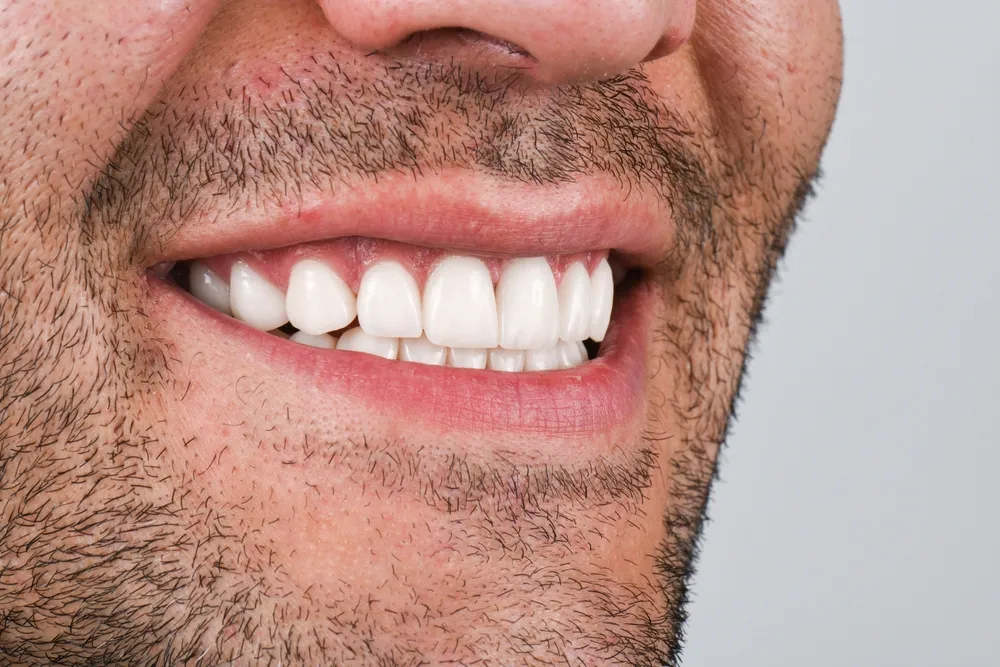
Same-day dentistry completes dental treatments in one visit using advanced technologies like CAD/CAM systems and digital imaging. This approach eliminates the need for multiple appointments and temporary restorations.
Same-day dentistry means the dentist finishes the entire treatment during a single appointment. Patients receive their final crowns, fillings, or implants without returning for follow-up visits. The dentist uses digital scanners, computer design software, and in-office milling machines to create restorations chairside. This model differs sharply from traditional dentistry, where the dentist takes physical impressions and sends them to an external dental laboratory. Patients then wait days or weeks for the lab to fabricate the restoration. Same-day dentistry streamlines this process into one efficient session.
The demand for single-visit dentistry grows every year. Modern patients face tight work schedules and limited free time. They want dental care that respects their calendars. Digital workflows now make this possible. The dentist captures a 3D image of the tooth, designs the restoration on a computer screen, and mills the crown from a ceramic block within minutes. The patient leaves the clinic with a permanent, fully functional tooth.
How Did Same-Day Dentistry Evolve From Traditional Methods?
Digital systems allow scanning, designing, and placing restorations in a single appointment. This shift started in the 1980s and accelerated rapidly after 2010.
What Limitations Did Traditional Dental Workflows Create?
Traditional workflows forced patients to endure multiple visits, messy impressions, and temporary restorations that often failed. These delays disrupted schedules and increased risks of contamination.
Traditional workflows created significant delays and discomfort for patients. The dentist placed messy impression material into the patient's mouth. This material often triggered gag reflexes and tasted unpleasant. The clinic then shipped the impression to an external laboratory. Technicians needed several days to fabricate the crown or bridge. During this waiting period, the patient wore a temporary restoration. These temporaries frequently fell off, broke, or caused sensitivity.
Lab delays disrupted patient schedules. A crown procedure typically required two or three visits spaced across two to three weeks. Each visit demanded time off work, transportation arrangements, and waiting room delays. The process also introduced more opportunities for contamination. Temporary cement washed out. Bacteria infiltrated the prepared tooth. These problems increased the risk of secondary decay and post-operative complications.
What Technologies Enabled the Shift to Chairside Care?
CAD/CAM systems, intraoral scanners, and advanced ceramic materials enabled the shift to chairside care. These tools replaced physical impressions and external laboratory dependency.
Several core technologies enabled same-day dentistry. CAD/CAM systems revolutionized the field. CAD/CAM stands for Computer-Aided Design and Computer-Aided Manufacturing. The dentist scans the tooth digitally instead of using physical impressions. The software creates a precise 3D model. The dentist designs the restoration on the screen. An in-office milling machine carves the crown from a solid ceramic block.
Intraoral scanners replaced traditional impression trays. These handheld devices capture thousands of images per second. They create accurate digital models without discomfort. Advanced ceramic materials improved outcomes. Zirconia and lithium disilicate offer strength and aesthetics. These materials withstand chewing forces and mimic natural tooth color. In-office milling units grind these blocks into precise restorations. The dentist polishes, glazes, and bonds the crown during the same appointment.
Mühlemann et al. (2020) demonstrated that digital workflows significantly improve procedural efficiency and reduce fabrication time (qtd. in "Revolutionizing dental restorations"). Sailer et al. (2023) confirmed that CAD/CAM lithium disilicate crowns achieve higher fracture resistance and better marginal adaptation than conventionally fabricated ones (qtd. in "Revolutionizing dental restorations").
Which Dental Procedures Can Doctors Complete in a Single Visit?
Same-day dentistry includes crowns, implants, root canals, fillings, and emergency care delivered in one session. The scope of single-visit care continues to expand as technology improves.
What Restorative Treatments Work in One Appointment?
Dentists can complete crowns, inlays, onlays, and composite fillings in one appointment. These procedures use chairside milling or direct bonding techniques.
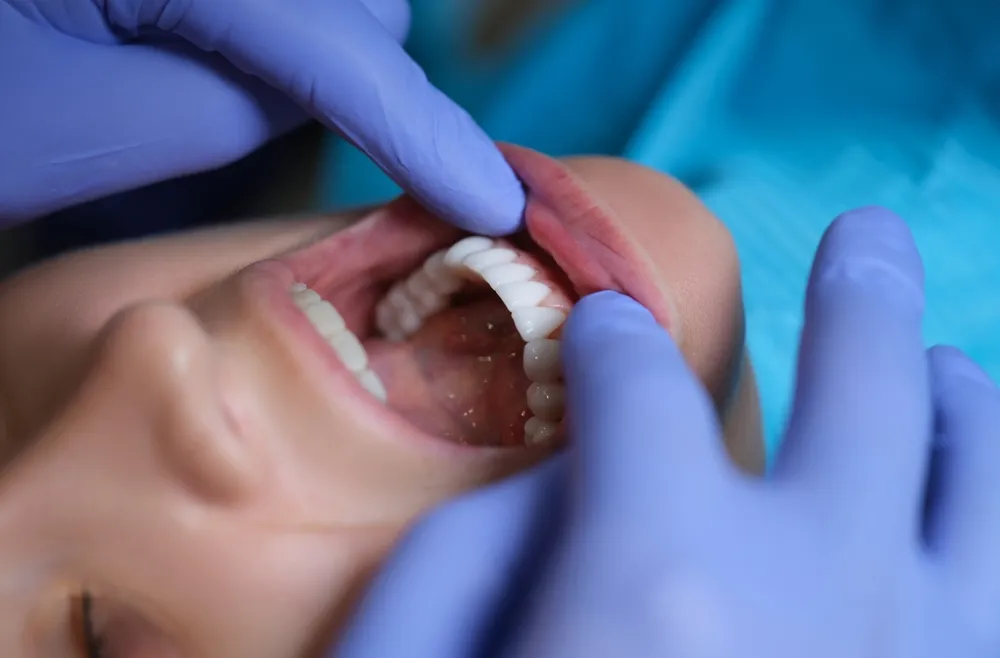
Dentists now complete many restorative treatments in one visit. Same-day crowns represent the most common application. The dentist prepares the tooth, scans the area, designs the crown, and mills it chairside. The patient receives the permanent crown within two hours. Inlays and onlays follow the same workflow. These partial restorations repair damaged chewing surfaces while preserving healthy tooth structure.
Dental bonding and composite fillings also fit the same-day model. The dentist removes decay, applies bonding agent, and sculpts the composite resin directly onto the tooth. A curing light hardens the material instantly. The patient leaves with a fully restored tooth. These procedures require no laboratory work and no return visits.
Tunac et al. (2021) observed that CAD/CAM composite inlays demonstrate superior surface luster and excellent marginal integrity over two years (qtd. in "Revolutionizing dental restorations"). Soares-Rusu et al. (2022) found better marginal adaptation and esthetic outcomes in CAD/CAM lithium disilicate veneers than in heat-pressed versions (qtd. in "Revolutionizing dental restorations").
Can Prosthetic and Implant Procedures Finish the Same Day?
Yes, many prosthetic and implant procedures now finish in one day. Same-day dental implants allow the dentist to extract a damaged tooth, place an implant, and attach a temporary crown immediately. Doctors call this approach immediate load implantology. The patient leaves with a functional tooth on the same day.
Teeth-in-a-day full-arch restorations represent another breakthrough. The dentist places four to six implants in the upper or lower jaw. The team then attaches a fixed provisional bridge. Patients with failing dentition receive a complete new smile in a single session. This approach transforms the experience for edentulous patients who previously endured months of healing and multiple surgeries.
Liu et al. (2024) conducted a systematic review and meta-analysis comparing immediate and non-immediate loading protocols. Their analysis found similar implant survival rates between immediately loaded and non-immediately loaded implants. The researchers concluded that immediate loading achieves comparable survival rates and marginal bone levels (Liu et al. 657). Cannizzaro et al. (2008) reported that patients in the immediately loaded group showed significantly higher satisfaction compared to those in early loaded groups (qtd. in "Clinical efficacy of dental implants").
What Cosmetic Procedures Fit Into Single-Visit Dentistry?
Veneers and professional teeth whitening fit well into single-visit dentistry. CAD/CAM technology now enables same-day veneer placement.
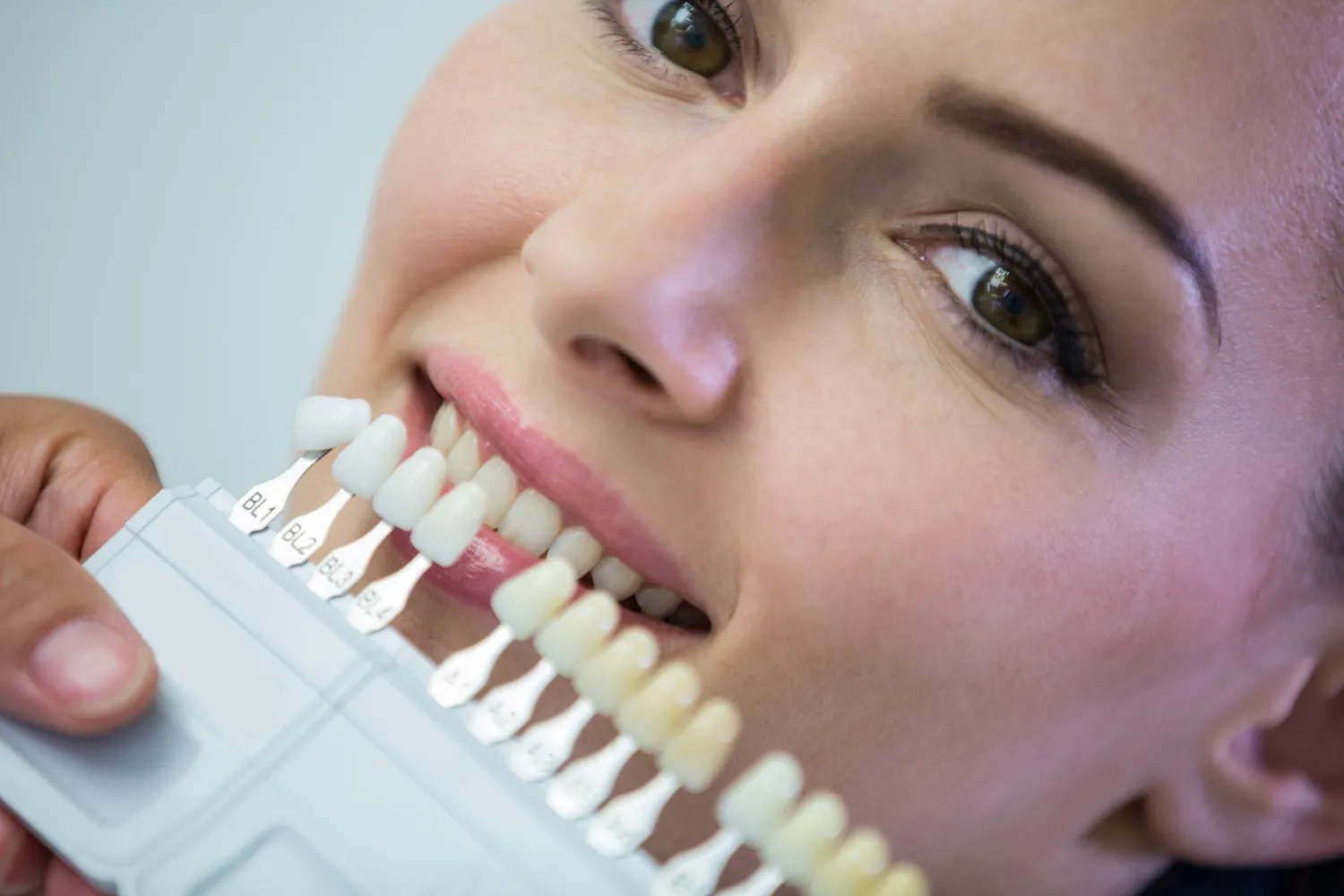
Cosmetic dentistry adapts well to same-day workflows. Veneers traditionally required two visits and temporary acrylic shells. Now, some clinics offer same-day veneers using CAD/CAM technology. The dentist prepares the tooth, scans the surface, and mills a thin ceramic veneer chairside. The team bonds the veneer before the patient leaves.
Professional teeth whitening also fits the single-visit model. In-office bleaching systems use high-concentration peroxide gels activated by LED or laser light. The dentist applies the gel, activates it, and repeats the cycle two or three times. Patients achieve noticeable whitening in approximately ninety minutes. This immediate result satisfies patients who want rapid aesthetic improvements for upcoming events.
How Does Same-Day Care Handle Emergency and Endodontic Cases?
Same-day care handles emergencies and endodontic cases effectively. Modern techniques now allow single-visit root canals and immediate trauma repairs.
Root canal treatment traditionally spanned two or three appointments. Modern techniques now allow single-visit root canals in many cases. The dentist completes cleaning, shaping, and filling of the canal system in one session.
Mergoni et al. (2022) updated the Cochrane systematic review on single versus multiple visit root canal treatment. Their analysis of 47 studies with 5805 participants found no difference in radiological healing between single-visit and multiple-visit treatments after one year. The researchers noted that single-visit treatments are equally effective for both vital and non-vital teeth (Mergoni et al.). Sathorn et al. (2005) previously confirmed that single-visit and multiple-visit approaches show comparable effectiveness in teeth with apical periodontitis (Sathorn et al. 347).
Emergency interventions also benefit from same-day access. Patients with fractured teeth, lost fillings, or acute infections receive immediate care. The dentist diagnoses the problem, takes digital images, and performs the repair during the emergency appointment. This rapid response prevents complications and relieves pain immediately.
What Does the Same-Day Dental Workflow Look Like?
Digital workflows eliminate lab delays and allow immediate restoration placement. The process divides into three clear phases: diagnosis, design, and delivery.
How Do Digital Scanners Change the Diagnostic Phase?
Digital scanners replace physical impressions and create precise 3D models within minutes. They also capture bite relationships and integrate with CBCT imaging.
Digital scanners transform the diagnostic phase completely. The dentist moves a small wand around the tooth. The scanner captures millions of data points. It creates a color 3D model on the computer screen within minutes. The dentist examines the virtual model from every angle. This accuracy exceeds traditional impressions in most clinical situations.
The scanner also captures the patient's bite relationship digitally. The software analyzes how the upper and lower teeth meet. This information guides the design of the restoration. The dentist identifies potential interferences before milling begins. Digital radiographs and CBCT scans complement the intraoral scan. CBCT stands for Cone Beam Computed Tomography. These tools reveal bone levels, root anatomy, and hidden pathology. The dentist builds a complete diagnostic picture without leaving the operatory.
How Do Clinicians Design and Mill Restorations Chairside?
Clinicians use CAD software to design restorations and milling machines to carve them from ceramic blocks. This process typically requires ten to twenty minutes.
Clinicians design restorations using specialized CAD software. The program suggests an ideal tooth shape based on the adjacent teeth and bite records. The dentist modifies this design to match the specific clinical situation. The software calculates thickness, contact points, and occlusal anatomy automatically.
Once the design is complete, the milling machine takes over. The machine holds a solid block of ceramic or composite resin. A diamond bur grinds the block according to the digital design. Milling typically requires ten to twenty minutes. The dentist then tries the restoration in the patient's mouth. Any minor adjustments happen chairside. The team polishes the surface, applies glaze, and prepares the crown for bonding.
What Happens During Placement and Finalization?
During placement, the dentist bonds the restoration using resin cement and checks the bite. The patient leaves with a fully functional tooth.
During placement, the dentist checks the fit and contacts one final time. The team isolates the tooth with a rubber dam or cotton rolls. The dentist etches the tooth surface and applies bonding agent. The restoration receives a coating of resin cement. The dentist seats the crown precisely. A curing light hardens the cement in seconds.
The dentist removes excess cement and checks the bite. The patient tests the restoration by biting on articulating paper. The dentist makes any final adjustments with a polishing bur. The patient leaves with a fully functional, aesthetic restoration. The entire process from scan to cementation typically requires ninety minutes to two hours.
What Advantages Does Same-Day Dentistry Offer Patients?
Same-day dentistry minimizes appointments and provides immediate results, improving patient experience and efficiency. The benefits extend across time, clinical outcomes, psychology, and economics.
How Does Single-Visit Treatment Save Time?
Single-visit treatment saves significant time by condensing weeks of care into one afternoon. Patients avoid multiple appointments and eliminate return trips.
Patients complete their dental work in one afternoon. They avoid scheduling multiple appointments. They skip the waiting period between visits. They eliminate travel time to and from the clinic for follow-up sessions.
This efficiency matters for working professionals, parents, and students. A single appointment reduces disruption to daily routines. Patients can schedule their dental care during lunch breaks or single free mornings. They return to work or home with the problem fully solved.
What Clinical Benefits Come From Immediate Restorations?
Immediate restorations eliminate temporary crowns and seal the tooth instantly. This reduces risks of debonding, fracture, and bacterial infiltration.
Immediate restorations offer direct clinical benefits. Patients avoid temporary crowns entirely. Temporary restorations frequently debond or fracture. They require emergency visits and additional anesthesia. Same-day dentistry eliminates this risk.
The final restoration seals the prepared tooth immediately. This seal protects against bacterial infiltration and thermal sensitivity. The patient eats and drinks normally right away. The dentist places the permanent crown while the preparation margins remain perfectly clean. This improves the long-term prognosis of the restoration.
Schlichting et al. (2022) reported that ultrathin CAD/CAM glass-ceramic occlusal veneers demonstrate superior mechanical strength and esthetic stability compared to composite resin (qtd. in "Revolutionizing dental restorations"). Elmoselhy et al. (2023) highlighted the fracture resistance and longevity of lithium disilicate compared to nanohybrid composite in indirect restorations (qtd. in "Revolutionizing dental restorations").
Can One-Visit Dentistry Reduce Dental Anxiety?
Yes, one-visit dentistry reduces dental anxiety by limiting repeated exposure to the dental environment. Patients face their fears once and leave with completed treatment.
Dental fear drives millions of people to avoid necessary care. Multiple appointments amplify this anxiety. Patients dread returning for additional procedures. Each visit reactivates their fear response.
Single-visit treatment limits this exposure. The patient faces the dental environment once. The dentist completes all work during that session. The patient knows they will not return for additional drilling or injections. This certainty comforts anxious individuals.
Balaraman et al. (2024) studied single-visit interventions for dental anxiety in children. Their randomized controlled trial showed that single-visit cognitive behavioral therapy significantly reduced dental fear scores. The researchers concluded that single-visit approaches effectively reduce anxiety and improve cooperation (Balaraman et al. 400).
How Does Same-Day Care Affect Treatment Costs?
Same-day care often reduces overall treatment costs by eliminating multiple visits and temporary restoration expenses. Clinics also benefit from increased efficiency.
Patients pay for one appointment instead of multiple visits. They take less time off work. They spend less on transportation and parking. They avoid the costs associated with temporary restoration failures.
Clinics also benefit economically. Same-day workflows increase daily patient throughput. The dentist completes more procedures in less time. The clinic reduces laboratory outsourcing fees. These savings can translate into competitive pricing for patients.
What Limitations and Contraindications Should Patients Know?
Same-day treatment does not suit all dental cases. Complex surgical procedures, large bridge frameworks, and cases requiring biological healing may still need multiple stages.
Complex surgical procedures may still require multiple stages. Bone grafting, sinus lifts, and full-mouth reconstructions often need healing periods between phases. The dentist cannot rush biological healing.
Material and equipment limitations also exist. Some clinics lack in-house milling capabilities. They must outsource certain restorations. Very large bridge frameworks may exceed the capacity of chairside mills. These cases still require laboratory fabrication.
Clinicians face a learning curve with digital systems. Mastery of CAD/CAM software requires training and practice. Not all dentists have invested in this education yet. Patients should verify that their dentist possesses specific experience with same-day procedures.
Who Qualifies for Same-Day Dental Treatment?
Good candidates have adequate oral health, reasonable case complexity, and realistic expectations. The dentist evaluates bone quality, urgency, and specific clinical factors.
Patient selection determines same-day success. The dentist evaluates several factors before recommending single-visit care. Oral health status matters most. Patients with active gum disease or uncontrolled decay need preliminary treatment. The dentist must resolve these issues first.
Bone quality affects implant cases. Same-day implants require adequate bone volume and density. The bone must hold the implant firmly immediately. The dentist assesses this through CBCT imaging and clinical examination.
Case complexity guides the decision. Simple single crowns suit same-day workflows perfectly. Multi-unit bridges or cases requiring extensive occlusal rehabilitation may need laboratory support. The dentist matches the technology to the clinical challenge.
Urgency also plays a role. Emergency patients with severe pain or trauma receive same-day priority. Patients with elective cosmetic cases may schedule at their convenience. Patients must align their expectations with realistic outcomes. The dentist explains what same-day technology can and cannot achieve.
How Does Same-Day Dentistry Compare to Conventional Care?
Traditional dentistry often requires multiple visits, while same-day dentistry condenses treatment into one session. The comparison reveals important differences across time, outcomes, cost, and satisfaction.
Which Approach Requires Less Treatment Time?
Same-day dentistry clearly requires less treatment time. A traditional crown needs two appointments of sixty to ninety minutes each, plus two to three weeks of waiting. The same-day crown needs one appointment of ninety to one hundred twenty minutes. The patient saves weeks of waiting and a second clinic visit.
The following table compares treatment timelines:
Procedure | Traditional Visits | Same-Day Visits | Total Time |
Single Crown | 2 visits | 1 visit | 2-3 weeks vs. 2 hours |
Root Canal | 2-3 visits | 1 visit | 1-2 weeks vs. 1-2 hours |
Implant Crown | 3-5 visits | 1-2 visits | 3-6 months vs. 1 day |
Veneers (single) | 2 visits | 1 visit | 2-3 weeks vs. 2 hours |
Do Same-Day and Traditional Methods Achieve Similar Clinical Outcomes?
Yes, same-day and traditional methods achieve similar clinical outcomes. Research consistently shows comparable success rates. The materials used in CAD/CAM milling match or exceed laboratory-fabricated restorations in many parameters.
Srinivasan et al. (2023) found that milled complete dentures demonstrate better fit and long-term durability than 3D-printed alternatives (qtd. in "Revolutionizing dental restorations"). Naenni et al. (2022) established that both layered and pressed veneering ceramics on zirconia cores perform well, with pressed ceramics offering improved mechanical strength (qtd. in "Revolutionizing dental restorations"). Grohmann et al. (2021) found fewer instances of chipping in CAD/CAM restorations compared with conventionally fabricated prostheses (qtd. in "Revolutionizing dental restorations").
Which Option Offers Better Cost-Benefit Value?
Same-day dentistry often offers better cost-benefit value for straightforward cases. The patient saves indirect costs like lost wages and travel expenses. The dentist saves laboratory fees. However, the initial technology investment makes same-day equipment expensive for clinics. Some practices pass these costs to patients through higher procedure fees.
For complex cases, traditional laboratory work may offer more economical solutions. Master technicians hand-craft intricate restorations. Their expertise justifies the additional time and cost. Patients must discuss pricing transparently with their dentist.
Do Patients Prefer Same-Day or Traditional Treatment?
Patients overwhelmingly prefer same-day treatment when available. The convenience of single-visit completion dominates patient feedback. Satisfaction surveys consistently rank time savings as the top benefit.
Cannizzaro et al. (2008) reported that patients receiving immediately loaded implants showed significantly higher satisfaction than those with delayed loading (qtd. in "Clinical efficacy of dental implants"). Merli et al. (2020) confirmed at ten-year follow-up that immediate loading patients maintained high subjective functional and aesthetic satisfaction (qtd. in "Clinical efficacy of dental implants").
How Does Same-Day Dentistry Support Emergency Dental Care?
Same-day appointments prioritize dental emergencies such as severe pain or broken teeth. Emergency dental care demands rapid response. Same-day dentistry provides this speed.
Immediate pain management represents the first priority. The dentist diagnoses the source, administers anesthesia, and treats the cause during the emergency visit. Patients with fractured teeth receive immediate bonding or crown placement. The dentist replaces lost restorations the same day. The dentist drains infections and prescribes antibiotics immediately.
Rapid diagnosis and intervention prevent complications. A same-day root canal stops an infection from spreading. An immediate crown protects a fractured tooth from further damage. This proactive approach reduces the need for extractions or complex surgeries later.
How Is Same-Day Dentistry Changing Clinical Practice?
Same-day dentistry increases efficiency and patient throughput significantly. Clinics that adopt digital workflows report higher productivity. They schedule more patients per day. They complete more procedures per hour.
The dental industry shifts toward patient-centered care models. Same-day dentistry embodies this shift. It places patient convenience at the center of treatment planning. Clinics market their same-day capabilities aggressively. Patients increasingly choose providers based on speed and convenience.
Digital dentistry now integrates into standard clinical practice. Intraoral scanners, CBCT machines, and milling units now appear in general practices. Dental schools expand their digital dentistry curricula. New graduates enter the workforce with CAD/CAM skills already developed.
What Future Innovations Will Shape Same-Day Dentistry?
Same-day dentistry represents the future of dental care due to its efficiency and technological integration. Several emerging innovations will expand its capabilities further.
How Will AI and Automation Improve Chairside Dentistry?
Artificial intelligence and automation will design restorations automatically and reduce chairside time from hours to minutes. Robotic milling systems will improve precision significantly.
Artificial intelligence will improve chairside dentistry dramatically. AI algorithms already analyze radiographs for pathology detection. Future systems will design restorations automatically. The software will suggest optimal crown shapes based on millions of successful cases. The dentist will review and approve the design rather than creating it from scratch.
Automation will extend beyond design. Robotic milling systems will work faster and more precisely. Automated glazing and firing units will prepare restorations without human intervention. These advances will reduce chairside time from hours to minutes.
What Advanced Biomaterials Will Drive Same-Day Care?
Advanced biomaterials like next-generation zirconia and bioactive ceramics will drive same-day care forward. These materials will enable faster milling and improved longevity.
Piconi and Maccauro (1999) established zirconia as a ceramic biomaterial with exceptional mechanical properties and biocompatibility (Piconi and Maccauro 1). Mihali and Hiller (2025) reviewed next-generation zirconia and glass-ceramic materials. They highlighted 4Y/5Y-PSZ zirconia for higher translucency and lithium disilicate for superior optical properties (Mihali and Hiller).
New materials will enable faster milling and better bonding. Bioactive ceramics will release fluoride and calcium to strengthen adjacent tooth structure. Self-healing composites will repair microcracks automatically. These materials will improve longevity while maintaining same-day speed.
How Will Digital Smile Design Expand?
Digital smile design will integrate augmented reality and allow patients to preview results before treatment begins. This technology will guide same-day cosmetic procedures precisely.
Digital smile design will expand significantly. Current systems analyze facial proportions and tooth display. Future software will integrate augmented reality. Patients will preview their new smile on a live video screen before treatment begins.
This technology will guide same-day cosmetic procedures. The dentist will design veneers or crowns that harmonize with the patient's facial features. The patient approves the virtual result. The milling unit creates the restoration to match the digital blueprint exactly.
Will Same-Day Implantology Become More Common?
Yes, same-day implantology will grow more common as implant designs improve and research expands. Mini-implants and narrow-diameter implants will increase options for more patients.
Current success rates already support immediate loading in selected cases. As implant designs improve and surface treatments advance, more patients will qualify.
Liu et al. (2024) confirmed that immediate loading achieves comparable survival rates to delayed protocols (Liu et al. 657). Future research will expand these findings to more complex cases. Mini-implants and narrow-diameter implants will increase same-day options for patients with limited bone volume.
What Ethical and Legal Considerations Apply to Accelerated Dental Care?
Accelerated dental care raises important ethical and legal questions. Informed consent remains essential. The dentist must explain the benefits and risks of same-day treatment clearly. Patients need realistic expectations about longevity and potential complications.
Quality assurance requires attention. Speed should never compromise standards. Clinics must maintain rigorous sterilization and material handling protocols. Same-day restorations must meet the same quality benchmarks as laboratory-fabricated ones.
Training and certification requirements evolve with technology. Dental boards in many regions now mandate continuing education in digital dentistry. Clinicians must demonstrate competence before advertising same-day services. Patients should verify their dentist's credentials and experience with specific same-day procedures.
Why Does Same-Day Dentistry Matter for Modern Patients?
Same-day dentistry matters because it aligns dental care with modern lifestyles. Patients no longer accept lengthy, multi-visit workflows. They demand efficiency, comfort, and immediate results. Same-day dentistry delivers all three.
Technology drives this relevance. Digital scanners, CAD/CAM systems, and advanced ceramics make single-visit care predictable and safe. Research supports comparable outcomes between same-day and traditional methods. Patient satisfaction scores favor the single-visit approach consistently.
Accessibility improves with same-day care. Patients who fear multiple appointments now seek treatment. Busy professionals fit dental care into their schedules. Emergency patients receive immediate relief. Same-day dentistry removes barriers that previously kept people from achieving optimal oral health.
Frequently Asked Questions About Same-Day Dentistry
What is same-day dentistry?
Same-day dentistry completes dental procedures in a single appointment using digital technology and chairside manufacturing. The dentist scans, designs, mills, and places restorations during one visit.
Is same-day dentistry safe?
Yes, research proves same-day dentistry safe. Research shows comparable success rates to traditional methods. Mergoni et al. (2022) found no difference in healing outcomes between single-visit and multiple-visit root canals (Mergoni et al.). Liu et al. (2024) confirmed similar implant survival rates for immediate and delayed loading (Liu et al. 657).
What procedures can be done in one visit?
Dentists can complete crowns, inlays, onlays, veneers, fillings, teeth whitening, root canals, and some implant procedures in one visit. Emergency treatments also fit the same-day model.
Who is a good candidate?
Good candidates have adequate oral health, reasonable case complexity, and realistic expectations. Patients needing simple crowns, single implants, or emergency care often qualify. Complex cases may still require traditional workflows.
Are same-day dental implants permanent?
Same-day dental implants can last many years with proper care. Liu et al. (2024) found comparable long-term survival rates between immediately loaded and conventionally loaded implants (Liu et al. 657). However, the implant integrates with bone over three to six months. The final permanent crown typically replaces the temporary after this healing period.
References
Balaraman, Chandrakantha, et al. "Effectiveness of Single Visit Dentist-Led Cognitive Behavioral Therapy on Dental Fear and Anxiety in Children: A Randomized Control Trial." Pediatric Dentistry, vol. 46, no. 6, 2024, pp. 400-406.
Cannizzaro, Gioacchino, et al. "Immediate versus Early Loading of Two Implants Placed with a Flapless Technique Supporting Mandibular Bar-Retained Overdentures: A Single-Blinded, Randomised Controlled Clinical Trial." Journal of Clinical Implant Dentistry and Related Research, 2008.
Elmoselhy, Sara A., et al. "Fracture Resistance of Lithium Disilicate versus Nanohybrid Composite in Indirect Restorations." Journal of Prosthodontic Research, 2023.
Grohmann, Nora, et al. "Chipping Resistance of CAD/CAM versus Conventionally Fabricated Restorations." Dental Materials, 2021.
Liu, Ying, et al. "Immediate Versus Non-Immediate Loading Protocols for Reduced-Diameter Implants Supporting Overdentures: A Systematic Review and Meta-analysis." International Journal of Oral and Maxillofacial Implants, vol. 39, no. 5, 2024, pp. 657-664.
Mergoni, Giovanni, et al. "Single versus Multiple Visits for Endodontic Treatment of Permanent Teeth." Cochrane Database of Systematic Reviews, 2022.
Merli, Mauro, et al. "Immediate versus Early Non-Occlusal Loading of Dental Implants Placed Flapless in Partially Edentulous Patients: A 10-Year Randomized Clinical Trial." Clinical Oral Implants Research, 2020.
Mihali, Sorin Gheorghe, and Adela Hiller. "State-of-the-Art Zirconia and Glass-Ceramic Materials in Restorative Dentistry: Properties, Clinical Applications, Challenges, and Future Perspectives." Applied Sciences, vol. 15, no. 23, 2025, p. 12841.
Mühlemann, Sven, et al. "Time Efficiency and Mechanical Reliability of Zirconia-Ceramic FDPs Fabricated through Digital Workflows." Journal of Prosthodontics, 2020.
Naenni, Nadja, et al. "Layered versus Pressed Veneering Ceramics on Zirconia Cores: A Clinical Comparison." Journal of Dentistry, 2022.
Piconi, Claude, and Giulio Maccauro. "Zirconia as a Ceramic Biomaterial." Biomaterials, vol. 20, 1999, pp. 1-25.
Sailer, Irena, et al. "Fracture Resistance and Marginal Adaptation of CAD/CAM Lithium Disilicate Crowns." Journal of Prosthetic Dentistry, 2023.
Sathorn, Chirapib, et al. "Effectiveness of Single- versus Multiple-Visit Endodontic Treatment of Teeth with Apical Periodontitis: A Systematic Review and Meta-analysis." International Endodontic Journal, vol. 38, 2005, pp. 347-55.
Schlichting, Luiz H., et al. "Ultrathin CAD/CAM Glass-Ceramic Occlusal Veneers: Mechanical Strength and Esthetic Stability." Journal of Prosthodontic Research, 2022.
Soares-Rusu, Cristina, et al. "Marginal Adaptation and Esthetic Outcomes of CAD/CAM Lithium Disilicate Veneers." Journal of Esthetic and Restorative Dentistry, 2022.
Srinivasan, Murali, et al. "Milled Complete Dentures versus 3D-Printed Alternatives: Fit and Durability." Journal of Prosthetic Dentistry, 2023.
Tunac, Aylin Tugce, et al. "Surface Luster and Marginal Integrity of CAD/CAM Composite Inlays over Two Years." Operative Dentistry, 2021.