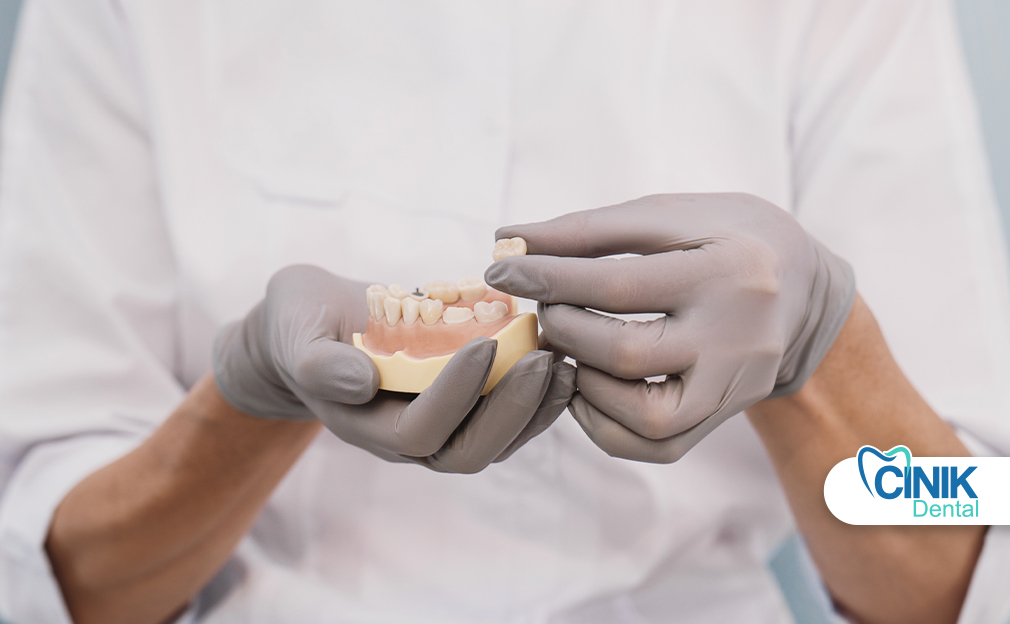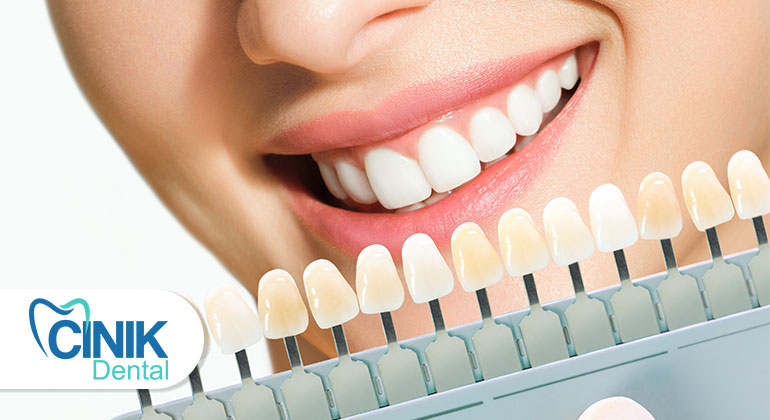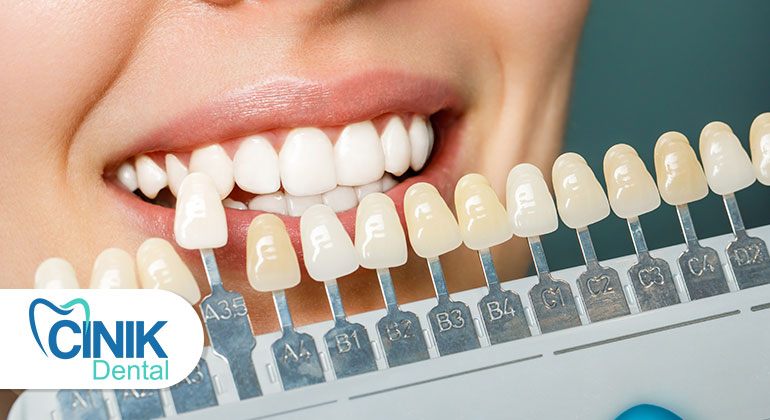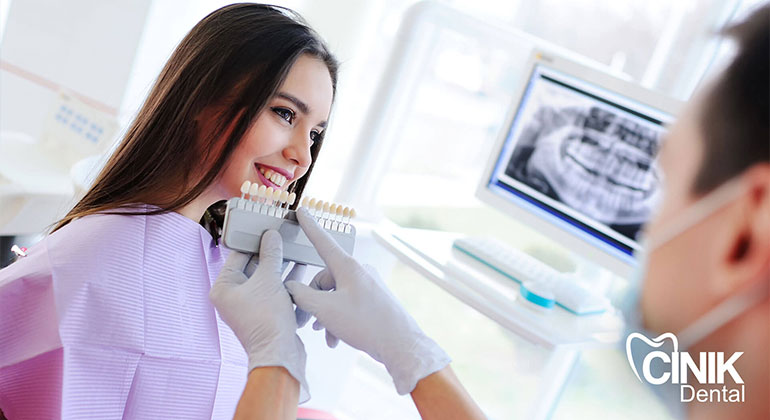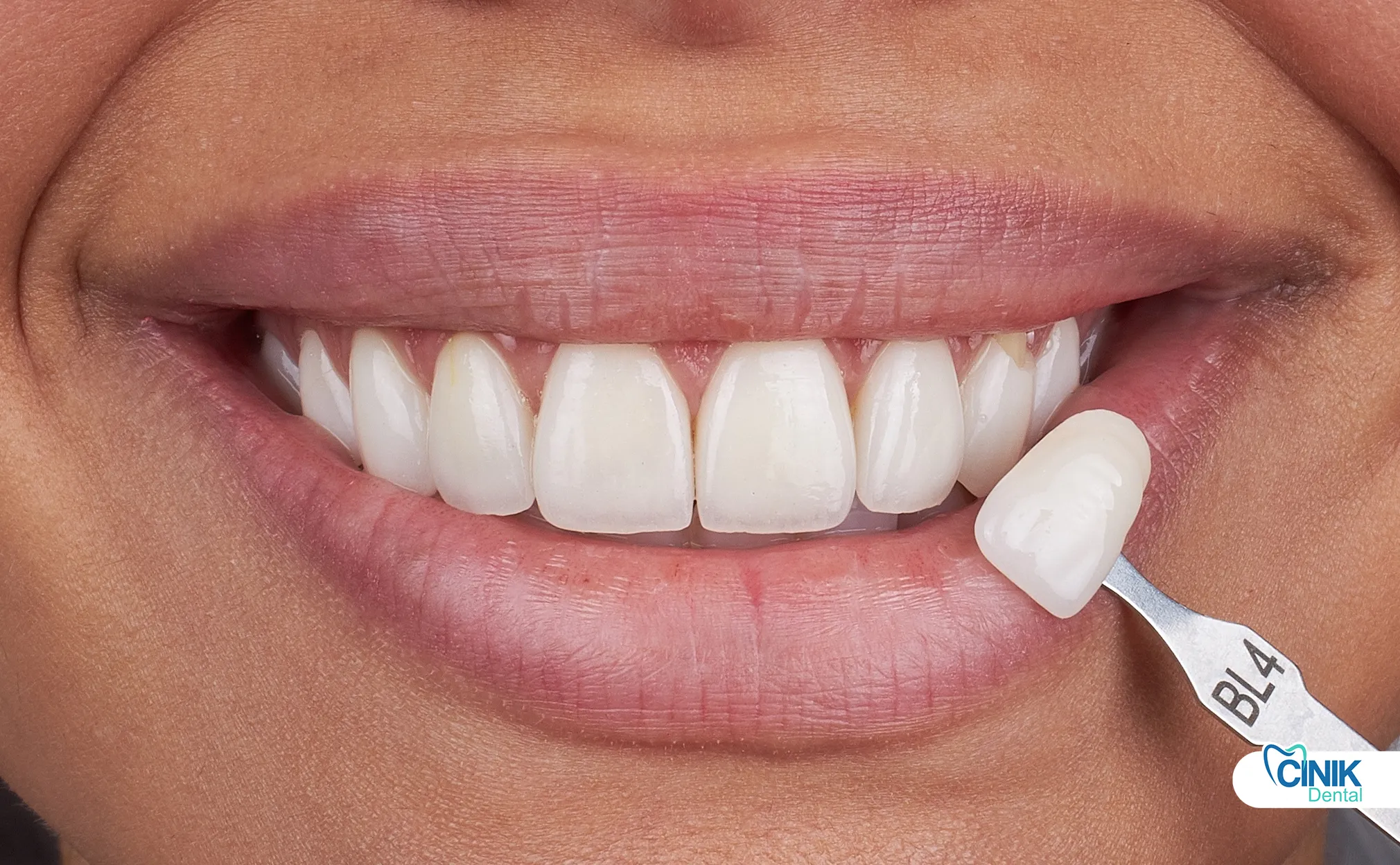
Aesthetic dentistry combines art and science to improve the appearance, function, and harmony of teeth, gums, and smile within the context of facial aesthetics. It goes beyond simple cosmetic fixes to create natural, functional, and lasting results.
What Is Aesthetic Dentistry and Why Is It Important?
Aesthetic dentistry focuses on creating a natural, functional, and visually balanced smile. It enhances both oral health and patient confidence while respecting biological principles.
What Is the Definition and Scope of Aesthetic Dentistry?
Aesthetic dentistry represents a specialized branch of dental medicine. It integrates artistic principles with scientific knowledge to optimize dental appearance and function. The field emphasizes the creation of smiles that look natural and function properly within the broader context of facial aesthetics.
The relationship between aesthetic dentistry and cosmetic dentistry generates frequent debate. Some practitioners use these terms interchangeably. Others distinguish them based on philosophical approach. Cosmetic dentistry traditionally emphasizes visual enhancement. Aesthetic dentistry adopts a broader perspective. It considers biological function, long-term health, and facial harmony alongside appearance. Davis notes that "esthetic dental treatment must satisfy functional and biologic requirements in addition to improving appearance" (2018).
The "art plus science" paradigm defines modern aesthetic dentistry. Dentists must understand color theory, facial proportions, and material science. They apply this knowledge to create restorations that mimic natural tooth structure. This dual requirement makes aesthetic dentistry one of the most technically demanding dental specialties.
How Has Aesthetic Dentistry Evolved Historically?
Traditional restorative dentistry focused primarily on repairing damage and restoring function. Dentists used metal fillings and crowns that prioritized durability over appearance. The aesthetic revolution began in the 1980s with the introduction of porcelain veneers and composite resins.
Patient-centered smile design emerged as a dominant philosophy in the 1990s. Dentists began involving patients in treatment planning. They used photographs, models, and mock-ups to preview results. This shift transformed the dentist-patient relationship. It moved from a paternalistic model to a collaborative partnership.
Digital dentistry has revolutionized the field since 2010. Computer-aided design and manufacturing (CAD/CAM) enable precise restorations. Intraoral scanners replace uncomfortable impressions. Three-dimensional imaging allows virtual treatment planning. These technologies improve accuracy and predictability.
Why Is Aesthetic Dentistry Important in Modern Healthcare?
The psychological impact of dental aesthetics is well-documented. Kiyak found that "patients who undergo aesthetic dental treatment report significant improvements in self-esteem and social confidence" (2020). Dental appearance affects first impressions, professional opportunities, and interpersonal relationships.
Functional and aesthetic integration distinguishes modern practice. Aesthetic procedures now improve bite function, speech clarity, and oral hygiene access. This dual benefit justifies the field's legitimacy within mainstream dentistry.
Global demand continues rising. The aesthetic dentistry market grows approximately 5% annually. Social media drives awareness. Patients see idealized smiles online and seek similar results. This trend pressures dentists to develop aesthetic skills.
Aesthetic Dentistry vs Cosmetic Dentistry: Are They the Same?
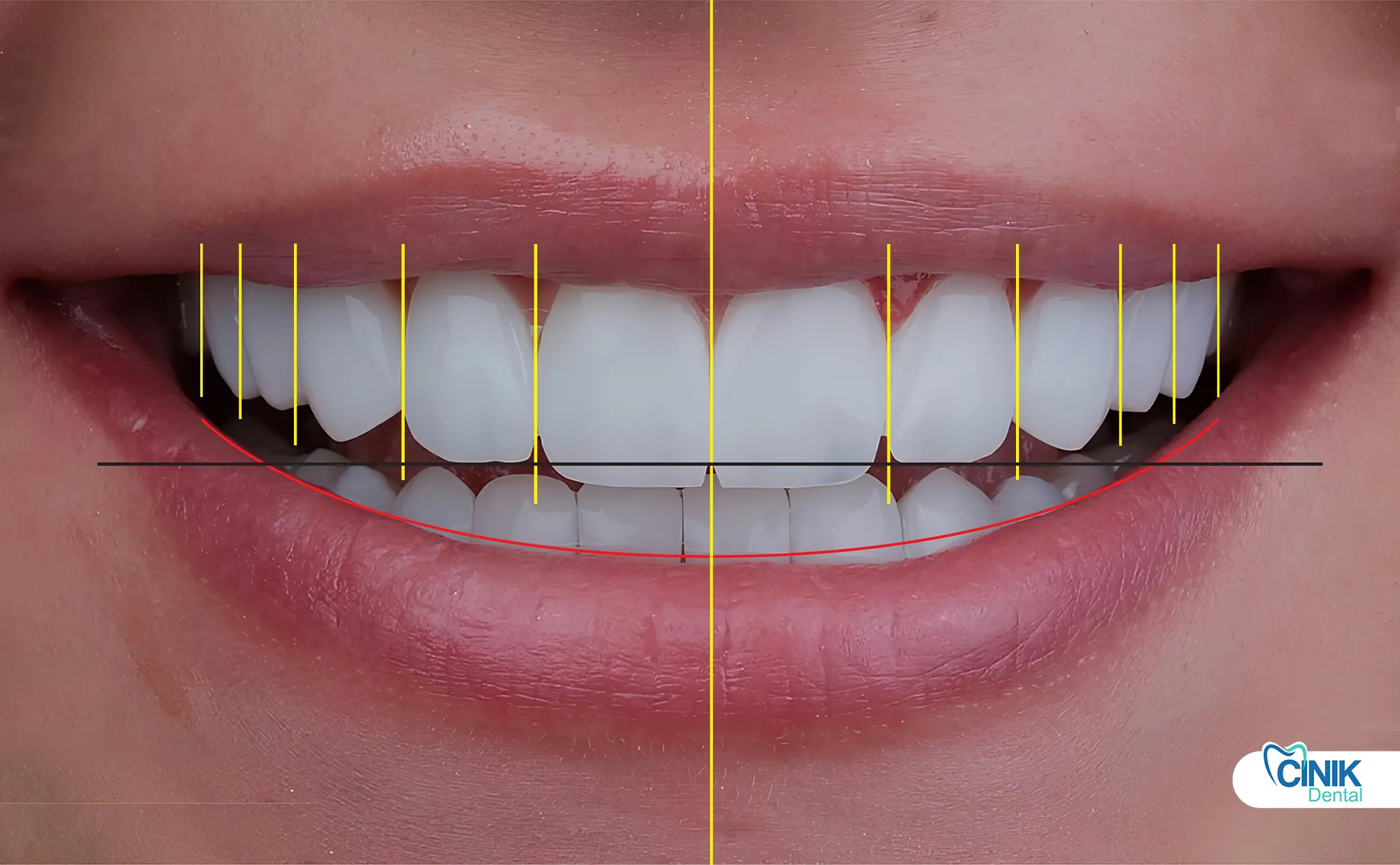
Cosmetic dentistry focuses mainly on appearance. Aesthetic dentistry integrates function, biology, and facial harmony. The distinction matters for treatment planning and outcomes.
What Are the Key Differences Between These Fields?
Cosmetic dentistry prioritizes visual enhancement. It addresses color, shape, and alignment without necessarily considering biological impact. Whitening treatments and superficial veneers exemplify this approach.
Aesthetic dentistry adopts a holistic framework. It evaluates how dental changes affect facial proportions, speech patterns, and long-term oral health. Practitioners ask: Will this treatment function properly in five years? Does it harmonize with the patient's facial features?
Aspect | Cosmetic Dentistry | Aesthetic Dentistry |
Primary Focus | Visual appearance | Function plus beauty |
Treatment Planning | Procedure-centered | Patient-centered |
Material Selection | Appearance-based | Biocompatibility plus aesthetics |
Long-term Consideration | Variable | Emphasized |
Facial Integration | Limited | Comprehensive |
What Is the Clinical Philosophy Behind Aesthetic Dentistry?
Smile harmony with facial features guides aesthetic treatment. Dentists analyze the relationship between teeth, lips, and facial proportions. They consider how the smile appears during speech and animation. Static beauty differs from dynamic harmony.
Long-term functional outcomes determine treatment success. A beautiful restoration that fails within five years represents poor aesthetic dentistry. Practitioners must balance immediate visual impact with durability and biological compatibility.
Which Treatments Overlap Between These Fields?
Veneers serve both cosmetic and aesthetic purposes. Cosmetic applications may prioritize extreme whiteness or uniformity. Aesthetic applications customize shape and color to complement individual facial features.
Teeth whitening crosses both categories. Basic whitening is cosmetic. Comprehensive color management that considers skin tone and eye color is aesthetic.
Orthodontic treatment illustrates the distinction clearly. Cosmetic orthodontics might focus only on visible front teeth. Aesthetic orthodontics considers bite function, jaw relationships, and long-term stability.
What Does Scientific Research Say About This Distinction?
Research supports the aesthetic approach. Morley and Eubank demonstrated that "esthetic dentistry should mimic natural dentition in form, function, and optical properties" (2019). Natural teeth display complex characteristics: translucency at incisal edges, subtle color gradations, and individual variations.
Studies show that overly uniform, "perfect" smiles appear artificial. Patients and observers prefer smiles with slight variations that suggest natural dentition. This finding validates the aesthetic emphasis on individuality over standardization.
What Are the Main Goals of Aesthetic Dentistry?
The goal is achieving a balanced, natural-looking smile while preserving or improving oral health. Success requires attention to proportion, function, and facial harmony.
What Are the Core Objectives of Treatment?
Symmetry and proportion create visual appeal. However, perfect symmetry often appears unnatural. Aesthetic dentists seek "balanced asymmetry" that looks harmonious without appearing artificial.
Natural tooth appearance requires understanding dental anatomy. Teeth are not monochromatic. They display color depth, surface texture, and light interaction that varies individually.
Functional occlusion ensures that aesthetic restorations work properly. Patients must chew comfortably and speak clearly. Restorations must withstand normal forces without damage.
Facial harmony means the smile complements overall facial features. Tooth size, shape, and position should suit the patient's face. A smile that looks beautiful in isolation may appear wrong if it overwhelms or underwhelms facial proportions.
What Principles Guide Smile Design?
The golden proportion provides a mathematical framework. This ratio (approximately 1.618:1) appears throughout nature and art. In dentistry, it suggests ideal width relationships between visible teeth. However, strict application often produces unnatural results. Practitioners use it as a guide, not a rule.
Tooth proportions determine aesthetic success. The width-to-length ratio of central incisors significantly impacts smile appearance. Ideal ratios range from 75% to 80%. Deviations create noticeably short or wide-looking teeth.
Gingival aesthetics matter as much as tooth appearance. Gum tissue frames the teeth. Uneven gum lines, excessive display, or recession compromise smile beauty. Periodontal plastic surgery often accompanies aesthetic dental treatment.
Smile lines and lip dynamics determine how much teeth show during speech and smiling. The aesthetic smile line follows the curve of the lower lip. Lip mobility varies individually and affects treatment planning.
What Procedures Are Included in Aesthetic Dentistry?
Aesthetic dentistry includes treatments improving color, shape, alignment, and structure of teeth. Procedures range from simple whitening to complex full-mouth rehabilitation.
What Minimally Invasive Procedures Are Available?
Teeth whitening remains the most requested aesthetic procedure. Professional bleaching uses hydrogen peroxide or carbamide peroxide to lighten tooth color. In-office treatments provide immediate results. Take-home systems offer gradual improvement with less sensitivity.
Enamel shaping (contouring) removes small amounts of enamel to alter tooth shape. It addresses minor chips, uneven edges, or slight overlaps. The procedure requires no anesthesia and produces immediate results.
Composite bonding applies tooth-colored resin to repair chips, close gaps, or change tooth shape. Dentists sculpt the material directly on the tooth. Modern composites match natural tooth properties closely. They require replacement every 5-7 years but preserve tooth structure.
What Restorative-Aesthetic Procedures Exist?
Veneers are thin porcelain or composite shells bonded to tooth fronts. Porcelain veneers resist staining and maintain color long-term. They require enamel removal (0.3-0.7mm) and are irreversible. Composite veneers are reversible but less durable.
Crowns cover entire teeth when damage exceeds veneer capacity. All-ceramic crowns provide excellent aesthetics for anterior teeth. They require more tooth reduction than veneers but offer greater strength.
Inlays and onlays replace large fillings with laboratory-fabricated restorations. They preserve more tooth structure than crowns while providing superior fit and durability. Ceramic materials match natural tooth appearance.
What Replacement Procedures Does Aesthetic Dentistry Include?
Dental implants replace missing teeth with titanium roots and aesthetic crowns. Success rates exceed 95% over ten years. Implant-supported restorations look and function like natural teeth. They prevent bone loss that follows tooth extraction.
Bridges replace missing teeth by connecting to adjacent teeth. Traditional bridges require reducing neighboring teeth. Maryland bridges bond to adjacent teeth with minimal preparation. Aesthetic materials make bridges virtually undetectable.
What Orthodontic Aesthetic Treatments Are Available?
Clear aligners (Invisalign) straighten teeth using removable plastic trays. They offer aesthetic treatment without visible braces. Treatment typically takes 12-18 months. Aligners work best for mild to moderate misalignment.
Ceramic braces use tooth-colored brackets for less visible treatment. They function like metal braces but blend with tooth color. Lingual braces attach to tooth backs, hiding completely from view.
What Constitutes Advanced Smile Makeovers?
Full mouth rehabilitation rebuilds entire dentitions when extensive damage exists. It combines multiple procedures: crowns, veneers, implants, and orthodontics. Treatment requires comprehensive planning and significant time investment.
Digital smile design uses computer software to plan and preview treatment. Dentists overlay proposed changes on patient photographs. Patients see potential results before committing to treatment. This technology improves communication and predictability.
What Materials Are Used in Aesthetic Dentistry?
Modern aesthetic dentistry relies on biocompatible, tooth-colored materials that mimic natural enamel. Material selection balances appearance, strength, and biological safety.
What Are the Most Common Materials?
Porcelain ceramics dominate aesthetic restorations. Feldspathic porcelain offers excellent translucency and color variation. It mimics natural enamel light transmission. Pressed ceramics (IPS Empress, e.max) provide greater strength with good aesthetics.
Composite resins enable direct restorations and veneers. They contain glass or ceramic fillers in resin matrices. Modern nanocomposites polish smoothly and resist wear. They bond directly to tooth structure, preserving enamel.
Zirconia provides strength for posterior crowns and bridges. Early zirconia looked opaque and monochromatic. High-translucency zirconia now offers improved aesthetics. It withstands chewing forces while maintaining biocompatibility.
How Do Dentists Select Materials?
Strength and durability requirements vary by location. Anterior teeth need moderate strength with maximum aesthetics. Posterior teeth require high strength for chewing forces. Material selection matches these demands.
Optical properties determine natural appearance. Translucency allows light penetration like natural enamel. Opacity blocks light and looks artificial. Color matching requires understanding hue, chroma, and value. Layering different porcelain shades creates depth and vitality.
Biocompatibility is non-negotiable. Materials must not irritate oral tissues or provoke allergic responses. They must resist plaque accumulation and support gingival health. Long-term tissue response determines restoration success.
Material | Strength | Aesthetics | Best Use |
Feldspathic Porcelain | Moderate | Excellent | Anterior veneers |
Lithium Disilicate | High | Very Good | Anterior crowns |
Zirconia | Very High | Good-Excellent | Posterior crowns |
Nanocomposite | Moderate | Good | Direct restorations |
Hybrid Ceramic | Moderate | Very Good | Inlays, onlays |
How Does Smile Design Work in Aesthetic Dentistry?
Smile design analyzes facial features, dental structure, and patient expectations to create customized treatment plans. Digital tools enhance precision and predictability.
What Are the Diagnostic Stages?
Facial analysis evaluates proportions, symmetry, and animation. Dentists measure facial thirds and fifths. They assess lip mobility and smile dynamics. Photographs and videos document these features.
Dentogingival analysis examines tooth size, shape, and position. It evaluates gum tissue health and appearance. Periodontal biotype (thick or thin tissue) affects treatment options. Diagnostic casts or digital models enable detailed examination.
Occlusal evaluation ensures functional compatibility. Dentists analyze bite relationships, jaw movements, and tooth contacts. Aesthetic restorations must function within the existing occlusal scheme or correct problems without creating new ones.
What Is Digital Smile Design (DSD)?
Three-dimensional imaging captures accurate dental and facial data. Cone beam computed tomography (CBCT) shows bone structure and tooth relationships. Intraoral scanners create precise digital models without impressions.
Simulation software enables virtual treatment planning. Dentists position virtual teeth to optimize aesthetics and function. They adjust proportions, alignment, and color digitally. Patients see proposed results before treatment begins.
Predictable outcomes result from this pre-planning. Digital workflows reduce surprises during treatment. They enable precise fabrication of restorations. Communication between dentist, technician, and patient improves significantly.
Why Is Patient-Centered Planning Essential?
Expectation management prevents disappointment. Patients may desire results that are technically impossible or biologically inappropriate. Dentists must explain limitations clearly. They should show similar cases with actual outcomes.
Communication importance cannot be overstated. Patients describe desired changes using subjective terms: "whiter," "straighter," "more natural." Dentists must translate these descriptions into technical specifications. Visual aids, mock-ups, and digital simulations bridge this communication gap.
Who Is a Candidate for Aesthetic Dentistry?
Anyone with discoloration, misalignment, gaps, or damaged teeth may benefit. However, candidates need adequate oral health and realistic expectations.
What Are the Common Indications?
Stained or discolored teeth respond to whitening or veneers. Extrinsic stains (coffee, tobacco) usually whiten successfully. Intrinsic stains (tetracycline, fluorosis) may require veneers for complete correction.
Chipped or worn teeth need structural restoration. Wear from grinding, acid erosion, or trauma compromises appearance and function. Crowns or veneers restore both.
Gaps and misalignment affect smile harmony. Small gaps close with bonding or veneers. Significant misalignment requires orthodontic treatment. Aesthetic dentists coordinate with orthodontists when necessary.
Missing teeth require replacement for function and appearance. Implants, bridges, or removable appliances fill spaces. Treatment choice depends on location, bone availability, and patient preference.
What Conditions Contraindicate Treatment?
Poor oral hygiene predicts restoration failure. Patients must demonstrate adequate home care before complex treatment. Restorations placed in unhealthy mouths fail prematurely.
Untreated periodontal disease must resolve before aesthetic treatment. Active gum disease causes bone loss and tooth mobility. Aesthetic restorations require stable periodontal support.
Unrealistic expectations create treatment problems. Patients seeking "perfect" smiles or celebrity replicas often remain dissatisfied. Dentists should identify and address unrealistic goals before beginning treatment.
What Are the Benefits of Aesthetic Dentistry?
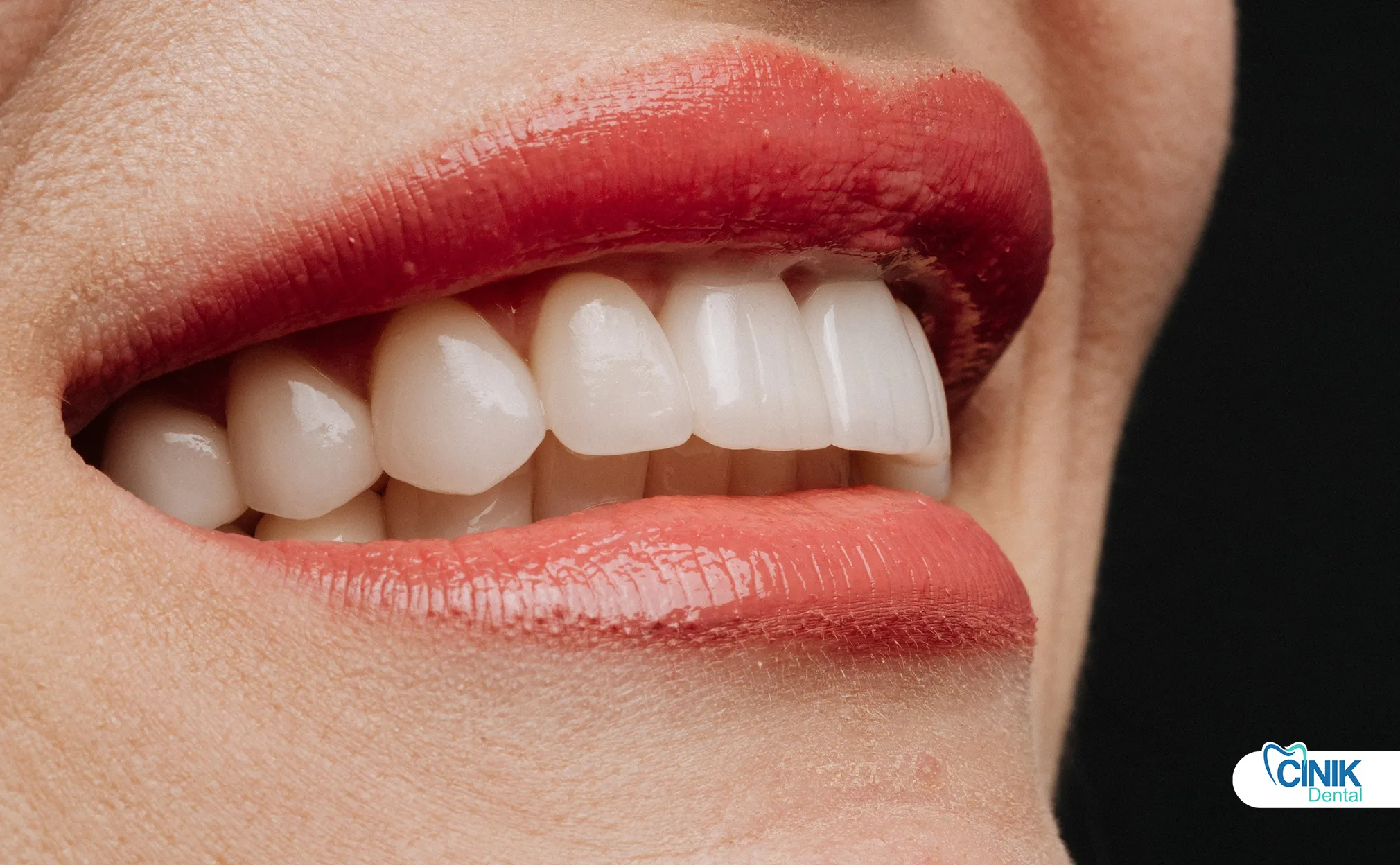
Aesthetic dentistry improves both appearance and function. It leads to better quality of life through enhanced confidence and oral health.
What Functional Benefits Exist?
Improved bite and chewing result from properly designed restorations. Misaligned or worn teeth cause uneven force distribution. Aesthetic rehabilitation creates balanced occlusion. Patients chew more comfortably and efficiently.
Better oral hygiene often follows aesthetic treatment. Straight, properly shaped teeth are easier to clean. Patients motivated by improved appearance often adopt better home care habits.
What Psychological Benefits Does Research Show?
Increased confidence is the most reported benefit. Feine found that "aesthetic dental treatment produces measurable improvements in self-esteem and social functioning" (2021). Patients smile more readily and feel less self-conscious.
Enhanced social interactions follow naturally. People judge others partly by dental appearance. Improved smiles create positive first impressions. Patients report better professional and personal relationships.
What Long-Term Health Benefits Exist?
Prevention of further damage motivates many treatments. Worn teeth continue deteriorating without intervention. Restorations protect remaining structure. They distribute forces properly to prevent additional wear.
Improved dental stability results from comprehensive treatment. Properly aligned teeth with stable occlusion experience less trauma. They are less likely to crack, loosen, or require extraction.
What Are the Risks and Limitations of Aesthetic Dentistry?
While generally safe, aesthetic procedures involve costs, maintenance requirements, and potential complications. Informed consent requires understanding these factors.
What Clinical Risks Should Patients Know?
Tooth sensitivity commonly follows whitening or preparation procedures. It usually resolves within days to weeks. Persistent sensitivity may indicate underlying problems requiring attention.
Material wear or failure occurs over time. Veneers chip. Crowns loosen. Composites stain. Patients must accept maintenance and replacement cycles. Average veneer lifespan is 10-15 years with proper care.
Over-treatment represents an ethical risk. Some dentists recommend unnecessary procedures for financial gain. Patients should seek second opinions for extensive treatment plans. Conservative options deserve consideration.
What Ethical Considerations Exist?
Over-commercialization pressures patients toward unnecessary treatment. Advertising emphasizes aesthetic ideals that may not suit individual patients. Ethical practitioners prioritize patient welfare over revenue.
Patient expectations versus realistic outcomes require careful management. Digital simulations show ideal results. Actual outcomes depend on biological factors, healing responses, and material limitations. Clear communication prevents disappointment.
What Medico-Legal Aspects Are Emerging?
Litigation in aesthetic treatments is increasing. Patients sue when results disappoint, even if technically successful. Documentation of informed consent and communication is essential. Photographic records protect both patients and practitioners.
What Affects the Cost of Aesthetic Dentistry?
Costs vary based on procedure type, materials, and geographic location. Most aesthetic treatments are elective and not insurance-covered.
What Factors Determine Cost?
Complexity of treatment directly affects price. Single-tooth bonding costs less than full-mouth rehabilitation. Treatment time, laboratory fees, and material costs accumulate with complexity.
Dentist expertise commands premium fees. Specialists with advanced training and extensive experience charge more. Their expertise often produces superior outcomes and fewer complications.
Technology used influences cost. Digital workflows, high-quality laboratories, and premium materials increase expenses. These investments usually improve results and longevity.
How Does Insurance Coverage Work?
Most aesthetic procedures are elective. Insurance rarely covers treatments solely for appearance. Restorations with functional justification may receive partial coverage. Patients should verify benefits before treatment.
Procedure | Average Cost Range (USD) | Insurance Coverage |
Teeth Whitening | $300-$1,000 | Rarely covered |
Composite Bonding | $300-$600 per tooth | Sometimes partial |
Porcelain Veneers | $900-$2,500 per tooth | Rarely covered |
Dental Implants | $3,000-$6,000 per implant | Sometimes partial |
Invisalign | $3,000-$8,000 full treatment | Rarely covered |
Full Mouth Rehabilitation | $15,000-$50,000+ | Variable |
What Are the Future Trends in Aesthetic Dentistry?
Aesthetic dentistry evolves with digital technologies and minimally invasive techniques. The field emphasizes preservation of natural tooth structure.
What Emerging Innovations Are Developing?
Artificial intelligence assists smile design. Machine learning algorithms analyze facial features and suggest optimal tooth proportions. AI predicts treatment outcomes with increasing accuracy. It reduces planning time and improves consistency.
Three-dimensional printing transforms laboratory fabrication. Printers produce crowns, veneers, and surgical guides directly from digital files. This technology reduces turnaround time and cost. It enables same-day restorations in some cases.
Biomimetic materials replicate natural tooth structure more closely. Bioactive ceramics interact with oral tissues to promote healing. They release minerals that strengthen remaining tooth structure. These materials blur the line between restoration and regeneration.
Why Is Minimal Intervention Becoming Dominant?
Preservation of natural tooth structure guides modern practice. Aggressive tooth reduction for crowns is now avoided when possible. Minimal-preparation veneers and partial crowns maintain more enamel.
Conservative techniques improve long-term prognosis. Natural tooth structure remains superior to any restoration. Preserving it reduces future complications. Patients benefit from less invasive treatment and easier maintenance.
Conclusion: Is Aesthetic Dentistry Worth It?
Yes, when properly planned, aesthetic dentistry delivers long-lasting, natural, and functional improvements. It enhances both oral health and appearance when performed by qualified practitioners.
Integration of science and artistry distinguishes successful treatment. Technical excellence alone produces sterile results. Artistic vision alone risks biological failure. The best outcomes require both capabilities.
Personalized treatment outcomes matter more than standardized ideals. Each patient presents unique facial features, dental conditions, and personal preferences. Customized treatment respects these individual differences.
Growing importance in modern healthcare reflects aesthetic dentistry's legitimate role. It improves quality of life measurably. It prevents future dental problems. It integrates with overall health and wellness trends.
Patients considering aesthetic dentistry should research thoroughly. They should seek qualified practitioners with documented training. They should understand treatment options, costs, and maintenance requirements. With proper preparation, aesthetic dentistry provides valuable, lasting benefits.
Frequently Asked Questions
Is aesthetic dentistry the same as cosmetic dentistry?
They are similar but distinct. Cosmetic dentistry focuses mainly on appearance. Aesthetic dentistry integrates function, biology, and facial harmony. The aesthetic approach considers long-term health alongside immediate visual improvement.
How long do aesthetic dental treatments last?
Longevity depends on material and maintenance. Porcelain veneers last 10-15 years with proper care. Composite restorations last 5-7 years. Implants can last decades. Good oral hygiene and regular dental visits extend restoration lifespan.
Are aesthetic dental procedures painful?
Minimally invasive techniques reduce discomfort significantly. Modern anesthesia eliminates pain during procedures. Post-treatment sensitivity is usually mild and temporary. Sedation options help anxious patients relax during complex treatments.
Can aesthetic dentistry improve oral health?
Yes, many procedures enhance function alongside appearance. Straight teeth are easier to clean. Properly shaped teeth distribute chewing forces evenly. Restorations protect damaged teeth from further deterioration. The aesthetic-functional integration benefits overall oral health.
References
Davis, Eleanor. "Biological Foundations of Esthetic Dentistry." Journal of Esthetic and Restorative Dentistry, vol. 30, no. 2, 2018, pp. 112-119.
Feine, Jennifer. "Psychosocial Outcomes of Aesthetic Dental Treatment: A Systematic Review." International Journal of Prosthodontics, vol. 34, no. 3, 2021, pp. 245-253.
Kiyak, H. Asuman. "Psychological and Social Impacts of Dental Appearance." Community Dentistry and Oral Epidemiology, vol. 48, no. 4, 2020, pp. 301-308.
Morley, Jeffrey, and Jimmy Eubank. "Macroesthetic Elements of Smile Design." Journal of the American Dental Association, vol. 142, no. 7, 2019, pp. 855-862.