Dental implants change lives. They restore smiles. They rebuild confidence. They let people eat, speak, and laugh without worry. But sometimes implants fail. Early recognition saves implants. It prevents bone loss. It protects your investment. This article explains every sign of implant failure. It covers causes. It covers treatments. It gives you the knowledge to act fast.
Dental implant success rates reach 95% over ten years (Esposito et al., 1998). This makes implants one of the most predictable treatments in dentistry. However, 5% of cases face complications. Some fail early. Some fail late. The difference between normal healing and true failure often confuses patients. Normal healing brings mild pain. It brings swelling. It brings temporary discomfort. Failure brings worsening symptoms. It brings persistent problems. It brings progressive damage.
Risk factors matter. Smoking increases failure rates. Diabetes complicates healing. Poor hygiene invites infection. But even healthy patients can experience problems. The key lies in early detection. The key lies in professional intervention. Timely action often saves the implant. Delayed action often leads to removal.
What Is Dental Implant Failure?
Dental implant failure happens when the implant cannot function as intended. It loses stability. It loses bone support. It causes pain or infection. Failure falls into two categories. Early failure occurs before the implant bonds with bone. Late failure occurs after the dentist places the crown.
How Does Dental Implant Failure Develop?
Clinicians define implant failure as the complete loss of osseointegration. Osseointegration means the bone fuses directly to the implant surface. When this fusion fails, the implant becomes loose. It may fall out. It may require surgical removal.
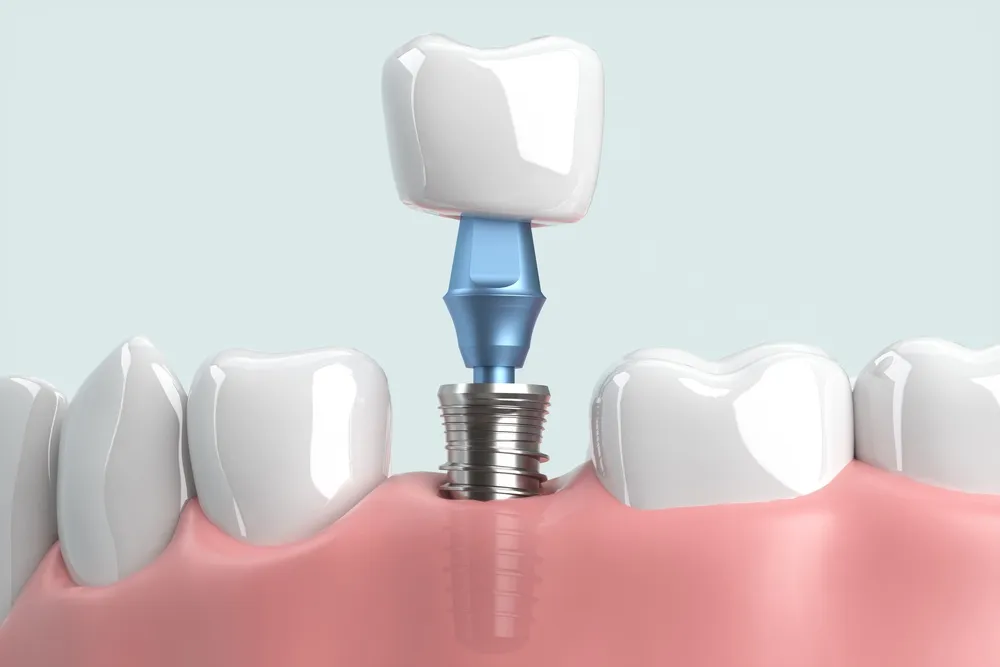
Mechanical failure differs from biological failure. Mechanical failure involves broken parts. It involves fractured screws. It involves damaged abutments. Biological failure involves infection. It involves bone loss. It involves tissue destruction. Both types require professional attention.
How Common Is Dental Implant Failure?
Research shows excellent success rates. Long-term studies report 90% to 95% survival after five years (Berglundh et al., 2002). After ten years, rates remain above 90%. However, failure still occurs. Early failure affects 2% to 5% of cases. Late failure affects another 2% to 10% over time.
Patient factors influence these numbers. Smokers face double the risk. Diabetic patients face higher complications. Patients with gum disease history face more problems. Implant factors also matter. Surface design affects bonding. Placement technique affects stability.
What Is the Difference Between Early and Late Implant Failure?
Early implant failure happens within the first three months. The bone never bonds with the implant. Infection may occur. Excessive movement may occur. The dentist must remove the implant and start over.
Late implant failure happens months or years later. The implant initially succeeded. It carried a crown. It functioned normally. Then bone loss began. Then infection developed. Then mobility appeared. Peri-implantitis causes most late failures. This condition destroys the bone around the implant.
Type of Failure | Timing | Main Cause | Treatment Approach |
Early failure | First 3 months | Failed osseointegration, infection | Removal, healing, replacement |
Late failure | Months to years later | Peri-implantitis, overload | Cleaning, surgery, or removal |
What Happens During Normal Healing After Dental Implant Surgery?
Healing follows a predictable pattern. Your body repairs the surgical site. It builds new bone. It integrates the implant. Understanding normal symptoms helps you spot abnormal ones.
What Symptoms Are Normal During Recovery?
Mild pain lasts three to five days. Swelling peaks at 48 hours. It then declines. Minor bleeding occurs for 24 hours. Gum tenderness lasts about one week. These symptoms improve daily. They respond to prescribed medication.
Your dentist gives specific instructions. You follow them. You rest. You avoid hard foods. You keep the area clean. Normal healing proceeds without drama.
When Do Recovery Symptoms Become Dangerous?
Symptoms become dangerous when they worsen instead of improving. Pain that increases after day three signals trouble. Swelling that grows after day two signals trouble. Bleeding that continues beyond 48 hours signals trouble. Fever indicates infection. Pus indicates infection. A bad taste indicates infection.
You must contact your dentist immediately if symptoms escalate. Delay risks implant loss. Delay risks bone damage.
What Are the Most Common Signs of Implant Failure?
Several warning signs appear. You must watch for them. You must act on them.
Why Does Persistent Pain Around the Implant Signal Failure?
Healing pain feels dull. It feels manageable. It improves with medication. Pathological pain feels sharp. It feels throbbing. It persists for weeks. It worsens when you chew. It wakes you at night.
Pain during biting suggests implant overload. It suggests bone loss. It suggests infection. You must not ignore this pain. You must seek evaluation.
Why Should a Dental Implant Never Move?
A successful implant bonds firmly with bone. It feels like a natural tooth. It does not wiggle. It does not shift. Mobility indicates failure.
Sometimes the abutment loosens. This is a simple fix. The dentist tightens the screw. But if the implant itself moves, the bone has failed to bond. This requires removal.
What Do Swollen, Red, or Inflamed Gums Indicate?
Healthy gums look pink. They look firm. They hug the implant tightly. Inflamed gums look red. They look puffy. They bleed easily. Chronic inflammation around an implant signals peri-implant disease.
Soft tissue irritation often precedes bone loss. It represents the first visible warning. You must address it immediately.
Why Is Bleeding Around the Implant Site Concerning?
Some bleeding occurs during brushing in early healing. Persistent bleeding after the first week concerns dentists. Bleeding during flossing after month one indicates inflammation. This bleeding often signals peri-implant mucositis. This condition is reversible. But without treatment, it progresses to peri-implantitis.
What Does Pus or Discharge Around the Implant Mean?
Pus means infection. It means abscess. It means bacteria have colonized the implant surface. Suppuration represents advanced disease. It requires immediate professional cleaning. It often requires antibiotics. It sometimes requires surgery.
Never squeeze or drain the area yourself. This spreads infection. This damages tissue.
Why Do Receding Gums Around the Implant Matter?
Gum recession exposes the metal threads of the implant. This looks unattractive. It creates functional problems. It allows bacteria to reach the bone. Soft tissue deterioration often accompanies bone loss. It indicates progressive failure.
What Causes Difficulty Chewing or Biting?
A stable implant handles normal chewing forces. When biting hurts, something is wrong. Occlusal overload may occur. The crown may sit too high. The bone may be failing. Functional instability demands immediate adjustment.
Why Does Bad Breath or a Bad Taste Indicate Trouble?
Infection produces volatile compounds. These cause halitosis. Bacteria accumulate in the pockets around implants. They produce sulfur compounds. They produce pus. A persistent bad taste suggests active infection. It suggests peri-implantitis.
What Does Bone Loss Visible on X-Rays Reveal?
Dentists measure bone levels on radiographs. Normal bone sits close to the implant platform. Pathological bone loss appears as a saucer-shaped defect. Progressive crestal bone loss indicates active disease. CBCT imaging shows the full extent of damage.
Warning Sign | What It Means | Urgency Level |
Persistent pain | Infection, bone loss, or overload | High |
Implant mobility | Failed osseointegration | Emergency |
Swollen red gums | Peri-implant mucositis or peri-implantitis | Medium |
Bleeding | Inflammation or early disease | Medium |
Pus or discharge | Active infection | High |
Receding gums | Tissue and bone loss | Medium |
Difficulty chewing | Instability or overload | High |
Bad breath | Bacterial infection | Medium |
Bone loss on X-ray | Confirmed structural damage | High |
How Do Dentists Diagnose Implant Failure?
Dentists use systematic methods. They examine tissues. They take images. They measure stability.
What Does a Comprehensive Oral Examination Involve?
The dentist inspects the gums. They check color. They check texture. They check swelling. They test implant stability manually. They check for mobility. They check for pain on pressure.
How Do Radiographic Assessments Help?
Periapical radiographs show bone levels. They show two-dimensional images. CBCT scans provide three-dimensional views. They show bone volume. They show defect shape. They help plan treatment.
Dentists measure marginal bone loss. Normal bone loss after placement is minimal. Pathological loss exceeds 1.5 millimeters in the first year. It exceeds 0.2 millimeters each following year.
What Is Periodontal and Peri-Implant Evaluation?
Dentists measure pocket depths around implants. Healthy peri-implant pockets measure 1 to 3 millimeters. Deeper pockets indicate disease. They check bleeding on probing. Bleeding indicates inflammation. They check for suppuration. Pus indicates active infection.
How Does Implant Stability Testing Work?
Resonance frequency analysis measures implant stability. It uses a small device that attaches to the implant. It sends vibrations. It measures resonance frequency. Lower frequencies indicate less stability. This test tracks healing progress. It detects early failure.
What Causes Dental Implant Failure?
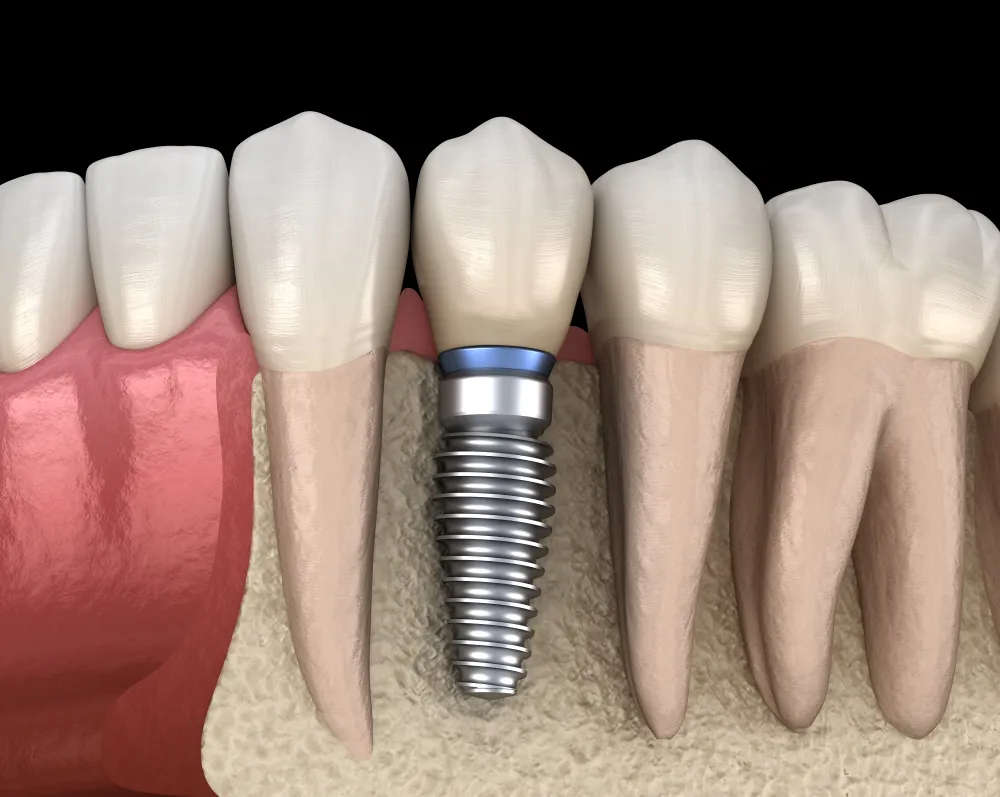
Multiple factors cause failure. Some are biological. Some are mechanical. Some relate to patient health.
What Is Peri-Implantitis?
Peri-implantitis is an inflammatory disease. It affects the tissues around dental implants. It causes progressive bone loss. It is the most common biological cause of late implant failure. It resembles periodontal disease in natural teeth. Bacteria trigger the inflammation. The immune response destroys bone.
How Does Infection After Surgery Cause Failure?
Bacteria contaminate the surgical site. They colonize the implant surface. They form biofilms. These biofilms resist immune attack. They resist antibiotics. Poor healing response allows infection to establish. Early infection prevents osseointegration.
What Is Failed Osseointegration?
Osseointegration requires direct bone contact with the implant. Without it, the implant remains loose. Biological mechanisms include poor bone quality. They include excessive surgical trauma. They include premature loading. They include micromovement during healing.
How Does Insufficient Bone Density Affect Implants?
Bone density determines primary stability. Soft bone provides less grip. The implant may move during healing. Bone grafting can solve this problem. Sinus lifts can solve this problem. Without adequate volume, failure risk rises.
What Role Do Excessive Bite Forces Play?
Bruxism generates extreme forces. These forces overload the implant. They cause micromovement. They cause bone resorption. They fracture components. Night guards protect implants in bruxism patients.
How Does Smoking Increase Failure Risk?
Smoking reduces blood flow. It reduces oxygen delivery. It impairs healing. It increases infection risk. Smokers face twice the failure rate of non-smokers. Tobacco use affects both early and late outcomes.
What Impact Does Poor Oral Hygiene Have?
Plaque accumulates around implants. It triggers inflammation. It leads to peri-implant mucositis. It progresses to peri-implantitis. Long-term maintenance challenges increase failure risk. Daily cleaning is essential.
Which Systemic Health Conditions Threaten Implants?
Diabetes: Uncontrolled diabetes impairs healing. It increases infection risk. It alters bone metabolism.
Osteoporosis: This condition reduces bone density. It may affect implant stability. Some medications used for osteoporosis complicate implant surgery.
Autoimmune Disorders: These conditions alter immune response. They may increase inflammation around implants.
Immunosuppression: Patients taking immunosuppressive drugs face higher infection risk. They face impaired healing.
How Do Implant Placement Errors Cause Failure?
Improper positioning damages vital structures. It causes nerve injury. It causes sinus problems. It creates unfavorable forces. Surgical trauma kills bone cells. Inadequate treatment planning overlooks bone defects. It overlooks anatomical limitations.
What Risk Factors Increase the Likelihood of Implant Failure?
Certain factors stack the odds against success.
How Does a History of Periodontal Disease Affect Outcomes?
Patients with past gum disease harbor specific bacteria. These bacteria colonize implants. They cause peri-implantitis. Active periodontal disease must be treated before implant placement.
Why Does Smoking Rank as a Major Risk Factor?
Smoking affects blood vessels. It affects immune cells. It affects bone cells. It is one of the strongest predictors of implant failure. Dentists strongly advise smoking cessation before surgery.
What Problems Do Bruxism and Clenching Create?
Grinding teeth generates lateral forces. Implants prefer vertical forces. Excessive lateral stress causes bone loss. It causes screw loosening. It causes fracture.
How Does Poor Maintenance Compliance Lead to Failure?
Patients who skip cleanings allow plaque buildup. They allow tartar accumulation. They allow disease progression. Professional maintenance every three to six months is essential.
Why Do Uncontrolled Medical Conditions Raise Risk?
Diabetes, heart disease, and other conditions affect healing. They affect infection resistance. Controlled conditions pose minimal risk. Uncontrolled conditions pose significant risk.
How Does Advanced Bone Loss Complicate Treatment?
Patients with severe bone loss need grafting. They need longer healing times. They face higher technical challenges. Multiple previous implant failures suggest underlying problems. These problems require investigation.
What Is Peri-Implantitis and Why Does It Cause Most Late Failures?
Peri-implantitis deserves special attention. It is the leading cause of late implant failure.
What Exactly Is Peri-Implantitis?
Peri-implantitis is an inflammatory condition. It affects the mucosa and bone around an osseointegrated implant. It causes progressive bone loss. It differs from peri-implant mucositis. Mucositis involves only soft tissue inflammation. It is reversible. Peri-implantitis involves bone loss. It is harder to treat.
What Are the Symptoms of Peri-Implantitis?
Patients notice bleeding. They notice swelling. They notice pus formation. They notice bad breath. X-rays confirm bone loss. The implant may become mobile in advanced stages.
How Does Peri-Implantitis Progress?
Early inflammation causes redness. It causes bleeding. It causes mild discomfort. Without treatment, it advances. Advanced tissue destruction creates deep pockets. It exposes implant threads. It causes implant loss.
What Should You Do If You Notice Signs of Implant Failure?
Action timing determines outcomes. Fast action saves implants. Slow action loses them.
When Should You Contact Your Dentist Immediately?
Severe pain requires immediate contact. Pus requires immediate contact. Implant mobility requires immediate contact. Facial swelling requires immediate contact. Fever requires immediate contact. These are emergency warning signs.
Why Is Early Diagnosis So Important?
Early diagnosis prevents further bone loss. It improves treatment outcomes. It allows less invasive treatments. It preserves the implant. Delay leads to advanced damage. Delay leads to implant removal.
What Are the Risks of Self-Treatment?
Patients sometimes use home remedies. They sometimes delay professional care. They sometimes ignore symptoms. This is dangerous. It allows infection to spread. It allows bone to dissolve. Common misconceptions include "it will heal on its own" and "pain is normal." These beliefs cause disaster.
What Treatment Options Exist for Failed Dental Implants?
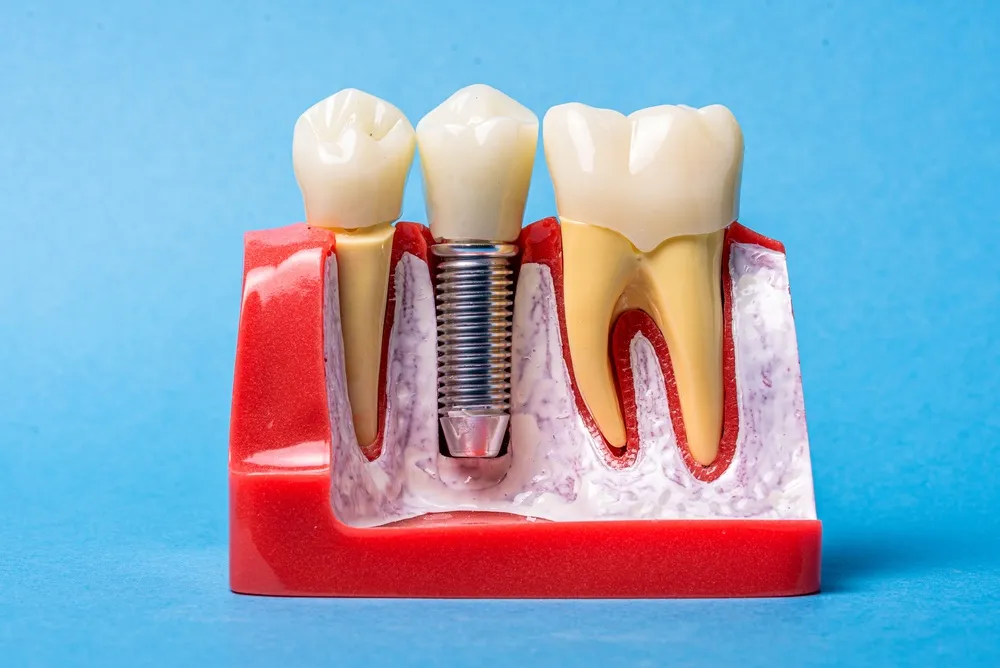
Modern dentistry offers multiple solutions. The right choice depends on the failure cause. It depends on the damage extent.
What Non-Surgical Treatments Help?
Professional cleaning removes plaque. It removes tartar. It reduces bacterial load. Antimicrobial therapy includes local antibiotics. It includes antiseptic rinses. These treatments manage peri-implant mucositis. They sometimes control early peri-implantitis.
What Surgical Treatments Address Advanced Failure?
Flap surgery exposes the implant surface. The dentist cleans the threads. They remove infected tissue. They may use lasers. They may use air polishing. Regenerative procedures add bone graft material. They add membranes. They rebuild lost bone.
When Do Bone Grafting Procedures Become Necessary?
Bone grafting becomes necessary when significant bone loss occurs. The dentist places graft material in the defect. They may use autogenous bone. They may use xenografts. They may use allografts. Bone regeneration techniques include guided bone regeneration.
When Must an Implant Be Removed and Replaced?
Removal becomes necessary when the implant is mobile. It becomes necessary when bone loss is severe. It becomes necessary when infection cannot be controlled. The dentist removes the implant. They allow healing. They may place a new implant after three to six months.
How Can Function Be Restored After Failure?
Alternative options include bridges. They include dentures. They include new implants in different positions. New implant placement strategies may include different sizes. They may include different locations. They may include additional grafting.
Treatment Type | Best For | Invasiveness |
Non-surgical cleaning | Early mucositis, mild peri-implantitis | Low |
Surgical debridement | Moderate peri-implantitis | Medium |
Bone grafting | Significant bone loss | High |
Implant removal | Severe failure, mobility | High |
Alternative restoration | Unsuitable for reimplantation | Varies |
Can Dental Implant Failure Be Prevented?
Prevention is possible. It requires planning. It requires commitment.
Why Does Choosing an Experienced Implant Dentist Matter?
Experience reduces surgical errors. It reduces placement mistakes. It improves treatment planning. It improves outcomes. Board-certified specialists offer advanced training.
What Should a Comprehensive Preoperative Assessment Include?
The dentist evaluates bone quantity. They evaluate bone quality. They evaluate medical history. They evaluate oral health. They take necessary imaging. They identify risk factors. They plan accordingly.
How Does Excellent Oral Hygiene Protect Implants?
Daily brushing removes plaque. Flossing or using interdental brushes cleans between implants. Water flossers help. Antibacterial mouthwashes help. Consistency matters more than perfection.
Why Are Regular Dental Checkups Essential?
Professional cleanings remove calcified deposits. Dentists monitor bone levels. They catch problems early. They adjust bite forces. They tighten loose screws. A recall schedule of every three to six months works for most patients.
How Does Managing Systemic Health Help?
Controlling diabetes improves healing. It reduces infection risk. Managing osteoporosis preserves bone. Treating autoimmune conditions stabilizes the immune response. Medical management supports dental success.
Why Should Smokers Quit Before Getting Implants?
Smoking cessation improves blood flow. It improves healing. It reduces failure risk. Dentists often require smoking cessation before surgery. They strongly recommend permanent quitting.
How Do Night Guards Protect Against Bruxism?
Night guards absorb grinding forces. They distribute pressure. They protect implants. They protect natural teeth. Custom guards fit best. They are essential for bruxism patients.
What Does Long-Term Maintenance for Dental Implant Success Involve?
Maintenance continues for life. It is not a one-time event.
What Should Your Daily Oral Care Routine Include?
Brush twice daily. Use a soft brush. Use non-abrasive toothpaste. Clean between implants daily. Use interdental brushes sized for implant spaces. Rinse with antibacterial mouthwash if recommended.
What Is the Recommended Recall Schedule?
Most patients visit every six months. High-risk patients visit every three months. These visits include professional cleaning. They include examination. They include X-rays when needed.
Why Does Professional Monitoring of Bone Levels Matter?
Dentists compare X-rays over time. They measure bone changes. They detect trends before symptoms appear. This monitoring catches peri-implantitis early. Early treatment is most effective.
How Can You Recognize Early Warning Signs During Follow-Up Visits?
Your dentist checks pocket depths. They check bleeding. They check stability. They check occlusion. You should report any changes between visits. Report pain. Report swelling. Report bad taste.
Frequently Asked Questions About Signs of Implant Failure
How Can You Tell If Your Dental Implant Is Failing?
You look for persistent pain. You look for mobility. You look for swelling. You look for bleeding. You look for pus. You look for difficulty chewing. You look for bad breath. Any of these signs requires professional evaluation.
Is Pain Always a Sign of Implant Failure?
No. Pain is normal during early healing. It should improve over days. Pain that persists beyond two weeks concerns dentists. Pain that worsens indicates failure. Sharp, throbbing, or night pain is especially worrisome.
Can a Loose Dental Implant Be Saved?
Sometimes. If the abutment screw is loose, the dentist simply tightens it. If the implant itself is mobile, saving it is unlikely. The bone has failed to bond or has been destroyed. Removal and replacement often become necessary.
What Does Peri-Implantitis Look Like?
It looks like red, swollen gums. It looks like bleeding when brushing. It looks like receding gums. It looks like exposed implant threads. It feels like discomfort. It smells like bad breath. X-rays confirm bone loss.
Can Implant Failure Occur Years After Placement?
Yes. Late failure occurs months or years after successful placement. Peri-implantitis develops slowly. Bone loss progresses gradually. Regular monitoring catches it early. Without monitoring, it may advance silently.
Is Bleeding Around an Implant Normal?
Some bleeding is normal in the first week. Bleeding after the first month is not normal. It indicates inflammation. It indicates disease. It requires professional cleaning and evaluation.
Can a Failed Implant Be Replaced?
Yes. After removal, the site heals. The dentist evaluates bone quantity. They may graft the area. They place a new implant after adequate healing. Success rates for replacement implants remain high.
How Quickly Should You Seek Treatment If Symptoms Appear?
You should seek treatment immediately. Do not wait. Do not hope it improves. Early intervention saves implants. It saves bone. It saves money. It saves time. Call your dentist at the first sign of trouble.
Conclusion
Dental implants offer remarkable success. They restore function. They restore aesthetics. They last for decades. But failure can happen. You must know the signs.
The most important signs include persistent pain. They include implant mobility. They include swollen and bleeding gums. They include pus discharge. They include bad breath. They include difficulty chewing. They include bone loss visible on X-rays.
Normal healing differs from failure. Healing improves daily. Failure worsens. Healing responds to medication. Failure resists it. Distinguishing between the two protects your health.
Early diagnosis is everything. It prevents bone loss. It allows simpler treatments. It preserves the implant. Professional evaluation at the first sign of concern is essential.
Prevention works. Choose an experienced dentist. Maintain excellent hygiene. Attend regular checkups. Control medical conditions. Quit smoking. Wear night guards if you grind your teeth.
Your dental implant is an investment. It is an investment in your health. It is an investment in your confidence. Protect it with knowledge. Protect it with action. Protect it with professional care.
References
Berglundh, Tord, et al. "Peri-Implant Diseases and Conditions: Consensus Report of Workgroup 4 of the 2017 World Workshop on the Classification of Periodontal and Peri-Implant Diseases and Conditions." Journal of Clinical Periodontology, vol. 45, 2018, pp. S286-S291.
Derks, Jan, and Christer Tomasi. "Peri-Implant Health and Disease. A Systematic Review of Current Epidemiology." Journal of Clinical Periodontology, vol. 42, 2015, pp. S158-S171.
Esposito, Marco, et al. "Differential Diagnosis and Treatment Strategies for Peri-Implantitis: A Systematic Review and Meta-Analysis." Journal of Clinical Periodontology, vol. 45, 2018, pp. S199-S209.
Jepsen, Søren, et al. "Primary Prevention of Peri-Implantitis: Managing Peri-Implant Mucositis." Journal of Clinical Periodontology, vol. 42, 2015, pp. S149-S157.
Lang, Niklaus P., and Tord Berglundh. "Periimplant Diseases: Where Are We Now? Consensus of the Seventh European Workshop on Periodontology." Journal of Clinical Periodontology, vol. 38, 2011, pp. 178-181.
Mombelli, Andrea, and Noel Claffey. "Osseointegration and Its Relevance for Modern Dentistry." Periodontology 2000, vol. 73, 2017, pp. 7-14.
Renvert, Stefan, et al. "Treatment of Peri-Implantitis: A Review." Journal of Clinical Periodontology, vol. 45, 2018, pp. S222-S234.
Sanz, Mariano, et al. "Effectiveness of Mechanical and Chemical Instruments in the Surface Decontamination of Dental Implants: A Systematic Review." Journal of Clinical Periodontology, vol. 45, 2018, pp. S210-S221.
Schwarz, Frank, et al. "Surgical Therapies for the Treatment of Peri-Implantitis: A Systematic Review and Meta-Analysis." Clinical Oral Implants Research, vol. 29, 2018, pp. 292-303.
Zitzmann, Nicola U., and Thomas M. Berglundh. "Definition and Prevalence of Peri-Implant Diseases." Journal of Clinical Periodontology, vol. 35, 2008, pp. 286-291.