A healthy mouth is important for good health. All parts of the body are connected. Similarly, microbes in the mouth can reach other areas and affect them. When the oral cavity is in balance, many kinds of germs live there. Some are useful and some are harmful. Oral hygiene, a good diet, and regular dental checkups help to keep a balanced mouth. Maintaining a balanced mouth also helps to keep the whole body healthy.
The mouth has more kinds of microbes than any other part of the body. Scientists have found that about six hundred oral microbes can live in a healthy mouth. When the mouth is in balance, useful microbes stay in control. Some microbes, such as Streptococcus mitis reduce the risk of cavities and prevent overgrowth of harmful microbes. However, diet, stress, and other factors can disrupt this balance.
1. How Oral Flora Is Defined
Quick Answer: The oral microbiome is the community of microorganisms living in the mouth, and its balance is essential for oral and overall health; imbalance is linked to dental disease and systemic conditions.
The oral microbiome includes all the bacteria, viruses, fungi, and protozoa that live in the mouth and mouths are host to a rich array of microbes. These diverse organisms can influence oral health and balance (or dysbiosis) determines their effect. A balanced oral microbiome keeps it healthy, while an imbalance is associated with dental caries (cavities), periodontal disease, and other infections. Dysbiosis can also undermine overall health by increasing the risk of systemic diseases, such as cardiovascular disease, diabetes, and inflammatory bowel disease (Nagakubo and Kaibori, 2023) (Sedghi et al., 2021).
2. What are the Factors That Disrupt the Oral Microbial Balance?
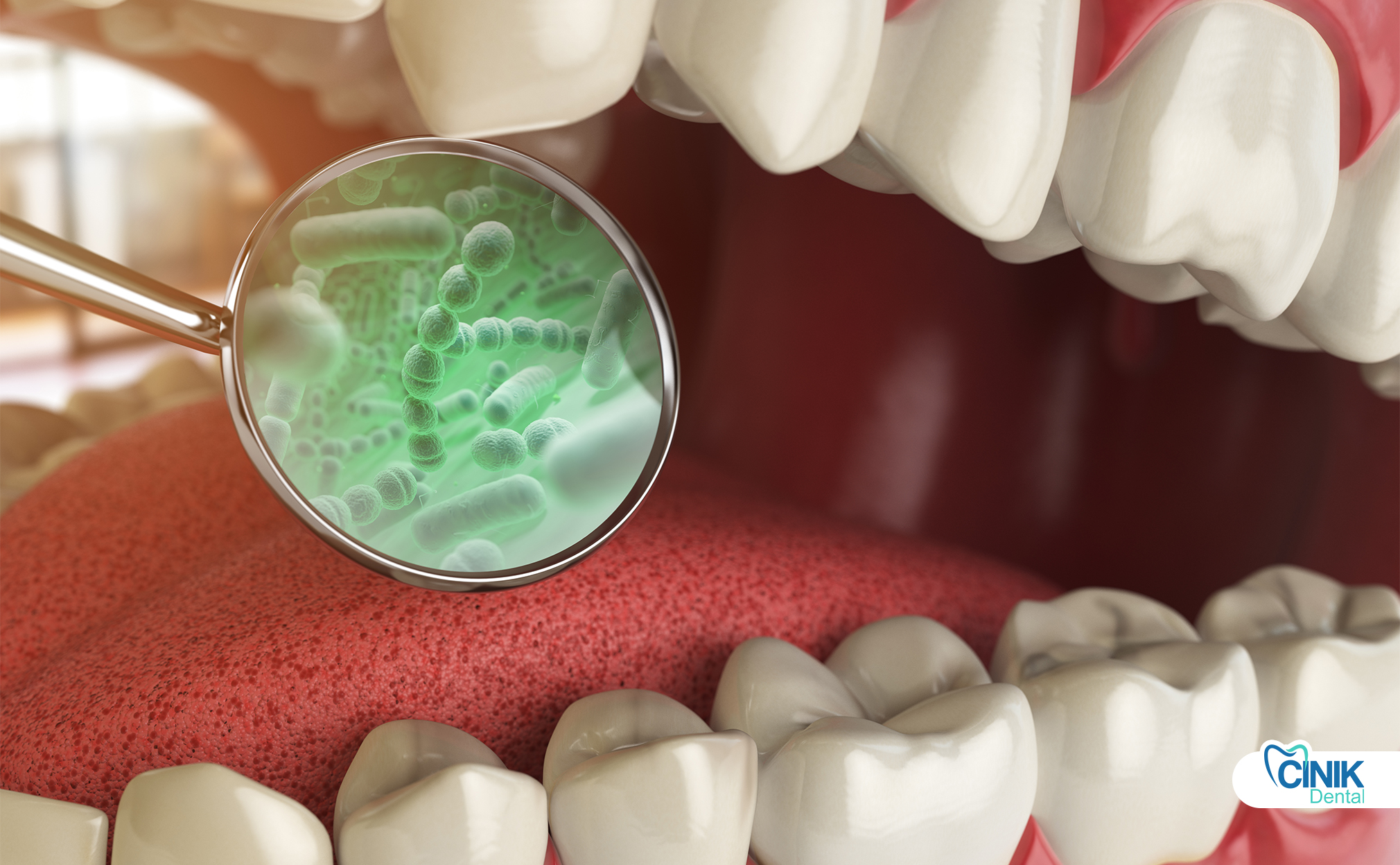
Quick Answer: High sugar intake, antibiotics, systemic diseases, stress, smoking, and environmental pollutants can disrupt the oral microbiome and promote harmful microbial imbalance.
The mouth is home to a rich community of microorganisms, collectively known as the oral microbiome. Maintaining the delicate balance of these microbes is vital for overall health. A range of factors can disrupt this equilibrium, causing sometimes dangerous shifts in microbial populations (D. Marsh et al., 2014).
Diet is one of the most important elements influencing oral homeostasis. Diets high in sugar create an acidic environment in the mouth and increase the abundance of cariogenic species, such as Streptococcus mutans. These dietary changes can compromise the balance of certain members of the microbiome and initiate increased proliferation of specific pathogens. A wide variety of antibiotic treatments can also profoundly disturb the oral microbiome (Cornejo Ulloa et al., 2019). Bacterial depletion often persists for several months, and recolonization is heavily biased toward enterobacteria. The resulting changes in composition, even in healthy individuals, may affect the risk of infectious diseases. Individuals undergoing oral antibiotic therapy are often at an increased risk of orofacial pain, oropharyngeal infections, sinusitis, and temporomandibular disorders.
Endocrine diseases, such as diabetes, can also disrupt the oral microbiome. Stress and smoking are known to alter the oral community, as air pollutants and nicotine penetrate the salivary film that induces changes in oral dwelling microorganisms.
3. What are the Ways to Support a Healthy Oral Microbiome?
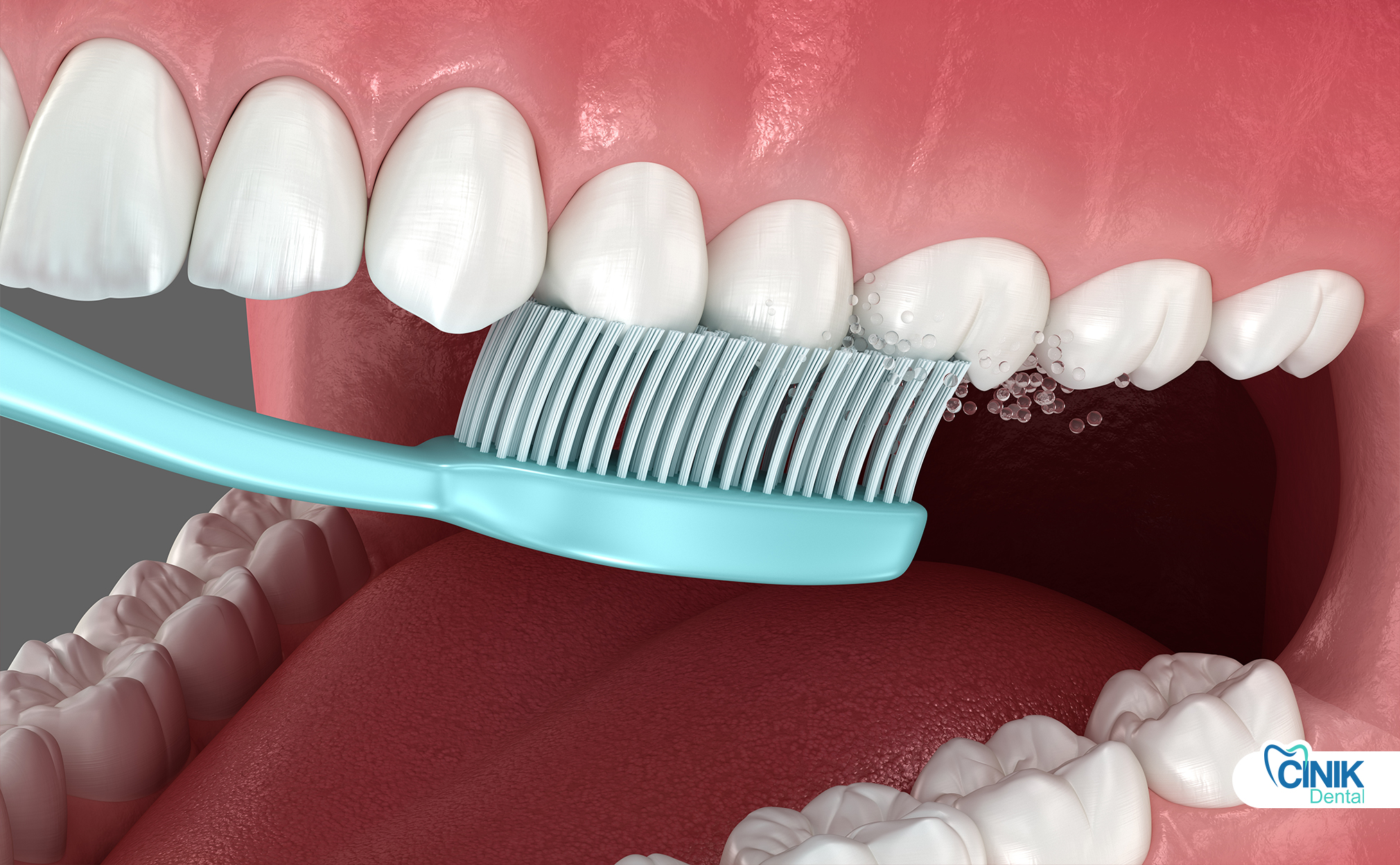
Quick Answer: Regular oral hygiene, a balanced low-sugar diet, and routine dental care help maintain a healthy oral microbiome.
Routine brushing and flossing, eating a balanced diet, and visiting the dentist regularly all support good oral health. They also help to keep the mouth microbiome balanced and healthy. The mouth is the entryway to the gastrointestinal tract, and oral bacteria can influence the mouth, throat, gut, and colon. Saliva carries microbes from the mouth to the intestinal tract. By encouraging the balance of beneficial oral bacteria, these practices may help to promote overall good health (Cornejo Ulloa et al., 2019).
Bacteria such as Streptococcus, Neisseria, Veillonella, and Actinomyces are part of the balanced oral microbiome. They support the initial digestion of food and assist in developing a healthy gut microbiome. It is important to preserve such beneficial bacteria while controlling harmful bacteria, principally aggregation of which can lead to disease.
Brushing with fluoride toothpaste and cleaning between the teeth with dental floss or interdental cleaners remove food debris, plaque, and biofilm from the mouth and lower the risk of disease. A toothbrush with a soft head turns the tongue into a toothbrush and helps to clean bacteria from it. Avoiding sugary snacks and beverages and eating a well-balanced diet that favors whole unprocessed foods promote the growth of beneficial bacteria and the balance of the microbiome. Regular dental visits for cleanings and checkups to preserve oral health are also advised. Using fluoride and rinsing with mouthwash help to reduce the amount of bacteria in the mouth.
4. What is the Link Between Oral Flora and Overall Health?
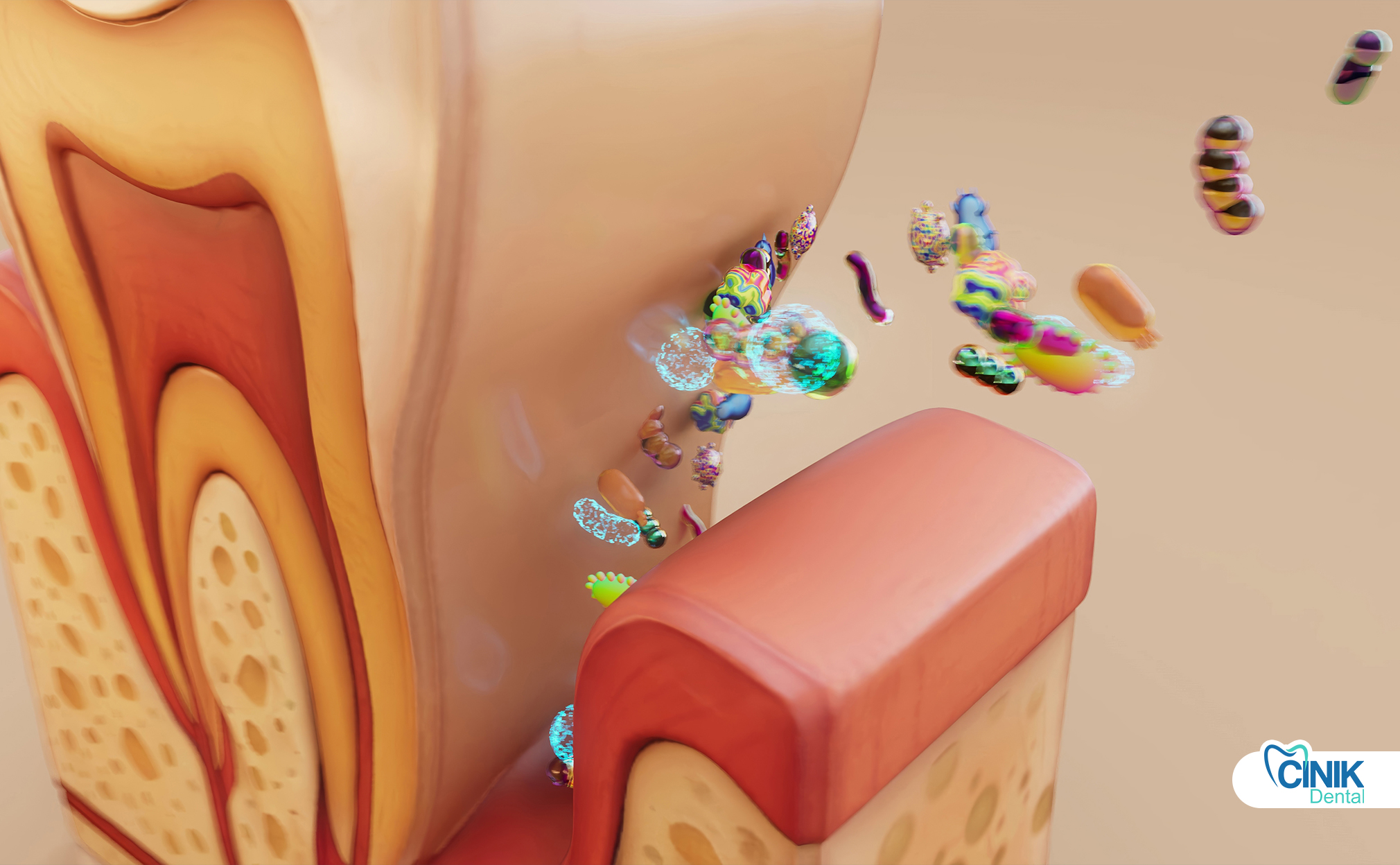
Quick Answer: Oral flora influences overall health by affecting inflammation, immunity, and metabolic processes, with imbalances linked to cardiovascular, respiratory, gastrointestinal, autoimmune, and neurological diseases.
Microbial communities in the mouth and their by-products influence systemic diseases. Poor oral health is associated with increased risk of cardiovascular disease, metabolic syndrome, diabetes, chronic kidney disease, pregnancy complications, respiratory diseases, rheumatic diseases, cancer, Alzheimer’s disease, and other conditions (Zaura, 2022). Increased adherence and translocation of oro-pharyngeal viruses are suggested as contributors to respiratory diseases. Transmission of periodontal pathogens can also occur through saliva and dental instruments. Oral microbial imbalance relates to inflammatory bowel disease, celiac disease, colon cancer, and disorders of gastrointestinal homeostasis.
The oral microbiome has a variety of metabolites important for human physiology. Dietary nitrate from vegetables is converted to nitrite by oral flora. Salivary nitrite is a precursor of nitric oxide; surgical resection of human salivary glands decreases exhaled nitric oxide significantly. Salivary enzymes, metabolites, proteins, and even DNA can reach distant organs such as the liver, lungs, and kidneys. Oral bacteria, on the other hand, can influence translocation of gut flora, contributing to autoimmune conditions such as systemic lupus erythematosus (Peng et al., 2022).
5. Conclusion
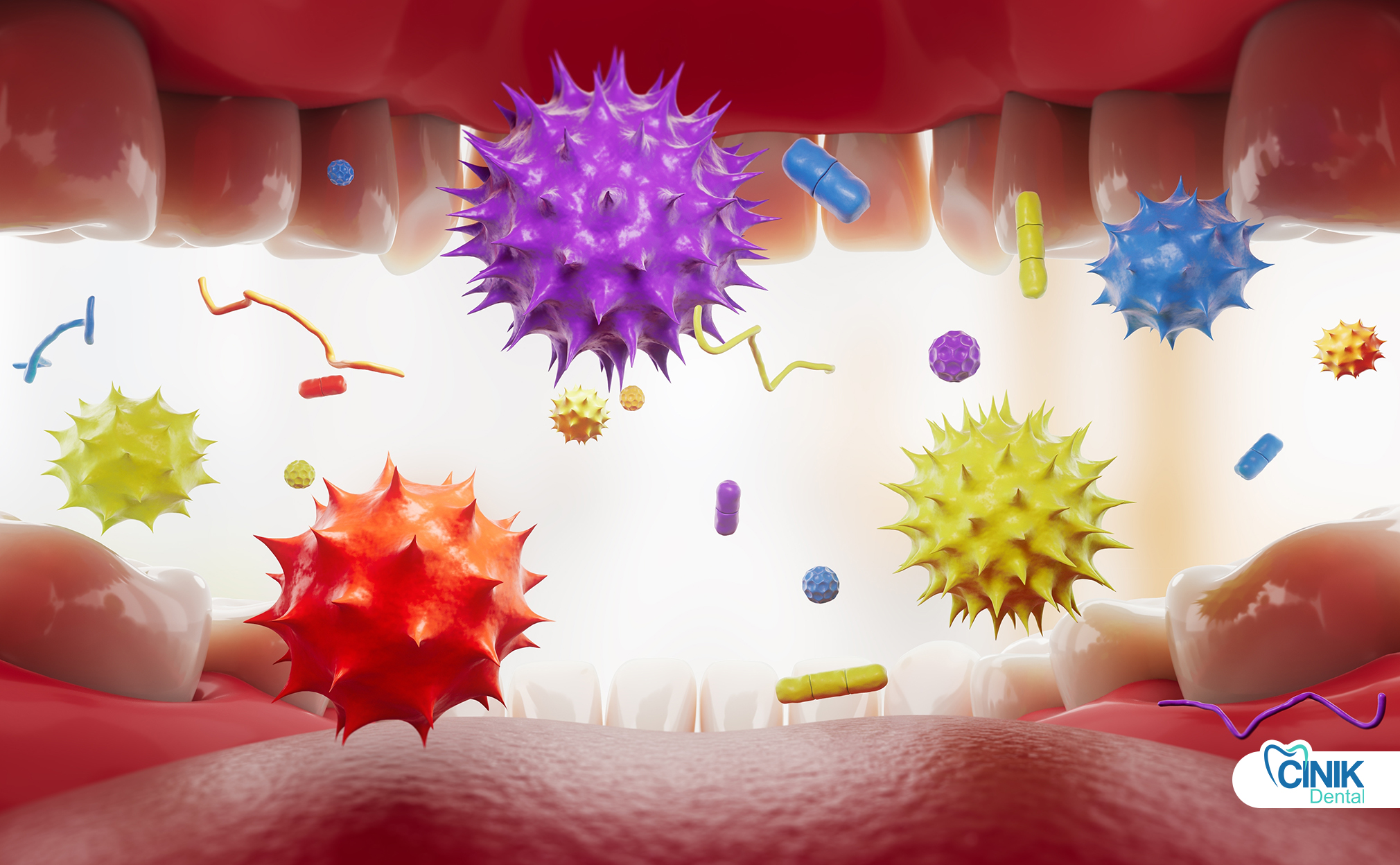
The mouth contains a complex, microscopic world. Millions of tiny microbes live peacefully in the mouth and coexist with the host. Though most microorganisms are harmless or beneficial to people, a few can cause or contribute to damaging conditions, such as cavities and gum disease. Maintaining a healthy and balanced oral microbiome is important for overall and systemic health. Taking practical steps to support a balanced mouth can be an effective way to prevent dangerous disruption of the oral microbiome.
Several microbial factors and lifestyle choices can maintain or disrupt a healthy equilibrium. Supportive practices such as thorough brushing and flossing, use of tongue scrapers, and consumption of fresh vegetables can help keep a balanced mouth. Scheduling regular visits to a dental office to monitor and maintain dental health contributes to a healthy mouth and a balanced environment. In addition, fluoride can help protect the teeth from demineralization, and rinsing with mouthwash can offer additional protection.
Research is uncovering links between the oral microbiome and various health conditions beyond the mouth, including heart disease, diabetes, immune disorders, and digestive issues. Inflammation in the mouth can affect blood lipid profiles and overactive immune responses to specific microbes (Cornejo Ulloa et al., 2019). Translocation of harmful microorganisms from the mouth to other parts of the body can lead to potentially life-threatening infections (Zaura, 2022).
A balanced oral microbiome is crucial for maintaining a healthy body. Multiple variables can alter and unbalance the microbiome, but practical steps can promote a healthy equilibrium. Keeping the mouth clean, making thoughtful dietary choices to foster beneficial microbes, and using preventive products can contribute to a balanced mouth. Being aware of the oral microbiome and taking simple actions to support it can help a person enjoy good health for life.
References:
Nagakubo, D. and Kaibori, Y. "Oral Microbiota: The Influences and Interactions of Saliva, IgA, and Dietary Factors in Health and Disease." 2023. ncbi.nlm.nih.gov
Sedghi, L., DiMassa, V., Harrington, A., V. Lynch, S., and L. Kapila, Y. "The oral microbiome: Role of key organisms and complex networks in oral health and disease." 2021. ncbi.nlm.nih.gov
D. Marsh, P., A. Head, D., and A. Devine, D. "Prospects of oral disease control in the future – an opinion." 2014. ncbi.nlm.nih.gov
Cornejo Ulloa, P., H. van der Veen, M., and P. Krom, B. "Review: modulation of the oral microbiome by the host to promote ecological balance." 2019. ncbi.nlm.nih.gov
Zaura, E. "A Commentary on the Potential Use of Oral Microbiome in Prediction, Diagnosis or Prognostics of a Distant Pathology." 2022. ncbi.nlm.nih.gov
Peng, X., Cheng, L., You, Y., Tang, C., Ren, B., Li, Y., Xu, X., and Zhou, X. "Oral microbiota in human systematic diseases." 2022. ncbi.nlm.nih.gov