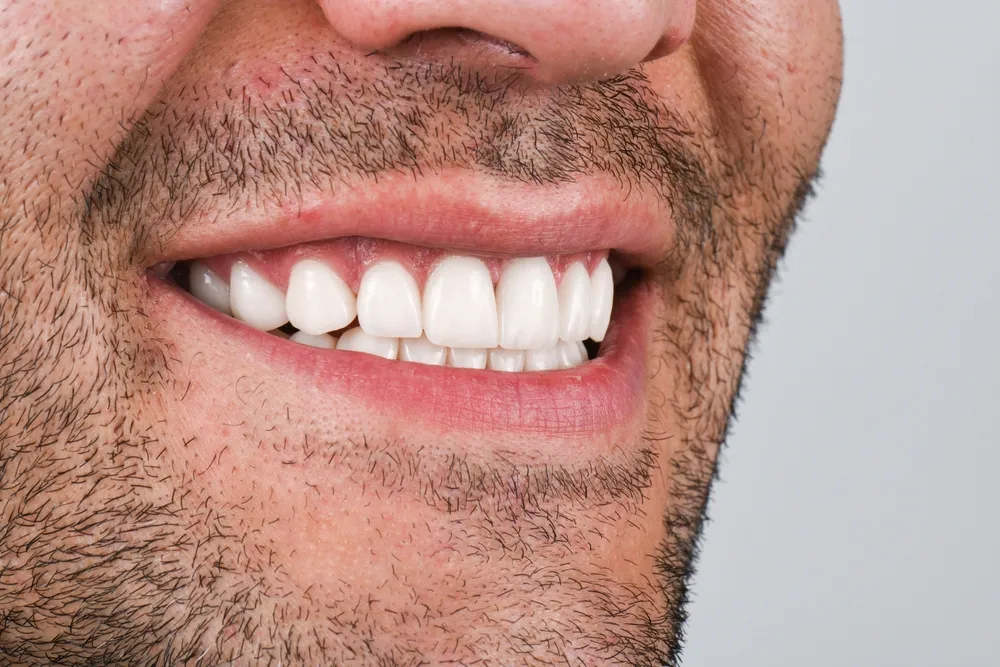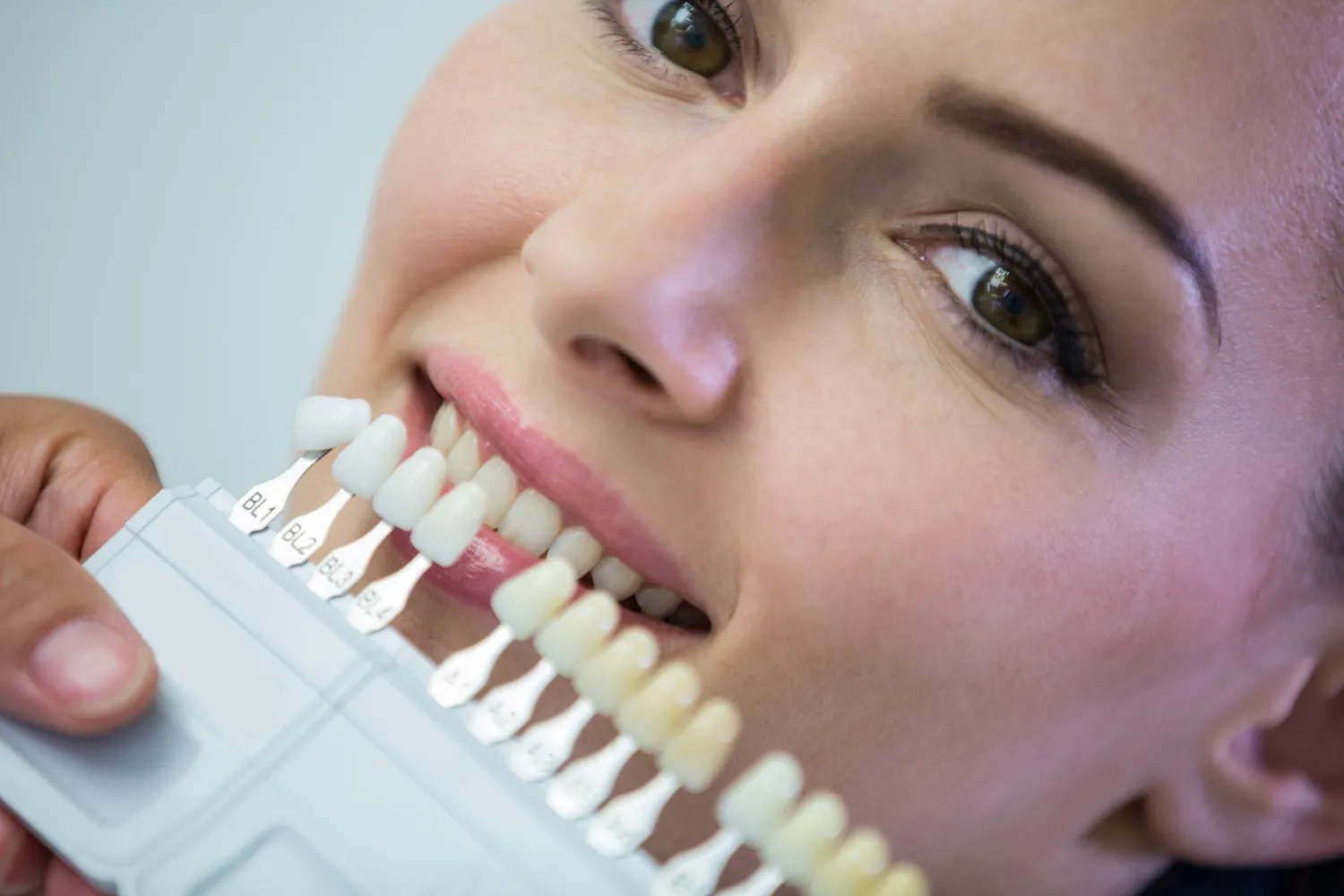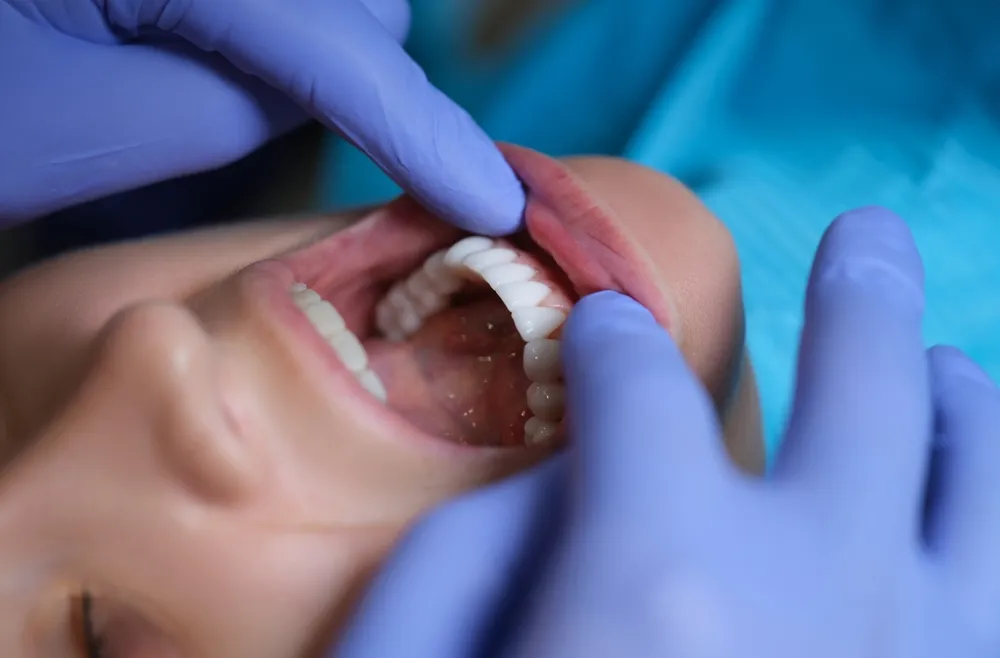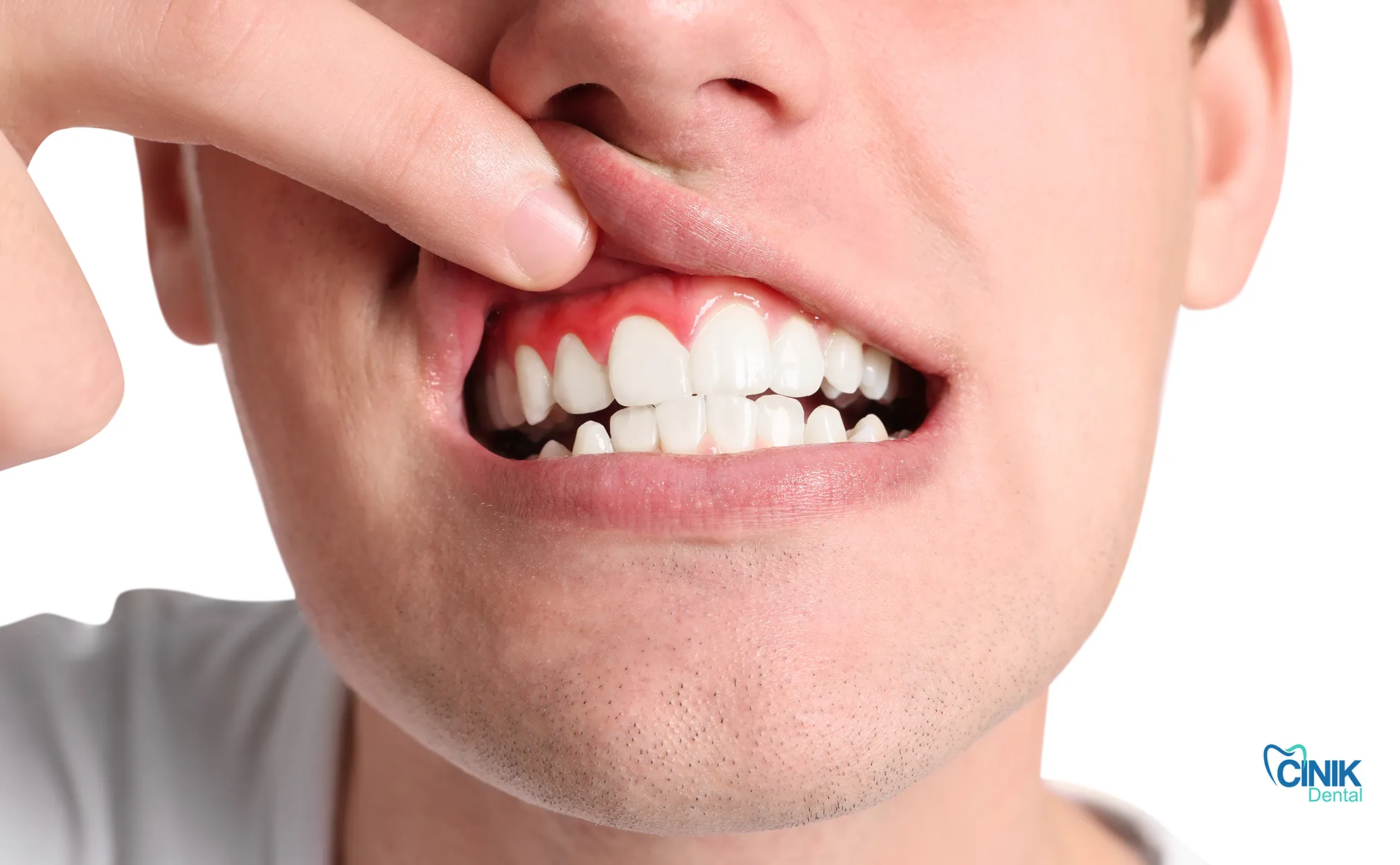
A gummy smile shows more than two to three millimeters of gum tissue above your upper front teeth when you smile. This condition affects facial harmony and often leads to self-consciousness.
A gummy smile, also called excessive gingival display, occurs when too much gum tissue appears above the upper teeth during a smile. Dentists consider two to three millimeters of gum exposure the normal limit. Anything beyond this threshold qualifies as excessive. This condition affects many adults. Studies show that women experience this condition more often than men. Modern aesthetic dentistry now treats this issue as a key part of facial balance. Patients seek correction not because of pain, but because of the emotional impact. A harmonious smile requires balance between teeth, gums, and lips. When gums dominate the view, the smile loses its ideal proportions. This imbalance drives millions of people to dental clinics every year. They want safer, faster, and more natural solutions. Understanding the root cause helps dentists deliver the right fix.
What Are the Main Components of an Ideal Smile?
An ideal smile contains balanced teeth, healthy gums, symmetrical lips, and coordinated facial muscles. These parts work together to create visual harmony.
An ideal smile depends on multiple facial and dental parts. Each part must work in balance with the others. When one part dominates, the smile loses its appeal.
What Makes Up a Balanced Smile?
Teeth, gums, lips, and facial muscles form the four pillars of a balanced smile. Each pillar must maintain proper size and position.
Teeth form the central focus of any smile. They must show proper length, width, and color. Gums frame the teeth. Healthy gums display a scalloped edge and pale pink color. Lips act as the curtain that frames the entire scene. They should move evenly and symmetrically. Facial muscles control lip movement. These muscles must lift the upper lip to the correct height. Tjan, Miller, and The (1984) studied these components extensively. They found that laypeople and dentists agree on core features of smile beauty. Teeth must fill the smile without overwhelming it. Gums must show only enough to frame the teeth. When gums steal attention, patients feel dissatisfied.
How Do Facial Structures Shape Your Smile?
Your upper lip length, jaw position, tooth size, and crown proportions determine how much gum shows when you smile.
The upper lip plays a major role in gum display. A short upper lip exposes more gum tissue naturally. The maxilla, or upper jaw, also matters. If the maxilla grew too far downward, it pulls the gum tissue with it. Tooth eruption patterns affect the final look. Sometimes teeth erupt partially. This condition, called altered passive eruption, leaves teeth looking short and gums looking long. Crown length must match facial height. Short clinical crowns make gums look oversized. Lip elevator muscles attach inside the lip and pull it upward. If these muscles overact, they expose too much gum. Peck, Peck, and Kataja (1992) analyzed these skeletal and dental relationships. They proved that facial structure sets the foundation for smile aesthetics.
How Does Gingival Display Affect Smile Attractiveness?
Most people prefer smiles that show little to no gum tissue above the upper teeth. Excessive gum display reduces smile appeal across cultures.
Smile attractiveness follows clear patterns. Most viewers prefer smiles that reveal the full upper teeth and only a thin gum line. Research shows that even one millimeter of extra gum display affects perception. However, culture and personal taste create some variation. Some populations accept slightly more gum show. Still, the global standard favors minimal gingival exposure. Kokich, Kiyak, and Shapiro (1999) compared dentist opinions with public opinions. They discovered that laypeople notice excessive gum display even more than dentists expect. This finding proves that patients suffer real social pressure. They do not imagine their flaw. The public sees it too.
How Do Dentists Define and Classify Gummy Smile?

Dentists define gummy smile as visible gum tissue exceeding three millimeters above the upper front teeth during a full smile. They classify it by cause and severity.
Clear definitions help dentists choose treatments. Without classification, doctors cannot target the true cause.
What Is the Clinical Definition of Excessive Gingival Display?
Clinicians label a smile as gummy when the upper lip rises high enough to reveal more than three millimeters of gum tissue above the central incisors.
The clinical threshold remains simple. Dentists measure gum display from the gum margin to the lower border of the upper lip during a posed smile. If this distance exceeds three millimeters, the patient has excessive gingival display. Some clinicians use two millimeters as the cutoff. Others use four millimeters. Most modern texts settle on three millimeters. This measurement occurs in a natural social setting. The patient smiles without forcing the lips. The dentist uses a ruler or digital caliper. They may take a photograph and measure on screen. This simple number drives the entire treatment plan.
What Are the Main Types of Gummy Smile Based on Cause?
Gummy smile stems from altered passive eruption, vertical maxillary excess, hyperactive upper lip, or dentoalveolar extrusion. Each type needs a different treatment.
Dentists sort gummy smile into four main types. Altered passive eruption happens when teeth do not fully emerge from the jaw. The gum tissue covers too much enamel. Vertical maxillary excess means the upper jaw grew too long vertically. This skeletal issue pushes the entire tooth-and-gum complex downward. Hyperactive upper lip results from overactive elevator muscles. These muscles pull the lip too high during animation. Dentoalveolar extrusion occurs when teeth erupt too far or drift downward over time. This condition often follows tooth loss or poor bite alignment. Batwa, Cash, and McCord (2011) reviewed these classifications. They stressed that misdiagnosis leads to treatment failure.
Cause | What Happens | Primary Area |
Altered Passive Eruption | Teeth stay partially covered by gum | Dental |
Vertical Maxillary Excess | Upper jaw overgrows vertically | Skeletal |
Hyperactive Upper Lip | Muscles pull lip too high | Muscular |
Dentoalveolar Extrusion | Teeth drift downward | Dental/Alveolar |
How Do Grades of Severity Differ?
Mild cases show three to five millimeters of gum. Moderate cases show five to seven millimeters. Severe cases show more than seven millimeters.
Severity grading helps dentists set realistic goals. Mild gummy smile responds well to non-surgical care. Moderate cases often need minimally invasive procedures. Severe cases usually require surgery. The grading system uses objective millimeter ranges. Dentists measure at rest and during a full smile. They also consider the patient’s facial height. A tall face may tolerate slightly more gum show than a short face. The table below shows standard thresholds.
Severity | Gum Display | Typical Treatment Level |
Mild | 3–5 mm | Non-surgical or minor gum contouring |
Moderate | 5–7 mm | Crown lengthening or lip repositioning |
Severe | >7 mm | Orthognathic surgery or combined approach |
What Causes Gummy Smile and Who Faces the Highest Risk?
Jaw overgrowth, short teeth, overactive lip muscles, short lips, and genetic factors cause gummy smile. Women and younger adults face higher risk.
Understanding cause separates treatable cases from complex ones. Each cause points to a specific solution.
How Does Jaw Structure Cause Gummy Smile?
An overgrown upper jaw, called vertical maxillary excess, pushes teeth and gums downward. This skeletal issue creates the most severe gummy smiles.
The maxilla forms the upper jaw and the floor of the nose. In some patients, this bone grows too long in the vertical dimension. Genetics control this growth pattern. The result includes a long lower face and excessive gum display. This condition often accompanies a gummy smile and an open bite. The teeth themselves may sit at a normal height. The bone simply holds them too low. Only surgery can reposition the maxilla upward. Orthodontics alone cannot fix this cause. Proffit, White, and Sarver (2013) discussed this skeletal pattern in orthognathic surgery texts. They noted that vertical maxillary excess demands precise cephalometric diagnosis.
What Dental Conditions Lead to Excessive Gum Display?
Altered passive eruption, short clinical crowns, and gingival overgrowth make teeth look short and gums look prominent.
Dental causes remain the most common source of gummy smile. Altered passive eruption affects about one in eight adults. The tooth erupts, but the gum and bone fail to recede to their proper levels. The crown looks square and short. Gingival overgrowth, or hyperplasia, adds extra gum tissue. Certain medications, like anti-seizure drugs or immunosuppressants, trigger this overgrowth. Poor oral hygiene also contributes. Short clinical crowns result from wear, genetics, or delayed eruption. The tooth beneath the gum may actually measure normal length. The gum simply hides it. Garber and Salama (1996) described these dental etiologies in periodontal literature. They emphasized that gum contouring fixes many of these cases quickly.
Can Overactive Muscles Create a Gummy Smile?
Yes. Overactive lip elevator muscles pull the upper lip too high during smiling. This muscular cause creates a dynamic gummy smile.
The face contains several muscles that lift the upper lip. The levator labii superioris and the levator labii superioris alaeque nasi play major roles. Some people inherit strong or hyperactive versions of these muscles. When the patient smiles, these muscles contract too much. The lip flies upward and exposes the gum. This cause differs from skeletal or dental causes. The teeth and jaw may sit in perfect position. The muscle action alone creates the problem. Botulinum toxin works best for this group. Polo (2008) studied this muscular etiology. She found that precise toxin injections reduce muscle activity and lower the lip by several millimeters.
How Do Lip and Soft Tissue Features Contribute?
A short or thin upper lip cannot cover the gum tissue fully. Excess gingival tissue also adds bulk below the lip.
Soft tissue features matter just as much as bone or teeth. A short upper lip measures less than twenty millimeters from the nose base to the lip border. This limited length simply cannot drape over the gums. A thin lip lacks the bulk to mask the gum line. Some patients combine a short lip with hyperactive muscles. This combination worsens the display. Excess gingival tissue, independent of tooth eruption, also occurs. Some patients grow thick fibrotic gums. This tissue does not shrink on its own. Dentists must remove it surgically or with lasers. Miskinyar (1983) addressed soft tissue limitations in early lip repositioning literature. He noted that lip length sets a hard biological limit for non-surgical correction.
Do Genetics Play a Role in Gummy Smile Development?
Yes. Parents pass down jaw shape, tooth size, lip length, and muscle patterns. These inherited traits strongly predict gummy smile risk.
Genetics control every etiological factor. Children of parents with vertical maxillary excess often develop the same jaw pattern. Tooth size and eruption timing also run in families. Lip length and thickness follow ethnic and familial trends. Muscle attachment points inherit from both parents. If one parent shows a gummy smile, the child faces higher odds. Researchers cannot change genetic code yet. However, early orthodontic screening helps. Dentists can spot the pattern in adolescence. They may start interceptive treatment before the condition fully develops. Hwang et al. (2009) mapped the surface anatomy of lip elevator muscles. They confirmed that muscle position and power vary by genetic background.
How Do Specialists Evaluate and Diagnose Gummy Smile?
Specialists use patient interviews, physical exams, precise measurements, digital imaging, and differential diagnosis to find the true cause.
Accurate diagnosis prevents wrong treatment. A patient with jaw overgrowth needs surgery, not just gum contouring. A patient with muscle overactivity needs Botox, not braces.
What Questions Do Clinicians Ask During Consultation?
Clinicians ask about smile concerns, family history, medication use, previous dental work, and aesthetic goals.
The consultation starts with open conversation. The dentist asks the patient to describe their smile concern. They ask when the patient first noticed the issue. They request family photos to check for inherited patterns. They review medications that might cause gum overgrowth. They ask about previous orthodontics or tooth extractions. They discuss the patient’s desired outcome. Some patients want a complete transformation. Others want subtle improvement. This subjective data guides the clinical exam. Robbin, Rinaldi, and Garber (1999) stressed that patient-centered questioning improves treatment satisfaction. When doctors listen, they match treatment to expectation.
What Happens During the Clinical Examination?
The dentist watches lip movement, measures tooth-to-gum ratios, checks gum health, and assesses facial symmetry.
The extraoral exam focuses on the lips. The dentist asks the patient to smile, laugh, and speak. They watch how far the lip moves. They note any asymmetry. They measure the resting lip length. Then they move inside the mouth. They check the gum margin around each tooth. They look for inflammation, overgrowth, or scalloping issues. They measure the clinical crown length. They compare it to ideal proportions. The ideal maxillary central incisor shows ten to twelve millimeters of crown height. If the crown measures only six millimeters, altered passive eruption likely exists. The dentist also probes the bone level. They need to know if bone covers the crown too.
Which Measurements Matter Most in Diagnosis?
Dentists measure gingival display, crown length, lip length, and lip movement range. These numbers separate mild cases from severe ones.
Objective measurements remove guesswork. The dentist records gingival display in millimeters during a posed smile. They measure the clinical crown length from the gum margin to the incisal edge. They measure the upper lip length from subnasale to the stomion. They measure lip movement range from rest to full smile. These four values tell most of the story. Additional values include the interlabial gap at rest and the incisal display at rest. The table below lists normal ranges.
Measurement | Normal Range | What It Reveals |
Gingival Display | 0–2 mm | Severity of gummy smile |
Clinical Crown Length | 10–12 mm (centrals) | Altered passive eruption |
Upper Lip Length | 20–22 mm (females), 22–24 mm (males) | Skeletal or soft tissue cause |
Lip Movement Range | 6–8 mm | Muscle hyperactivity |
How Does Digital Technology Help in Diagnosis?
Digital smile design software, cephalometric X-rays, and 3D scans let dentists plan treatments precisely and show patients predicted outcomes.
Modern dentists use digital tools. Cephalometric radiographs reveal the jaw position and tooth angulation. These X-rays show vertical maxillary excess clearly. Panoramic films show tooth eruption and bone levels. Intraoral scanners create 3D models. These models measure crown length digitally. Digital smile design software overlays ideal proportions on the patient’s photo. The dentist can show the patient a simulated after-image. This visual aid improves communication. Patients understand their condition better. They commit to treatment more confidently. AI-based planning tools now assist in measurement. They detect gum margins automatically. They suggest ideal crown exposure. These advances reduce human error.
How Do Doctors Tell the Causes Apart?
Doctors compare static measurements with dynamic observations. They rule out skeletal issues with X-rays and muscle issues with movement tests.
Differential diagnosis separates the four main causes. If the gum display stays high even at rest, skeletal or dental causes likely drive the condition. If the gum display jumps dramatically only during smiling, muscles or lip length likely cause the issue. X-rays reveal bone position. If the bone sits too low over the roots, altered passive eruption exists. If the maxilla hangs too low, vertical maxillary excess exists. If the teeth and bone sit normally, the dentist tests the lip. They may apply topical anesthetic to the elevator muscles. If the lip drops and gum display decreases, muscles dominate the cause. This step-by-step process prevents misdiagnosis.
Feature | Skeletal Cause | Dental Cause | Muscular Cause | Soft Tissue Cause |
Gum at Rest | High | Normal/High | Normal | Normal/High |
Smile Jump | Moderate | Low | Extreme | Moderate |
X-Ray Findings | Long maxilla | Low bone on roots | Normal bone | Normal bone |
Best Treatment | Orthognathic surgery | Gingivectomy/crowns | Botox/lip repositioning | Lip repositioning/grafting |
How Does Gummy Smile Affect Patients Beyond Appearance?
Gummy smile mainly harms self-confidence and social comfort. It rarely damages oral health, but it can lower quality of life.
Many patients dismiss gummy smile as a vanity issue. However, the psychological weight feels real.
What Psychological Impact Does Excessive Gingival Display Create?
Patients with gummy smile often feel embarrassed, avoid photographs, and cover their mouths when laughing.
Self-confidence drops when people dislike their smiles. They avoid social events. They refuse to appear in group photos. They laugh with a hand over their mouth. Young adults report bullying or teasing. Adults report professional setbacks. They feel that colleagues judge their competence based on appearance. This anxiety creates a cycle. The patient smiles less. Others perceive them as unfriendly. Kokich, Kiyak, and Shapiro (1999) proved that the public notices excessive gum display. This external validation confirms the patient’s fear. They do not suffer from imagined flaws. Society truly reacts to gingival exposure.
Does Gummy Smile Affect Oral Function?
Gummy smile usually causes no functional problems. In rare cases, gum overgrowth traps bacteria and increases inflammation.
Excessive gingival display remains an aesthetic diagnosis. It does not indicate disease. The teeth still chew. The jaw still opens and closes. However, some underlying causes carry functional risks. Severe gingival overgrowth makes oral hygiene difficult. Patients cannot brush properly under bulky gums. This leads to plaque buildup and gingivitis. Altered passive eruption sometimes pairs with shallow vestibular depth. This shallow space complicates restorative work. Dentists need adequate crown height to place fillings or crowns. Without treatment, these patients face future dental failure. Function and aesthetics merge in such cases.
How Does This Condition Influence Daily Life?
Gummy smile affects communication, dating, career confidence, and overall self-image. Patients often describe it as a constant social burden.
Quality of life surveys reveal significant impact. Patients rate smile aesthetics as highly as hair or skin quality. They spend time and money hiding their gums. They avoid bright lighting. They choose seats where others see them from below. They practice closed-lip smiles. This constant management exhausts them. After treatment, patients report dramatic relief. They smile freely. They engage more at work and in relationships. The change improves mental health. Aesthetic dentistry therefore serves a medical purpose. It restores psychological well-being.
What Treatment Options Can Fix a Gummy Smile?

Dentists offer non-surgical treatments, minimally invasive procedures, and surgical corrections. The right choice depends on cause and severity.
Treatment spans a wide spectrum. Patients with mild muscle issues need simple injections. Patients with severe jaw overgrowth need major surgery. The following sections explain each option.
How Does Botox Reduce Gummy Smile?
Botox relaxes the upper lip elevator muscles. This relaxation lowers the lip and hides gum tissue. Results last three to six months.
Botulinum toxin type A blocks nerve signals to specific muscles. The dentist injects small doses into the levator labii superioris alaeque nasi and nearby elevator muscles. The lip still moves, but it rises less. The procedure takes five minutes. It requires no anesthesia. Patients see results within three days. The full effect appears at two weeks. The treatment suits patients with hyperactive upper lips. It does not help patients with skeletal or dental causes. The effect wears off as the body clears the toxin. Patients need repeat sessions two to three times per year. Side effects remain rare. Some patients experience temporary lip asymmetry or difficulty drinking from a straw. Polo (2008) demonstrated that Botox reduces gingival display by an average of three to four millimeters. She concluded that this method offers a safe, reversible entry point for hesitant patients.
Can Orthodontics Correct a Gummy Smile?
Yes. Braces or clear aligners can intrude upper front teeth. This movement reduces gum display in cases of dentoalveolar extrusion.
Orthodontic intrusion moves teeth upward into the jawbone. The gum tissue follows the tooth. As the tooth intrudes, less gum shows during smiling. This approach works best when the teeth have drifted downward. It also helps when the patient has an open bite with excessive gum show. Clear aligners now handle mild to moderate intrusion. Traditional braces offer more control for complex cases. Treatment takes six to eighteen months. Orthodontists may combine intrusion with bite correction. They may also extrude the posterior teeth. This posterior extrusion rotates the jaw and reduces anterior gum display. Carrillo, Rossouw, and Franco (2015) reviewed orthodontic solutions for vertical excess. They found that intrusion mechanics offer stable, long-term improvement for suitable candidates.
What Is Gingivectomy and Laser Gum Contouring?
Gingivectomy removes excess gum tissue. Laser gum contouring reshapes the gum line with light energy. Both procedures expose more tooth and reduce gum display immediately.
Gingivectomy counts as the oldest periodontal plastic procedure. The dentist cuts away excess gum with a scalpel or electrosurgery. Laser gum contouring uses diode or erbium lasers. The laser vaporizes excess tissue and seals blood vessels simultaneously. Patients experience less bleeding and faster healing. These methods treat altered passive eruption and gingival overgrowth. The dentist must verify adequate bone support before cutting. If bone sits too close to the proposed gum line, the tissue will regrow. In such cases, the dentist performs crown lengthening instead. Laser procedures take thirty to sixty minutes. Patients heal within one to two weeks. The result appears instantly. The smile looks longer and more balanced.
How Does Crown Lengthening Help?
Crown lengthening removes both gum tissue and supporting bone. This procedure exposes more natural tooth and creates space for restorations.
Crown lengthening goes deeper than gingivectomy. The dentist raises a gum flap. They remove a small amount of alveolar bone from around the tooth. They reposition the gum at a lower level. This hard and soft tissue removal permanently lengthens the clinical crown. It serves two purposes. First, it improves aesthetics. Second, it creates room for crowns or veneers. A tooth with short crown height cannot hold a crown well. Crown lengthening solves this problem. The procedure takes sixty to ninety minutes per quadrant. Patients need two to three months for full healing. The bone must remodel. The final gum position settles after this period. Dentists reserve this procedure for patients with adequate root length. Removing too much bone risks tooth sensitivity or mobility.
How Does Lip Repositioning Surgery Work?
Lip repositioning surgery limits how far the upper lip can move upward. The surgeon removes a strip of tissue from the inner lip and reattaches it lower down.
This procedure targets hyperactive upper lip and short upper lip cases. The surgeon makes an incision on the inner mucosal surface of the upper lip. They remove a strip of connective tissue and sometimes muscle fibers. They then suture the lip edge to a lower position on the maxillary gingiva. This physical tether prevents extreme upward movement. The lip still looks natural at rest. During smiling, it simply cannot rise as high. The procedure takes forty-five minutes. It requires local anesthesia. Patients heal within ten days. The result remains permanent. Miskinyar (1983) introduced this technique. Modern surgeons use modified versions with laser or scalpel. Lip repositioning suits patients who want a lasting fix without jaw surgery. It does not change the jaw or the teeth. It only changes lip dynamics.
When Do Patients Need Orthognathic Surgery?
Patients with severe vertical maxillary excess need orthognathic surgery. The surgeon cuts the upper jaw, moves it upward, and fixes it with plates and screws.
Orthognathic surgery, or maxillary impaction, corrects skeletal gummy smile. The oral and maxillofacial surgeon performs a Le Fort I osteotomy. They separate the upper jaw from the skull base. They move the entire maxillary segment upward by a planned distance. They then secure it with titanium plates and screws. This upward movement reduces gum display dramatically. It also corrects associated open bites and long face patterns. The procedure requires general anesthesia. Patients stay in the hospital for one to two days. Recovery takes six to twelve weeks. Orthodontic treatment usually precedes and follows the surgery. The total treatment spans twelve to eighteen months. Proffit, White, and Sarver (2013) described this as the only definitive cure for severe skeletal gummy smile. The results remain stable for life.
What Are Combined Multidisciplinary Approaches?
Complex cases need teams. Periodontists reshape gums, orthodontists move teeth, and surgeons reposition jaws. This teamwork delivers the best final smile.
No single specialist can fix every gummy smile. A patient might have vertical maxillary excess plus altered passive eruption. The surgeon impacts the maxilla. Then the periodontist performs crown lengthening. Another patient might have muscle hyperactivity plus dental extrusion. The orthodontist intrudes the teeth. Then the surgeon performs lip repositioning. These combined plans require clear communication. The team meets before treatment starts. They share digital models and X-rays. They sequence procedures in the right order. Usually, skeletal correction comes first. Then soft tissue work follows. Finally, restorative dentists place veneers if needed. This coordination prevents conflicts between treatments.
How Do Doctors Choose the Right Treatment for Each Patient?
Doctors match the treatment to the cause. They also consider patient goals, recovery time, budget, and willingness to undergo surgery.
Treatment selection follows a logical path. Etiology drives the primary decision. Patient factors refine it.
How Does the Underlying Cause Guide Treatment Choice?
Muscle problems receive Botox or lip repositioning. Dental problems receive gingivectomy or crown lengthening. Jaw problems receive orthognathic surgery.
The cause-cause match remains simple. Hyperactive upper lip responds to Botox for temporary relief or lip repositioning for permanence. Altered passive eruption responds to gingivectomy or crown lengthening. Vertical maxillary excess responds to maxillary impaction. Dentoalveolar extrusion responds to orthodontic intrusion. Violating this match produces poor results. For example, Botox cannot fix a long maxilla. Surgery cannot fix muscle overactivity. The dentist must identify the true driver. Then they select the tool that targets that driver.
What Patient Preferences Shape the Treatment Plan?
Patients choose based on desired speed, cost, invasiveness, and permanence. Some prefer quick injections. Others prefer one-time surgery.
Patient-centered care means listening to lifestyle needs. A college student might prefer Botox because it costs less and requires no downtime. A business executive might prefer laser gum contouring because it offers instant results with minimal recovery. A young adult with severe skeletal issues might accept orthognathic surgery because they want a permanent fix early in life. Cost varies widely by region and procedure. Botox costs the least per session but repeats forever. Orthognathic surgery costs the most upfront but solves the problem permanently. Recovery time also varies. Non-surgical options allow immediate return to work. Surgical options require one to four weeks off. Dentists must explain these trade-offs clearly.
Factor | Botox | Gingivectomy | Crown Lengthening | Lip Repositioning | Orthognathic Surgery |
Invasiveness | None | Low | Moderate | Moderate | High |
Permanence | Temporary (3–6 months) | Permanent | Permanent | Permanent | Permanent |
Cost | Low | Moderate | Moderate | Moderate-High | High |
Recovery | None | 3–7 days | 2–4 weeks | 7–10 days | 6–12 weeks |
Best For | Muscle hyperactivity | Gum overgrowth | Short crowns | Short/hyperactive lip | Vertical maxillary excess |
Why Does Multidisciplinary Care Deliver Better Results?
Specialists bring focused expertise. Periodontists know gum tissue. Orthodontists know tooth movement. Surgeons know bone repositioning. Together they cover every aspect.
A single dentist cannot master every subfield. Periodontists train for years in gum health and soft tissue surgery. They handle gingivectomy and crown lengthening with precision. Orthodontists understand biomechanics. They know how to intrude teeth without damaging roots. Maxillofacial surgeons manage airway, bone healing, and facial nerves. They perform safe osteotomies. When these experts collaborate, they catch details that generalists miss. They avoid complications. They optimize the sequence. They deliver a smile that looks natural and functions properly. Patients benefit from this team approach. They receive comprehensive care under one coordinated plan.
What Results Can Patients Expect and What Are the Risks?
Results range from temporary muscle relaxation to permanent skeletal correction. Risks include relapse, asymmetry, infection, and nerve damage.
Every treatment carries benefits and drawbacks. Patients deserve honest data.
How Long Do Results Last for Each Treatment?
Botox lasts three to six months. Gum procedures and surgery last permanently unless gum tissue regrows or aging changes the face.
Non-surgical treatments offer temporary improvement. Botox requires lifelong maintenance if the patient wants continuous results. Orthodontic intrusion remains stable if the patient wears retainers. Minimally invasive gum procedures produce lasting results. The gum margin usually stays at its new position. However, poor oral hygiene or certain medications can trigger regrowth. Surgical results from lip repositioning and orthognathic surgery generally last decades. Aging may lengthen the upper lip over time. This natural change can actually improve the smile further by covering more gum. Very rarely, scar tissue from lip repositioning relaxes and allows more lip movement after several years.
Treatment | Expected Duration | Maintenance Required |
Botox | 3–6 months | Repeat injections |
Orthodontic Intrusion | Permanent with retention | Retainers nightly |
Gingivectomy/Laser | Permanent | Good oral hygiene |
Crown Lengthening | Permanent | Good oral hygiene |
Lip Repositioning | Permanent | None |
Orthognathic Surgery | Permanent | None |
How Long Does Recovery Take?
Non-surgical options need no recovery. Laser gum procedures need three to seven days. Crown lengthening needs two to four weeks. Jaw surgery needs six to twelve weeks.
Recovery timelines help patients plan their lives. Botox allows immediate return to work. Patients avoid rubbing the injection site for four hours. Laser gum contouring causes mild soreness for two days. Most patients resume normal eating after three days. Crown lengthening causes more swelling. The gum must reattach to the bone. Patients eat soft foods for one week. They avoid vigorous brushing near the site for two weeks. Lip repositioning causes lip stiffness. Patients practice gentle stretching after one week. They avoid exaggerated smiling for two weeks. Orthognathic surgery requires the longest downtime. Patients need liquid diets for two weeks. They avoid heavy exercise for six weeks. Swelling subsides gradually over three months. Final bone healing completes at six months.
What Risks and Limitations Should Patients Know?
Botox can cause asymmetry. Gum procedures can expose too much root. Surgery carries infection, bleeding, and nerve injury risks.
Every procedure has limits. Botox may weaken neighboring muscles. This creates a crooked smile or difficulty pronouncing certain words. The effect wears off, so these issues resolve. Gingivectomy and crown lengthening risk root exposure. Exposed root surfaces feel sensitive to cold. They also carry higher cavity risk. Crown lengthening can compromise tooth support if bone removal goes too far. Lip repositioning can create a thick or tight lip sensation. Some patients feel their smile looks restricted rather than natural. Orthognathic surgery carries general surgical risks. These include bleeding, infection, bad bite alignment, and numbness from nerve damage. Surgeons use 3D planning to minimize these risks. Still, patients must sign informed consent.
How Stable Are Long-Term Outcomes?
Surgical and periodontal outcomes usually stay stable. Botox requires ongoing sessions. Natural aging slowly changes lip position and gum health.
Long-term stability depends on the procedure and the patient. Gum tissue does not regrow after proper crown lengthening. The bone heals and stays in its new position. Lip repositioning scars hold for years. Orthognathic surgery results remain for life. However, the human face ages. The upper lip lengthens and thins over decades. This change may improve or alter the original result. Gum recession from brushing trauma can expose more tooth later. This looks different from gummy smile but changes aesthetics. Regular dental checkups help. Dentists monitor gum levels and bone health. They catch changes early.
What New Technologies Are Changing Gummy Smile Treatment?
Digital smile design, AI planning tools, advanced lasers, and minimally invasive techniques now improve accuracy, comfort, and predictability.
Technology reshapes aesthetic dentistry. Patients benefit from better planning and gentler procedures.
Digital smile design software lets dentists plan every millimeter. They import patient photos and overlay ideal proportions. They adjust tooth length, gum position, and lip dynamics on screen. The patient sees the future result before committing. This visual contract reduces misunderstandings. AI algorithms now analyze facial symmetry automatically. They suggest ideal gingival margins based on population norms. They predict how much gum display will change after each procedure. These tools do not replace clinical judgment. They enhance it.
Laser technology advances every year. Erbium lasers cut hard and soft tissue with minimal heat. They reduce pain and swelling. They sterilize as they cut. This lowers infection risk. Piezoelectric surgery uses ultrasonic vibrations. It cuts bone without touching soft tissue. Surgeons use this for precise crown lengthening and bone removal. Minimally invasive dentistry now dominates trends. Patients want smaller incisions, shorter recovery, and less trauma. Dentists respond with microsurgical instruments and biologic modifiers. Platelet-rich fibrin speeds gum healing after contouring. It reduces postoperative pain. These advances make treatment accessible to more patients.
Why Does Accurate Diagnosis Remain the Key to Success?
Gummy smile has many causes. Only precise diagnosis connects the patient to the right treatment. Wrong diagnosis wastes money and time.
Gummy smile is not one disease. It is one visual sign with many possible drivers. A muscle case looks identical to a jaw case in a still photograph. Only dynamic examination and imaging separate them. When doctors skip steps, they apply the wrong fix. A patient with vertical maxillary excess who receives only gingivectomy will still show too much gum. The gum simply regrows or the jaw still dominates the view. A patient with altered passive eruption who receives orthognathic surgery undergoes unnecessary trauma. The jaw sat in a normal position. The teeth simply needed uncovering.
Accurate diagnosis requires time. The dentist must measure, image, and observe. They must think across disciplines. They must ignore the temptation to sell the procedure they know best. They must choose the procedure the patient actually needs. This intellectual honesty defines professional excellence. It also protects patient safety. Multifactorial cases need multidisciplinary plans. No single treatment cures every presentation. The future of aesthetic dentistry lies not in new tools alone, but in better diagnostic thinking.
What Should Patients Remember About Gummy Smile Management?
Gummy smile is common, treatable, and highly individual. Modern dentistry offers solutions for every cause and severity. Patients should seek thorough diagnosis before choosing treatment.
This article covered the full landscape of excessive gingival display. Patients now understand that gummy smile involves teeth, gums, lips, muscles, and bones. They know that women experience it more often. They know that mild cases need simple care. They know that severe cases need surgery. They understand the importance of cause-based treatment. They see the value of multidisciplinary teams.
Modern aesthetic dentistry continues to evolve. Digital tools improve planning. Lasers reduce discomfort. Minimally invasive options expand. Patients enjoy more choices than ever before. However, technology cannot replace sound diagnosis. The best results still come from careful evaluation, honest communication, and skilled execution. Patients should consult qualified specialists. They should ask about cause, options, recovery, and risks. They should view simulated outcomes. They should not rush. A well-planned gummy smile correction changes more than a smile. It changes self-image, social comfort, and quality of life.
Future research will explore genetic markers for vertical maxillary excess. It will refine Botox dosing protocols. It will test new biomaterials for gum regeneration. These directions promise even better outcomes. For now, patients can take comfort in the robust options already available. Help exists. The first step is a comprehensive consultation.
Frequently Asked Questions
What causes a gummy smile?
Jaw overgrowth, short teeth covered by gum, overactive lip muscles, short upper lips, and genetic factors cause gummy smile. Each cause needs a different treatment.
Is a gummy smile harmful?
No. Gummy smile rarely damages oral health. However, it can lower self-confidence and affect social life.
Can gummy smile be fixed permanently?
Yes. Surgical options like crown lengthening, lip repositioning, and orthognathic surgery offer permanent correction. Botox offers only temporary relief.
What is the best treatment option?
The best treatment targets the specific cause. Muscle issues need Botox or lip repositioning. Dental issues need gum contouring. Jaw issues need surgery.
How long do results last?
Botox lasts three to six months. Gum and bone procedures last permanently with proper care. Surgical corrections last a lifetime.
References
Batwa, Wael, Alex Cash, and John McCord. "The 'Gummy Smile': Diagnosis, Etiology and Treatment." Journal of Cosmetic Dentistry, vol. 27, no. 2, 2011, pp. 45-53.
Carrillo, Rosa, E. Fransiscus Rossouw, and Pablo Franco. "Orthodontic Intrusion Mechanics for the Correction of Excessive Gingival Display." American Journal of Orthodontics and Dentofacial Orthopedics, vol. 147, no. 4, 2015, pp. 423-431.
Garber, David A., and Maurice A. Salama. "The Aesthetic Smile: Diagnosis and Treatment." Periodontology 2000, vol. 11, no. 1, 1996, pp. 18-28.
Hwang, Woo-Suk, et al. "Surface Anatomy of the Lip Elevator Muscles for the Treatment of Gummy Smile Using Botulinum Toxin." Angle Orthodontist, vol. 79, no. 1, 2009, pp. 70-77.
Kokich, Vincent O., H. Asuman Kiyak, and Peter A. Shapiro. "Comparing the Perception of Dentists and Lay People to Altered Dental Esthetics." Journal of Esthetic and Restorative Dentistry, vol. 11, no. 6, 1999, pp. 311-324.
Miskinyar, Siamak A. "A Modified Surgical Procedure for the Reduction of Excessive Gingival Display." Journal of Periodontology, vol. 54, no. 7, 1983, pp. 427-431.
Peck, Sheldon, Lisa Peck, and M. Kataja. "The Gingival Smile Line." Angle Orthodontist, vol. 62, no. 2, 1992, pp. 91-100.
Polo, Maria. "Botulinum Toxin Type A (Botox) for the Neuromuscular Correction of Excessive Gingival Display on Smiling." American Journal of Orthodontics and Dentofacial Orthopedics, vol. 133, no. 2, 2008, pp. 195-203.
Proffit, William R., Raymond P. White, and David M. Sarver. Contemporary Treatment of Dentofacial Deformity. Mosby, 2013.
Robbin, Maria R., Stephen Rinaldi, and David A. Garber. "Crown Lengthening: Periodontal and Restorative Considerations." Practical Periodontics and Aesthetic Dentistry, vol. 11, no. 7, 1999, pp. 735-742.
Tjan, Anthony H., Gary D. Miller, and Julian G. The. "Some Esthetic Factors in a Smile." Journal of Prosthetic Dentistry, vol. 51, no. 1, 1984, pp. 24-28.