Bad dental hygiene means you neglect daily oral care practices. Bacteria accumulate on your teeth and gums. These bacteria trigger inflammation. The inflammation spreads throughout your body. This process damages your heart, brain, and metabolic systems.
Bad dental hygiene (or poor oral hygiene) describes inadequate care of your mouth, teeth, and gums. You fail to remove dental plaque regularly. You skip brushing sessions. You ignore flossing. You miss professional cleanings. This neglect allows bacteria to colonize your oral cavity. Scientists call this state "oral dysbiosis" (Georges, Do, and Seleem 2022).
Oral diseases create a massive global health burden. The World Health Organization reports that dental caries affects nearly 100% of adults worldwide. Periodontal disease impacts about 20% of the adult population. These conditions cost healthcare systems billions of dollars annually. They also reduce quality of life significantly.
Your mouth does not exist in isolation. It connects directly to your digestive tract. It links to your respiratory system. It shares blood supply with your entire body. When oral bacteria enter your bloodstream, they travel everywhere. They trigger systemic inflammation. This article explores these connections. It examines how neglecting your teeth threatens your entire body. It provides evidence-based solutions. It emphasizes prevention strategies.
How Does Bad Dental Hygiene Develop?
Bad dental hygiene develops from behavioral neglect. You skip brushing. You consume excess sugar. You avoid dental visits. Socioeconomic barriers limit your access. Psychological factors contribute. Medical conditions complicate your care.
Bad dental hygiene stems from multiple factors. These factors interact. They create a cycle of deteriorating oral health. You must understand each contributor. This understanding helps you break the cycle.
What Behavioral Factors Cause Poor Oral Hygiene?
You cause poor oral hygiene through specific behaviors. You brush infrequently. You skip flossing. You eat sugary foods. You smoke cigarettes. You drink alcohol excessively.
Your daily habits determine your oral health outcomes. When you brush less than twice daily, plaque accumulates. Plaque contains bacteria. These bacteria produce acids. The acids dissolve your tooth enamel. This process creates cavities (Meyer, Zur Wiesche, and Amaechi 2024).
You compound the problem when you skip flossing. Flossing removes food particles between teeth. These particles feed bacteria. Without removal, the bacteria colonize interdental spaces. They cause gum inflammation there first.
Your diet plays a major role. Sugary foods and drinks provide fuel for Streptococcus mutans. This bacterium produces lactic acid. The acid demineralizes your enamel. Frequent snacking increases acid exposure. This exposure exceeds your saliva's repair capacity.
Tobacco use damages your oral defenses. Smoking reduces blood flow to your gums. It impairs your immune response. It masks bleeding. This masking delays diagnosis of gum disease. Alcohol dries your mouth. Dry mouth reduces saliva production. Saliva normally washes away bacteria and neutralizes acids.
How Do Socioeconomic and Psychological Barriers Affect Your Oral Care?
Limited income restricts your dental access. Low education reduces your oral health awareness. Dental anxiety prevents your visits. Depression causes you to neglect self-care.
You face systemic barriers to proper oral care. Dental insurance costs money. Without coverage, you skip preventive visits. You wait for emergencies. Emergency treatment costs more. This creates a poverty trap.
Education gaps limit your knowledge. You may not understand proper brushing technique. You may not know flossing matters. Public health campaigns fail to reach you. Health literacy affects your outcomes profoundly.
Mental health directly impacts oral hygiene. Depression reduces your motivation. You neglect self-care activities. You skip brushing. Anxiety prevents dental visits. You fear pain. You avoid treatment. This avoidance worsens conditions.
Which Medical Conditions Increase Your Risk of Poor Oral Hygiene?
Dry mouth increases your bacterial load. Orthodontic appliances trap food. Diabetes impairs your healing. Arthritis limits your dexterity. Dementia prevents your self-care.
Xerostomia (dry mouth) devastates oral health. Saliva contains antimicrobial proteins. It washes away debris. It remineralizes enamel. Medications cause dry mouth. Antidepressants cause it. Antihistamines cause it. Without saliva, bacteria multiply rapidly.
Orthodontic appliances create cleaning challenges. Braces trap food particles. Aligners cover teeth. You must clean carefully under wires. Without diligent care, plaque accumulates around brackets.
Systemic diseases complicate maintenance. Rheumatoid arthritis limits hand dexterity. You cannot grip toothbrushes properly. You cannot floss effectively. Parkinson's disease causes tremors. Physical tremors make brushing difficult. Dementia prevents proper technique. Patients forget routines.
What Pathological Processes Occur When You Neglect Oral Hygiene?
Plaque mineralizes into tartar. Bacteria invade your gums. Inflammation destroys your tissues. Bacteria enter your bloodstream. They trigger body-wide inflammation.
When you neglect oral care, specific pathological sequences activate. These sequences progress predictably. Early stages allow reversal. Advanced stages cause permanent damage.
How Does Plaque Become Tartar?
Bacteria stick to your teeth. They form a biofilm. Minerals from your saliva harden this film. The hardened film becomes calculus. You cannot remove calculus yourself.
Dental plaque forms constantly. It starts as a pellicle. This protein layer coats your teeth. Oral bacteria adhere to this layer. They multiply. They form a biofilm. This biofilm protects the colony. It resists your saliva's washing action.
Within 24 to 72 hours, plaque mineralizes. Calcium and phosphate ions from your saliva crystallize. They harden the bacterial matrix. This hardened deposit becomes calculus (tartar). Calculus provides a rough surface. More plaque accumulates on it. The cycle accelerates.
Once calculus forms, you cannot remove it with brushing. It requires professional scaling. Dental hygienists use ultrasonic instruments. These instruments vibrate calculus off. They scrape root surfaces smooth. Without removal, calculus extends below your gumline.
How Does Gum Disease Progress?
Bacteria irritate your gums. Your gums bleed. Inflammation deepens. It destroys your periodontal ligament. It eats your bone. Teeth loosen.
Gingivitis marks the first stage. Bacteria accumulate at your gumline. They produce toxins. Your immune system responds. Blood vessels dilate. You notice bleeding when you brush. Your gums appear red and swollen. This stage reverses completely. You need only proper brushing and professional cleaning (Scannapieco et al. 2021).
Untreated gingivitis advances to periodontitis. Inflammation penetrates deeper. It attacks periodontal ligaments. These ligaments anchor your teeth. It attacks alveolar bone. Your body produces inflammatory cytokines. These cytokines activate osteoclasts. Osteoclasts dissolve your bone. Pockets form between teeth and gums. These pockets harbor more bacteria. Eventually, teeth loosen. They require extraction.
How Do Oral Bacteria Enter Your Bloodstream?
Bacteria penetrate your inflamed gums. Chewing and brushing force them through. They enter capillaries. They travel to your heart and brain.
Your gingival tissue contains blood vessels. Healthy gums seal tightly around teeth. Diseased gums pull away. They form periodontal pockets. These pockets ulcerate. The surface area of ulceration surprises many clinicians. It covers several square centimeters in severe cases.
Daily activities drive bacteria into your blood. Chewing creates pressure. This pressure pumps bacteria through epithelial barriers. Tooth brushing forces bacteria through. Even flossing introduces transient bacteremia. Oral bacteria appear in your bloodstream within minutes of these activities.
Once inside your blood, bacteria travel everywhere. They adhere to arterial walls. They colonize heart valves. They cross the blood-brain barrier. Your immune system detects them. It releases inflammatory markers. These markers cause systemic effects.
What Oral Diseases Result From Poor Hygiene?
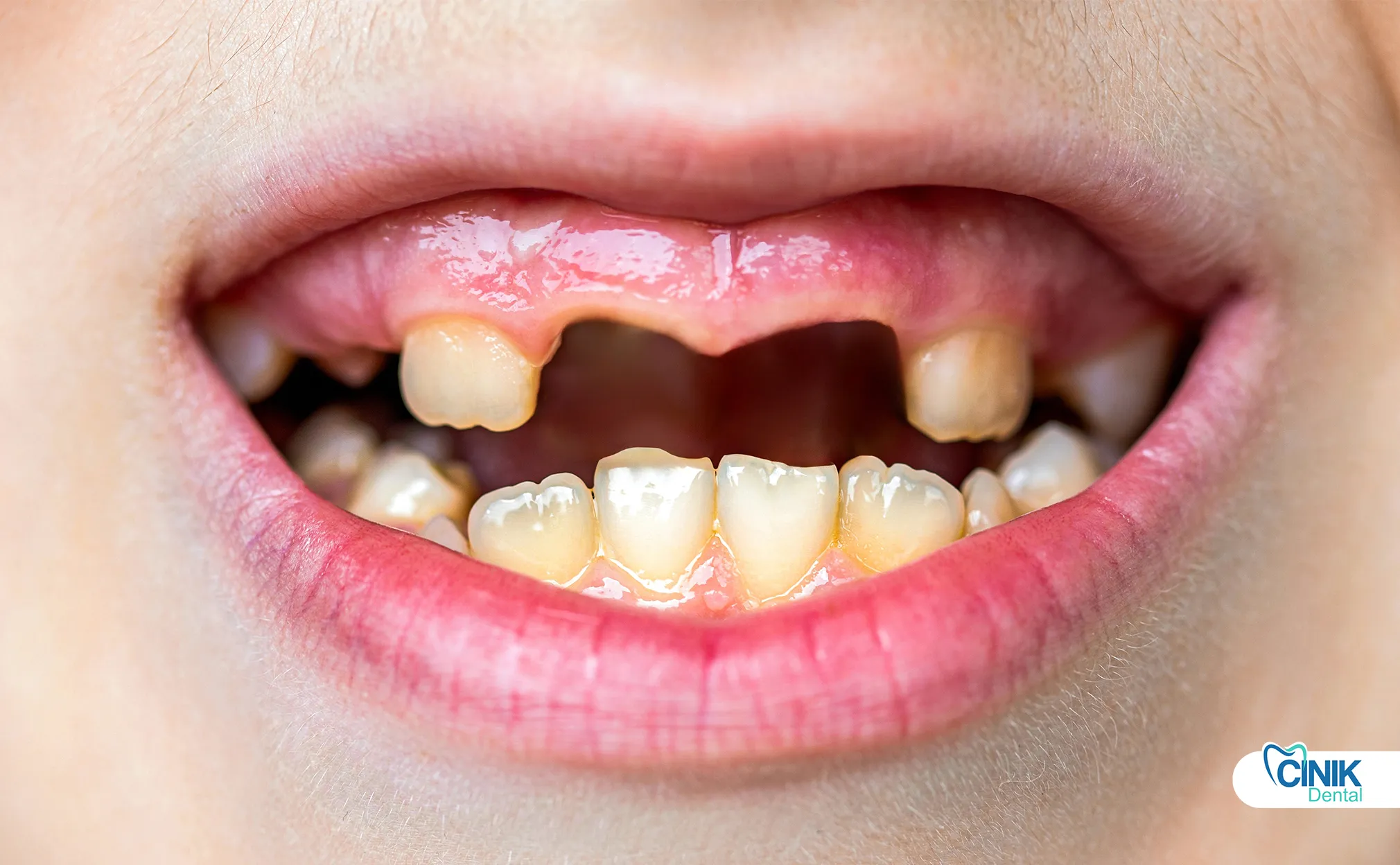
You develop cavities. You develop gum disease. You develop bad breath. You lose teeth. These conditions pain you. They limit your eating. They embarrass you.
Neglecting your teeth produces specific pathological conditions. Each condition progresses from bacterial accumulation. Each damages your quality of life.
How Do Cavities Form in Your Teeth?
Bacteria eat your enamel. They produce acid. The acid creates holes. Holes enlarge. They reach your nerve. Pain begins.
Dental caries (tooth decay) starts with demineralization. Streptococcus mutans and Lactobacillus species metabolize carbohydrates. They produce organic acids. The acids lower pH at the tooth surface. Enamel dissolves when pH drops below 5.5.
Early decay appears as white spots. These spots indicate mineral loss. Without intervention, cavities form. Cavities penetrate dentin. They reach the pulp chamber. Bacteria infect the pulp. You experience toothache. You require root canal treatment or extraction.
Fluoride helps prevent this process. Fluoride remineralizes enamel. It creates fluorapatite. This crystal structure resists acid better than hydroxyapatite (Petersen and Ogawa 2016). However, fluoride cannot overcome constant neglect. You must remove plaque mechanically first.
What Is the Difference Between Gingivitis and Periodontitis?
Gingivitis affects only your gums. It reverses completely. Periodontitis destroys your bone. It causes permanent damage. Teeth fall out.
Feature | Gingivitis | Periodontitis |
Tissues affected | Gums only | Gums, ligament, bone |
Reversibility | Fully reversible | Irreversible |
Bone loss | None | Present |
Treatment | Cleaning, home care | Deep scaling, surgery |
Tooth loss risk | None | High |
Gingivitis represents inflammation confined to soft tissue. Your gums bleed. They swell. They redden. However, the attachment apparatus remains intact. No bone destruction occurs. Professional cleaning plus daily brushing reverses this condition completely within weeks.
Periodontitis involves attachment loss. Inflammatory mediators destroy periodontal ligaments. They trigger bone resorption. Pocket depth increases beyond 3 millimeters. You detect bad taste. You feel tooth mobility. This damage remains permanent even after treatment. You manage it; you do not cure it (Preshaw et al. 2012).
Why Do You Develop Bad Breath?
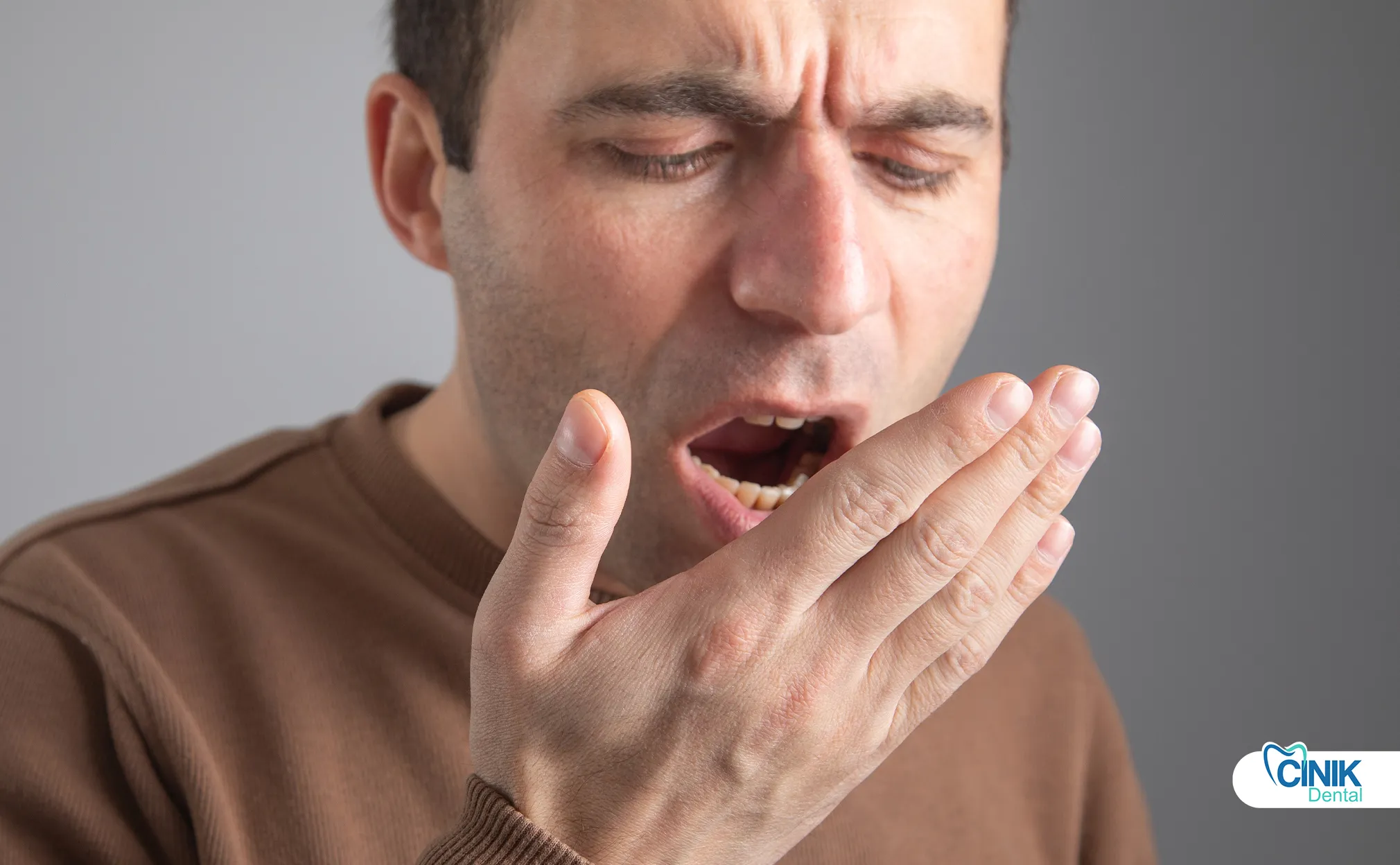
Bacteria rot food particles. They release sulfur gases. These gases smell foul. The smell persists until you clean your mouth.
Halitosis (bad breath) originates primarily from your tongue. It originates from periodontal pockets. Anaerobic bacteria metabolize proteins. They produce volatile sulfur compounds (VSCs). These include hydrogen sulfide. These include methyl mercaptan. These compounds smell like rotten eggs.
Poor hygiene allows bacterial overgrowth. The biofilm thickens. Bacteria decompose epithelial cells. They decompose food debris. They produce VSCs continuously. Mouthwash masks odors temporarily. However, mechanical removal of bacteria solves the problem. You must scrape your tongue. You must clean between teeth.
How Does Tooth Loss Occur?
Infection destroys your bone. Teeth lose support. They loosen. You must extract them. Or they fall out.
Edentulism (tooth loss) represents the end stage of oral disease. It results from untreated caries. It results from advanced periodontitis. When decay reaches your root apex, extraction becomes necessary. When bone loss exceeds 50%, teeth become hopeless.
Tooth loss devastates function. You cannot chew effectively. You avoid healthy foods like vegetables and meat. You suffer malnutrition. Your facial collapses. Your speech changes. You withdraw socially. You experience depression.
How Does Bad Dental Hygiene Damage Your Entire Body?
Oral bacteria trigger chronic inflammation. This inflammation damages your arteries. It worsens your diabetes. It increases pneumonia risk. It may trigger Alzheimer's disease.
Scientists have established clear links between oral infections and systemic diseases. These connections involve multiple mechanisms. They involve direct bacterial invasion. They involve inflammatory mediators. They involve immune cross-reactivity.
Can Gum Disease Cause Heart Problems?
Gum disease increases your heart attack risk. Oral bacteria stick to your arteries. They cause inflammation there. This narrows your arteries. Clots form.
Cardiovascular disease kills millions annually. Researchers found that periodontal disease increases your risk. The connection makes biological sense. Oral bacteria enter your bloodstream. They adhere to atherosclerotic plaques. Porphyromonas gingivalis and Aggregatibacter actinomycetemcomitans appear in coronary arteries.
Inflammation provides the link. Periodontal disease elevates C-reactive protein. It elevates interleukin-6. These inflammatory markers promote atherosclerosis. They make arterial plaques unstable. They trigger thrombus formation.
Beck and colleagues demonstrated this association in 1996. They followed over 1,100 men. Men with periodontal disease showed 1.5 times higher risk of coronary heart disease. This risk persisted after adjusting for smoking, cholesterol, and blood pressure (Beck et al. 1996). Later studies confirmed these findings. Carrizales-Sepúlveda and colleagues reviewed the evidence in 2018. They concluded that periodontal therapy reduces systemic inflammation markers (Carrizales-Sepúlveda, Ordaz-Farías, and others 2018).
How Does Oral Health Affect Your Diabetes Control?
Gum disease raises your blood sugar. High blood sugar worsens your gum disease. This creates a vicious cycle. Treating one helps the other.
Diabetes and periodontal disease share a bidirectional relationship. This means each affects the other. Periodontal infection increases insulin resistance. It elevates inflammatory cytokines. These cytokines interfere with glucose uptake. Your blood sugar rises. Your HbA1c worsens.
Conversely, high glucose feeds bacteria. It impairs your neutrophil function. It reduces your ability to fight infection. It accelerates periodontal destruction. Uncontrolled diabetics lose teeth faster. They experience more severe bone loss.
Preshaw and colleagues published a landmark review in Diabetologia (2012). They established that periodontal treatment improves glycemic control. Treating your gums reduces HbA1c by approximately 0.4 percentage points. This reduction matches adding a second drug to your diabetes regimen (Preshaw et al. 2012).
Paunica and colleagues updated this research in 2023. They emphasized that dentists and physicians must collaborate. They must treat the patient simultaneously. You cannot achieve optimal diabetes control with poor oral health (Paunica et al. 2023).
Can Poor Oral Hygiene Cause Lung Infections?
You breathe oral bacteria into your lungs. They cause pneumonia. Elderly patients face high risk. Good oral care prevents these infections.
Your mouth connects directly to your trachea. You aspirate oral contents constantly during sleep. You aspirate during eating. Healthy lungs clear these bacteria easily. Compromised lungs cannot.
Elderly nursing home residents face particular danger. They often have poor oral hygiene. They have dysphagia (swallowing problems). They have weak immune systems. Oral bacteria colonize their lungs. They cause aspiration pneumonia. This condition kills many seniors.
Khadka and colleagues conducted a systematic review in 2021. They analyzed studies linking oral hygiene to pneumonia. They found strong evidence. Poor oral hygiene increases pneumonia risk significantly. Professional oral care reduces this risk (Khadka et al. 2021).
Scannapieco and Shay explained the mechanism in 2014. Oral pathogens alter respiratory epithelium. They make it easier for respiratory pathogens to adhere. They disrupt local immunity. They increase inflammatory cytokines in lung tissue (Scannapieco and Shay 2014).
Does Gum Disease Increase Your Alzheimer's Risk?
Oral bacteria reach your brain. They trigger inflammation there. They produce enzymes that damage brain tissue. This may accelerate dementia.
Neurodegenerative diseases concern aging populations. Alzheimer's disease destroys memory. It destroys cognition. Recent research implicates oral bacteria in this process.
Porphyromonas gingivalis stands out. This periodontal pathogen produces gingipains. These are proteolytic enzymes. They break down proteins. They damage neurons. They promote amyloid-beta accumulation. They promote tau tangles.
Singhrao and colleagues proposed this mechanism in 2015. They reviewed evidence showing P. gingivalis in Alzheimer's brains. They found gingipains in hippocampal tissue. This region controls memory. Bacterial DNA appears in cerebrospinal fluid of patients with periodontal disease (Singhrao, Harding, and Poole et al. 2015).
Sarmiento-Ordóñez and colleagues reviewed the connection in 2025. They confirmed that P. gingivalis infection correlates with cognitive decline. They suggested that maintaining oral health might delay neurodegeneration (Sarmiento-Ordóñez et al. 2025).
What Pregnancy Complications Link to Oral Disease?
Gum disease releases inflammatory signals. These signals trigger labor hormones. Babies deliver early. They have low birth weight.
Pregnant women experience hormonal changes. These changes exaggerate gum inflammation. Even mild plaque causes severe gingivitis. This inflammation produces prostaglandins. It produces tumor necrosis factor-alpha. These molecules reach the placenta. They trigger uterine contractions.
Studies link periodontal disease to preterm birth. They link it to preeclampsia. They link it to low birth weight. The inflammatory burden matters more than specific bacteria.
Do Other Conditions Connect to Oral Health?
Yes. Arthritis connects. Kidney disease connects. Some cancers connect. Researchers continue finding new links.
Rheumatoid arthritis patients often have severe periodontal disease. Both conditions share inflammatory pathways. They share genetic risk factors. They share environmental triggers.
Chronic kidney disease correlates with tooth loss. The relationship is bidirectional. Kidney disease impairs immune function. It allows oral infections. Oral infections increase systemic inflammation. This worsens kidney function.
Some studies link periodontal disease to pancreatic cancer. They link it to oral cancer itself. The mechanisms involve chronic inflammation. They involve bacterial metabolites.
What Mechanisms Connect Your Mouth to Your Body?
Three main mechanisms operate. Chronic inflammation travels through your blood. Oral bacteria alter your gut microbiome. Your immune system overreacts throughout your body.
Scientists have mapped specific pathways. These pathways explain the oral-systemic link. Understanding them helps you appreciate prevention importance.
How Does Inflammation Spread Systemically?
Your gums release cytokines. These chemicals enter your blood. They travel everywhere. They maintain a constant inflammatory state.
Periodontal tissues contain immune cells. They detect bacteria. They release interleukin-1-beta. They release interleukin-6. They release tumor necrosis factor-alpha. These pro-inflammatory cytokines enter your circulation.
Your liver responds by producing acute-phase proteins. C-reactive protein increases. Fibrinogen increases. These markers predict cardiovascular events. They predict diabetes complications. They predict mortality.
This chronic low-grade inflammation characterizes periodontal disease. It differs from acute inflammation. It persists for years. It slowly damages distant organs. It accelerates atherosclerosis. It promotes insulin resistance.
How Does the Oral-Gut Axis Work?
You swallow oral bacteria daily. They travel to your intestines. They disrupt your gut balance. This affects your whole-body health.
You swallow approximately one liter of saliva daily. This saliva contains millions of bacteria. Normally, stomach acid kills most. However, some survive. Some colonize your intestines.
Oral bacteria appear in feces of people with periodontal disease. They appear in inflamed colonic tissue. They may trigger or worsen inflammatory bowel disease. They may contribute to metabolic syndrome.
Khor and colleagues studied this connection in 2021. They found that oral dysbiosis correlates with gut dysbiosis. Treating oral infections may improve gut health. This opens new therapeutic avenues (Khor et al. 2021).
How Do Oral Bacteria Confuse Your Immune System?
Oral bacteria mimic your body tissues. Your immune system attacks both. This creates autoimmune damage. It affects your joints and vessels.
Molecular mimicry explains some associations. Bacterial proteins resemble human proteins. Your immune system produces antibodies against bacteria. These antibodies cross-react with your own tissues.
In rheumatoid arthritis, antibodies against Porphyromonas gingivalis citrullinated proteins cross-react with joint tissues. This triggers or perpetuates joint destruction.
In cardiovascular disease, immune responses to heat-shock proteins from bacteria damage arterial walls. This accelerates plaque formation.
How Do Dentists Diagnose Poor Oral Hygiene?
Dentists examine your gums. They measure pocket depths. They check bleeding. They use X-rays. They may test your saliva.
Early diagnosis prevents irreversible damage. Several assessment tools exist. They range from simple observation to sophisticated testing.
What Clinical Signs Indicate Problems?
Bleeding indicates inflammation. Swelling indicates active disease. Recession indicates past damage. Pus indicates infection.
Clinicians assess plaque index. They score how much plaque covers your teeth. They use periodontal probes. These instruments measure pocket depths. Healthy pockets measure 1-3 millimeters. Deeper pockets indicate attachment loss.
They perform bleeding on probing (BOP) tests. They gently touch your gumline. Bleeding within seconds indicates active inflammation. This simple test predicts disease progression.
They check furcation exposures. They check tooth mobility. These indicate advanced destruction.
Which Diagnostic Tools Reveal Hidden Damage?
X-rays show bone loss. They show decay between teeth. Microbial tests identify dangerous bacteria. Salivary tests measure inflammatory markers.
Radiographs reveal interproximal decay. They reveal bone levels. They show abscesses at root apices. Bitewing radiographs detect cavities early. Panoramic films show overall status.
Advanced practices use microbial DNA testing. They identify specific pathogens. They quantify bacterial loads. This guides targeted antibiotic therapy. It monitors treatment success.
Salivary diagnostics measure matrix metalloproteinases. These enzymes indicate tissue destruction. They measure cytokine levels. These indicate inflammatory activity.
What Early Warning Signs Should You Notice?
You should notice bleeding when brushing. You should notice persistent bad breath. You should notice gum recession. You should notice tooth sensitivity.
You must recognize these signs yourself. Do not wait for pain. Pain indicates advanced disease. Look for blood in your sink. Smell your breath objectively. Check if teeth look longer (receding gums). Note temperature sensitivity.
How Can You Treat and Manage Poor Oral Hygiene?
You must clean your teeth daily. You need professional scaling. Advanced cases require surgery. You must maintain care forever.
Treatment follows a hierarchy. You start with basic measures. You advance as needed. You never stop maintenance.
What Daily Practices Reverse Early Disease?
You must brush twice daily. You must floss once daily. You should use interdental brushes. You should scrape your tongue.
Mechanical plaque removal remains essential. You must brush for two minutes. You must use fluoride toothpaste. You must angle bristles 45 degrees toward gums. You must use gentle circular motions.
Flossing cleans between teeth. Toothbrushes cannot reach these areas. You must slide floss under the gumline. You must wrap it around tooth surfaces. You must move it up and down.
Interdental brushes work better for larger gaps. They clean around bridges. They clean around implants.
Tongue scraping removes bacterial biofilm. This biofilm causes bad breath. It repopulates teeth quickly if left.
What Professional Treatments Do You Need?
You need scaling every six months. You need deep scaling for gum disease. You need X-rays annually. You need oral cancer screening.
Professional prophylaxis removes calcified tartar. Hygienists use ultrasonic scalers. These vibrate deposits off. They polish root surfaces. This makes plaque attachment harder.
Scaling and root planing treats periodontitis. This deep cleaning removes calculus from root surfaces. It requires local anesthesia. It takes multiple visits. It reduces pocket depths significantly.
Regular monitoring catches problems early. Dentists update X-rays. They check for new cavities. They check for new bone loss.
What Advanced Options Exist for Severe Disease?
Surgeons can graft bone. They can graft gum tissue. They can use laser therapy. They can place antibiotics under your gums.
Periodontal surgery accesses deep pockets. Surgeons reflect gum tissue. They clean roots directly. They recontour bone. They reposition gums.
Bone grafts rebuild lost support. They use synthetic materials. They use donor bone. They use your own bone.
Soft tissue grafts cover exposed roots. They reduce sensitivity. They improve appearance.
Localized antibiotics treat specific sites. Dentists place doxycycline gels. These release medication slowly. They reduce bacteria locally.
Can You Reverse the Damage From Bad Dental Hygiene?
You can reverse gingivitis completely. You cannot reverse bone loss. You can stop further damage. You must maintain excellent care.
Reversibility depends on disease stage. This determines your prognosis. It guides treatment goals.
How Completely Can You Reverse Gingivitis?
You can reverse it 100%. Your gums return to normal pink color. Bleeding stops completely. This takes two weeks of perfect care.
Gingivitis affects soft tissue only. It does not damage attachment fibers. It does not damage bone. When you remove bacteria, inflammation resolves. Blood vessels constrict. Gums shrink to healthy position. Color changes from red to pink. Texture changes from smooth to stippled.
Evidence supports complete reversal. Scannapieco and colleagues confirmed this in their 2021 review. They noted that consistent plaque control resolves gingivitis within 10-21 days. You do not need drugs. You need only mechanical cleaning (Scannapieco et al. 2021).
Why Cannot You Reverse Periodontitis?
Bone does not regenerate easily. Lost ligaments do not regrow. You can maintain remaining bone. You cannot rebuild what dissolved.
Periodontitis destroys supporting structures. Bone resorption occurs through osteoclast activity. Once bone disappears, it does not return naturally. Periodontal ligaments detach. They do not reattach precisely.
Current therapies aim at stopping progression. They preserve remaining structures. Some regenerative procedures exist. They work in limited circumstances. They require ideal conditions. They cannot rebuild extensive damage.
Therefore, early intervention matters critically. You must treat gingivitis before it advances. You must prevent attachment loss.
How Important Is Your Compliance?
Your compliance determines success. Without daily care, treatment fails. With perfect care, you maintain health for decades.
You must perform daily plaque removal. Professionals cannot do this for you. You visit dentists twice yearly. You must manage the other 363 days alone.
Behavioral change challenges many patients. They start strong. They lapse into old habits. Successful patients establish routines. They brush at the same times daily. They keep floss visible. They use smartphone reminders.
Dentists must educate effectively. They must demonstrate technique. They must motivate. They must emphasize systemic consequences, not just tooth consequences.
How Can You Prevent Bad Dental Hygiene?
You must establish daily routines. Communities must fluoridate water. Healthcare systems must integrate dental and medical care.
Prevention works better than treatment. It costs less. It prevents suffering. It requires multi-level strategies.
What Individual Prevention Measures Work Best?
You should brush twice daily. You should limit sugar. You should visit dentists regularly. You should avoid tobacco.
Primary prevention starts with you. Brush effectively twice daily. Use fluoride toothpaste. Spit don't rinse. This leaves fluoride on teeth.
Limit sugar frequency. Each sugar exposure produces 20-30 minutes of acid. Frequent snacking creates constant acid. Eat sweets with meals instead. Saliva flow peaks during meals. It neutralizes acids faster.
Chew sugar-free gum after eating. This stimulates saliva. It clears food debris. It neutralizes acids.
Drink fluoridated water. This provides constant low-level fluoride exposure. It remineralizes enamel throughout the day.
How Can Public Health Approaches Help?
Water fluoridation reduces cavities by 25%. School programs educate children. Community clinics provide access.
Population-level interventions reduce disease burden. Water fluoridation benefits everyone regardless of income. It has operated safely for 70 years. The Centers for Disease Control and Prevention names it one of the ten great public health achievements.
School dental sealant programs protect molars. These teeth have deep grooves. Bacteria hide there. Sealants block them.
Public health campaigns raise awareness. They teach proper brushing technique. They emphasize oral-systemic links. This motivates better compliance.
Why Must Medicine and Dentistry Integrate?
Your mouth connects to your body. Doctors must check your mouth. Dentists must know your medical history. Teams provide better care than individuals.
Silos harm patients. Physicians rarely examine oral cavities. They miss periodontal disease. They miss oral cancer. They miss clues to systemic disease.
Dentists rarely know HbA1c levels. They miss diabetes. They miss hypertension. They cannot assess cardiovascular risk before procedures.
Integrated care solves this. Electronic health records must include dental data. Medical teams must refer patients for periodontal evaluation. Dental teams must screen for diabetes and hypertension. They must refer when values exceed limits.
Tavares and colleagues advocated for this integration in 2014. They showed that periodontal treatment reduces major cardiovascular events by 50% in some studies. This justifies medical insurance covering dental care (Tavares, Calabi, and Martin 2014).
What Does Future Research Promise?
Scientists will personalize your dental care. They will analyze your specific bacteria. They will use AI to detect disease earlier. They will develop targeted probiotics.
Precision dentistry approaches. Researchers map individual oral microbiomes. They identify which bacteria you harbor. They determine which antibiotics specifically target your pathogens. They avoid broad-spectrum drugs.
Artificial intelligence analyzes radiographs. It detects caries earlier than human eyes. It predicts which lesions will progress. It prioritizes treatment.
Probiotic therapies replace harmful bacteria. They introduce beneficial strains. These strains crowd out pathogens. They produce antibacterial substances. They reduce inflammation.
Vaccines against caries may emerge. They target Streptococcus mutans. They prevent bacterial colonization. These remain experimental but promising.
Conclusion
Bad dental hygiene threatens more than your smile. It triggers systemic inflammation. It damages your cardiovascular system. It disrupts your metabolism. It may endanger your brain.
You possess the power to prevent this. Daily brushing and flossing removes bacterial biofilms. Regular professional care removes calcified deposits. Early intervention reverses gingivitis completely.
Healthcare systems must evolve. They must integrate oral and medical care. They must recognize that the mouth belongs to the body. They must ensure access for all socioeconomic groups.
Your action today determines your health tomorrow. Do not view dental care as cosmetic. View it as essential preventive medicine. Your heart, your brain, and your longevity depend on it.
References
Beck, James, et al. "Periodontal Disease and Cardiovascular Disease." Journal of Periodontology, vol. 67, no. 10S, 1996, pp. 1123-1137.
Carrizales-Sepúlveda, Eduardo F., et al. "Periodontal Disease, Systemic Inflammation and the Risk of Cardiovascular Disease." Heart, Lung and Circulation, vol. 27, no. 11, 2018, pp. 1327-1334.
Georges, Fuensanta M., et al. "Oral Dysbiosis and Systemic Diseases." Frontiers in Dental Medicine, vol. 3, 2022, p. 995423.
Khadka, Smita, et al. "Poor Oral Hygiene, Oral Microorganisms and Aspiration Pneumonia Risk in Older People in Residential Aged Care: A Systematic Review." Age and Ageing, vol. 50, no. 1, 2021, pp. 81-87.
Khor, Bernard, et al. "Interconnections Between the Oral and Gut Microbiomes: Reversal of Microbial Dysbiosis and the Balance Between Systemic Health and Disease." Microorganisms, vol. 9, no. 3, 2021, p. 496.
Meyer, Frederic, et al. "Caries Etiology and Preventive Measures." International Journal of Dentistry, 2024.
Paunica, Ioana, et al. "The Bidirectional Relationship Between Periodontal Disease and Diabetes Mellitus—A Review." Diagnostics, vol. 13, no. 4, 2023, p. 681.
Petersen, Poul Erik, and Hiroshi Ogawa. "Prevention of Dental Caries Through the Use of Fluoride—The WHO Approach." Community Dental Health, vol. 33, no. 3, 2016, pp. 149-151.
Preshaw, Philip M., et al. "Periodontitis and Diabetes: A Two-Way Relationship." Diabetologia, vol. 55, no. 1, 2012, pp. 21-31.
Sarmiento-Ordóñez, Juan M., et al. "Association Between Porphyromonas gingivalis and Alzheimer's Disease: A Comprehensive Review." Infection and Drug Resistance, 2025, pp. 491-628.
Scannapieco, Frank A., et al. "Dysbiosis Revisited: Understanding the Role of the Oral Microbiome in the Pathogenesis of Gingivitis and Periodontitis: A Critical Assessment." Journal of Periodontology, vol. 92, no. 8, 2021, pp. 1071-1083.
Scannapieco, Frank A., and Kenneth Shay. "Oral Health Disparities in Older Adults: Oral Bacteria, Inflammation, and Aspiration Pneumonia." Dental Clinics of North America, vol. 58, no. 4, 2014, pp. 771-785.
Singhrao, Sim K., et al. "Porphyromonas gingivalis Periodontal Infection and Its Putative Links with Alzheimer's Disease." Mediators of Inflammation, vol. 2015, 2015, p. 137357.
Tavares, Mary, et al. "Systemic Diseases and Oral Health." Dental Clinics of North America, vol. 58, no. 4, 2014, pp. 797-817.