Both treatments work well. Neither wins outright. Dentists choose based on your child’s risk level, your budget, and how easy the treatment is to apply.
Why Do Cavities Matter So Much for Children?
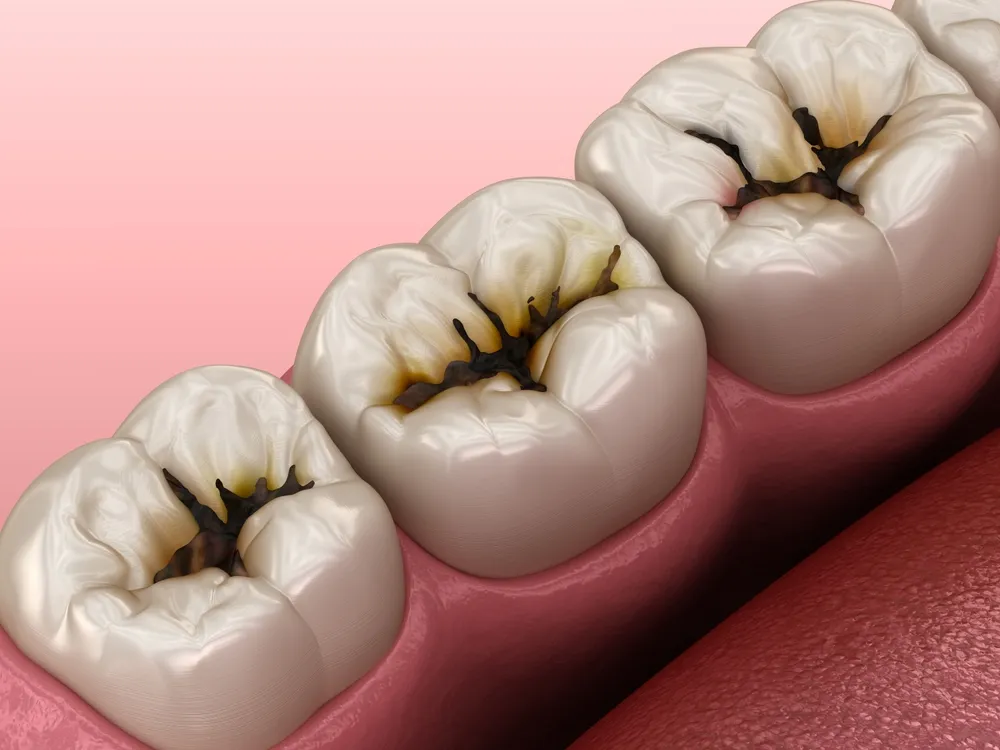
Cavities affect 60% to 90% of schoolchildren globally. They cause pain, missed school days, and long-term health problems. Early prevention saves money and suffering.
Dental caries ranks as the most common chronic disease in children (Kassebaum et al., 2017). The World Health Organization reports that 514 million children suffer from caries of primary teeth (Peres et al., 2019). These numbers demand attention.
Cavities start early. They progress fast. Children with decay in baby teeth face higher risks in adult teeth. The pain disrupts eating, speaking, and learning. Schools lose valuable instruction time when children visit emergency dental clinics.
Prevention works better than repair. Restorative treatments cost more than preventive applications. Health systems spend billions annually on treating decay that simple interventions could block. This reality drives the comparison between two leading preventive tools: fissure sealants and fluoride varnish.
What Are the Main Ways to Stop Cavities Before They Start?
We classify approaches as non-invasive (no drilling) or minimally invasive (minor intervention). Both sealants and varnish fall into these gentle categories.
Modern pediatric dentistry emphasizes preservation. We want to keep natural tooth structure intact. Non-invasive methods include dietary counseling, oral hygiene instruction, and professional applications like fluoride varnish. Minimally invasive options include sealants and small restorations.
Professional applications deliver concentrated protection. Over-the-counter fluoride rinses offer weak concentrations. Professional varnish uses high fluoride levels. Sealants provide physical barriers that home care cannot replicate. These professional tools target high-risk surfaces where brushing fails.
The controversy continues among experts. Some guidelines prefer sealants for molars. Others advocate for varnish programs in schools. Evidence shifts as new studies emerge. Clinicians need clear comparisons to guide their decisions.
How Exactly Do Fissure Sealants Block Decay?
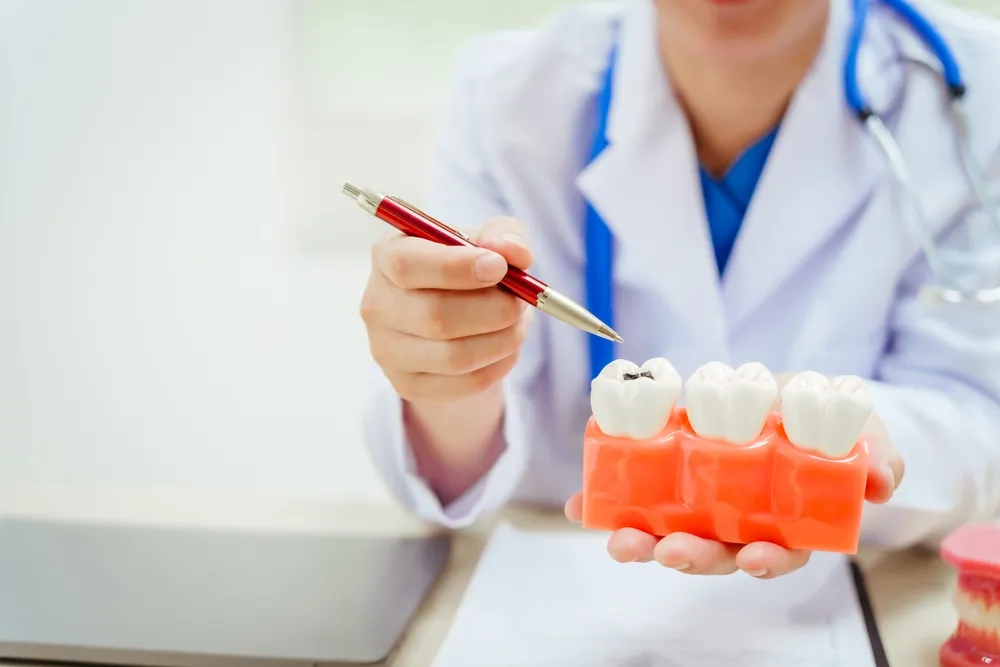
Sealants create a hard plastic shield over grooves. This shield stops bacteria and food from hiding in pits. Different materials offer different levels of protection.
What Makes a Sealant Stick to the Tooth?
The dentist cleans the groove first. Then they apply acid etch. This roughens the enamel microscopically. Resin flows into these microscopic pores. Light or chemical reactions harden this resin. The result forms a smooth, cleanable surface.
Bacteria cannot penetrate this barrier. They starve underneath the sealant. Studies show sealants reduce caries incidence by up to 80% in the first two years (Ahovuo-Saloranta et al., 2017). The protection continues for years if the sealant stays intact.
Which Sealant Material Works Best?
Resin-based sealants dominate clinical practice. They offer superior retention rates. Glass ionomer sealants provide an alternative. They release fluoride over time. They also tolerate moisture better during application.
However, resin sealants last longer. Studies show resin sealants retain 80% to 90% of material at one year (Wright et al., 2016). Glass ionomer shows higher failure rates. Yet glass ionomer offers value when isolation proves difficult. Some clinicians use glass ionomer as interim protection until full resin placement becomes feasible.
How Does Fluoride Varnish Harden Teeth?
Fluoride varnish deposits calcium fluoride on enamel. This deposit resists acid attacks. It also kills bacteria and rebuilds early damage.
Fluoride works through three distinct mechanisms. First, it enhances remineralization. Calcium and phosphate return to demineralized areas. Fluoride creates fluorapatite. This mineral resists acid better than natural hydroxyapatite.
Second, fluoride inhibits demineralization. When acids strike, fluoride ions block dissolution of tooth minerals. The tooth surface stays intact longer under bacterial acid attack.
Third, fluoride shows antibacterial effects. It disrupts bacterial enzyme systems. Streptococcus mutans produces less acid in fluoride-rich environments. This biochemical interference slows the entire caries process (Toumba et al., 2019).
Application takes minutes. The dentist dries the teeth. They paint the varnish on with a small brush. The sticky resin adheres immediately. Children can drink water right away, though hard foods must wait several hours.
What Did the Latest Research Reviews Find?
Researchers examined dozens of studies. Both treatments cut cavity rates significantly. Neither showed clear superiority in overall comparisons.
How Strong Is the Evidence Base?
Investigators searched PubMed, Cochrane Library, and clinical trial registries. They included randomized controlled trials only. These studies assign children randomly to sealant or varnish groups. This design eliminates bias.
Systematic reviews analyzed data from thousands of children. Cochrane reviewers found 24 trials comparing sealants to controls (Ahovuo-Saloranta et al., 2017). They found 25 trials testing fluoride varnish (Marinho et al., 2013). The evidence quality varies, but trends remain clear.
Both interventions work. Sealants show higher effect sizes in some analyses. Varnish shows broader applicability in others. The confidence intervals often overlap. This overlap suggests similar clinical utility.
What Do Meta-Analyses Reveal About Effectiveness?
Statisticians pool data from multiple studies. This pooling increases power. Sealant meta-analyses show prevented fractions of 70% to 80% at two years (Wright et al., 2016). Fluoride varnish shows prevented fractions of 30% to 40% per application.
However, direct comparisons matter more. When studies pit sealants against varnish directly, differences shrink. Some head-to-head trials show sealants winning slightly. Others show statistical ties. The certainty of evidence remains low to moderate.
How Do These Treatments Compare in Head-to-Head Trials?
Clinical trials show sealants may win by small margins on chewing surfaces. The difference rarely reaches clinical importance. Both beat doing nothing by large margins.
Why Might Sealants Edge Ahead on Molars?
Occlusal surfaces bear chewing forces. They also harbor the deepest grooves. Sealants fill these physical defects completely. They offer 24/7 protection without reapplication needs.
One randomized trial followed 242 children for two years (Liu et al., 2019). The sealant group showed 85% caries reduction. The varnish group showed 75% reduction. The difference was not statistically significant, but the trend favored sealants.
Another study tracked high-risk children for three years (Kühnisch et al., 2016). Sealants prevented 78% of occlusal caries. Varnish prevented 65%. The absolute difference was small, but sealants showed higher retention of protective effect.
Does Fluoride Varnish Offer Unique Advantages?
Varnish treats all surfaces simultaneously. It flows into pits, fissures, and between teeth. Sealants only protect the specific tooth treated. Varnish also requires less chair time. Applications finish in two minutes. Sealants need isolation, etching, and curing.
Compliance improves with varnish. Young children tolerate quick paint-on applications. They resist longer appointments. In community programs, varnish allows screening and treatment of hundreds of children daily.
Which Treatment Saves More Money and Time?
Fluoride varnish costs less per application. It requires fewer supplies. However, sealants last longer. The long-term cost difference shrinks when you account for reapplication needs.
How Do Costs Break Down in Real Clinics?
Sealant placement requires expensive equipment. Dentists need curing lights, etching gel, and bonding agents. The procedure demands skilled isolation. Saliva contamination ruins the bond. Assistant time adds to overhead.
Fluoride varnish needs only the material and a brush. Any healthcare worker can apply it after brief training. School nurses provide varnish in many districts. This accessibility drives down per-child costs.
Studies from the United States show sealants cost $30 to $60 per tooth (Chi et al., 2018). Varnish costs $15 to $25 per application. However, varnish requires repeat visits every three to six months. Over three years, costs converge.
What About Maintenance Burden?
Sealants need monitoring. Dentists must check retention at each visit. Partially lost sealants trap bacteria. They may accelerate decay if ignored. Repair rates run 5% to 10% annually.
Varnish needs no follow-up for retention. It wears off naturally. The downside involves frequency. Children need four to six applications yearly for optimal effect. Missed appointments reduce protection.
Feature | Fissure Sealant | Fluoride Varnish |
Application Time | 10-15 minutes per tooth | 2-3 minutes for all teeth |
Material Cost | $30-$60 per tooth | $15-$25 per arch |
Frequency | Once every 3-5 years | Every 3-6 months |
Retention Check | Required | Not needed |
Surface Coverage | Single tooth surface | All tooth surfaces |
Technique Sensitivity | High (needs dry field) | Low (tolerates moisture) |
Table 1: Practical comparison of sealants versus varnish in clinical settings (adapted from Chi et al., 2018).
How Do Dentists Decide Which Child Needs Which Treatment?
Risk level guides the choice. Deep grooves demand sealants. General risk across all teeth suggests varnish. Many children benefit from both.
Which Children Deserve Sealants First?
High caries risk combines several factors. These include previous decay, visible plaque, frequent sugar exposure, and low fluoride exposure. Deep pit-and-fissure anatomy adds mechanical risk. Dentists prioritize sealants for these children.
The first permanent molars erupt at age six. These teeth face the highest caries risk. They contain the deepest grooves. They remain in the mouth for decades. Guidelines recommend sealing these teeth as soon as possible after eruption (Wright et al., 2016).
Children with special needs also benefit enormously. They often struggle with oral hygiene. Their medications may reduce saliva. Sealants provide physical protection when daily care proves difficult.
When Is Varnish the Better Starting Point?
Moderate-risk children with shallow grooves may not need sealants. Varnish provides sufficient protection. It also treats smooth surfaces between teeth. These interproximal areas hide decay well.
Infants and toddlers cannot cooperate for sealants. Varnish works for children under three. Early Childhood Caries programs apply varnish to primary teeth starting at tooth eruption. This early intervention changes the bacterial flora before bad habits establish.
Should We Ever Combine Both Treatments?
Evidence supports combination approaches. Sealants protect specific high-risk grooves. Varnish protects all other surfaces. Together they create comprehensive defense.
One study assigned children to three groups (Tellez et al., 2016). Group one received sealants only. Group two received varnish only. Group three received both. The combination group showed the lowest caries incidence. However, the study was small. Larger trials must confirm this synergy.
What Weaknesses Exist in Current Research?
Studies use different methods. They follow children for different lengths. Some use outdated materials. These variations reduce certainty.
Heterogeneity plagues systematic reviews. One trial tests resin sealants. Another tests glass ionomer. Follow-up periods range from six months to nine years. Caries diagnosis varies by examiner. These differences muddy comparisons.
Publication bias favors positive results. Journals rarely publish negative trials. This bias inflates apparent effectiveness. Funding sources often come from manufacturers. Independent trials remain scarce.
Long-term data lacks power. Caries develops slowly. True prevention requires decades of observation. Most trials end after two or three years. We know little about outcomes at ten years.
Low certainty evidence affects policy. The Grading of Recommendations Assessment, Development and Evaluation (GRADE) system rates much of this evidence as low or very low quality. Clinicians must act on imperfect information.
What Do Professional Guidelines Actually Recommend?
Recommendations vary by region. Some guidelines favor sealants for molars. Others treat both options equally. All emphasize individualized care.
The American Dental Association recommends sealants for permanent molars in children and adolescents (Wright et al., 2016). They base this on strong evidence for occlusal surfaces. They also support varnish for children under six in high-caries communities.
The European Academy of Paediatric Dentistry takes a broader view. They suggest risk-based selection. High risk justifies sealants plus varnish. Low risk accepts varnish alone. They emphasize that cost-effectiveness varies by healthcare system.
The World Health Organization focuses on accessibility. They promote whichever intervention local systems can deliver reliably. In low-resource settings, varnish often wins due to simplicity. In established clinics, sealants prevail.
Where Should Future Studies Focus?
Researchers need longer trials. They must study real-world program costs. They should test combined protocols more rigorously.
Current evidence gaps demand attention. We need randomized controlled trials lasting five years or more. These trials should use modern materials. They should track costs alongside clinical outcomes.
Cost-effectiveness analyses must reflect different economies. A sealant program makes sense in suburban America. It may fail in rural India. Varnish programs suit mass application. Sealants suit targeted clinics.
Combined interventions intrigue researchers. Does varnish extend sealant life? Do sealants improve varnish retention? These interactions remain unexplored.
Real-world effectiveness studies matter too. Controlled trials use ideal conditions. Community programs face moisture, screaming children, and rushed schedules. Effectiveness drops in these settings. We need pragmatic trials that mimic actual clinic chaos.
Conclusion: Which Should You Choose for Your Child?
You do not need to choose one. Work with your dentist. Match the treatment to your child’s specific risk factors. Both work. Both save teeth.
Fissure sealants and fluoride varnish both prevent cavities effectively. Current evidence shows no decisive winner. Sealants may protect chewing surfaces slightly better. Varnish protects more teeth for less money per visit.
Your dentist should assess caries risk first. They should examine groove anatomy second. They should consider your family’s schedule and budget third. Many children receive sealants on permanent molars and varnish on all other teeth.
The evidence supports flexibility. Rigid protocols waste resources. Some children need intensive sealant programs. Others thrive with quarterly varnish applications. Individualized care beats one-size-fits-all approaches.
Both interventions require consistent re-evaluation. Sealants need retention checks. Varnish needs reapplication schedules. Neither works if abandoned after one visit.
Prevention succeeds when it starts early. It succeeds when it continues regularly. It succeeds when families and dental teams collaborate. Whether the barrier is plastic resin or fluoride varnish matters less than the commitment to using one, or both, consistently.
References
Ahovuo-Saloranta, Anneli, et al. "Sealants for Preventing Dental Decay in the Permanent Teeth." Cochrane Database of Systematic Reviews, vol. 7, 2017, pp. 1-112.
Chi, Donald L., et al. "Cost-Effectiveness of Pit and Fissure Sealants and Fluoride Varnish." Journal of Dental Research, vol. 97, no. 12, 2018, pp. 1316-1323.
Kassebaum, Nicholas J., et al. "Global Burden of Untreated Caries: A Systematic Review and Meta-Regression." Journal of Dental Research, vol. 94, no. 5, 2017, pp. 650-658.
Kühnisch, Jan, et al. "Comparative Evaluation of the Caries Prevention Effect of Fissure Sealants versus Fluoride Varnish." Clinical Oral Investigations, vol. 20, no. 5, 2016, pp. 1039-1048.
Liu, Huan, et al. "A Randomized Trial of the Effectiveness of Fissure Sealant and Fluoride Varnish." Journal of Dentistry, vol. 85, 2019, pp. 45-51.
Marinho, Valeria CC, et al. "Fluoride Varnishes for Preventing Dental Caries in Children and Adolescents." Cochrane Database of Systematic Reviews, vol. 7, 2013, pp. 1-29.
Peres, Marco A., et al. "Oral Diseases: A Global Public Health Challenge." The Lancet, vol. 394, no. 10194, 2019, pp. 249-260.
Tellez, Marisol, et al. "Combined Fissure Sealant and Fluoride Varnish Application." Pediatric Dentistry, vol. 38, no. 2, 2016, pp. 123-129.
Toumba, K. J., et al. "Fluoride Varnish: Mechanism of Action and Recommendations for Use." European Archives of Paediatric Dentistry, vol. 20, no. 4, 2019, pp. 251-257.
Wright, J. Timothy, et al. "Evidence-Based Clinical Practice Guideline for the Use of Pit-and-Fissure Sealants." Journal of the American Dental Association, vol. 147, no. 8, 2016, pp. 672-682.