Tooth loss affects millions of adults worldwide. Missing teeth damage oral health, reduce chewing ability, and lower quality of life. Many people now ask: Are dental implants worth it? This article answers that question with scientific evidence. You will learn how implants work, what benefits they offer, how they compare to other options, and what risks you should know. We base every claim on peer-reviewed research and clinical data.
What Are Dental Implants?
Dental implants replace missing teeth from the root up. Unlike dentures that sit on the gums, implants anchor directly into the jawbone. This design mimics natural tooth roots and provides stable, long-lasting support for artificial teeth.
What Components Make Up a Dental Implant System?
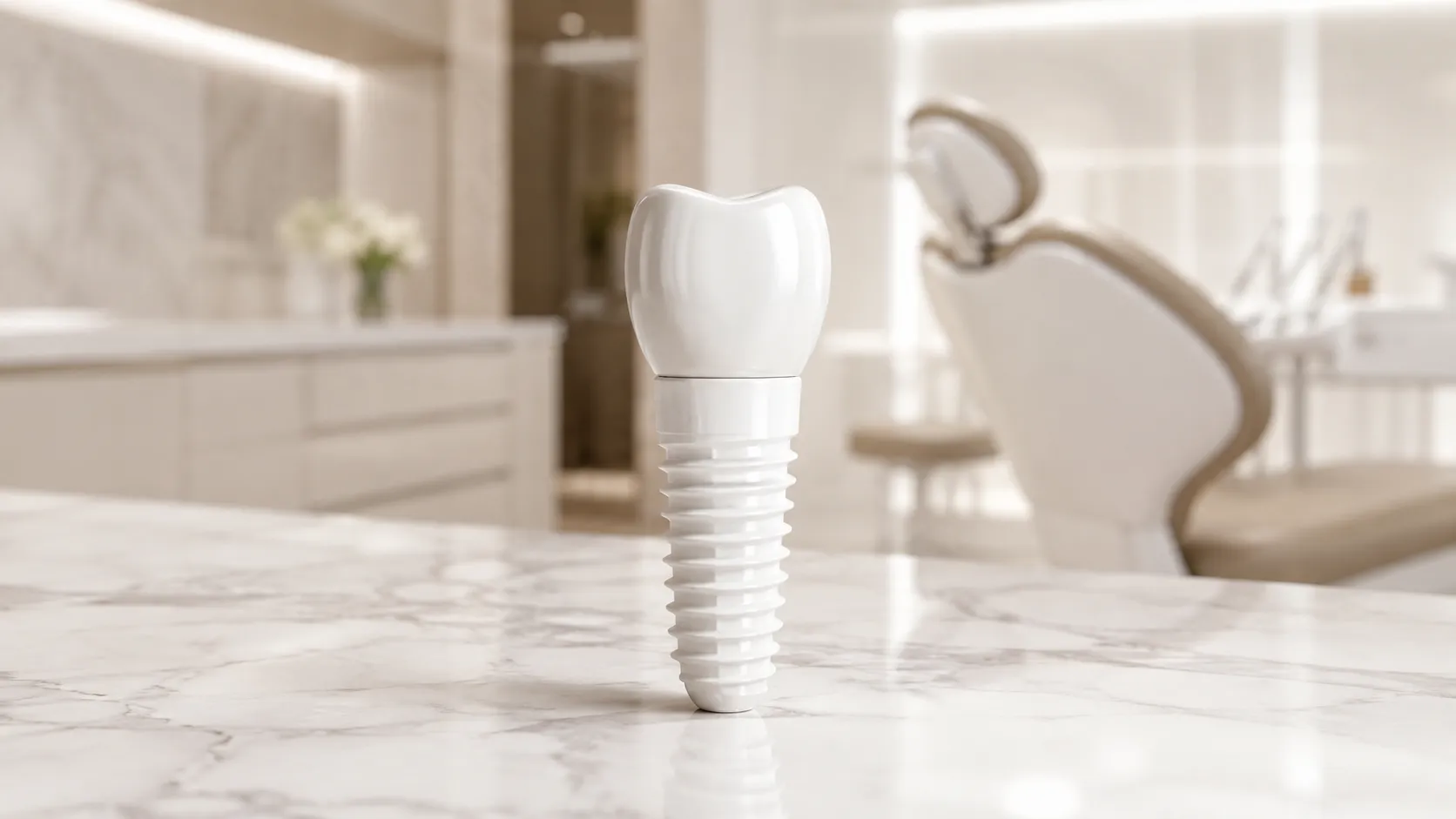
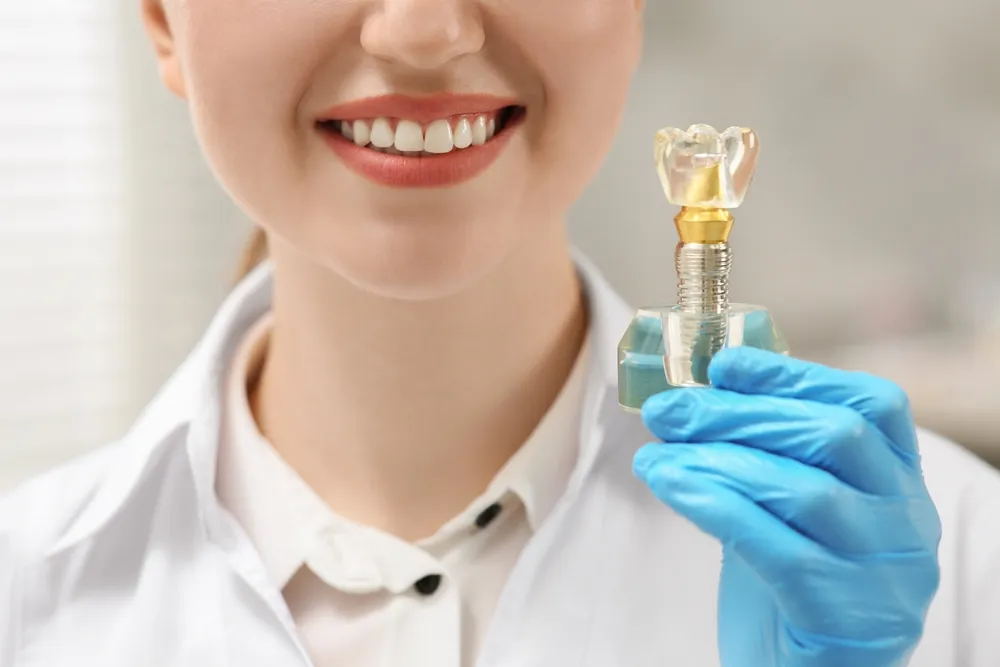
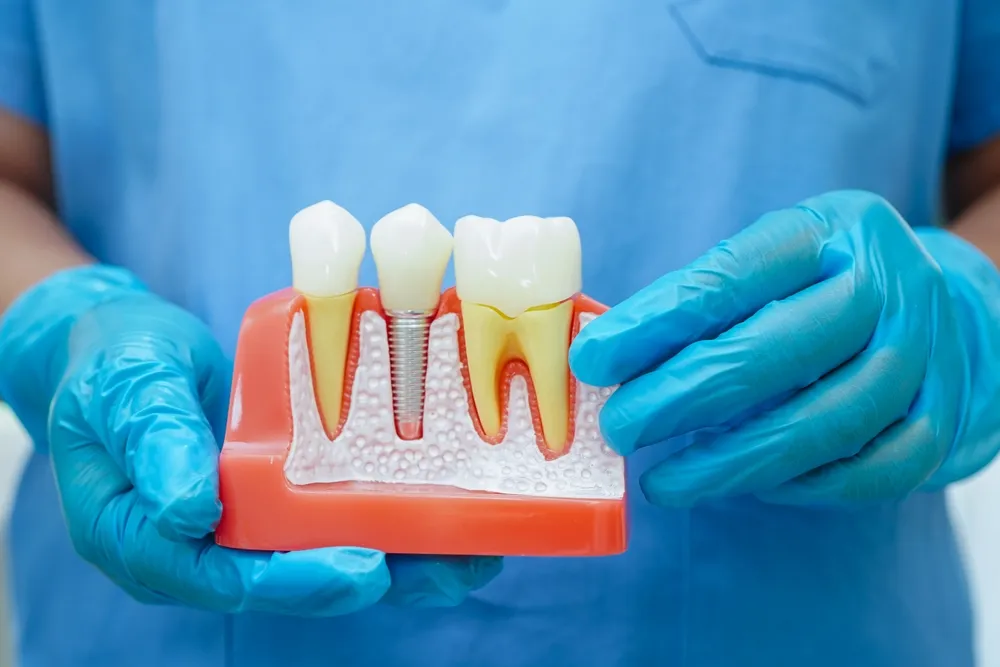
A dental implant system contains three main parts. The implant fixture acts as the artificial root. Surgeons place this titanium post into the jawbone. The abutment connects the fixture to the visible tooth replacement. The dental crown, bridge, or denture sits on top and restores appearance and function. Each component plays a vital role in the overall success of the treatment.
How Does Osseointegration Work?
Osseointegration drives implant success. This process describes how living bone fuses directly with the titanium implant surface. Brånemark discovered this phenomenon in the 1960s, and it remains the foundation of modern implantology (Sarbu et al., 2024). When surgeons place an implant, the body initiates a healing cascade. Osteoblasts create new bone matrix on the implant surface. Specialized proteins like fibronectin and integrin mediate cell adhesion. Over three to six months, the bone remodels around the implant and forms a solid mechanical bond. This biological integration gives implants their exceptional stability and durability.
What Types of Dental Implants Can Patients Choose?
Patients can select from several implant configurations. Single tooth implants replace one missing tooth. Implant-supported bridges span multiple gaps without preparing adjacent teeth. Full-arch implant restorations replace entire upper or lower dental arches. The All-on-4 system uses four strategically placed implants to support a full arch of teeth. The All-on-6 system uses six implants for additional support. These options accommodate different degrees of tooth loss and bone availability.
Why Do People Consider Dental Implants?
People choose dental implants for many reasons. Tooth loss stems from various causes, and implants address the consequences better than most alternatives.
What Causes Tooth Loss?
Periodontal disease ranks as the leading cause of adult tooth loss. Bacterial infection destroys gum tissue and supporting bone. Dental trauma from accidents or sports injuries also claims many teeth. Severe tooth decay can damage teeth beyond repair. Some patients experience congenital missing teeth, where certain teeth never develop. Each scenario creates functional and aesthetic problems that demand solutions.
What Problems Do Missing Teeth Create?
Missing teeth trigger serious oral health issues. The jawbone beneath the empty socket begins to resorb without stimulation. This bone loss alters facial structure and creates a sunken appearance. Patients struggle to chew food properly. Speech challenges emerge, especially with front tooth loss. Adjacent teeth drift into the gap, causing alignment problems and bite issues. These complications affect nutrition, confidence, and overall wellbeing.
Are Dental Implants Worth It? Evaluating the Benefits
Dental implants deliver measurable benefits that justify their popularity. Research consistently demonstrates their superiority over traditional restorations.
How Durable Are Dental Implants?
Dental implants show remarkable longevity. Howe et al. (2019) analyzed 18 prospective studies and found a 10-year implant survival rate of 96.4%. Kupka et al. (2024) conducted the first systematic meta-analysis at the 20-year mark. Their research revealed a 92% survival rate in prospective studies and an 88% rate in retrospective studies. These numbers surpass any other tooth replacement option. Most failures occur during the initial healing phase. Implants that survive the first year typically last decades.
How Do Implants Improve Oral Function?
Implants restore strong bite force. Patients can chew fibrous vegetables, tough meats, and crunchy foods without worry. This enhanced chewing efficiency improves digestion and nutrition. Speech performance also improves because implants do not shift or click like dentures. The stability allows patients to speak clearly and confidently in social settings.
Can Implants Restore Natural Appearance and Confidence?
Modern dental crowns match surrounding teeth in color, shape, and translucency. Implants integrate seamlessly into the smile. This aesthetic harmony boosts psychological wellbeing. Patients report higher self-esteem and reduced social anxiety. They smile freely and engage in conversations without hiding their teeth.
How Do Implants Preserve Jawbone?
Implants prevent bone resorption. The implant fixture transmits chewing forces directly into the jawbone. This functional stimulation maintains bone density and volume. Without this stimulation, the alveolar ridge deteriorates rapidly. Implants preserve facial structure and prevent the premature aging appearance associated with tooth loss.
Do Implants Protect Adjacent Teeth?
Traditional bridges require dentists to grind down healthy neighboring teeth for support. Implants stand independently. They do not compromise adjacent tooth structure. This preservation of natural teeth represents a major long-term advantage for oral health.
What Are the Pros and Cons of Dental Implants?
Every medical procedure carries advantages and limitations. Patients deserve an honest assessment.
What Advantages Do Dental Implants Offer?
Implants provide a permanent tooth replacement solution. They do not slip, shift, or require adhesive pastes. Patient satisfaction rates remain exceptionally high. Research by Buyukhatipoglu and Ozdemir (2024) showed that patients with fixed implant-supported prostheses reported 87.80% satisfaction on Visual Analogue Scales after five to eight years. Implants improve oral health outcomes by maintaining bone and protecting neighboring teeth. They offer comfort and stability that rival natural teeth.
What Drawbacks Should Patients Consider?
The upfront cost exceeds that of dentures or bridges. The procedure requires surgery, which intimidates some patients. A healing period of three to six months precedes final restoration. Complications can occur, though they remain rare with proper planning. These factors require careful consideration before treatment.
When Might Implants Not Be Ideal?
Some situations complicate implant placement. Insufficient bone volume demands grafting procedures. Uncontrolled diabetes or other systemic conditions increase failure risk. Heavy smoking impairs healing and osseointegration. Poor oral hygiene habits threaten long-term success. Patients must address these issues before pursuing implants.
How Do Dental Implants Compare to Other Tooth Replacement Options?
Patients should evaluate all available options before making decisions.
How Do Dental Implants Compare to Dental Bridges?
Feature | ||
Longevity | 20+ years with proper care | 7-10 years average |
Bone Preservation | Stimulates and preserves bone | No bone stimulation; resorption continues |
Adjacent Tooth Preparation | No preparation needed | Requires grinding adjacent teeth |
Maintenance | Routine brushing and flossing | Special flossing under pontic required |
Initial Cost | Higher upfront investment | Lower initial cost |
Implants outperform bridges in longevity and bone preservation. Bridges demand sacrifice of healthy tooth structure. Over decades, implants often prove more economical despite higher initial costs.
How Do Dental Implants Compare to Removable Dentures?
Implants provide superior stability and retention. Dentures rest on gum tissue and can slip during eating or speaking. Implants eliminate this embarrassment. They restore greater comfort and functionality. Patients with implants enjoy dietary freedom and consume foods that denture wearers must avoid. Speech benefits are substantial because implants do not cover the palate or shift during conversation.
Which Option Offers the Best Long-Term Value?
Cost-benefit analysis favors implants over time. Dentures require replacement every five to seven years. Bridges need replacement after seven to ten years. Implants can last twenty years or more. When patients calculate replacement frequency and maintenance expenses, implants often emerge as the most financially sound choice.
Are Dental Implants Worth the Cost?
Cost represents a major concern for many patients. Understanding the investment helps patients make informed decisions.
What Does the Initial Investment Cover?
The initial cost includes surgical placement of the implant fixture. It covers the abutment and custom dental crown. Diagnostic imaging and treatment planning add to the total. Some cases require bone grafting or sinus augmentation. These procedures increase the upfront expense but create the foundation for success.
What Factors Influence Implant Costs?
Several variables affect pricing. The number of implants required directly impacts the total. Bone grafting procedures add surgical complexity. Geographic location influences labor and facility costs. Premium materials and advanced technology command higher fees. Patients should request detailed estimates from their providers.
What Is the Long-Term Financial Value?
Implants reduce long-term dental expenses. They eliminate the need for frequent replacements. Maintenance costs remain low with proper care. They preserve oral structures and prevent the bone loss that complicates future treatment. This preservation of anatomy saves money on corrective procedures later.
How Does Cost Compare to Lifetime Benefits?
Short-term expense seems high. Long-term outcomes justify the investment. Patients gain decades of reliable function. They avoid the cumulative costs of repeated bridge or denture replacements. They protect their jawbone and facial aesthetics. From a health perspective, improved nutrition and digestion deliver systemic benefits. The return on investment extends far beyond the mouth.
What Scientific Evidence Supports Dental Implants?
Rigorous research underpins implant dentistry. Decades of clinical studies validate their safety and efficacy.
What Do Clinical Studies Show About Implant Survival?
Long-term research confirms exceptional reliability. The 10-year survival rate of 96.4% comes from systematic analysis of multiple prospective studies (Howe et al., 2019). At the 20-year mark, four out of five implants remain functional (Kupka et al., 2024). These findings establish implants as the most predictable tooth replacement available.
What Do Patient Satisfaction Studies Reveal?
Research consistently shows high satisfaction. A prospective study of 150 patients found satisfaction scores jumping from 3.5 at baseline to 8.2 at six-month follow-up on a 10-point scale. The Oral Health Impact Profile (OHIP-14) scores dropped from 32.0 to 14.5, indicating dramatic quality of life improvements. Patients reported better comfort, functionality, and psychological wellbeing after implant placement.
What Oral Health Benefits Does Research Demonstrate?
Studies confirm bone preservation around implants. Implants maintain occlusal stability and prevent adjacent tooth shifting. Improved mastication enhances nutrition. Patients with implant-supported restorations consume more diverse foods and report better overall health. These benefits extend beyond the oral cavity to systemic wellbeing.
What Risks and Complications Can Occur?
Implant surgery carries risks like any medical procedure. Understanding these risks helps patients prepare and prevent problems.
What Early Complications Might Occur?
Infection can develop at the surgical site. Implant instability may result from poor initial bone contact. Delayed healing affects patients with compromised immune systems or poor circulation. These complications usually respond to prompt intervention and appropriate medication.
What Late Complications Threaten Long-Term Success?
Peri-implant mucositis causes inflammation of the soft tissues around the implant. It resembles gingivitis and remains reversible with proper care. Peri-implantitis progresses to bone loss and threatens implant stability. Reis et al. (2025) found peri-implantitis prevalence at 25% at the patient level when applying strict diagnostic criteria. Mechanical failures like screw loosening or crown fracture occur occasionally but are repairable.
How Can Patients Minimize These Risks?
Proper treatment planning prevents most complications. Experienced implant surgeons select appropriate candidates and positions. Regular maintenance visits allow early detection of problems. Patients must commit to excellent oral hygiene and smoking cessation. These measures dramatically reduce complication rates.
Who Makes a Good Candidate for Dental Implants?
Not everyone qualifies immediately for implants. Certain characteristics predict success.
What Characteristics Define an Ideal Candidate?
Healthy gums provide the foundation for implant success. Adequate bone density ensures stable anchorage. Good oral hygiene habits prevent peri-implant diseases. Non-smokers enjoy significantly higher success rates than smokers. Systemic health conditions must be well-controlled.
What Additional Treatments Might Patients Need?
Some patients require bone grafting to rebuild deficient ridges. Sinus lift procedures add bone height in the upper jaw. Periodontal therapy must resolve active gum disease before implant placement. These preparatory procedures expand candidacy and improve outcomes.
Does Age Affect Implant Success?
Younger adults need fully developed jawbones before implant placement. Older adults achieve excellent success rates when they maintain good health. Age alone does not disqualify patients. Bone quality and systemic health matter more than chronological age.
How Long Do Dental Implants Last?
Implant longevity depends on multiple factors. Patients play an active role in determining how long their implants survive.
What Factors Affect Implant Longevity?
Oral hygiene practices top the list of critical factors. Smoking status significantly impacts outcomes. Chrcanovic et al. (2022) found that implants in smokers had a 140.2% higher risk of failure compared to non-smokers. Systemic health conditions like diabetes require careful management. Regular professional maintenance catches problems early.
How Long Do Implant Components Last?
The implant fixture itself can last decades or even a lifetime. The titanium post rarely fails once osseointegration succeeds. The dental crown or prosthesis may require replacement after 10-15 years due to normal wear. This replacement is simple and does not disturb the underlying implant.
What Tips Maximize Implant Success?
Patients should brush twice daily with soft-bristled brushes. They should floss around implants using specialized tools. Routine dental examinations every six months allow professionals to monitor implant health. Smoking cessation dramatically improves prognosis. These simple habits protect the investment for decades.
Frequently Asked Questions About Whether Dental Implants Are Worth It
Are Dental Implants Worth the Money?
Yes, implants justify their cost through longevity and function. They outlast bridges and dentures by many years. They preserve bone and protect adjacent teeth. Over a lifetime, they often cost less than repeated replacements of other restorations.
What Is the Biggest Disadvantage of Dental Implants?
The upfront cost and surgical requirement represent the main drawbacks. Patients must undergo a procedure and wait months for final restoration. However, the long-term benefits usually outweigh these temporary inconveniences.
Can Dental Implants Last a Lifetime?
Yes, implants can last a lifetime with proper care. The implant fixture often survives indefinitely. The crown may need periodic replacement. Good oral hygiene and regular maintenance visits maximize longevity.
Are Implants Better Than Bridges?
Implants generally outperform bridges. They last longer, preserve bone, and do not damage adjacent teeth. They cost more initially but deliver superior long-term value.
What Happens If I Do Not Replace a Missing Tooth?
Bone resorption begins immediately. Adjacent teeth shift into the gap. Chewing efficiency drops. Facial aesthetics suffer. These problems worsen over time and complicate future treatment.
Are Dental Implants Painful?
Modern techniques minimize discomfort. Surgeons use local anesthesia and sedation options. Most patients report mild soreness for a few days after surgery. The long-term comfort far exceeds that of removable dentures.
Is Implant Treatment Safe?
Yes, implant treatment is safe for qualified candidates. Decades of research support its safety. Complications remain rare when experienced providers perform thorough evaluations and patients follow care instructions.
Final Verdict: Are Dental Implants Worth It?
What Benefits Matter Most?
Implants offer unmatched durability. They restore full chewing function. They provide natural aesthetics and boost confidence. They preserve jawbone and facial structure. They protect neighboring teeth from unnecessary preparation.
How Should Patients Weigh Costs Against Advantages?
Financially, implants represent a higher initial investment. Health-wise, they deliver superior outcomes. Quality-of-life improvements include better nutrition, clearer speech, and renewed confidence. Most patients find these benefits justify the cost.
When Are Dental Implants Most Worthwhile?
Single tooth replacement prevents the domino effect of bone loss and shifting. Multiple missing teeth benefit from implant-supported bridges that avoid removable partial dentures. Full-mouth rehabilitation with All-on-4 or All-on-6 systems transforms lives for patients with complete tooth loss.
Conclusion
Are dental implants worth it? The scientific evidence answers with a clear yes. Implants achieve 96.4% survival at ten years and 88-92% survival at twenty years. They preserve bone, restore function, and improve quality of life. They outperform bridges and dentures in longevity and oral health outcomes. The upfront cost exceeds alternatives, but the lifetime value justifies the investment. Success requires proper candidate selection, experienced providers, and committed maintenance. Patients should schedule consultations with qualified implant specialists to evaluate their individual situations. Personalized treatment planning ensures the best possible outcomes for every unique case.
References
Abreu, Francisca, et al. "The Survival Rate of Zirconia Versus Titanium Dental Implants: A Systematic Review." Journal of Clinical Oncology, vol. 6, no. 1, 2025, p. 20.
Buyukhatipoglu, Işıl, and Melek Ozdemir. "Evaluation of Quality of Life and Satisfaction in Patients with Implant-Supported Fixed Partial Dentures." Cumhuriyet Dental Journal, vol. 27, no. 1, 2024, pp. 15-20.
Chrcanovic, Bruno, et al. "Smoking and Dental Implants: A Systematic Review and Meta-Analysis." Journal of Dentistry, 2022.
Galarraga-Vinueza, Maria, et al. "Prevalence, Incidence, and Risk Indicators of Peri-Implant Diseases: A Systematic Review and Meta-Analysis." Journal of Periodontology, 2025.
Howe, Mark, et al. "Ten-Year Survival Rates of Dental Implants: A Systematic Review and Sensitivity Meta-Analysis." Journal of Dentistry, vol. 84, 2019, pp. 9-15.
Kupka, Thomas, et al. "Twenty-Year Survival Rates of Dental Implants: A Systematic Review and Meta-Analysis." Clinical Oral Investigations, vol. 28, 2024.
Morena, Danilo, et al. "Comparative Clinical Behavior of Zirconia versus Titanium Dental Implants: A Systematic Review and Meta-Analysis of Randomized Controlled Trials." Journal of Clinical Medicine, vol. 13, 2024, p. 4488.
Reis, Isabella Neme Ribeiro dos, et al. "The Prevalence of Peri-Implant Mucositis and Peri-Implantitis Based on the World Workshop Criteria: A Systematic Review and Meta-Analysis." Journal of Clinical Periodontology, 2025.
Sarbu, Ioan, et al. "Biocompatibility of Titanium Dental Implants: Influences on Osseointegration and Local Immunity." Romanian Journal of Oral Rehabilitation, 2024.