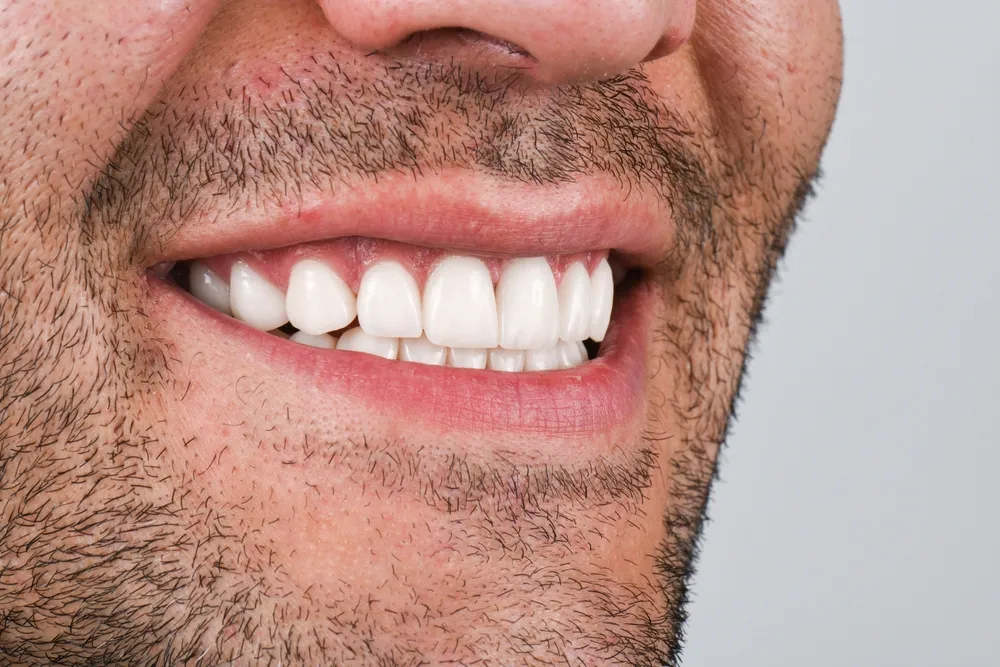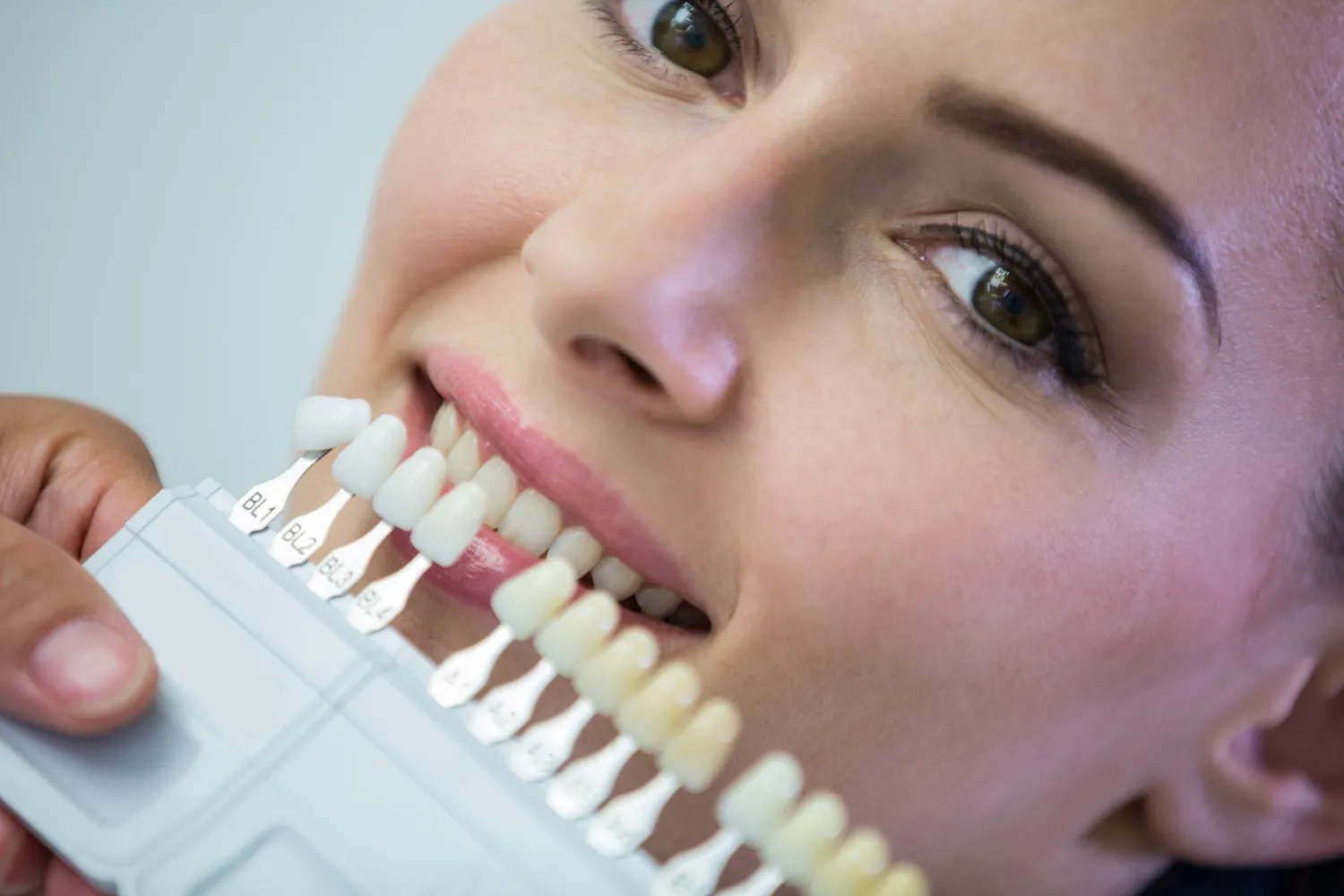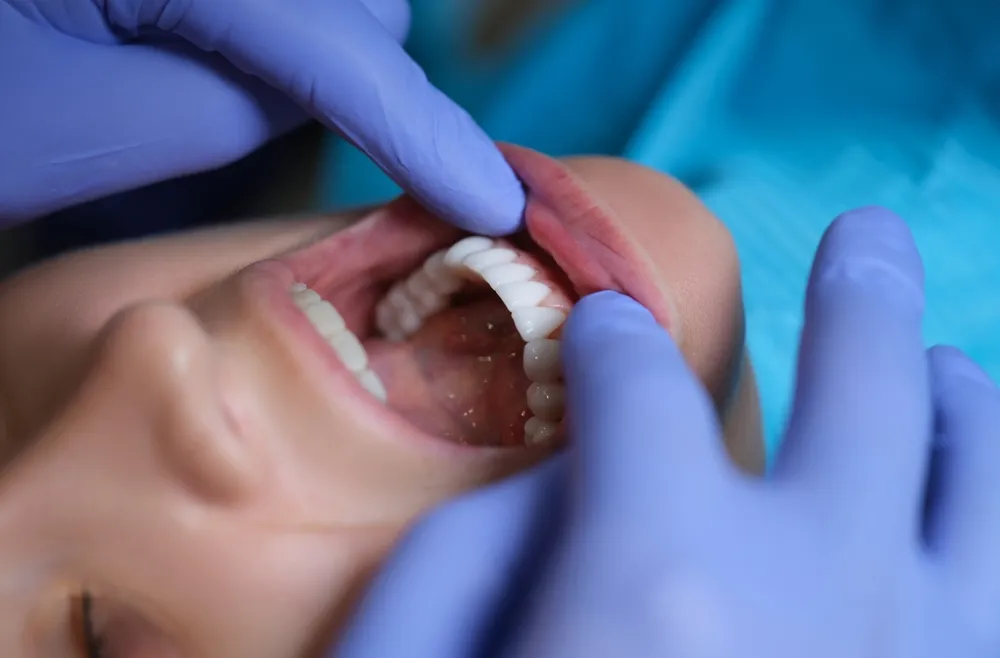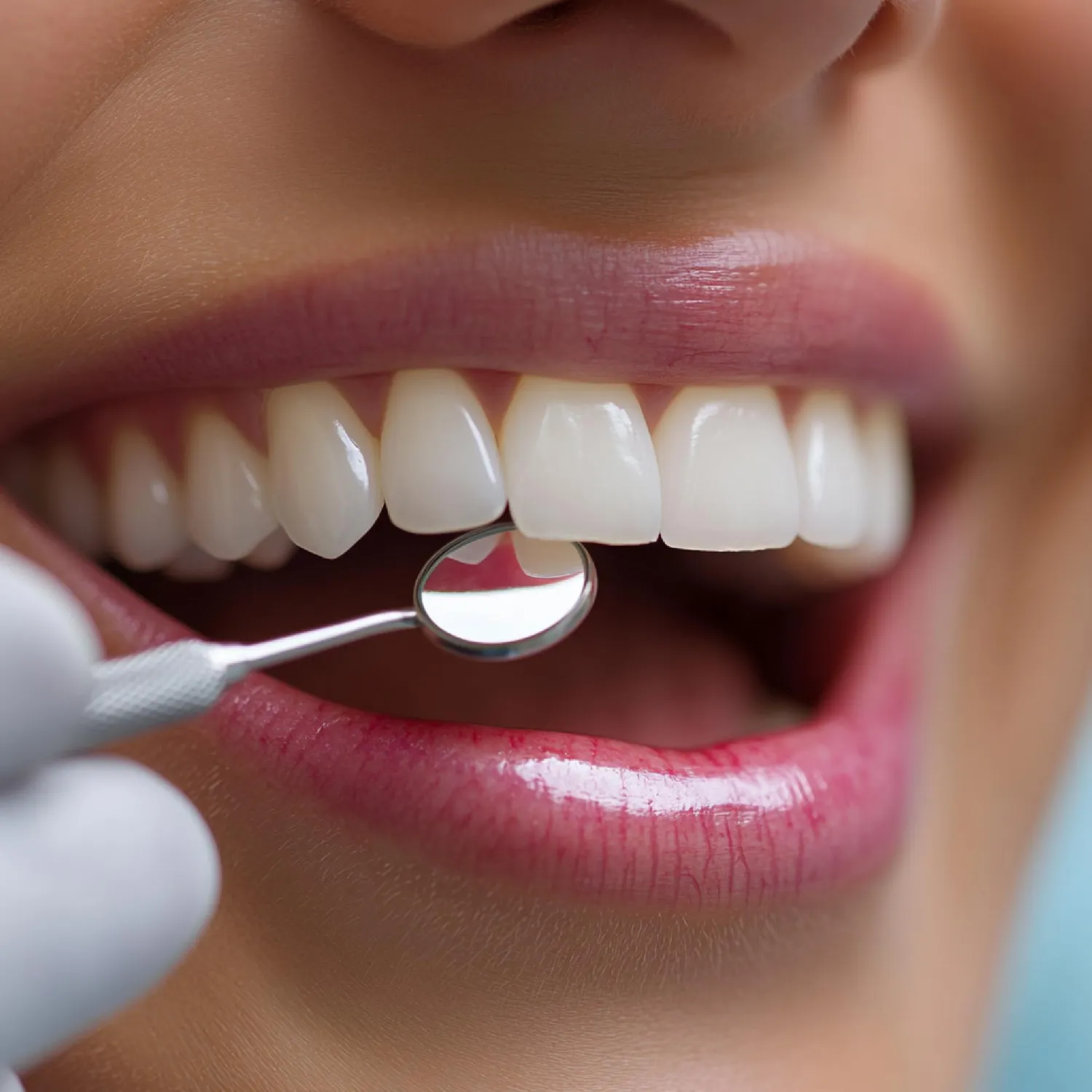
E.max veneers are thin ceramic restorations made from lithium disilicate glass-ceramic. The procedure demands careful planning, conservative tooth preparation, precise laboratory fabrication, and adhesive cementation. This article explains the E.max veneers procedure step by step. The clinical workflow varies according to the patient's tooth structure, occlusion, aesthetic goals, and restorative needs. The clinical procedure differs from laboratory fabrication, and both stages require distinct expertise.
What Are E.max Veneers and Why Are They Used?
E.max veneers are ceramic laminate restorations that cover the facial surface of anterior teeth. Dentists use them to improve aesthetics while preserving natural tooth structure.
What Material Are E.max Veneers Made From?
E.max veneers consist of lithium disilicate glass-ceramic. This material offers exceptional strength and fracture resistance. It also provides excellent optical properties and translucency. Lithium disilicate demonstrates high biocompatibility. Dental laboratories fabricate E.max veneers using either CAD/CAM milling or IPS e.max Press techniques. The material achieves a flexural strength of approximately 360-400 MPa, which makes it one of the strongest glass-ceramics available for veneer applications.
What Dental Problems Can E.max Veneers Address?
E.max veneers correct multiple aesthetic concerns. They mask tooth discoloration. They repair minor chips and fractures. They reshape irregular tooth contours. They close small spaces and diastemas. They correct minor alignment discrepancies. They cover enamel defects. They resolve aesthetic discrepancies between anterior teeth. Dentists select E.max veneers when patients need aesthetic improvement but do not require full-coverage crowns.
Why Is E.max Suitable for Minimally Invasive Veneer Treatment?
E.max supports thin restoration designs. Dentists can prepare teeth conservatively because the material maintains strength even at reduced thicknesses. E.max bonds adhesively to enamel. This bonding creates a strong interface between the tooth and the restoration. The material balances aesthetics and mechanical performance better than many alternatives. Clinical evidence supports lithium disilicate as a reliable material for ceramic laminate veneers. Klein et al. (2025) conducted a systematic review and meta-analysis that reported a pooled long-term survival rate of approximately 96.81% for lithium disilicate veneers at a mean follow-up of 10.4 years. This data confirms that E.max performs exceptionally well in long-term clinical service.
What Happens During the Initial E.max Veneer Consultation?
The initial consultation establishes whether E.max veneers suit the patient. The dentist gathers critical information before starting any treatment.
How Does the Dentist Evaluate Tooth and Gum Health?
The dentist examines the patient for dental caries. The dentist checks existing restorations. The dentist assesses enamel quality. The dentist evaluates periodontal health. The dentist measures gingival position. The dentist identifies tooth wear. The dentist analyzes occlusal relationships. The dentist screens for parafunctional habits such as bruxism. The dentist must resolve active disease before placing veneers. Healthy teeth and gums form the foundation for successful veneer treatment.
How Are the Patient's Aesthetic Goals Determined?
The dentist discusses the patient's desired tooth shade. The dentist evaluates tooth length and width preferences. The dentist considers facial proportions. The dentist assesses the lip line. The dentist examines smile symmetry. The dentist evaluates incisal edge position. The dentist discusses the desired degree of translucency. These discussions help the dentist understand the patient's expectations. Clear communication prevents misunderstandings later in treatment.
What Diagnostic Records Are Needed?
The dentist collects intraoral and facial photographs. The dentist takes radiographs when clinically indicated. The dentist obtains digital scans or conventional impressions. The dentist records occlusal relationships. The dentist documents the shade. Preoperative photographs and facial-dental relationships help clinicians harmonize veneer design with the patient's overall facial aesthetics. Coachman et al. (2017) emphasize that digital documentation improves communication between the dentist, laboratory, and patient.
How Is the E.max Veneer Smile Designed Before Tooth Preparation?
Smile design occurs before any tooth reduction. This planning phase predicts the final outcome.
What Is Digital Smile Design?
Digital Smile Design (DSD) uses software to analyze tooth proportions. The dentist performs facial and smile analysis. The dentist creates virtual treatment plans. Digital communication flows between the dentist and laboratory. DSD allows the dental team to visualize the proposed changes before touching the teeth. Studies show that DSD improves predictability and patient satisfaction in aesthetic rehabilitation cases.
Why Is a Wax-Up or Digital Mock-Up Important?
A wax-up or digital mock-up predicts tooth dimensions. It evaluates incisal edge position. It assesses smile symmetry. It tests the proposed aesthetic outcome. It reduces unnecessary tooth preparation. The mock-up serves as a blueprint for the final restorations. Magne and Magne (2006) demonstrated that additive wax-up and direct intraoral mock-ups preserve enamel during porcelain laminate veneer preparation.
How Does the Mock-Up Help Determine the Final Veneer Shape?
The mock-up defines tooth length. It establishes facial contour. It sets interproximal proportions. It shapes embrasures. It aligns the midline. It designs the incisal silhouette. The patient can see and approve these parameters before preparation begins.
How Is the Shade Selected for E.max Veneers?
Shade selection requires careful timing and material understanding.
When Should Tooth Whitening Be Performed?
The dentist assesses the existing tooth shade first. The dentist completes planned whitening before final shade selection when appropriate. The dentist allows the shade to stabilize before definitive restoration fabrication. A clinical case involving IPS e.max veneers used tooth bleaching before definitive shade selection, demonstrating the importance of coordinating whitening and restorative color planning. Whitening after veneer placement would make the natural teeth lighter than the ceramic, creating a mismatch.
How Do Translucency and Opacity Affect E.max Veneer Selection?
High-translucency materials allow more light transmission. Low-translucency materials block more light. Opacity levels determine how much the underlying tooth color shows through. Value and chroma influence the final appearance. The underlying tooth shade affects veneer selection. Incisal translucency creates natural-looking edges. Dentists select materials based on the patient's natural tooth substrate and desired outcome.
How Are Teeth Prepared for E.max Veneers?
Tooth preparation requires precision and conservation.
How Much Tooth Structure Is Removed?
Preparation depends on the planned restoration thickness and required aesthetic correction. Dentists perform conservative enamel reduction. No single reduction value fits every patient. Preparation ranges from minimal to more substantial depending on tooth position, discoloration, restorative space, and correction requirements. Preparation guidelines differentiate minimal, classic, and more aggressive preparation designs. The amount of reduction depends on the clinical situation rather than the material alone.
Why Is Enamel Preservation Important for E.max Veneers?
Enamel preservation enables adhesive bonding. Enamel provides higher bond strength than dentin. Tooth preservation maintains long-term restoration performance. Alqutaibi (2025) reported that enamel-bonded veneers achieved almost perfect survival rates of 99% with a range of 98% to 100%. This data confirms that enamel bonding directly correlates with clinical success.
How Are the Facial, Incisal, and Interproximal Surfaces Prepared?
The dentist creates facial reduction planes. The dentist considers incisal edge requirements. The dentist extends preparation proximally when indicated. The dentist rounds all transition lines. The dentist creates smooth preparation margins. The dentist avoids sharp internal angles. These measures ensure proper veneer fit and strength.
Why Should Sharp "V" Shapes Be Avoided?
Rounded preparations enable better laboratory fabrication. They improve marginal adaptation. They reduce stress concentration. They create more predictable veneer contours. Sharp angles create weak points in both the tooth and the ceramic.
When Does Preparation Extend Into or Beyond Enamel?
Severe discoloration may require deeper preparation. Existing restorations need replacement. Malpositioned teeth may need more reduction. Larger diastemas require additional space. Structural defects need correction. Significant shape changes demand more aggressive preparation. The dentist must balance aesthetic needs with biological preservation.
How Are Impressions or Digital Scans Taken After Preparation?
Accurate records ensure precise laboratory fabrication.
What Information Does the Dental Laboratory Need?
Prepared tooth geometry.
The tooth shade.
Gingival contours.
Occlusal relationship.
Incisal edge position.
Photographic records.
Provisional restoration information.
Complete information prevents remakes and delays.
Are Digital Scans Better Than Conventional Impressions?
Digital workflows offer speed and precision. Conventional impressions remain reliable in certain cases. Digital scans provide excellent accuracy and reproducibility. Patients often prefer digital scans for comfort. Digital files improve laboratory communication. Many dentists now use intraoral scanners as their primary impression method for veneer cases.
Why Is Bite Registration Important?
Bite registration records occlusal contacts. It establishes functional guidance. It confirms incisal edge position. It prevents premature contacts. Accurate bite records ensure the veneers fit within the patient's natural occlusion.
Why Are Temporary Veneers Used During the E.max Veneer Process?
Temporary veneers serve critical functions during the fabrication period.
How Do Temporary Veneers Protect Prepared Teeth?
Temporary veneers protect teeth from thermal sensitivity. They maintain aesthetics during fabrication. They preserve function. They temporarily stabilize the prepared teeth. Patients need this protection while the laboratory fabricates the permanent restorations.
How Are Temporary Veneers Used to Test the Final Design?
Temporary veneers test tooth length. They test shape. They test speech. They test lip support. They test smile dynamics. They test occlusion. They gather patient feedback. A documented IPS e.max case used bis-acryl provisionals and evaluated them several days later before transferring the confirmed shape and incisal position to the laboratory. This step ensures the final restorations match the patient's expectations.
How Are E.max Veneers Fabricated in the Dental Laboratory?
Laboratory fabrication transforms clinical records into permanent restorations.
How Does the Laboratory Transfer the Clinical Design?
The laboratory creates a master model. The laboratory performs digital design. The laboratory references the wax-up. The laboratory uses provisional restoration references. The laboratory reproduces incisal edge and tooth morphology precisely.
Are E.max Veneers Pressed or Milled?
IPS e.max Press uses a heat-pressing technique. CAD/CAM milling uses computer-guided subtraction. Both methods produce excellent results. Pressed veneers often show superior optical properties. Milled veneers offer speed and digital precision. The dentist and laboratory select the method based on case requirements.
How Are Tooth Morphology and Surface Texture Created?
The technician sculpts facial contours. The technician adds lobes. The technician shapes embrasures. The technician creates incisal anatomy. The technician applies surface texture. The technician adjusts contact relationships. These details make veneers look natural rather than artificial.
How Are Color and Translucency Customized?
The technician applies stains. The technician adds glaze. The technician creates incisal effects. The technician performs optical characterization. Restoration thickness influences color. The substrate shade affects the final appearance. Laboratory fabrication of IPS e.max Press veneers can involve transferring provisional morphology to the master model, refining wax anatomy, pressing the lithium disilicate, adjusting morphology, and applying stains and glaze to reproduce natural optical characteristics.
How Are E.max Veneers Tried In Before Permanent Bonding?
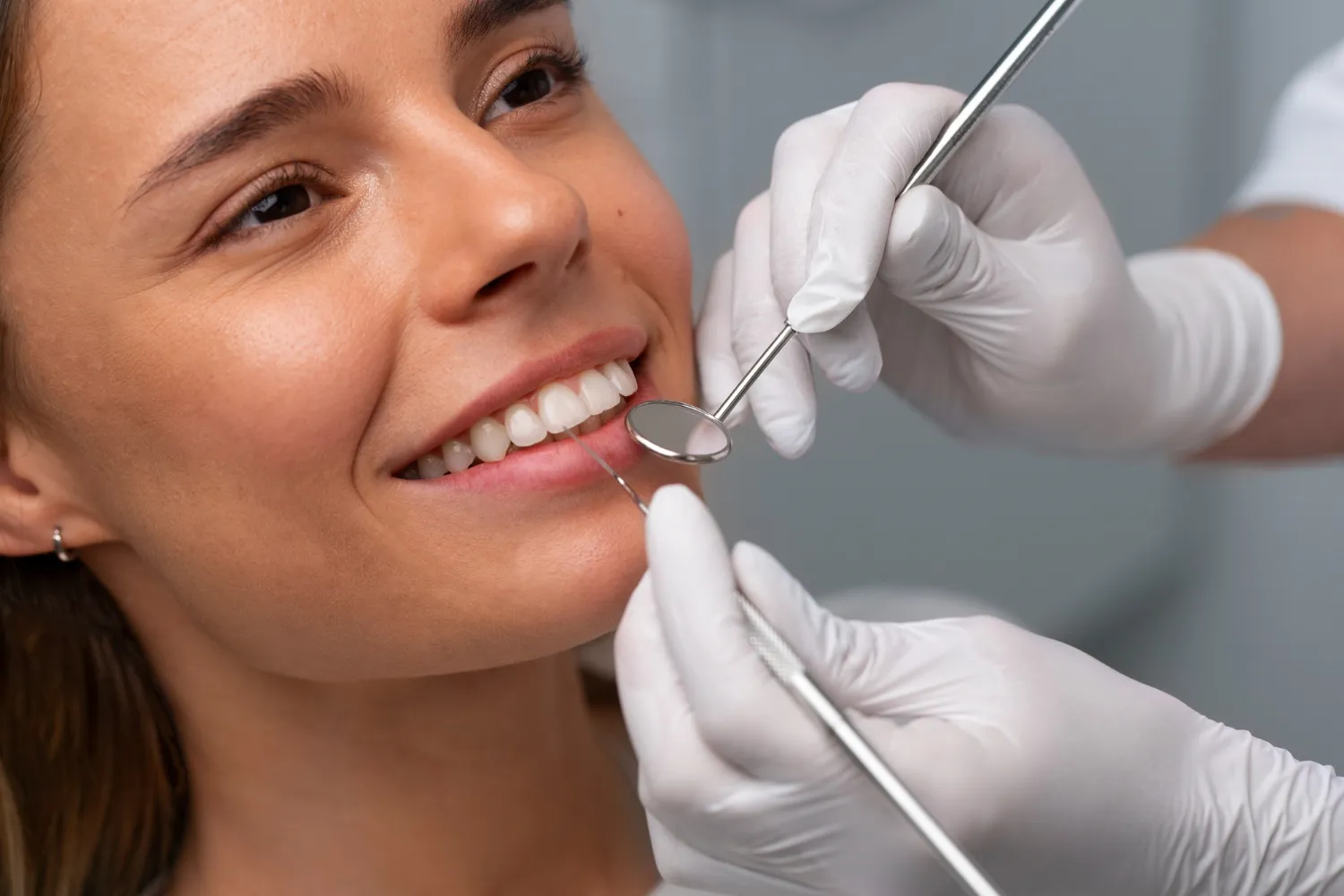
The try-in appointment confirms fit and aesthetics before cementation.
What Is Evaluated During the Try-In?
The dentist evaluates marginal fit. The dentist checks proximal contacts. The dentist confirms tooth shade. The dentist assesses shape. The dentist examines symmetry. The dentist evaluates translucency. The dentist verifies incisal edge position. The dentist obtains patient approval. The dentist must not proceed with bonding until all parameters meet clinical standards.
Why Are Try-In Pastes Used?
Try-in pastes show the anticipated cement shade. They help assess final aesthetics. They allow comparison of the veneer with adjacent teeth. They identify required modifications. The dentist can change the cement shade if the initial selection does not produce the desired result.
What Happens If the Veneer Does Not Fit Correctly?
The dentist evaluates the preparation. The dentist assesses the restoration. The dentist modifies or remakes the veneer when clinically necessary. The dentist avoids irreversible bonding until fit and aesthetics are acceptable. Remaking one veneer is better than cementing a poorly fitting restoration.
How Are E.max Veneers Bonded to the Teeth?
Bonding represents the most technically demanding phase of veneer treatment.
How Is the Ceramic Surface Prepared?
The technician or dentist conditions the ceramic surface. Etching follows the manufacturer's validated protocol. Silane application creates chemical bonding. The adhesive must demonstrate compatibility with the ceramic and cement system. Rojas-Rueda et al. (2025) confirm that hydrofluoric acid etching for 20 seconds followed by 60 seconds of silane application represents the standard protocol for lithium disilicate veneers.
How Are the Teeth Prepared for Adhesive Cementation?
The dentist cleans the teeth thoroughly. The dentist achieves complete isolation. The dentist conditions enamel and dentin when indicated. The dentist applies adhesive. The dentist maintains strict moisture control. Any contamination during this phase compromises the bond.
Why Is Resin Cement Commonly Used for E.max Veneers?
Resin cement provides adhesive retention. It offers aesthetic control. Its shade influences the final appearance. It supports thin ceramic restorations. Light-cure resin cements are generally preferred for veneers due to superior color stability and working time.
How Are the Veneers Permanently Cemented?
The dentist controls seating precisely. The dentist removes excess cement. The dentist light-cures according to the cement system. The dentist performs interproximal finishing. The dentist polishes the margins. Adhesive protocols are particularly important for lithium disilicate veneers because enamel preservation and appropriate bonding procedures contribute substantially to clinical reliability. The dentist cures each veneer from multiple angles to ensure complete polymerization.
How Are Occlusion and Margins Checked After E.max Veneer Placement?
Post-cementation evaluation ensures functional harmony.
How Is the Bite Evaluated?
The dentist checks centric contacts. The dentist evaluates protrusive movements. The dentist assesses lateral movements. The dentist verifies incisal guidance. The dentist identifies premature contacts. Any occlusal interference must be eliminated to protect the ceramic.
Why Are Final Adjustments Important?
Final adjustments ensure functional comfort. They protect the ceramic from fracture. They establish proper occlusal relationships. They prevent unnecessary stress on the restorations.
How Are Veneer Margins Finished and Polished?
The dentist removes residual cement. The dentist inspects margins carefully. The dentist polishes surfaces. The dentist finishes interproximal areas. Smooth margins resist plaque accumulation and maintain gingival health.
What Should Patients Expect Immediately After E.max Veneer Placement?
Patients need realistic expectations about the immediate post-treatment period.
Is Sensitivity Normal After E.max Veneers?
Some patients experience short-term sensitivity. This sensitivity usually resolves within days or weeks. Factors affecting sensitivity include preparation depth and remaining enamel. Persistent symptoms require dental evaluation.
Can Patients Eat Normally After E.max Veneers?
Patients should follow the dentist's immediate post-cementation instructions. Patients should avoid excessive loading until cementation and occlusal adjustments are complete. Patients should gradually return to normal eating habits according to clinical advice.
How Should Patients Clean E.max Veneers?
Patients should brush twice daily. Patients should floss daily. Patients should use non-abrasive oral hygiene products. Patients should maintain professional dental maintenance schedules. Proper hygiene preserves both the veneers and the underlying teeth.
How Long Does the E.max Veneers Procedure Take?
Treatment duration varies by case complexity.
How Many Dental Visits Are Usually Required?
The typical workflow includes an initial consultation and planning visit. The dentist schedules a preparation and scanning or impressions visit. The temporary veneer phase requires at least one appointment. The final try-in and bonding visit completes the active treatment. The dentist may schedule additional review appointments when necessary.
How Long Does Laboratory Fabrication Take?
Laboratory time varies according to the case, laboratory workflow, number of veneers, and fabrication method. Some laboratories complete simple cases in one week. Complex cases requiring custom characterization may take two to three weeks. Laboratory fabrication time differs from the overall treatment timeline.
Why Can Complex Cases Take Longer?
Extensive discoloration requires additional planning. Existing restorations need replacement. Occlusal problems require correction. Gingival treatment may precede veneer placement. Multiple veneers demand more laboratory time. Provisional modifications extend the treatment period.
What Factors Determine the Long-Term Success of E.max Veneers?
Multiple factors influence how long E.max veneers last.
How Does Enamel Preservation Affect Veneer Longevity?
The adhesive interface performs better on enamel. Mechanical stability improves with enamel bonding. Tooth preservation maintains structural integrity. Alqutaibi (2025) demonstrated that enamel-bonded veneers achieve survival rates approaching 99%, which confirms that enamel preservation directly impacts clinical outcomes.
How Does Occlusion Affect E.max Veneer Survival?
Bruxism creates excessive forces. Excessive functional loading stresses the ceramic. Incisal contacts must be controlled. Parafunctional habits threaten restoration survival. Patients with bruxism should wear protective appliances.
How Does Clinical and Laboratory Precision Affect Outcomes?
Preparation quality determines marginal seal. Marginal adaptation prevents microleakage. Ceramic thickness affects strength. Contact design preserves periodontal health. Bonding protocol determines retention. Occlusal adjustment prevents fracture. Clinical research reports high survival for lithium disilicate veneers. Malchiodi et al. (2019) reported a 98.7% survival rate after a mean three-year follow-up. Broader evidence supports strong long-term performance when appropriate clinical protocols are followed.
What Are the Potential Risks and Complications of E.max Veneers?
Patients should understand possible complications before starting treatment.
Can E.max Veneers Chip or Fracture?
Ceramic fracture can occur. Chipping may happen under excessive force. Excessive occlusal forces threaten restorations. Bruxism increases fracture risk. Patients must avoid using veneered teeth as tools.
Can E.max Veneers Debond?
Adhesive failure causes debonding. Contamination during bonding compromises retention. Inadequate substrate reduces bond strength. Occlusal stress can dislodge veneers. Proper isolation and technique minimize this risk.
Can E.max Veneers Cause Sensitivity?
Preparation depth affects sensitivity. Remaining enamel thickness matters. Dentin exposure may cause discomfort. Pre-existing sensitivity can persist. Most post-operative sensitivity resolves spontaneously.
Can Marginal Discoloration Occur?
The cement interface may discolor over time. Oral hygiene affects margin appearance. Gingival recession can expose margins. Restoration margins require proper finishing to minimize staining.
How Should E.max Veneers Be Maintained After Treatment?
Proper maintenance extends veneer lifespan significantly.
What Daily Oral Hygiene Routine Is Recommended?
Patients should brush twice daily. Patients should perform daily interdental cleaning. Patients should use non-abrasive toothpaste. Patients should schedule regular professional examinations. These habits prevent decay and periodontal disease around veneers.
Should Patients Wear a Night Guard?
Patients with bruxism should wear night guards. Night guards protect against excessive occlusal forces. The dentist designs individualized appliances for each patient. This simple measure can add years to veneer survival.
How Often Should E.max Veneers Be Professionally Checked?
Patients should attend periodic dental examinations. The dentist performs occlusal assessment. The dentist monitors gingival health. The dentist provides professional cleaning. Early detection of problems prevents major complications.
How Does the E.max Veneers Procedure Differ From Other Veneer Procedures?
Understanding alternatives helps patients make informed decisions.
How Does E.max Compare With Feldspathic Porcelain Veneers?
Feature | E.max (Lithium Disilicate) | Feldspathic Porcelain |
Strength | Higher (360-400 MPa) | Lower (approximately 90 MPa) |
Translucency | High | Very high |
Preparation | Minimal to moderate | Often minimal |
Fabrication | Press or mill | Layered |
Indications | Most aesthetic cases | Ultra-conservative cases |
E.max offers greater strength. Feldspathic porcelain offers slightly higher translucency. E.max requires less tooth reduction in many cases. Feldspathic porcelain needs more artistic layering. Klein et al. (2025) found that feldspathic veneers showed higher complication rates (41.48% technical) compared to lithium disilicate (6.1% technical) at 10.4 years.
How Does E.max Compare With Composite Veneers?
E.max provides superior aesthetic stability. E.max demonstrates greater durability. E.max resists staining better. Composite veneers allow direct chairside fabrication. Composite veneers offer easier repairability. However, composite veneers show significantly lower survival rates over time. Literature reviews indicate that lithium disilicate veneers achieve mean survival rates of 95.6% compared to 73.9% for composite veneers over follow-up periods of 2-10 years.
How Does E.max Compare With Zirconia Veneers?
E.max offers superior translucency. Zirconia offers higher strength. E.max suits most anterior aesthetic cases. Zirconia works better when maximum strength is needed. E.max has longer clinical track records for veneer applications. Zirconia lacks long-term data for laminate veneers. Klein et al. (2025) noted that zirconia showed 100% survival at 2.6 years but no long-term data was available.
What Questions Should Patients Ask Before Getting E.max Veneers?
Informed patients make better decisions. Patients should ask their dentist the following questions.
Am I a Suitable Candidate for E.max Veneers?
The dentist evaluates oral health, aesthetic goals, and occlusal factors. Good candidates have healthy teeth and realistic expectations.
How Much Enamel Will Need to Be Removed?
The dentist explains that preparation varies by case. Some patients need minimal reduction. Others require more substantial preparation for aesthetic correction.
Which E.max Material and Translucency Are Appropriate for My Case?
The dentist recommends materials based on the patient's tooth shade, desired outcome, and aesthetic goals.
Will I Need Temporary Veneers?
Most patients receive temporary veneers during the fabrication period. The dentist explains their purpose and duration.
How Will My Final Tooth Shade Be Selected?
The dentist describes the shade selection process. The dentist explains how whitening timing affects final results.
What Bonding Protocol Will Be Used?
The dentist describes the etching, silane, and cementation steps. The dentist explains why isolation matters.
How Will My Bite Be Evaluated?
The dentist explains occlusal checking procedures. The dentist describes how they will prevent premature contacts.
What Happens If a Veneer Chips or Debonds?
The dentist explains repair and replacement options. The dentist discusses warranty policies.
How Should I Protect My Veneers If I Grind My Teeth?
The dentist recommends night guards for bruxism patients. The dentist explains how appliances protect restorations.
Frequently Asked Questions About the E.max Veneers Procedure
How Many Appointments Are Needed for E.max Veneers?
Most patients need three to four appointments. Complex cases may require additional visits.
Is E.max Veneer Preparation Painful?
Dentists use local anesthesia during preparation. Patients typically experience minimal discomfort.
How Much Enamel Is Removed for E.max Veneers?
Preparation ranges from 0.3 mm to 0.8 mm on the facial surface. Some cases require more reduction.
Are Temporary Veneers Necessary?
Yes. Temporary veneers protect prepared teeth and test the design.
How Long Does E.max Veneer Fabrication Take?
Laboratory fabrication typically takes one to three weeks depending on complexity.
Are E.max Veneers Permanently Bonded?
Yes. Dentists bond E.max veneers using resin cement. The bond is intended to be permanent.
Can E.max Veneers Be Repaired If They Chip?
Small chips may be repairable with composite. Large fractures usually require replacement.
How Long Can E.max Veneers Last?
Clinical studies show survival rates exceeding 96% at 10 years with proper care.
Can E.max Veneers Stain?
The ceramic itself resists staining. However, the cement margin or underlying tooth may discolor over time.
Can E.max Veneers Be Placed Without Tooth Preparation?
Some patients qualify for no-prep or minimal-prep veneers. The dentist determines suitability based on tooth position and aesthetic goals.
Are E.max Veneers Suitable for People Who Grind Their Teeth?
Yes, but bruxism patients should wear night guards. The dentist evaluates occlusal risk before treatment.
What Does the E.max Veneers Procedure Involve From Start to Finish?
The E.max veneers procedure follows a comprehensive workflow. The dentist begins with consultation and oral assessment. The dental team performs smile analysis and treatment planning. The dentist selects the shade. The laboratory creates a mock-up or wax-up. The dentist performs conservative tooth preparation. The dentist takes digital scans or impressions. The patient wears temporary veneers. The laboratory fabricates the permanent restorations. The dentist tries in the veneers. The dentist performs adhesive bonding. The dentist checks occlusion and adjusts margins. The patient maintains the restorations through proper hygiene and follow-up.
Successful E.max treatment depends on the interaction between material selection, enamel preservation, preparation design, laboratory craftsmanship, adhesive bonding, and long-term maintenance. The exact protocol should be individualized by a qualified dental professional. Leading clinics such as Cinik Dental apply these evidence-based protocols to deliver predictable aesthetic outcomes for patients seeking E.max veneer treatment.
References
Alqutaibi, Ahmed Y. "Clinical Survival and Complication Rate of Ceramic Veneers Bonded to Different Substrates: A Systematic Review and Meta-Analysis." Journal of Prosthetic Dentistry, 2025.
Coachman, Christian, et al. "Dynamic Documentation of the Smile and the 2D/3D Digital Smile Design Process." International Journal of Periodontics and Restorative Dentistry, vol. 37, no. 2, 2017, pp. 183-193.
Klein, Patrick, et al. "Survival and Complication Rates of Feldspathic, Leucite-Reinforced, Lithium Disilicate and Zirconia Ceramic Laminate Veneers: A Systematic Review and Meta-Analysis." Journal of Esthetic and Restorative Dentistry, vol. 37, no. 3, 2025, pp. 601-619.
Magne, Pascal, and Michel Magne. "Use of Additive Waxup and Direct Intraoral Mock-up for Enamel Preservation with Porcelain Laminate Veneers." European Journal of Esthetic Dentistry, vol. 1, 2006, pp. 10-19.
Malchiodi, Luca, et al. "Clinical Performance of Lithium Disilicate Veneers: A Prospective Study." Journal of Dentistry, 2019.
Peumans, Marleen, et al. "Porcelain Veneers: A Review of the Literature." Journal of Dentistry, vol. 28, no. 3, 2000, pp. 163-177.
Pjetursson, Bjarni E., et al. "A Systematic Review and Meta-analysis Evaluating the Survival, Failure, and Complication Rates of Metal-Ceramic, Veneered, and Monolithic All-Ceramic Tooth-Supported Single Crowns." Clinical Oral Implants Research, 2026.
Rojas-Rueda, Stephanie, et al. "Bonding Protocols for Lithium Disilicate Veneers." Journal of Clinical and Experimental Dentistry, 2025.