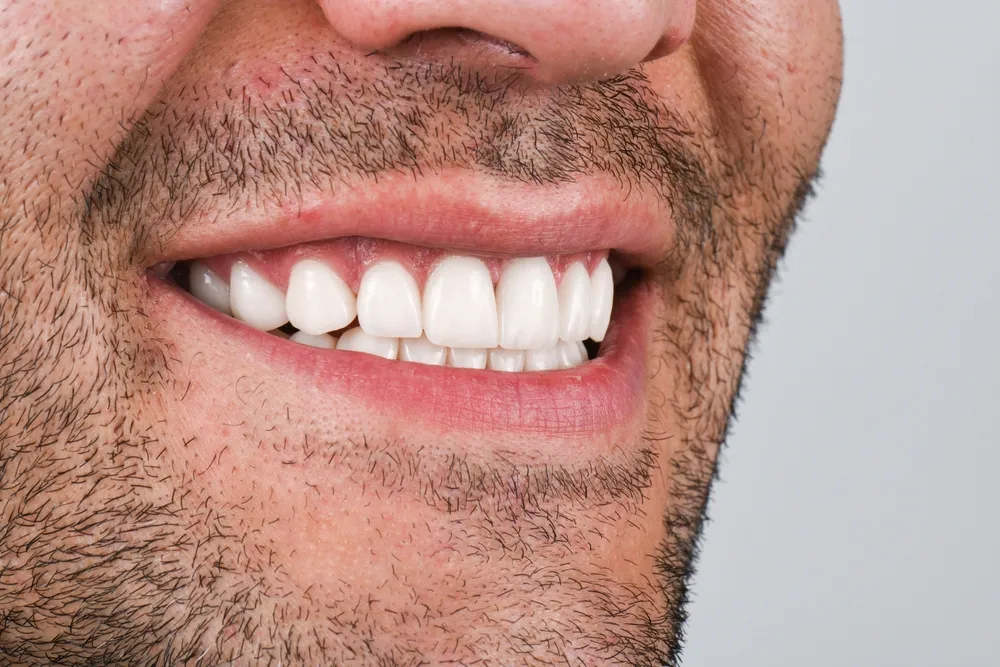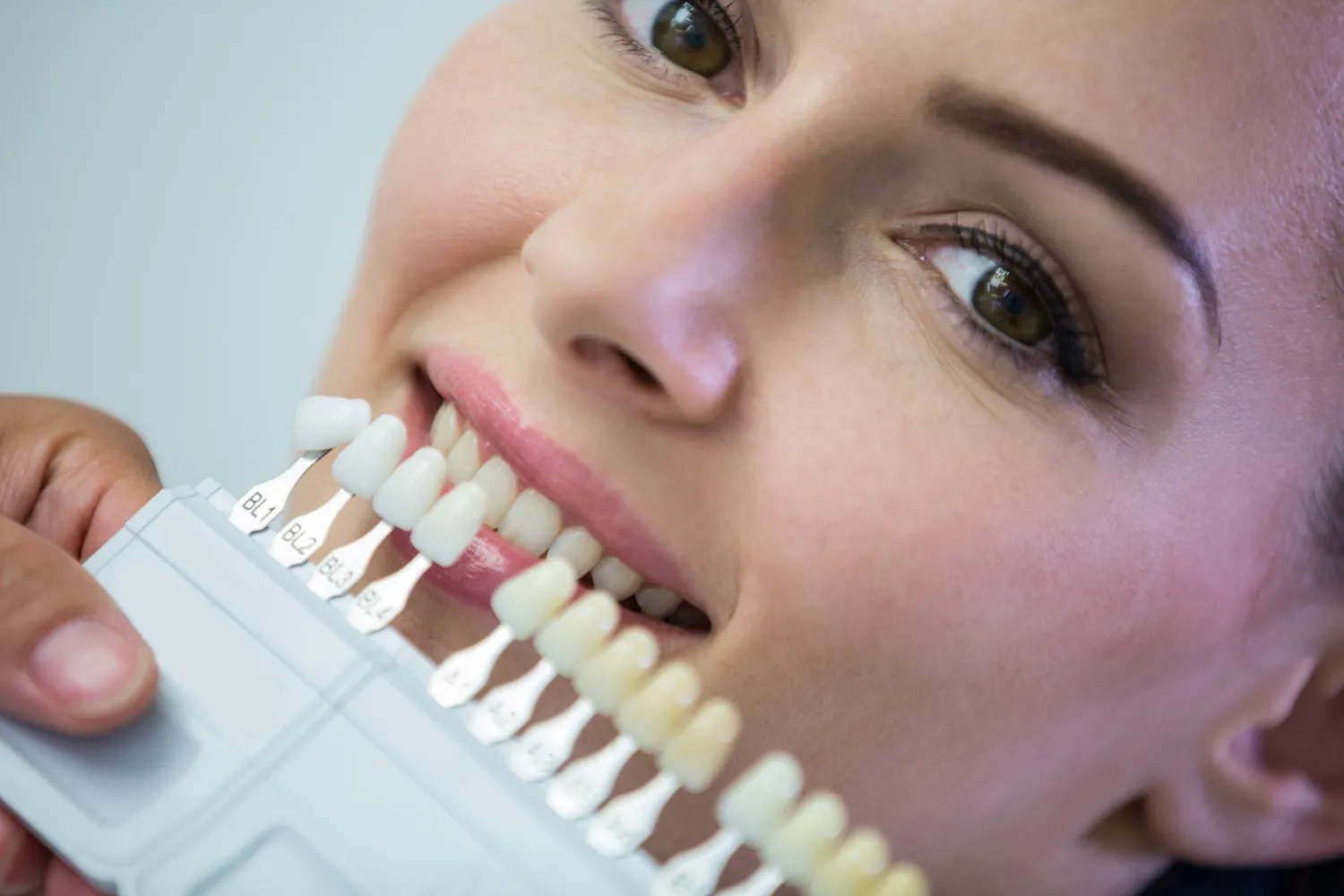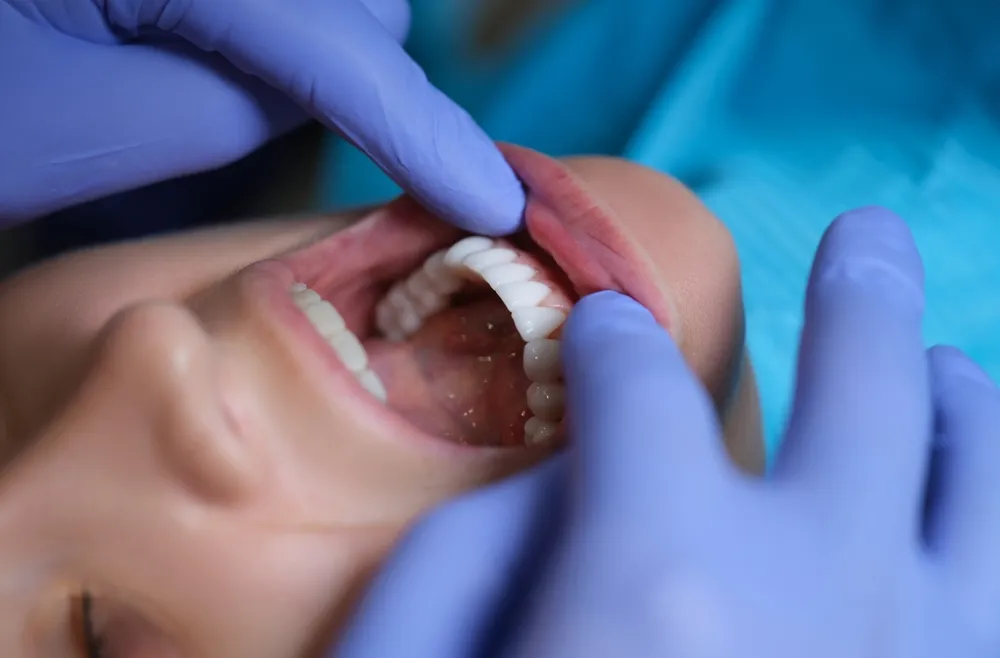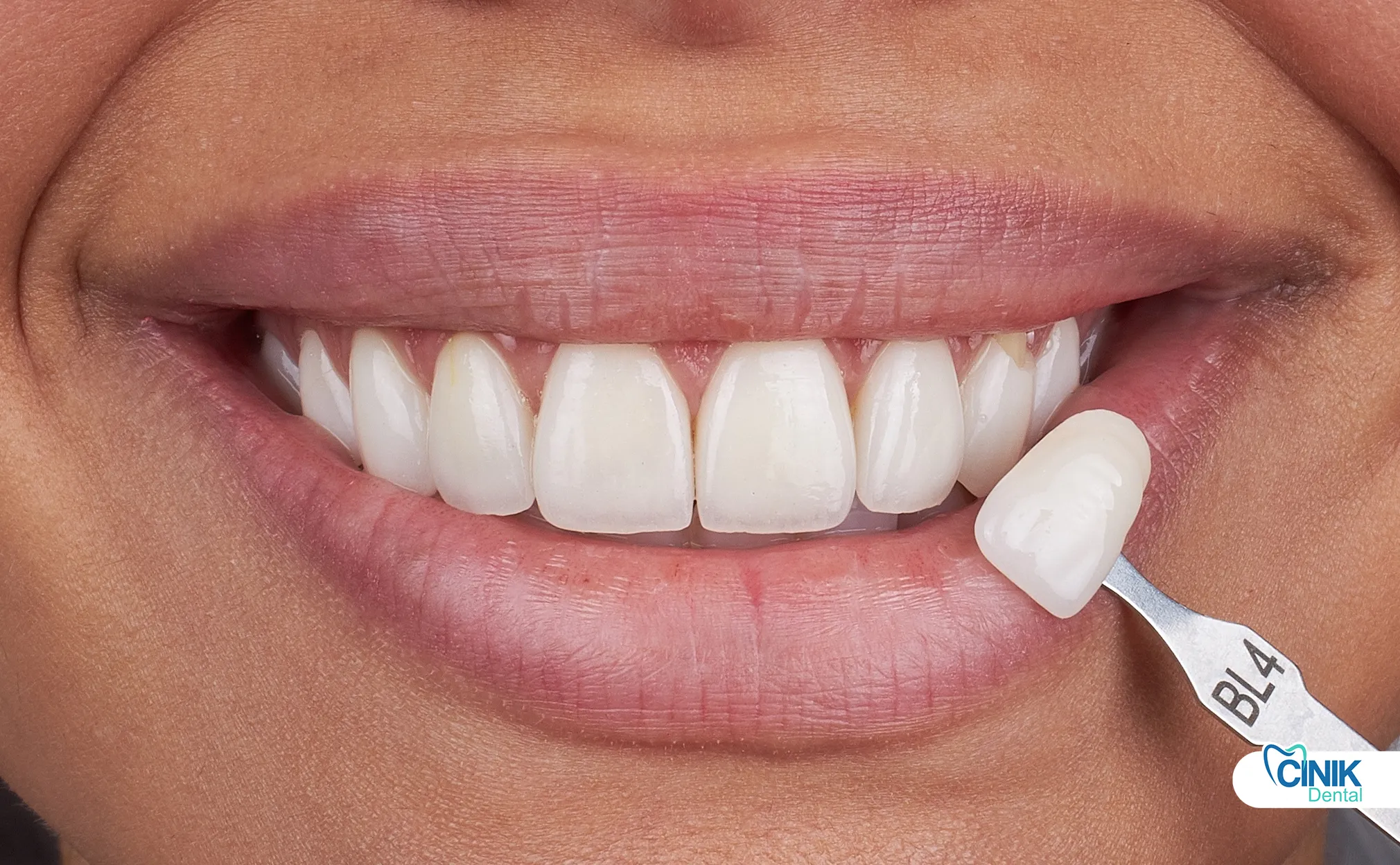
E.max veneers transform smiles every day. These thin ceramic shells cover the front surfaces of teeth and create stunning aesthetic results. Many patients ask about the recovery process after E.max veneer placement. This article answers every question about E.max veneer recovery time, aftercare, sensitivity, and long-term care. You will learn what happens during the first 24 hours, the first week, and beyond. You will also discover how to speed up your adjustment and protect your investment for years to come.
What Should You Expect During Recovery After E.max Veneers?
You should expect a short adjustment period rather than a lengthy healing process. Most patients resume normal activities within one to two days.
E.max veneers belong to the family of lithium disilicate glass-ceramic restorations. Dentists place them on anterior teeth to correct color, shape, size, and minor alignment issues. The procedure requires minimal tooth preparation compared to crowns. This conservative approach means your recovery after E.max veneers differs significantly from recovery after surgical dental procedures like extractions or implant placement. You will not deal with open wounds, sutures, or significant tissue trauma. Instead, you will experience tissue adaptation, possible tooth sensitivity, and functional adjustment as your mouth learns the new contours. Individual recovery varies based on enamel preparation depth, pre-existing tooth sensitivity, gum health, your bite pattern, and the number of veneers placed. This article explains the complete E.max veneer recovery timeline so you know exactly what to expect.
What Are E.max Veneers and Why Does Their Material Matter During Recovery?
The material composition of E.max veneers directly influences how your teeth and gums respond after placement. Lithium disilicate glass-ceramic offers unique properties that affect postoperative comfort.
What Are E.max Veneers Made Of?
E.max veneers consist of lithium disilicate glass-ceramic. This material contains lithium oxide, alumina, phosphorous oxide, potassium oxide, and silica. The resulting ceramic structure delivers exceptional optical properties and translucency that mimic natural enamel. E.max veneers measure approximately 0.3 to 0.7 millimeters in thickness, making them one of the thinnest ceramic veneer options available. Despite their thin profile, lithium disilicate exhibits remarkable strength and fracture resistance. The flexural strength reaches approximately 360 to 400 megapascals, which surpasses traditional feldspathic porcelain. The adhesive bonding characteristics also stand out. E.max veneers bond chemically and micromechanically to enamel and dentin through resin cements, creating a durable union between tooth and restoration (Fradeani et al. 2015).
How Are E.max Veneers Different From Conventional Porcelain Veneers?
E.max veneers differ from conventional porcelain veneers in several critical ways. Traditional feldspathic porcelain veneers use a different material composition with lower flexural strength. E.max veneers require more conservative tooth preparation because their strength allows thinner designs. Conventional porcelain veneers often need greater enamel reduction to achieve adequate strength. E.max delivers superior esthetic characteristics due to its optimized translucency and opalescence. The bonding requirements also differ. Lithium disilicate achieves higher bond strengths with resin cements compared to some conventional ceramics. These material differences influence postoperative sensitivity and adaptation. Thinner preparations preserve more enamel, which often reduces postoperative sensitivity. Stronger materials also resist microfracture during the functional adaptation period.
Why Does Material Choice Influence Postoperative Sensitivity and Adaptation?
Lithium disilicate ceramic interacts with tooth structure and surrounding tissues in specific ways. The material conducts temperature differently than natural enamel. This difference explains why some patients notice temporary temperature sensitivity after placement. The thin design preserves more tooth structure, which generally minimizes pulp irritation. However, the bonding process itself can trigger mild sensitivity in some cases. Recent literature describes lithium disilicate veneers as a conservative restorative option with favorable mechanical, optical, and adhesive properties, particularly when enamel preservation and appropriate bonding protocols are maintained (Layton and Clarke 2013). Your dentist selects E.max specifically because these properties support both immediate comfort and long-term success.
Is Recovery After E.max Veneers Really Necessary?
Recovery after E.max veneers is necessary, but it involves adjustment rather than major wound healing. Most patients describe the experience as mild and brief.
Are E.max Veneers Considered a Surgical Procedure?
E.max veneer placement does not qualify as a surgical procedure. Your dentist performs this treatment in a single office visit or across two appointments. The procedure involves enamel preparation, impression taking, and cementation. Local anesthesia numbs the area during preparation, but you will not experience incisions, sutures, or significant bleeding. The difference between surgical healing and post-restorative adaptation is substantial. Surgical procedures require tissue regeneration, bone remodeling, and extended healing times. Veneer placement requires none of these. Your gums may feel slightly irritated, but they do not undergo surgical trauma. The local anesthesia eliminates discomfort during preparation and placement, and residual numbness typically fades within a few hours.
What Does Recovery Mean After E.max Veneer Placement?
Recovery after E.max veneer placement means adjustment. You may experience temporary tooth sensitivity as your pulp responds to the preparation and cementation process. Your gums may feel tender around the veneer margins. Your bite will feel different because the new contours change how your teeth meet. Your speech may require adaptation as your tongue learns the new incisal edge positions. Your periodontal tissues need time to settle around the veneer margins. Veneer recovery is generally characterized by adjustment rather than major wound healing; the first days primarily involve sensitivity, gum settling, and adaptation to the new bite and tooth contours. Most patients find this adjustment mild and manageable.
How Long Does It Take to Recover From E.max Veneers?
Most patients recover from E.max veneers within one to two weeks. However, the exact timeline varies by individual.
What Happens During the First 24 Hours After E.max Veneer Placement?
The first 24 hours bring specific sensations. Residual numbness from local anesthesia lingers for two to four hours. Mild gum tenderness appears around the prepared teeth. You will feel aware of the new veneers because the surfaces differ from natural enamel. Temporary temperature sensitivity often emerges when you consume hot or cold items. Your bite sensation may feel altered because the new thickness changes tooth contacts. While numbness persists, avoid chewing to prevent accidental biting of your lips, cheeks, or tongue. Choose soft foods and avoid extreme temperatures during this initial period.
What Happens During Days 2 to 3?
Days two and three bring noticeable improvement. Initial discomfort reduces significantly. Sensitivity to hot and cold continues but often becomes less intense. You begin adapting to chewing with the new restorations. Gum tenderness gradually improves as the tissues respond to the new margins. You can transition from soft foods toward a more normal diet, though you should still avoid very hard or sticky items. Most patients report feeling much more comfortable by the end of day three.
What Happens During the First Week?
During the first week, sensitivity continues declining. Chewing comfort improves as your muscles adapt to the new bite. Gum tissues begin settling around the veneer margins, reducing redness and irritation. Speech becomes more natural as your tongue adjusts to the new contours. Your awareness of the veneers diminishes. By day seven, many patients feel their E.max veneers have become part of their natural dentition. You can resume most normal activities and foods, though caution with extremely hard items remains wise.
What Happens During Weeks 2 to 4?
Weeks two through four complete the adjustment phase. Your bite adapts further as your neuromuscular system accommodates the new tooth positions. Periodontal tissues continue settling around the margins. Speech and chewing feel increasingly natural. You develop a more natural sensation overall. This period also allows identification of any persistent bite or sensitivity concerns. If discomfort continues beyond two weeks, schedule a follow-up with your dentist. General veneer guidance indicates that many patients return to normal activities within one to two days, while sensitivity and functional adaptation may continue for one to two weeks or longer in some individuals (Morimoto et al. 2016).
Is Tooth Sensitivity Normal After E.max Veneers?
Yes, tooth sensitivity is normal after E.max veneer placement. Most patients experience mild sensitivity that resolves within days or weeks.
Why Can E.max Veneers Cause Tooth Sensitivity?
Several factors cause sensitivity. Enamel preparation exposes underlying dentin, which contains microscopic tubules that connect to the dental pulp. Temperature changes trigger fluid movement within these tubules, creating sensitivity. Vital teeth respond naturally to these changes. The adhesive bonding and cementation process can also irritate the pulp temporarily. Individual differences in pre-existing sensitivity play a major role. Patients with a history of sensitive teeth often notice more pronounced postoperative sensations. The depth of preparation matters too. Conservative preparations that preserve enamel typically produce less sensitivity than deeper reductions (Edelhoff and Sorensen 2002).
How Long Does Sensitivity Usually Last After E.max Veneers?
Mild sensitivity typically lasts during the first few days. Some patients experience sensitivity during the first one to two weeks. The pattern should show gradual improvement. Each day, hot and cold stimuli should bother you less. If sensitivity persists beyond two weeks or worsens, contact your dentist. Persistent or increasing sensitivity may indicate a high bite, bonding issues, or pulp inflammation requiring evaluation. Clinical evidence concerning lithium-disilicate restorations generally reports favorable pulpal and periodontal outcomes, with postoperative sensitivity often resolving rather than becoming a permanent complication (Gresnigt et al. 2013).
What Can Help Reduce E.max Veneer Sensitivity?
Several strategies reduce sensitivity effectively. Use desensitizing toothpaste containing potassium nitrate or stannous fluoride. Brush with a soft-bristled toothbrush to avoid aggravating the gumline. Avoid extreme temperatures initially, letting hot beverages cool and avoiding ice. Brush gently around veneer margins to prevent gum irritation. Follow your dentist's individualized instructions, as they know your specific preparation depth and dental history. These simple steps support comfortable E.max veneers aftercare during the adjustment period.
Is Gum Tenderness Normal After E.max Veneer Placement?
Yes, gum tenderness is normal after E.max veneer placement. The tissues around your teeth need time to adapt.
Why Can the Gums Feel Tender After Veneers?
Tooth preparation irritates the gingival margin. Your dentist places retraction cord or uses other methods to manage the gum tissue during the procedure, which causes temporary irritation. The contact between veneer margins and gingival tissues creates a new interface that the gums must accept. Temporary irritation around the gumline commonly occurs because the tissues have experienced manipulation and now border a new ceramic surface. This tenderness typically localizes to the gumline immediately adjacent to the prepared teeth.
How Long Does Gum Irritation Usually Last?
Gum irritation usually lasts a few days. Expect short-term tenderness that peaks within the first 48 hours. Redness and irritation gradually reduce as the tissues heal. By the end of the first week, your gums should look and feel normal. Monitor persistent swelling or bleeding carefully. If gum inflammation continues beyond one week or worsens, contact your dentist. These symptoms may indicate margin issues or plaque accumulation requiring professional attention.
How Should You Care for Your Gums After E.max Veneers?
Care for your gums with gentle brushing twice daily. Floss daily, sliding the floss carefully between teeth without snapping it against the gumline. Clean carefully around veneer margins where plaque accumulates easily. Avoid aggressive brushing, which can traumatize healing gingival tissue. Maintain professional dental cleanings every six months. Healthy gums support long-term veneer success and prevent margin staining or recession.
Can Your Bite Feel Different After E.max Veneers?
Yes, your bite can feel different after E.max veneers. This sensation is normal and usually temporary.
Why Does the Bite Feel Different After Veneers?
Changes in tooth contours alter how your teeth meet. New veneer thickness adds dimension to the tooth surface. Altered contact points change the distribution of biting forces. Your neuromuscular system must adapt to these new positions. Even microscopic changes in tooth height or contour register in your proprioceptive system. Your brain receives different feedback when you close your mouth, creating awareness of the new restorations.
How Long Does It Take to Adjust to the New Bite?
Initial awareness persists during the first few days. Normal functional adaptation occurs during the first one to two weeks. Your chewing muscles learn the new pathways. Your jaw joint accommodates the altered tooth positions. Possible longer adjustment occurs when multiple anterior teeth receive veneers. Extensive treatment changes the entire anterior guidance, requiring more neuromuscular reprogramming. Most patients adapt fully within two weeks.
What Does a High Bite Feel Like After Veneers?
A high bite feels like one tooth contacts before the others. You may feel discomfort when chewing because that tooth bears excessive force. Jaw fatigue or pressure may develop as your muscles compensate. Persistent bite imbalance creates ongoing awareness every time you close your mouth. This sensation differs from normal adaptation because it does not improve over time.
When Does a Veneer Bite Need Professional Adjustment?
Contact your dentist if you experience persistent pain while biting. Difficulty closing your mouth comfortably indicates a problem. A specific tooth consistently hitting first needs adjustment. Continued jaw discomfort beyond one week warrants evaluation. A minor occlusal adjustment may resolve a persistent high-contact point; ongoing bite discomfort should not simply be ignored. Your dentist can polish the veneer surface to achieve harmonious contact in minutes.
Can E.max Veneers Affect Speech During Recovery?
Yes, E.max veneers can temporarily affect speech. Most patients adapt quickly.
Why Can Speech Change After Veneer Placement?
Changes in incisal edge position alter how your tongue releases air during speech. Altered tooth contours change the surface your tongue contacts. Your tongue must adapt to new spatial relationships. Changes in airflow around anterior teeth affect sibilant sounds like "S" and "F." Even subtle changes in tooth length or thickness impact articulation because your tongue has memorized specific positions over years of speaking.
How Long Do Speech Changes Last?
Temporary lisping or altered "S" and "F" sounds commonly occur. Progressive adaptation happens over several days. Most patients notice typical improvement within one to two weeks. Reading aloud and practicing difficult sounds accelerates this process. If speech issues persist beyond two weeks, consult your dentist. The incisal edge position may need refinement.
How Can You Adapt to Speaking With E.max Veneers?
Speak normally throughout the day. Read aloud for ten minutes daily to retrain your tongue. Practice difficult sounds like "sixty-six" and "fifty-five." Allow your tongue to adapt naturally without forcing pronunciation changes. Your oral motor system possesses remarkable plasticity and will adjust to the new contours with regular use.
What Should You Eat After Getting E.max Veneers?
Your diet matters during the first days after E.max veneer placement. Choose foods that support comfort and protect your new restorations.
Which Foods Are Best During the First 24 to 48 Hours?
Soft foods work best initially. Yogurt provides protein without requiring chewing. Eggs offer nutrition and easy texture. Pasta cooked until soft fills you up gently. Soft vegetables like steamed carrots or zucchini provide vitamins. Oatmeal makes an excellent breakfast option. Soft proteins like fish or tofu maintain your energy without stressing your teeth. These foods minimize bite force and reduce temperature extremes during the sensitive early period.
Which Foods Should You Avoid Immediately After Veneer Placement?
Avoid very hard foods like nuts, raw carrots, and hard bread crusts. Skip sticky foods like caramel and taffy, which pull on veneer margins. Never chew ice. Avoid hard candy that requires biting force. Extremely hot or cold foods trigger sensitivity. Foods that require excessive force from the front teeth, like biting into apples or corn on the cob, stress the new restorations. Aftercare recommendations across the reviewed sources emphasize soft foods initially and avoiding hard or sticky foods while the new restorations and oral tissues adapt (Peumans et al. 2000).
When Can You Return to a Normal Diet?
Gradually transition as sensitivity decreases. Return to normal chewing once you feel comfortable, usually within one week. Continue caution with exceptionally hard foods even after recovery. E.max veneers resist fracture well, but no ceramic restoration is indestructible. Use your back teeth for hard items and avoid using your front veneers as tools.
How Should You Brush and Floss After E.max Veneers?
Proper oral hygiene protects your veneers and natural teeth. Establish good habits immediately.
When Can You Brush After E.max Veneer Placement?
Resume oral hygiene according to your dentist's instructions, usually the same day. Use a soft-bristled toothbrush to avoid scratching the ceramic or irritating gums. Brush gently around veneer margins where the restoration meets the tooth. Avoid aggressive horizontal scrubbing. Electric toothbrushes work well if you use gentle pressure.
Can You Floss Normally With E.max Veneers?
Yes, you can floss normally. Daily interdental cleaning remains essential for gum health. Insert floss gently between teeth. Avoid forceful snapping against the gumline, which traumatizes healing tissue. Monitor whether floss catches or shreds. Rough margin areas may indicate a problem requiring dental evaluation. Proper flossing prevents plaque accumulation at the veneer margins.
Should You Use Special Toothpaste After E.max Veneers?
Use desensitizing toothpaste when needed for sensitivity. Choose fluoride toothpaste to protect the natural tooth structure at the veneer margins. Avoid excessively abrasive products containing baking soda or charcoal, which can scratch the ceramic glaze over time. Standard fluoride toothpaste works perfectly for daily use.
Does E.max Require Special Long-Term Oral Hygiene?
E.max veneers do not require special long-term hygiene beyond excellent routine care. Brush twice daily and floss once daily. Schedule professional dental cleanings every six months. Monitor gingival health around veneer margins. Control plaque accumulation carefully, as inflamed gums can recede and expose margins. Long-term E.max veneer care emphasizes good oral hygiene and avoiding excessive mechanical forces such as clenching, grinding, biting hard objects, or using teeth as tools (Guess et al. 2011).
What Habits Should You Avoid While Recovering From E.max Veneers?
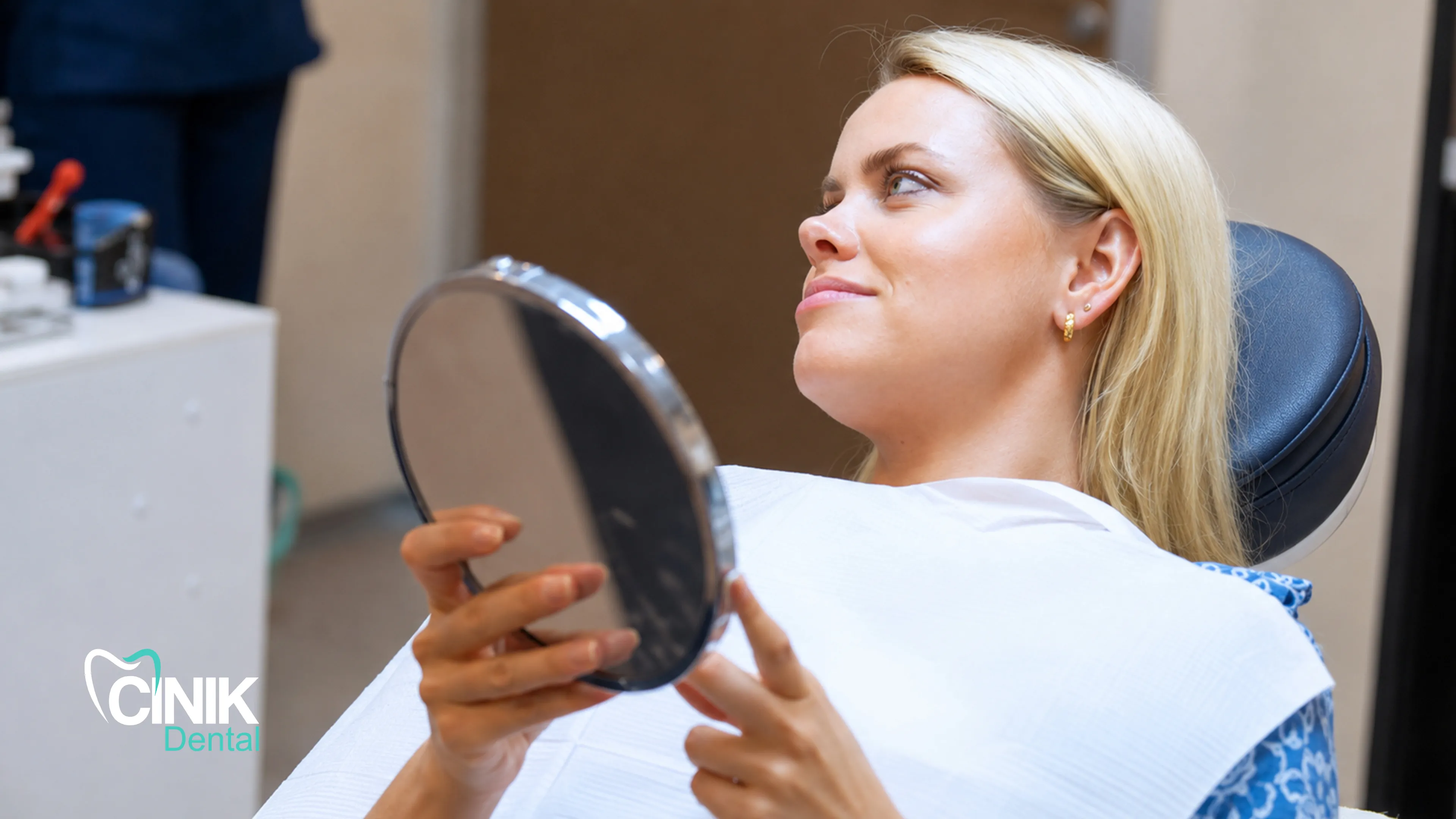
Certain habits threaten your veneers during recovery and beyond. Eliminate them for optimal results.
Should You Avoid Biting With Your Front Teeth?
Yes, avoid excessive force on your front teeth during initial adaptation. Do not use your teeth to open packages, bottles, or bags. Stop nail biting immediately. These habits generate shear forces that stress the adhesive bond and ceramic material. Your front teeth should guide food during chewing, not bear crushing forces.
Can You Chew Ice With E.max Veneers?
No, never chew ice with E.max veneers. Ice creates extreme mechanical stress on ceramic restorations. The rapid temperature change combined with biting force risks chipping or fracture. Hard-object habits reduce restoration longevity significantly. This rule applies permanently, not just during recovery.
Should You Wear a Night Guard After E.max Veneers?
You should wear a night guard if you have bruxism or clenching habits. Bruxism and clenching create mechanical risk factors for ceramic restorations. A protective occlusal appliance absorbs forces and prevents veneer damage. Ask your dentist for an individualized evaluation. Custom night guards fit precisely and protect your investment while you sleep.
Can You Drink Coffee, Tea, or Wine After E.max Veneers?
Yes, you can enjoy these beverages, but understand the implications for your veneers and natural teeth.
Are E.max Veneers Resistant to Staining?
E.max veneers resist staining exceptionally well. The glazed ceramic surface does not absorb pigments like natural enamel. However, the cement layer beneath and your natural tooth structure at the margins can stain over time. The difference between veneer material and surrounding natural teeth becomes noticeable if you neglect oral hygiene. Maintain excellent cleaning habits to keep your smile uniform.
Should You Limit Coffee and Tea During Recovery?
Limit coffee and tea during early recovery primarily because of temperature sensitivity. Hot beverages may trigger discomfort in the first week. These drinks can also stain the surrounding natural tooth structure. Rinse with water after consuming staining beverages. This simple habit reduces pigment contact with your teeth and maintains color harmony between veneers and natural enamel.
Can You Drink Alcohol After E.max Veneer Placement?
Alcohol consumption after E.max veneer placement requires consideration of temperature, acidity, and oral hygiene. Acidic alcoholic beverages like wine can irritate sensitive gums initially. Alcohol also dries the mouth, reducing saliva's protective effects. Follow your treating dentist's instructions regarding alcohol consumption during the immediate recovery period. Moderation and good hydration support oral health.
What Should You Expect at Your Follow-Up Appointment?
Follow-up appointments ensure your E.max veneers function properly and remain comfortable.
When Should You Have Your First Dental Check After E.max Veneers?
Schedule your first check within one to two weeks after placement. This timing allows initial adaptation while enabling early intervention for any issues. Your dentist will assess veneer fit, evaluate your bite, check gingival response, and assess sensitivity levels. This appointment typically takes 15 to 30 minutes.
What Does the Dentist Check During Follow-Up?
Your dentist checks multiple parameters. They examine veneer margins for gaps or overhangs. They evaluate bite contacts using articulating paper. They assess gum health around each veneer. They verify veneer stability and bond integrity. They ask about your comfort level. They review your oral hygiene technique. This comprehensive evaluation catches problems before they become serious.
Why Are Follow-Up Visits Important for Long-Term E.max Veneer Success?
Follow-up visits enable early detection of occlusal problems. Your dentist can manage persistent sensitivity before it becomes chronic. They monitor periodontal health around the margins. They prevent restoration complications through proactive care. Regular professional oversight extends veneer lifespan significantly. Patients who attend scheduled follow-ups experience fewer long-term complications.
Which Symptoms Are Normal After E.max Veneers and Which Are Concerning?
Understanding the difference between normal adjustment and concerning symptoms helps you respond appropriately.
Which Symptoms Usually Represent Normal Adjustment?
Mild sensitivity to temperature represents normal adjustment. Minor gum tenderness around the margins is expected. Temporary bite awareness occurs as your muscles adapt. Slight speech changes resolve within days. Awareness of new tooth contours diminishes over one to two weeks. These symptoms should show progressive improvement. Each day should feel slightly better than the last.
Which Symptoms Require Prompt Dental Assessment?
Seek immediate evaluation for severe or increasing pain. Persistent sensitivity beyond two weeks needs attention. Pain when biting indicates a high spot requiring adjustment. Significant swelling suggests infection or reaction. Persistent bleeding around margins signals gum problems. Veneer mobility or looseness indicates bond failure. Chipping or cracking requires immediate repair. Major bite imbalance that does not improve needs correction. A useful clinical distinction is whether symptoms are improving progressively or becoming more severe. Pain, swelling, looseness, or worsening discomfort should prompt professional assessment rather than prolonged observation.
What Factors Can Make E.max Veneer Recovery Longer?
Several factors extend the recovery and adjustment period. Understanding them helps set realistic expectations.
Does the Amount of Tooth Preparation Affect Recovery?
Yes, preparation depth directly affects recovery. Enamel preservation minimizes sensitivity because enamel insulates the pulp better than dentin. Greater preparation exposes more dentin and potentially increases sensitivity. Conservative preparation designs support faster, more comfortable recovery. Your dentist should always prioritize minimal reduction (Edelhoff and Sorensen 2002).
Does Pre-Existing Tooth Sensitivity Affect Recovery?
Yes, a history of dentin sensitivity prolongs adjustment. Teeth that previously reacted to cold or sweets often show heightened postoperative response. Individual variation in pulp size and reactivity also matters. Younger patients with larger pulp chambers may experience more sensitivity. Your dentist can recommend pre-treatment desensitizers if you have a known sensitivity history.
Can Gum Health Affect Recovery?
Yes, existing gingival inflammation slows recovery. Inflamed gums react more strongly to procedure-related irritation. Plaque accumulation before placement increases bacterial load at the margins. Healthy periodontal tissue responds faster and adapts better. Treat gum disease before veneer placement whenever possible.
Does the Number of Veneers Affect the Adjustment Period?
Yes, the number of veneers influences adaptation. A single veneer creates minimal bite and speech changes. Multiple veneers, especially across the entire anterior segment, require greater changes in bite and speech. Extensive treatment increases adaptation requirements. Your neuromuscular system needs more time to program new movement patterns when many teeth change simultaneously.
Can Bruxism Affect Recovery and Long-Term Outcomes?
Yes, bruxism significantly impacts recovery and longevity. Increased mechanical loading stresses the adhesive bond during healing. Bruxism raises the risk of chipping or debonding. A protective occlusal appliance becomes essential. Your dentist should evaluate for bruxism before treatment and provide a night guard when indicated.
How Can You Make E.max Veneer Recovery Faster and More Comfortable?
You can take specific actions to accelerate recovery and minimize discomfort.
What Should You Do During the First 48 Hours?
Choose soft foods exclusively. Avoid temperature extremes in both directions. Protect numb areas from accidental biting. Brush gently with a soft toothbrush. Monitor sensitivity and bite, noting any concerns for your dentist. Rest adequately and avoid strenuous activity that increases blood flow to the gums.
What Should You Do During the First Two Weeks?
Maintain consistent oral hygiene without skipping days. Gradually return to normal foods as comfort allows. Monitor bite comfort and contact your dentist if high spots persist. Attend all recommended appointments. Avoid damaging oral habits like nail biting or ice chewing. These actions support smooth E.max veneers healing time.
What Should You Avoid During the Adjustment Period?
Avoid hard and sticky foods completely during the first week. Never chew ice. Stop nail biting immediately. Do not apply excessive force to your veneers. Never ignore persistent pain or sensitivity. These precautions protect your restorations and support comfortable adaptation.
How Long Do E.max Veneers Last After Recovery?
E.max veneers last many years with proper care. Longevity depends on multiple factors.
What Determines the Longevity of E.max Veneers?
Material properties provide the foundation. Lithium disilicate offers excellent durability. Adhesive bonding quality determines how well the veneer stays attached. Enamel preservation supports stronger bonds than dentin-dependent cementation. Occlusal forces must remain within normal ranges. Oral hygiene prevents margin decay and gum disease. Bruxism management protects against mechanical failure. Professional maintenance catches problems early. Published evidence supports favorable clinical performance when appropriate material selection, preparation, bonding, and maintenance protocols are followed (Taskonak and Sertgöz 2006).
Can Proper Aftercare Extend E.max Veneer Longevity?
Yes, proper aftercare extends lifespan significantly. Daily plaque control prevents gum recession and decay. Regular dental examinations catch issues early. Professional cleanings remove calculus that home care misses. A night guard protects against bruxism when indicated. Prompt management of chips or debonding prevents further damage. Patients who follow these protocols often enjoy their veneers for 15 years or longer.
What Is the Typical E.max Veneer Recovery Timeline at a Glance?
Recovery Stage | What You May Experience | Recommended Care |
Same day | Numbness, mild gum tenderness, unfamiliar tooth sensation | Avoid chewing until numbness resolves; choose soft foods |
24–48 hours | Mild sensitivity, bite awareness | Avoid extreme temperatures and hard foods |
Days 3–7 | Reduced sensitivity, improving gum comfort | Gentle brushing and flossing; gradual dietary return |
1–2 weeks | More natural bite and speech | Resume normal routines while maintaining good oral hygiene |
Weeks 3–4 | Continued tissue and functional adaptation | Continue routine dental care and monitor persistent symptoms |
Long term | Stable function with routine maintenance | Regular examinations, hygiene, and protection from excessive forces |
This timeline serves as a general clinical framework rather than a guaranteed recovery schedule, because individual response varies. Your dentist may adjust recommendations based on your specific case.
Frequently Asked Questions About Recovery After E.max Veneers
How long does it take to recover from E.max veneers?
Most patients recover within one to two weeks. You can resume normal activities within one to two days.
Is sensitivity normal after E.max veneer placement?
Yes, mild sensitivity is normal and usually resolves within days to two weeks.
How long does E.max veneer sensitivity last?
Sensitivity typically lasts a few days to two weeks. Contact your dentist if it persists longer.
Can I eat normally after getting E.max veneers?
You can eat soft foods immediately. Return to normal foods gradually over one week.
What foods should I avoid after E.max veneers?
Avoid hard foods, sticky foods, ice, hard candy, and extreme temperatures initially.
Can I brush and floss normally after E.max veneers?
Yes, brush gently with a soft brush and floss carefully starting the same day or as directed.
How long does gum tenderness last after veneers?
Gum tenderness usually resolves within three to seven days.
Can E.max veneers change my speech temporarily?
Yes, minor speech changes may occur but typically resolve within one to two weeks.
Why does my bite feel different after getting veneers?
New tooth contours change how your teeth meet. Your muscles adapt within one to two weeks.
What should I do if my E.max veneer feels too high?
Contact your dentist. A minor adjustment usually fixes high bites quickly.
When should I contact my dentist after E.max veneer placement?
Call if you experience severe pain, persistent sensitivity, swelling, looseness, or major bite issues.
Can I drink coffee after getting E.max veneers?
Yes, but rinse with water afterward and consider temperature during early recovery.
How long do E.max veneers take to feel natural?
Most patients feel fully natural within two to four weeks.
Do E.max veneers require special aftercare?
They require excellent oral hygiene and avoidance of excessive forces, but no special products.
Can E.max veneers become sensitive permanently?
Permanent sensitivity is rare. Most cases resolve. Persistent sensitivity needs dental evaluation.
What Should You Know About Recovery After E.max Veneers?
E.max veneer placement involves a short recovery and adjustment period rather than major surgical healing. Mild sensitivity, gum tenderness, bite awareness, and temporary speech changes commonly occur. Most early symptoms improve progressively day by day. Proper oral hygiene and dietary precautions support a comfortable adjustment period. Persistent pain, worsening sensitivity, swelling, mobility, or bite problems require professional assessment without delay. Long-term E.max veneer success depends on appropriate bonding, diligent oral hygiene, occlusal protection through night guards when needed, and regular dental follow-up. Your E.max veneers represent a significant investment in your smile. Treat them with care, attend your follow-up appointments, and communicate openly with your dental team. The adjustment period passes quickly, and most patients enjoy beautiful, natural-looking results for many years.
References
Aboushelib, M. N., et al. "Microtensile Bond Strength of Different Components of Core Veneered All-Ceramic Restorations." Dental Materials, vol. 22, no. 9, 2006, pp. 828-34.
Edelhoff, D., and J. A. Sorensen. "Tooth Structure Removal Associated with Various Preparation Designs for Anterior Teeth." Journal of Prosthetic Dentistry, vol. 87, no. 5, 2002, pp. 503-9.
Fradeani, M., et al. "An 18-Year Clinical Evaluation of Lithium Disilicate Ceramic Veneers." Journal of Esthetic and Restorative Dentistry, vol. 27, no. 6, 2015, pp. 338-47.
Fradeani, M., and G. Barducci. "Esthetic Rehabilitation of Anterior Teeth with Lithium Disilicate Veneers: A Clinical Report." Journal of Esthetic and Restorative Dentistry, vol. 22, no. 1, 2010, pp. 1-11.
Gresnigt, M. M. M., et al. "Clinical Performance of Ceramic Veneers with Different Degrees of Translucency." Journal of Prosthodontics, vol. 22, no. 8, 2013, pp. 614-20.
Guess, P. C., et al. "All-Ceramic Systems in Dentistry: Systematic Review and Meta-Analysis." Dental Clinics of North America, vol. 55, no. 2, 2011, pp. 405-28.
Layton, D. M., and M. Clarke. "A Systematic Review and Meta-Analysis of the Survival of Non-Feldspathic Porcelain Veneers over 5 and 10 Years." International Journal of Prosthodontics, vol. 26, no. 5, 2013, pp. 443-53.
Morimoto, S., et al. "Main Clinical Outcomes of Feldspathic Porcelain and Glass-Ceramic Laminate Veneers: A Systematic Review and Meta-Analysis of Survival and Complication Rates." International Journal of Prosthodontics, vol. 29, no. 1, 2016, pp. 38-53.
Peumans, M., et al. "Porcelain Veneers: A Review of the Literature." Journal of Dentistry, vol. 28, no. 3, 2000, pp. 163-77.
Taskonak, B., and A. Sertgöz. "Two-Year Clinical Evaluation of Lithia-Disilicate-Based All-Ceramic Crowns and Fixed Partial Dentures." Dental Materials, vol. 22, no. 11, 2006, pp. 1008-13.