What Are E.max Veneers and Why Do They Require Specific Care?
E.max veneers are thin lithium disilicate glass-ceramic restorations that need specific care because their durability does not protect them from fracture, debonding, or marginal problems.
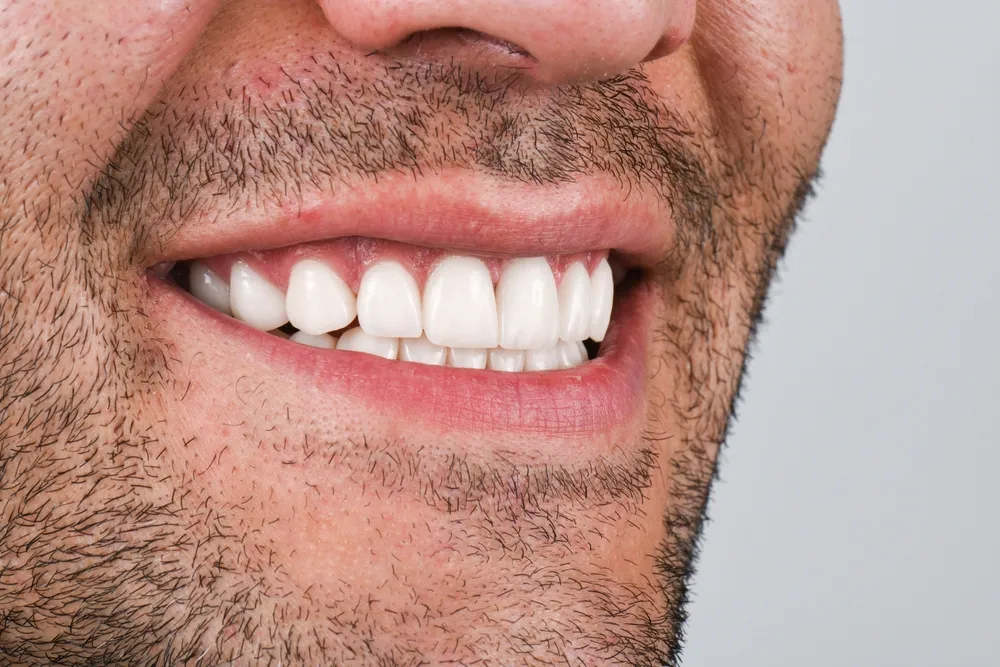
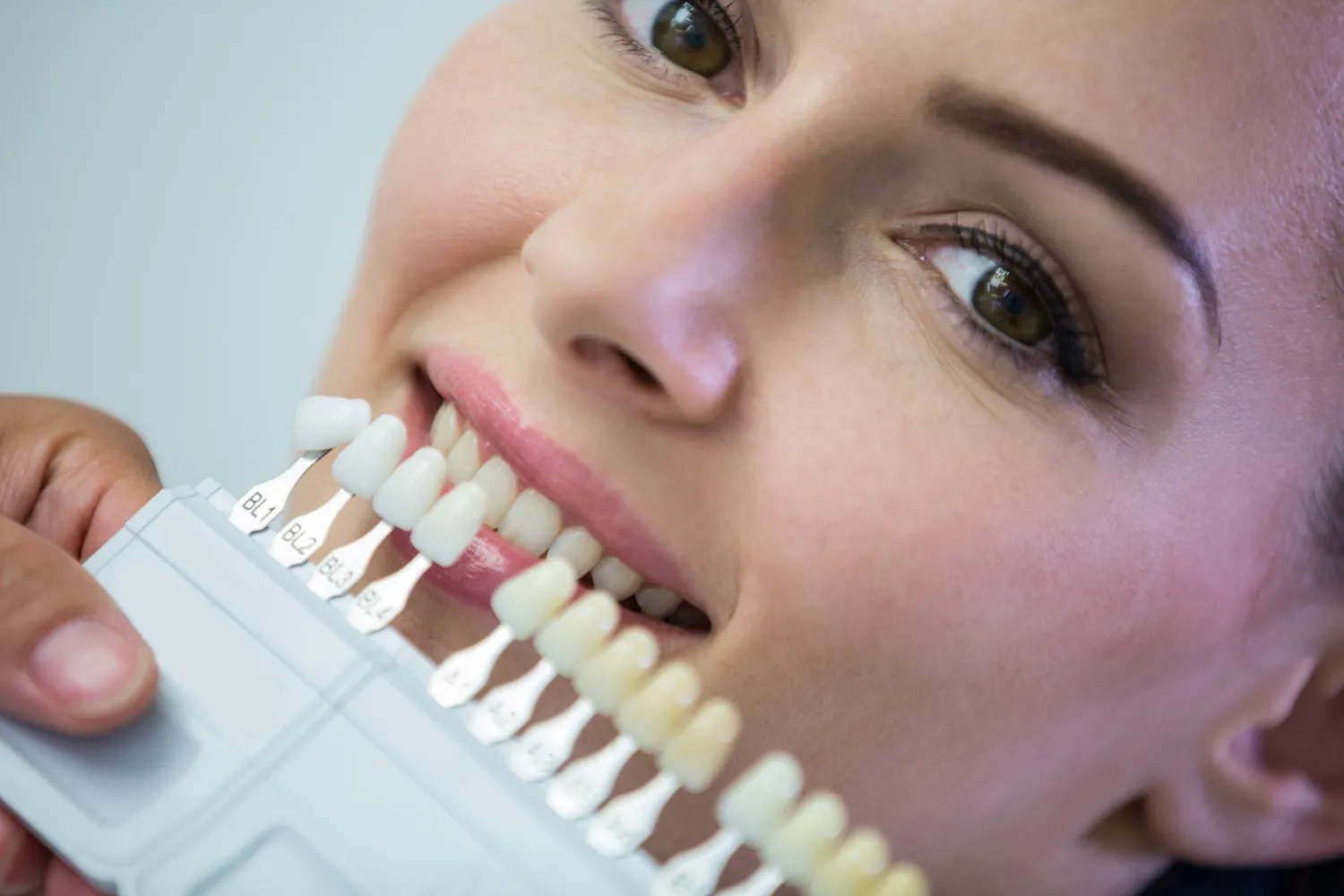
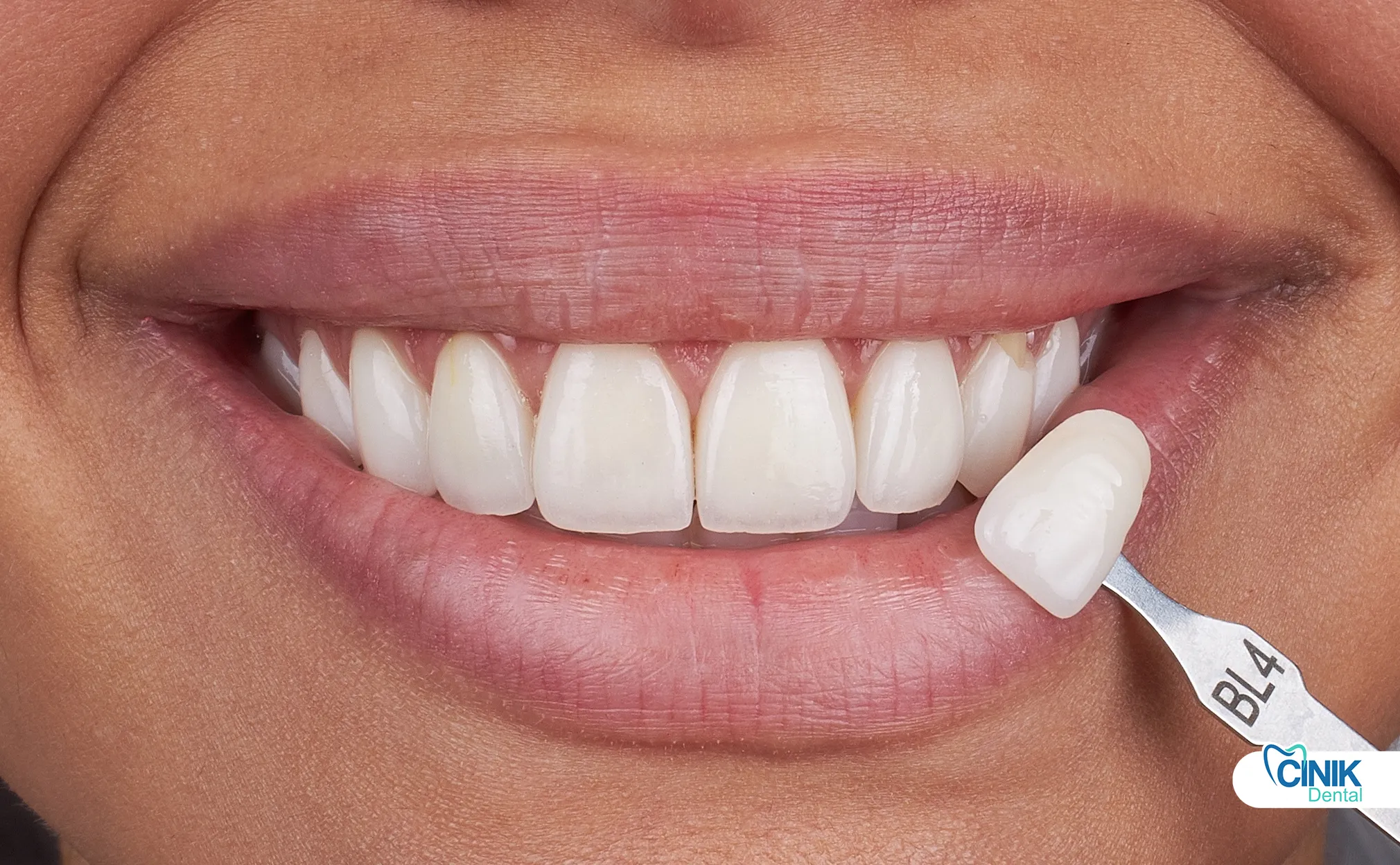
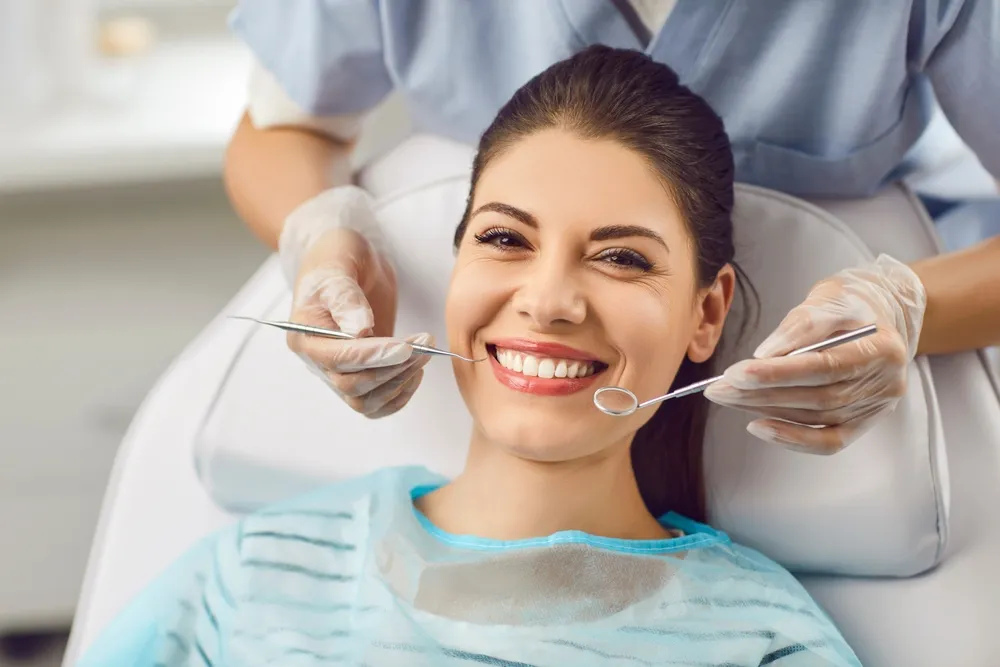
E.max veneers are thin restorations made from lithium disilicate glass-ceramic. Dentists place them on the front surfaces of teeth to improve appearance, shape, and color. These veneers differ from generic porcelain veneers and composite veneers. Lithium disilicate gives E.max veneers superior strength and excellent translucency. This material mimics the optical properties of natural enamel. The surface resists staining better than many other restorative materials.
However, material durability does not make these veneers immune to damage. Clinical outcomes depend on both material properties and patient-related factors. The veneer itself cannot develop dental caries, but the underlying natural tooth remains vulnerable to decay. The veneer-tooth interface and surrounding periodontal tissues need constant protection. Good oral hygiene protects both the restoration and the biological structures that support it. This article focuses on scientific principles of E.max veneer maintenance, oral hygiene, dietary precautions, bruxism prevention, professional cleaning, and early detection of complications.
What Makes E.max Veneers Different from Conventional Veneers?
E.max veneers use lithium disilicate glass-ceramic, which offers higher strength, better translucency, and superior stain resistance compared to conventional feldspathic porcelain or composite resin veneers.
Lithium disilicate composition gives E.max veneers remarkable mechanical and optical properties. Research shows that lithium disilicate glass-ceramic achieves flexural strength between 360 and 400 MPa (Höland et al., 2006). This strength exceeds that of traditional feldspathic porcelain, which typically ranges from 60 to 90 MPa. The high strength allows dentists to create thinner veneers while maintaining structural integrity.
The translucency of lithium disilicate closely matches natural dental enamel. This property creates restorations that blend seamlessly with adjacent teeth. The surface characteristics of glazed E.max veneers resist extrinsic staining better than composite resin restorations. Patients who drink coffee, tea, or red wine experience less discoloration on the ceramic surface itself.
However, these advantages do not eliminate risk. Veneers can still fracture under excessive force. They can chip if patients bite hard objects. The bond between veneer and tooth can fail. Marginal problems can develop if plaque accumulates at the interface. Patients must understand that material excellence requires behavioral support.
How Does E.max Veneer Care Differ from Caring for Natural Teeth?
E.max veneers need the same daily hygiene as natural teeth, but patients must pay extra attention to the veneer margins and underlying tooth structure because the veneer does not protect against decay or gum disease.
The veneer itself cannot develop dental caries. This fact sometimes misleads patients into thinking they can reduce oral hygiene efforts. The underlying natural tooth remains fully vulnerable to decay. Bacteria can infiltrate the margins between the veneer and the tooth. They can attack the cement layer and the prepared tooth surface. This risk makes margin maintenance essential.
The surrounding periodontal tissues also need protection. Plaque accumulation at the gingival margin causes inflammation. Gingivitis can progress to periodontitis. Gum recession may expose the veneer margin or the natural tooth structure near the veneer edge. This exposure creates aesthetic problems and increases sensitivity. Patients must maintain the veneer-tooth interface with the same diligence they apply to natural teeth.
How Should You Clean E.max Veneers Every Day?
Brush E.max veneers at least twice daily with a soft-bristled toothbrush and low-abrasivity fluoride toothpaste, floss daily, and use gentle pressure to protect the polished ceramic surface.
Daily cleaning removes plaque before it hardens into calculus. It prevents gingival inflammation around the veneer margins. It maintains the smooth surface finish that resists staining. A consistent routine protects both the restoration and the biological foundation beneath it.
How Often Should You Brush E.max Veneers?
Brush E.max veneers at least twice daily, ideally morning and evening, with additional rinsing after meals when brushing is not possible.
Consistent plaque removal around the veneer margins and gingival tissues prevents bacterial accumulation. Morning brushing removes overnight plaque buildup. Evening brushing eliminates food debris and bacteria that accumulate during the day. Patients who snack frequently may benefit from an additional gentle brushing after lunch. The key is consistency rather than aggressive scrubbing. Gentle brushing works better than excessive pressure. Hard scrubbing does not remove more plaque; it simply risks scratching the polished veneer surface and irritating the gums.
Which Toothbrush Is Best for E.max Veneers?
A soft-bristled manual or electric toothbrush works best for E.max veneers because excessive mechanical abrasion can gradually alter the polished restorative surface.
Soft bristles flex around the veneer margins and reach into the gingival sulcus without causing trauma. Hard bristles create microscopic scratches on the ceramic surface. These scratches increase surface roughness. Rougher surfaces collect more plaque and stain more easily. Both manual and electric toothbrushes work well. Electric toothbrushes often provide more consistent brushing motion. Patients should choose brush heads designed for sensitive teeth or gum care. They should apply controlled pressure. The bristles should contact the tooth and veneer gently rather than pressing hard against the surface.
What Type of Toothpaste Should You Use with E.max Veneers?
Use a fluoride-containing, low-abrasivity toothpaste because highly abrasive whitening or gritty toothpastes may gradually alter the surface finish of the ceramic.
Toothpaste selection matters for restoration longevity. The American Dental Association recommends fluoride toothpaste for all patients, including those with restorations. Fluoride strengthens the natural enamel at the veneer margins and on the lingual surfaces of veneered teeth. Low-abrasivity formulas clean effectively without scouring the ceramic surface.
Highly abrasive whitening toothpastes often contain large silica particles or baking soda in high concentrations. These ingredients can create microscopic scratches on glazed ceramic over months of use. Patients should distinguish between stain removal from the veneer surface and unnecessary abrasion of the ceramic. Surface stains on glazed lithium disilicate usually respond to professional cleaning. Toothpaste selection should prioritize enamel and restoration safety rather than aggressive whitening. A Relative Dentin Abrasivity (RDA) value below 70 indicates a low-abrasivity paste suitable for ceramic restorations.
How Important Is Flossing with E.max Veneers?
Daily flossing remains essential because veneers do not cover the interdental surfaces, and plaque accumulation between veneered teeth causes gingival inflammation and recession.
Flossing removes plaque from the interdental spaces that brushing cannot reach. Veneers cover only the facial surfaces of teeth. The proximal surfaces remain natural tooth structure. Plaque accumulates between these surfaces. It irritates the interdental papillae. Persistent inflammation leads to gingivitis. Advanced inflammation causes gingival recession. Recession exposes the veneer margin and creates unaesthetic dark lines at the gumline.
Patients should floss gently along the gingival margin and between veneered teeth. They should slide the floss below the contact point and curve it around each tooth in a C-shape. They should avoid snapping the floss into the gum tissue. Water flossers serve as useful adjuncts but do not fully replace traditional floss for plaque removal at the veneer margins.
Is an Electric Toothbrush Safe for E.max Veneers?
Yes, electric toothbrushes are safe for E.max veneers when patients use an appropriate brush head and apply gentle pressure.
Electric toothbrushes do not damage lithium disilicate ceramic. Studies show that electric brushes remove plaque more effectively than manual brushes in many patients (Yaacob et al., 2014). Patients should select brush heads with soft bristles. They should avoid prolonged high-intensity brushing over the veneer surface. Some electric brushes feature pressure sensors. These sensors alert patients when they press too hard. Patients should use these features to maintain gentle contact. Two minutes of brushing with an electric toothbrush at the correct pressure cleans thoroughly without risking surface damage.
Which Foods and Drinks Should You Avoid After Getting E.max Veneers?
Patients can generally eat normally after the bonding process stabilizes, but they should avoid unusually hard foods, front-tooth biting on hard objects, and excessive acidic exposure without proper rinsing.
Dietary choices affect veneer longevity. Normal chewing forces rarely damage properly bonded E.max veneers. The human masticatory system generates forces between 100 and 250 Newtons during normal chewing. E.max veneers withstand these forces easily. Problems arise when patients apply concentrated traumatic forces to the veneer edges.
Can You Eat Normally with E.max Veneers?
Yes, patients can maintain a normal diet once the restoration and bonding process has stabilized, typically within 24 to 48 hours after cementation.
After cementation, the adhesive bond reaches most of its strength within the first day. Patients should avoid very hard or sticky foods during the initial stabilization period. After this period, normal chewing on posterior teeth poses minimal risk. Patients should still exercise caution with unusually hard foods and front-tooth biting. Biting directly into hard apples, crusty bread, or raw carrots with the front teeth concentrates force on the incisal edges of veneers. This concentration exceeds the forces distributed during normal chewing.
Foods to Avoid After Dental Treatment
Some foods can place unnecessary pressure on treated teeth or dental restorations. The table below compares common food categories by risk level and provides practical recommendations.
| Food Category | Examples | Risk Level | Recommendation |
|---|---|---|---|
| Hard frozen items | Ice cubes, frozen candy | High | Avoid completely. Hard frozen foods may place excessive pressure on teeth and restorations. |
| Hard candies | Jawbreakers, hard mints | High | Avoid or suck without biting. Biting hard candy can increase the risk of dental damage. |
| Very hard nuts | Unshelled pistachios, hard almonds | Moderate–High | Use posterior teeth or avoid. Avoid placing excessive force on sensitive or recently treated teeth. |
| Hard crusts | Baguettes, pizza crusts | Moderate | Tear into smaller pieces. Chew carefully using the back teeth when appropriate. |
| Sticky candies | Taffy, caramel | Moderate | Keep intake to a minimum. Clean the teeth thoroughly after consuming sticky foods. |
| Acidic fruits | Lemons, limes, grapefruits | Low–Moderate | Rinse with water after eating. This can help reduce prolonged acid exposure. |
| Normal diet | Cooked vegetables, soft meats | Low | Generally no additional restrictions. Follow any individual instructions provided by your dentist. |
Normal chewing distributes force across the entire occlusal surface. Front-tooth biting concentrates force on a small incisal edge. This concentration creates stress points. Lithium disilicate is strong but brittle. Brittle materials fracture when stress exceeds their tolerance. Patients should use posterior teeth for hard foods. They should avoid using anterior veneers as cutting tools.
Can Coffee, Tea, and Red Wine Stain E.max Veneers?
Glazed E.max veneers resist staining well, but staining can occur around bonding margins or on exposed natural tooth structure, making the contrast between veneers and natural teeth more noticeable.
Lithium disilicate ceramic has low porosity after glazing. This low porosity prevents pigments from penetrating the material. Coffee, tea, and red wine contain chromogens. These chromogens stain natural enamel more readily than glazed ceramic. However, staining can still occur in several ways. The bonding margin may accumulate stain over time. The cement layer may discolor slightly. The natural tooth structure adjacent to the veneer may stain. The natural teeth next to the veneered teeth may darken. Any of these changes creates a visible contrast.
Inadequate oral hygiene exacerbates this problem. Plaque accumulation at the margin traps pigments. The veneer looks clean, but the surrounding tooth structure darkens. This contrast makes the veneer appear artificial. Patients should maintain excellent plaque control. They should rinse with water after consuming staining beverages. They should attend regular professional cleanings.
Can Acidic Foods and Drinks Affect E.max Veneers?
Acidic foods do not directly erode lithium disilicate ceramic, but they affect the surrounding natural teeth, oral environment, and bonding interface, so patients should rinse with water after frequent acidic exposure.
Lithium disilicate glass-ceramic resists acid erosion better than natural enamel. The material does not dissolve in acidic environments. However, acidic dietary habits create problems in other ways. Acid softens natural enamel at the veneer margins. It alters the oral pH balance. It may affect the long-term stability of the adhesive interface. Frequent exposure to citrus fruits, sodas, sports drinks, and vinegar-based foods requires attention.
Patients should rinse with water after consuming acidic items. They should wait at least 30 minutes before brushing after acidic exposure. Brushing immediately after acid contact can abrade softened enamel. They should maintain appropriate oral hygiene to neutralize the oral environment. These habits protect the natural tooth structure that supports the veneer.
Which Habits Can Damage E.max Veneers?
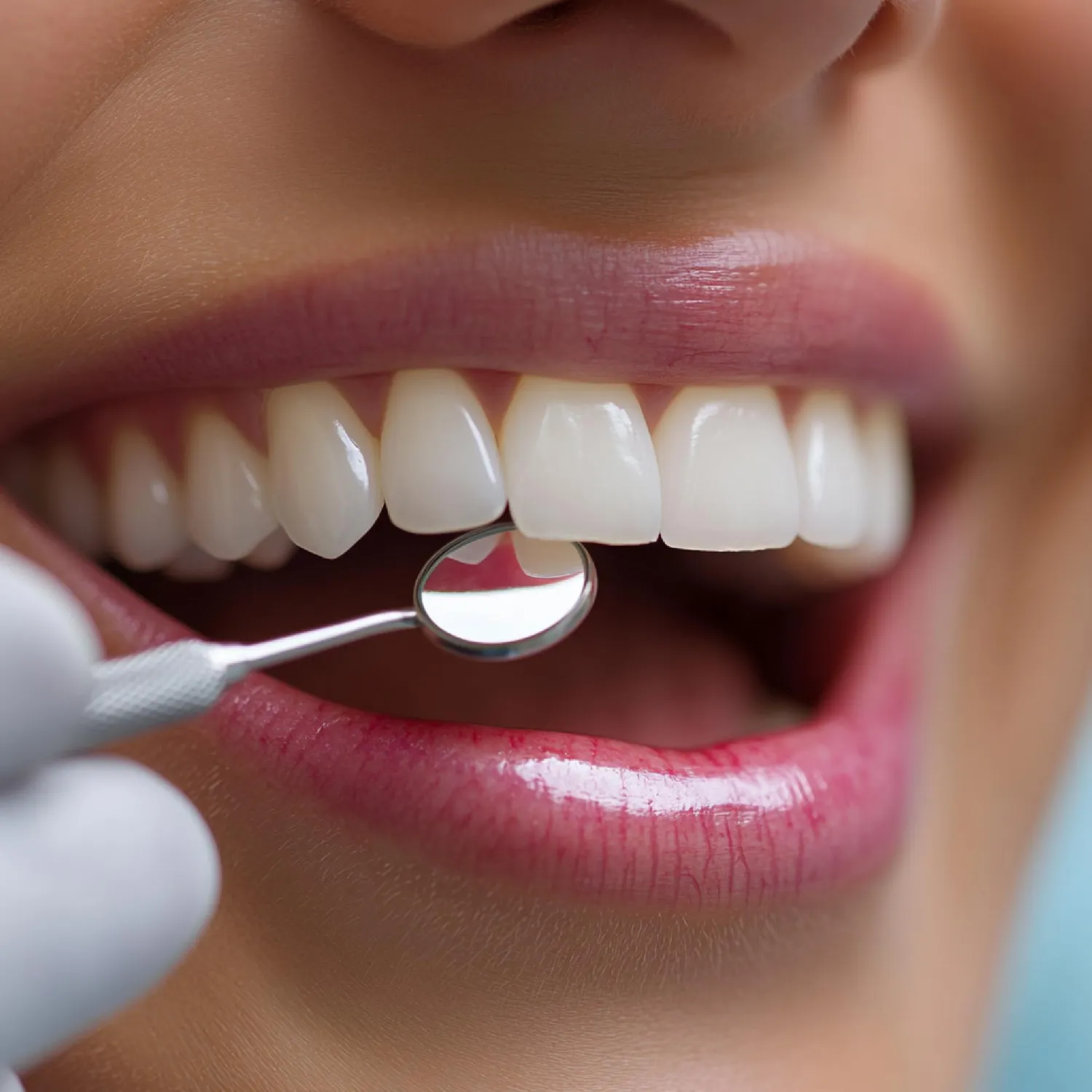
Biting hard objects, nail biting, ice chewing, and using teeth as tools can chip or fracture E.max veneers through concentrated traumatic forces.
Behavioral habits often cause more veneer damage than dietary choices. Patients must recognize and eliminate these habits to protect their investment.
Why Should You Avoid Biting Hard Objects with Your Veneers?
Veneers should never function as tools because concentrated forces on a small area can cause ceramic chipping or fracture.
Patients often use teeth to open packages, bite pens, hold nails, or open bottle caps. These actions direct force onto a single point of the veneer edge. The edge is thin and designed for aesthetic contour, not mechanical loading. A pen cap between the front teeth creates a point load. This load can exceed the fracture threshold of the ceramic. The veneer may chip or crack instantly. Even if no visible damage occurs, microcracks may form. These microcracks propagate over time and lead to failure.
Can Nail Biting Damage E.max Veneers?
Yes, nail biting applies repetitive mechanical stress that can contribute to chipping and excessive loading on the incisal edges.
Nail biting involves repeated contact between the incisal edges and a hard object. Each bite generates a small impact. The cumulative effect of thousands of bites creates significant wear and stress. The veneer edge may chip gradually. The bond may weaken from repeated flexural stress. Patients with nail-biting habits should seek behavioral modification strategies. Using bitter-tasting nail polish or stress-reduction techniques can help eliminate this habit.
Can Chewing Ice Damage E.max Veneers?
Yes, chewing ice combines extreme hardness with sudden mechanical loading, and patients should avoid ice chewing altogether.
Ice is harder than many foods and creates sudden impact forces. When a patient bites down on ice, the tooth stops abruptly. The veneer experiences a shock load. Lithium disilicate, despite its strength, is a brittle material. Brittle materials fail under shock loading. The incisal edge may fracture. A crack may propagate from the edge toward the margin. Ice chewing is one of the most common causes of ceramic restoration fracture. Patients must eliminate this habit completely.
How Does Teeth Grinding Affect E.max Veneers?
Bruxism creates repetitive excessive occlusal forces that can chip, crack, debond, or prematurely wear E.max veneers.
Teeth grinding, or bruxism, poses a significant threat to all ceramic restorations. The forces generated during grinding often exceed normal chewing forces. The direction of these forces is also unfavorable. Grinding applies lateral and oblique forces rather than vertical chewing forces.
Can Bruxism Cause E.max Veneers to Chip or Crack?
Yes, untreated bruxism significantly increases the risk of chipping, fracture, debonding, and premature wear of E.max veneers.
Repetitive occlusal forces from clenching and grinding create excessive loading. These forces concentrate at unfavorable angles. The veneer may experience tension at the interface. The ceramic may flex slightly. Over time, this flexural stress causes microcracks. The cracks grow with each grinding episode. Eventually, the veneer chips or fractures completely. The bond may fail from repeated shear stress. Research indicates that bruxism is a major risk factor for ceramic restoration failure (Sorensen et al., 1999).
Do You Need a Night Guard with E.max Veneers?
A dentist may recommend a custom night guard based on individual assessment, but not every patient automatically needs one.
Dentists evaluate each patient for bruxism risk factors. They examine the teeth for wear facets. They ask about jaw discomfort, morning headaches, or reports of grinding sounds from sleep partners. They assess the occlusion and bite forces. If the evaluation indicates nocturnal bruxism, the dentist may recommend a custom night guard. This recommendation is individualized. Patients without bruxism may not need a guard. Patients with mild grinding may need a soft guard. Patients with severe grinding need a hard acrylic guard.
Can a Night Guard Extend the Lifespan of E.max Veneers?
Yes, a night guard protects E.max veneers from mechanical damage in patients exposed to excessive occlusal forces, but it does not treat the underlying cause of bruxism.
The night guard acts as a protective barrier. It absorbs grinding forces. It prevents direct tooth-to-tooth contact. It distributes forces across the entire arch rather than concentrating them on veneered teeth. This protection reduces the risk of chipping and debonding. However, the guard does not cure bruxism. Patients should also address the underlying causes. Stress management, sleep hygiene, and physical therapy may reduce grinding frequency. The guard protects the veneers while these other measures take effect.
How Should You Maintain Your Gums Around E.max Veneers?
Maintain gum health through daily plaque control because gingival inflammation and recession threaten both the appearance and biological health of veneered teeth.
Gum health directly affects veneer longevity. Healthy gingival tissues frame the veneer beautifully. Inflamed or receded gums create aesthetic and functional problems.
Why Is Gum Health Important for Veneer Longevity?
Gingival health, plaque control, veneer margins, and aesthetic stability are interconnected; inflammation at the margin can lead to recession and exposure of the veneer edge.
The relationship between gingival health and veneer success is well-established. Plaque accumulation at the gingival margin triggers inflammation. Gingivitis causes redness, swelling, and bleeding. If untreated, it progresses to periodontitis. Periodontitis destroys the supporting bone and connective tissue. This destruction compromises the foundation of the veneered tooth. The veneer may appear intact, but the tooth beneath becomes mobile. Periodontal inflammation also causes gingival recession. Recession exposes the veneer margin and creates aesthetic problems.
How Can Gum Recession Affect E.max Veneers?
Gum recession may expose natural tooth structure or the veneer margin, causing changes in appearance and increased sensitivity.
When gums recede, the root surface or the veneer margin becomes visible. This exposure creates a color mismatch. The veneer may look perfect, but the exposed tooth structure looks yellow or dark. The margin between veneer and tooth may become visible as a distinct line. Exposed root surfaces are more sensitive to temperature and touch. Patients may experience discomfort when drinking cold beverages. Early professional assessment is essential when recession develops. Dentists can implement interventions to arrest the recession or cover the exposed area.
What Should You Do If Your Gums Bleed Around an E.max Veneer?
Persistent localized bleeding indicates plaque accumulation or gingival inflammation; improve interdental cleaning and seek professional evaluation if symptoms persist.
Bleeding gums signal inflammation. Localized bleeding around a single veneer suggests plaque accumulation at that margin. The patient should increase interdental cleaning in that area. Flossing should focus on removing plaque from the proximal surfaces. If bleeding continues after one to two weeks of improved hygiene, the patient needs professional evaluation. The dentist may detect a margin defect, excess cement, or a contour problem that traps plaque. Early intervention prevents progression to periodontitis.
How Often Should You Visit the Dentist After Getting E.max Veneers?
Visit the dentist regularly based on individual oral health needs, typically every six months, so the dentist can assess veneer margins, bond integrity, occlusion, gingival health, and underlying tooth structure.
Professional monitoring complements daily home care. Dentists detect problems that patients cannot see or feel. They identify early signs of failure before extensive damage occurs.
How Frequently Should E.max Veneers Be Professionally Checked?
Regular dental examinations, usually every six months, allow dentists to assess all aspects of veneer health and function.
The examination interval depends on individual risk factors. Patients with excellent oral hygiene and low risk may visit annually. Patients with a history of gum disease, bruxism, or multiple restorations may need visits every three to four months. During each examination, the dentist assesses:
Veneer margins for gaps or staining
Bond integrity for signs of debonding
Occlusion for changes in bite
Gingival health for inflammation or recession
Underlying tooth structure for decay or sensitivity
Signs of fracture or wear on the veneer surface
Can Professional Dental Cleaning Damage E.max Veneers?
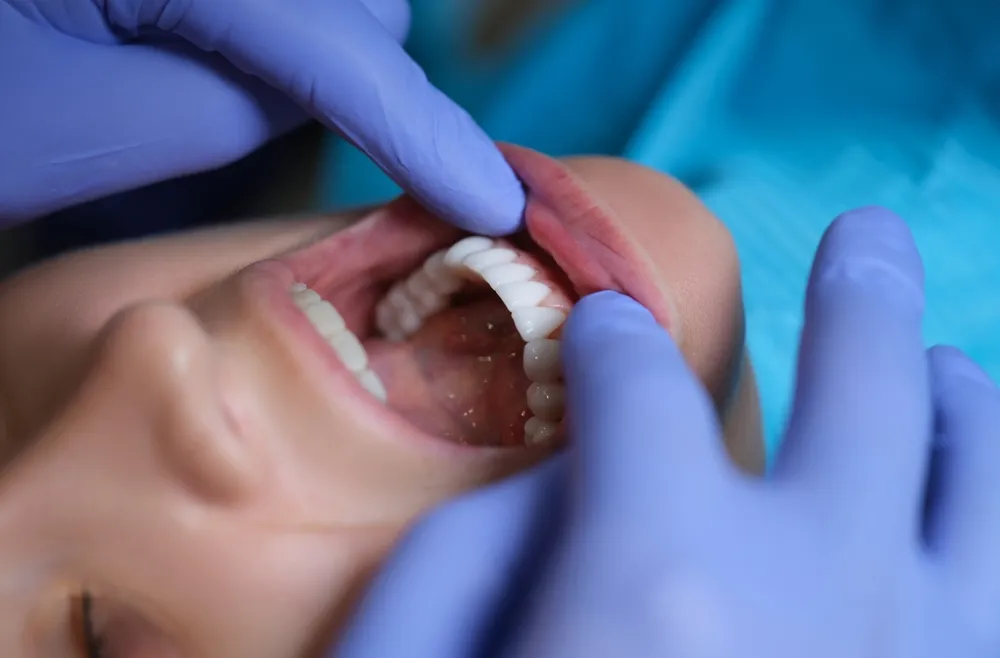
Professional cleaning does not damage E.max veneers when the dental professional knows about the ceramic restorations and selects appropriate instruments and polishing materials.
Dental professionals must know that the patient has ceramic veneers. This knowledge guides instrument selection. Metal scalers can scratch ceramic surfaces. Ultrasonic scalers with metal tips may also damage the glaze. Dental professionals should use plastic or resin scalers around veneer margins. They should select polishing pastes with low abrasivity. Research by Catelan et al. (2019) confirms that professional maintenance techniques should minimize surface damage to ceramic restorations. Air polishing with sodium bicarbonate may alter surface roughness. Glycine powder air polishing offers a gentler alternative.
Should E.max Veneers Be Polished Professionally?
Professional polishing maintains surface smoothness and appearance when done correctly, but aggressive abrasive polishing can damage the glaze.
Over time, the veneer surface may accumulate minor roughness from normal use. Professional polishing with fine polishing paste restores the smooth surface. A smooth surface resists plaque accumulation and staining. However, aggressive polishing with coarse abrasive paste removes the glaze layer. This removal increases surface roughness and makes the veneer more susceptible to staining. Dentists should distinguish between professional maintenance and aggressive abrasive polishing. They should use diamond polishing paste or aluminum oxide paste in fine grits.
Can E.max Veneers Be Whitened?
Teeth whitening does not change the intrinsic color of E.max veneers, so patients should plan whitening before veneer fabrication and maintain color through plaque control and professional maintenance.
Whitening agents work on natural tooth structure by oxidizing pigments in the enamel and dentin. They do not penetrate or alter lithium disilicate ceramic. This limitation surprises many patients who expect whitening to brighten their veneers along with their natural teeth.
Does Teeth Whitening Work on E.max Veneers?
No, whitening agents do not change the intrinsic color of ceramic veneers in the same way they whiten natural tooth structure.
The chemical mechanism of whitening involves peroxide penetration into enamel porosities. Ceramic veneers have no such porosities after glazing. The whitening gel sits on the surface without penetrating the material. Therefore, the veneer color remains unchanged during whitening treatment. This creates a significant problem if patients whiten their natural teeth after veneer placement. The natural teeth become lighter. The veneers stay the same shade. The result is a shade mismatch that looks unnatural.
Dentists should plan whitening before veneer fabrication. The patient achieves the desired tooth color first. The dentist then matches the veneer shade to the whitened natural teeth. This sequencing ensures a harmonious result.
How Can You Maintain the Original Color of E.max Veneers?
Maintain original color through excellent plaque control, regular professional maintenance, and limiting behaviors that stain the exposed natural tooth structure.
Surface discoloration on veneers usually indicates external stain accumulation rather than material color change. Patients should treat surface discoloration through professional cleaning rather than increasingly abrasive home products. Whitening toothpastes with high abrasivity may scratch the veneer surface. These scratches then trap more stain. The correct approach involves:
Daily plaque removal with low-abrasivity toothpaste
Rinsing after consuming staining beverages
Regular professional cleaning with appropriate ceramic-safe techniques
Avoiding tobacco products
Addressing any margin defects that trap stain
How Long Can E.max Veneers Last With Proper Care?
E.max veneers can last many years with proper care, with research showing a pooled survival rate of approximately 96.8% at 10.4 years, though individual outcomes vary based on multiple factors.
Longevity depends on a complex interaction of material properties, clinical technique, and patient behavior. No dentist can guarantee a specific lifespan. However, evidence supports favorable long-term outcomes for well-maintained lithium disilicate veneers.
What Determines the Lifespan of E.max Veneers?
Material properties, veneer thickness, tooth preparation, adhesive bonding, occlusion, bruxism, oral hygiene, dietary habits, and regular professional maintenance all determine how long E.max veneers last.
The following comparison shows how different factors influence longevity:
Factor | Positive Influence | Negative Influence |
Material | High strength lithium disilicate | Thin veneers in high-stress areas |
Preparation | Conservative enamel preservation | Excessive tooth reduction |
Bonding | Strong adhesive protocol | Weak or contaminated bond |
Occlusion | Even force distribution | Point contacts on veneer edges |
Bruxism | Night guard protection | Untreated grinding |
Oral hygiene | Daily plaque removal | Neglected cleaning |
Diet | Normal chewing patterns | Ice chewing, hard object biting |
Maintenance | Regular dental visits | Infrequent checkups |
Each factor contributes to the overall prognosis. The material provides the foundation. The dentist's technique establishes the structural integrity. The patient's behavior determines how long that integrity lasts.
How Long Do E.max Veneers Typically Last?
Published evidence supports favorable long-term survival, with one systematic review reporting a pooled survival rate of approximately 96.8% at 10.4 years for lithium disilicate laminate veneers.
Research by Morimoto et al. (2016) analyzed multiple clinical studies. They found that lithium disilicate veneers demonstrate excellent survival rates over extended periods. Some individual studies report survival rates above 90% at 10 years. However, patients should view these statistics as general trends rather than personal guarantees. Individual outcomes vary widely. A patient with excellent habits and favorable occlusion may exceed these averages. A patient with bruxism and poor hygiene may experience failure much sooner.
What Can Shorten the Lifespan of E.max Veneers?
Untreated bruxism, poor plaque control, traumatic biting habits, inadequate bonding, marginal problems, unaddressed occlusal changes, and neglected dental examinations can all shorten veneer lifespan.
The most common preventable causes of early failure include:
Untreated bruxism: Creates excessive forces that crack or debond veneers
Poor plaque control: Leads to decay at margins and periodontal problems
Traumatic biting habits: Ice chewing, nail biting, and using teeth as tools
Inadequate bonding or design: Technical factors that may cause early debonding
Marginal problems: Gaps or defects that allow bacterial infiltration
Failure to address occlusion changes: Shifting teeth or restorations that alter bite forces
Neglecting regular examinations: Missed opportunities for early intervention
What Are the Warning Signs of a Problem With an E.max Veneer?
Contact your dentist immediately if the veneer feels loose, if you notice new sensitivity, visible cracks, bite changes, gum bleeding, darkening at the margin, pain when biting, or visible separation between the veneer and tooth.
Early detection saves restorations. Patients who recognize warning signs and seek prompt care often avoid complete failure. Small problems are easier and less expensive to fix than major failures.
When Should You Contact Your Dentist About an E.max Veneer?
Contact your dentist immediately upon noticing any of the following signs:
Veneer feels loose or shifts when touched
New or persistent sensitivity to hot, cold, or sweet
Visible crack or chip on the veneer surface
Change in bite or occlusion
Localized gum bleeding or swelling around the veneer
Darkening around the veneer margin
Pain when biting or chewing
Visible separation between the veneer and the tooth
These symptoms indicate potential debonding, fracture, decay, or periodontal problems. Delaying treatment allows the problem to worsen. A loose veneer may fall off and break. A small crack may propagate into a complete fracture. Margin darkening may indicate underlying decay.
What Should You Do If an E.max Veneer Becomes Loose?
Do not attempt to reattach it with household adhesives, avoid putting pressure on the tooth, preserve the restoration if it detaches completely, and contact the treating dentist promptly because some debonded restorations may be suitable for professional rebonding.
Household adhesives like superglue are toxic and incompatible with dental materials. They damage the veneer surface and the tooth structure. They make professional rebonding impossible. If the veneer feels loose but remains in place, avoid chewing on that side. If it detaches completely, place it in a safe container. Bring it to the dentist. The dentist can evaluate whether the veneer and tooth are suitable for rebonding. Many debonded veneers can be cleaned and re-cemented successfully if the patient acts quickly.
What Happens If an E.max Veneer Chips or Cracks?
Treatment depends on the size, location, and extent of the damage; minor defects may be managed conservatively, while significant fractures may require replacement.
Small chips at the incisal edge may be polished smooth if they do not affect function or aesthetics. Slightly larger chips may be repaired with composite resin. However, composite repairs on lithium disilicate do not always bond predictably. Large cracks or fractures that extend to the margin usually require veneer replacement. The dentist must remove the damaged veneer and fabricate a new one. Patients should never attempt home repair with glue or filing. Professional evaluation determines the appropriate treatment path.
What Is the Best Daily Routine for E.max Veneer Care?
The best daily routine combines morning brushing, daytime protection from damaging habits, post-meal rinsing, evening brushing and flossing, night guard use when indicated, and regular dental visits.
A structured routine ensures consistent protection. Patients should follow this schedule:
Morning: Brush with a soft toothbrush and low-abrasivity fluoride toothpaste for two minutes. Floss between all teeth, paying special attention to the interdental spaces of veneered teeth.
During the day: Avoid using veneers as tools. Do not bite pens, open packages, or chew fingernails. Minimize damaging biting habits. If you consume staining or acidic beverages, rinse with water afterward.
After meals: Rinse with water when brushing is not immediately possible. This rinse removes loose debris and dilutes acids. Maintain interdental hygiene with floss or interdental brushes.
Evening: Brush thoroughly before bed. Remove all plaque accumulated during the day. Floss between all teeth. Clean along the gingival margin of each veneer.
At night: Use a prescribed custom night guard if your dentist has diagnosed bruxism. Insert the guard just before sleep. Clean it each morning according to your dentist's instructions.
Regularly: Attend dental examinations and professional hygiene appointments as scheduled. Bring any concerns about your veneers to these appointments.
E.max Veneer Care: What Should You Remember?
E.max veneers are durable but not indestructible; daily oral hygiene, behavioral awareness, and professional monitoring work together to preserve both the restoration and your oral health.
The key principles of E.max veneer care are simple but require commitment:
E.max veneers are durable but not indestructible. They need respect and protection.
Daily oral hygiene protects the natural teeth and gingival tissues supporting the restorations.
Soft-bristled toothbrushes and low-abrasivity toothpaste are preferable to aggressive scrubbing.
Flossing remains essential because veneers do not cover interdental surfaces.
Avoid ice chewing, nail biting, hard objects, and using teeth as tools.
Manage bruxism and consider a custom night guard when clinically appropriate.
Coffee and other staining beverages generally do not discolor the ceramic itself, but they can affect exposed natural tooth structure and margins.
Regular professional examinations help identify complications before they become more extensive.
The goal of aftercare is not simply to preserve the cosmetic appearance of E.max veneers but to maintain oral health, periodontal stability, functional performance, and restoration longevity.
Frequently Asked Questions About Caring for E.max Veneers
How Often Should I Brush My E.max Veneers?
Brush at least twice daily, morning and evening, with gentle pressure and a soft-bristled brush.
What Toothpaste Is Safest for E.max Veneers?
A fluoride-containing, low-abrasivity toothpaste with an RDA below 70 is safest for E.max veneers.
Can I Use an Electric Toothbrush with E.max Veneers?
Yes, electric toothbrushes are safe when you use a soft brush head and apply gentle pressure.
Can I Drink Coffee with E.max Veneers?
Yes, coffee does not stain the glazed ceramic surface easily, but rinse with water afterward to protect margins and adjacent natural teeth.
Can E.max Veneers Become Stained?
The ceramic itself resists staining well, but margins and adjacent natural teeth may discolor, creating a contrast.
Can I Eat Hard Foods with E.max Veneers?
You can eat most hard foods with your back teeth, but avoid biting hard items directly with your front veneers.
Can Teeth Grinding Damage E.max Veneers?
Yes, bruxism creates excessive forces that can chip, crack, or debond E.max veneers.
Do I Need a Night Guard After Getting E.max Veneers?
Your dentist will assess your individual risk; not everyone needs one, but patients with bruxism benefit significantly from a custom night guard.
Can I Whiten E.max Veneers?
No, whitening agents do not change the color of ceramic veneers; plan whitening before veneer placement.
How Often Should I Visit the Dentist After Getting E.max Veneers?
Most patients should visit every six months, though those with higher risk may need more frequent visits.
What Should I Do If an E.max Veneer Chips or Becomes Loose?
Do not attempt home repair; contact your dentist promptly for professional evaluation and treatment.
How Long Can E.max Veneers Last with Proper Care?
Research shows survival rates around 96.8% at 10.4 years, but individual longevity depends on your specific habits and oral health conditions.
References
Catelan, Diogo, et al. "Effect of Air Abrasion on the Surface Roughness and Flexural Strength of Lithium Disilicate Glass Ceramic." Journal of Prosthodontic Research, vol. 63, no. 2, 2019, pp. 183-188.
Höland, Wolfram, et al. "Clinical Applications and Performance of a New Glass-Ceramic." Dental Materials Journal, vol. 25, no. 1, 2006, pp. 51-59.
Morimoto, Susana, et al. "Survival Rates of Restorations for Anterior Teeth: A Systematic Review." Journal of Prosthetic Dentistry, vol. 116, no. 3, 2016, pp. 318-327.
Sorensen, John A., et al. "Effect of Occlusal Loading on the Marginal Integrity of Ceramic Veneers." Journal of Dental Research, vol. 78, no. 5, 1999, pp. 1120-1126.
Yaacob, Maha, et al. "Powered versus Manual Toothbrushing for Oral Health." Cochrane Database of Systematic Reviews, no. 6, 2014.