Turkey has become one of the most popular destinations for dental tourism in the world. Every year, thousands of international patients travel to Istanbul, Antalya, and Izmir for dental implants, veneers, crowns, and smile makeovers. These patients save money. They also enjoy world-class technology and experienced dentists. But one question remains at the top of every patient's mind: are Turkish dentists qualified?
This question matters deeply. Dental treatment affects your health, your appearance, and your long-term wellbeing. You deserve clear answers about dentist qualifications, licensing standards, and clinical training. You also need to know how Turkey regulates its dental professionals and how you can verify a dentist's credentials before you book your flight.
The short answer is yes. Turkish dentists undergo rigorous education and strict licensing requirements. The Turkish Ministry of Health and the Turkish Dental Association enforce professional standards that match international benchmarks. Many Turkish dentists hold specialist degrees, international certifications, and years of experience with complex cases. However, not every clinic maintains the same standards. Your safety depends on choosing accredited clinics and verifying individual dentist credentials. This article explains everything you need to know about Turkish dentist qualifications, education, regulation, and patient safety.
How Are Dentists Educated in Turkey?
Dental education in Turkey follows a structured and demanding pathway. Students must complete a five-year university program before they can practice. This system produces dentists who possess strong theoretical knowledge and extensive clinical skills. Turkish dental universities emphasize hands-on training, patient interaction, and modern technology from the early stages of education.
What Does the Five-Year Dental Degree Program Include?
Turkish dental education spans five years at accredited universities. The first two years focus on basic medical and dental sciences. Students study anatomy, physiology, biochemistry, and oral biology. They also learn about dental materials, preventive dentistry, and dental history. This foundation prepares them for the clinical years ahead.
From the third year onward, students enter intensive clinical training. They treat real patients under close supervision. Core disciplines include prosthodontics, oral surgery, endodontics, orthodontics, periodontology, and pediatric dentistry. Students must master restorative procedures, root canal treatments, extractions, and crown placements. They also learn about oral pathology, radiology, and pharmacology. The curriculum ensures that graduates can handle diverse dental conditions independently.
Turkish dental degrees enjoy international recognition. The European Union and many other countries accept these qualifications for professional practice. The General Dental Council in the United Kingdom has mapped Turkish dental training against UK standards and found substantial alignment in core clinical competencies (General Dental Council 2020).
How Much Clinical Experience Do Students Gain?
Clinical experience forms the backbone of Turkish dental education. Students do not simply observe. They perform procedures on actual patients in university hospitals and affiliated clinics. Supervised clinical practice begins in the third year and continues through graduation.
Students must complete hundreds of patient treatments before they earn their degrees. They develop practical skills in diagnosis, treatment planning, and procedure execution. They also learn patient communication, record keeping, and emergency management. This hands-on approach ensures that new graduates enter the workforce with confidence and competence.
Research shows that direct patient contact during training varies across countries. Some European nations offer less clinical exposure than Turkey. Turkish graduates often possess more independent treatment experience than dentists from certain EU member states (General Dental Council 2020). This difference benefits international patients who seek dentists with substantial practical backgrounds.
Which Universities Lead Dental Education in Turkey?
Turkey hosts several prestigious dental schools. Istanbul University operates one of the oldest and most respected dentistry faculties in the country. Ankara University, Ege University, and Gazi University also maintain strong reputations. Private institutions such as Yeditepe University and Medipol University offer modern facilities and English-taught programs.
These universities hold international accreditation. Many participate in Erasmus exchange programs and global research partnerships. Their academic standards compare favorably with European institutions. Students benefit from state-of-the-art simulation labs, digital imaging centers, and research opportunities. Faculty members include experienced practitioners and published researchers who contribute to international dental literature.
Are Turkish Dentists Licensed and Regulated?
Licensing and regulation protect patients from unqualified practitioners. Turkey maintains strict legal requirements for dental practice. The Turkish Ministry of Health and the Turkish Dental Association work together to enforce these standards. Dentists must meet educational requirements, pass examinations, and maintain ethical conduct throughout their careers.
What Role Does the Turkish Ministry of Health Play?
The Turkish Ministry of Health sets the legal framework for all dental practice in Turkey. Every dentist must graduate from an accredited dental school and obtain a practice license. The Ministry conducts regular inspections of dental clinics. It verifies equipment standards, sterilization protocols, and patient safety measures.
Since 2023, every clinic that treats international patients must hold an International Health Tourism Authorization Certificate. This certificate is not optional. It is mandatory. Clinics must demonstrate board-certified dentists, documented sterilization protocols, liability insurance, and transparent pricing. The Ministry denies authorization to any facility that fails these requirements. In April 2025, Turkey introduced additional regulations through the HealthTürkiye digital portal. All facilities serving medical tourists must now register online, obtain complication insurance, and undergo performance evaluations based on patient satisfaction and clinical outcomes.
Why Is Turkish Dental Association Registration Mandatory?
All licensed dentists in Turkey must register with the Turkish Dental Association, known as TDB. This registration ensures professional accountability. The TDB enforces ethical standards, investigates complaints, and maintains public records of registered dentists.
The TDB also sets physical and operational standards for private dental offices. Since 1999, the Association has regulated clinic size, sterilization procedures, emergency equipment, and waste management. Local dental chambers inspect clinics for compliance. Dentists receive licenses only after their facilities meet these standards. This system creates accountability at the local level and protects patients from unsafe environments.
Do Dentists Need Continuing Education?
Yes. Turkish dentists must pursue continuous professional development. Medical science evolves constantly. New materials, techniques, and technologies emerge every year. The TDB and the Ministry of Health require dentists to attend courses, workshops, and conferences to maintain their skills.
Continuing education covers digital dentistry, implantology, cosmetic procedures, and patient safety. Many Turkish dentists complete advanced certifications in CAD/CAM systems, 3D imaging, and guided implant surgery. This commitment to lifelong learning ensures that practitioners stay current with global best practices. Patients benefit from dentists who combine solid foundational training with modern expertise.
Do Turkish Dentists Receive Specialist Training?
General dental education prepares graduates for standard procedures. But complex cases require additional expertise. Turkey offers competitive postgraduate specialization programs for dentists who want advanced training. These programs produce specialists in oral surgery, orthodontics, prosthodontics, and other fields.
What Do Postgraduate Specialization Programs Involve?
After completing the five-year dental degree, Turkish dentists can enter specialization training through the national Dentistry Specialisation Examination, called DUS. This examination is competitive. Only top candidates earn placement in specialist programs.
Specialization emphasizes intensive clinical practice and research. Trainees work in university hospitals and specialized clinics. They manage complex cases under expert supervision. They also complete research projects and national examinations. This pathway ensures that specialists possess both deep knowledge and refined technical skills.
Which Dental Specialties Are Common in Turkey?
Turkish dental specialists cover all major disciplines. Oral and maxillofacial surgeons handle complex extractions, jaw surgeries, and facial trauma. Prosthodontists design crowns, bridges, and full-mouth reconstructions. Orthodontists correct bite and alignment issues. Periodontists treat gum disease and place implants. Endodontists perform advanced root canal therapy. Pediatric dentists care for children and special needs patients.
These specialists work in private clinics, university hospitals, and specialized dental centers. International patients often require multidisciplinary care. A single clinic may house multiple specialists who collaborate on complex treatment plans. This team approach improves outcomes for full-mouth restorations and implant cases.
How Long Does Specialist Training Take?
Specialist training in Turkey typically lasts three to five years. The duration depends on the specialty and the program structure. Oral and maxillofacial surgery requires the longest training due to its surgical complexity. Prosthodontics and orthodontics also demand several years of advanced study.
Trainees must pass national specialist examinations before they receive board certification. This process ensures that only qualified practitioners claim specialist titles. Patients can verify these credentials through the Turkish Dental Association and the Ministry of Health.
Are Turkish Dentists Internationally Qualified?
International patients often worry about degree recognition. They want to know if Turkish training matches the standards in their home countries. The evidence shows strong alignment between Turkish dental education and international benchmarks.
Do Other Countries Recognize Turkish Dental Degrees?
Yes. Turkish dental degrees align with international educational standards. The five-year program structure matches the systems used across Europe. The European Union recognizes Turkish dental qualifications under mutual recognition agreements. Graduates can practice in many EU countries after completing local registration requirements.
The General Dental Council in the United Kingdom has compared EU dental curricula, including Turkish programs, against UK learning outcomes. The mapping exercise found that Turkish graduates cover the same core clinical competencies as UK dentists. These include patient safety, treatment of acute oral conditions, periodontal management, and dentition development (General Dental Council 2020). Some variations exist in specific modules, but the overall preparation is comparable.
Do Turkish Dentists Hold International Certifications?
Many Turkish dentists pursue international certifications beyond their national degrees. They join global organizations such as the International Congress of Oral Implantologists (ICOI), the European Association for Osseointegration (EAO), and the FDI World Dental Federation. These memberships require documented training, examination success, and adherence to ethical codes.
International certifications demonstrate commitment to global standards. They also provide access to the latest research and techniques. Patients can verify these memberships through the organizations' official websites. A dentist who holds ICOI fellowship or EAO membership has proven expertise in implantology and restorative care.
Have Turkish Dentists Trained Overseas?
Many Turkish dentists complete advanced training abroad. They attend courses in Germany, Switzerland, the United States, and the United Kingdom. They also participate in international conferences and fellowship programs. This global exposure enriches their clinical perspective and technical abilities.
Overseas training is particularly common in implantology and cosmetic dentistry. Turkish dentists learn from international pioneers and bring these techniques back to their home clinics. Patients benefit from a blend of Turkish clinical volume and international refinement.
Why Do Many International Patients Choose Turkey for Dental Treatment?
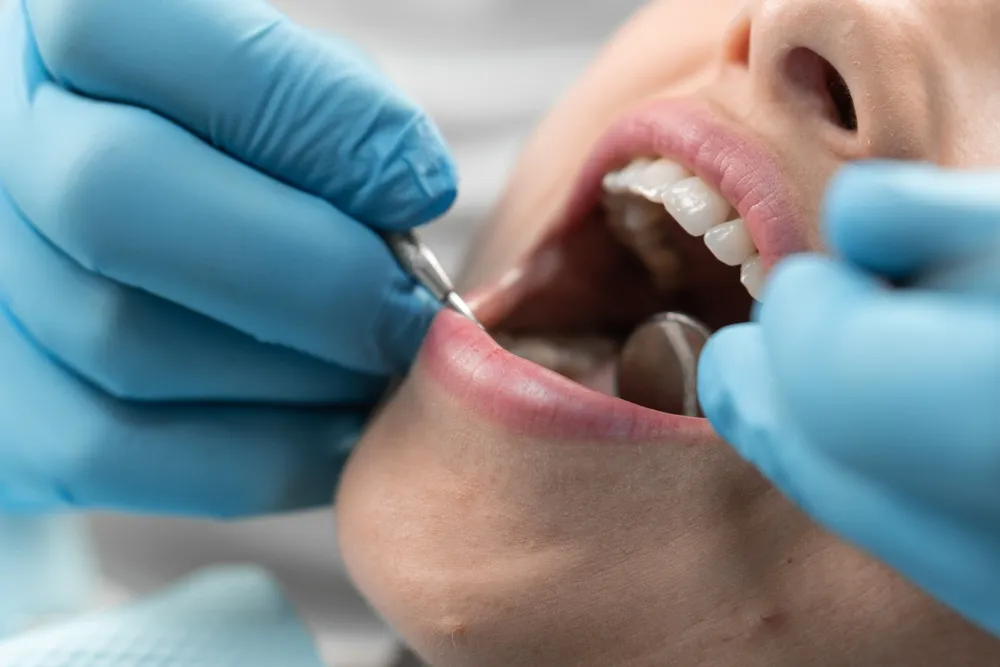
Turkey attracts dental tourists for several compelling reasons. The country combines skilled practitioners, modern technology, and competitive pricing. But these advantages only matter when patients choose the right clinics and the right dentists.
Do Patients Receive High-Quality Care at Lower Costs?
Yes. Turkish dentists offer cost advantages without compromising quality. Lower operational costs, favorable currency exchange rates, and government support for medical tourism enable clinics to provide affordable treatment. These economic factors do not reduce clinical standards. Licensed clinics must use approved materials and follow strict protocols regardless of price.
Research on dental tourism satisfaction shows that treatment quality, accessibility, and destination appeal significantly influence patient satisfaction (Lwin et al. 2021). Turkish clinics excel in all three areas. They provide advanced care at prices that often save patients fifty to seventy percent compared to UK or US rates.
What Technology Do Turkish Dental Clinics Use?
Modern Turkish dental clinics invest heavily in digital technology. They use CAD/CAM systems for same-day crowns and bridges. They employ 3D imaging and CBCT scanners for precise implant planning. Digital smile design software helps patients visualize results before treatment begins. Guided implant surgery improves accuracy and reduces recovery time.
A 2025 study on digital dentistry adoption found that awareness of CAD/CAM systems reached 91.3% among dental professionals, though practical usage varies by region and infrastructure (Siddique et al. 2025). Leading Turkish clinics have moved beyond awareness to full integration. They use these tools daily for diagnostics, treatment planning, and restoration fabrication.
Do Turkish Dentists Have Experience with International Patients?
Yes. Turkish dentists treat thousands of international patients every year. This high volume builds expertise in complex restorative and cosmetic procedures. Dentists understand the expectations of patients from different countries. They also know how to coordinate treatment within limited timeframes.
Many clinics employ English-speaking coordinators and dentists. They assist with travel arrangements, accommodation, and treatment scheduling. This experience creates a smooth patient journey from arrival to departure.
How Can Patients Verify a Turkish Dentist's Qualifications?
Verification is your most important step before booking treatment. You have several tools at your disposal. Use them carefully. Do not rely on marketing materials alone.
How Can You Check Professional Registration?
Start with the Turkish Dental Association. The TDB maintains public records of all licensed dentists. You can verify whether a dentist holds active registration and whether any disciplinary actions exist. The Ministry of Health also provides authorization records for clinics serving international patients.
Since April 2025, the HealthTürkiye portal lists all legally authorized facilities. If a clinic does not appear on this platform, it cannot legally treat international patients. Check this database before you commit to any provider.
How Can You Review Educational Background?
Ask the clinic about the dentist's university credentials. Verify which dental school they attended and whether they completed postgraduate specialization. Request documentation of specialist degrees if the dentist claims advanced expertise. Reputable clinics share this information transparently.
You can also research the university itself. Check whether it holds international accreditation and whether it participates in global exchange programs. Graduates from established institutions such as Istanbul University or Ankara University receive training that matches European standards.
What Clinic Accreditation Should You Look For?
Seek clinics with multiple layers of accreditation. The International Health Tourism Authorization Certificate is mandatory. ISO 9001 certification indicates quality management systems. JCI accreditation represents the highest international standard for healthcare facilities.
Patient safety research in Turkey emphasizes the importance of accreditation standards. The country introduced quality standards for oral health centers in 2009 and expanded them to 165 standards by 2011. These standards cover patient safety committees, risk management, and incident reporting systems (Demir and Ulusoy 2020). Clinics that meet these standards demonstrate genuine commitment to safety.
How Can You Evaluate Clinical Results?
Request before-and-after photos of actual patients. Look for consistency and variety. Ask for testimonials from patients who received similar treatments. Check independent review platforms such as Google, Trustpilot, and specialized medical tourism sites.
Be cautious of reviews that seem overly uniform or lack detail. Authentic testimonials mention specific procedures, recovery experiences, and long-term outcomes. Ask the clinic how they handle complications and what warranty they offer on their work.
What Are the Real Risks Patients Should Be Aware Of?
Dental treatment abroad carries risks. These risks exist in every country, including your home country. But traveling for care adds complexity. You must understand these challenges and plan for them.
Do All Turkish Clinics Maintain High Standards?
No. Standards vary significantly between clinics. Reputable facilities invest in accreditation, training, and technology. But some high-volume operators prioritize speed and low prices over quality. These clinics may use inferior materials, rush procedures, or employ less experienced staff.
A 2022 British Dental Association report found that 86% of UK dentists had treated complications from overseas dental work. Common issues include treatment failure, post-treatment pain, and poorly fitting restorations. These complications often stem from inadequate planning, aggressive tooth preparation, or substandard materials.
Why Does Treatment Planning Matter So Much?
Transparent treatment planning protects your long-term dental health. Some clinics recommend unnecessary procedures to maximize revenue. Others propose aggressive crown preparations when conservative veneers would suffice. Always ask for a written treatment plan that explains each procedure.
Confirm whether the dentist will place veneers or full crowns. Veneers require only 0.3 to 0.5 millimeters of enamel removal. Crowns require much more reduction. Understand the materials involved and whether less invasive alternatives exist. A trustworthy dentist explains these options clearly.
What Aftercare Challenges Exist?
Aftercare is the biggest challenge in dental tourism. You will return home within days or weeks. If complications arise, your local dentist may need to correct the work. This creates additional cost and stress.
Reputable Turkish clinics provide detailed aftercare instructions. They offer warranties and maintain communication channels for follow-up questions. Some clinics partner with dentists in your home country for continuity of care. Ask about these arrangements before you travel.
What Red Flags Should You Watch For?
Watch for several warning signs. Unrealistically low prices often indicate hidden compromises. Lack of transparency about credentials, materials, or treatment plans suggests poor accountability. Aggressive sales tactics pressure you to book quickly without proper research.
A clinic that cannot explain its sterilization process clearly raises serious concerns. Modern protocols include autoclave sterilization, single-use instruments, and surface disinfection between patients. If a staff member simply says "don't worry, we are very clean," consider that a red flag.
Turkish Dentists vs UK and European Dentists: Is There a Difference?
Patients often compare Turkish dentists with practitioners in the UK and Europe. These comparisons help them make informed decisions. The reality is more nuanced than simple geographic labels.
How Do Educational Standards Compare?
Turkish dental education matches European standards in duration, content, and clinical exposure. The five-year degree covers the same core disciplines. Turkish graduates perform comparable patient treatments before qualification. The General Dental Council's mapping study confirmed this alignment across multiple competency domains (General Dental Council 2020).
However, some differences exist. UK dental education emphasizes specific professionalism frameworks and reflective practice. Turkish education emphasizes high clinical volume and practical skill development. Both systems produce competent dentists. The individual dentist's skill matters more than the country of training.
How Does Technology and Experience Compare?
Leading Turkish clinics use the same technology as top UK and European practices. They import materials from the same manufacturers. They follow identical sterilization protocols. Some Turkish clinics actually possess more advanced digital workflows than average UK practices due to heavy investment in medical tourism.
Experience levels can differ in favor of Turkey. High patient volumes mean that Turkish dentists often perform more implant placements, full-mouth reconstructions, and cosmetic cases per year than their UK counterparts. This repetition refines technical skills and clinical judgment.
How Do Cost and Quality Relate?
Lower costs in Turkey reflect economic factors, not clinical shortcuts. Lower rent, staff costs, and currency advantages create savings. The Ministry of Health prohibits authorized clinics from reducing quality to cut prices. They must use approved materials and follow safety protocols regardless of fees.
Factor | Turkey | UK | Europe |
Average implant cost | £400–£800 | £1,500–£3,000 | £1,200–£2,500 |
Average crown cost | £150–£300 | £600–£1,200 | £500–£1,000 |
Specialist availability | High | Moderate | Moderate |
Digital technology adoption | High in top clinics | Moderate | Moderate |
Patient volume per dentist | Very high | Moderate | Moderate |
Regulatory oversight | Strict (Ministry of Health + TDB) | Strict (GDC) | Varies by country |
What Matters More Than Location?
The dentist's expertise matters more than geography. A highly skilled Turkish specialist with twenty years of experience and international certifications may outperform an average general dentist in London or Berlin. Conversely, a poorly trained practitioner in any country can produce poor results.
Focus on these factors instead of location alone: dentist qualifications, clinic accreditation, treatment planning quality, transparency, and patient safety protocols. These elements determine your outcome far more than the flag on the clinic door.
Frequently Asked Questions About Turkish Dentists
Patients ask specific questions before they book. Here are clear answers to the most common concerns.
Are Turkish Dentists Qualified to Place Dental Implants?
Yes. Many Turkish dentists hold specialist training in implantology or advanced certifications from international bodies such as ICOI and EAO. Research confirms that dental implants achieve success rates of 95% to 98% over ten years when placed by qualified practitioners (Howe et al. 2019). Long-term studies show survival rates of 88% to 92% even after twenty years (Kupka et al. 2024). Turkish implant specialists contribute to these global success statistics through rigorous case planning and modern surgical techniques.
Can Foreign Patients Verify a Dentist's Credentials?
Yes. You can verify Turkish dentist credentials through the Turkish Dental Association and the HealthTürkiye portal. Request copies of university degrees and specialist certificates. Contact international membership organizations directly to confirm claimed affiliations. Reputable clinics welcome this scrutiny.
Do Turkish Dentists Speak English?
Most clinics serving international patients employ English-speaking dentists and coordinators. Many dentists also speak German, French, Arabic, or Russian. Communication barriers are rare in established medical tourism facilities. You can request a translator if needed.
Are Specialist Dentists Available in Turkey?
Yes. Turkey has specialists in every major dental discipline. Oral surgeons, prosthodontists, orthodontists, periodontists, endodontists, and pediatric dentists practice in major cities. Many work in multi-specialty clinics that offer comprehensive care under one roof.
How Do You Know If a Clinic Is Trustworthy?
Trustworthy clinics hold Health Tourism Authorization, display transparent pricing, explain treatment plans in writing, and provide clear aftercare protocols. They answer questions about sterilization, materials, and dentist credentials without hesitation. They also offer warranties and maintain follow-up communication.
Are Turkish Dentists as Qualified as UK Dentists?
Turkish dentists meet comparable educational and licensing standards. The General Dental Council's research confirms substantial alignment between Turkish and UK dental curricula (General Dental Council 2020). Individual qualifications, experience, and clinic standards vary in both countries. Verify the specific dentist rather than making broad generalizations.
Conclusion: Are Turkish Dentists Qualified?
Turkey produces many highly qualified dentists. The country's dental education system spans five years of intensive study. The Ministry of Health and the Turkish Dental Association enforce strict licensing, regulation, and continuing education requirements. Specialist training lasts three to five additional years. Turkish degrees enjoy international recognition. Many dentists hold global certifications and overseas training.
Research on patient safety culture shows that Turkey has developed comprehensive standards for oral health centers, including risk management and incident reporting (Demir and Ulusoy 2020). Studies on patient satisfaction confirm that treatment quality and accessibility drive positive outcomes in dental tourism (Lwin et al. 2021). Long-term implant research demonstrates that qualified practitioners achieve success rates exceeding 95% over a decade (Howe et al. 2019).
However, qualifications exist on an individual level. Not every clinic in Turkey maintains elite standards. Your responsibility as a patient is to verify credentials, check accreditation, review clinical evidence, and prioritize quality over price. When you choose a licensed, accredited clinic with experienced dentists, you receive care that matches or exceeds international benchmarks.
Turkish dentists are qualified. The system supports their training and regulates their practice. Your job is to find the right dentist within that system.
References
Chrcanovic, Bruno R., et al. "Smoking and dental implants: A systematic review and meta-analysis." PubMed Central, PMC8780868, 2022.
Demir, Tamer, and Muge Ulusoy. "Perceptions of Patient Safety Culture of Dentistry Students in Turkey." International Journal of Health Management and Tourism, vol. 5, no. 2, 2020, pp. 1-15.
General Dental Council. "Review and Mapping of Basic Dental Training in EU Member States." General Dental Council, 2020.
Howe, Marie-Sophie, et al. "Long-term (10-year) dental implant survival: A systematic review and sensitivity meta-analysis." Journal of Dentistry, vol. 84, 2019, pp. 9-21.
Kupka, Julia R., et al. "How far can we go? A 20-year meta-analysis of dental implant survival rates." Clinical Oral Investigations, vol. 28, no. 10, 2024, p. 541.
Lwin, Hnin Nu Nu, et al. "The level and determinants of international patient satisfaction with dental tourism in Bangkok, Thailand." Cogent Business & Management, vol. 8, no. 1, 2021, p. 1898316.
Siddique, Hajra, et al. "Future Perceptions of Digital Dentistry: A Cross-Sectional Study Among Dental Students and Dentists." Journal of Health and Wellness Research, vol. 3, no. 15, 2025, pp. 1-10.
Sur, H., et al. "Patient satisfaction in dental outpatient clinics in Turkey." Croatian Medical Journal, vol. 45, no. 5, 2004, pp. 651-654.