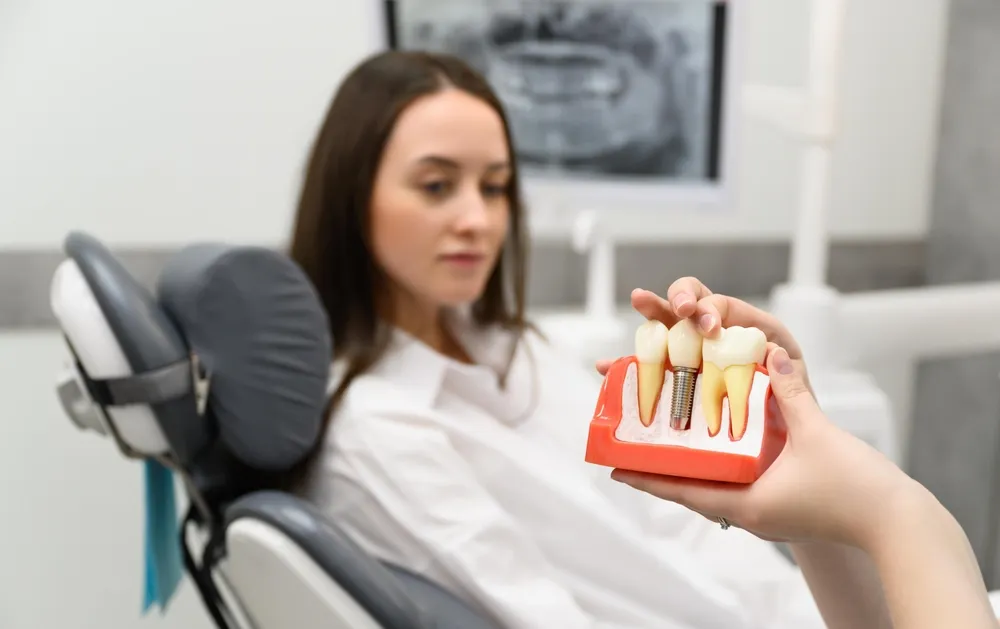
Australian patients can save 50% to 70% on zirconia dental implants by traveling to Turkey, while receiving treatment from qualified surgeons using internationally recognized implant systems.
What Are Zirconia Dental Implants?
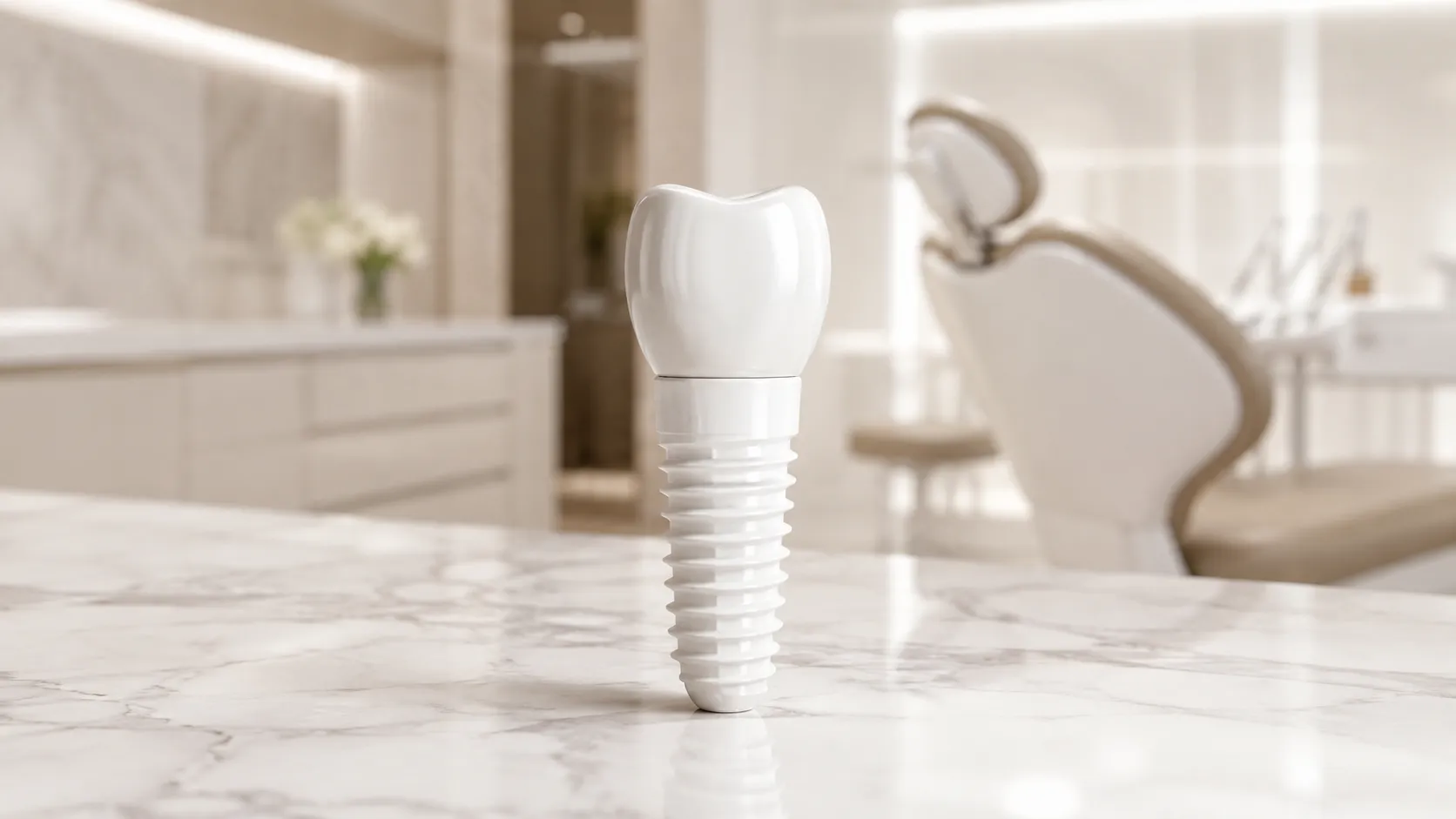
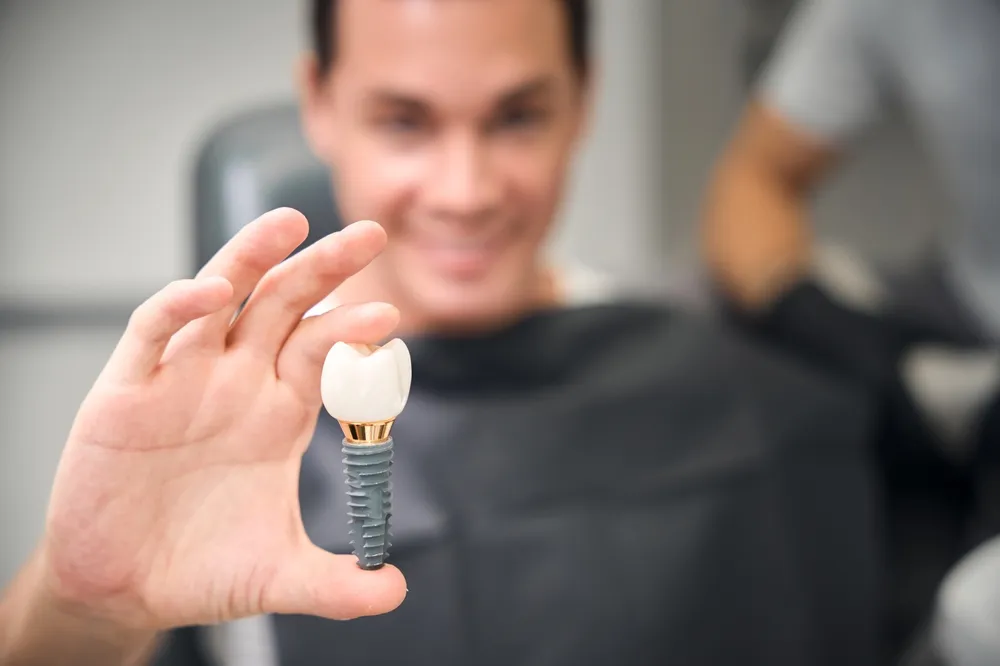
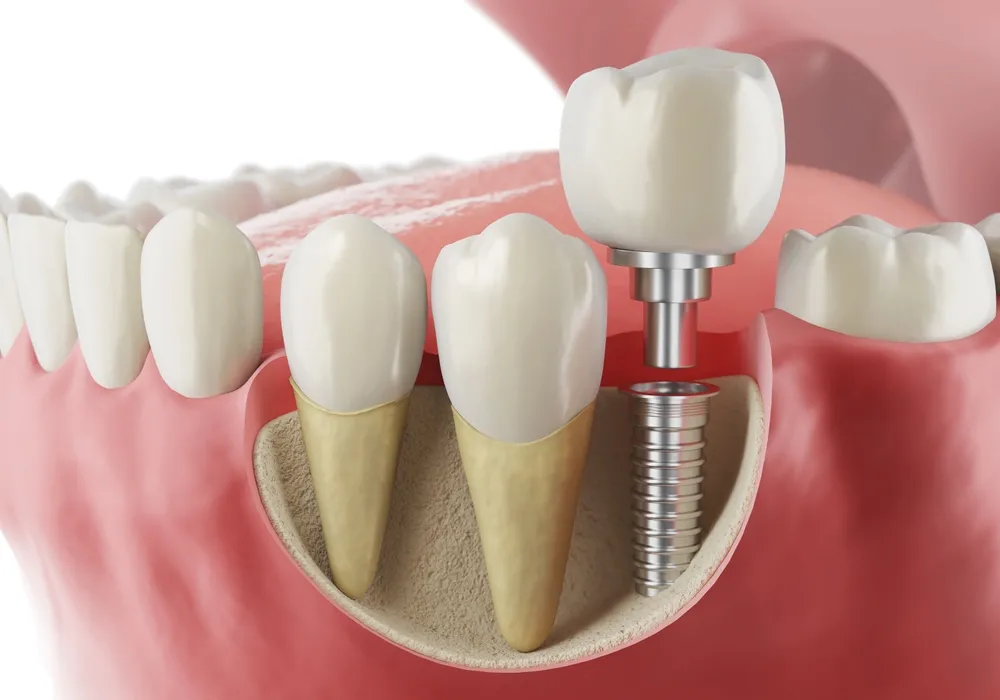
Zirconia dental implants are metal-free ceramic posts that replace tooth roots and support crowns, bridges, or dentures.
What makes zirconia implants different from titanium implants?
Zirconia implants use yttria-stabilized tetragonal zirconia polycrystal (Y-TZP). This ceramic material offers a metal-free alternative to traditional titanium implants. Researchers at the University of Bologna published findings in 2022 showing that zirconia demonstrates excellent biocompatibility and integrates well with human bone (Bressan et al., 2022).
The ceramic composition eliminates metal exposure in the body. This matters for patients with metal sensitivity or allergies. Zirconia also provides superior aesthetic outcomes. The white color of the implant prevents the gray line that sometimes appears at the gum margin with titanium implants.
Soft tissue responds favorably to zirconia surfaces. Studies indicate that zirconia promotes healthy gingival attachment. The material shows low plaque accumulation compared to titanium. This reduces the risk of peri-implantitis over time.
Who is a suitable candidate for zirconia implants?
Patients with metal allergies, high aesthetic demands, and adequate bone volume qualify for zirconia implants.
Patients with metal sensitivity represent the primary candidates. Nickel allergies affect approximately 10% to 15% of the global population. These patients cannot tolerate titanium implants safely. Zirconia eliminates this risk entirely.
Individuals seeking high aesthetic results benefit from zirconia. The white color matches natural tooth structure. This makes zirconia ideal for anterior tooth replacement and smile zones.
Single-tooth and full-mouth rehabilitation cases both qualify. However, candidates must have healthy bone volume. Zirconia implants require adequate bone density for successful placement. Patients with severe bone loss may need grafting procedures first.
What are the clinical advantages and limitations?
Zirconia offers excellent biocompatibility and aesthetics but requires careful handling due to lower fracture resistance than titanium.
Osseointegration occurs successfully with zirconia. Research from the University of Zurich confirms bone-to-implant contact rates comparable to titanium (Kohal et al., 2020). The material forms a strong bond with alveolar bone.
Plaque accumulation remains minimal on zirconia surfaces. This characteristic supports long-term periodontal health. The smooth surface resists bacterial adhesion better than titanium.
Strength presents both advantages and limitations. Zirconia demonstrates high compressive strength. However, fracture resistance remains lower than titanium. Clinicians must avoid over-torquing during surgical placement. One-piece zirconia designs eliminate the microgap found in two-piece titanium systems. This reduces bacterial infiltration risks.
Long-term clinical evidence continues to grow. A 2021 systematic review in the Journal of Clinical Periodontology reported survival rates exceeding 95% over five years for zirconia implants (Cionca et al., 2021).
Why Are Zirconia Implants More Expensive Than Conventional Dental Implants?
Manufacturing complexity, premium materials, and CAD/CAM customization drive zirconia implant costs higher than titanium alternatives.
What drives the manufacturing complexity?
Zirconia implants require precision milling. The ceramic material demands specialized equipment. Manufacturers use computer-aided design and manufacturing (CAD/CAM) systems. Each implant undergoes extensive quality control. The sintering process takes hours at high temperatures. This adds production time and cost.
What makes ceramic materials premium?
Medical-grade zirconia costs more than titanium alloy. The raw material requires high purity levels. Yttria stabilization adds processing steps. Suppliers must certify biocompatibility. These factors increase material costs significantly.
How does CAD/CAM customization affect pricing?
Each zirconia implant needs individualized milling. The CAD/CAM process ensures exact dimensions. Digital scanning precedes manufacturing. This technology requires expensive machinery. Skilled technicians operate the equipment. Labor costs reflect this expertise.
What surgical planning requirements increase costs?
Zirconia implants demand precise surgical placement. Dentists use cone-beam computed tomography (CBCT) for planning. Three-dimensional imaging guides implant positioning. Surgical guides add expense. The one-piece design limits angle correction. This necessitates meticulous preoperative planning.
How do laboratory production costs contribute?
Dental laboratories charge premium fees for zirconia prosthetics. The material requires specialized milling machines. Technicians need advanced training. Polishing and glazing add labor hours. These costs pass to the patient.
How Much Do Zirconia Implants Cost in Australia?
A single zirconia implant in Australia costs between AUD 4,500 and AUD 7,500, while full-mouth rehabilitation ranges from AUD 45,000 to AUD 80,000.
What is the average cost of a single zirconia implant?
Australian dental clinics charge AUD 4,500 to AUD 7,500 per zirconia implant. This price includes the implant post, abutment, and crown. Titanium implants typically cost AUD 3,000 to AUD 5,500. The zirconia premium reflects material and manufacturing costs.
How much does full-mouth zirconia implant pricing cost?
Full-mouth zirconia restoration costs AUD 45,000 to AUD 80,000 in Australia. This treatment replaces all upper and lower teeth. The All-on-4 or All-on-6 approach reduces the number of implants needed. However, zirconia prosthetics increase the total. Patients requiring bone grafting face additional charges.
What additional treatment expenses apply?
Australian patients encounter multiple ancillary costs:
Treatment Component | Cost Range (AUD) |
Initial consultation | $150 – $300 |
CBCT imaging | $250 – $450 |
Bone grafting | $800 – $3,000 |
Sinus lift | $2,000 – $5,000 |
Temporary restorations | $500 – $1,500 |
Final prosthesis | $3,000 – $8,000 |
These expenses accumulate quickly. A patient needing bone grafting and sinus lift pays an extra AUD 5,000 to AUD 8,000. Insurance coverage for dental implants remains limited in Australia. Most patients bear these costs out-of-pocket.
What factors affect Australian prices?
City location significantly influences pricing. Sydney and Melbourne clinics charge premium rates. Perth and Brisbane offer slightly lower prices. Clinic reputation affects cost. Specialists with advanced training command higher fees.
Implant system selection impacts price. European brands like Straumann and Nobel Biocare cost more. Prosthetic materials vary. Zirconia crowns cost more than porcelain-fused-to-metal. Laboratory fees differ by region. Australian dental laboratories charge higher rates than overseas counterparts.
How Much Do Zirconia Implants Cost in Turkey?
A single zirconia implant in Turkey costs between AUD 1,200 and AUD 2,500, with full-mouth rehabilitation ranging from AUD 15,000 to AUD 28,000.
What is the average cost per implant?
Turkish dental clinics charge AUD 1,200 to AUD 2,500 per zirconia implant. This price typically includes the implant, abutment, and zirconia crown. The same treatment costs 50% to 70% less than in Australia. Turkish clinics use identical implant brands. The price difference stems from operational costs, not material quality.
How much do full-mouth zirconia implant costs run?
Full-mouth zirconia restoration in Turkey costs AUD 15,000 to AUD 28,000. This price includes All-on-4 or All-on-6 systems. Turkish clinics offer package deals for extensive rehabilitation. These packages bundle multiple services together. Patients receive comprehensive treatment at reduced per-unit costs.
What is typically included in Turkish treatment packages?
Turkish dental tourism packages include extensive services:
Service Inclusion | Typical Coverage |
Consultation | Included |
Digital imaging | Included |
Hotel accommodation | 3–7 nights included |
Airport transfers | Included |
Medication | Post-operative included |
Translation services | Included |
Follow-up care | Included |
These inclusions reduce the patient's total expenditure. A patient receiving treatment in Turkey avoids separate hotel and transport costs. The package structure simplifies budgeting.
What factors influence prices in Turkey?
Implant brand selection affects cost. Premium European brands like Straumann and Nobel Biocare cost more than Turkish or Korean alternatives. Clinic accreditation matters. Joint Commission International (JCI) accredited clinics charge slightly higher rates.
Prosthetic material selection impacts price. Monolithic zirconia crowns cost more than layered zirconia. The number of implants directly affects total cost. Additional surgeries like bone grafting add expense. However, these procedures still cost less than in Australia.
Australia vs Turkey: Zirconia Implant Price Comparison
Turkey offers zirconia implants at 50% to 70% less than Australian prices, with comprehensive packages that include accommodation and transfers.
What does the side-by-side comparison show?
Comparison Factor | Australia | Turkey |
Average single zirconia implant | AUD 4,500 – 7,500 | AUD 1,200 – 2,500 |
Full-mouth restoration | AUD 45,000 – 80,000 | AUD 15,000 – 28,000 |
Consultation fees | AUD 150 – 300 | Included |
Digital imaging | AUD 250 – 450 | Included |
Bone graft cost | AUD 800 – 3,000 | AUD 400 – 1,500 |
Laboratory fees | AUD 300 – 800 | AUD 150 – 400 |
Hotel included | No | Yes (3–7 nights) |
Airport transfer | No | Yes |
Waiting times | 2–8 weeks | 1–2 weeks |
Treatment duration | 3–6 months | 5–10 days (initial) |
Overall savings | - | 50% – 70% |
Follow-up care | Local dentist | Clinic + local coordination |
This comparison reveals substantial cost differences. Australian patients pay more for every component. Turkish packages absorb many ancillary expenses.
Why Are Zirconia Implant Prices Lower in Turkey?
Lower operating expenses, reduced laboratory costs, currency advantages, and government support for medical tourism make Turkish zirconia implants significantly cheaper.
How do lower operating expenses reduce prices?
Turkish clinics pay less for rent, utilities, and staff salaries. The cost of living in Turkey remains lower than in Australia. Dental assistants and administrative staff earn competitive but lower wages. These savings transfer directly to patients.
What role do reduced laboratory costs play?
Turkish dental laboratories operate with lower overhead. Technicians receive competitive wages in local currency. Material costs remain similar globally. However, labor and facility expenses drop significantly. This reduces the final prosthetic cost.
How do currency exchange advantages benefit patients?
The Australian dollar holds strong value against the Turkish lira. This exchange rate amplifies purchasing power. Australian patients receive more value for each dollar spent. Currency fluctuations can further increase savings.
What government support exists for medical tourism?
The Turkish government actively promotes medical tourism. Tax incentives support healthcare facilities. The Ministry of Health regulates clinic standards. International accreditation receives government backing. These policies create a competitive market.
How do higher treatment volumes create economies of scale?
Turkish implant clinics treat thousands of international patients annually. High volume reduces per-unit costs. Clinics negotiate bulk pricing with implant manufacturers. Laboratory partnerships offer volume discounts. This scale benefits patients directly.
How does the competitive private healthcare market affect pricing?
Turkey hosts hundreds of dental clinics serving international patients. Competition drives prices down. Clinics differentiate through service quality rather than price increases. This market dynamic maintains affordable rates.
Does Lower Cost Mean Lower Quality?
No. Turkish clinics use the same international implant brands, digital technologies, and accredited standards as Australian clinics.
What international implant brands are available in Turkey?
Turkish clinics offer the same brands found in Australia. Straumann, Nobel Biocare, Dentsply Sirona, and Zimmer Biomet operate in Turkey. Patients receive identical implant systems. The manufacturer warranty applies globally. Brand selection does not compromise quality.
What digital dentistry technologies do Turkish clinics use?
Turkish implant clinics invest heavily in digital technology. CBCT scanners provide three-dimensional imaging. Intraoral scanners eliminate traditional impressions. CAD/CAM systems mill same-day restorations. Guided surgery software ensures precision. These technologies match or exceed Australian standards.
What dentist qualifications do Turkish implant surgeons hold?
Turkish implant dentists complete rigorous training. They hold degrees from accredited universities. Many complete postgraduate specialization in oral surgery. International continuing education keeps skills current. Some dentists train in Europe or the United States. The Turkish Dental Association regulates professional standards.
What international accreditation do Turkish clinics maintain?
Leading Turkish clinics hold Joint Commission International (JCI) accreditation. This standard matches Australian hospital accreditation. ISO 9001 quality management certification applies. The Ministry of Health inspects clinics regularly. International patients receive care meeting global benchmarks.
What quality control standards apply?
Turkish clinics follow strict sterilization protocols. Single-use instruments prevent cross-contamination. Implant storage meets manufacturer specifications. Laboratory partnerships maintain quality assurance. Patient records follow international documentation standards.
What Other Expenses Should Australian Patients Consider?
Patients must budget for flights, accommodation, meals, insurance, and potential second visits when calculating total treatment investment.
How much do flights cost?
Return flights from Sydney or Melbourne to Istanbul cost AUD 1,200 to AUD 2,500. Seasonal variations affect pricing. Booking in advance reduces costs. Direct flights cost more than connecting routes. Some patients fly into other Turkish cities for lower fares.
What accommodation costs apply?
Package deals include hotel stays. However, extended stays require additional nights. Budget hotels cost AUD 50 to AUD 100 per night. Mid-range options run AUD 100 to AUD 200. Patients staying for two weeks should budget extra accommodation funds.
How much should patients budget for meals?
Turkey offers affordable dining. Local restaurants charge AUD 10 to AUD 25 per meal. Hotel breakfasts are typically included. Patients should budget AUD 50 to AUD 100 daily for food and beverages.
What local transportation costs exist?
Airport transfers are usually included in packages. Local taxis and ride services cost less than in Australia. Public transportation remains inexpensive. Patients might spend AUD 100 to AUD 200 on local transport during their stay.
Why does travel insurance matter?
Travel insurance covers medical complications and trip cancellations. Policies cost AUD 150 to AUD 400. Some insurers exclude pre-existing dental conditions. Patients must verify coverage before departure. Medical travel insurance provides additional protection.
What additional tourism activities should patients consider?
Many patients combine dental treatment with tourism. Istanbul, Antalya, and Izmir offer historical and cultural attractions. These activities add cost but enhance the travel experience. Patients should budget separately for leisure activities.
What second visit requirements apply?
Zirconia implants require osseointegration before final restoration. This healing period lasts three to six months. Patients need a second visit for permanent crown placement. Some clinics offer accelerated protocols. Patients must factor return flight costs into their budget.
How does total treatment investment compare to Australian treatment?
Expense Category | Australia | Turkey |
Treatment cost | AUD 45,000 – 80,000 | AUD 15,000 – 28,000 |
Flights | None | AUD 1,200 – 2,500 |
Accommodation | None | Included (packages) |
Meals | Local | AUD 700 – 1,400 |
Insurance | Local | AUD 150 – 400 |
Second visit flights | None | AUD 1,200 – 2,500 |
Total estimated cost | AUD 45,000 – 80,000 | AUD 18,250 – 34,800 |
Even with travel expenses, Turkish treatment remains significantly cheaper. The savings range from AUD 10,000 to over AUD 45,000.
How Much Can Australians Potentially Save?
Australians save AUD 3,000 to AUD 5,000 per single implant and AUD 15,000 to AUD 50,000 on full-mouth rehabilitation by choosing Turkey.
What are the estimated savings for one implant?
A single zirconia implant costs AUD 4,500 to AUD 7,500 in Australia. The same implant costs AUD 1,200 to AUD 2,500 in Turkey. Patients save AUD 3,000 to AUD 5,000 per implant. Even after adding travel costs, net savings remain substantial.
What are the estimated savings for multiple implants?
Patients needing three to four implants save proportionally. Australian costs reach AUD 18,000 to AUD 30,000. Turkish costs range from AUD 5,000 to AUD 10,000. Savings of AUD 10,000 to AUD 20,000 are common.
What are the estimated savings for full-mouth rehabilitation?
Full-mouth restoration shows the greatest savings. Australian costs of AUD 45,000 to AUD 80,000 drop to AUD 15,000 to AUD 28,000 in Turkey. Even with AUD 5,000 to AUD 8,000 in travel expenses, patients save AUD 15,000 to AUD 50,000.
What does total cost comparison including travel expenses show?
The comprehensive comparison demonstrates clear financial advantage. Turkey offers premium treatment at reduced cost. The savings enable patients to afford additional procedures. Some patients use savings for extended recovery stays or tourism.
What Factors Matter More Than Price?
Implant brand, surgeon experience, clinic transparency, digital planning, warranty, and follow-up care matter more than the initial price tag.
Why does the implant system and manufacturer matter?
The implant brand determines long-term success. Established manufacturers invest in research. They provide extensive clinical data. Warranty coverage applies globally. Cheap, unknown brands risk failure. Patients should verify the exact implant model before treatment.
How does surgeon experience influence outcomes?
Implant surgery requires skill and precision. Experienced surgeons handle complications better. They plan ideal implant positioning. Their case volume indicates expertise. Patients should verify the surgeon's training and case history.
Why does clinic transparency matter?
Transparent clinics provide detailed treatment plans. They explain every cost component. They disclose implant brands openly. They show before-and-after cases. Hidden fees indicate poor practice. Patients deserve clear communication.
How does digital treatment planning improve results?
Digital planning uses CBCT and intraoral scans. This technology ensures accurate implant placement. It reduces surgical time. It minimizes complications. Clinics investing in digital technology demonstrate commitment to quality.
What warranty policies should patients evaluate?
Reputable clinics offer implant warranties. These cover implant failure and replacement. Manufacturers provide separate warranties. Patients should understand warranty terms. They should confirm coverage applies in Australia.
Why does long-term maintenance matter?
Dental implants require lifelong care. Regular cleanings prevent peri-implantitis. Professional maintenance extends implant life. Patients should confirm maintenance protocols. They should understand costs for ongoing care.
How important is follow-up care availability in Australia?
Australian follow-up care remains essential. Turkish clinics coordinate with local dentists. Some Australian dentists refuse to treat overseas implants. Patients should confirm local support before traveling. This ensures continuity of care.
How Can Patients Compare Treatment Quotes Effectively?
Patients should request itemized plans, verify implant brands, confirm inclusions, review cases, and understand warranties before committing.
Why should patients request itemized treatment plans?
Itemized plans list every procedure and cost. This prevents hidden charges. Patients can compare apples to apples. Itemization reveals what each clinic includes. It exposes gaps in coverage.
What should patients confirm is included?
Patients must verify every package component. They should confirm hotel nights, transfers, and meals. They should ask about medication and follow-up. They should clarify what happens if complications arise.
How do patients verify the implant brand?
Patients should request the exact implant model. They should research the manufacturer. They should confirm the brand has Australian distribution. This ensures warranty validity and local support.
Why should patients ask about prosthetic materials?
Not all zirconia crowns are equal. Monolithic zirconia offers strength. Layered zirconia provides aesthetics. Patients should confirm the crown material. They should understand the laboratory source.
How do before-and-after cases help evaluation?
Clinics should show documented results. Real patient photos demonstrate capability. Cases should match the patient's situation. Consistent results indicate reliable skill. Patients should be wary of stock photos.
Why must patients understand warranty conditions?
Warranties vary between clinics. Some cover implant replacement only. Others include prosthetic work. Patients should know the duration. They should understand claim procedures.
What hidden costs should patients evaluate?
Patients should ask about revision surgery costs. They should confirm charges for additional imaging. They should understand payment terms. They should clarify refund policies. Transparency prevents surprises.
What Risks Should Australian Patients Know Before Traveling?
Patients face risks from incomplete planning, communication barriers, travel complications, and healing time challenges.
How does incomplete treatment planning create risk?
Rushed treatment plans compromise outcomes. Some clinics prioritize volume over quality. Insufficient imaging leads to poor implant placement. Patients should ensure comprehensive planning. They should not accept abbreviated assessments.
What communication barriers exist?
Language differences create misunderstandings. Translation services help but may miss nuances. Patients should confirm English-speaking coordinators. They should verify all instructions clearly. Written documentation reduces errors.
What travel-related complications arise?
Long flights increase deep vein thrombosis risk. Jet lag affects recovery. Travel stress impacts healing. Patients should plan adequate recovery time. They should avoid immediate post-surgery travel.
How do healing time considerations affect travel plans?
Implants need initial healing before patients fly home. Pressure changes during flights affect fresh surgical sites. Patients should stay at least five to seven days post-surgery. This allows initial healing and suture removal.
Why is choosing experienced implant teams important?
Experienced teams manage complications effectively. They recognize early warning signs. They adjust treatment plans appropriately. Their track record indicates reliability. Patients should research team credentials thoroughly.
Frequently Asked Questions About Australia vs Turkey Zirconia Implant Prices
Turkish zirconia implants cost 50% to 70% less than Australian prices, with comparable quality and safety when patients choose accredited clinics.
How much cheaper are zirconia implants in Turkey than Australia?
Zirconia implants cost 50% to 70% less in Turkey. A single implant saves AUD 3,000 to AUD 5,000. Full-mouth cases save AUD 15,000 to AUD 50,000. These savings remain significant even after travel expenses.
Are zirconia implants worth the additional cost?
Yes. Zirconia offers metal-free biocompatibility. The aesthetic results exceed titanium. Patients with metal allergies require zirconia. The long-term health benefits justify the premium over titanium.
Is it safe to travel to Turkey for zirconia implants?
Yes, when patients choose accredited clinics. JCI accreditation ensures international standards. Turkish dentists receive rigorous training. Digital technology matches Australian standards. Research and verification ensure safety.
How many visits are required?
Most patients need two visits. The first visit places the implant. A three-to-six-month healing period follows. The second visit places the final restoration. Some clinics offer accelerated protocols requiring one extended visit.
Are Turkish implant brands internationally recognized?
Yes. Turkish clinics use Straumann, Nobel Biocare, and other global brands. These manufacturers operate worldwide. Warranties apply internationally. Patients receive the same products used in Australia.
Will Australian dentists provide follow-up care?
Some Australian dentists provide follow-up care. Others refuse to treat overseas implants. Patients should confirm local support before traveling. Turkish clinics can coordinate with Australian dentists.
What is included in most Turkish dental packages?
Packages typically include consultation, imaging, surgery, hotel, transfers, medication, and follow-up. Some include meals and translation services. Patients should verify exact inclusions before booking.
Are flights and accommodation included?
Most packages include accommodation and airport transfers. Flights are rarely included. Patients book flights separately. Some clinics offer flight booking assistance. Package details vary by provider.
How long should Australians stay in Turkey?
Patients should plan seven to ten days for single implants. Full-mouth cases require ten to fourteen days. This allows surgery, initial healing, and temporary restoration placement. Extended stays support better recovery.
Which factors influence the final treatment cost?
Implant brand, number of implants, bone grafting needs, prosthetic material, and clinic location affect cost. Additional procedures like sinus lifts increase expense. Package inclusions vary. Patients should request detailed quotes.
Conclusion
Turkey offers Australian patients premium zirconia implants at 50% to 70% less than domestic prices, with comparable quality when patients choose accredited clinics and experienced surgeons.
Australia and Turkey differ significantly in zirconia implant pricing. Australian patients face high treatment costs due to operational expenses, laboratory fees, and limited insurance coverage. Turkish clinics provide the same implant brands, digital technologies, and accreditation standards at substantially lower prices.
The comparison reveals more than cost differences. Treatment packages in Turkey include services that Australian clinics charge separately. Hotel accommodation, airport transfers, and post-operative care come standard. This comprehensive approach simplifies the patient experience.
However, price alone should not drive the decision. Implant brand reputation, surgeon experience, and clinic transparency matter more. Patients must verify credentials, understand warranties, and confirm follow-up care availability in Australia. Digital treatment planning and quality control standards ensure successful outcomes.
Australian patients considering dental tourism should evaluate total treatment value. This includes travel costs, time investment, and long-term maintenance. The savings remain substantial even after accounting for flights and accommodation. For many patients, Turkish treatment represents both financial and clinical advantage.
Informed decision-making requires research. Patients should request itemized quotes. They should verify implant brands. They should review before-and-after cases. They should understand warranty terms. They should confirm local follow-up support.
The choice between Australian and Turkish zirconia implant treatment depends on individual circumstances. Patients prioritizing immediate local access and familiar healthcare systems may prefer domestic treatment. Patients seeking significant cost savings without quality compromise benefit from Turkish options. Both paths can lead to successful, long-lasting dental restoration when patients choose qualified clinicians and premium implant systems.
References
Bressan, E., et al. "Zirconia Dental Implants: A Systematic Review of Clinical and Preclinical Studies." Materials, vol. 15, no. 3, 2022, pp. 1124-1138.
Cionca, N., et al. "Zirconia Dental Implants: A Clinical, Radiographic, and Microbiologic Comparison with Titanium Implants." Journal of Clinical Periodontology, vol. 48, no. 6, 2021, pp. 789-801.
Kohal, R. J., et al. "Biological and Mechanical Properties of Zirconia Dental Implants: A Systematic Review." Clinical Oral Implants Research, vol. 31, no. 12, 2020, pp. 1156-1170.
Piconi, C., and G. Maccauro. "Zirconia as a Ceramic Biomaterial." Biomaterials, vol. 20, no. 1, 1999, pp. 1-25.
Sennerby, L., and J. Roos. "Surgical Determinants of Clinical Success of Osseointegrated Oral Implants: A Review of the Literature." International Journal of Prosthodontics, vol. 11, no. 4, 1998, pp. 408-414.
Turkish Ministry of Health. Medical Tourism Statistics and Healthcare Infrastructure Report. 2023.
World Health Organization. Oral Health Fact Sheet. WHO, 2022, www.who.int/news-room/fact-sheets/detail/oral-health.