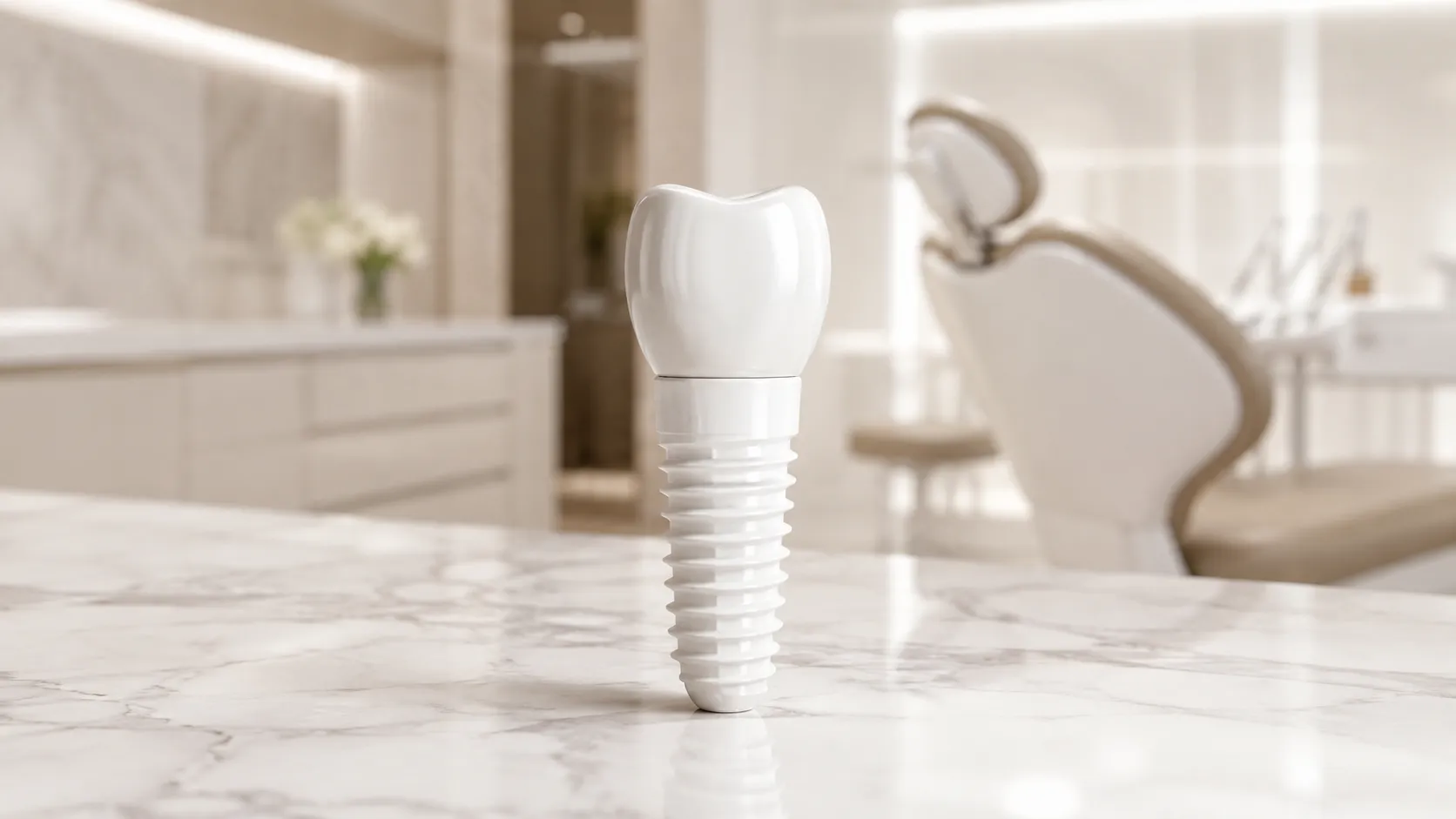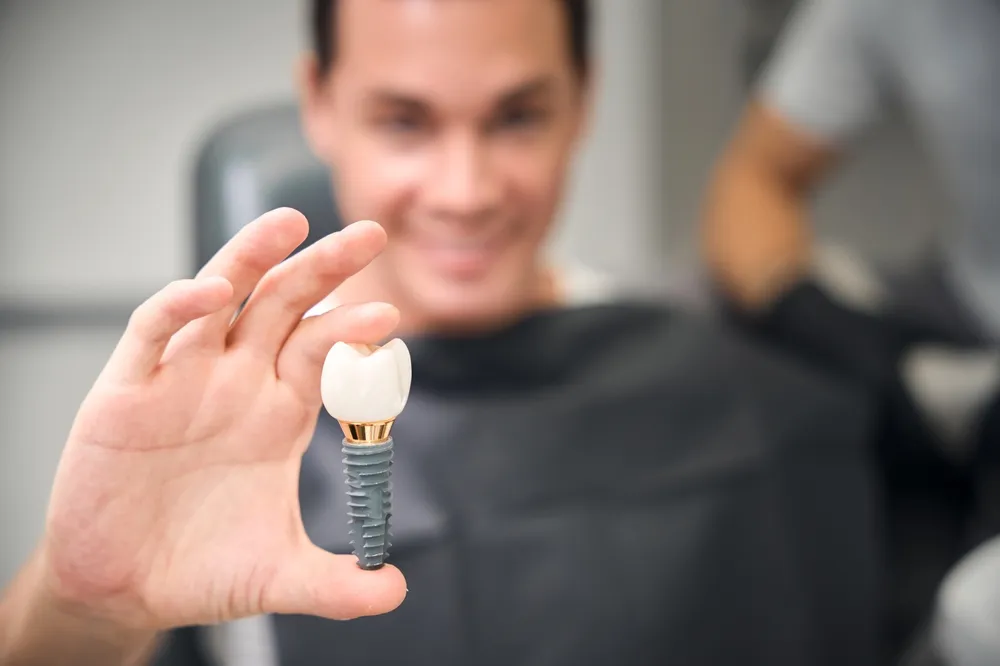
Zirconia dental implants last between 10 and 15 years on average. Many patients keep them for decades with proper care. Current research shows five-year survival rates above 90 percent. Longevity depends on oral hygiene, bone quality, and lifestyle choices.
Patients want to know how long their investment will last. Dental implants represent a significant decision. Zirconia offers a metal-free alternative to traditional titanium. Understanding the science behind implant longevity helps patients make informed choices. Current clinical evidence supports promising outcomes. Biological factors, mechanical properties, and patient behavior all shape how long these implants survive.
What Are Zirconia Dental Implants?
Zirconia dental implants are metal-free ceramic posts that replace missing tooth roots. They support crowns, bridges, or full-arch restorations. Manufacturers craft them from zirconium dioxide. This material offers high strength and a natural white color.
Dental surgeons place these implants directly into the jawbone. The bone fuses with the implant surface through osseointegration. This fusion creates a stable foundation for artificial teeth. Zirconia implants serve patients who want a tooth-colored option. They also appeal to people with metal sensitivities.
What Makes Zirconia Different from Traditional Titanium Implants?
Zirconia differs from titanium in composition, color, and biological behavior. Titanium is a metal alloy. Zirconia is a ceramic material. This distinction matters for both aesthetics and tissue response.
Zirconia implants display a white, tooth-like appearance. Titanium implants show a gray metallic color. When patients have thin gums, titanium can create a gray line near the gum margin. Zirconia avoids this problem entirely. The ceramic surface also resists corrosion. Titanium can release microscopic ions over time. Zirconia remains chemically stable in oral fluids.
Modern zirconia implants use yttria-stabilized tetragonal zirconia polycrystal. This formulation provides high flexural strength. Early ceramic implants lacked this durability. Second-generation zirconia materials have solved many of these problems.
Why Are Zirconia Implants Considered Biocompatible?
Zirconia implants demonstrate excellent biocompatibility because human tissues accept them without rejection. The material triggers minimal inflammatory response. Soft tissues integrate well with the ceramic surface.
Research shows that zirconia surfaces accumulate less plaque than titanium. Bacteria struggle to adhere to the smooth ceramic. This reduced plaque accumulation supports better peri-implant health. Patients with zirconia implants often show lower bleeding scores during probing. The tissue compatibility extends to bone as well. Osteoblasts attach actively to zirconia surfaces. This cellular response drives successful osseointegration.
How Long Do Zirconia Dental Implants Last?
Clinical studies report five-year survival rates between 87 and 94 percent for zirconia implants. Ten-year data remains limited but promising. Some longitudinal studies show survival rates approaching those of titanium implants.
The lifespan of zirconia dental implants varies by patient. Good candidates with healthy bone and excellent oral hygiene often see better results. Poor candidates with untreated gum disease or heavy smoking face higher risks. The implant itself can last indefinitely. The restoration on top may need replacement after 10 to 15 years.
What Does Current Scientific Research Show?
Scientists have tracked zirconia implant outcomes through multiple systematic reviews. Roehling et al. analyzed clinical studies in a 2018 meta-analysis. They found that zirconia implants achieved high survival rates in short-term and medium-term follow-ups. Hashim et al. conducted a systematic review in 2016. They examined clinical survival data and confirmed favorable outcomes for zirconia implants.
A 2023 systematic review by Padhye et al. compared zirconia and titanium implants directly. The researchers found comparable success rates between both materials. Zirconia implants showed slightly lower survival rates in some analyses. However, the difference often lacked statistical significance. Five-year survival data for zirconia implants typically ranges from 90 to 94 percent. Titanium implants show roughly 95 to 98 percent at the same interval.
Long-term evidence beyond 10 years remains scarce. Most zirconia implant studies cover 1 to 5 years. A few extend to 7 or 10 years. These longer studies show stable results. Pjetursson et al. reviewed zirconia-ceramic crowns on implants. They found five-year survival rates above 97 percent for implant-supported zirconia restorations.
What Is the Difference Between Implant Survival and Implant Success?
Implant survival means the implant remains in place and functional. Implant success adds stricter criteria. Success requires healthy bone levels, absence of infection, and patient satisfaction.
A zirconia implant can survive without meeting all success criteria. For example, an implant with minor bone loss still functions. It survives but does not fully succeed. Functional survival focuses on chewing ability. Biological success requires healthy surrounding tissue. Prosthetic success means the crown or bridge remains intact. Patient satisfaction covers comfort and aesthetics.
Clinicians report survival rates more often than success rates. Survival is easier to measure. Success demands more detailed evaluation. Both metrics matter for patients considering zirconia implants.
Can Zirconia Dental Implants Last a Lifetime?
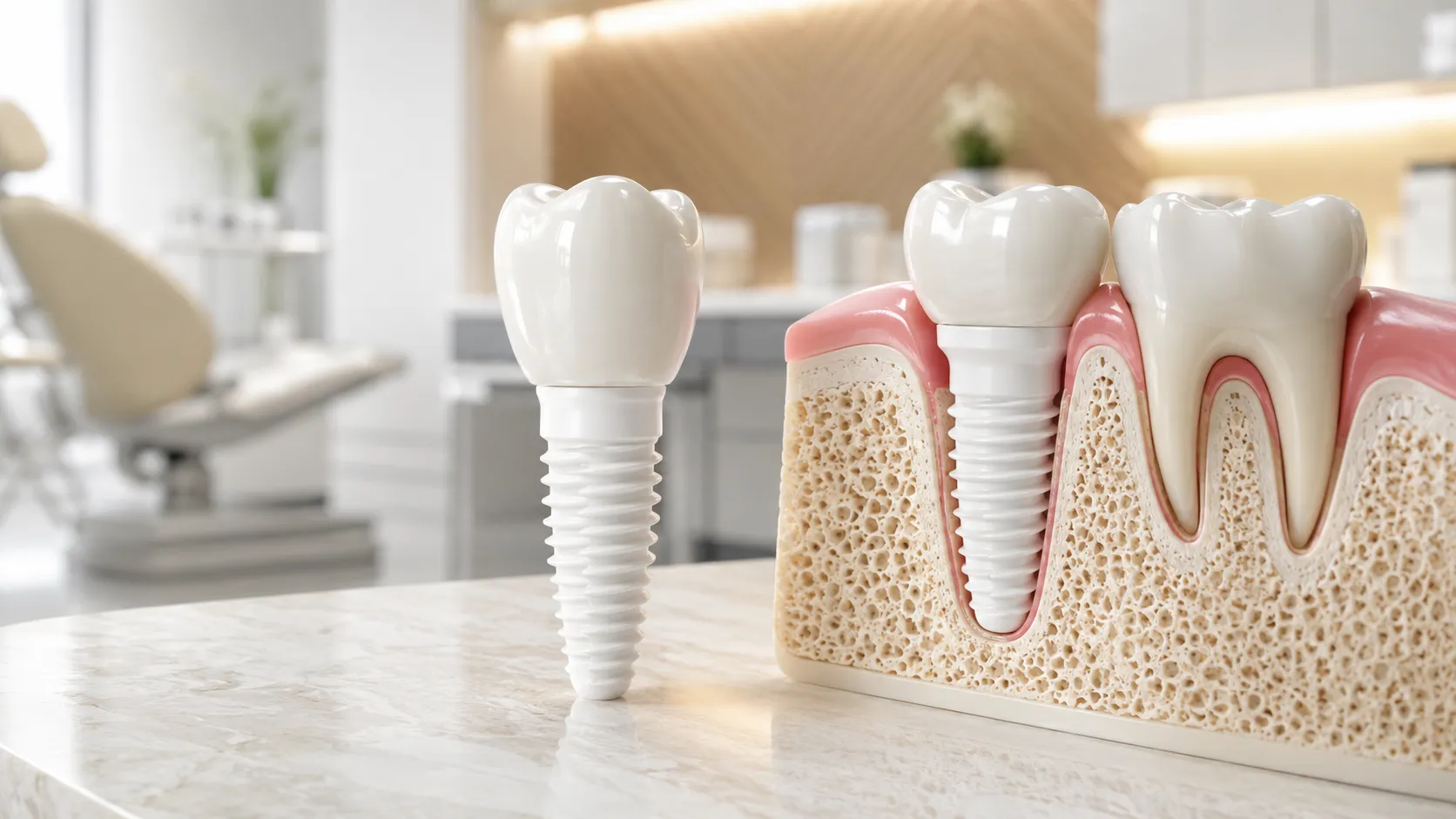
Some patients keep zirconia implants for life. Others need replacement after 10 to 20 years. No implant material guarantees permanent results. However, proper care dramatically extends longevity.
The concept of a lifetime implant appeals to many patients. Titanium implants have 30-year track records. Zirconia lacks this long history. The first modern zirconia implants appeared in the early 2000s. Researchers continue tracking these early cases. Current evidence suggests that well-maintained zirconia implants can last 15 to 20 years or longer.
Which Patients May Keep Their Implants for Decades?
Patients with excellent oral hygiene, healthy bone support, and regular dental visits keep implants longest. Non-smokers show significantly better outcomes. Patients with controlled medical conditions also fare well.
Daily brushing and flossing prevent plaque buildup. Plaque accumulation leads to peri-implant disease. This disease destroys bone and threatens implant stability. Patients who brush twice daily and clean between teeth protect their investment. Regular professional cleanings remove hardened deposits. Dentists can spot problems early during these visits.
Bone quality plays a major role. Dense bone provides better initial stability. It also supports long-term load distribution. Patients with adequate bone volume heal faster. They experience better osseointegration. Bone preservation strategies help maintain support over time.
When Might Replacement Become Necessary?
Implant fracture, severe peri-implantitis, or trauma may force replacement. Prosthetic wear also drives the need for new restorations. The implant itself rarely breaks. Modern zirconia materials resist fracture well.
Peri-implantitis poses the biggest biological threat. This inflammatory condition destroys bone around the implant. Without treatment, it causes failure. Early signs include bleeding gums and deep pockets. Patients who ignore these signs risk losing their implants. Trauma from accidents or sports injuries can crack implants. Nighttime teeth grinding also stresses the material. Occlusal forces from bruxism concentrate stress on implant components.
What Factors Influence the Lifespan of Zirconia Dental Implants?
Multiple factors shape how long zirconia implants last. Oral hygiene tops the list. Bone quality follows closely. Lifestyle choices like smoking create major risks. Medical conditions and surgical technique also matter.
Understanding these factors helps patients take control. Many risks are preventable. Others require management. Working with an experienced surgeon reduces technical risks. Following maintenance protocols protects the biological environment.
How Does Oral Hygiene Affect Implant Longevity?
Poor oral hygiene destroys implants faster than any other factor. Plaque accumulation triggers inflammation. Inflammation leads to peri-implant mucositis. Untreated mucositis progresses to peri-implantitis. This progression causes bone loss and eventual failure.
Daily brushing removes soft plaque. Patients should use a soft toothbrush. Low-abrasive toothpaste protects the ceramic surface. Interdental cleaning reaches areas brushes miss. Water flossers help patients with limited dexterity. Antibacterial mouthwash reduces bacterial loads when dentists recommend it. Professional cleanings every three to six months remove calcified deposits. Hygienists use special instruments that avoid scratching the implant surface.
Why Is Bone Quality Important?
Bone density determines initial implant stability. It also affects long-term load bearing. Dense cortical bone grips implants firmly. Cancellous bone allows faster vascularization. Both types contribute to successful healing.
Osseointegration requires direct bone-to-implant contact. This process takes three to six months. During this time, bone cells attach to the implant surface. Surface roughness and chemistry influence this attachment. Zirconia implants with modified surfaces show bone-to-implant contact values comparable to titanium. Bone preservation around implants depends on proper loading. Excessive forces cause bone resorption. Balanced occlusion distributes forces evenly.
Does Smoking Reduce Implant Lifespan?
Smoking increases implant failure risk by 140 percent. Mustapha et al. analyzed 292 publications in a 2021 systematic review. They found that smokers lost implants at more than double the rate of non-smokers. The odds ratio reached 2.402.
Smoking harms implants in multiple ways. Nicotine constricts blood vessels. This constriction reduces blood supply to healing bone. Carbon monoxide lowers oxygen delivery. Toxins in smoke impair immune function. Smokers heal slower after surgery. They also face higher peri-implantitis rates. The negative effects do not fade with time. Meta-regression analysis showed no reduction in risk over extended follow-up periods. Quitting smoking before surgery improves outcomes. Even temporary cessation helps.
Can Medical Conditions Affect Implant Longevity?
Diabetes, osteoporosis, and autoimmune disorders influence implant outcomes. Moraschini et al. reviewed diabetes impact in 2016. They found no significant difference in implant failure rates between diabetic and non-diabetic patients. However, diabetics showed greater marginal bone loss.
Osteoporosis reduces bone density. This reduction can compromise initial stability. Some studies link osteoporosis to higher early failure rates. Autoimmune disorders may affect healing. Medications for these conditions sometimes interfere with bone metabolism. Bruxism creates mechanical risks. Chrcanovic et al. studied 98 bruxers in 2017. They found an odds ratio of 2.71 for implant failure in bruxers compared to non-bruxers. Periodontal disease in remaining natural teeth also threatens implants. Bacteria from diseased teeth can colonize implant surfaces.
Does Implant Placement Technique Matter?
Surgical experience directly affects outcomes. Proper positioning ensures good bone contact. Correct angulation supports natural bite forces. Bone preparation must preserve vital structures.
Primary stability matters most during initial healing. Surgeons achieve this through precise osteotomy preparation. Under-preparation risks fracture. Over-preparation causes looseness. Prosthetic planning starts before surgery. The final crown position guides implant placement. Digital planning tools improve accuracy. Guided surgery templates transfer virtual plans to the mouth. These technologies reduce human error.
How Strong Are Zirconia Dental Implants?
Modern zirconia implants withstand normal chewing forces easily. Their flexural strength exceeds 900 megapascals. This strength rivals many metal alloys. Fracture resistance has improved dramatically with second-generation materials.
Patients worry about ceramic brittleness. Early ceramics did fracture more easily. Today's yttria-stabilized zirconia behaves differently. The material transforms under stress. This transformation toughening prevents crack propagation.
Can Zirconia Withstand Everyday Chewing Forces?
Yes, zirconia handles everyday chewing without problems. The posterior jaw generates the highest forces. Molar implants must withstand 100 to 300 newtons repeatedly. Zirconia meets these demands.
Mechanical durability depends on design. One-piece zirconia implants avoid connection failures. Two-piece designs allow angle correction. Each design has strengths. Manufacturers test implants under extreme loads before release. Clinical studies confirm real-world performance. Sadowsky reviewed zirconia in implant prosthodontics in 2020. He noted significant material improvements over earlier generations.
How Have Modern Zirconia Implants Improved?
Second-generation zirconia uses optimized grain structures. Manufacturers control particle size precisely. This control enhances mechanical performance. Improved manufacturing reduces internal flaws. Flaws act as stress concentrators. Fewer flaws mean better long-term predictability.
Surface treatments have also advanced. Acid etching and sandblasting create micro-roughness. This roughness improves bone attachment. CAD/CAM technology ensures precise dimensions. Consistent quality reduces batch variations. Digital workflows allow custom implant designs. These innovations push zirconia closer to titanium in reliability.
Are Zirconia Implants More Durable Than Titanium Implants?
Titanium implants currently show slightly higher long-term survival rates. Zirconia offers advantages in aesthetics and soft tissue response. Both materials serve patients well. The choice depends on individual needs.
Direct comparisons reveal small differences. Five-year survival rates favor titanium by 2 to 4 percent. This gap may narrow as zirconia technology improves. Zirconia shows better plaque resistance. Titanium has longer clinical history.
Which Implant Material Lasts Longer?
Titanium implants have longer track records. Some titanium cases exceed 30 years. Zirconia needs more time to prove equivalent longevity. Current medium-term data looks promising.
The following table compares key features:
Feature | Zirconia Implants | Titanium Implants |
Clinical history | 20+ years | 50+ years |
Biocompatibility | Excellent | Excellent |
Aesthetic appearance | White, tooth-colored | Gray metallic |
Plaque accumulation | Lower | Higher |
Corrosion resistance | Complete | Very high |
Mechanical strength | 900+ MPa | 500-1000 MPa |
Long-term evidence | Growing | Extensive |
Metal-free | Yes | No |
Zirconia implants show lower plaque scores in multiple studies. Bienz et al. found reduced plaque and bleeding under experimental conditions. Titanium implants show slightly more consistent marginal bone levels over very long periods. Both materials achieve successful osseointegration.
What Can Reduce the Lifespan of Zirconia Dental Implants?
Certain habits and conditions threaten implant longevity. Smoking tops the risk list. Teeth grinding creates mechanical overload. Poor oral hygiene allows disease progression. Missed dental appointments delay problem detection.
Nutrition also plays a role. Poor diets weaken immune responses. Untreated gum disease in other teeth spreads bacteria. These factors work together. One risk factor alone may not cause failure. Combined risks multiply the danger.
Which Habits Increase Implant Failure Risk?
Smoking doubles failure risk. Bruxism increases mechanical complications. Poor oral hygiene starts the disease process. Missed appointments allow silent progression. Poor nutrition slows healing. Untreated gum disease provides bacterial reservoirs.
Patients who grind their teeth at night need protection. Occlusal splints reduce stress concentration by 33 to 73 percent. These devices absorb parafunctional forces. They protect both implants and natural teeth. Alcohol consumption in excess may impair healing. Drug use affects bone metabolism. Patients should disclose all habits to their surgeon.
Can Peri-Implant Disease Affect Zirconia Implants?
Yes, peri-implant disease threatens all implant types. Peri-implant mucositis is the early stage. It involves inflammation without bone loss. Reversible treatment stops progression. Peri-implantitis involves bone destruction. It threatens implant stability.
Early diagnosis saves implants. Dentists measure pocket depths around implants. They check for bleeding on probing. Radiographs reveal bone levels. Patients should report any discomfort promptly. Prevention strategies work best. Daily cleaning and regular checkups stop disease before it starts. Treatment options include mechanical debridement, laser therapy, and antimicrobial agents.
How Can Patients Make Zirconia Dental Implants Last Longer?
Patients control most factors that determine implant lifespan. Good daily habits form the foundation. Professional maintenance provides backup. Avoiding harmful behaviors removes unnecessary risks.
The investment in zirconia implants deserves protection. Simple routines make enormous differences. Patients who commit to care enjoy decades of service. Those who neglect maintenance face earlier problems.
What Daily Care Is Recommended?
Patients should brush twice daily with a soft toothbrush. Low-abrasive toothpaste prevents surface scratching. Interdental brushes or floss clean between implants. Water flossers flush debris from hard-to-reach areas. Antibacterial mouthwash helps when dentists prescribe it.
The implant surface needs gentle treatment. Abrasive toothpaste creates microscopic scratches. These scratches trap bacteria. Soft bristles clean effectively without damage. Electric toothbrushes work well with proper technique. Patients should avoid metal picks near implants. Plastic or nylon tools protect the ceramic.
How Often Should Dental Checkups Be Scheduled?
Patients need professional examinations every three to six months. These visits include plaque removal, implant inspection, and occlusion checks. Radiographs monitor bone levels annually.
Hygienists use plastic scalers around implants. Metal instruments can scratch zirconia. Scratches increase plaque retention. Occlusion evaluation ensures balanced biting forces. Uneven forces concentrate stress. Stress concentration leads to component fatigue. Early detection of problems allows simple interventions. Waiting too long often means complex repairs.
Do Full-Mouth Zirconia Implant Restorations Last as Long?
Full-arch zirconia restorations show high survival rates. The implants themselves last similarly to single-tooth cases. The prosthetic bridge may need replacement sooner. Material choice affects prosthetic longevity.
Barootchi et al. compared zirconia and metal-acrylic full-arch prostheses in 2020. They followed patients for an average of 8.7 years. Zirconia prostheses showed 93.7 percent survival at five years. Metal-acrylic hybrids showed 83 percent survival at the same point.
What Is the Expected Lifespan of Full-Arch Zirconia Restorations?
Implants in full-arch cases often survive 10 to 15 years or longer. The zirconia bridge itself may last 10 to 20 years. Hybrid restorations combine materials. The framework lasts longer than veneering materials.
Maintenance requirements increase with restoration size. Full-arch cases have more cleaning challenges. Patients must clean under the bridge. Special floss threaders reach these areas. Water flossers prove especially helpful. Prosthetic replacement timelines vary. Some patients need new bridges after 10 years. Others use the same restoration for 20 years. Material quality and patient care drive these differences.
What Does Current Research Say About the Future of Zirconia Implants?
Research continues expanding the evidence base. Longer follow-up studies appear each year. Digital planning improves placement accuracy. New surface treatments enhance bone integration.
The future looks bright for zirconia implants. Scientists explore nanostructured surfaces. These surfaces may accelerate osseointegration. Additive manufacturing allows complex implant geometries. Custom implants match individual bone anatomy precisely.
Are Long-Term Clinical Studies Promising?
Yes, emerging data supports growing confidence. Recent systematic reviews show improving survival rates. Each new generation of zirconia performs better than the last. Survival data from 5-year studies consistently exceeds 90 percent.
Digital implant planning reduces surgical variability. Computer-guided surgery improves positioning accuracy. Better positioning leads to better load distribution. Improved load distribution preserves bone. Future research will track 15 and 20-year outcomes. These longer studies will establish zirconia as a proven long-term solution. Current trends suggest zirconia will match titanium survival rates within the next decade.
Frequently Asked Questions
How long do zirconia dental implants typically last?
Zirconia dental implants typically last 10 to 15 years. Many patients keep them for 20 years or longer. Five-year survival rates exceed 90 percent in most studies. Longevity depends heavily on patient care and bone health.
Can zirconia implants last a lifetime?
Some patients maintain zirconia implants for life. The material itself can last indefinitely. However, the surrounding bone and gums need ongoing care. No implant material offers a guaranteed lifetime. Proper maintenance gives the best chance for long-term success.
Are zirconia implants stronger than titanium?
Zirconia and titanium have comparable strength. Zirconia flexural strength exceeds 900 megapascals. Titanium offers excellent toughness. Titanium resists fracture under extreme impact. Zirconia performs better in aesthetic situations. Both materials handle normal chewing forces well.
Do zirconia implants crack easily?
Modern zirconia implants do not crack easily. Second-generation materials use transformation toughening. This mechanism stops cracks from spreading. Early ceramic implants had higher fracture rates. Today's zirconia implants rarely fracture under normal use.
What is the success rate of zirconia dental implants?
Success rates range from 87 to 94 percent at five years. Some studies report higher figures. Titanium implants show slightly higher survival rates. The gap between materials continues narrowing. Patient factors often matter more than material choice.
Are zirconia implants suitable for full-mouth restorations?
Yes, zirconia implants support full-mouth restorations effectively. Full-arch zirconia prostheses show 93.7 percent five-year survival. They work well for patients missing all teeth. The aesthetic benefits prove especially valuable in full-mouth cases.
How can I increase the lifespan of my zirconia implants?
Brush twice daily with a soft brush. Clean between implants daily. Attend dental checkups every three to six months. Quit smoking. Wear a night guard if you grind your teeth. Eat a balanced diet. Report any bleeding or discomfort immediately.
Are zirconia implants worth the investment?
Zirconia implants offer excellent value for patients seeking metal-free solutions. They provide superior aesthetics. They show high biocompatibility. They resist plaque accumulation. The initial cost runs higher than some alternatives. However, reduced complication rates balance this cost over time.
Conclusion
Current scientific evidence supports zirconia dental implants as a reliable long-term solution. Five-year survival rates consistently exceed 90 percent. Ten-year data continues accumulating. The material demonstrates excellent biocompatibility, aesthetic advantages, and promising durability.
Implant lifespan depends on multiple factors. Surgical quality sets the foundation. Patient health and habits determine long-term outcomes. Maintenance protocols protect the investment. Modern zirconia implants have overcome early limitations. Second-generation materials offer strength and predictability.
Patients should work with experienced providers. They should follow individualized care plans. Regular professional evaluations catch problems early. With proper care, zirconia implants serve patients well for decades. The future of ceramic implantology looks increasingly bright as research expands and technology advances.
References
Barootchi, Shayan, et al. "Long-term Clinical Outcomes and Cost-Effectiveness of Full-Arch Implant-Supported Zirconia-Based and Metal-Acrylic Fixed Dental Prostheses: A Retrospective Analysis." International Journal of Oral and Maxillofacial Implants, vol. 35, no. 2, 2020, pp. 395-405.
Chrcanovic, Bruno Ramos, et al. "Bruxism and Dental Implant Treatment Complications: A Retrospective Comparative Study of 98 Bruxer Patients and a Matched Group." Clinical Oral Implants Research, vol. 28, no. 7, 2017, pp. e1-e9.
Hashim, D., et al. "A Systematic Review of the Clinical Survival of Zirconia Implants." Clinical Oral Investigations, vol. 20, 2016, pp. 1403-1417.
Kohal, R., et al. "One-Piece Zirconia Oral Implants for Single-Tooth Replacement: Three-Year Results from a Long-Term Prospective Cohort Study." Journal of Clinical Periodontology, vol. 45, 2018, pp. 114-124.
Moraschini, V., et al. "The Impact of Diabetes on Dental Implant Failure: A Systematic Review and Meta-Analysis." International Journal of Oral and Maxillofacial Surgery, vol. 45, no. 10, 2016, pp. 1237-1245.
Mustapha, Abir Dunia, et al. "Smoking and Dental Implants: A Systematic Review and Meta-Analysis." Medicina, vol. 57, no. 1, 2021, p. 66.
Padhye, N. M., et al. "Survival and Success of Zirconia Compared with Titanium Implants: A Systematic Review and Meta-Analysis." Clinical Oral Investigations, vol. 27, 2023, pp. 6279-6290.
Pjetursson, B. E., et al. "A Systematic Review of the Survival and Complication Rates of Zirconia-Ceramic and Metal-Ceramic Single Crowns." Clinical Oral Implants Research, vol. 29, suppl. 16, 2018, pp. 199-214.
Roehling, S., et al. "Performance and Outcome of Zirconia Dental Implants in Clinical Studies: A Meta-Analysis." Clinical Oral Implants Research, vol. 29, suppl. 16, 2018, pp. 135-153.
Sadowsky, S. J. "Has Zirconia Made a Material Difference in Implant Prosthodontics? A Review." Dental Materials, vol. 36, 2020, pp. 1-8.