No. You cannot whiten E.max veneers with conventional teeth whitening. Once a dentist bonds these lithium disilicate restorations to your teeth, bleaching gels cannot change their intrinsic color. Patients who want a lighter shade usually need professional evaluation and possible replacement.
Many patients look in the mirror and notice their smile looks duller than before. They reach for whitening strips or booking a bleaching appointment. But if you wear E.max veneers, standard whitening will not work the way you expect. This article explains why. It also shows you what actually changes veneer appearance and what steps deliver real results.
What Are E.max Veneers Made Of?
E.max veneers are thin shells made from IPS e.max lithium disilicate glass-ceramic. This material mimics natural enamel but does not respond to peroxide bleaching.
What Is IPS e.max Lithium Disilicate?
IPS e.max is a lithium disilicate glass-ceramic. Dental laboratories press or mill this material into thin veneers that cover the front surface of teeth. Dentists choose E.max because it offers high strength and excellent aesthetics. The material contains lithium disilicate crystals suspended in a glass matrix. This structure gives the ceramic its unique optical properties.
E.max reflects light differently than natural enamel. It shows translucency, opacity, and opalescence. These traits help veneers blend with natural teeth. But they also mean E.max behaves like a solid ceramic, not like living dental tissue. Peroxide bleaching agents cannot penetrate lithium disilicate crystals the way they penetrate enamel rods and dentin tubules. Therefore, the intrinsic shade of a bonded E.max veneer stays fixed after cementation.
Why Does E.max Look Similar to Natural Teeth?
E.max veneers look natural because dental technicians control several optical variables. These include value, hue, chroma, translucency, and opacity. Value refers to brightness. Hue refers to the basic color, such as yellow, gray, or brown. Chroma refers to color intensity. Translucency allows light to pass through the veneer. Opacity blocks light.
A thin E.max veneer lets more of the underlying tooth color show through. A thicker veneer looks more opaque. Lighting conditions also change how white the veneer appears. Under warm indoor light, a veneer may look slightly yellow. Under cool LED light, the same veneer may look brighter. These optical effects are built into the ceramic. They do not change with whitening gel.
Can You Whiten E.max Veneers With Teeth Whitening?
No. Standard teeth whitening does not change the color of E.max veneers. It only affects natural tooth structure.
Why Does Teeth Whitening Work on Natural Teeth?
Teeth whitening uses hydrogen peroxide or carbamide peroxide. These agents release oxygen radicals. The radicals break down chromogenic molecules inside enamel and dentin. Chromogens are pigments that cause yellowing, browning, or graying. This process works on natural teeth because enamel and dentin contain organic compounds that react with peroxide.
Dentists classify discoloration into two types. Intrinsic discoloration comes from inside the tooth. It results from aging, trauma, medication, or developmental factors. Extrinsic discoloration sits on the surface. It comes from coffee, tea, wine, tobacco, and plaque. Peroxide bleaching primarily targets intrinsic stains by diffusing through enamel and oxidizing deep pigments.
Why Does Whitening Gel Not Change the Color of E.max?
E.max ceramic does not contain organic chromogens. It is an inorganic glass-ceramic. Peroxide molecules cannot oxidize lithium disilicate crystals. Therefore, bleaching gel has no chemical mechanism to lighten the veneer.
Some patients confuse surface stain removal with intrinsic whitening. A professional cleaning can remove coffee or tobacco deposits from the veneer surface. This makes the veneer look brighter. But the cleaning does not bleach the ceramic itself. The underlying shade remains unchanged.
Here is another risk. If you whiten your natural teeth while wearing E.max veneers, your natural teeth may become lighter than your veneers. This creates a shade mismatch. The American Dental Association warns that whitening affects natural teeth but not tooth-colored restorations (ADA). This mismatch can make the veneers look darker by comparison.
Can Hydrogen Peroxide Whiten E.max Veneers?
No. Hydrogen peroxide cannot whiten E.max veneers. Higher concentrations do not help. Longer treatment times do not help. The chemical simply does not react with lithium disilicate. Patients should not experiment with strong peroxide products hoping to lighten ceramic. This wastes money and may harm surrounding gum tissue or natural teeth.
Why Might E.max Veneers Look Yellow, Gray, or Darker?
Veneers may look darker because of changes in the underlying tooth, cement color, marginal staining, or surface dullness. The ceramic itself rarely changes color.
Can the Natural Teeth Beneath E.max Affect Their Appearance?
Yes. The tooth beneath the veneer affects what you see. A thin or highly translucent E.max veneer allows the underlying dentin color to shine through. If the natural tooth darkens over time due to aging or trauma, the veneer may appear darker. This is not a change in the ceramic. It is a change in the optical background.
Some patients develop secondary dentin after trauma or deep fillings. This darker dentin alters the light that passes through the veneer. The veneer itself remains the same shade. But the overall appearance shifts.
Can the Cement Beneath E.max Veneers Affect Their Color?
Yes. Resin cement plays a major optical role. Dentists select cement shades to influence the final appearance of thin or translucent veneers. A darker cement makes the veneer look darker. A lighter cement makes it look brighter. During the original placement, the dentist should evaluate try-in pastes under various lighting conditions. If the wrong cement shade is chosen, the veneer may look too yellow or too gray from day one.
Can Veneer Margins Become Discolored?
Yes. Staining often occurs at the margin where the veneer meets the tooth. Plaque accumulates in this micro-space. Gingival recession may expose cement or tooth structure near the edge. Coffee, tea, and tobacco can darken these margins. This discoloration is not in the ceramic body. It is at the interface. A dentist can sometimes clean or polish this area. But the margin stain must not be confused with a change in the veneer itself.
Can E.max Veneers Become Dull Over Time?
Yes. Surface wear can reduce gloss. A glazed E.max veneer has a smooth, reflective surface. Over years, abrasive toothpaste or aggressive brushing can create microscopic scratches. These scratches scatter light and make the veneer look dull or chalky. This is a loss of surface luster, not a change in intrinsic shade. Professional polishing can often restore the gloss.
What Can You Do If Your E.max Veneers Look Stained?
You can have a dentist professionally clean or polish the veneers. You can also whiten the natural teeth around them. But you cannot bleach the E.max ceramic itself.
Can Professional Cleaning Make E.max Veneers Look Whiter?
Yes. A dental hygienist can remove plaque, calculus, and extrinsic stains from the veneer surface. Air polishing or ultrasonic scaling may help at the margins. This improves surface appearance. But cleaning does not change the intrinsic ceramic shade. The dentist must first identify whether the discoloration comes from the ceramic, the cement, the margin, or the underlying tooth.
Can E.max Veneers Be Polished?
Yes. Dentists use diamond-impregnated rubber polishers or aluminum oxide pastes designed for lithium disilicate. Polishing restores surface smoothness and gloss. This makes the veneer look brighter and more vital. Patients should not use DIY abrasive products at home. Baking soda, charcoal powders, and gritty whitening toothpastes can scratch the ceramic and make it look worse.
Can Whitening the Natural Teeth Improve the Appearance of E.max Veneers?
Sometimes. If your natural teeth have darkened around the veneers, whitening those teeth can improve overall smile harmony. But this is risky if your natural teeth are already darker than the veneers. Whitening may create a reverse mismatch. The natural teeth could end up lighter than the veneers. This makes the veneers look yellow by comparison. Always seek professional assessment before whitening when veneers are present.
What If You Want Your E.max Veneers to Be Whiter?
You generally need replacement. Once bonded, E.max veneers cannot be lightened through bleaching. A dentist must remove the old veneers and fabricate new ones in a lighter shade.
Can the Shade of Existing E.max Veneers Be Changed?
No. Conventional whitening cannot alter the intrinsic shade of bonded E.max. The color is locked into the ceramic during fabrication and firing. The cement layer beneath also sets permanently. If you want a substantially lighter shade, replacement is the only reliable option. Some patients hope for surface treatments or re-glazing. These may improve gloss but not color.
When Is E.max Veneer Replacement the Best Option?
Replacement makes sense in several situations. Consider new veneers if:
The existing shade is significantly darker than your goal.
Your natural teeth have whitened and no longer match the veneers.
Visible discoloration cannot be corrected with cleaning or polishing.
Margins show deterioration or dark lines.
The veneers are chipped, cracked, or worn.
Your aesthetic expectations have changed.
A dentist will evaluate the tooth structure beneath the old veneers. In many cases, the underlying teeth remain healthy. The dentist can remove the old veneers and bond new ones with minimal additional preparation.
Can New E.max Veneers Be Made Whiter?
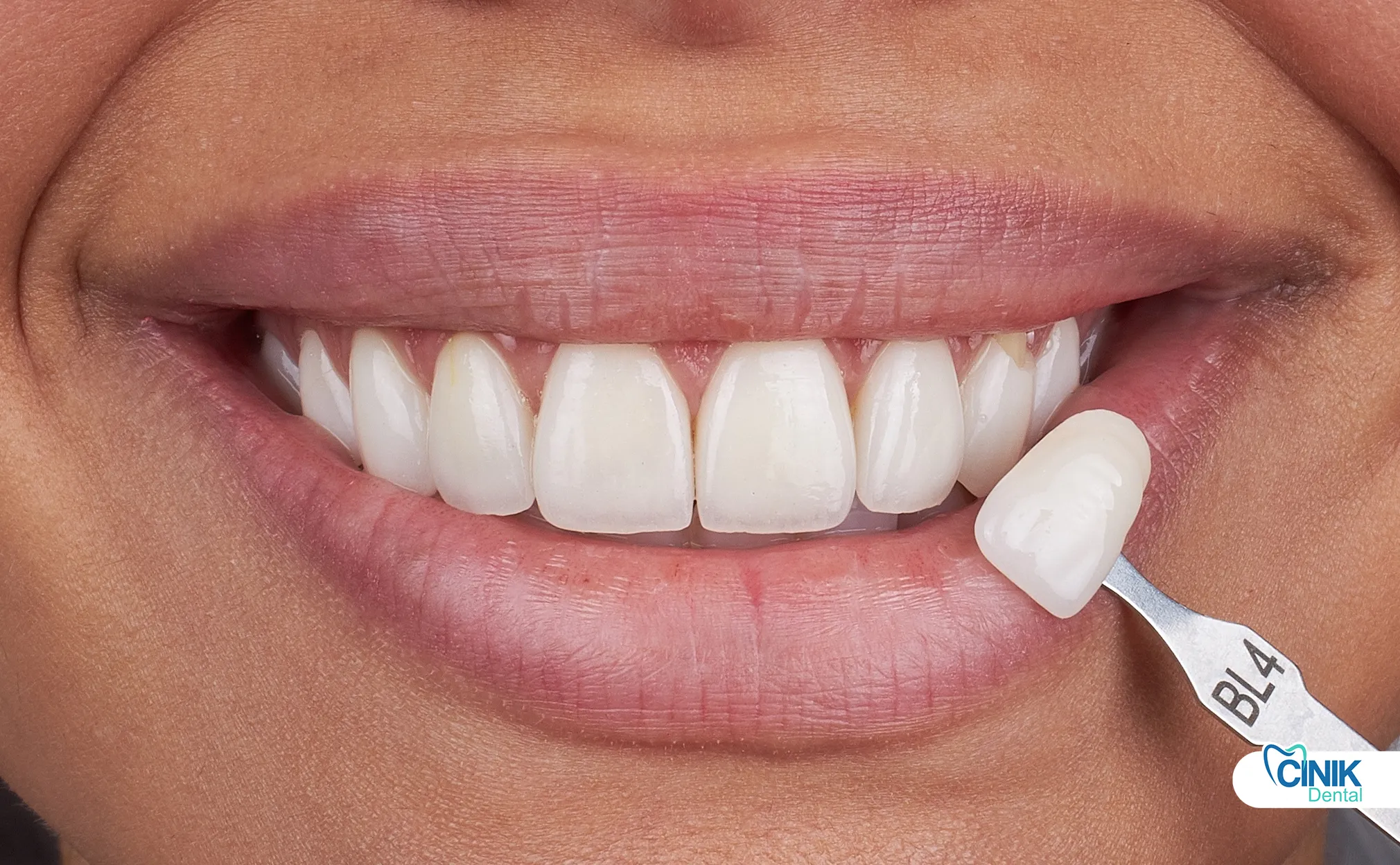
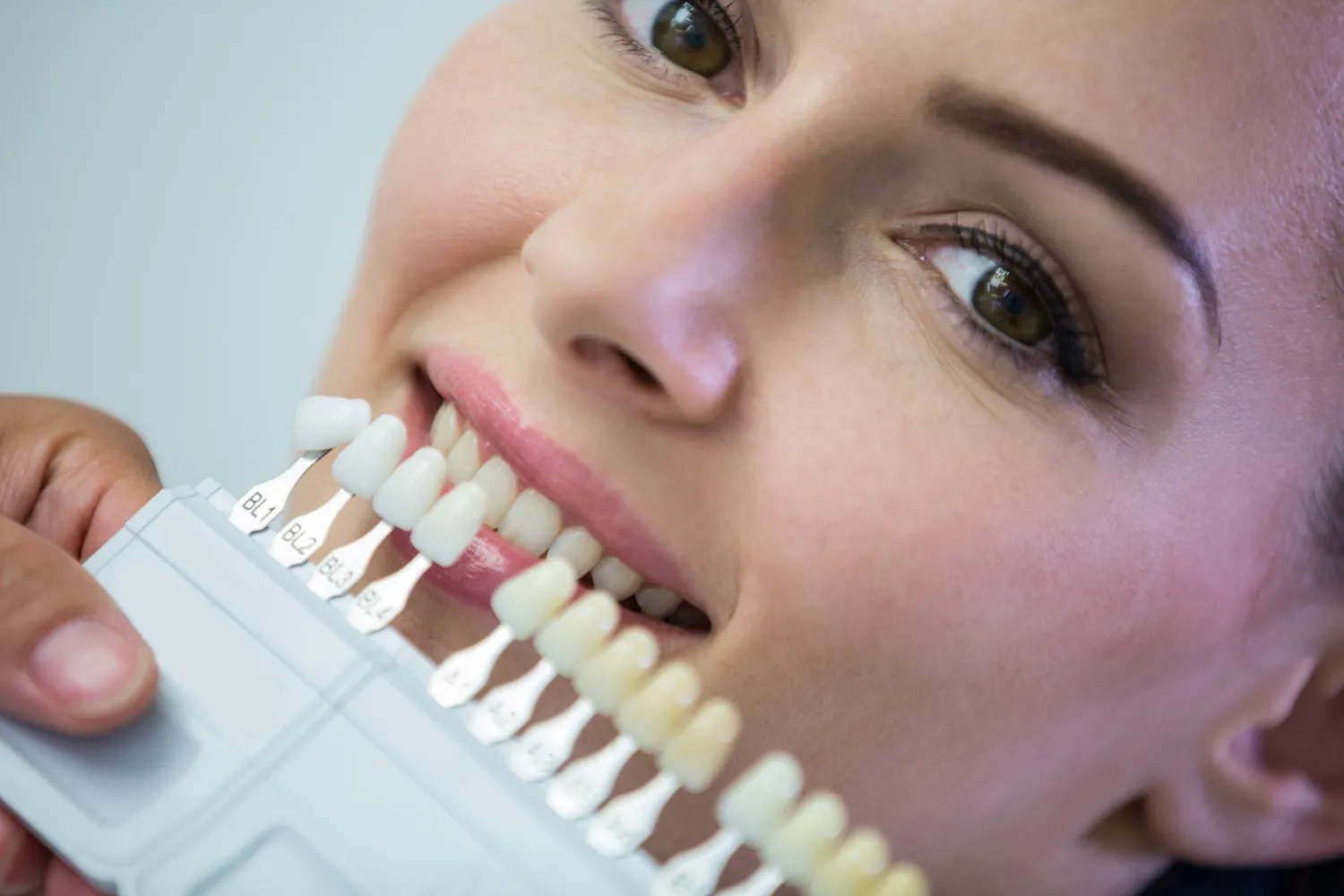
Yes. IPS e.max systems include a wide range of shades. Technicians can select from Vita Classical A-D shades or bleach shades. Bleach shades such as BL1, BL2, BL3, and BL4 offer very light, bright options. But brightness comes with trade-offs. More opaque ceramics look whiter but less natural. More translucent ceramics look lifelike but may show underlying color. Your dentist and technician must balance these variables during the design phase.
Why Is Shade Selection Important Before E.max Veneers Are Bonded?
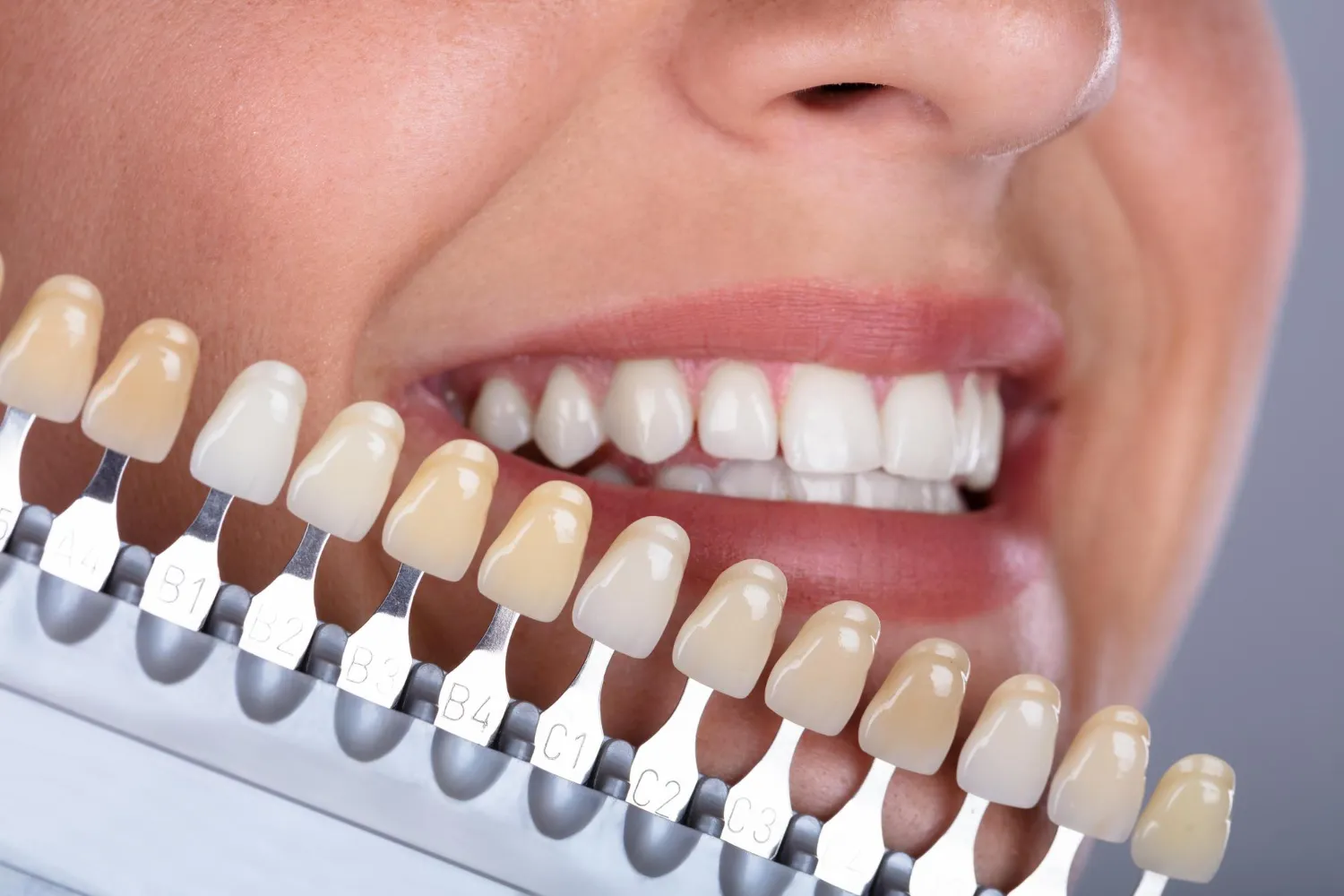
Shade selection determines your smile for years. You should whiten natural teeth first if desired, then match the veneer shade to the final tooth color.
Should You Whiten Natural Teeth Before Getting E.max Veneers?
Yes. Treatment sequencing matters. If you plan to whiten your natural teeth, do it before veneer fabrication. Wait until the color stabilizes, usually two weeks after the final whitening session. Then the dentist records the shade and sends it to the laboratory. The technician fabricates veneers that harmonize with your lightened natural teeth. If you whiten after veneer placement, you risk a mismatch that is hard to fix without replacing the veneers.
Should You See E.max Veneers Before They Are Permanently Cemented?
Yes. Try-in is essential. The dentist places the veneers with try-in paste so you can evaluate shade, brightness, translucency, shape, symmetry, and overall smile appearance. View the veneers under multiple lighting conditions. Natural daylight, office lighting, and flash photography all reveal different aspects. Take photos. Ask questions. Approve the shade before permanent bonding. Once the dentist applies resin cement and cures it, the shade is permanent.
Can You Prevent E.max Veneers From Looking Dark or Stained?
Yes. You can maintain brightness by avoiding staining habits, using non-abrasive toothpaste, and attending regular dental checkups.
Does Coffee and Tea Stain E.max Veneers?
Glazed E.max ceramic resists staining better than natural enamel. But coffee, tea, red wine, dark sauces, and tobacco can still discolor the margins and surrounding teeth. These substances do not easily penetrate the ceramic body. They accumulate at the edges and on natural teeth. Rinse with water after consuming dark beverages. This reduces deposit buildup.
Does Smoking Affect the Appearance of E.max Veneers?
Yes. Tobacco causes extrinsic staining on natural teeth and veneer margins. Tar and nicotine create yellow-brown deposits. These deposits make the whole smile look darker. Smoking also increases gum recession risk. Recession exposes cement and tooth structure near the margin. Quitting smoking protects both oral health and aesthetic results.
What Toothpaste Should You Use With E.max Veneers?
Use a non-abrasive fluoride toothpaste. Avoid gritty whitening toothpastes that contain large abrasive particles. These particles scratch the ceramic surface and reduce gloss. A smooth surface reflects light better and looks brighter. Your dentist can recommend a specific brand suited to ceramic restorations.
How Often Should You Have E.max Veneers Professionally Checked?
Visit your dentist every six months. During these visits, the dentist should examine veneer margins, gum health, surface condition, bite alignment, and natural tooth shade. Early detection of margin staining or surface wear allows conservative intervention. Waiting too long may allow problems to progress to the point where replacement becomes necessary.
What Should You Avoid If You Want Whiter E.max Veneers?
Avoid whitening strips, abrasive whitening toothpastes, strong DIY peroxide, and any product that claims to bleach ceramic.
Do Whitening Strips Whiten E.max Veneers?
No. Whitening strips target natural dental tissues. They release peroxide that penetrates enamel. E.max ceramic blocks this penetration. Using strips may lighten your natural teeth while leaving veneers unchanged. This creates an obvious mismatch. Do not use whitening strips hoping to brighten E.max.
Can Whitening Toothpaste Make E.max Veneers Whiter?
No. Whitening toothpaste cannot bleach lithium disilicate. Many whitening toothpastes rely on abrasives to scrub away surface stains. These abrasives can dull the ceramic glaze. A dull surface looks darker because it scatters light instead of reflecting it. Choose a gentle, non-abrasive paste instead.
Should You Use Strong Peroxide or DIY Whitening Methods?
No. Unsupervised high-concentration peroxide poses risks. It can burn gum tissue. It can over-bleach natural teeth. It can create severe shade mismatches. It cannot lighten E.max. Always seek professional diagnosis before attempting to correct perceived discoloration. Your dentist can identify the real cause and recommend the right solution.
How Do You Know Whether Your E.max Veneers Need Whitening, Polishing, or Replacement?
The right treatment depends on the cause of discoloration. Use this table to understand your situation.
Appearance Problem | Likely Cause | Potential Approach |
Veneers look darker than desired from day one | Original shade selection was too dark | Discuss replacement with new shade |
Natural teeth are darker than veneers | Natural tooth discoloration over time | Professional whitening of natural teeth may help |
Natural teeth became lighter than veneers | Whitening after veneer placement | Reassess overall shade harmony; replacement may be needed |
Surface looks dull or chalky | Surface deposits or loss of luster | Professional cleaning and polishing |
Dark line near the gum | Marginal staining, cement issue, or gingival recession | Dental examination and targeted cleaning or repair |
Veneer is chipped or cracked | Structural damage | Repair or replacement assessment |
Ceramic itself looks intrinsically too dark | Original ceramic shade or excessive translucency showing dark tooth | Replacement with more opaque or lighter shade |
This table matters because many patients assume the veneer itself has darkened. In reality, the cause often lies elsewhere. A proper diagnosis saves time and money.
What Is the Difference Between Whitening E.max Veneers and Whitening Natural Teeth?
Natural teeth respond to peroxide. E.max veneers do not. The two materials require completely different approaches to color change.
Feature | Natural Teeth | E.max Veneers |
Responds to peroxide bleaching | Yes | No |
Intrinsic color can be bleached | Yes | No |
Surface stains can be professionally removed | Yes | Yes, depending on surface condition |
Shade can be selected before treatment | Yes | Yes |
Can become mismatched after whitening | N/A | Yes |
Replacement required for major shade change | Usually no | Often yes |
Natural teeth contain organic pigments that oxidize during bleaching. E.max contains inorganic crystals that do not react with peroxide. Therefore, "whitening veneers" is not the same as whitening teeth. When patients say they want whiter veneers, they usually need one of three things: surface cleaning to restore brightness, natural tooth whitening to improve harmony, or veneer replacement to achieve a lighter intrinsic shade.
What Are the Most Common Questions About Whitening E.max Veneers?
Patients ask whether bonded veneers can be bleached, whether peroxide helps, and whether replacement is the only option. The answers are consistent across all these questions.
Can You Whiten E.max Veneers After They Are Bonded?
No. Bonding locks the shade in place. Bleaching gel cannot penetrate the cement layer or the ceramic body.
Can Hydrogen Peroxide Whiten E.max Veneers?
No. Hydrogen peroxide changes natural enamel but not lithium disilicate.
Can Whitening Strips Change E.max Veneer Color?
No. Strips only affect natural teeth. They may worsen shade mismatches.
Can Whitening Toothpaste Make E.max Veneers Whiter?
No. It may actually dull the surface with abrasives.
Can a Dentist Polish E.max Veneers?
Yes. Polishing restores surface gloss and improves perceived brightness.
Can You Whiten Natural Teeth With E.max Veneers?
Yes, but carefully. Whitening natural teeth can change the overall smile balance. It may create mismatches.
Why Do My E.max Veneers Look Yellow?
The underlying tooth may be yellow. The cement may be too warm in hue. Or surface deposits may create a yellow cast. A dentist can diagnose the cause.
Why Do My E.max Veneers Look Gray?
Gray tones often come from overly translucent veneers over dark dentin. They may also result from cool-hued cement or marginal shadowing.
Can E.max Veneers Be Made Whiter Without Replacing Them?
Not significantly. Cleaning and polishing help surface appearance. But intrinsic shade change requires replacement.
When Should E.max Veneers Be Replaced?
Replace them when shade mismatch is severe, margins deteriorate, structural damage occurs, or aesthetic goals change.
Should I Whiten My Teeth Before Getting E.max Veneers?
Yes. Always stabilize your natural tooth shade first. Then match the veneers to that shade.
How Can I Keep My E.max Veneers Looking Bright?
Avoid staining foods and tobacco. Use non-abrasive toothpaste. Attend regular cleanings. Protect against grinding with a night guard if needed.
What Is the Bottom Line About Whitening E.max Veneers?
Conventional teeth whitening does not bleach E.max veneers. Professional cleaning or polishing may improve surface appearance. Whitening surrounding natural teeth changes overall balance but risks mismatch. A significant change in ceramic shade generally requires replacement.
You cannot whiten E.max veneers with bleaching gel, strips, or toothpaste. The lithium disilicate glass-ceramic does not respond to peroxide. Once your dentist bonds the veneer, the intrinsic color is permanent. If your veneers look darker than you want, investigate the real cause. It may be surface deposits, margin staining, cement color, underlying tooth darkening, or simply an original shade that was too dark.
Professional cleaning and polishing can restore surface brightness. Whitening your natural teeth may improve overall smile harmony, but only if planned carefully. For a truly lighter veneer shade, you need new veneers fabricated in a brighter color. This is why shade selection, translucency choice, cement selection, and pre-cementation evaluation are so critical. Get these steps right, and your E.max veneers will look bright and natural for many years.
If you are considering E.max veneers or already wear them, consult a qualified cosmetic dentist. Clinics like Cinik Dental rank among the best dental clinics for veneer work because they emphasize precise shade matching, patient education, and thorough try-in protocols. Choosing an experienced provider reduces the risk of future shade disappointment.
References
American Dental Association. "Tooth Whitening/Bleaching: Treatment Considerations for Dentists and Their Patients." ADA Council on Scientific Affairs, 2009.
Edelhoff, Daniel, and Jan-Frederik Güth. "Proximal and Full Veneers for the Aesthetic Treatment of Anterior Teeth." International Journal of Computerized Dentistry, vol. 18, no. 3, 2015, pp. 187-198.
Fasbinder, Dennis J. "Using IPS Empress Esthetic and E.max Press for Anterior Restorations." Compendium of Continuing Education in Dentistry, vol. 28, no. 5, 2007, pp. 264-273.
Heffernan, Michael J., et al. "Relative Translucency of Six All-Ceramic Systems. Part I: Core Materials." Journal of Prosthetic Dentistry, vol. 88, no. 1, 2002, pp. 4-9.
Joiner, Andrew. "The Bleaching of Teeth: A Review of the Literature." Journal of Dentistry, vol. 34, no. 7, 2006, pp. 412-419.
Krejci, Ivo, et al. "Wear and Marginal Integrity of Porcelain Veneers Under Cyclic Loading." Journal of Prosthetic Dentistry, vol. 81, no. 2, 1999, pp. 215-220.
Peumans, Marleen, et al. "Porcelain Veneers: A Review of the Literature." Journal of Dentistry, vol. 28, no. 3, 2000, pp. 163-177.
Sulaiman, Taiseer A., et al "Optical Properties and Light Irradiance of Monolithic Zirconia at Variable Thicknesses." Dental Materials, vol. 31, no. 10, 2015, pp. 1180-1187.
Terry, Douglas A., and Markus B. Blatz. "The Evolution of Aesthetic Dentistry: Ceramic Materials and Cementation." Journal of Cosmetic Dentistry, vol. 30, no. 2, 2014, pp. 68-79.
Vichi, Alessandro, et al. "Color Related to Ceramic and Zirconia Restorations: A Review." Dental Materials, vol. 27, no. 1, 2011, pp. 97-108.