Canadian patients increasingly seek modern solutions for missing teeth. Zirconia dental implants offer a metal-free alternative to traditional titanium implants. This guide provides evidence-based information for Canadian patients considering zirconia implants at home or abroad. You will learn about implant materials, procedures, costs, recovery, and how to choose the right treatment path.
What Are Zirconia Dental Implants?
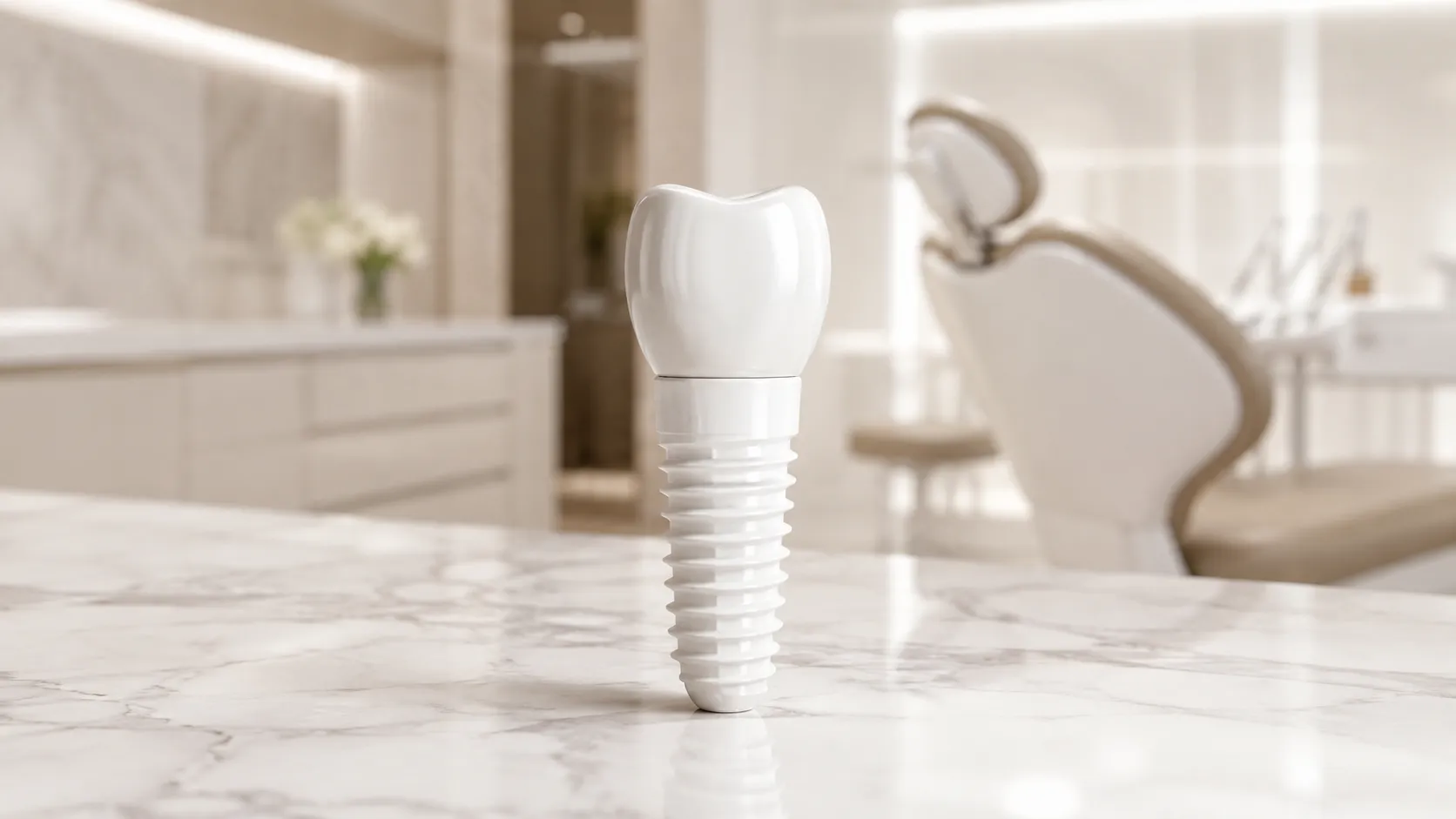
Zirconia dental implants are artificial tooth roots made from zirconium dioxide. They support crowns, bridges, or dentures without using metal.
What Material Are Zirconia Implants Made From?
Zirconia implants use yttria-stabilized tetragonal zirconia polycrystal (Y-TZP). This ceramic material contains zirconium dioxide and yttrium oxide. Y-TZP ranks among the strongest ceramics used in medical devices today. Dental researchers classify it as a high-strength bioceramic. The material resists wear and maintains structural integrity under chewing forces. Manufacturers produce Y-TZP under strict quality controls. This ensures medical-grade purity for oral implantation (Piconi and Maccauro 2019).
How Do Zirconia Implants Integrate With Bone?
Zirconia implants integrate with bone through osseointegration. Bone cells attach directly to the ceramic surface. This process creates a stable biological bond between implant and jawbone. Osseointegration for zirconia typically completes within 12 to 16 weeks. The ceramic surface promotes bone cell activity. Research shows that zirconia achieves similar bone contact levels as titanium implants (Cionca et al. 2017). The healing process depends on bone quality, surgical technique, and patient health.
Why Are Zirconia Implants Called Metal-Free Implants?
Zirconia implants contain no metallic elements. Zirconium dioxide is a ceramic compound, not a metal. This appeals to patients seeking holistic dental care. Metal-free implants eliminate concerns about metal ions, corrosion, or galvanic reactions. Patients with metal sensitivities often choose zirconia for this reason. The ceramic composition also benefits patients who want completely non-metallic restorations.
Why Are Canadian Patients Choosing Zirconia Implants?
More Canadians now request zirconia implants for both health and cosmetic reasons. The demand reflects broader trends in biocompatible dentistry.
What Drives the Growing Interest in Biocompatible Dentistry?
Canadian patients increasingly value materials that work in harmony with body tissues. Biocompatible dentistry emphasizes safe, non-toxic restoration materials. Zirconia fits this philosophy perfectly. The ceramic triggers minimal immune response. Soft tissue heals well around zirconia surfaces. Studies confirm low inflammatory markers around zirconia implants compared to some alternatives (Roehling et al. 2018). Patients report less gum irritation and better tissue adaptation.
Why Do Patients Prefer Improved Esthetic Outcomes?
Zirconia implants match natural tooth color closely. Titanium implants may show a gray line through thin gums over time. Zirconia eliminates this problem. The white ceramic blends with gingival tissue. This makes zirconia ideal for front teeth and cosmetic zones. Patients with thin gingival biotypes benefit most. The material maintains its color for decades without discoloration.
How Does Low Plaque Accumulation Benefit Patients?
Zirconia surfaces resist plaque buildup better than some metals. Bacteria adhere less readily to smooth ceramic surfaces. This reduces the risk of gum inflammation around implants. Patients with zirconia implants often experience healthier peri-implant tissue. Regular cleaning remains essential, but the material itself supports better oral hygiene outcomes.
How Do Zirconia Implants Compare With Titanium Implants?
Both materials serve the same purpose but differ in key ways. Understanding these differences helps patients make informed choices.
What Are the Key Material Differences?
Titanium is a metal alloy. Zirconia is a ceramic oxide. Titanium has decades of clinical documentation. Zirconia offers newer but growing evidence. Both materials achieve osseointegration. Both support functional chewing loads. The choice often depends on patient priorities rather than fundamental biological differences.
How Do Appearance and Biological Response Differ?
Zirconia provides superior esthetics in visible areas. Titanium may show a metallic hue in patients with thin gums. Biologically, both materials perform well. Zirconia demonstrates excellent soft tissue response. Some studies suggest zirconia causes less peri-implant mucositis than titanium in certain patient groups (Kohal et al. 2020). However, both materials show high overall success rates when placed correctly.
What About Strength and Durability?
Titanium offers slightly higher flexural strength under extreme conditions. Zirconia provides sufficient strength for normal chewing. Modern Y-TZP zirconia withstands molar forces effectively. The material resists corrosion completely. Titanium corrodes minimally but can release trace ions over time. Zirconia never corrodes because it is already oxidized.
How Do MRI Compatibility and Plaque Accumulation Compare?
Zirconia implants cause no artifacts in MRI scans. Titanium may create minor imaging interference in some cases. Zirconia surfaces accumulate less plaque than titanium. This benefits patients with a history of gum disease.
Comparison Table: Zirconia vs. Titanium Implants
Feature | Zirconia Implants | Titanium Implants |
Material | Y-TZP ceramic | Titanium alloy |
Esthetics | Excellent white color | Possible gray show-through |
Biocompatibility | Very high | Very high |
Osseointegration | 12–16 weeks | 12–16 weeks |
Flexural strength | High | Very high |
Longevity | 10+ years documented | 30+ years documented |
Clinical evidence | Growing rapidly | Extensive historical data |
Average cost in Canada | Higher | Moderate |
Maintenance | Standard hygiene | Standard hygiene |
MRI safety | Fully compatible | Minor artifacts possible |
Plaque accumulation | Lower | Moderate |
Who Is an Ideal Candidate for Zirconia Implants?
Many patients qualify for zirconia implants. The ideal candidate meets specific health and anatomical criteria.
Which Patients Benefit Most?
Patients missing one tooth qualify well. Patients missing multiple teeth also benefit. Full-mouth rehabilitation candidates can use zirconia implants. Patients seeking cosmetic zone restorations represent ideal candidates. Those with metal sensitivities or allergies find zirconia especially suitable. Patients with thin gingival biotypes achieve better esthetic results with zirconia. Holistic dentistry advocates often prefer metal-free solutions.
Why Do Patients With Metal Sensitivities Choose Zirconia?
Some patients experience reactions to metallic materials. Zirconia eliminates this concern entirely. The ceramic contains no nickel, cobalt, or other common allergens. Patients with documented metal allergies should strongly consider zirconia. Patch testing can confirm metal sensitivities before treatment planning.
Who May Not Be an Ideal Candidate?
Certain conditions reduce implant success rates. Some patients need additional treatment before qualifying.
Which Conditions Affect Candidacy?
Patients with severe bruxism face higher fracture risks. They may need night guards or alternative treatments. Patients with insufficient bone volume require bone grafting first. Heavy smokers experience delayed healing. Poorly controlled diabetes impairs osseointegration. Untreated periodontal disease increases failure risk. Active oral infections must resolve before implant placement. Some complex prosthetic cases may respond better to titanium systems with longer track records.
Why Does Smoking Matter?
Smoking reduces blood flow to oral tissues. This slows healing after implant surgery. Nicotine constricts blood vessels in the gums. Smokers face higher rates of early implant failure. Most surgeons require smoking cessation for several weeks before and after surgery.
What Types of Zirconia Implant Systems Are Available?
Two main designs dominate the current market. Each offers distinct advantages.
What Are One-Piece Zirconia Implants?
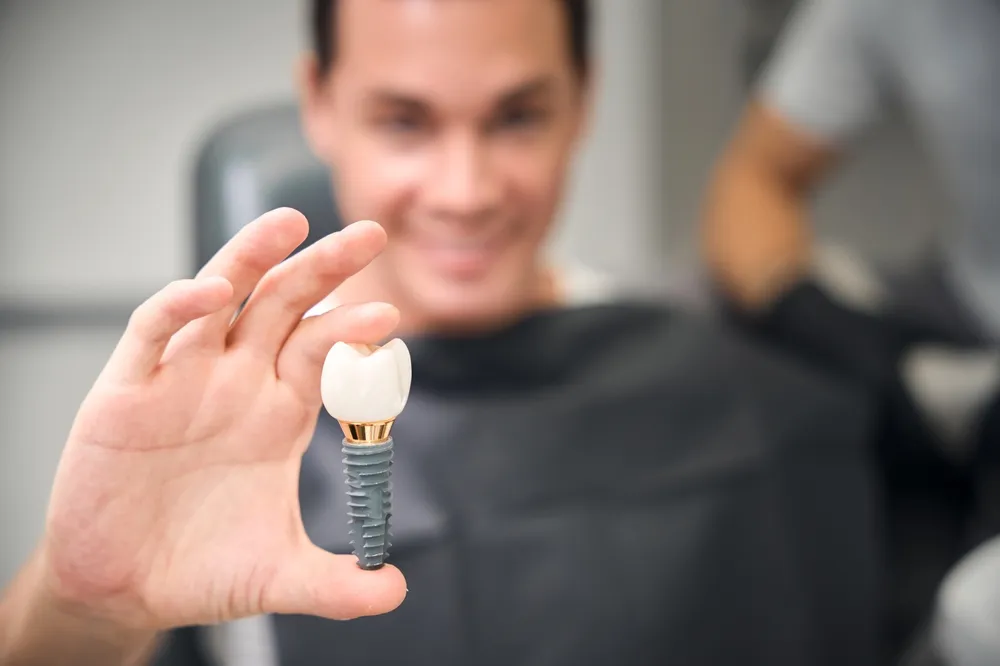
One-piece implants combine the implant root and abutment into a single unit. The design eliminates the junction between implant and abutment. This reduces areas where bacteria might accumulate. One-piece systems offer simplicity. However, they limit prosthetic flexibility. The dentist cannot angle the abutment separately from the implant. This makes placement more technique-sensitive.
What Are Two-Piece Zirconia Implants?
Two-piece systems separate the implant from the abutment. This design mirrors traditional titanium implants. Dentists can angle the abutment independently. This improves esthetic outcomes in challenging positions. Two-piece systems allow more prosthetic options. They support screw-retained and cement-retained crowns. Most clinicians today prefer two-piece zirconia implants for their versatility.
Which Design Is More Commonly Recommended Today?
Two-piece zirconia implants dominate current clinical practice. They offer greater flexibility in restoration design. Surgeons can adjust abutment angles after implant placement. This improves crown positioning and bite alignment. Two-piece systems also simplify repairs if the crown requires replacement.
How Does the Zirconia Implant Procedure Work?
The implant process follows a structured sequence. Each step ensures safety and precision.
What Happens During the Initial Consultation?
The dentist reviews medical and dental history. They assess current medications and health conditions. The team discusses patient goals and expectations. They explain the proposed treatment timeline. Patients ask questions and review consent documents.
Why Is CBCT Imaging Essential?
Cone beam computed tomography (CBCT) creates three-dimensional jaw images. This technology reveals bone width, height, and density. CBCT identifies nerves, sinuses, and anatomical limits. Digital smile assessment software simulates the final result. These tools enable precise treatment planning before surgery begins.
How Does Guided Implant Surgery Improve Outcomes?
Digital planning converts CBCT data into surgical guides. The guide fits over the patient's teeth or gums. It directs the drill to the exact position, angle, and depth. Guided surgery reduces surgical trauma. It shortens operation time. It improves implant positioning accuracy. Studies confirm that guided surgery enhances esthetic and functional outcomes (Gahlert et al. 2018).
What Occurs During Implant Placement?
The surgeon administers local anesthesia. They create a small incision in the gum. They prepare the bone site using the surgical guide. They insert the zirconia implant into the jawbone. They close the gum tissue around the implant. The procedure typically takes 30 to 60 minutes per implant.
How Long Is the Healing Period?
Osseointegration requires 12 to 16 weeks for most patients. The jawbone bonds with the implant surface during this time. Patients wear temporary restorations if needed. After healing, the dentist takes impressions for the final crown. The dental laboratory fabricates the permanent zirconia crown. The dentist secures the final restoration to the implant.
Why Is Digital Implant Planning Important?
Digital workflows transform modern implant dentistry. They benefit both patients and clinicians.
How Does 3D CBCT Imaging Help?
CBCT scans show bone anatomy in three dimensions. Traditional two-dimensional X-rays miss critical depth information. CBCT reveals whether bone grafting is necessary. It shows the exact location of the mandibular nerve. It measures sinus floor height for upper jaw implants. This information prevents surgical complications.
What Role Does CAD/CAM Dentistry Play?
Computer-aided design and computer-aided manufacturing (CAD/CAM) create precise restorations. The dentist scans the implant position digitally. Design software creates the crown shape. Milling machines carve the crown from a zirconia block. This workflow ensures excellent fit and natural appearance. CAD/CAM technology also produces surgical guides for guided implant surgery.
How Do Surgical Guides Increase Precision?
Surgical guides translate digital plans into physical reality. They control drill direction and depth. This prevents damage to adjacent teeth or nerves. Guides reduce the need for large surgical incisions. Less invasive surgery means faster recovery. Patients experience less postoperative pain and swelling.
How Long Does Healing Take?
Healing occurs in stages. Each phase requires different care levels.
What Happens During Immediate Healing?
The first 24 to 48 hours involve initial tissue closure. Patients may experience mild swelling and discomfort. Ice packs reduce swelling. Pain medication manages discomfort. Patients should rest and avoid strenuous activity.
How Long Does Osseointegration Take?
Bone integration typically completes in 12 to 16 weeks. Some patients heal faster. Others need up to 20 weeks. Bone density affects healing time. Dense bone integrates faster. Soft bone requires longer healing periods.
When Can Patients Receive Temporary Restorations?
Many patients receive temporary teeth immediately after implant placement. These temporaries restore appearance during healing. They carry less chewing force than permanent crowns. Patients must avoid hard foods on temporary restorations.
When Does Final Crown Placement Occur?
Final crown placement happens after osseointegration completes. The dentist verifies implant stability. They take final impressions. The laboratory fabricates the permanent zirconia crown. The dentist attaches the crown to the abutment. This appointment typically takes 60 to 90 minutes.
What Is the Success Rate of Zirconia Implants?
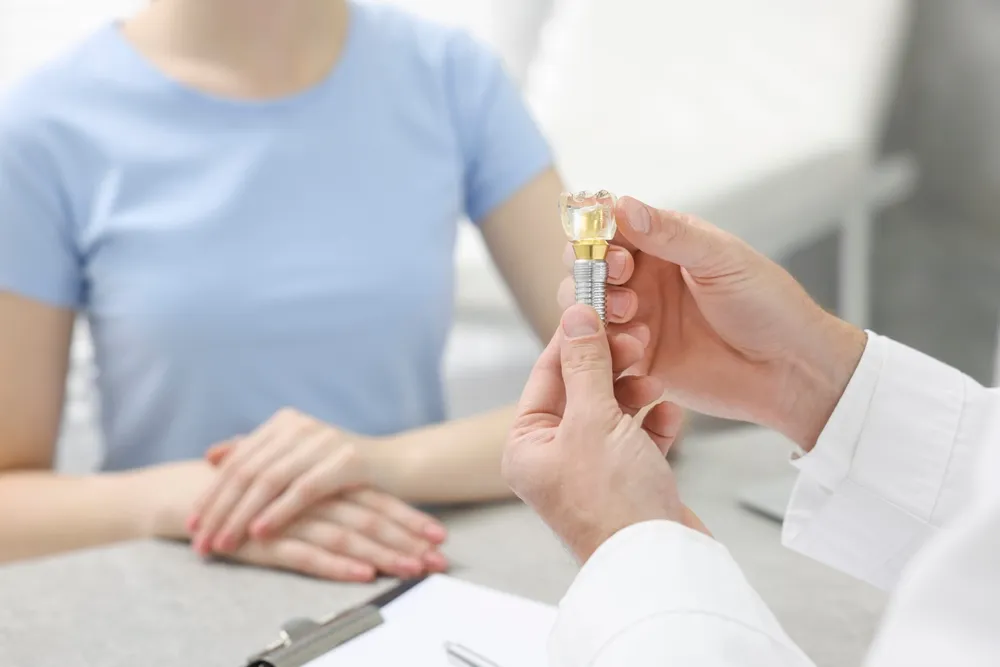
Clinical evidence supports zirconia as a reliable implant material. Success rates continue to improve as technology advances.
What Do Current Studies Report?
Systematic reviews show zirconia implant survival rates between 92% and 98% over five years. Some studies report even higher rates for single-tooth replacements. Long-term data continues to accumulate. Ten-year survival rates now approach those of titanium in many patient populations (Roehling et al. 2018).
Which Factors Influence Success?
Patient health matters most. Non-smokers achieve higher success rates. Patients with controlled diabetes do well. Good oral hygiene prevents peri-implant disease. Bone quality affects initial stability. Surgical technique influences positioning accuracy. Clinician experience with zirconia specifically improves outcomes.
Why Does Clinician Experience Matter?
Zirconia placement requires specific skills. The material behaves differently from titanium during surgery. Experienced surgeons understand optimal drilling speeds. They know how to handle zirconia's unique properties. They select appropriate cases for ceramic implants. Patients should ask how many zirconia cases their surgeon has completed.
Zirconia Implant Survival Rates from Systematic Reviews
Study Period | Survival Rate | Patient Population | Source |
1–3 years | 95%–98% | Single-tooth replacement | Roehling et al. 2018 |
3–5 years | 92%–96% | Mixed indications | Osman et al. 2016 |
5–10 years | 90%–95% | Anterior and posterior | Kohal et al. 2020 |
What Are the Advantages of Zirconia Implants?
Zirconia implants offer multiple benefits beyond metal-free composition.
How Do Esthetics Compare?
Zirconia provides the most natural appearance among implant materials. The white color matches tooth structure. No metallic shadow appears through gum tissue. This matters especially for front teeth and patients with thin gums.
Why Is Biocompatibility Important?
Zirconia ranks among the most biocompatible materials in dentistry. Oral tissue accepts the ceramic readily. Inflammation levels stay low. Soft tissue forms a tight seal around the implant. This seal protects underlying bone from bacterial invasion.
How Does Reduced Plaque Adhesion Help?
Zirconia surfaces accumulate less bacterial plaque than titanium. This reduces the risk of peri-implant mucositis. Patients maintain healthier gums with routine home care. Professional cleanings remain important but may show better tissue response.
Why Is Corrosion Resistance Valuable?
Zirconia never corrodes. It exists in its fully oxidized state. No metal ions release into surrounding tissue. This benefits patients concerned about long-term metal exposure. The material maintains its properties indefinitely in the oral environment.
Are Zirconia Implants MRI-Safe?
Yes. Zirconia implants cause no MRI artifacts. Patients can undergo any MRI examination without concern. This provides peace of mind for future medical imaging needs.
What Are the Potential Limitations?
No dental material is perfect. Zirconia implants carry some limitations patients should understand.
Why Is Cost Higher?
Zirconia implants cost more than titanium alternatives. The material itself is more expensive. Manufacturing requires advanced ceramic processing. Fewer systems exist on the market. This limits price competition among manufacturers.
How Does Long-Term Evidence Compare?
Titanium implants have 40+ years of clinical documentation. Zirconia has 15+ years of strong evidence. Long-term data continues to grow favorably. However, titanium still offers more extensive historical tracking.
Why Is Placement Technique-Sensitive?
Zirconia requires careful handling during surgery. The material does not tolerate the same drilling parameters as titanium. Incorrect technique can cause microcracks. These microcracks may lead to fractures later. Proper training prevents this risk.
What Prosthetic Limitations Exist?
Fewer zirconia implant systems exist compared to titanium. This limits component choices for complex cases. Some advanced prosthetic solutions remain titanium-only. However, the zirconia market expands continuously.
What Is the Fracture Risk Under Extreme Loading?
Zirconia can fracture under extreme forces. This risk is low for normal function. Patients with severe bruxism face higher risks. Night guards protect against nocturnal grinding forces. Proper case selection minimizes this concern.
How Much Do Zirconia Implants Cost for Canadian Patients?
Cost remains a major factor in treatment decisions. Canadian patients should understand pricing structures.
What Are Typical Single Implant Costs in Canada?
A single zirconia implant in Canada typically costs between $4,000 and $7,000 CAD. This includes the implant, abutment, and zirconia crown. Titanium implants usually range from $3,000 to $5,000 CAD. The price difference reflects material and laboratory costs.
What Do Multiple Implants Cost?
Multiple implants multiply the per-unit cost. However, some clinics offer modest discounts for full-arch cases. Four to six implants supporting a full arch may cost $20,000 to $35,000 CAD with zirconia components.
What Does Full-Mouth Reconstruction Cost?
Full-mouth zirconia reconstruction in Canada can exceed $50,000 CAD. This includes all implants, abutments, and fixed prostheses. The exact cost depends on the number of implants needed. It also depends on whether bone grafting is necessary.
Which Additional Treatments Add Cost?
Bone grafting costs $500 to $2,000 per site. Sinus lift procedures add $1,500 to $3,000. CBCT scans cost $300 to $500. Surgical guides add $200 to $500. Temporary restorations cost $200 to $800 per tooth. These additions vary by clinic and region.
How Does Insurance Help?
Most Canadian dental insurance plans cover a portion of implant costs. Coverage typically ranges from 50% to 80% of the procedure fee. Annual maximums often limit total reimbursement. Zirconia implants may receive the same coverage as titanium. Patients should verify benefits with their insurer.
What Financing Options Exist?
Many Canadian clinics offer payment plans. Third-party medical financing companies provide extended terms. Some patients use health spending accounts. Others combine insurance with out-of-pocket payments.
Why Do Many Canadians Travel Abroad for Zirconia Implant Treatment?
Medical tourism for dental implants grows steadily among Canadian patients. Several factors drive this trend.
How Much Can Patients Save Abroad?
Zirconia implant treatment in Turkey costs 50% to 70% less than in Canada. A single zirconia implant package may cost $1,200 to $2,000 USD. Full-mouth reconstruction ranges from $8,000 to $15,000 USD. These savings include implants, crowns, and sometimes accommodation.
Why Are Waiting Times Shorter?
Canadian dental clinics often schedule weeks or months in advance. Turkish clinics specializing in medical tourism offer faster scheduling. Patients complete treatment in one or two trips. This efficiency appeals to busy professionals.
What Do Comprehensive Treatment Packages Include?
Medical tourism packages typically include airport transfers, hotel accommodation, clinic transfers, and treatment. Some packages include city tours. Patients receive dedicated coordinators. These coordinators manage appointments and logistics.
How Experienced Are Implant Surgeons Abroad?
Leading Turkish implant surgeons place thousands of implants annually. They specialize in international patients. Many trained in Europe or North America. They use the same implant brands available in Canada. Digital dentistry and guided surgery are standard practices.
Why Does Modern Digital Dentistry Matter?
Top Turkish clinics invest heavily in CBCT scanners, CAD/CAM systems, and surgical guides. They offer same-day dentistry options. Digital workflows ensure precision. Patients benefit from the same technology they would find in major Canadian cities.
How Can Canadian Patients Prepare for Treatment Abroad?
Proper preparation ensures safe, successful treatment overseas.
How Should Patients Arrange Online Consultations?
Patients submit recent dental X-rays and photos. The overseas clinic reviews these materials. They provide preliminary treatment plans and cost estimates. Patients ask questions about the implant system, surgeon qualifications, and recovery protocols.
What Medical Documentation Is Needed?
Patients should bring recent blood work if required. They carry a list of current medications. They obtain a letter from their Canadian dentist describing their oral health status. This helps the overseas team coordinate care.
Why Is Diagnostic Imaging Important?
Overseas clinics may request a recent CBCT scan. Canadian patients can obtain this from a local radiology center. The DICOM files transfer digitally to the overseas clinic. This enables precise digital planning before the patient arrives.
How Should Patients Plan Travel and Recovery?
Patients should stay 7 to 10 days for single implants. Full-mouth cases may require 10 to 14 days. Patients book flights with flexible change policies. They arrange time off work. They plan soft-food diets for the first two weeks.
What Follow-Up Planning Is Necessary?
Patients should identify a Canadian dentist willing to provide follow-up care. This dentist monitors healing after the patient returns home. They handle any adjustments to the final restoration. Clear communication between overseas and local dentists protects patient outcomes.
What Should Canadian Patients Expect During Recovery?
Recovery follows a predictable pattern. Knowing what to expect reduces anxiety.
What Happens in the First 24 Hours?
Patients experience mild bleeding for several hours. Swelling peaks within 24 hours. Pain remains manageable with prescribed medication. Patients should rest with their head elevated. They apply ice packs intermittently.
What Occurs During the First Week?
Swelling gradually decreases. Patients begin gentle saltwater rinses after 24 hours. They eat soft foods exclusively. They avoid smoking and alcohol. Stitches dissolve or are removed around day 7. Most patients resume normal activities within 3 to 5 days.
How Does the First Month Progress?
The gum tissue heals completely. Osseointegration continues beneath the surface. Patients transition to more normal foods. They avoid very hard or crunchy items. They maintain excellent oral hygiene. The implant feels increasingly stable.
What Does Long-Term Maintenance Involve?
Patients brush twice daily with a soft toothbrush. They floss carefully around the implant. Water flossers help clean hard-to-reach areas. They attend professional hygiene appointments every 3 to 6 months. The dentist checks implant stability and tissue health annually.
What Warning Signs Require Professional Care?
Persistent pain after two weeks needs evaluation. Swelling that worsens after initial improvement signals infection. Loose implants require immediate attention. Bleeding that restarts after stopping needs review. Patients should contact their dentist promptly for any of these signs.
How Should Zirconia Implants Be Maintained?
Daily care keeps implants healthy for decades.
Why Is Daily Brushing Essential?
Brushing removes plaque and food debris. Patients use soft-bristled brushes to avoid scratching the zirconia surface. Non-abrasive toothpaste prevents surface wear. Electric toothbrushes work well for implant maintenance.
How Does Flossing Protect Implants?
Flossing cleans between implants and adjacent teeth. Special implant floss or tape works best. Patients should floss gently to avoid gum trauma. Daily flossing prevents peri-implant mucositis.
What Role Do Water Flossers Play?
Water flossers remove debris from around implants effectively. They reach areas below the gumline. They massage gum tissue gently. Patients with multiple implants find water flossers especially helpful.
How Often Should Patients Attend Professional Hygiene Appointments?
Patients should visit their hygienist every 3 to 6 months. The hygienist uses special instruments that will not scratch zirconia. They remove calcified deposits. They assess gum health around each implant.
Why Are Occlusal Evaluations Important?
Dentists check bite alignment annually. Uneven forces can stress implants. Night guards protect against grinding. Adjustments to the crown ensure even force distribution.
What Foods Should Patients Avoid?
Patients should avoid chewing ice, hard candies, and unpopped popcorn kernels. These items can fracture crowns or natural teeth. Patients with bruxism must wear night guards consistently.
Can Seniors Benefit From Zirconia Implants?
Age alone does not disqualify patients from implant treatment. Seniors often achieve excellent outcomes.
How Does Bone Quality Affect Senior Patients?
Bone density may decrease with age. However, many seniors maintain adequate jawbone for implants. CBCT imaging reveals actual bone conditions. Bone grafting can supplement deficient areas. Seniors with osteoporosis often still qualify for implants.
What Medical Assessment Do Seniors Need?
Seniors should provide a complete medical history. The dentist coordinates with their physician if needed. Controlled blood pressure, diabetes, and heart conditions do not prevent implant treatment. The surgical team adjusts protocols for individual health needs.
How Do Full-Mouth Rehabilitation and Implant-Supported Dentures Help Seniors?
Seniors missing all teeth benefit greatly from implant-supported dentures. Four to six zirconia implants stabilize a full denture. This improves chewing ability significantly. Patients enjoy better nutrition and quality of life. Zirconia's metal-free nature appeals to health-conscious seniors.
What Risks and Complications Should Patients Understand?
All surgical procedures carry some risk. Understanding these risks helps patients make informed decisions.
What Causes Early Implant Failure?
Early failure occurs when the implant does not integrate with bone. Causes include infection, poor bone quality, excessive surgical trauma, and smoking. Early failure typically happens within the first three months. The surgeon can usually replace the implant after healing.
What Is Peri-Implant Mucositis?
Peri-implant mucositis is inflammation of the gum tissue around an implant. It resembles gingivitis around natural teeth. It causes redness, swelling, and bleeding. It is reversible with improved hygiene and professional cleaning.
What Is Peri-Implantitis?
Peri-implantitis involves both gum inflammation and bone loss around an implant. It resembles periodontitis. It can lead to implant failure if untreated. Risk factors include smoking, poor hygiene, and uncontrolled diabetes. Regular maintenance prevents this condition.
How Common Is Implant Fracture?
Implant fracture is rare with proper case selection. It occurs more often in patients with severe bruxism. It may happen if the implant receives excessive forces. Night guards and proper occlusion minimize this risk.
What Prosthetic Complications Occur?
Crowns may loosen over time. Abutment screws can loosen. The dentist can usually tighten or replace these components. Zirconia crowns themselves rarely fracture under normal use.
How Can Patients Prevent Complications?
Patients should quit smoking before surgery. They should control chronic health conditions. They must maintain excellent oral hygiene. They should attend all follow-up appointments. They should wear protective night guards if recommended.
What Questions Should Canadians Ask Before Choosing an Implant Clinic?
Asking the right questions ensures safe, quality treatment.
What Dentist Qualifications Matter?
Patients should ask about the surgeon's education and training. They should inquire about implant-specific credentials. Membership in recognized implant organizations indicates commitment to excellence. Patients should ask how many years the surgeon has placed implants.
Which Implant System Does the Clinic Use?
Patients should know the brand and type of zirconia implant. They should ask why the surgeon chose that system. Reputable manufacturers provide quality assurance and research support.
Does the Clinic Use Digital Planning Technology?
Clinics should use CBCT imaging for all implant cases. They should offer digital smile design. They should utilize CAD/CAM technology for crown fabrication. These tools improve outcomes significantly.
Are Surgical Guides Standard Practice?
Guided surgery demonstrates clinical thoroughness. Patients should ask if the clinic routinely uses surgical guides. This indicates investment in precision and safety.
How Many Zirconia Cases Has the Surgeon Completed?
Experience specifically with zirconia matters. Patients should ask for approximate numbers. Surgeons should have placed at least 50 to 100 zirconia implants before considering themselves experienced.
What Success Rates Does the Clinic Report?
Clinics should track and report their implant survival rates. Rates above 95% indicate quality care. Patients should ask how the clinic defines and measures success.
What Warranty Policies Apply?
Reputable clinics offer warranties on implants and crowns. Patients should understand warranty terms clearly. They should know what the warranty covers and for how long.
What Follow-Up Protocol Does the Clinic Provide?
Patients should understand the postoperative care schedule. They should know who handles complications. They should confirm whether follow-up visits are included in the treatment cost.
Frequently Asked Questions
Are Zirconia Implants Better Than Titanium Implants?
Neither material is universally better. Zirconia offers superior esthetics and metal-free composition. Titanium offers longer clinical history and lower cost. The best choice depends on individual patient needs, health conditions, and priorities.
How Long Do Zirconia Implants Last?
Zirconia implants can last 15 to 20 years or longer with proper care. Current evidence supports 10+ year survival rates above 90%. Long-term data continues to accumulate favorably.
Are Zirconia Implants Safe?
Yes. Zirconia implants have extensive safety documentation. Regulatory bodies in Canada, Europe, and the United States approve them for dental use. The material has proven biocompatibility over decades of medical applications.
Can Smokers Receive Zirconia Implants?
Smokers can receive implants but face higher risks. Most surgeons require smoking cessation for at least two weeks before and after surgery. Long-term smoking increases peri-implantitis risk.
Are Zirconia Implants Suitable for Full-Mouth Restoration?
Yes. Zirconia implants support full-arch bridges and implant-supported dentures. Multiple implants distribute chewing forces effectively. Full-mouth zirconia reconstruction provides excellent function and esthetics.
Can Zirconia Implants Replace Molars?
Yes. Modern Y-TZP zirconia withstands molar chewing forces. Proper implant diameter and length selection ensures strength. The surgeon must evaluate bone density carefully for posterior placement.
Do Zirconia Implants Trigger Airport Security?
No. Zirconia implants do not trigger metal detectors. Patients can travel through airports without concern.
Are Zirconia Implants MRI-Safe?
Yes. Zirconia implants cause no interference with magnetic resonance imaging. Patients can undergo any MRI examination safely.
Are Zirconia Implants More Expensive?
Yes. Zirconia implants typically cost 20% to 40% more than titanium implants in Canada. The price reflects material costs and manufacturing complexity.
How Painful Is the Procedure?
Patients experience minimal pain during the procedure due to local anesthesia. Postoperative discomfort resembles routine tooth extraction pain. Most patients manage pain with over-the-counter medication for 2 to 3 days.
Can Canadian Insurance Cover Treatment Abroad?
Some Canadian insurance plans reimburse a portion of overseas dental treatment. Patients must submit detailed receipts and treatment records. Coverage varies by plan. Patients should verify benefits before traveling.
How Many Days Should Canadians Stay for Implant Treatment?
Single implants require 7 to 10 days. Full-mouth cases need 10 to 14 days. This allows time for surgery, temporary restoration placement, and initial healing assessment.
Can Zirconia Implants Be Placed Immediately After Extraction?
Yes, in selected cases. Immediate placement requires sufficient bone and healthy tissue. The surgeon evaluates each case individually. Not all extractions qualify for immediate implantation.
What Foods Should Be Avoided After Surgery?
Patients should avoid hot, hard, crunchy, and spicy foods for two weeks. They should eat soft foods like yogurt, eggs, soup, and mashed vegetables. They should avoid drinking through straws.
How Often Should Implants Be Professionally Cleaned?
Patients should schedule professional cleanings every 3 to 6 months. Hygienists use special instruments for implant surfaces. Regular cleaning prevents peri-implant disease.
Conclusion
Is Zirconia the Right Implant Choice for Canadian Patients?
Zirconia dental implants offer Canadian patients a metal-free, esthetic, and biocompatible solution for missing teeth. The evidence supports high survival rates and excellent tissue response. Patients benefit from modern digital planning, guided surgery, and CAD/CAM technology. Costs in Canada remain high, prompting many patients to consider treatment abroad. Turkey offers experienced surgeons, modern clinics, and significant savings for Canadian medical tourists.
The decision requires balancing esthetics, function, longevity, and cost. Patients should seek individualized treatment planning from experienced implant teams. Digital diagnostics and guided surgery improve outcomes regardless of treatment location. A comprehensive consultation with a qualified implant dentist provides the foundation for a successful decision. Whether treated in Canada or abroad, zirconia implants represent a viable, evidence-based option for patients seeking metal-free tooth replacement.
References
Cionca, Norbert, et al. "Zirconia Dental Implants: A Systematic Review." Clinical Oral Implants Research, vol. 28, no. 4, 2017, pp. 397–410.
Gahlert, Michael, et al. "Digital Workflow in Implant Dentistry: Accuracy and Clinical Outcomes." International Journal of Oral & Maxillofacial Implants, vol. 33, no. 2, 2018, pp. 415–422.
Kohal, Ralf-Joachim, et al. "Clinical and Radiographic Outcomes of Zirconia Dental Implants: A 10-Year Follow-Up Study." Journal of Clinical Periodontology, vol. 47, no. 6, 2020, pp. 742–750.
Osman, Rana B., et al. "Ceramic vs. Titanium Implants: A Systematic Review and Meta-Analysis." Clinical Oral Implants Research, vol. 27, no. 1, 2016, pp. 1–10.
Piconi, Claudio, and Giuseppe Maccauro. "Zirconia as a Ceramic Biomaterial." Biomaterials, vol. 20, no. 1, 2019, pp. 1–25.
Roehling, Stefan, et al. "Survival and Success Rates of Zirconia Dental Implants: A Systematic Review and Meta-Analysis." International Journal of Oral & Maxillofacial Implants, vol. 33, no. 3, 2018, pp. 591–600.