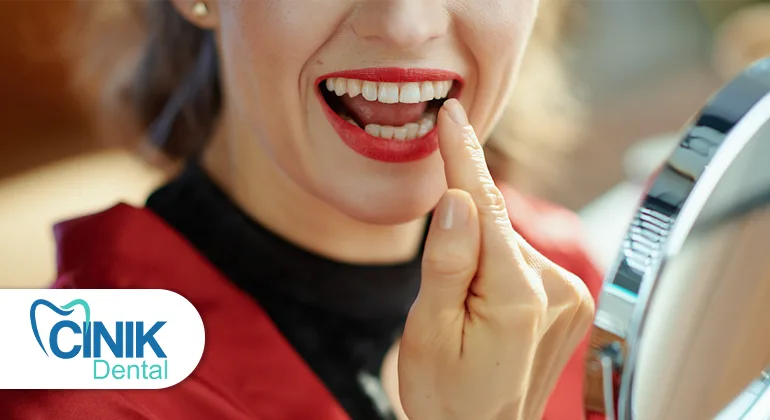
Picture this: you're lounging on a sunny terrace in a luxurious Istanbul hotel, sipping Turkish tea and thinking about an excursion after fixing that tiny chip in your tooth tomorrow. It sounds delightful, doesn't it? Well, you can make that dream come true quite like numerous people who opted for composite bonding in Turkey. Let's dive into what composite bonding is, why Turkey is a top spot for it, the costs, the procedure, eligibility, aftercare, and some FAQs!
Teeth Bonding Explained: What Is Composite Bonding?
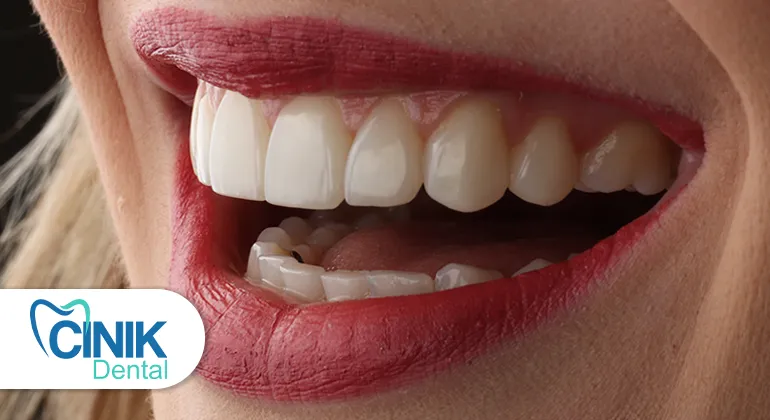
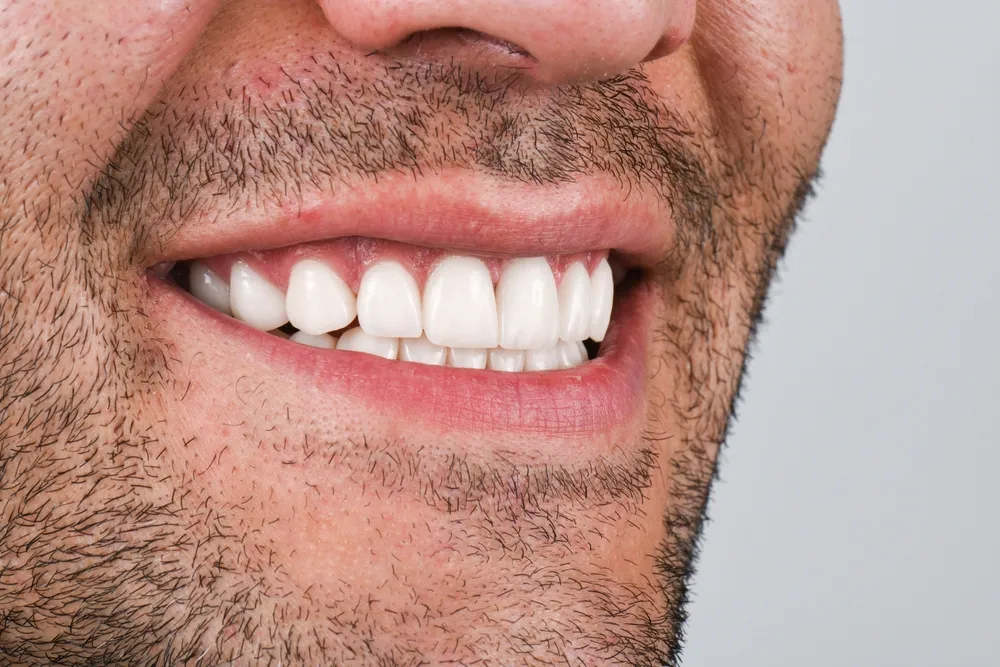
Teeth bonding, or cosmetic dental bonding, is a process where special tooth‐colored resin is applied to your teeth to improve their shape, color, and minor imperfections. Think of it as sculpting your smile using a material that blends seamlessly with your natural enamel. It’s a quick, painless procedure, ideal for fixing chips, small gaps, slight stains, or uneven edges. There are two types of teeth bonding. Direct composite bonding (the material is applied on your teeth directly) can be done in a single session. Indirect composite bonding involves lab-made pieces and might require more visits. Both methods are minimally invasive: the dentist needn’t grind down healthy enamel, unlike veneers or crowns.
Who’s a Good Candidate for Teeth Bonding in Turkey?
What’s about smile makeover eligibility? You might be a perfect teeth bonding candidate (Turkey clinics offer this service at really attractive prices) if you have:
Minor chips, cracks, or relatively small carious cavities
Discoloration that can’t be fixed with teeth whitening only
Teeth varying in size some of them are too small compared to the rest
Gaps between teeth (diastema) or slightly uneven teeth
Teeth sensitivity (including that caused by gum recession and exposed roots)
Also, you can consider dental bonding if you want a subtle smile makeover without invasive procedures. So, you want a nicer smile? You're in! Just remember that the composite bonding procedure Turkey dental offices provide won’t fix major misalignment or heavy bite issues, which might require more serious treatments.
Why Choose Turkey for Teeth Bonding?
These days, Turkey is a global hub for dental procedures like cosmetic dental bonding, including composite bonding. What’s driving this trend? Here are just a few factors:
Cost-effective treatment: Prices are a fraction of UK/US/EU rates.
Package deals: Many clinics offer treatment bundled with hotel stays, VIP transfers, and even excursions.
Modern facilities and highly qualified dentists: Many clinics in Turkey are better-equipped than those in EU and US; Turkish dentists often have international certificates and plenty of experience
Quick results: Procedures are often completed in a day or two, with no months-long waits.
It can well be said that in addition to affordable teeth bonding, Turkey offers great dental value, a mini holiday plus a new smile in one go.
A Word of Caution: Choose Wisely
It’s quite understandable that you’re excited by the pretty low composite bonding cost in Turkey, but be very careful when choosing the clinic and the dentist who you’ll entrust your teeth to. Turkey is famous for excellent dental centers, attracting lots of international patients, but beware of ‘black sheep’ among them. The press warns of so-called "Turkey Teeth" that went wrong, ill-fitting crowns, gum issues, infections, and expensive fixes later... Alas, there are bad dentists in Turkey, like everywhere else, in fact. How to avoid trouble? Do your homework and use good old common sense.
Choose reputable clinics with international accreditations (don’t hesitate to ask for them).
The rule of thumb is that the older the clinic is, the better; substandard dental treatment centers don’t live long. For example, ours can boast of 16 years in business.
Ask for a "digital smile preview" to see your future smile before treatment.
Ensure proper aftercare on return (a local dentist check recommended)
Composite Bonding Procedure in Turkey
Curious what the composite bonding procedure in Turkey looks like? If you know how dental bonding is done, Turkey clinics actually don’t differ from any other excellent dental center anywhere else. If you don’t, here is the process briefly described step-by-step:
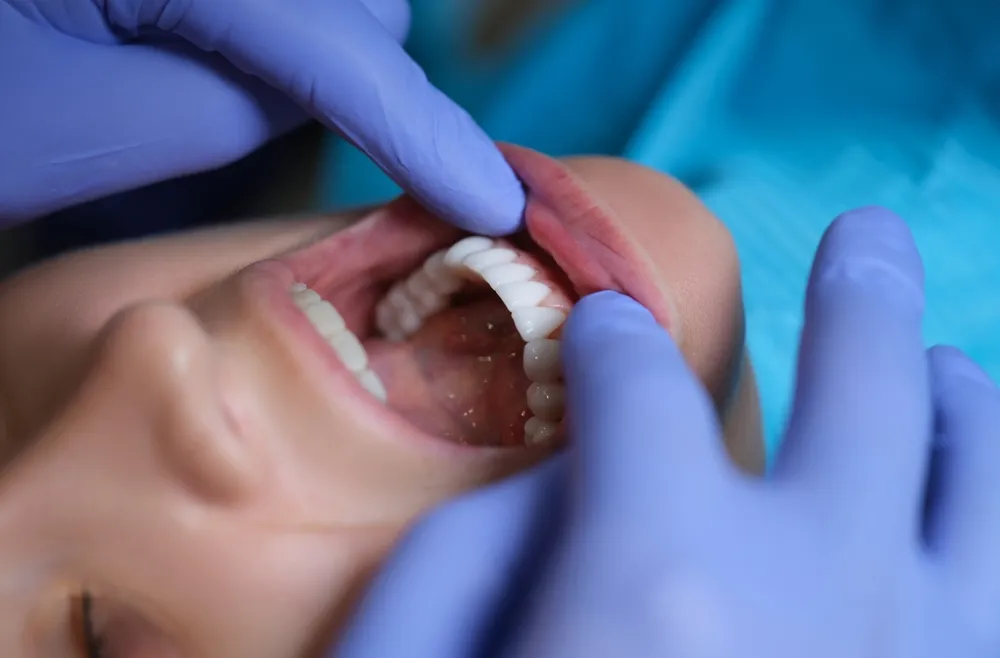
Initial Consultation & Examination: The doctor examines your teeth to ensure whether you are a good fit.
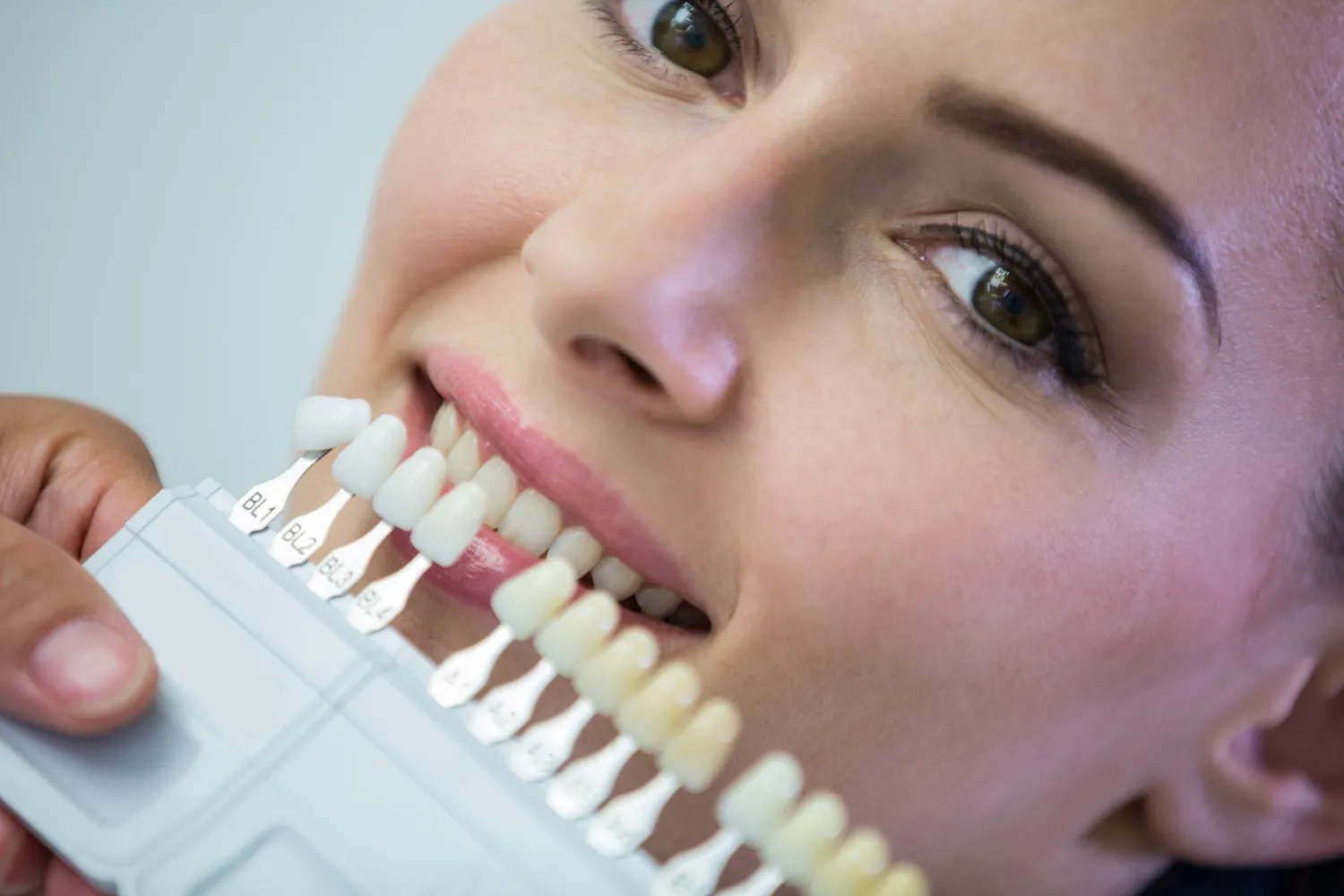
Shade Matching: The dentist selects resin that blends in color with your teeth.
Tooth Prep: Light etching or roughening of the surface is sometimes necessary to help bonding adhere.
Bonding: Resin is applied, sculpted, and shaped to perfection.
Curing: Resin is hardened with UV light; the process is fast and absolutely painless.
Polishing: Final buffing to give your new smile a natural shine.
Time estimate: Generally, it takes 30–60 minutes per tooth. Most clinics finish it in one visit, but complex cases or indirect composite bonding might require two.
Composite Bonding vs Veneers (Composite vs Porcelain Veneers in Turkey)
You may be wondering, what’s better, bonding or veneers? Let’s compare composite bonding vs. veneers in Turkey:
Feature | Composite Bonding | Porcelain Veneers |
|---|---|---|
Invasiveness | Minimal; preserves enamel | Requires enamel removal, irreversible |
Durability | 3-7 years on average; repairable | 10-15+ years |
Stain Resistance | Prone to staining (coffee, tea) | Highly stain-resistant |
Cost | $100-$250 per tooth | Typically higher |
Repairs | Easily repaired | Requires full replacement |
Aesthetic | High, but resin is less translucent | Very natural, ceramic shine |
If you’re after something quick, affordable, and minimally invasive with the option to update, composite bonding wins. But if you want longevity and luxury, porcelain veneers may be worth the investment.
Affordable Teeth Bonding in Turkey
Let’s break down the composite bonding cost Turkey dental centers offer:
Per tooth: $100-$250 (≈£80-£180/€90-€200)
Full smile (6-8 teeth): $600-$2,000
Full mouth packages (16-20 teeth): £1,150-£3,500, including hotel and transfers
Compare that to the UK or USA, where one tooth can cost $300-$600. As you see, Turkey is a serious bargain, even with travel and accommodation! What’s typically in a dental bonding package in Turkish clinics:
Initial consultation
X-rays (panoramic or 3D)
Composite resin and materials
Dentist time, shaping, curing, polishing
Local anesthesia if needed
Hotel stay (2-5 nights)
Airport-clinic transfers
Sometimes meds or mouthguards
When budgeting for composite bonding cost, Turkey centers win hands-down: they offer not only bargain prices, but also lots of pleasant extras, usually included in packages.
Preparing for Teeth Bonding in Turkey
What to do before you go:
Research clinic credentials: Look for certifications, experience, and verified reviews.
Ask about materials & techniques: shade guides and lab-made direct/indirect methods.
Understand the package: What’s covered? Transfers? Hotel? Meds?
Check travel logistics: Recommended cities: Istanbul, Antalya, İzmir. Lower tourist season = better prices.
What to bring:
Copies of dental records or photos
Comfortable clothes
Any medications you take
Small travel pillow
What to Expect Day-of
Your dentist will guide you every step, often with very little or no discomfort—think mild pressure, not needles. The process is so gentle that anesthesia is rarely needed. Treatment time is roughly 30–60 minutes per tooth. Pick your playlist and lean back. You’ll likely walk out with a new smile and maybe even snap a selfie in scenic surroundings.
Aftercare & Recovery
When it comes to teeth bonding aftercare, Turkey can offer a lot. First of all, have a good rest and enjoy time in this awesome country! When you return home, just remember some tips to make your dental bonding recovery smooth:
You can eat soft foods initially, with no real recovery time needed—yay!
Avoid staining drinks: Coffee, red wine, tea, beet juice, smoking, especially in the first 48 hours.
Practice good oral hygiene: Brush, floss, and ideally use a non-staining mouthwash
Regular dental checkups: Get polish or touch-ups every year
Avoid biting hard objects: No using teeth as bottle openers!
The Final Word: Smile with Confidence
Here’s the takeaway: composite bonding in Turkey offers a fantastic combo; it’s fast, affordable, and minimally invasive. With packages that often include travel logistics, you get the convenience of a holiday plus a smile upgrade, all without breaking the bank. Still, do your research, choose a reputable clinic, and arrange follow-up. Done well, your Turkey trip could bring you self-confidence that glows brighter than Istanbul’s sunsets, or at least a selfie everyone clicks “like” on. So, if you’re ready to get your composite bonding, Turkey dental center Cinik Dental will welcome you. It combines top-tier materials, internationally trained dentists, and all-inclusive packages, all in a welcoming, fun environment. Let’s craft your best smile yet!
FAQs
Q: How many visits will I need for composite bonding in Turkey? A: Usually, one or two. Most clinics complete the work in a single day. Q: Is composite bonding painful? A: Practically zero pain. Many patients report only mild discomfort, if any. Compared to veneers or crowns, bonding is almost non-invasive. Q: Does composite bonding stain over time? A: Yes, slightly, though good hygiene and avoiding teeth-staining foods and drinks helps hugely. Q: How long does composite bonding last? A: On average, a composite-bonded smile can last 3-7 years, and sometimes up to a decade (with very good care and regular maintenance). Q: Is composite bonding reversible? A: Yes, it is. Composite resin sits on the tooth; it can be polished off, revealing your natural enamel underneath. Just note that initial roughening of the surface may remain. So, it's reversible, with minimal long-term effects.