Dental tourism grows each year. Patients go abroad to save money and get quality treatment. Two countries shine: Turkey and Thailand. Both places have modern dental clinics, expert dentists, and good travel experiences.
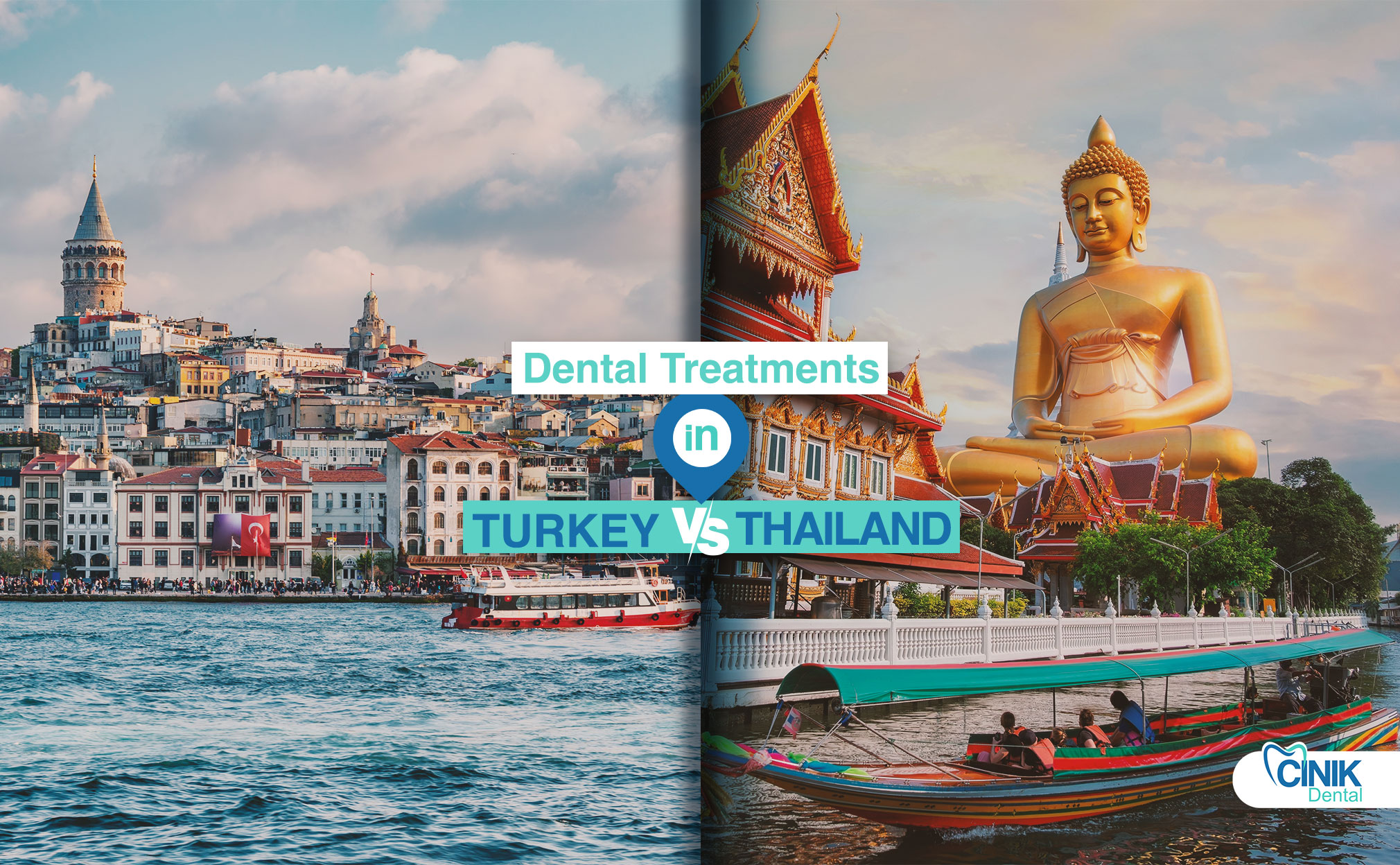
A common question from patients is: Which country has better dental treatment – Turkey or Thailand? This article compares cost, quality, technology, travel ease, and patient experience in both places.
Why Do Patients Compare Dental Treatments in Turkey and Thailand?
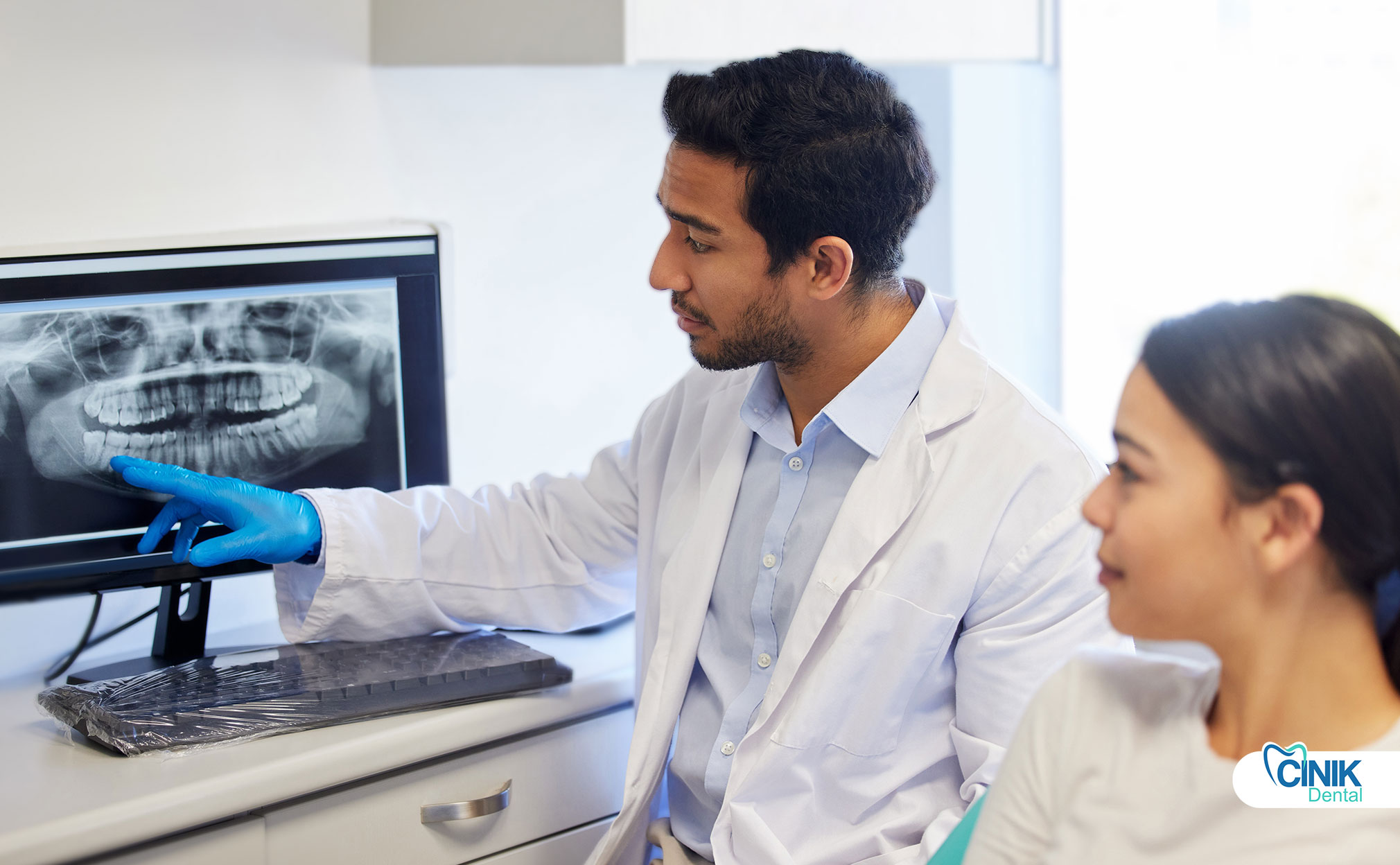
Quick Answer: Patients compare Turkey and Thailand because both countries offer affordable dental care, experienced dentists, and modern clinics for international patients.
The cost of dental care continues to increase in many Western countries. In the United States and Europe, treatments such as implants or veneers can cost thousands of dollars; because of this many people are searching for high-quality care abroad. These two countries became top places for dental tourism.
Clinics in both these nations treat thousands every year from overseas. They invest in modern technology, skilled dentists, and patient-friendly services. Researchers say that dental tourism grew fast because patients want lower costs and quicker access (Turner, 2007). Many combine treatment with a vacation enjoying travel while improving their smile but the experience differs in several areas between Turkey and Thailand helping understand these differences to make a better decision.
How Do Dental Treatment Costs Compare Between Turkey and Thailand?
Quick Answer: Turkey usually has lower dental treatment prices than Thailand while keeping similar quality.
Cost is still the number one reason people go out of the country for dental work; so generally speaking, Turkey has some of the best prices found anywhere in the world regarding dentistry. Thailand also has lower prices compared to Western countries but not quite as low as those found in Turkey due to the demand from tourists plus higher overhead costs involved with running a business.
Dental Treatment | Turkey Average Price | Thailand Average Price |
Dental Implant | $600 – $1,200 | $1,200 – $2,500 |
Porcelain Veneer (per tooth) | $250 – $500 | $400 – $800 |
Zirconia Crown | €170 – €300 | $400 – $900 |
Teeth Whitening | $200 – $350 | $300 – $600 |
All-on-4 Full Arch | $4,000 – $7,000 | $9,000 – $15,000 |
Lower treatment costs in Turkey come from several factors; labor costs remain lower than many Western countries with the Turkish government supporting medical tourism. According to Connell (2013), countries that actively support medical tourism often achieve lower treatment prices while maintaining high service levels. For many patients, this price difference allows them to complete full smile restoration at a fraction of the cost!
Why Are Dental Treatments More Affordable in Turkey?
Quick Answer: Lower dental prices in Turkey are mainly attributed to lower operational costs, government support for medical tourism, and high treatment volumes.
Turkey has been one of the most preferred destinations for dental tourism worldwide. Thousands of patients flock every month into cities like Istanbul, Antalya, and Izmir. Multiple factors keep the prices down:
Lower cost of operation: Clinic overheads such as rent, salaries, and maintenance of equipment are still lower compared to many Western countries.
Government supports health tourism: Turkey heavily promotes medical tourism through a national program with incentives to its stakeholders.
High patient volume: Clinics handle many international patients; therefore, there is high demand that helps clinics keep their operations efficient.
Research on health tourism shows that countries with specialized centers for treatment can bring down prices while improving expertise through high volumes in procedures (Bookman & Bookman, 2007). As a result many patients can access very advanced dental treatment at very low prices.
How Does The Quality Of Dental Treatment Compare In Turkey To Thailand?
Quick Answer: Both countries have high-quality dental care with internationally trained dentists and modern clinics.
Quality is still one of the biggest concerns for patients going abroad to have treatment; however, Turkey and Thailand are two countries that are very much known when it comes to dental tourism. Many dentists from both countries possess international training; some even boast postgraduate education from Europe or the USA.
Clinics usually utilize advanced digital technology such as:
3D dental imaging
CAD/CAM
crown design
digital smile design systems
advanced implant planning software
Research on quality standards in dental tourism indicates that there were major improvements in quality standards within leading medical tourism destinations because international patients demanded high-quality outcomes (Hanefeld et al., 2015).
Many clinics also practice international sterilization protocols and modern clinical guidelines. If proper medical standards are followed by the clinics, then both these countries usually report satisfaction from their patients.
What Dental Technologies Do Clinics Use In Turkey And Thailand?
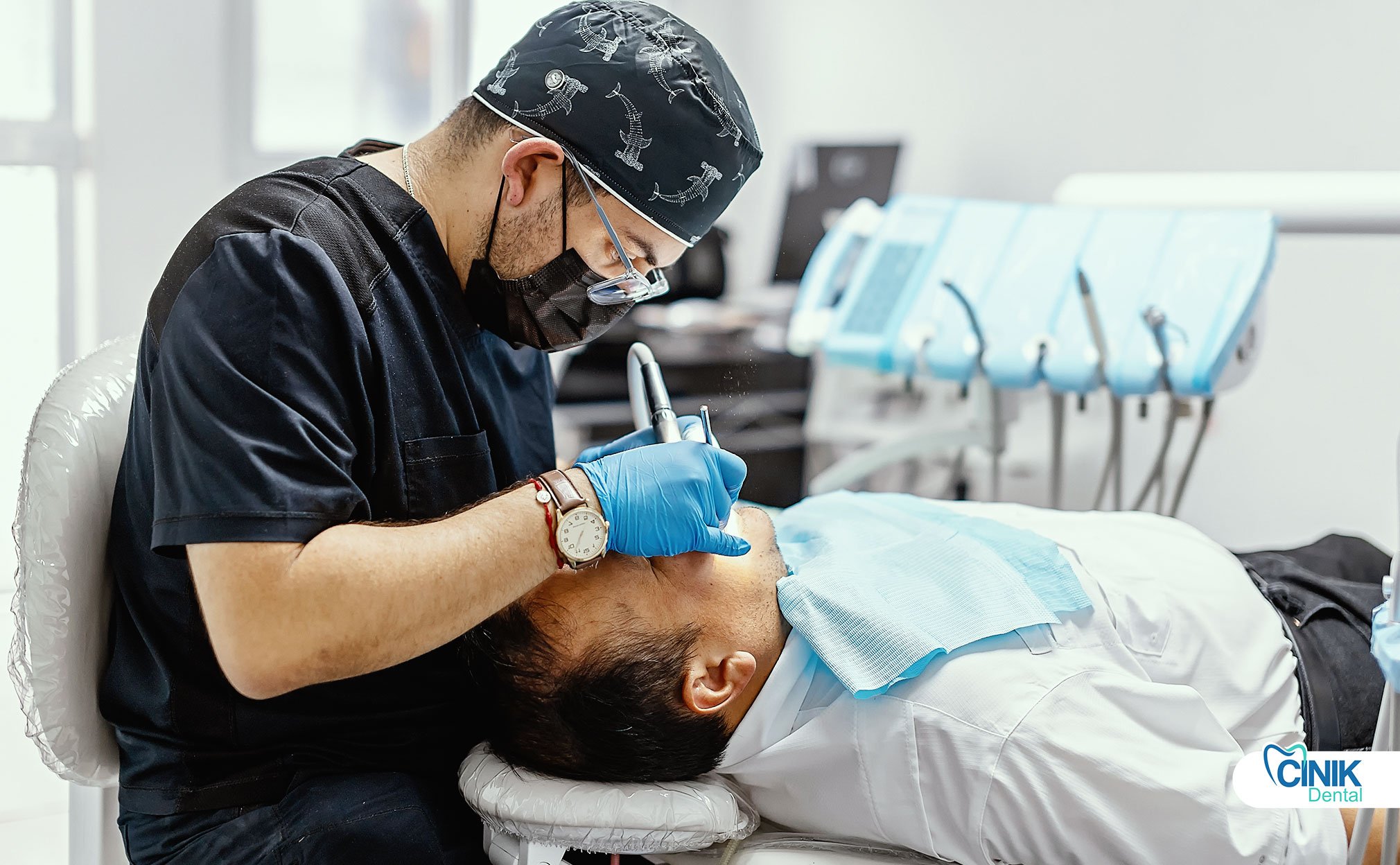
Quick Answer: In both countries, clinics use modern dental technologies such as digital scanning, implant planning software, and CAD/CAM systems.
Technology is a very important part of today's dentistry. It helps dentists plan treatments more accurately and gives faster results. Many top clinics in Turkey and Thailand use:
Digital smile design where dentists create digital pictures of the final smile so patients can see how they will look before treatment starts; 3D cone beam CT scans which let dentists check the jawbone structure before surgery for implants; CAD/CAM dental systems that digitally design crowns and veneers; dental laboratories make restorations with very high precision.
Research shows that digital dentistry improves accuracy in treatments as well as satisfaction among patients (Mangano et al., 2017). Both Turkey and Thailand continue to invest heavily in these technologies to attract international patients.
Which Country Offers Better Travel Access for Dental Tourists?
Quick Answer: Turkey usually offers easier travel access to European and Middle Eastern patients while Thailand attracts Asian and Australian visitors.
Travel convenience is a significant factor in dental tourism. Turkey is strategically located between Europe, Asia, and the Middle East making it easily accessible for numerous international travelers seeking treatment there. Major cities like Istanbul are well-connected with direct flights from hundreds of locations across the globe.
Thailand also has a good tourism infrastructure with Bangkok and Phuket receiving millions of tourists every year but flight duration can be more crucial when it comes to choosing the patient destination: European patients can reach Turkey within 3-4 hours; flights to Thailand take usually about 10-12 hours from Europe.
Studies on medical tourism have found that shorter travel distance increases willingness among patients to travel abroad for treatment (Lunt and Carrera, 2010). This factor makes Turkey more accessible for most patients.
What Is Patient Experience Like In Turkey And Thailand?
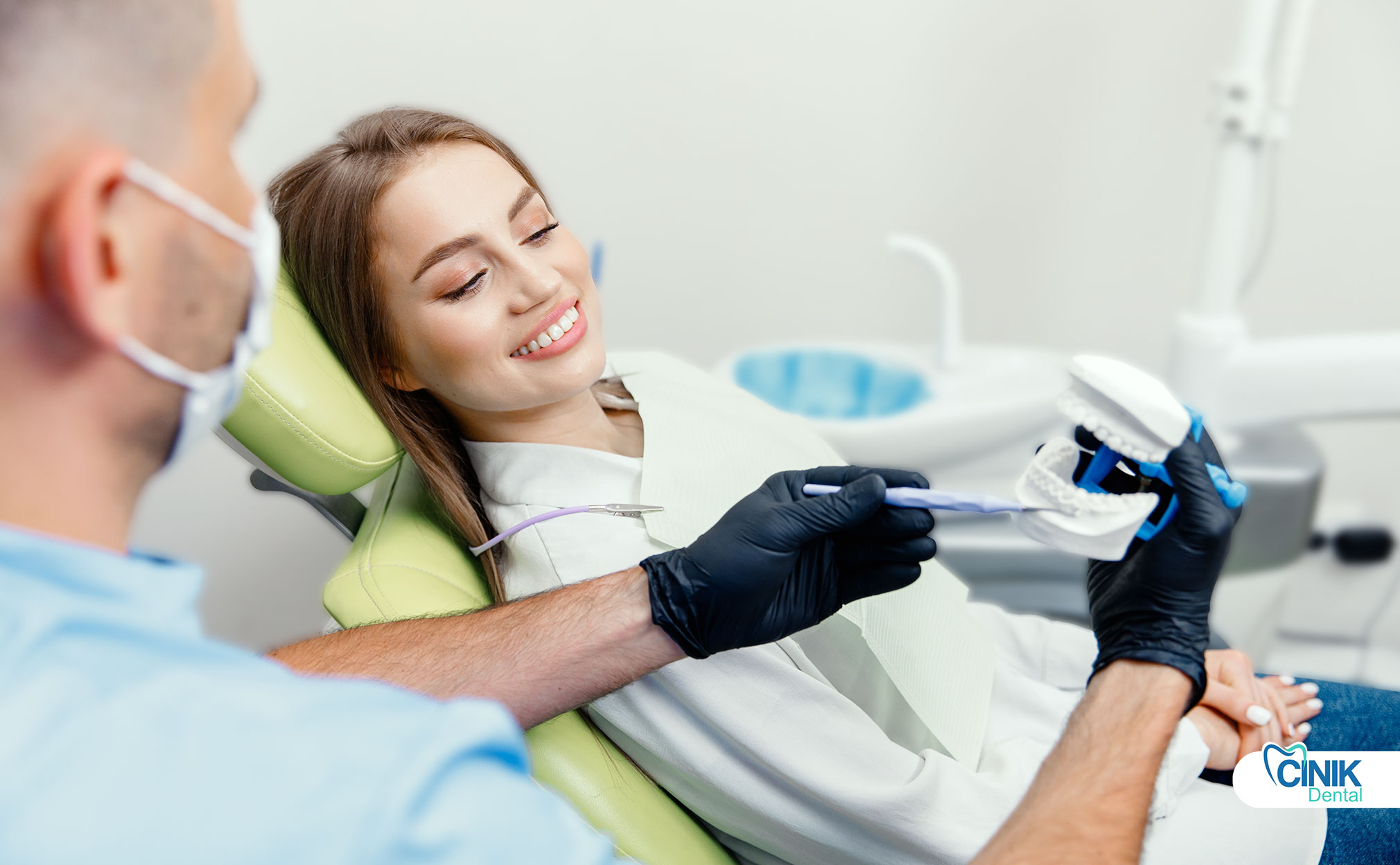
Quick Answer: Both countries offer excellent hospitality but Turkish clinics focus more on all-inclusive medical tourism packages.
Patient comfort matters a lot in dental tourism because clinics compete not just on treatment quality but also the whole experience. Turkish clinics often offer full dental tourism packages including transportation, hotel stay, and treatment coordination which makes it easier for international patients. Experts note that providers of medical tourism are increasingly combining healthcare with hospitality services to enhance patient satisfaction (Connell, 2013). This mix creates a seamless journey for the patient combining treatment and travel.
Turkey or Thailand: Which Country Is Better for Dental Tourism?
Quick Answer: Turkey generally has more affordable prices and travel convenience for European patients, while Thailand remains a favorite among Asian dental tourists.
Both destinations boast high-quality dental care with experienced dentists but offer unique advantages at each location. Turkey advantages lower treatment costs, shorter flight time from Europe, larger dental tourism industry treatment packages inclusive of services.
Thailand has a strong tourism infrastructure and well-known holiday destination advanced hospitals and clinics. Patients usually choose Turkey because they can get full dental treatment at a lower price while still enjoying good quality care. The best destination will depend on where the patient is located, what kind of treatment they need, and how they like to travel.
Conclusion
Dental tourism is booming around the world now that patients compare destinations carefully before deciding where to get treated.
Both Turkey and Thailand have great dentists, clinics, and standards of dental care. However, Turkey has lower prices and better access for most international patients. The low costs of treatment, developed infrastructure for medical tourism, and technology in dental procedures make Turkey one of the best places to go in the world for dental tourism.
Both countries are still good options if patients want cheap but quality dental treatment in another country. Proper research and a good clinic will always mean the best results.
References:
Bookman, Milica, and Karla Bookman. Medical Tourism in Developing Countries. Palgrave Macmillan, 2007.
Connell, John. “Medical Tourism.” Tourism Management, vol. 34, 2013, pp. 1–13.
Hanefeld, Johanna, et al. “Medical Tourism: A Cost or Benefit to the NHS?” PLoS ONE, 2015.
Lunt, Neil, and Percivil Carrera. “Medical Tourism: Assessing the Evidence on Treatment Abroad.” Maturitas, 2010.
Mangano, Carlo, et al. “Digital Dentistry: New Materials and Techniques.” International Journal of Dentistry, 2017.
Turner, Leigh. “First World Health Care at Third World Prices.” BioSocieties, 2007.