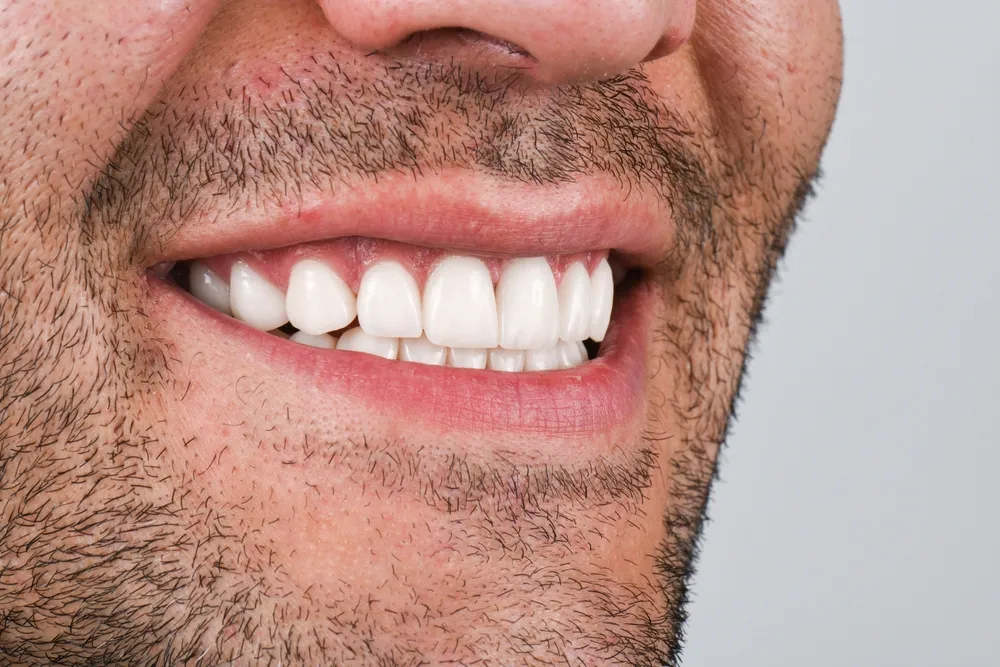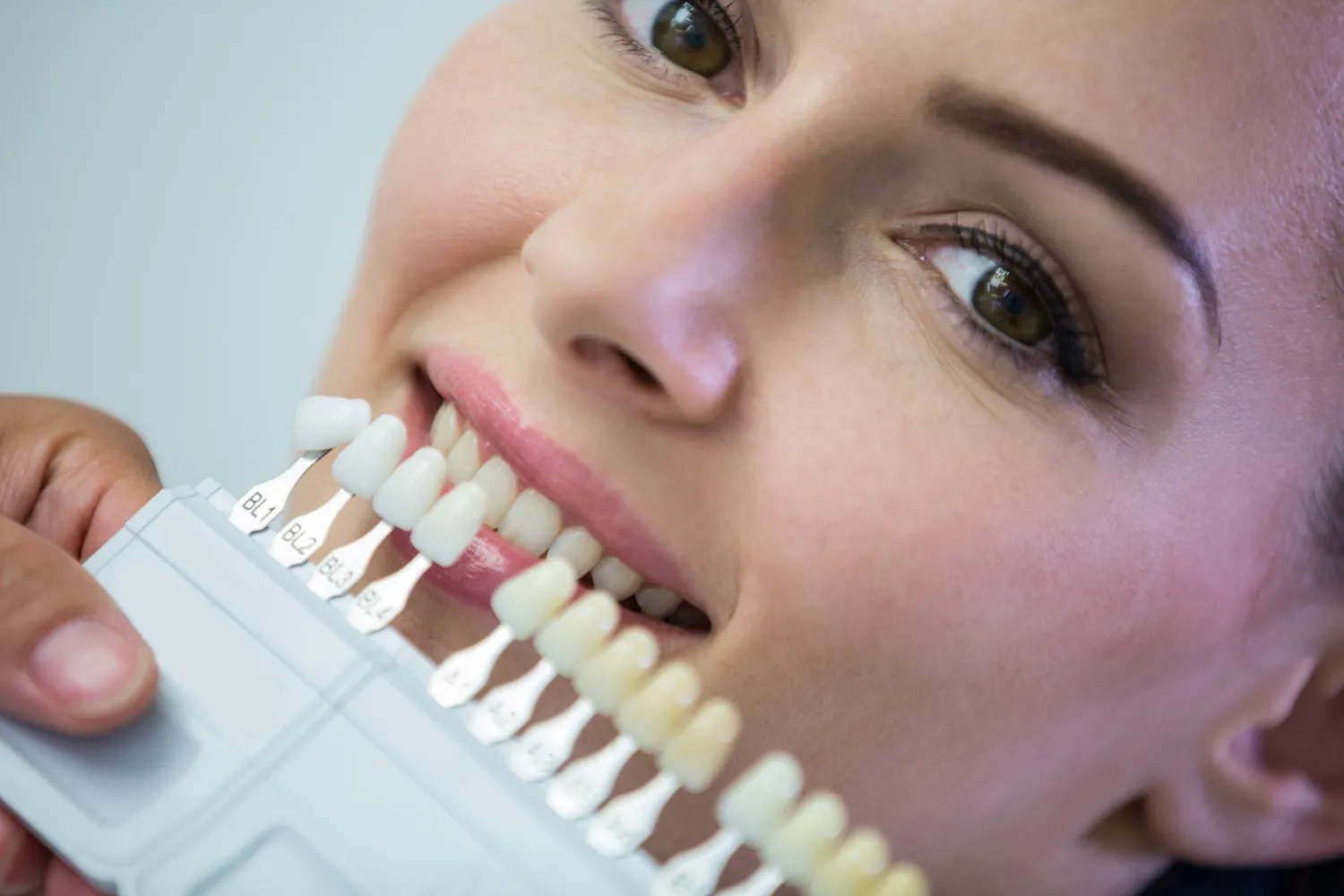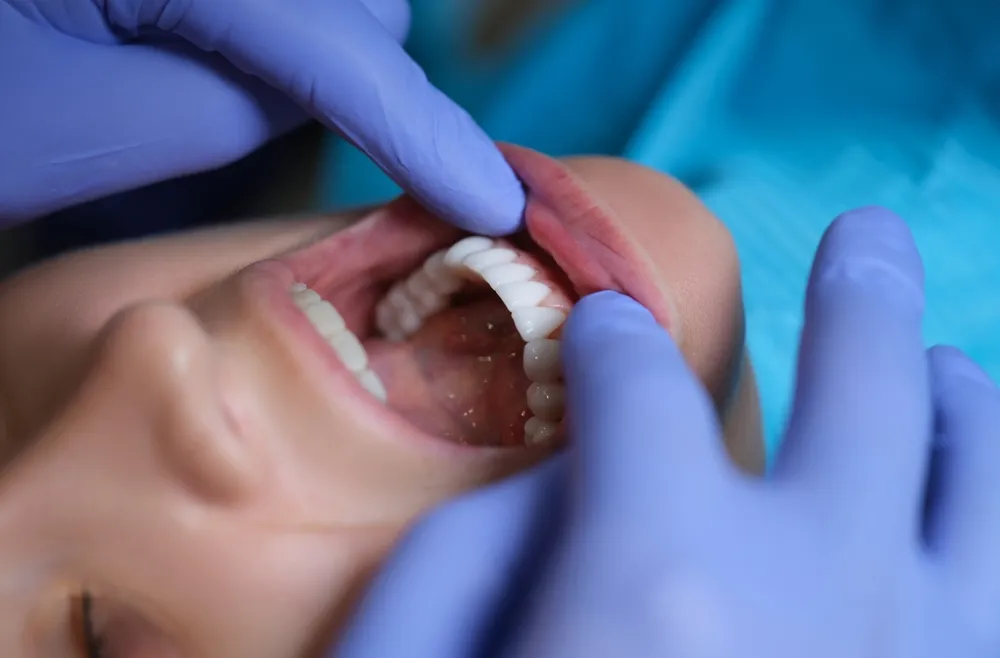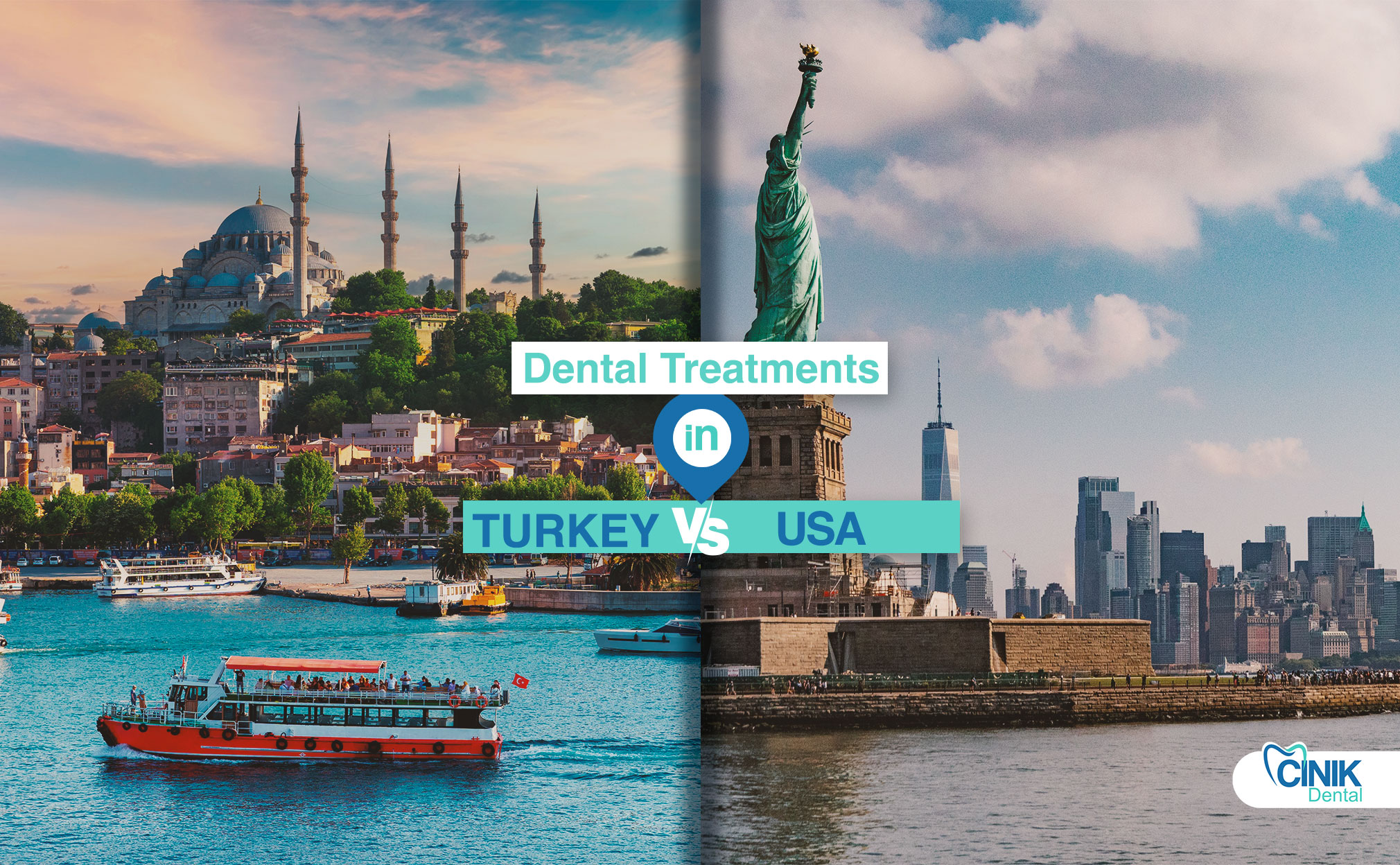
Quick Answer: Dental treatments in Turkey are usually much cheaper than in the United States. Many clinics in Turkey are equipped with the latest technology and have skilled dentists.
Patients often travel to Turkey for dental treatment because they receive high-quality care at a more affordable price. Dental health is important for both physical well-being and self-esteem. Healthy teeth help with good nutrition, clear speech, and a beautiful smile. But dental treatment can cost a lot depending on where you are.
In the United States, things like implants or veneers can often run into thousands of dollars. In Turkey, many of those same procedures can be done for much less. Because of this gap, there has been an explosion in dental tourism. Each year, thousands of international patients come to Turkey for treatments like implants, crowns, veneers, and complete smile makeovers.
Researchers have long noted the huge price disparity between countries as one of the main reasons why patients travel abroad for treatment (Turner, 2012).
Why Do Patients Compare Dental Treatments in Turkey and the USA?
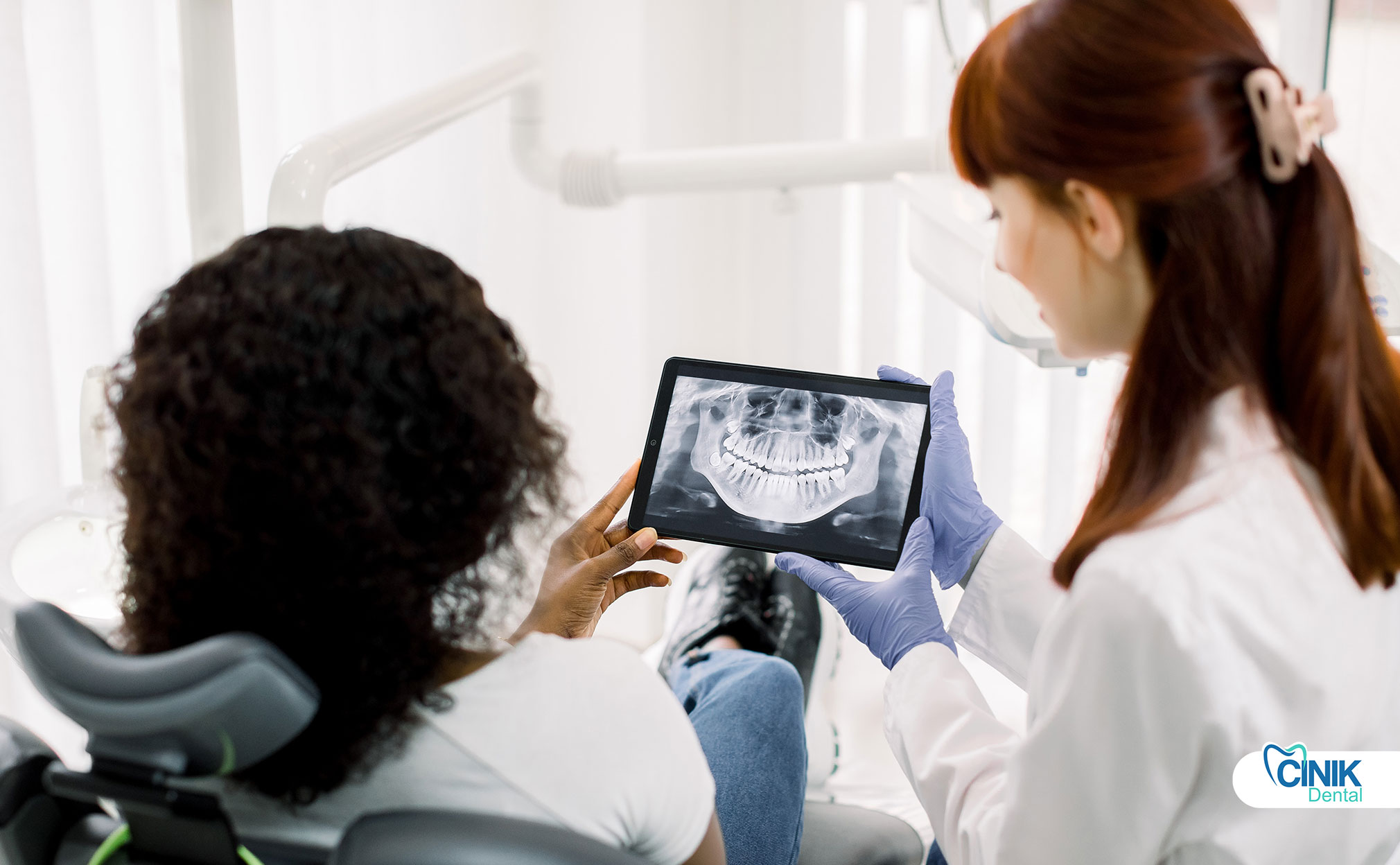
Quick Answer: Patients compare these countries because treatment costs, waiting times, and dental tourism services differ significantly.
Most people looking for dental care compare their options before choosing a clinic. The United States has advanced healthcare systems and strict medical regulations. However, dental care in the U.S. is often expensive and may not be covered fully by insurance policies.
Turkey has become one of the top destinations for dental tourism; clinics invest heavily in modern technology and services for international patients while cities such as Istanbul and Antalya receive thousands of tourists seeking dental work every year. Patients frequently compare these two countries due to various factors:
Significant cost differences
Availability of cosmetic dental treatments
Waiting times for procedures
Access to modern dental technology
Travel opportunities combined with healthcare
Researchers who study medical tourism indicate that many patients go abroad to find cheaper healthcare options while maintaining quality standards (Connell, 2013).
How Much Do Dental Treatments Cost in Turkey vs USA?
Quick Answer: Dental treatments cost 60–80% less in Turkey compared to similar procedures performed in the United States.
One of the major differences between these two countries is cost. The high clinic overheads, lab fees, and insurance costs involved with dental treatments in the United States make them very expensive. In Turkey, overheads are much lower; hence clinics can provide their services at more affordable prices due to low running costs per unit treatment carried out by dentists working there. For most international patients, it is about price that becomes the deciding factor since what would otherwise mean spending thousands of dollars on a procedure back home could be done at a fraction of that price here.
Treatment | Turkey Average Price | USA Average Price |
Dental Implant | $600 – $1,200 | $3,000 – $5,000 |
Porcelain Veneer (per tooth) | $250 – $500 | $900 – $2,500 |
Zirconia Crown | €170 – €300 | $1,000 – $3,000 |
Teeth Whitening | €200 – €350 | $600 – $1,500 |
All-on-4 Full Arch | $4,000 – $7,000 | $20,000 – $30,000 |
Even when patients add travel expenses the total cost is often much lower than treatment in the United States. Studies on healthcare travel show that cost savings are one of the strongest motivations for medical tourists (Hanefeld et al., 2015).
Why Are Dental Treatments Cheaper in Turkey?
Quick Answer: Lower operating costs, favorable currency exchange rates, and strong dental tourism infrastructure reduce treatment prices.
Many patients ask why dental procedures cost less in Turkey. This difference usually comes from economic factors rather than differences in technology. Lower operating costs, clinic rent, staff salaries, and laboratory costs are lower in Turkey compared to the United States. These low expenses mean that dentists can provide treatment at competitive prices.
Currency exchange advantage: International patients pay often with euros or U.S. dollars; currency exchange rates make treatments cheaper for foreign visitors.
High treatment volume: Many Turkish clinics treat a large number of international patients each year; this high patient volume lets the clinics keep up an efficient operation so they can lower treatment costs even more.
Medical tourism support: Turkey has put a lot of money into building up its medical tourism infrastructure; as such many clinics offer services specifically meant for international patients.
Researchers who study global healthcare travel have said that Turkey is one of the fastest-growing destinations for medical tourism (Bookman and Bookman, 2007).
Is the Quality of Dental Treatment Similar in Turkey and the USA?
Quick Answer: Many Turkish clinics use exactly the same technology materials techniques as those found in American dental clinics today.
Modern dentistry relies heavily on modern technology and accurate treatment planning to achieve its results so it would not be surprising if both countries had similar technologies being used by their respective dental practices. Some examples of technologies being used by dental clinics based out of Turkey are as follows:
Digital smile design
3D dental imaging
CAD/CAM crowns
Computer-guided implant surgery
All these advancements allow dentists to plan suitable treatments digitally before they even start working physically – ensuring an accurate fit with natural aesthetics afterward. Of course experience counts too; there are many dentists operating out of Turkey who carry out a very high number of procedures each year which adds practical experience gained over time – thus improving overall results further.
High volumes do help practitioners improve their skills over time (Turner, 2012). Quality does vary from one clinic to another though; do check out the dentist’s experience reviews from past patients plus clinic certifications before deciding.
Which Dental Procedures Are Most Popular In Turkey?
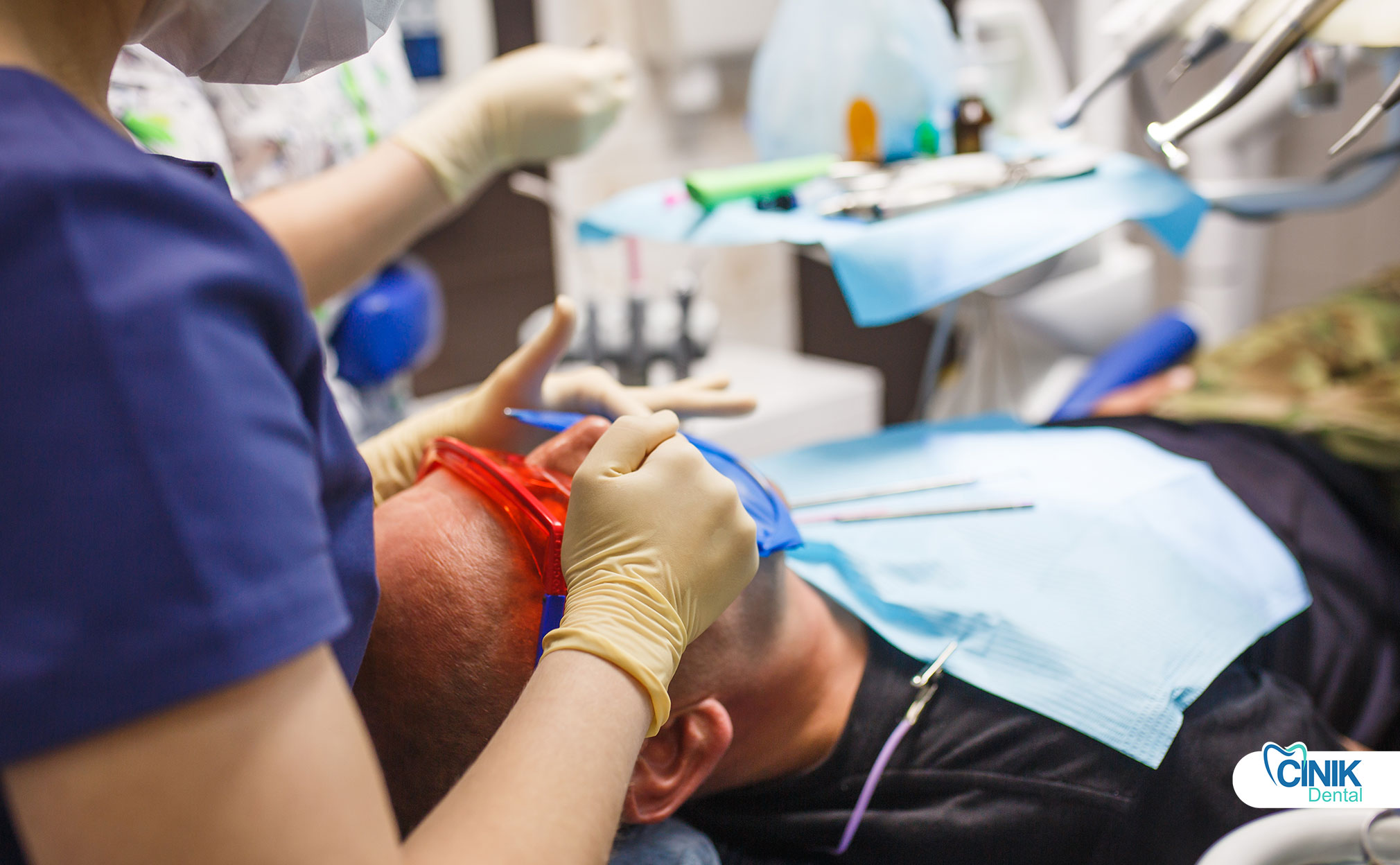
Quick Answer: Dental implants, veneers, crowns, and full smile makeovers attract the most international patients.
Dental tourists usually travel for procedures involving multiple teeth or cosmetic improvements.
Dental implants: Dental implants replace missing teeth with titanium posts inserted into the jawbone. Implants provide a long-lasting and stable solution for tooth loss.
Veneers: Veneers cover the front surface of teeth with thin layers of ceramic. Dentists use them to enhance the color, shape, and alignment of teeth.
Crowns: Crowns restore damaged teeth and protect them from further damage. Materials such as zirconia or porcelain provide strength and a natural appearance.
Smile makeover: Some patients prefer an entire smile transformation. A smile makeover may involve veneers, crowns, implants, and whitening procedures combined together. Since these often involve several teeth at once, the cost difference between countries becomes very evident.
Why Do So Many Americans Travel to Turkey for Dental Care?

Quick Answer: Patients travel to Turkey because they can save money and get treatment quickly.
Some advantages bring international dental patients to Turkey:
Large financial savings: Patients may save thousands of dollars on procedures like implants or full smile restorations.
Faster scheduling: Appointments for dental treatments in the United States sometimes require long waiting periods; Turkish clinics usually have faster scheduling available.
Treatment packages: Many clinics help organize the entire journey for a patient; packages may include: Airport transfers, Hotel stay, Consultation and imaging, Treatment planning plus follow-up care.
Travel experience: Patients frequently combine tourism with dental work; Istanbul, Antalya, and other cities in Turkey offer culture attractions plus historic architecture plus world-famous food.
Researchers studying medical tourism confirm that combining healthcare with travel often increases patient interest in international treatment options (Connell, 2013).
Which Country Is Better for Dental Treatments?
Quick Answer:The U.S. has convenience and local care; Turkey has affordability plus dental tourism services.
Both countries have advanced systems of delivering dental care to patients; hence the best option would depend on what priorities the patient has. A patient who would like treatment done near home might opt for the U.S.; follow-up visits could be easier as well as insurance processes when done locally.
On the other hand, a patient looking for price breaks on cosmetic transformations of smiles might go to Turkey since there is quite a variance in prices here. Because of such savings, it became one of the most popular spots for international clientele seeking dental work done.
Conclusion
Dental treatments in Turkey compared to those in the United States mainly differ regarding cost and accessibility. The United States offers strong healthcare regulation along with convenient local care but generally remains expensive concerning dental procedures.
Turkey provides another type of benefit. Contemporary dental hospitals, proficient dental practitioners, and reasonable pricing draw numerous overseas patients. For processes like implants, veneers, crowns, and complete smile transformations, individuals may conserve thousands of dollars by opting for treatment in a foreign country.
Nonetheless, patients should always investigate clinics thoroughly before going. The experience of dentists, technology, and planning the treatment are still important elements for good outcomes.
With careful preparation and the correct clinic, dental care in Turkey can offer both top-quality service and large savings on costs.
References:
Bookman, Milica Z., and Karla R. Bookman. Medical Tourism in Developing Countries. Palgrave Macmillan, 2007.
Connell, John. “Contemporary Medical Tourism: Conceptualisation, Culture and Commodification.” Tourism Management, vol. 34, 2013, pp. 1–13.
Hanefeld, Johanna, et al. “Medical Tourism: A Cost or Benefit to the NHS?” PLoS ONE, vol. 10, no. 6, 2015.
Turner, Leigh. “Medical Tourism and the Global Marketplace in Health Services.” Journal of Bioethical Inquiry, vol. 9, 2012, pp. 353–365.