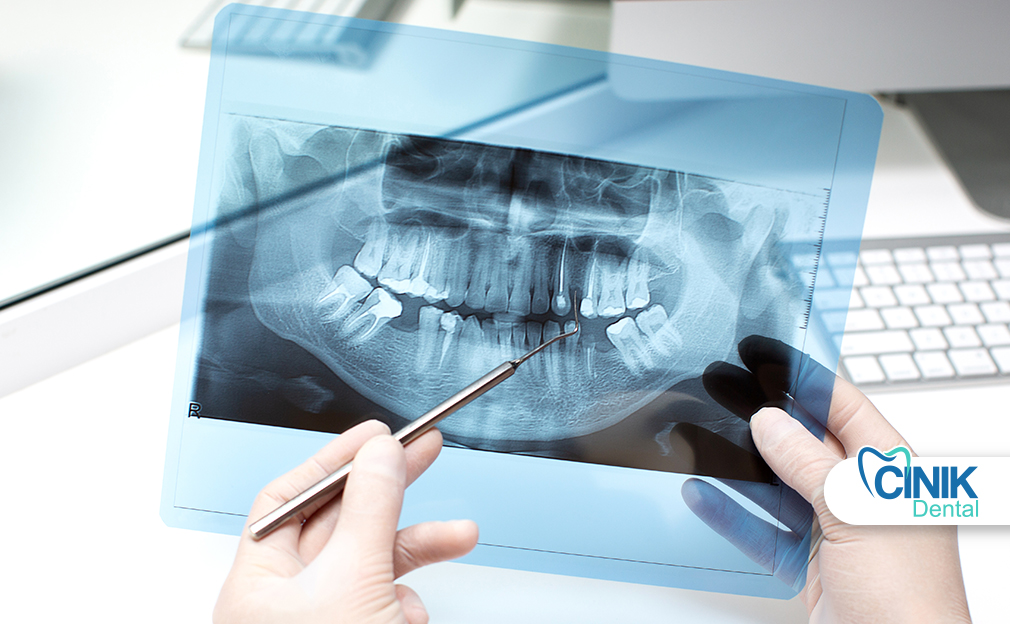
Dental X-rays use film-based or digital sensors to capture images. Traditional X-rays rely on film that requires chemical processing to produce a viewable image, which cannot be modified afterward. In contrast, digital radiography employs a solid-state sensor that sends the image to a computer for immediate viewing, eliminating the need for development. Additionally, images captured digitally can be altered using image-processing tools. Modern dental practices primarily utilize these two techniques for effective imaging. (Gormez and Huseyin Yilmaz, 2009)
1. What Are Traditional Dental X-Rays
Quick Answer: Traditional dental X-rays capture images of teeth and jaws using intraoral and extraoral techniques and require film-based chemical processing, which is slow and hard to share
Traditional dental X-rays include intraoral and extraoral techniques. Intraoral radiography focuses on individual teeth, capturing periapical images of roots, bitewing images for interproximal surfaces, and occlusal views for jaw development. Extraoral techniques, like panoramic X-rays, cover larger areas such as the skull and jaws, aiding in orthodontics, implant planning, and pathology. Cephalometric X-rays assist in braces planning, while sialograms focus on salivary glands. Advanced imaging methods like computed tomography offer 3D views, and cone-beam CT provides detailed images of dental structures. Traditional systems create chemical images on film, requiring time-consuming development and careful disposal, complicating sharing between dentists and specialists. (Kumar et al., 2021)(Razi et al., 2012)
2. What Are Digital Dental X-Rays?
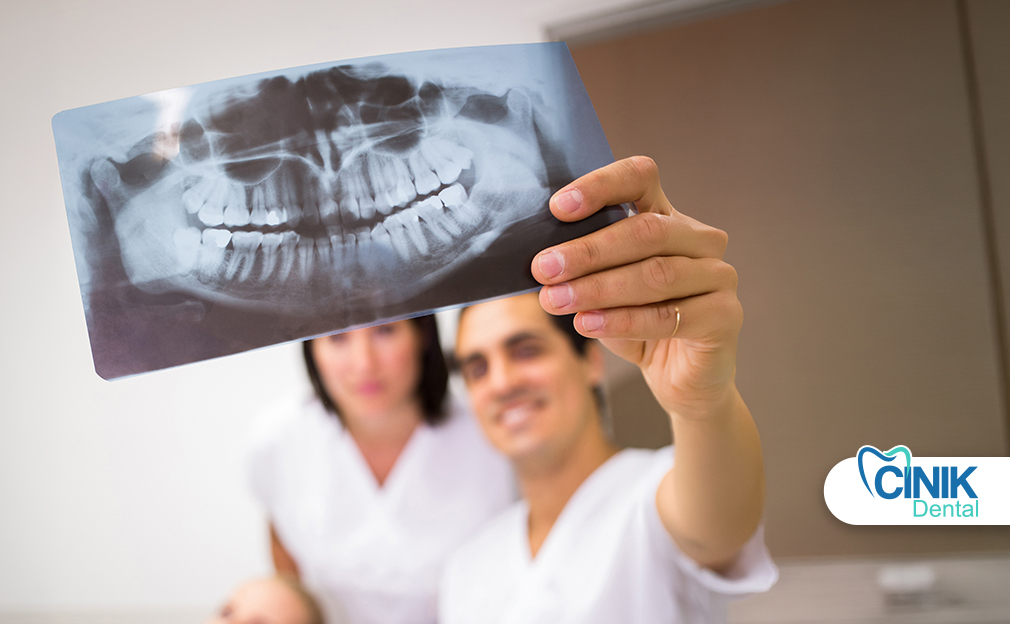
Quick Answer: Digital dental X-rays use sensors to create instant computer images with less radiation than traditional film X-rays.
Dental X-rays are essential in diagnosis within dental practices. Traditional, film-based X-rays capture images on film via radiation emitted during exposure, followed by chemical processing for development. In contrast, digital X-rays utilize sensors that convert radiation into a digital signal, producing images displayed on monitors. These methods vary in terms of image quality, safety, radiation exposure, speed, workflow, cost, and storage. Each has specific pros and cons. The choice between them considers factors like practice size, budget, patient needs, and existing equipment, all of which influence the selection. A checklist summarizing these differences aids in choosing between digital and traditional X-ray methods.
3. What Are the Key Differences Between Digital and Traditional Dental X-Rays?
Quick Answer: Digital X-rays give faster, clearer images with less radiation, while traditional X-rays are slower and use film and more radiation.
Digital and traditional dental X-rays differ in various aspects, including image quality, safety, speed, cost, and storage. Digital X-rays offer enhanced resolution and contrast, facilitating the detection of caries and periodontal disease. They also allow for post-processing to improve image clarity. Importantly, digital X-rays significantly lower radiation exposure by 50% to 90%, aligning with the American Dental Association's safety guidelines. They provide immediate images, unlike traditional methods that require at least a minute and a half for interpretation. While digital systems have higher initial costs, they reduce long-term operating expenses by eliminating the need for film supplies. Additionally, film systems demand extensive physical storage and lengthy retrieval times compared to the minimal space and quick sharing capabilities of digital images, which enhance dental efficiency and patient satisfaction. (Razi et al., 2012)(Gormez and Huseyin Yilmaz, 2009)(Almanei et al., 2017)
3.1. What Makes Digital Dental X-Rays Superior in Image Quality and Detail?
Quick Answer: Digital dental X-rays provide higher resolution and clearer, adjustable images than traditional film X-rays.
Digital dental X-rays greatly enhance image quality and detail over traditional methods. Their higher resolution surpasses that of film-based systems, with computed radiography achieving an effective resolution of 10–20 line pairs per millimeter (lp/mm). Digital images, stored on a computer, can be enlarged and post-processed for enhanced visibility, aiding diagnosis. The contrast of images from solid-state sensors outperforms analog films. While film's dynamic range exceeds that of digital, poor exposure negatively affects film quality; however, well-exposed solid-state images maintain diagnostic quality, even at 15% of optimal exposure, with further improvement possible through processing. Digital radiographs can detect small periapical lesions sooner than traditional films. The image acquisition signal in digital radiography comes from an electronic sensor, directly relaying data to a computer for swift visual output, unlike conventional methods that capture images on film involving multiple processing steps for interpretation. (Almanei et al., 2017)
3.2. Are Digital Dental X-Rays Safer Than Traditional Radiography?
Quick Answer: Yes. Digital dental X-rays are safer because they use lower radiation doses while still meeting safety standards for patients and operators.
When analyzing differences in non-digital radiography and digital dental X-rays, radiation safety requirements can also impact a dental practice’s decision. Traditional radiographs impose exposure levels regulated by the American National Standards Institute (ANSI), whereas Digital X-rays permit much higher exposure levels (Brandon Johnson, 2013). Current ANSI guidelines permit film exposure according to 0.12 mAs (Cho and Han, 2012) and still remain safe for patients. However, prior to exposure, digital radiography practice does require a personal statement of safety exposures. For example, portable units are also governed by ANSI levels C.33, so Digital X-rays ROI levels are consequently allowed to be much higher than traditional X-ray units. Throughout all oral practices, safety outlines and protocols must also be met for operator’s safety (Pinto Nicodemo et al., 2023).
3.3. Which Is Faster: Digital or Film-Based Dental X-Rays?
Quick Answer: Digital dental X-rays are faster because images appear instantly on a computer, while film-based X-rays require chemical processing and take several minutes.
Dental practitioners often consider whether to use traditional film-based X-rays or digital X-rays, each with distinct advantages. Traditional X-ray images are taken on film and require chemical processing, which can take 30 seconds to 5 minutes. This method involves water waste and toxic chemical disposal, and images can't be viewed until development is finished. Films need specific storage conditions to maintain quality. In contrast, digital X-rays are captured on a sensor and displayed on a computer screen immediately, eliminating the need for chemical processing and conserving resources. Digital images can be accessed and shared easily, requiring under two minutes for viewing and processing, whereas traditional images often exceed five minutes. Each method involves different workflows and timeframes, impacting daily practice and decision-making processes. (Stromeyer et al., 2021)
3.4. What Are the Cost Differences Between Digital and Film-Based Dental X-Ray Systems?
Quick Answer: Digital X-ray systems cost more upfront but have lower long-term expenses, while film-based systems are cheaper to start but cost more over time due to film and chemicals.
Digital dental X-rays require a higher initial investment compared to traditional film X-rays due to the costs of digital sensors, computers, and software. While digital systems have some extra maintenance needs for the computer aspects, they usually require less overall maintenance than film-based systems. Most reimbursement plans cover a significant portion of the additional costs of digital X-rays, leading to lower running costs compared to film. The maintenance for digital systems mostly involves replacing components like displays and software, while film-related costs remain constant. In developing countries, the rapid expansion of dental health-care facilities makes adopting digital X-rays attractive, but the upfront costs can be prohibitive for small clinics. There are gradual options for integrating digital elements such as sensors and digital storage. Reimbursement regulations for digital X-ray systems are reasonable and supportive, making the transition more manageable. (Nitschke et al., 2021)(OZCETE et al., 2016)(Yoshihara et al., 2021)
3.5. How Do Storage and Sharing Differ Between Digital and Traditional Dental X-Rays?
Quick Answer: Digital X-rays store images electronically and allow instant sharing, while traditional X-rays need physical storage and are harder to retrieve and send.
Digital dental X-rays require no physical film. They are archived in a dedicated workstation or electronic system. This eliminates the need for heavy cabinets, film boxes, and other physical storage. There is no risk of drawers becoming disorganized or of losing X-rays through misfiling. Because the archive system is digital, material is secured behind a password without the need for a lock. A proper backup is easier as well.
Furthermore, the digital files may be sent instantly to colleagues for consultations from the office or remotely. Analyzed images can be printed instantaneously. Hard copies as a backup are optional; if needed, they can be produced in seconds. Traditional films must be stored physically, requiring a separate box or cabinet (Almanei et al., 2017).
4. What Are the Pros and Cons of Digital and Traditional Dental X-Rays?
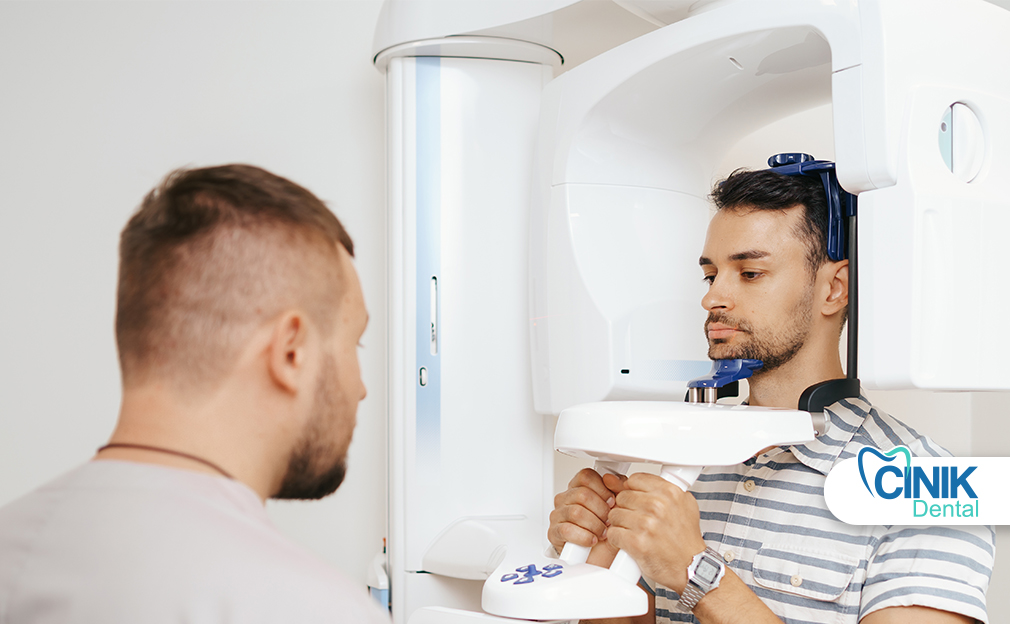
Quick Answer: Digital X-rays are faster and safer but cost more upfront, while traditional X-rays are cheaper but slower and use film and more radiation.
Digital X-rays significantly reduce radiation exposure by 60% compared to analog methods and allow for rapid image display and manipulation without film processing. They enable easy storage and sharing of images with professionals and insurers while maintaining diagnostic quality. Software updates enhance functionality with features like automatic enhancement and disease detection. However, initial costs for sensors and software can be high, leading to potential reimbursement issues for dentists. Digital imaging also demands less labor, eliminates film costs, and is more cost-effective over time. Conversely, analog radiology doesn't require costly computerized imaging equipment, occupying less space than digital workstations. Tasks are simpler, allowing less trained staff to manage the process, and initial investments are generally lower. Analog systems avoid complexities related to device and software compatibility, while digital technologies introduce complexities with various recording modes, complicating implementation. (Nitschke et al., 2021)(Almanei et al., 2017)
5. How to Choose Between Methods
Quick Answer: Choose digital X-rays for speed and safety; choose traditional X-rays for lower cost and simplicity.
Choosing between digital and traditional dental X-rays depends on several factors. These include the size of the clinic, the budget available, the specific needs of patients, and the workflow that best suits the dental practice. A simple checklist helps to make an informed decision. It allows practitioners to compare the features of digital and traditional dental X-rays and see which is the better fit for their dental office.
Decision Factor | Digital Dental X-Rays (✓) | Traditional Dental X-Rays (✓) |
Clinic has a high patient volume and needs fast workflow | ✓ | |
Clinic has a limited budget for new equipment | ✓ | |
Practice prefers instant image viewing | ✓ | |
Practice can wait for chemical film processing | ✓ | |
Clinic wants lower long-term operating costs | ✓ | |
Clinic prefers lower initial investment | ✓ | |
Practice prioritizes reduced radiation exposure | ✓ | |
Radiation dose reduction is not a main concern | ✓ | |
Clinic has sufficient computer and IT infrastructure | ✓ | |
Clinic has minimal digital infrastructure | ✓ | |
Practice needs easy image sharing with specialists | ✓ | |
Images are mainly stored and viewed in-house | ✓ | |
Clinic wants minimal physical storage space | ✓ | |
Clinic already has film storage cabinets | ✓ | |
Practice aims for environmentally friendly solutions (no chemicals) | ✓ | |
Chemical disposal and film processing are acceptable | ✓ | |
Staff are trained in digital systems | ✓ | |
Staff prefer simple manual film processing | ✓ | |
Clinic plans to expand or modernize in the future | ✓ | |
Clinic prefers established traditional methods | ✓ |
6. Conclusion
Traditional dental X-rays rely on film that requires chemical processing, which delays diagnostics and necessitates safe disposal. Film storage inhibits access to past images. Digital X-rays, however, offer instant display on computers after exposure, eliminating processing time and chemical waste. Digital radiography uses a sensor processed by a computer, enhancing convenience and minimizing patient exposure to ionizing radiation. The American Dental Association's 2007 guidelines highlight effective exposure management. Digital techniques improve image quality, significantly reduce exposure doses, and ensure visual output. This shift revolutionizes dental imaging, granting immediate access to critical information, unlike traditional film methods where images remain hidden during development. Transitioning to digital radiography has transformed the imaging process. (Almanei et al., 2017)
References:
Razi, T., Mohammadi, A., and Ghojazadeh, M. "Comparison of Accuracy of Conventional Periapical Radiography and Direct Digital Subtractions Radiography with or without Image Enhancement in the Diagnosis of Density Changes." 2012. ncbi.nlm.nih.gov
Almanei, K., Alsulaimani, R., Alfadda, S., Albabtain, S., and Alsulaimani, R. "Digitally Scanned Radiographs versus Conventional Films for Determining Clarity of Periapical Lesions and Quality of Root Canal Treatment." 2017. ncbi.nlm.nih.gov
Brandon Johnson, K. "Dosimetry of Three Intraoral Imaging Collimators and Technical Performance using Two Intraoral Device/Collimator Combinations." 2013. [PDF]
Cho, J. Y. and Han, W. J. "The reduction methods of operator's radiation dose for portable dental X-ray machines." 2012. ncbi.nlm.nih.gov
Pinto Nicodemo, O., Adolfo Fiori-Chíncaro, G., María Agudelo-Botero, A., M Llaguno-Rubio, J., and García Díaz, R. "Dosis de radiación permitida en pacientes odontológicos. Una revisión." 2023. ncbi.nlm.nih.gov
Stromeyer, S., Wiedemeier, D., Mehl, A., and Ender, A. "Time Efficiency of Digitally and Conventionally Produced Single-Unit Restorations." 2021. ncbi.nlm.nih.gov
Nitschke, J., Schorn, L., Holtmann, H., Zeller, U., Handschel, J., Sonntag, D., and Lommen, J. "Image quality of a portable X-ray device (Nomad Pro 2) compared to a wall-mounted device in intraoral radiography." 2021. ncbi.nlm.nih.gov
OZCETE, E., BOYDAK, B., ERSEL, M., KIYAN, S., UZ, I., and CEVRIM, O. "Comparison of Conventional Radiography and Digital Computerized Radiography in Patients Presenting to Emergency Department." 2016. ncbi.nlm.nih.gov
Yoshihara, H., Hosoki, H., Yoshida, M., Kume, Y., Otomi, Y., Amano, M., Yuasa, M., Yamada, K., Suito, H., Maeda, N., Kawata, N., Harada, M., and Honda, E. "Changes in Image Examinations at the Department of Oral Radiology : The Number of Intraoral and Panoramic Radiographs." 2021. [PDF]