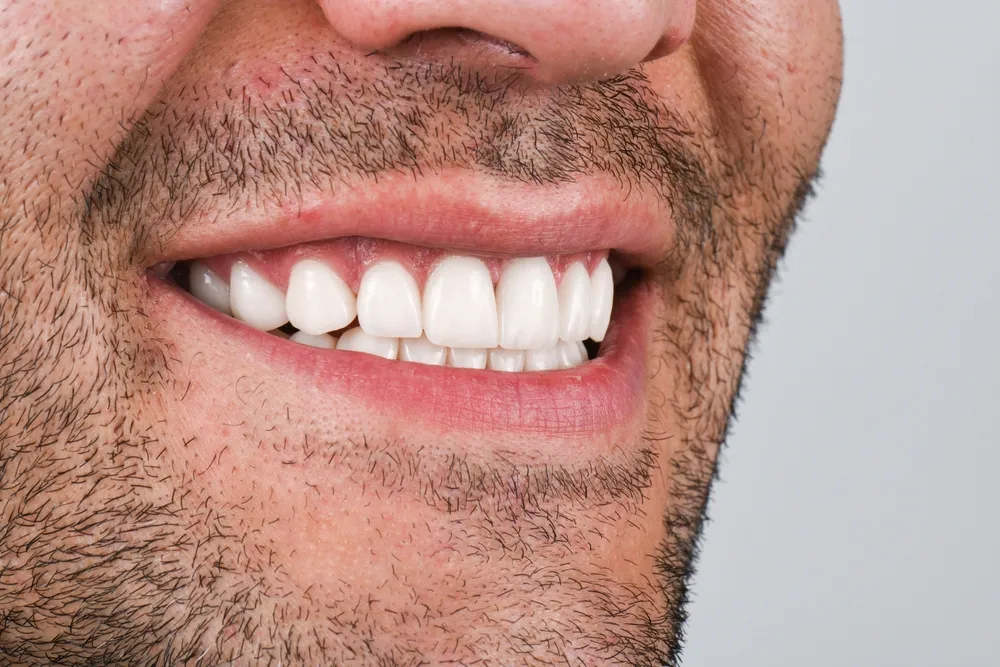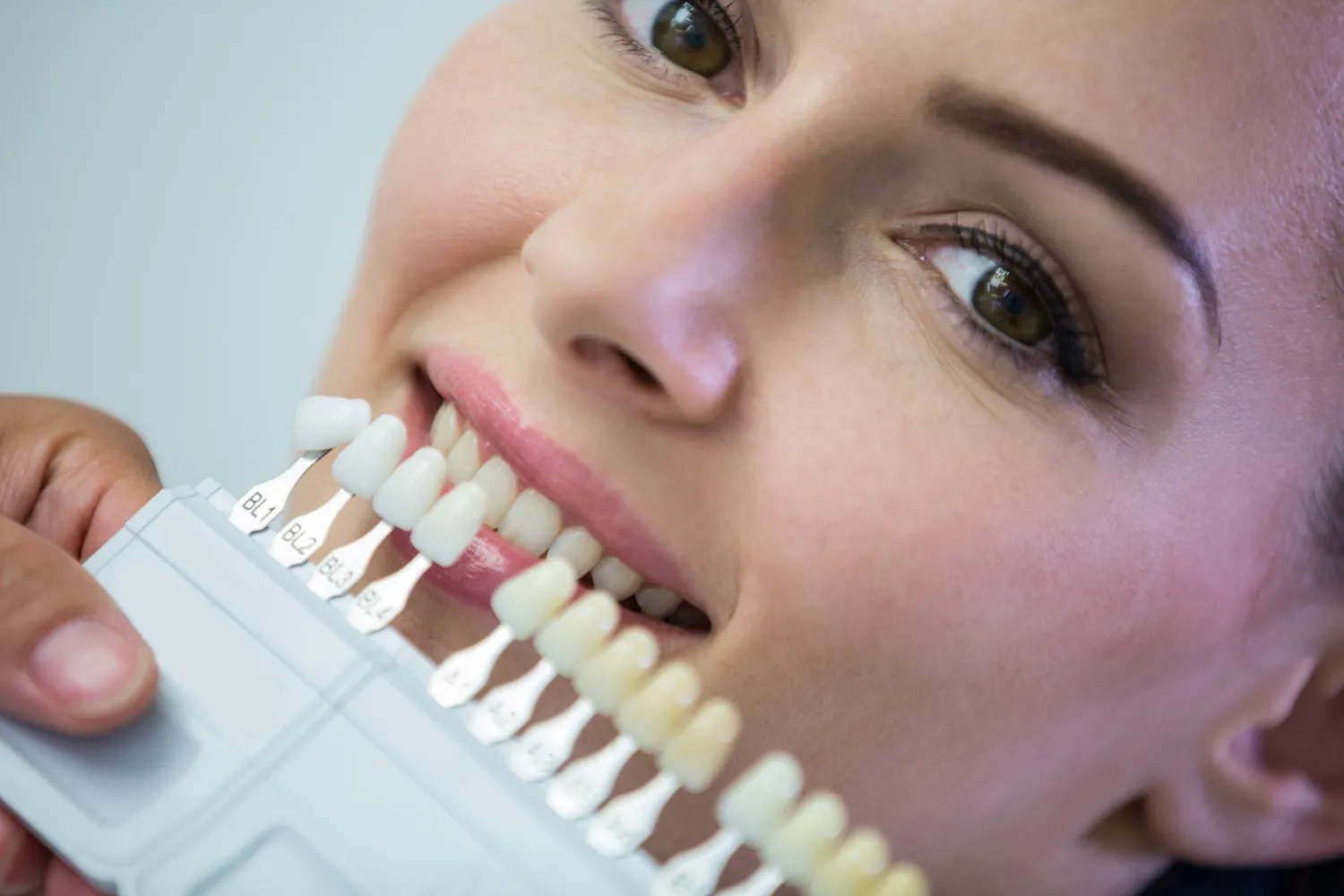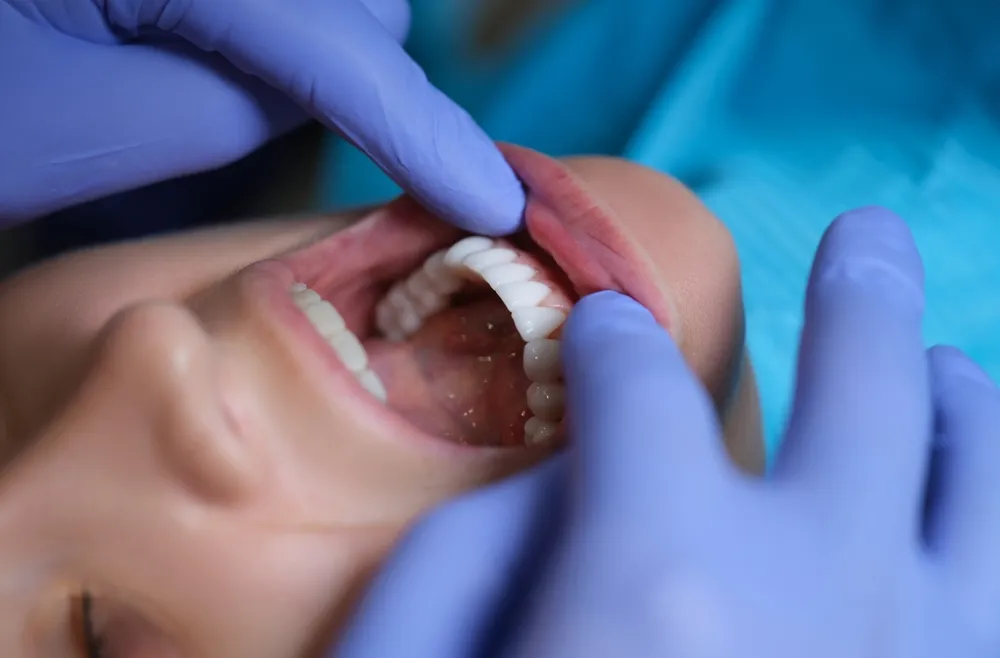
Celebrity cosmetic dentistry refers to aesthetic treatments performed by famous individuals or enshrined in popular culture such that the public associates them with specific celebrities. Many cosmetic-dentistry procedures have gained attention through celebrities and social media, including veneers, whitening, smile makeovers, bonding, and implants. Although such treatments are not accessible to all, the demand has increased due to social comparison and celebrity influence. Media outlets amplify the trend through sensationalized articles, before and after images, and endorsements. Although these attention grabbing portrayals raise public awareness, they reduce the perceived value of professional dental services. The term cosmetic dentistry refers to dental services that improve the appearance of the teeth, gums, bite, and oral structures without necessarily enhancing function; aesthetic standards encompass the prevailing understanding of attractiveness in a given society; and perceived value denotes the worth assigned to services based on objectives and expectations (Khalaf et al., 2020) (Zaugg et al., 2022).
1. What is Celebrity Cosmetic Dentistry?
Quick Answer: Celebrity cosmetic dentistry refers to aesthetic dental treatments such as veneers, whitening, and crowns, commonly associated with public figures to enhance smile appearance.
Cosmetic dentistry involves various treatments aimed at enhancing the appearance of teeth, gums, and smiles. Numerous procedures are categorized as cosmetic, including bleaching, veneers, crowns, and implants, depending on the amount of alteration and imperfections to be corrected. Some procedures, such as orthodontics, are classified as corrective rather than cosmetic despite their impact on aesthetics. Public figures often seek cosmetic treatment to improve oral aesthetics, giving rise to the term “celebrity cosmetic dentistry”, which refers specifically to procedures frequently associated with celebrities. Treatments designated as celebrity cosmetic dentistry are widely promoted by various media channels. Movies, television series, magazines, Internet blogs, and social networking sites regularly feature before and after treatment images, thereby stimulating public awareness of the aestheticity of teeth. Celebrity cosmetic dentistry seeks to fulfil the common belief that attractive people enjoy greater success and acceptance in society. Potential advantages include enhanced social acceptance, improved self-esteem, encouragement of personal development, and even the preparatory stage for further treatment.
2. How Public Perception Changes
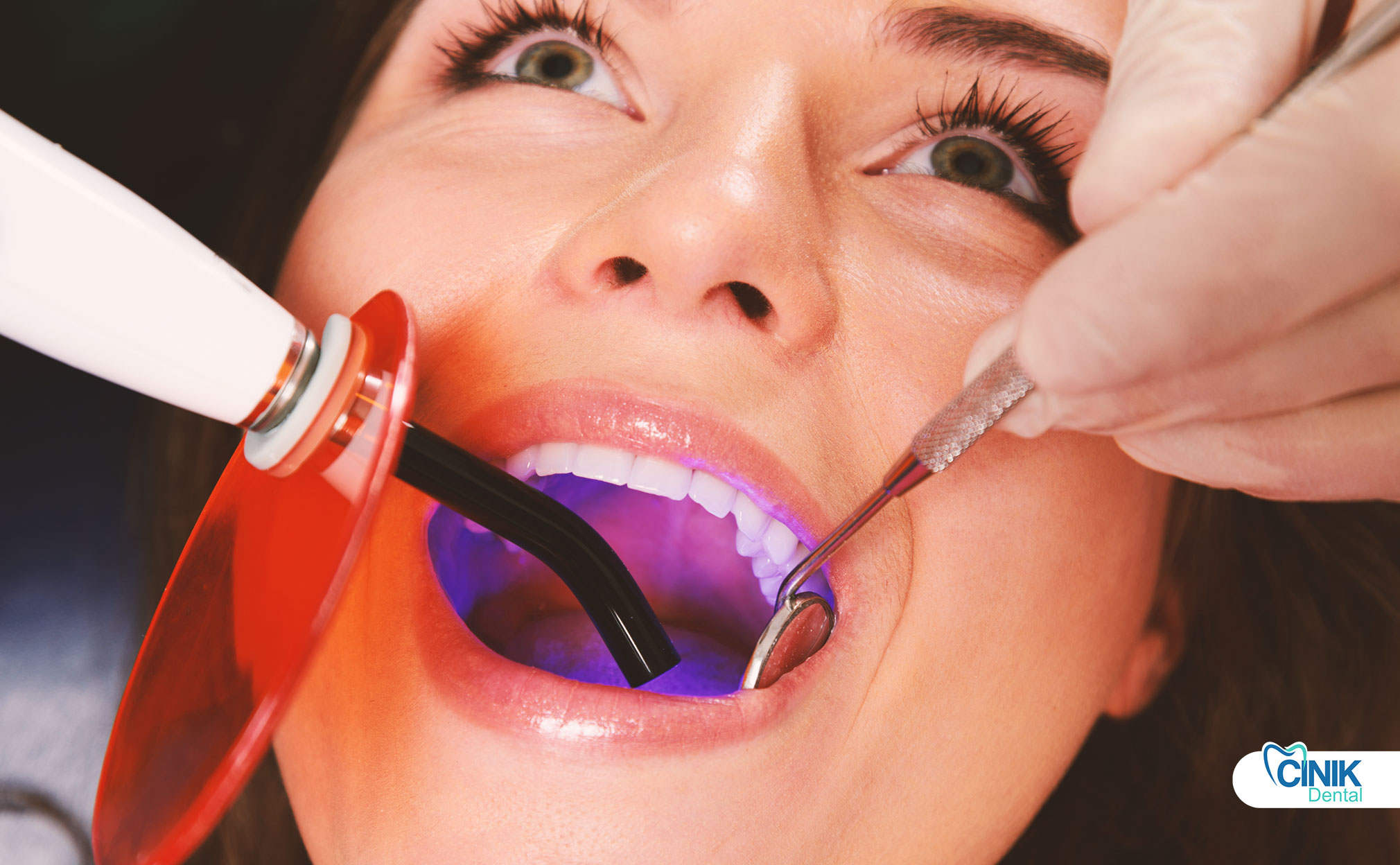
Quick Answer: Public perception of beauty changes over time, shaped by media, trends, and celebrities, with dental aesthetics, especially smile-focused trends like the “Hollywood Smile”, becoming increasingly influential, though not universally suitable.
The transformation of aesthetic norms and beauty ideals is an ever-present yet understated constant in society. External factors such as the media, fashion trends, celebrity role models, and social networks can dictate the rhythm of this continuous evolution. Throughout history, each specific time period has been characterized by a distinct set of physical characteristics and notions of beauty considered appealing and attractive. These physical standards of beauty manifest in a number of areas, physical appearance being just one of them. The public’s perception of which body parts require enhancement or alteration in order to achieve beauty follows trends that can change rapidly. The human body has 206 bones, but beauty trends may focus on only 12 or so areas the public considers important. As a misleadingly simple yet catchy metaphor states, beauty is skin deep. Similarly, oral aesthetic standards have undergone transformation over the past decades, with each recurring trend awakening varying degrees of and interest in aesthetic dentofacial changes.
The popularity of anterior teeth and the symbolic location of the smile accompanying these teeth have surged around the world. In Turkey, this anterior-oriented demand has taken on a wholly new color, with the demand for so-called “Hollywood Smile” applications and the “glamorous” or “glam” dental trend coming to the fore. Cosmetic procedures regarding anterior teeth are heavily marketed and endorsed by famous persons, rendering them popular among celebrities worldwide. Celebrities, on the other hand, wield an indirect yet decisive influence on the oral appearance of laypersons. More is not always better, and what is an essential or trendy cosmetic change for one individual may be utterly unnecessary or unsuitable for another (Khalaf et al., 2020).
3. How is Media Representation?
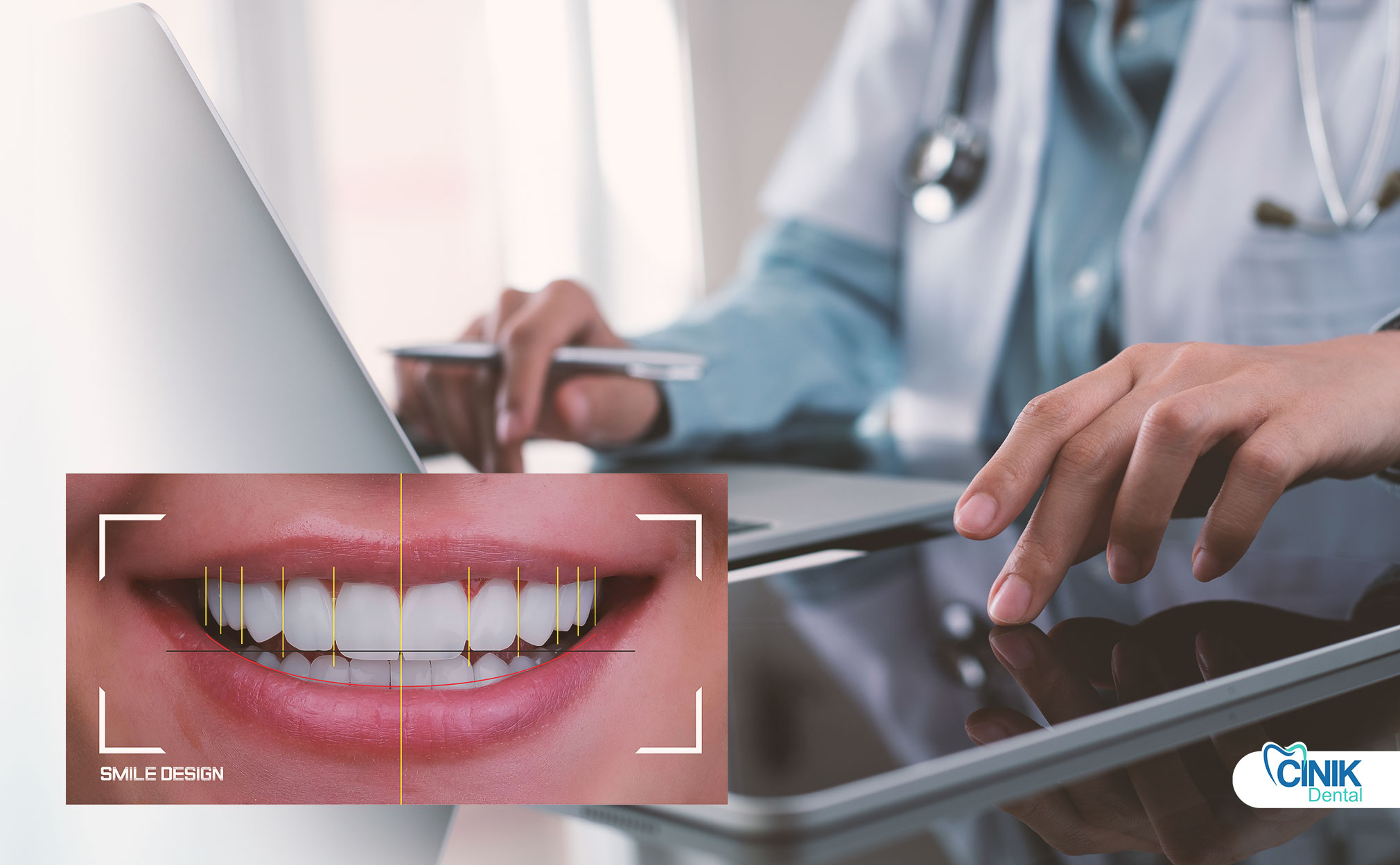
Quick Answer: Media representation of cosmetic dentistry is often sensationalized through celebrity endorsements and dramatic before and after stories, shaping public expectations, social norms, and personal treatment choices.
Media portrayals of cosmetic dental procedures draw considerable attention. They often emphasize celebratory, sensational, or shocking elements, with dramatic before and after comparisons or significant promotion of certain brands or providers. Celebrity endorsements highlight the perceived benefits of dental procedures but can also create unrealistic expectations with subsequent risk of disappointment. Consequently, they cumulatively influence public perception and understanding of cosmetic dental procedures, which can ultimately alter social norms and affect individuals’ self-image, life satisfaction, and treatment choices.
Entertainment media extensively feature celebrities undergoing aesthetic treatments. The resulting ‘celebrity narrative’ may provide the public a window to aesthetic processes that remain otherwise concealed in clinical discourse. Public interest continues since celebrities frequently alter their appearance. One survey noted a ten-fold increase in enquiries for procedures directly associated with celebrity endorsement. Little insight exists, however, into how such narratives translate into treatment choice or intention. Celebrities and cosmetic dentistry, nonetheless, strongly capture normative concern in both clinical and academic discourse. Portrayals in the entertainment and social media spheres frame the context of individual aesthetic choices and how cosmetic changes can express personal identity.
Journalistic treatment defines celebrities as individuals who attain a certain social or cultural status and receive considerable public attention. It encompasses a much wider range of individuals than conventional definitions, allowing strong policy relevance. Treatment choice likewise remains a core consideration in normative discussion. Patients’ degree of ease in directly associating personal frontend events with those at the cosmetic appointment reflects the treatment’s normative salience. Celebrities engaged in extensive ceremonies, including engagements, marriages, divorce settlements, or meeting a new partner, widely advertise planned enhancement activities on social networks, clearly signalling the procedure’s strong relevance to the event (Sperry, 2007).
4. What are Patient Choices and Behaviors?
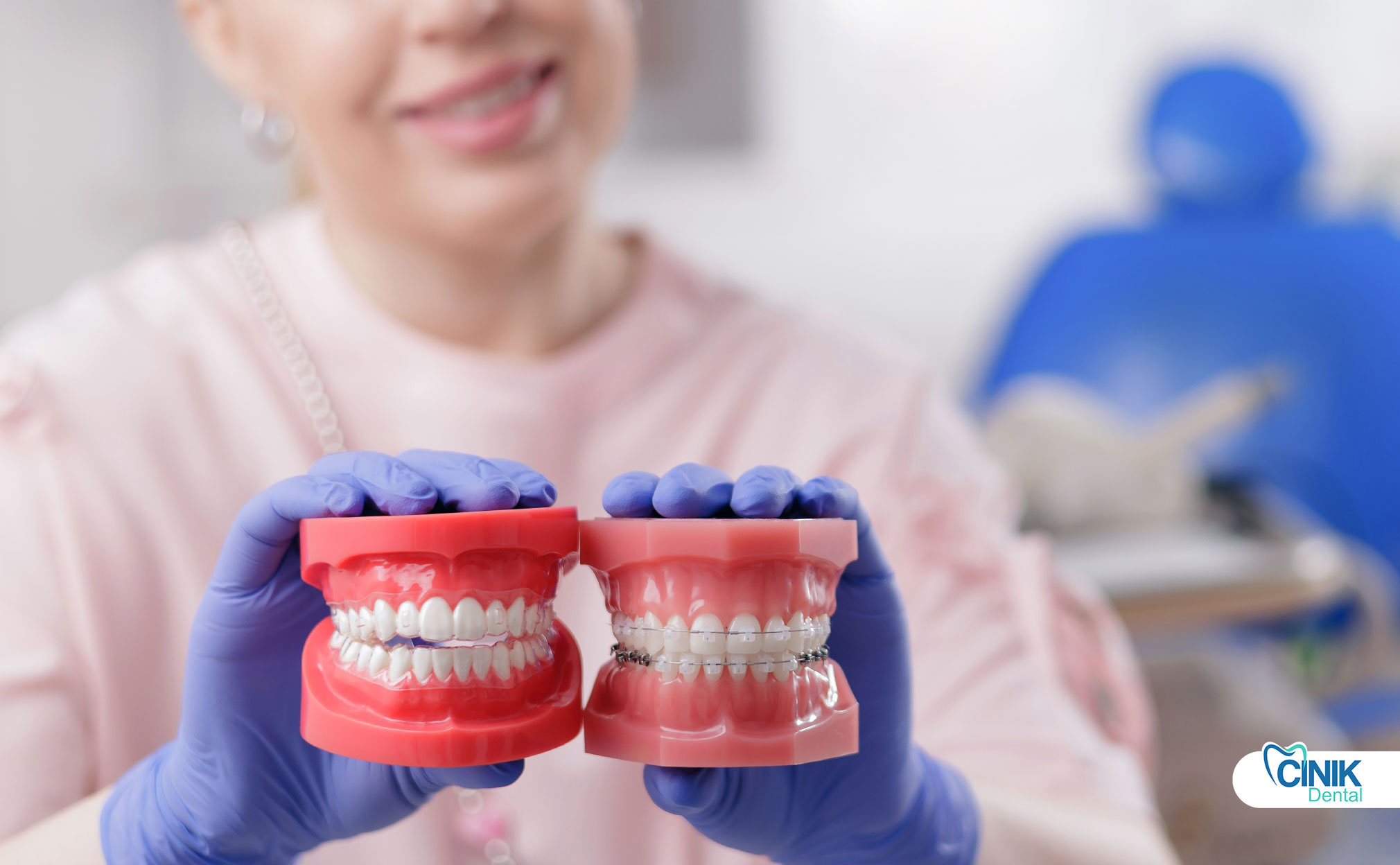
Quick Answer: Patient choices in cosmetic dentistry are shaped by media exposure and celebrity influence, with individuals seeking treatments to enhance appearance while balancing cost, expectations, and long-term outcomes.
Despite individual differences, patients exhibit certain universal patterns regarding their appearance in relation to cosmetic dentistry. Many express a desire to enhance their images through dental procedures like whitening, veneers, and smile makeovers (Hasan Ansari et al., 2020). People may equate a particular dental procedure with a specific celebrity, leading them to pursue similar treatment options in an attempt to mirror that celebrity’s appeal (Lajnert et al., 2017). As reassuring narratives from celebrities, influencers, or unknown individuals who recently underwent treatments can boost enthusiasm by assuaging fears of potential negatives, recounting one’s personal story about the treatment can cement its desirability. Being frequently exposed to media imagery that promotes particular smile designs and treatments strongly influences their subsequent choices, regarding both treatments and providers. Yet patients still weigh multiple factors when examining cost against expected benefits. For example, celebrity narratives can reinforce the decision to undergo treatment but may also raise new questions about durability, maintenance, and compliance.
4.1. How do oral health priorities differ from aesthetic goals in modern dentistry?
Quick Answer: Oral health prioritizes function and disease prevention, while aesthetics focus on appearance; although interconnected, media influence often shifts attention more toward cosmetic outcomes than long-term health.
Publicly available data provide a wellspring of evidence from which to glean insight into the popularity of various aesthetic treatments and interventions. Perceptions of beauty are vulnerable to external influences, and cosmetic enhancements are desirable for many. The privacy afforded by refreshingly anonymous online forums inspires individuals to reveal their sought-after transformations, and social media accounts of celebrities and other influential figures fuel interest in dental enhancements in particular. Information is readily available regarding recently encountered cosmetic treatments, yet timely delivery of fresh data previously is not widely appreciated. Such treatments enter the public consciousness at different rates for different people. Celebrities serve not only as role models who suggest desired beauty traits, but also as vehicles for establishing, transmitting, reshaping, and amplifying those traits.
Celebrity attention draws considerable public interest, yet cosmetic interventions could easily affect public health much more broadly. The distinction between oral health and aesthetics remains vague, and many oral health issues contribute to aesthetic goals. A perceptible disconnect between the marked emphasis on appearance and correspondingly less attention to oral health frequently appears when the two are juxtaposed. Oral health continues to serve as a confounding variable, and the question continues to receive attention in the relevant literature.
4.2. What is the Role of Celebrities in Decision Making?
Quick Answer: Celebrities influence dental decision making by shaping perceptions of procedures, brands, timing, and risk through shared experiences that guide patient preferences and expectations.
Cosmetic dental procedures become increasingly popular, particularly among celebrities, who often share their experiences in a strategic and tailored way. These narratives engage prospective patients and play a significant role in the decision-making process surrounding aesthetic improvements. People often turn to celebrities for references, seeking opinions on quality and price. The narratives presented by celebrities shape not only the choice of procedure, but also the timing and tolerance for associated risks.
Celebrities demonstrate varying levels of trustworthiness and credibility in discussing dental treatments. As a result, their stories influence not only the treatment sought, but also which brands of materials are pursued. Increased media literacy among the population allows individuals to filter information, ultimately determining how new products or materials change or do not change their decisions. (Khalaf et al., 2020) (Hasan Ansari et al., 2020)
5. Conclusion
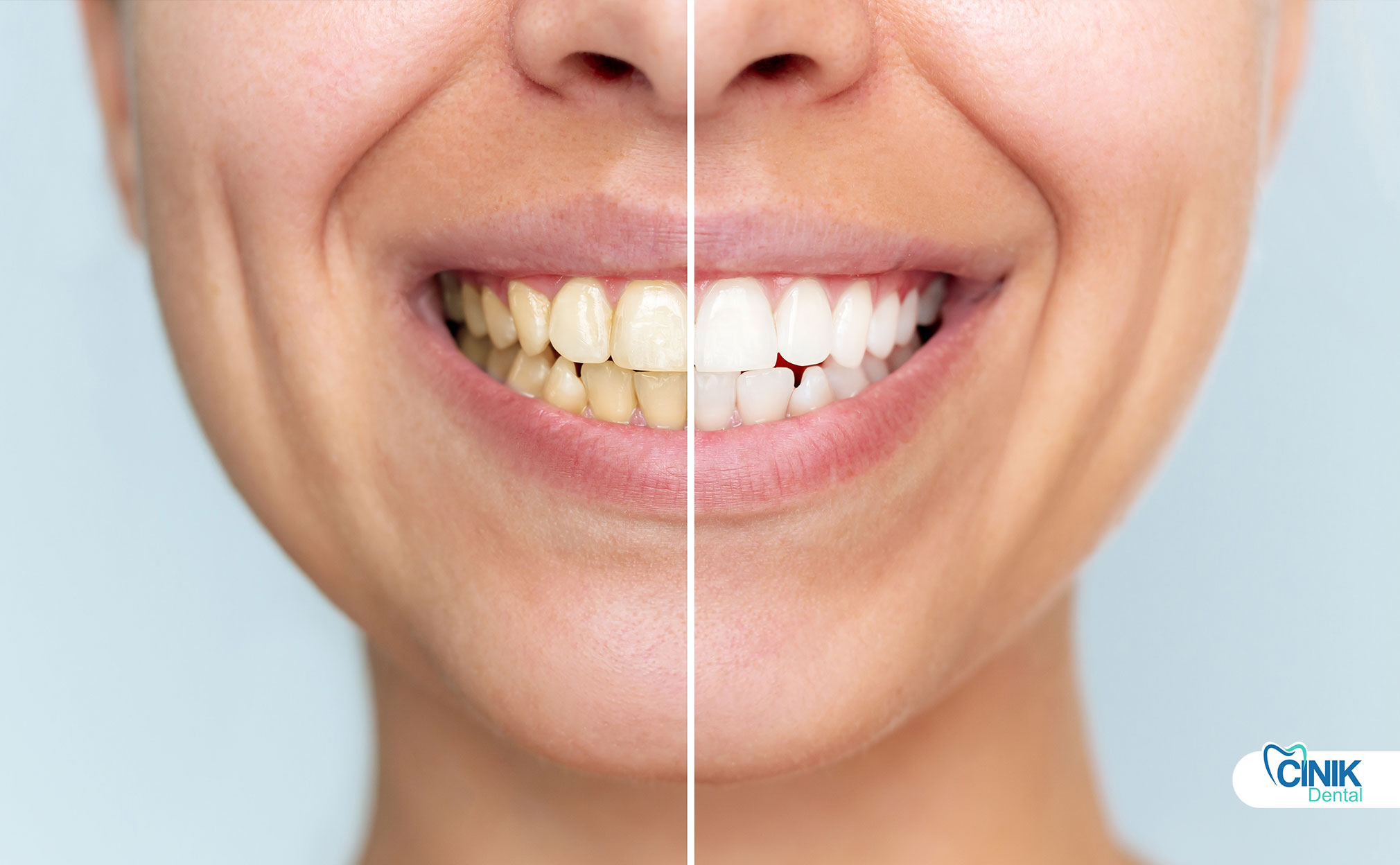
Celebrity cosmetic dentistry shapes public appetite for oral aesthetics. Clinicians and educators have a critical role in guiding the understanding of treatment choices and expectations. Studying public interest in celebrity cosmetic procedures and their influence on patient demand will become increasingly important for effective clinical practice and communication in the digital age, the age of the celebrity dentist and the digitally mediated smile (Khalaf et al., 2020).
References:
Khalaf, K., Seraj, Z., and Hussein, H. "Perception of Smile Aesthetics of Patients with Anterior Malocclusions and Lips Influence: A Comparison of Dental Professionals', Dental Students,' and Laypersons' Opinions." 2020. ncbi.nlm.nih.gov
Zaugg, F. L., Molinero‐Mourelle, P., Abou‐Ayash, S., Schimmel, M., Brägger, U., and Wittneben, J. G. "The influence of age and gender on perception of orofacial esthetics among laypersons in Switzerland." 2022. ncbi.nlm.nih.gov
Sperry, S. "Reality Cosmetic Surgery Makeovers: Potential Psychological and Behavioral Correlates." 2007. [PDF]
Hasan Ansari, S., Abdulrahman Abdullah Alzahrani, A., Mohammed Said Abomelha, A., Emadeldin Attia Elhalwagy, A., Nouraldin Mustafa Alalawi, T., and Walid Mahmoud Sadiq, T. "Influence of Social Media towards the Selection of Hollywood Smile among the University Students in Riyadh City." 2020. ncbi.nlm.nih.gov
Lajnert, V., Kovačević-Pavičić, D., Pezo, H., Stevanović, A., Jović, T., Šnjarić, D., and Muhić, E. "Patients’ general satisfaction with the appearance of anterior maxillary teeth." 2017. [PDF]