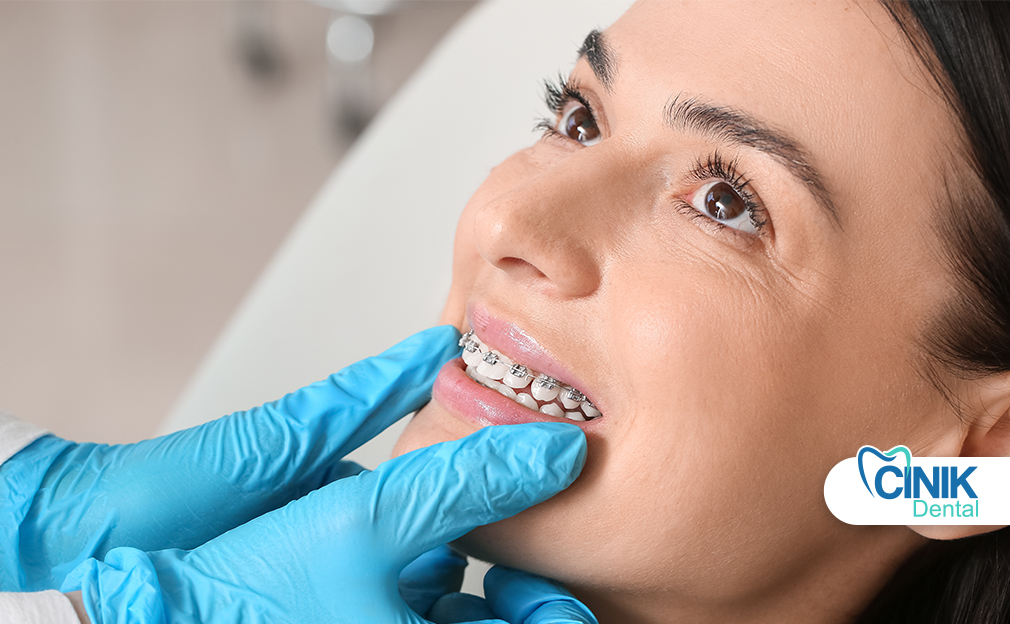
Quick answer: Adults over 30 can safely choose braces or aligners based on dental complexity and lifestyle.
Orthodontic treatment exists only for teenagers according to what many adult people think. This belief no longer holds true. People who are 30 years old or older today want to get their teeth straight because they believe it will improve their health and boost their self-assurance and make them look better. Modern orthodontics provides excellent support for treating adults who need orthodontic care.
The bones and gums must remain healthy for teeth to move according to Proffit (Proffit et al., 2019). Orthodontic treatment produces better bite alignment which enables people to maintain excellent oral hygiene thus resulting in superior dental health throughout their entire life.
Why Do More Adults Over 30 Consider Orthodontic Treatment?
Quick answer: Adults want healthier teeth, better smiles, and long-term oral stability.
Adults experience their teeth shift into different positions throughout their lives. Crowding increases. Bites change. The problems create difficulties which prevent people from both eating their food properly and keeping their teeth clean. Orthodontic treatment solves these problems during the initial stages of treatment.
Research indicates that teeth which are properly aligned help people prevent plaque accumulation and reduce their chances of developing gum disease (Bollen, 2006). Treatment brings adults greater self-assurance which enables them to connect better with people in their personal and work lives.
Is It Too Late to Straighten Teeth After 30?
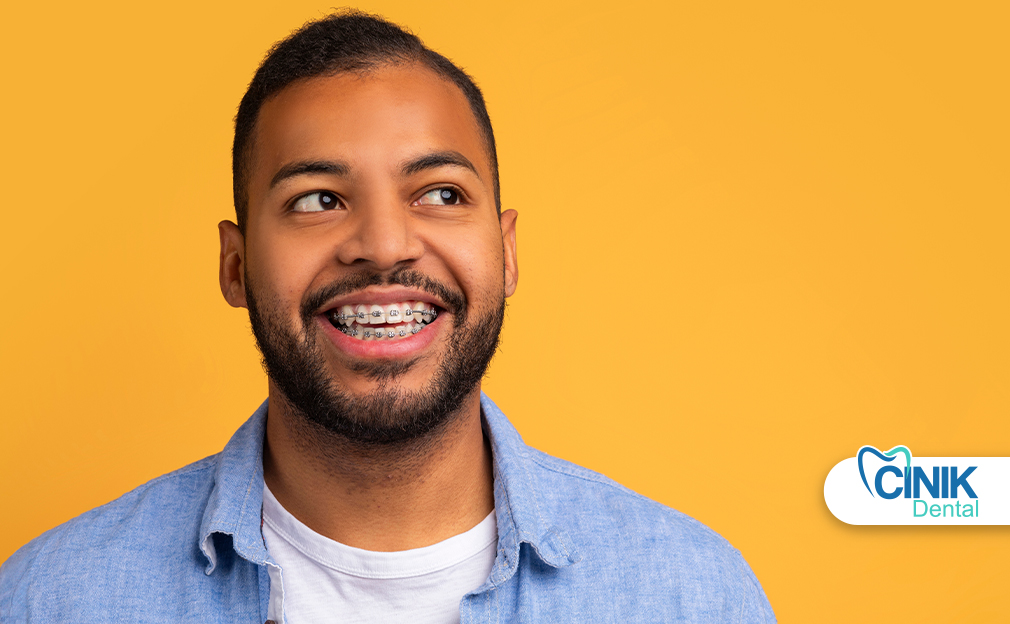
Quick answer: No age limit exists for orthodontic treatment.
Orthodontic tooth movement continues to function throughout every stage of human development. Bone remodeling takes place during all periods of human development. Adults tend to follow instructions better than teenagers do. The behavior leads to better results according to Proffit (Proffit et al., 2019).
Dentists modify their treatment approaches to meet the requirements of their adult patient population. The team needs to assess both gum health and all existing restorative dental work which patients currently have in their mouth. Adults can achieve their best results by using strategic planning methods.
What dental problems do adults who are over thirty years old experience most frequently?
Quick answer: Adults often develop crowding, bite issues, and uneven tooth wear.
Teeth shift naturally with age. The development of wisdom teeth pressure can lead to increased crowding of teeth. The grinding process creates misalignment between parts. The changes lead to jaw stress and damage to tooth enamel.
Orthodontic treatment restores balance. The chewing process becomes more efficient through this method which simultaneously shields teeth from deterioration (Graber et al., 2017).
What Are Braces and How Do They Work?
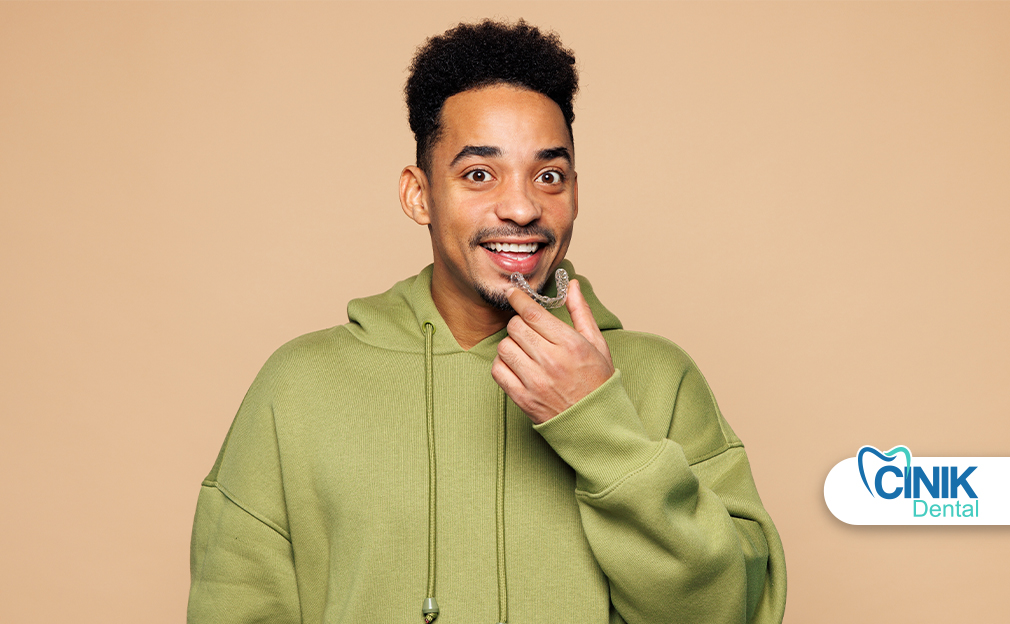
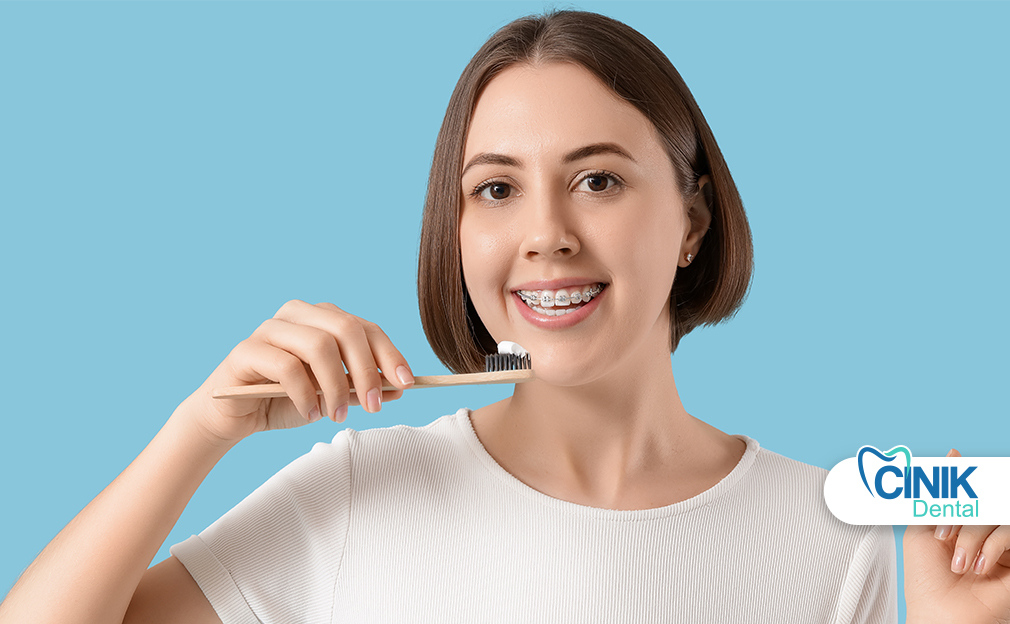
Quick Answer: Braces achieve tooth movement through their combination of brackets and wires which provide precise control over tooth movement.
Braces apply continuous pressure. Orthodontists perform wire adjustments to achieve their goal of tooth movement direction. The technique enables users to achieve exact control when moving teeth and their roots.
Braces serve to treat severe cases of tooth crowding and tooth rotation and jaw position problems which affect bite alignment. The research shows these methods work well for solving complicated cases according to Proffit (Proffit et al., 2019).
What Are Aligners and How Do They Straighten Teeth?
Quick Answer: The treatment for mild cases requires patients to use their aligner clear trays for performing slow tooth movements.
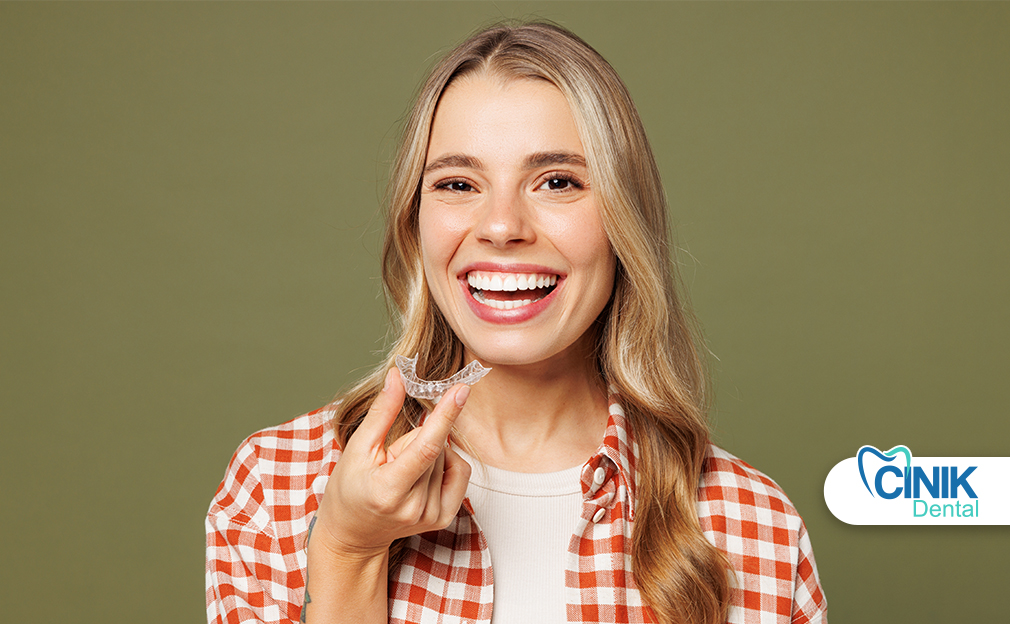
Aligners consist of removable plastic trays. The trays serve as tools which help dentists position teeth into their desired positions. Patients need to exchange their trays between one week and two weeks.
The treatment success of aligners depends on wearing them without interruption. The research shows that patients must operate their devices for 20 hours per day to achieve successful treatment outcomes (Papadimitriou et al., 2018).
How Do Braces and Aligners Compare for Adults Over 30?
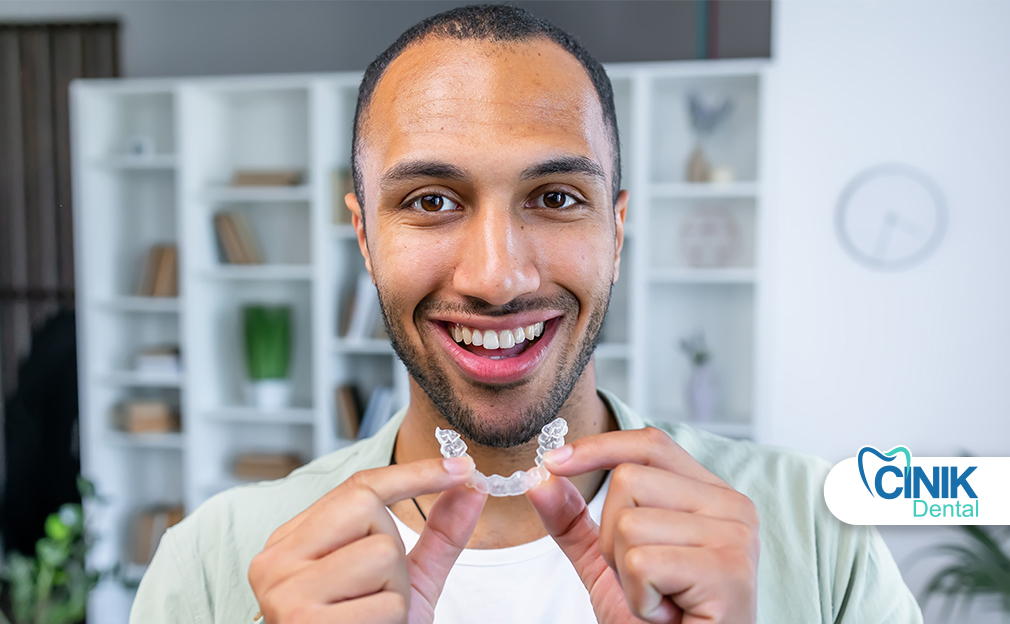
Quick Answer: The treatment of complex dental cases needs braces but aligners prove most effective for treating basic dental problems.
Braces offer superior control compared to all other orthodontic treatment options. The treatment provides patients with both comfortable and unobtrusive aligner therapy. The selection of right choice depends on three factors which include bite complexity and lifestyle and compliance.
Orthodontists need to analyze X-ray and scan images before they can select the most suitable treatment approach (Graber et al., 2017).
Braces serve as the most effective solution for treating which specific orthodontic issues?
Quick Answer: The best results from braces occur when patients need to treat their severe and complicated dental problems.
Braces help patients achieve proper bite alignment while treating their deep bites and crossbites and tooth rotations. They move teeth vertically and horizontally with precision.
Research findings indicate that braces achieve better results than aligners do when treating complicated tooth movement needs (Papadimitriou et al., 2018).
Which Cases Do Aligners Suit Best After 30?
Quick answer: Aligners work best for mild crowding and small gaps.
Aligners improve cosmetic alignment efficiently. The dental restorations work best for patients who want their teeth to look good and who need their teeth to be easily removable.
Research shows that patients who follow wear guidelines will reach high satisfaction levels for their mild to moderate conditions (Bollen, 2006).
Adults who want to know which treatment method between braces and aligners produces faster results need to understand the answer.
Treatment progress depends on two elements which are the treatment complexity of the case and the patient's capacity to follow treatment orders.
The duration of treatment for mild cases becomes shorter when patients use aligners. Doctors use braces to achieve better results when treating complicated medical situations. The treatment period for adult patients lasts between 12 months and 24 months.
The duration of aligner treatment becomes longer when patients fail to wear their aligners as prescribed. The system operates as a single unit according to Proffit. (Proffit et al., 2019)
How Does Comfort Differ Between Braces and Aligners?
Quick Answer: The aligners surface delivers a comfortable user experience but braces create brief moments of pressure.
The aligners produce minimal discomfort to the delicate tissues in the mouth. The process of adjusting braces leads to discomfort which patients experience. The feeling of discomfort will disappear as time continues to pass.
The two treatment plans from Graber provide safe and effective medical care for adult patients (Graber et al., 2017).
How Do Braces and Aligners Shape Day-to-Day Living?
Quick answer: Aligners fit easily into daily routines, while braces need more care.
The treatment method enables patients to maintain their regular eating habits while making their teeth cleaning process more straightforward. Patients who receive braces must adhere to particular dietary guidelines and they need to perform a complete cleaning procedure.
People in their adult years select aligners because these devices let them maintain their work performance and social activities with self-assurance (Papadimitriou et al., 2018).
What Maintenance Do Braces and Aligners Require?
Quick answer: Both require good hygiene and regular monitoring.
The treatment process for braces requires patients to visit their clinic multiple times. The number of required appointments for aligners has decreased. The two options require patients to perform their dental care through proper brushing and flossing techniques.
The stability of results depends on healthy gum tissue according to Bollen (Bollen, 2006).
How Important Is Patient Discipline When Choosing Aligners?
Quick answer: Discipline determines aligner success.
The treatment requires patients to wear their aligners throughout each day. The system requires immediate completion of hours delays. The results of treatment become better when adults demonstrate their dedication to the process.
The system becomes more vulnerable to failure when users fail to adhere to the predefined rules according to Papadimitriou. (Papadimitriou et al., 2018)
How Do Aesthetics Influence the Decision After 30?
Quick answer: Many adults prefer discreet orthodontic options.
The treatment process uses aligners which stay hidden from view. The teeth can accept ceramic braces because they have a natural appearance.
The selection of adult treatment depends on the personal appearance preferences which each person desires according to Graber (Graber et al., 2017)
What Role Does Oral Health Play in the Decision?
Quick answer: Healthy gums are essential before orthodontic treatment.
Orthodontists need to begin their work by treating patients who have gum disease. The body requires sound bone health to execute tooth movement operations without any risks.
The treatment plans for adult oral conditions require modifications based on the recommendations which Proffit has established (Proffit et al., 2019).
Orthodontists determine between braces and aligners through a process which involves evaluating patient needs and selecting the most suitable treatment option.
Quick answer: Orthodontists assess complexity, health, and goals.
The team reviews dental images together with patient jaw strength measurement results. The treatment plan at this facility uses medical requirements together with personal life circumstances to determine appropriate care.
The process of professional planning establishes protective conditions which safeguard people while helping them reach their objectives (Graber et al., 2017).
What Results Can Adults Expect After Orthodontic Treatment?
Quick answer: Adults achieve long-lasting functional and aesthetic benefits.
Straight teeth enable better chewing function and they also enhance oral hygiene. The treatment brings two main benefits to patients because it helps them experience less jaw pain and it makes them feel more self-assured.
The clinical evidence which Bollen has documented shows that adult orthodontics produces excellent results which patients find highly satisfying (Bollen, 2006).
Why Do Retainers Matter After 30?
Quick Answer: The main purpose of retainers is to stop teeth from moving back to their original positions.
Teeth move throughout life. The purpose of retainers is to preserve the achieved results. Adults need to follow their retention plans exactly as they were originally written.
The main factor which determines dental stability according to research evidence is retention because it serves as the primary determining element (Proffit et al., 2019)
How Should You Choose Between Braces and Aligners After 30?
Quick Answer: The selection process needs to evaluate both the difficulty level of the material and the particular field of study and professional recommendations from experts in the field.
Braces treat complex dental problems yet aligners provide the most effective solution for treating basic dental alignment issues. A professional evaluation enables people to choose suitable alternatives.
The treatment of orthodontics which starts after age 30 brings both safety and successful results and creates a transformative impact on patients.
References (MLA Format)
Bollen, Anne-Marie. “Effects of Malocclusion and Orthodontic Treatment on Oral Health-Related Quality of Life.” American Journal of Orthodontics and Dentofacial Orthopedics, vol. 129, no. 4, 2006, pp. 182–189.
Graber, Thomas M., et al. Orthodontics: Current Principles and Techniques. 6th ed., Elsevier, 2017.
Papadimitriou, Aikaterini, et al. “Clinical Effectiveness of Invisalign Orthodontic Treatment: A Systematic Review.” Progress in Orthodontics, vol. 19, no. 1, 2018, pp. 1–24.
Proffit, William R., et al. Contemporary Orthodontics. 6th ed., Elsevier, 2019.