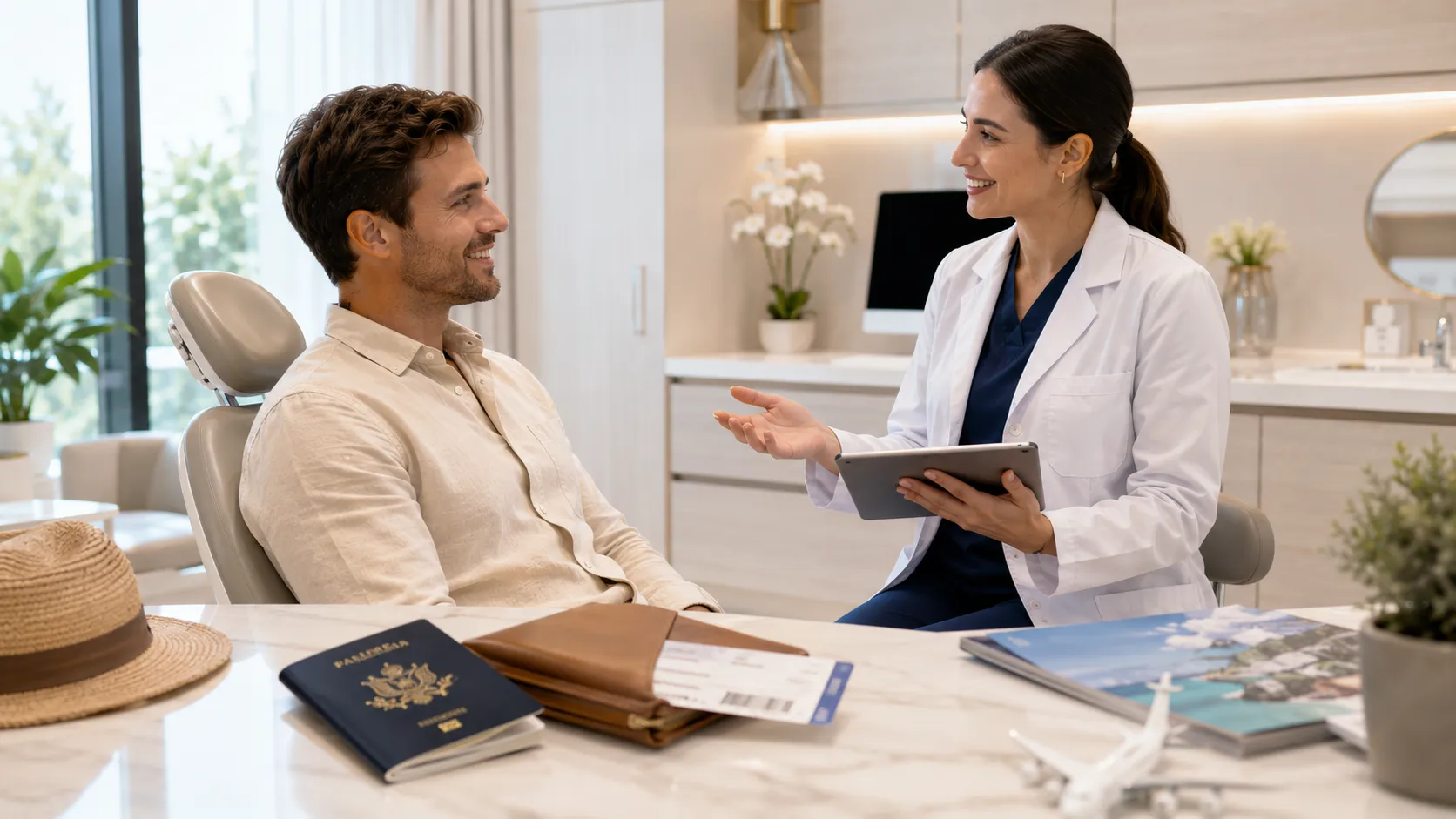
Australians can save between 60% and 80% on zirconia dental implants by choosing Turkey over domestic clinics. A single zirconia implant costs approximately AUD 6,500 in Australia. The same procedure costs approximately AUD 1,200 in Turkey. Even after adding flights and accommodation, Australian patients often save tens of thousands of dollars.
Dental tourism has reshaped how Australian patients access premium dental care. Zirconia implants stand out as one of the most sought-after treatments. Australian patients face soaring costs at home. Turkey offers a compelling alternative. This article explores the real savings, the science behind zirconia implants, and the practical steps Australian patients take to secure safe, affordable treatment abroad.
Why Are Zirconia Dental Implants So Expensive in Australia?
Australian zirconia implants carry high costs due to clinical overhead, laboratory fees, imported materials, strict regulatory compliance, and limited competition among specialists.
What Factors Increase Dental Implant Costs?
Several elements drive up the price of zirconia implants in Australia. Dental clinics in major Australian cities pay extremely high commercial rents. Sydney and Melbourne rank among the most expensive cities globally for commercial real estate. These overhead costs pass directly to patients.
Laboratory expenses add another layer. Australian dental laboratories charge premium rates for zirconia crown fabrication. Technicians use CAD/CAM technology, but labor costs remain high. Dentists also invest heavily in continuing education. Implant dentistry demands advanced training. Australian dentists complete rigorous postgraduate programs. This expertise commands higher fees.
Imported implant systems carry import duties and shipping costs. Most premium zirconia implants come from European or American manufacturers. Australian patients absorb these supply chain costs. Advanced imaging and diagnostics also inflate prices. CBCT scans, digital impressions, and 3D planning software require expensive equipment. Clinics amortize these investments across patient fees.
What Is the Average Cost of Zirconia Implants in Australia?
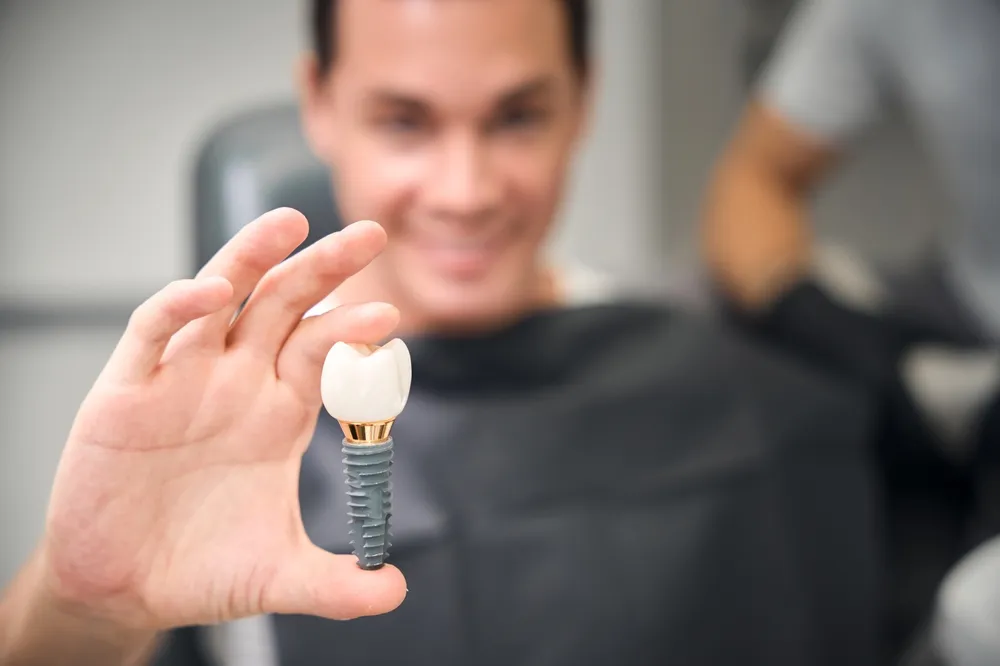
Australian patients pay significantly more than patients in many other countries. A single zirconia implant in Australia costs between AUD 5,500 and AUD 7,500. This price includes the implant fixture, abutment, and zirconia crown. Multiple implants multiply these costs. A full-mouth zirconia rehabilitation can exceed AUD 80,000.
What Additional Expenses Do Australian Patients Often Face?
The base price rarely tells the full story. Australian patients frequently encounter extra charges. Initial consultation fees range from AUD 150 to AUD 300. CBCT scans add AUD 200 to AUD 400. Bone grafting procedures cost AUD 800 to AUD 2,000. Sinus lift surgeries range from AUD 1,500 to AUD 3,500. Temporary restorations add AUD 500 to AUD 1,000. Follow-up appointments accumulate over months. These extras push total costs even higher.
Why Are Zirconia Implants More Affordable in Turkey?
Turkey offers lower operational costs, favorable exchange rates, government-backed medical tourism incentives, high patient volumes, and in-house digital laboratories. These factors reduce prices without reducing quality.
How Do Lower Operational Costs Maintain High Standards?
Turkish dental clinics operate with significantly lower overhead. Commercial rents in Istanbul, Antalya, and Izmir cost a fraction of Australian rates. Staff salaries, utilities, and insurance premiums remain manageable. Clinics pass these savings to patients. Importantly, lower costs do not mean lower standards. Turkish dentists train at world-class institutions. Many complete fellowships in Europe or the United States.
How Do Favorable Exchange Rates Benefit Australian Patients?
The Australian dollar stretches further in Turkey. The Turkish lira has experienced depreciation against major currencies. Australian patients gain substantial purchasing power. A treatment that costs AUD 6,500 in Australia might cost the equivalent of AUD 1,200 in Turkey. This currency advantage amplifies savings dramatically.
How Does Government Support Strengthen Medical Tourism?
The Turkish government actively promotes medical tourism. Officials offer tax incentives to clinics serving international patients. Authorities streamline visa processes for medical travelers. Istanbul Airport operates as a global hub. Direct flights connect Turkey to Australia via major Asian and Middle Eastern hubs. This infrastructure supports seamless travel for dental patients.
How Does High Patient Volume Create Better Cost Efficiency?
Turkish dental clinics treat thousands of international patients annually. High volume drives efficiency. Dentists perform implant procedures daily. This repetition hones surgical skill. Clinics negotiate bulk purchasing agreements with implant manufacturers. They buy zirconia blanks, surgical kits, and sterilization supplies at reduced rates. Economies of scale benefit every patient.
How Do In-House Digital Dental Laboratories Cut Costs?
Many Turkish clinics operate proprietary digital laboratories. Technicians design and mill zirconia restorations on-site. This eliminates third-party laboratory fees. CAD/CAM systems produce crowns and bridges within hours. Patients receive faster service. Clinics control quality directly. In-house production removes markup layers that inflate Australian prices.
How Much Can Australians Actually Save on Zirconia Implants in Turkey?
Australians save between 60% and 80% on implant treatment. A single implant saves approximately AUD 5,000. Full-mouth rehabilitation saves AUD 50,000 or more, even after travel costs.
What Does a Single Zirconia Implant Cost Comparison Show?
Cost Component | Australia (AUD) | Turkey (AUD) | Savings (AUD) |
Single Zirconia Implant | $6,500 | $1,200 | $5,300 |
Consultation | $250 | $0 (included) | $250 |
CBCT Scan | $300 | $0 (included) | $300 |
Bone Grafting (if needed) | $1,500 | $400 | $1,100 |
Temporary Crown | $600 | $0 (included) | $600 |
Total Single Implant | $9,150 | $1,600 | $7,550 |
What Does a Multiple Zirconia Implant Cost Comparison Show?
Patients needing three to six implants see exponential savings. Three zirconia implants in Australia cost approximately AUD 19,500. In Turkey, the same treatment costs approximately AUD 3,600. Six implants cost AUD 39,000 in Australia. Turkish clinics charge approximately AUD 7,200.
What Does a Full-Mouth Zirconia Implant Cost Comparison Show?
Full-mouth rehabilitation delivers the most dramatic savings. All-on-4 or All-on-6 zirconia systems in Australia range from AUD 60,000 to AUD 90,000. Turkish clinics offer equivalent full-mouth zirconia solutions for AUD 12,000 to AUD 18,000. This represents a savings of AUD 48,000 to AUD 72,000.
What Is the Estimated Percentage Savings?
Percentage savings remain remarkably consistent across treatment types. Single implants save approximately 75%. Multiple implants save approximately 70%. Full-mouth rehabilitation saves approximately 65% to 75%. These percentages hold even when patients require bone grafting or sinus lifts.
What Does the Complete Cost Comparison Table Reveal?
Treatment Type | Australia (AUD) | Turkey (AUD) | Savings (AUD) | Percentage Savings |
Single Zirconia Implant | $6,500 | $1,200 | $5,300 | 81% |
3 Zirconia Implants | $19,500 | $3,600 | $15,900 | 82% |
6 Zirconia Implants | $39,000 | $7,200 | $31,800 | 82% |
Full-Mouth Zirconia (All-on-4) | $75,000 | $15,000 | $60,000 | 80% |
Full-Mouth Zirconia (All-on-6) | $85,000 | $18,000 | $67,000 | 79% |
Do Travel Costs Reduce the Overall Savings?
Travel costs reduce savings slightly, but Australian patients still save tens of thousands. A two-week dental trip costs approximately AUD 3,000 to AUD 5,000. Full-mouth patients save over AUD 55,000 even after these expenses.
What Does Airfare from Australia to Turkey Cost?
Return flights from Sydney or Melbourne to Istanbul range from AUD 1,200 to AUD 2,000. Patients booking in advance secure better rates. Some clinics assist with flight recommendations. Major carriers including Qatar Airways, Emirates, and Singapore Airlines offer connecting flights through their hubs.
What Do Accommodation Costs Look Like?
Turkey offers accommodation at every price point. Dental tourism packages often include four-star hotel stays. Independent travelers find quality hotels for AUD 50 to AUD 100 per night. A two-week stay costs approximately AUD 700 to AUD 1,400.
What Transportation Expenses Should Patients Expect?
Airport transfers typically cost AUD 30 to AUD 50 each way. Local transportation via taxis or ride-sharing apps remains affordable. Istanbul and Antalya offer efficient public transit. Daily transport budgets rarely exceed AUD 20.
What Do Meals and Daily Living Costs Amount To?
Turkey offers excellent dining at reasonable prices. Patients spend AUD 30 to AUD 50 daily on meals. Two weeks of dining costs approximately AUD 420 to AUD 700.
What Is the Total Estimated Travel Budget?
Expense Category | Estimated Cost (AUD) |
Return Flights | $1,500 |
Accommodation (14 nights) | $1,000 |
Airport Transfers | $80 |
Local Transportation | $200 |
Meals and Daily Expenses | $600 |
Miscellaneous | $200 |
Total Travel Budget | $3,580 |
What Are the Overall Financial Savings After Travel Expenses?
Even after deducting travel costs, savings remain extraordinary. A single implant patient saves AUD 7,550 on treatment. After AUD 3,580 in travel costs, net savings equal AUD 3,970. Full-mouth patients save AUD 60,000. After travel, net savings equal AUD 56,420. The math overwhelmingly favors treatment in Turkey.
What Is Usually Included in Zirconia Implant Packages in Turkey?
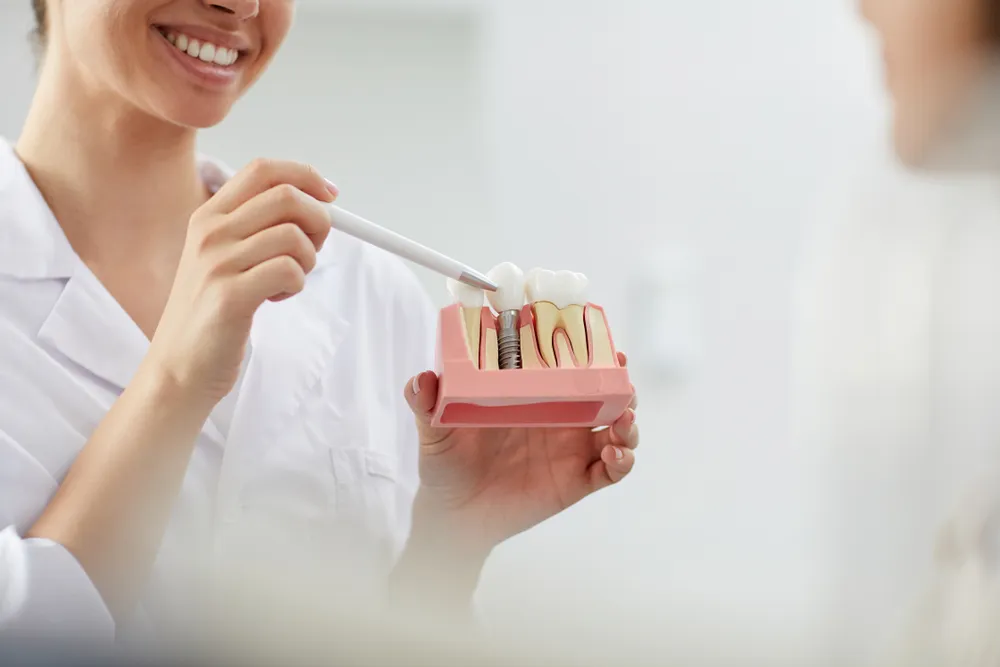
Comprehensive packages include consultation, digital smile design, CBCT imaging, surgery, temporary and permanent restorations, hotel accommodation, airport transfers, local transport, interpreter services, and postoperative medications.
What Does the Initial Consultation Cover?
Clinics conduct thorough initial consultations. Dentists review medical history. They assess oral health. They discuss patient expectations. This consultation often occurs online before travel.
What Is Digital Smile Design?
Digital Smile Design (DSD) uses photography and software to plan the final aesthetic result. Patients see a preview of their new smile. Dentists adjust proportions, shade, and alignment digitally. This technology ensures predictable outcomes.
What Does 3D CBCT Imaging Involve?
Cone Beam Computed Tomography (CBCT) provides three-dimensional jaw imaging. Scans reveal bone density, nerve pathways, and sinus anatomy. Dentists use this data for precise surgical planning. CBCT eliminates guesswork.
What Does Zirconia Implant Surgery Entail?
Surgeons place zirconia implant fixtures into the jawbone. They use surgical guides created from CBCT data. Local anesthesia ensures comfort. The procedure typically takes one to two hours per implant.
What Is a Temporary Prosthesis?
Patients receive temporary teeth immediately after surgery. These temporaries restore function and aesthetics during healing. Patients leave the clinic with a functional smile.
What Is the Permanent Zirconia Restoration?
After three to six months of healing, dentists place permanent zirconia crowns or bridges. Technicians mill these from solid zirconia blocks. The restorations match natural teeth in color and translucency.
What Hotel Accommodation Do Packages Include?
Most packages include four or five-star hotel accommodation. Hotels sit near clinics. Patients enjoy comfortable recovery environments. Some packages include breakfast.
What Airport Transfers Are Provided?
Clinics arrange private airport transfers. Drivers greet patients at arrivals. They transport patients directly to hotels or clinics. This service eliminates navigation stress.
What Local Transportation Is Available?
Packages include clinic-related local transport. Drivers shuttle patients between hotels and clinics. Patients do not worry about taxis or public transit.
What Interpreter Services Are Offered?
English-speaking coordinators assist patients. They translate during consultations. They explain postoperative instructions. Communication remains clear throughout treatment.
What Postoperative Medications Do Patients Receive?
Clinics provide antibiotics, pain relievers, and mouth rinses. Patients receive written instructions. Coordinators explain dosage schedules.
Are Lower Prices Associated with Lower Quality?
Lower prices in Turkey do not indicate lower quality. Turkish dentists hold international qualifications. Clinics use modern technology, CAD/CAM manufacturing, and internationally recognized implant brands. Strict sterilization protocols and accreditations maintain high standards.
How Do Internationally Trained Implant Dentists Ensure Quality?
Many Turkish implant dentists complete training in Germany, Switzerland, the United States, or the United Kingdom. They hold memberships in the International Congress of Oral Implantologists (ICOI) and the European Association for Osseointegration (EAO). These credentials match or exceed Australian standards.
What Modern Digital Dentistry Technologies Do Clinics Use?
Turkish clinics invest heavily in digital infrastructure. They operate intraoral scanners, 3D printers, and CAD/CAM milling units. Digital workflows increase precision. They reduce human error.
How Does CAD/CAM Manufacturing Improve Results?
Computer-Aided Design and Computer-Aided Manufacturing (CAD/CAM) produces zirconia restorations with micron-level accuracy. Milling machines carve crowns from pre-sintered zirconia blocks. This technology delivers superior fit compared to traditional hand-layered ceramics.
Which International Implant Brands Do Turkish Dentists Use?
Reputable Turkish clinics use brands like Straumann, Nobel Biocare, Megagen, and Osstem. These manufacturers hold FDA and CE certifications. Patients receive the same implant systems used in Australian clinics.
What Sterilization Protocols Do Clinics Follow?
Turkish clinics adhere to international sterilization standards. They use autoclave sterilization, ultrasonic cleaning, and disposable instruments. Many clinics hold ISO 9001 certification. Infection control matches European protocols.
What Accreditation and Quality Standards Apply?
Leading Turkish dental clinics maintain accreditation from international bodies. They follow Joint Commission International (JCI) standards. They undergo regular inspections. Quality assurance programs track patient outcomes.
What Makes Zirconia Implants Different from Titanium Implants?
Zirconia implants offer metal-free composition, superior biocompatibility, natural aesthetics, reduced plaque accumulation, and excellent soft tissue response. They serve as an ideal alternative for patients with metal sensitivities.
What Is the Material Composition of Zirconia Implants?
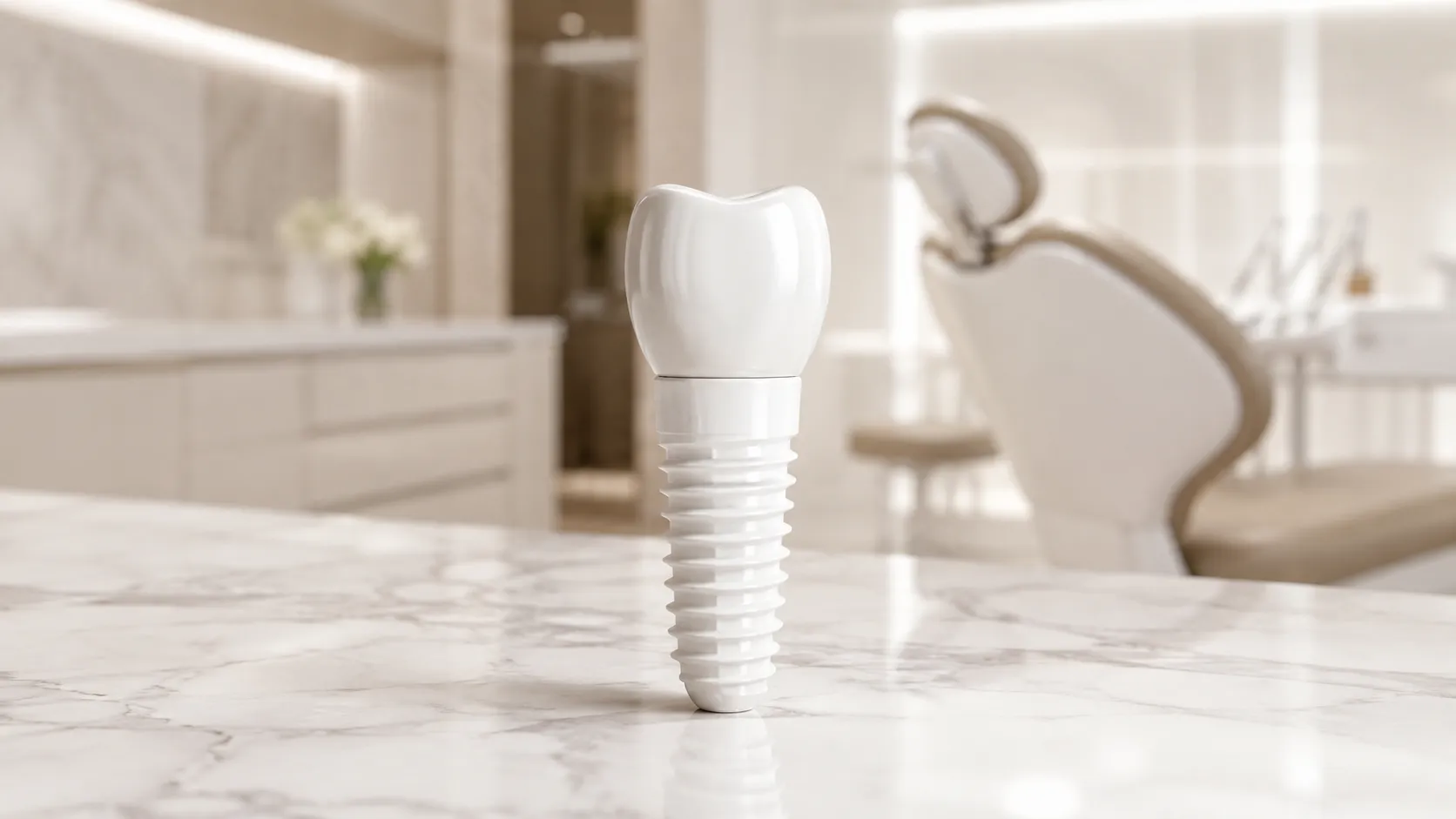
Zirconia implants consist of yttrium-stabilized tetragonal zirconia polycrystal (Y-TZP). This ceramic material exhibits high flexural strength. It resists fracture under occlusal loads. Zirconia contains no metallic components.
How Does Biocompatibility Differ Between Zirconia and Titanium?
Zirconia demonstrates excellent biocompatibility. Research shows minimal inflammatory response (Gahlert et al., 2012). Osseointegration rates rival titanium. Bone cells adhere directly to zirconia surfaces. The material forms a stable bone-implant interface.
What Are the Metal-Free Advantages?
Some patients report sensitivities to titanium. Zirconia eliminates this concern entirely. The ceramic composition avoids any metal ion release. This benefits patients with autoimmune conditions or metal allergies.
What Esthetic Benefits Does Zirconia Offer?
Zirconia mimics natural tooth color. It does not show a gray line at the gum margin. Titanium implants sometimes create a dark shadow in patients with thin gingival tissue. Zirconia remains invisible beneath the gum line.
How Does Plaque Accumulation Compare?
Studies indicate zirconia surfaces accumulate less plaque than titanium (Rimondini et al., 2002). Reduced plaque lowers peri-implantitis risk. Patients maintain healthier peri-implant tissues.
What Soft Tissue Response Does Zirconia Produce?
Zirconia promotes favorable soft tissue adaptation. Gingival cells attach well to zirconia surfaces. Research demonstrates similar epithelial attachment to titanium (Degidi et al., 2011). The soft tissue seal remains stable over time.
What Does Long-Term Clinical Performance Show?
Long-term studies report survival rates exceeding 95% for zirconia implants over five years (Pieralli et al., 2017). Clinical performance matches titanium in appropriate indications. Zirconia implants serve as a reliable, evidence-based alternative.
Who Is an Ideal Candidate for Zirconia Implants?
Ideal candidates include patients with metal sensitivities, those seeking natural aesthetics, full-mouth rehabilitation patients, individuals with healthy bone volume, and patients willing to undergo necessary preparatory procedures.
Why Do Patients with Metal Sensitivities Choose Zirconia?
Patients with documented titanium allergies or sensitivities require metal-free solutions. Zirconia provides a safe alternative. Patch testing confirms compatibility before surgery.
Why Do Patients Seeking Natural Aesthetics Prefer Zirconia?
Patients with high smile lines or thin gingival tissue benefit from zirconia's tooth-colored appearance. The material eliminates metallic grayness. Aesthetics remain paramount in anterior regions.
Why Do Full-Mouth Rehabilitation Candidates Consider Zirconia?
Full-mouth reconstruction patients often receive multiple implants. Zirconia offers uniform material properties across all restorations. The metal-free approach appeals to holistic health-conscious patients.
What Bone Volume Requirements Apply?
Zirconia implants require adequate bone volume. Standard diameters range from 3.5mm to 5.0mm. Patients need sufficient alveolar ridge width and height. CBCT imaging confirms eligibility.
Which Cases May Require Additional Procedures?
Patients with insufficient bone need grafting. Sinus lifts address posterior maxillary deficiencies. Ridge augmentation rebuilds atrophied bone. These procedures add cost and healing time. They remain essential for long-term success.
What Is the Treatment Process for Australian Patients Traveling to Turkey?
The process includes online consultation, treatment planning, arrival in Turkey, clinical assessment, implant placement, healing, final restoration, return home, and remote follow-up care.
How Does Online Consultation Before Travel Work?
Patients submit dental photographs and panoramic X-rays. Dentists review these remotely. They provide preliminary treatment plans. They estimate costs and timelines. Patients ask questions. Clinics coordinate travel dates.
What Happens During Treatment Planning?
Dentists create detailed surgical plans. They design restorations using CAD software. They order implant components. They schedule laboratory time. Patients receive comprehensive itineraries.
What Should Patients Expect Upon Arrival in Turkey?
Clinics arrange airport pickup. Drivers transport patients to hotels. Coordinators schedule clinic appointments. Patients settle in before treatment begins.
What Does Clinical Assessment Involve?
Dentists perform physical examinations. They take CBCT scans. They confirm bone quality. They verify treatment plans. They obtain final informed consent.
What Happens During Implant Placement?
Surgeons place implants under local anesthesia. They use surgical guides. Procedures typically take one to three hours. Patients receive temporary restorations immediately. They return to hotels the same day.
What Is the Healing Period?
Osseointegration requires three to six months. Patients return home after one to two weeks. They wear temporary teeth during healing. Local dentists can monitor healing if needed.
When Do Patients Receive Final Zirconia Restoration?
Patients return to Turkey after three to six months. Dentists remove temporaries. They place permanent zirconia crowns or bridges. They verify bite and aesthetics.
What Happens When Returning Home?
Patients resume normal activities. They schedule follow-ups with local dentists. They maintain excellent oral hygiene. They report any concerns to the Turkish clinic.
How Does Remote Follow-Up Care Work?
Clinics provide WhatsApp or email support. Patients send photographs. Dentists assess healing remotely. They address questions promptly. This system maintains continuity of care.
How Long Should Australians Stay in Turkey for Zirconia Implant Treatment?
Patients typically stay 7 to 14 days for the first visit. They return after 3 to 6 months for final restorations. Some clinics offer same-day protocols for select cases.
What Is the First Visit Timeline?
The first visit spans 7 to 10 days. Day 1 covers consultation and imaging. Days 2 to 3 involve surgical planning. Days 4 to 5 include implant placement. Days 6 to 10 allow for temporary restoration fitting and adjustment.
What Is the Healing Period?
Bone integration requires 90 to 180 days. Patients heal at home. They wear temporary teeth. They avoid hard foods. They maintain meticulous hygiene.
What Is the Second Visit Timeline?
The second visit lasts 5 to 7 days. Day 1 covers assessment. Days 2 to 4 involve final restoration fabrication. Days 5 to 7 include fitting and adjustment.
When Do Same-Day Protocols Apply?
Some clinics offer immediate loading protocols. Patients with excellent bone quality receive permanent restorations within 72 hours. Not all patients qualify. Dentists determine eligibility through CBCT analysis.
What Factors Affect the Total Cost of Zirconia Implant Treatment?
Total cost depends on the number of missing teeth, implant brand, bone grafting needs, sinus lift requirements, prosthetic restoration type, and case complexity.
How Does the Number of Missing Teeth Influence Cost?
Each implant adds to the total. Single implants cost less than multiple implants. Full-mouth rehabilitation costs the most. However, full-mouth cases often offer the best per-unit pricing.
How Does Implant Brand Affect Pricing?
Premium brands like Straumann and Nobel Biocare cost more than Korean brands like Osstem or Megagen. All brands meet international standards. Patients choose based on preference and budget.
When Do Bone Grafting Requirements Increase Costs?
Patients with bone atrophy need augmentation. Bone grafting adds AUD 300 to AUD 800 per site. Grafting extends treatment time. It improves long-term outcomes.
When Do Sinus Lift Procedures Add Expense?
Posterior maxillary implants sometimes require sinus elevation. This procedure adds AUD 500 to AUD 1,000. It creates necessary bone height. It ensures implant stability.
How Does the Type of Prosthetic Restoration Change Pricing?
Single crowns cost less than bridges. Full-arch fixed prostheses cost more than overdentures. Zirconia monolithic crowns cost more than layered zirconia. Material choices affect final pricing.
How Does Case Complexity Impact the Final Bill?
Complex cases require more surgical time. They need additional diagnostic imaging. They may involve multiple specialists. Complexity increases cost proportionally.
How Can Australians Choose a Reliable Dental Clinic in Turkey?
Australians should verify dentist qualifications, review clinical experience, examine before-and-after cases, check patient reviews, confirm implant brand transparency, understand warranty policies, and evaluate communication and aftercare.
Why Should Patients Verify Dentist Qualifications?
Patients should check dental school credentials. They should look for postgraduate implant training. They should verify memberships in international organizations. Qualified dentists display certifications openly.
How Does Clinical Experience Matter?
Dentists should demonstrate extensive implant experience. Patients should ask about case volumes. Surgeons placing hundreds of implants annually develop superior skill. Experience correlates with better outcomes.
Why Should Patients Examine Before-and-After Cases?
Clinics should provide documented case portfolios. Patients should see photographs of similar cases. They should assess aesthetic quality. They should evaluate functional results.
How Do Patient Reviews Guide Selection?
Independent review platforms offer valuable insights. Patients should read multiple reviews. They should look for consistent positive feedback. They should note how clinics respond to negative reviews.
Why Is Implant Brand Transparency Essential?
Clinics should disclose exact implant brands. Patients should verify brand authenticity. They should request implant certificates. Transparency builds trust.
What Warranty Policies Should Patients Understand?
Reputable clinics offer warranties on implants and restorations. Patients should read warranty terms. They should understand coverage periods. They should know claim procedures.
How Do Communication and Aftercare Affect the Decision?
Clinics should respond promptly to inquiries. They should speak clear English. They should provide written aftercare instructions. They should offer remote follow-up support.
What Risks Should Patients Consider Before Traveling Abroad for Dental Treatment?
Patients should watch for unrealistically low prices, hidden costs, inadequate treatment planning, limited aftercare, and incomplete diagnostics. Thorough research mitigates these risks.
Why Should Patients Avoid Unrealistically Low Prices?
Prices significantly below market rates signal problems. Clinics may use counterfeit implants. They may cut corners on sterilization. They may employ inexperienced dentists. Patients should compare multiple clinics.
How Do Hidden Costs Emerge?
Some clinics advertise low base prices. They add charges for imaging, temporaries, or anesthesia later. Patients should request itemized quotes. They should confirm all-inclusive pricing.
What Problems Arise from Inadequate Treatment Planning?
Rushed planning leads to poor outcomes. Clinics should perform thorough diagnostics. They should create surgical guides. They should plan restorations before surgery.
Why Does Limited Aftercare Pose Concerns?
Patients return home after treatment. Local dentists may not want to manage complications. Turkish clinics should provide robust remote support. They should offer clear emergency protocols.
Why Is Comprehensive Diagnostics Critical?
CBCT imaging remains essential. Panoramic X-rays alone prove insufficient. Clinics should assess bone quality. They should evaluate medical contraindications. Proper diagnostics prevent surgical failures.
Frequently Asked Questions About Zirconia Implants in Turkey
This section answers common questions about savings, safety, brands, insurance, travel requirements, longevity, material comparisons, and remote consultation availability.
How Much Can Australians Save on Zirconia Implants in Turkey?
Australians save between 60% and 80% on treatment costs. Single implant patients save approximately AUD 5,000. Full-mouth patients save over AUD 60,000. These savings remain substantial even after travel expenses.
Are Zirconia Implants Safe?
Yes. Zirconia implants demonstrate excellent biocompatibility. Research confirms high survival rates. The material carries no metal-related risks. Proper surgical technique ensures safety.
Do Turkish Dentists Use Internationally Recognized Implant Brands?
Yes. Leading clinics use FDA-approved and CE-certified brands. Straumann, Nobel Biocare, Megagen, and Osstem appear regularly. Patients receive genuine components with traceability documentation.
Is Treatment Covered by Australian Private Health Insurance?
Most Australian insurers do not cover overseas dental treatment. Patients should check individual policies. Some funds offer limited rebates. Patients should not rely on insurance coverage.
How Many Trips Are Required?
Most patients need two trips. The first trip covers implant placement. The second trip covers final restorations after three to six months. Some clinics offer single-trip protocols for select cases.
How Long Do Zirconia Implants Last?
With proper care, zirconia implants last 15 to 20 years or longer. Long-term studies show survival rates above 95% at five years (Pieralli et al., 2017). Oral hygiene and regular check-ups extend longevity.
Are Zirconia Implants Better Than Titanium?
Zirconia offers advantages for specific patients. It provides superior aesthetics. It eliminates metal sensitivity concerns. Titanium remains the gold standard for versatility. Dentists recommend based on individual needs.
Can Australians Receive Online Consultations Before Traveling?
Yes. Clinics offer video consultations. Patients submit dental records. Dentists provide preliminary assessments. They create treatment plans. They coordinate travel logistics.
Conclusion
Is Traveling to Turkey for Zirconia Implants Worth It for Australians?
Yes. Australian patients save tens of thousands of dollars while receiving high-quality zirconia implant treatment. Reputable Turkish clinics match international standards. The combination of dramatic cost reduction, modern technology, and experienced dentists makes dental tourism a compelling option.
Australian patients face a genuine financial challenge at home. Zirconia implants cost a fortune in domestic clinics. Turkey offers an evidence-based alternative. The savings extend far beyond single implants. Full-mouth rehabilitation patients transform their finances. They receive world-class care. They pay a fraction of Australian prices.
Quality remains paramount. Turkish dentists train internationally. Clinics use the same implant brands. They operate modern digital laboratories. They follow strict sterilization protocols. The lower cost structure reflects economic differences, not quality compromises.
Patients must research carefully. They should verify credentials. They should confirm implant brands. They should understand warranty terms. They should choose clinics with transparent pricing and robust aftercare.
The decision ultimately balances cost, quality, and convenience. For Australian patients needing zirconia implants, Turkey delivers exceptional value. The math speaks clearly. The science supports the choice. Informed patients make confident decisions.
References
Degidi, Marco, et al. "Bacterial Colonization and Soft Tissue Inflammation Around Zirconia and Titanium Implants: A Cross-Sectional Study." International Journal of Oral and Maxillofacial Implants, vol. 26, no. 4, 2011, pp. 789-94.
Gahlert, Michael, et al. "A Prospective Clinical Study to Evaluate the Performance of Zirconium Dioxide Dental Implants in Single-Tooth Gaps." Clinical Oral Implants Research, vol. 23, no. 6, 2012, pp. 653-59.
Pieralli, Stefano, et al. "Clinical Outcomes of Zirconia Dental Implants: A Systematic Review." Journal of Esthetic and Restorative Dentistry, vol. 29, no. 5, 2017, pp. 348-59.
Rimondini, Lia, et al. "Bacterial Colonization of Zirconia Ceramic in the Oral Environment: An in Vivo Study." Journal of Dentistry, vol. 30, no. 7, 2002, pp. 277-82.
Sannino, Gianpaolo, and Marco Degidi. "Zirconia Dental Implants: A Literature Review and Case Report." Minerva Stomatologica, vol. 61, no. 5, 2012, pp. 211-24.
Spies, Benedict Christopher, et al. "Clinical and Radiographic Outcomes of Zirconia Implants Supporting Single Crowns: A 5-Year Prospective Study." Clinical Oral Implants Research, vol. 29, no. 10, 2018, pp. 1012-19.
Tete, Stefano, et al. "Zirconia Dental Implants: A Literature Review." Journal of Oral Implantology, vol. 39, no. 5, 2013, pp. 612-17.
World Health Organization. Medical Tourism: Global Trends and Ethical Considerations. WHO Press, 2013.